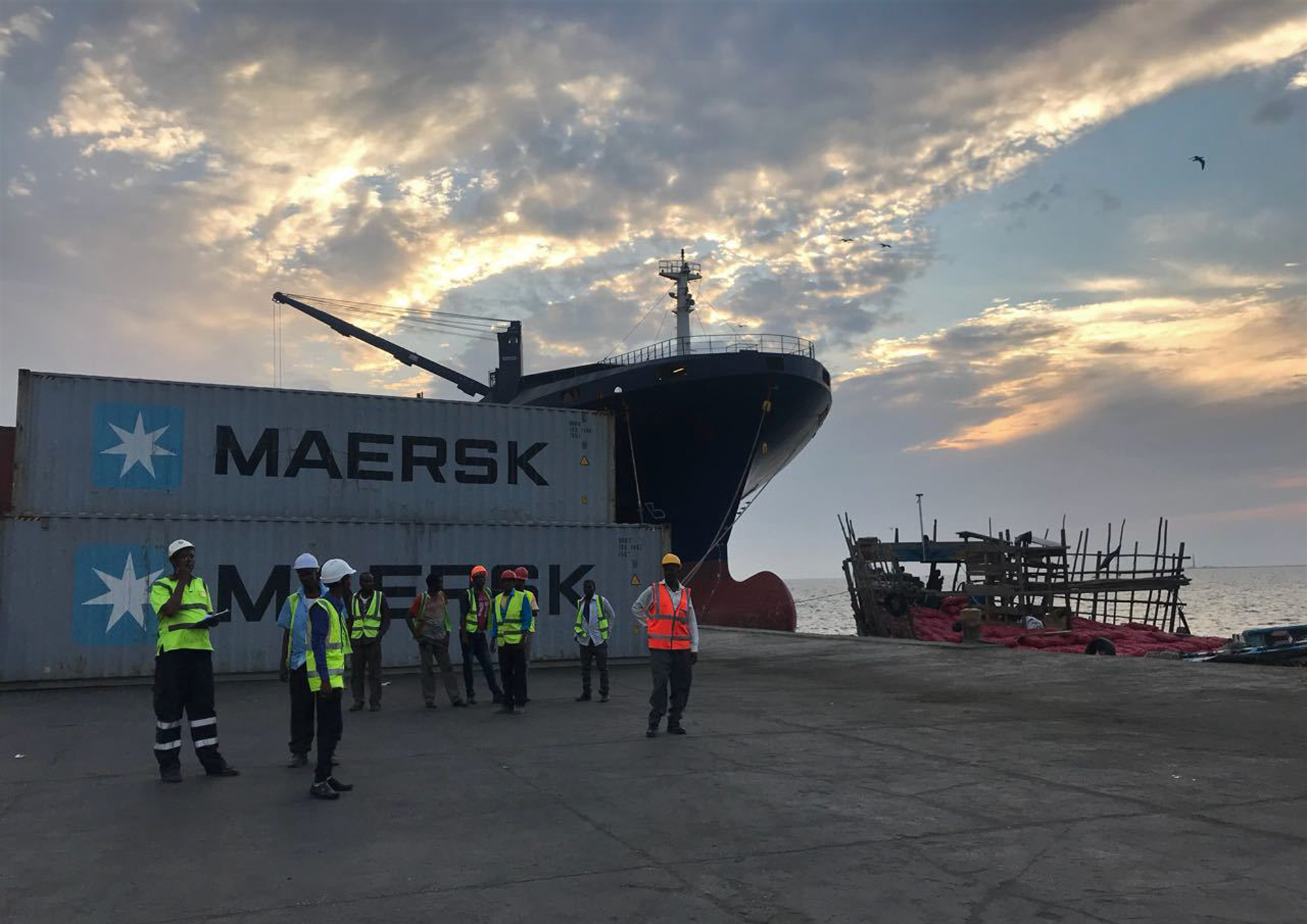
Workers stand in front of shipping containers at the port of Berbera, run by DP World, in Berbera, Somaliland, April 1, 2018. (AP Photo/Malak Harb)
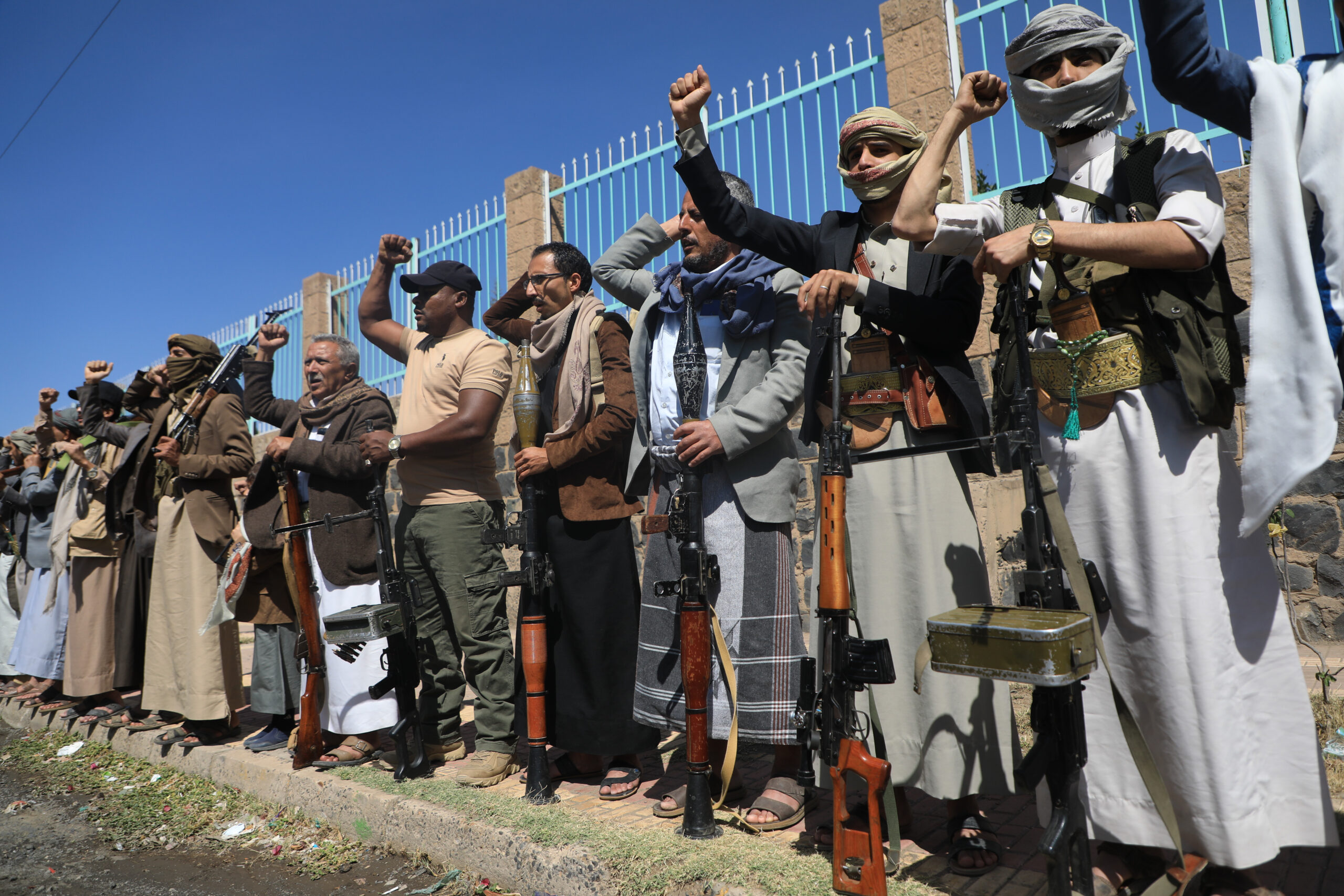
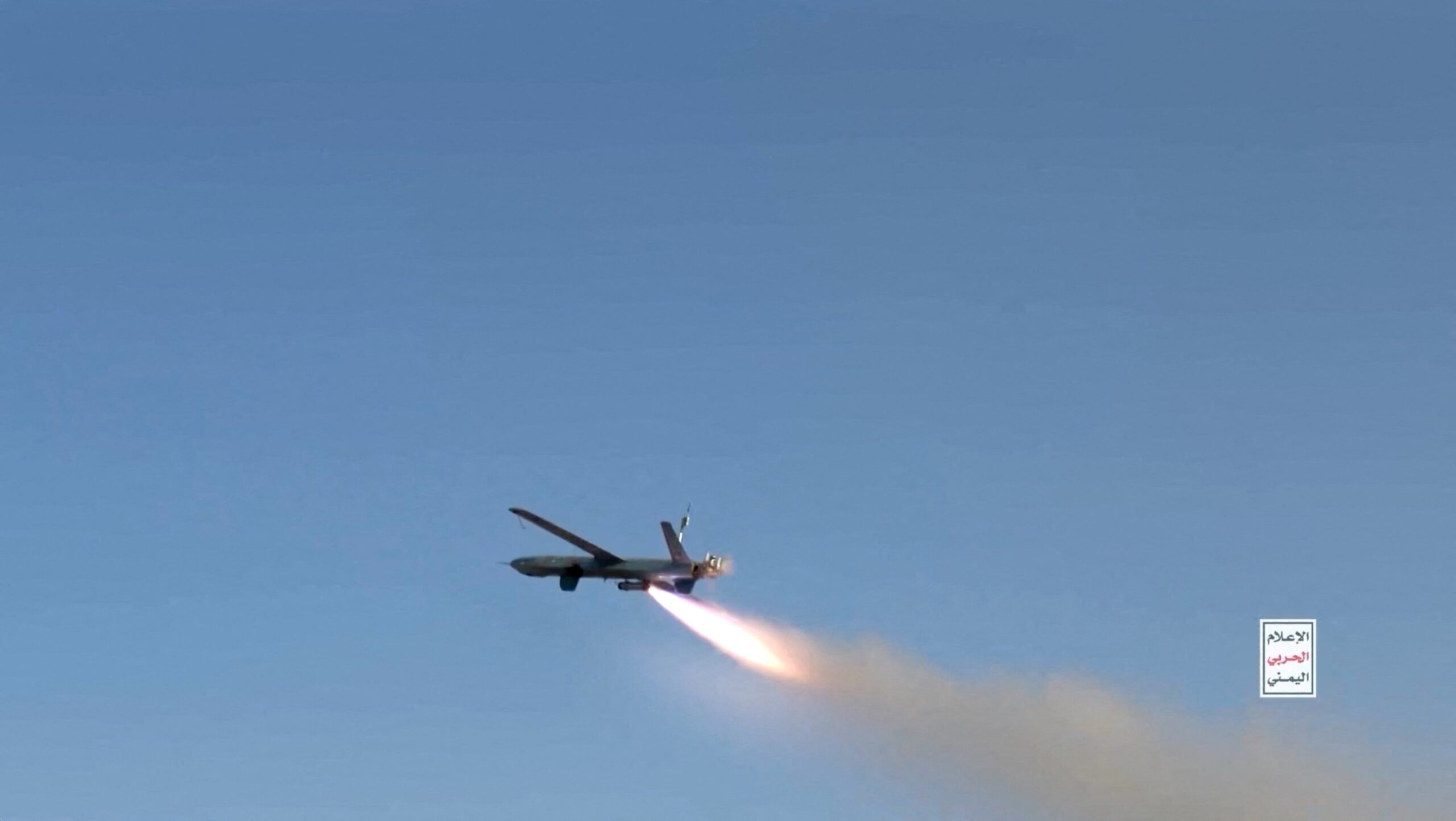
The Houthi campaign against Saudi Arabia has put a second Gulf chokepoint under pressure. With the Strait of Hormuz already partly sealed, drone and missile attacks on Saudi targets and threats to shipping near the Bab el-Mandeb have raised the value of ports, airfields, and partnerships on the far side of the Gulf of Aden. In Somalia and Somaliland, those partnerships reflect contested political authority and rival security commitments, making infrastructure a source of friction as well as protection.
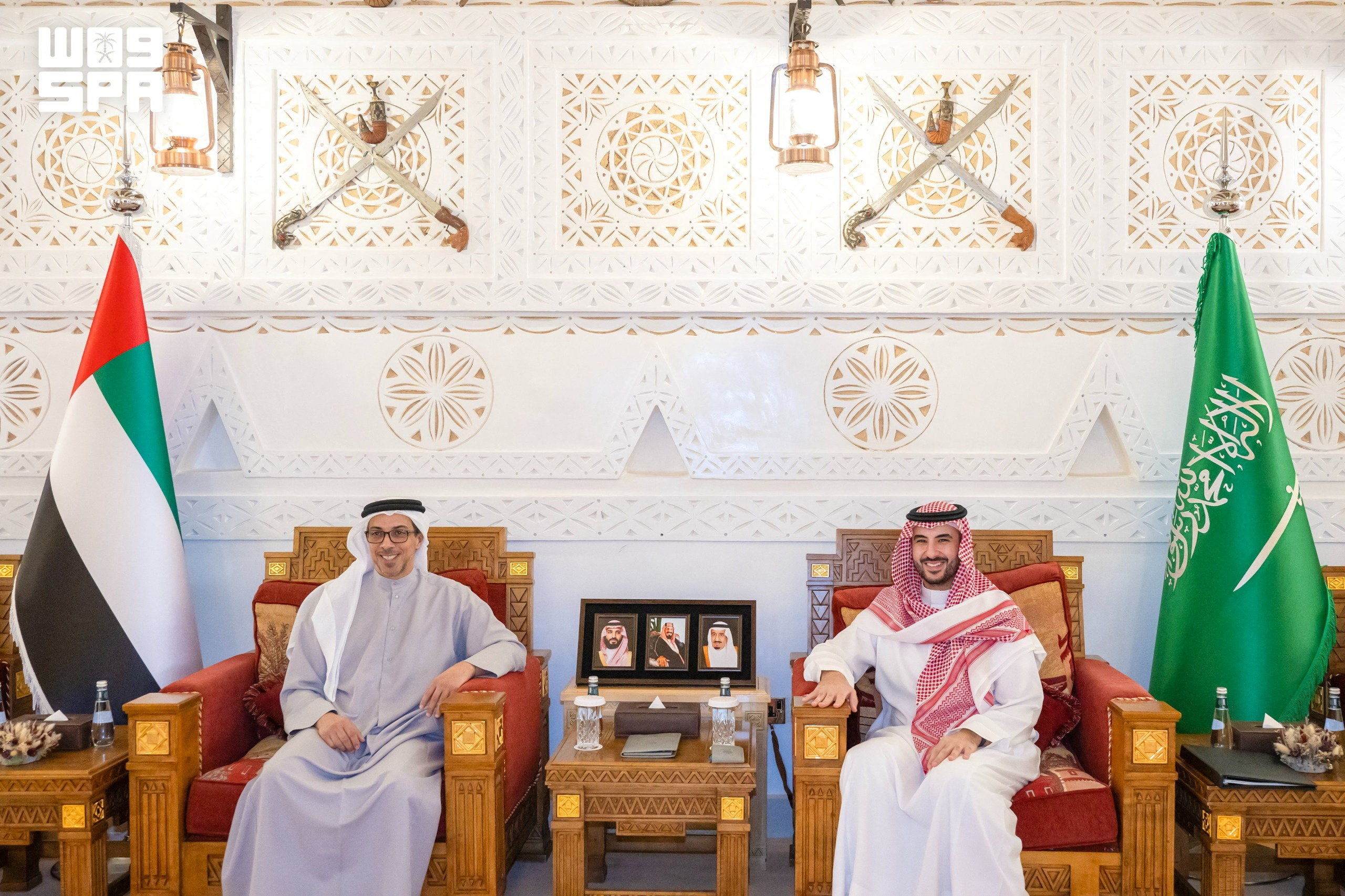
In Yemen, the crisis is seemingly pulling Riyadh and Abu Dhabi back together. After months of friction over the South, the United Arab Emirates has reportedly agreed to resume funding anti-Houthi forces, with Saudi Arabia providing air cover. Across the water, however, the two are building on different foundations. The UAE works through the port city of Berbera and the authorities in Somaliland. Saudi Arabia backs Somalia’s territorial integrity and the federal government in the Somali capital of Mogadishu, alongside Turkey and Egypt. The question is whether cooperation against the Houthis can narrow that divide or whether the two will cooperate in Yemen while competing on the African shore.
The UAE: Ports and Local Partners
For the UAE, Berbera offers a commercial foothold with infrastructure that could support military activity. DP World’s $442 million port investment anchors a network linking the container terminal, Berbera Economic Zone, and road corridor to Ethiopia. This ties Emirati interests to trade between the Gulf of Aden and the African hinterland.
This model limits Abu Dhabi’s dependence on Mogadishu. When Somalia’s federal government annulled its agreements with the UAE in January, citing sovereignty violations, DP World kept operating under its arrangements with Hargeisa, Somaliland’s capital. Emirati access rests on local control, even as its legal and diplomatic status remains contested.
Berbera’s airport could complement the port’s commercial role by supporting military operations. Satellite imagery published in July showed construction consistent with ammunition or fuel storage as well as raised positions that may host air-defense systems. Such infrastructure could support surveillance, aircraft operations, and logistics near Yemen. Who would operate there remains unclear. Israel has reportedly explored a military foothold in Somaliland for intelligence gathering and operations against the Houthis, while Somaliland has offered the United States potential military access. Neither arrangement is confirmed, and the U.S. military has denied plans for a base.
Israel’s recognition of Somaliland has opened the door to closer diplomatic and security cooperation with Hargeisa. In June, Somaliland’s defense minister confirmed that Israel was training its military and police while denying talks over a base. Hargeisa has since requested Israeli air-defense support, citing Turkish aircraft and drones in Somalia. Somaliland’s president has also conditionally offered up to 2,000 personnel for a Gaza stabilization force. For Somaliland, security cooperation is a route to international standing. For Abu Dhabi, it brings more options but also partners whose priorities do not always match its own.
Saudi Arabia: A Unified Somalia and Its Partners
Saudi Arabia is backing a unified Somalia, mirroring its position in Yemen, where it has opposed the push by UAE-backed Southern separatists for self-rule. Endorsing secessionist authorities on either shore of the Gulf of Aden could set a precedent Riyadh would likely be reluctant to accept. Israel’s recognition of Somaliland, which Riyadh rejected, adds concern about increasing Somaliland-Israeli ties that could lead to an Israeli military foothold opposite Yemen.
Riyadh’s own instruments remain limited. A February military cooperation agreement gives it a framework for supporting Mogadishu. The Mecca Joint Defense Agreement, signed with Turkey and Pakistan in August, offers a wider channel for coordination, though not a Somalia strategy. Turkey’s bilateral relationship with Mogadishu provides the most developed operational partnership among these overlapping relationships.
Turkey is Mogadishu’s most developed security partner. Camp TURKSOM has trained Somali forces since 2017, and, in 2024, Ankara committed to a 10-year framework for developing Somalia’s maritime capacity. Turkish drones and F-16s operate in the country, and there have been recent reports of Turkish strikes on al-Shabab as well as ground combat involving Turkish forces.
Ankara’s security commitments intersect with substantial economic interests. Turkish companies operate Mogadishu’s main airport terminal and seaport, while Turkish Petroleum began deep-water drilling at the Curad-1 well off Somalia in April. Together, these investments give Ankara growing incentives to protect its Somali assets, even as instability threatens their viability. After Ethiopia’s proposed port deal with Somaliland sparked tensions with Mogadishu, the Turkish-mediated December 2024 Ankara Declaration established a framework for negotiating Ethiopian maritime access under Somali sovereignty, showing that Ankara’s support for Mogadishu does not exclude engagement with Addis Ababa.
That depth of involvement also brings exposure. On September 28, the former president of the federal member state South West State of Somalia, Abdiaziz Hassan Mohamed Laftagareen, alleged that Turkish F-16s backed federal forces around Baidoa. Neither Turkish responsibility nor the identification of the aircraft as F-16s has been independently verified. Still, the allegations illustrate how supporting federal institutions can draw an external partner into disputes over Mogadishu’s authority. For Ankara, the challenge is to defend Somali sovereignty without becoming tied to the political fortunes of an incumbent government.
Egypt also contributes to broader security support for Mogadishu through its planned participation in the African Union Support and Stabilization Mission in Somalia. Officially about counterterrorism and stabilization, Cairo’s involvement also reflects concerns over Ethiopia’s maritime ambitions and the Nile dispute. Preparations have been reported near Mogadishu, but the scale and timing of the deployment remain uncertain. Like Riyadh’s, Cairo’s commitments could reinforce the federal government. Their value depends on whether they strengthen institutions with legitimacy beyond the capital.
Houthi Networks Across the Two Shores
Both the Emirati and Saudi approaches face a challenge neither country fully controls: The Houthis are building their own links across the Gulf of Aden. An August Century International report reconstructed Houthi contacts with al-Shabab through intermediaries, travel records, and reported training. A facilitator detained in Mukalla in 2024 said he had arranged for hundreds of Somali nationals to travel to Houthi-held areas for instruction. The figure rests on his account alone, and evidence of transfers of advanced missiles, drones, or manufacturing knowledge remains limited. Still, channels now exist through which expertise, supplies, and people could move between the two conflicts.
For Riyadh, this is a problem that territorial gains by its Yemeni partners cannot fully solve. Networks that cross maritime jurisdictions and areas of fragmented authority can survive pressure on any single route. Supporting Somali security institutions could help but only through cooperation reaching beyond Mogadishu to the authorities and communities that control the coast.
The link also runs the other way. The Houthis have threatened to target any Israeli presence in Somaliland. Facilities that might improve surveillance of Yemen would then need protection from threats created by that very role. For Hargeisa, this is a real trade-off: Defenses sought against threats from Somalia could increase its exposure to Houthi retaliation, especially if Israel establishes a military presence. A joint Israeli-Somaliland policy analysis reflects the dilemma. It backs maritime and intelligence cooperation but recommends against an Israeli base because of escalation risks. These tensions complicate Berbera’s potential role as a unified anti-Houthi platform.
Implications for Riyadh and Abu Dhabi
The security partnerships taking shape across the Red Sea do not add up to a single coalition. Riyadh and Abu Dhabi may cooperate against the Houthis while backing different Somali authorities, and local actors can use those external relationships to defend their own autonomy. This does not mean Gulf powers have agreed to divide the Horn of Africa into spheres of influence. Rather, investments intended to strengthen individual partners may produce a patchwork of competing security arrangements.
Turkey and Egypt likewise cooperate with Saudi Arabia without sharing all its regional priorities. On October 26, Egypt’s Parliament authorized military support to defend Saudi Arabia against Houthi attacks if Riyadh requests it while ruling out offensive action in Yemen. Egypt has not joined the Mecca agreement, although it is still considering it. On October 27, Turkey’s parliamentary Foreign Affairs Committee approved the agreement, which still awaits a plenary vote. Turkish officials ruled out deploying troops to fight in Yemen. Egyptian and Turkish priorities increasingly overlap with Saudi Arabia’s in both the Horn of Africa and the Gulf. Talks involving Saudi, Turkish, Pakistani, and Iranian officials in Tehran on October 26 also show that deterrence can coexist with diplomacy. What is emerging, however, is selective alignment across crises, not an integrated regional security architecture.
The practical test will be whether these overlapping partnerships make the corridor safer rather than merely shifting threats from one shore to the other. More facilities can improve surveillance and response but cannot close the gaps between competing coastal authorities through which arms, people, and armed groups move. Nor can external military support substitute for a political settlement within Somalia.
Riyadh and Abu Dhabi do not need identical partners, but they do need ways to manage the consequences of their different choices. Renewed cooperation against the Houthis is unlikely, on its own, to settle their competition on the African shore. The realistic aim is to keep that competition from undermining the security both seek in the Red Sea.
The views represented herein are the author's or speaker's own and do not necessarily reflect the views of AGSI, its staff, or its board of directors.
Saudi-Emirati public reconciliation, a result of hard-earned lessons about the difficulty of going it alone, bodes well for a region at war and under attack, but there are still issues left to resolve.
Artificial intelligence is entering the Yemen conflict through weapons engineering and U.S.-supported targeting operations, extending a regional transformation accelerated by the war with Iran.
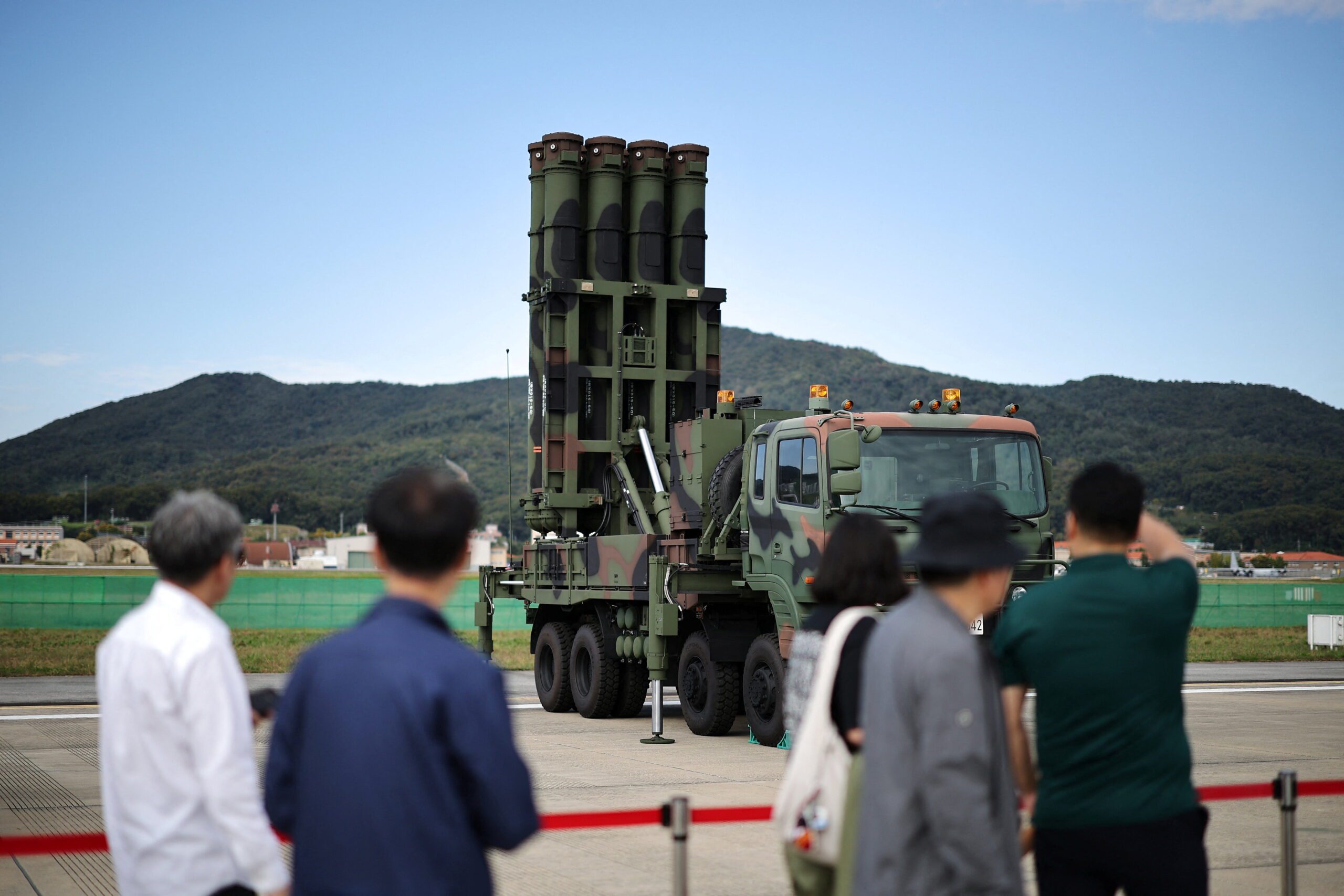
As Iranian strikes exposed structural gaps, Gulf states are expanding their air defense architecture through new suppliers, lower-cost systems, and operational partnerships.
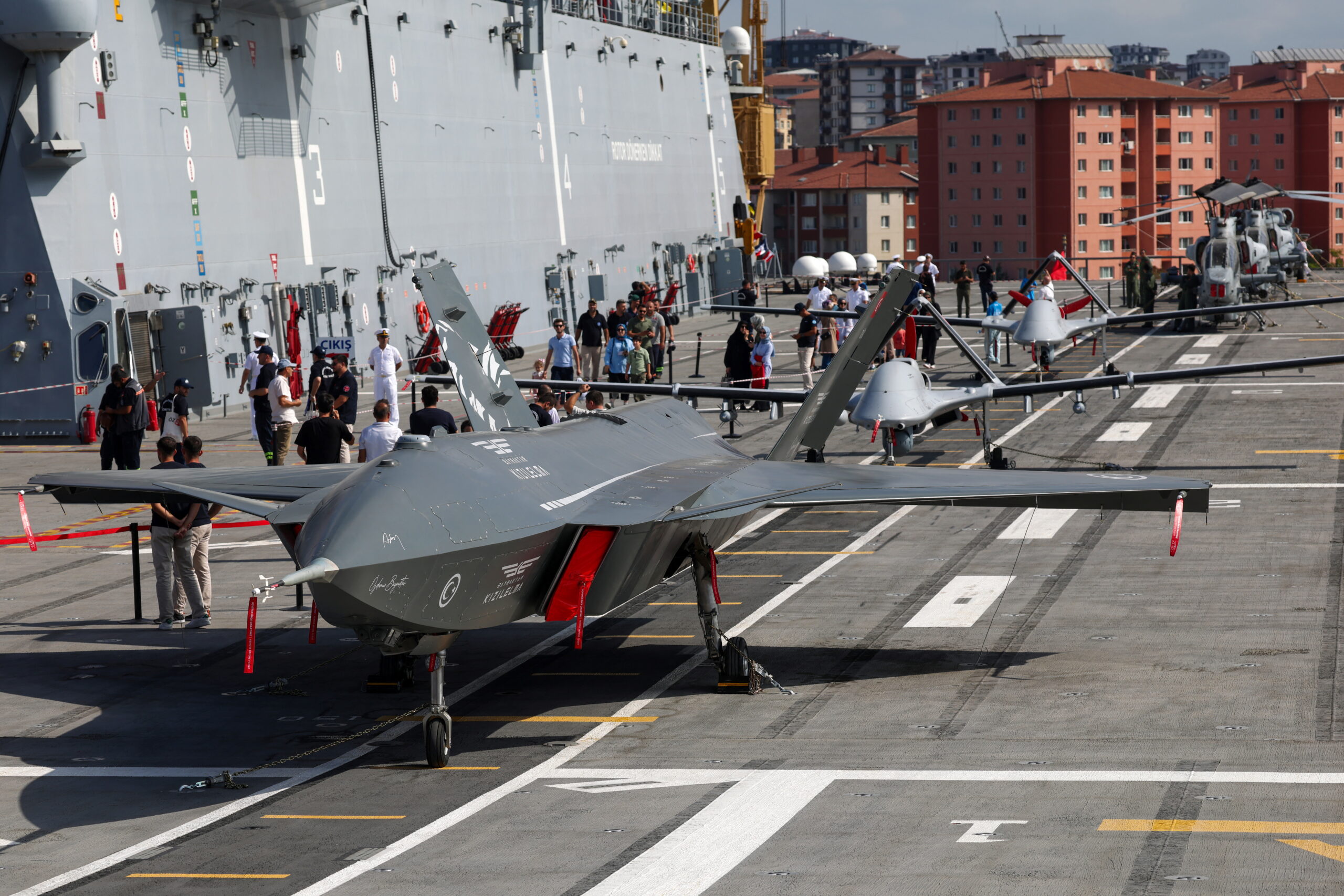
As the Gulf states pursue defense localization and seek to reduce dependence on the United States and Europe, Ankara offers cost-effective technology and a model of how to build capacity.
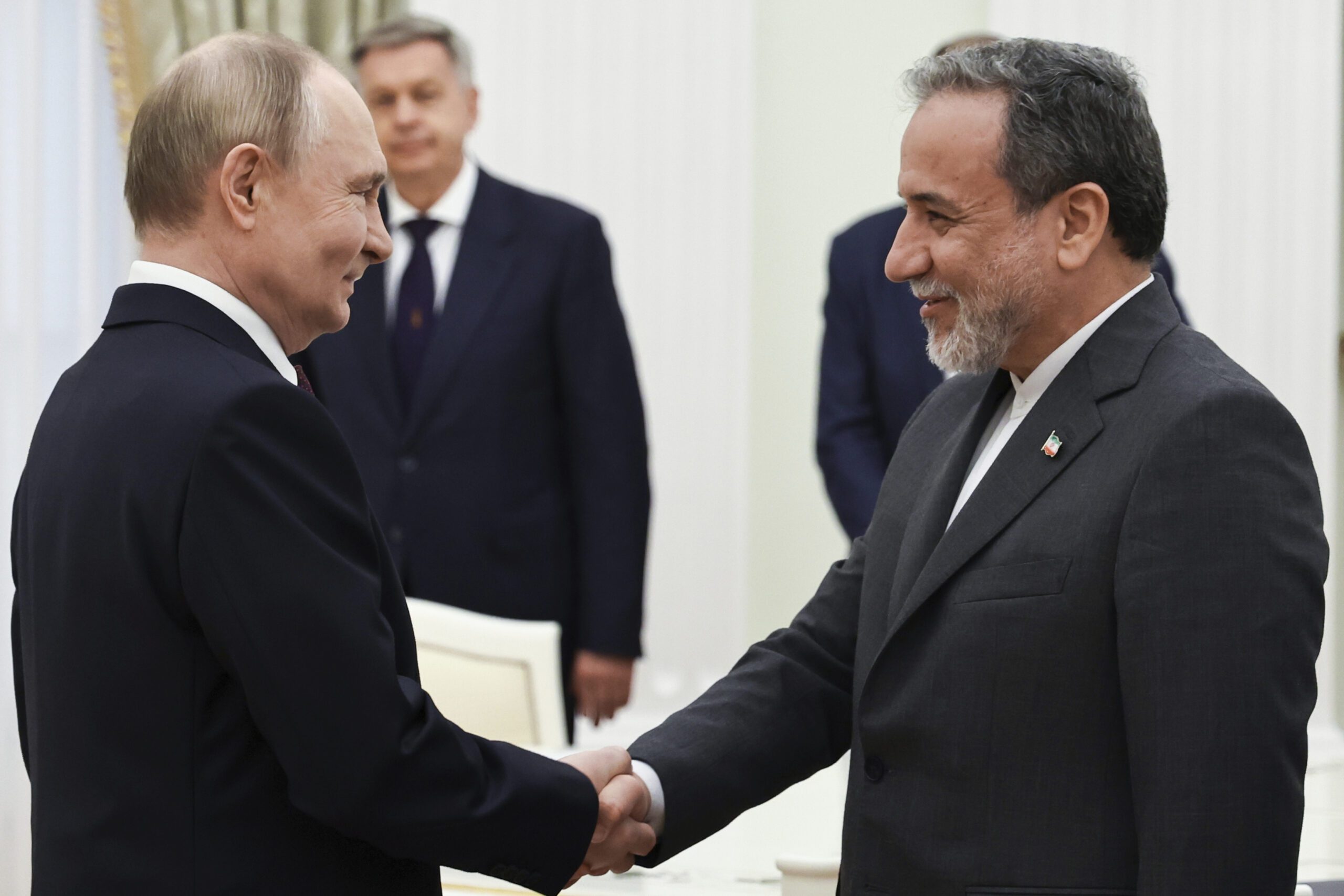
Moscow relied on Iranian drones in Ukraine. Now that the situation is reversed, will Russia help Iran rebuild its deterrence after Israel’s deep strikes?
As the Gulf states pursue defense localization and seek to reduce dependence on the United States and Europe, Ankara offers cost-effective technology and a model of how to build capacity.