A man steers a boat during sunset as the city skyline with Burj Khalifa is seen in the background at Dubai Creek Harbor in Dubai, United Arab Emirates, March 11. (AP Photo/Fatima Shbair)
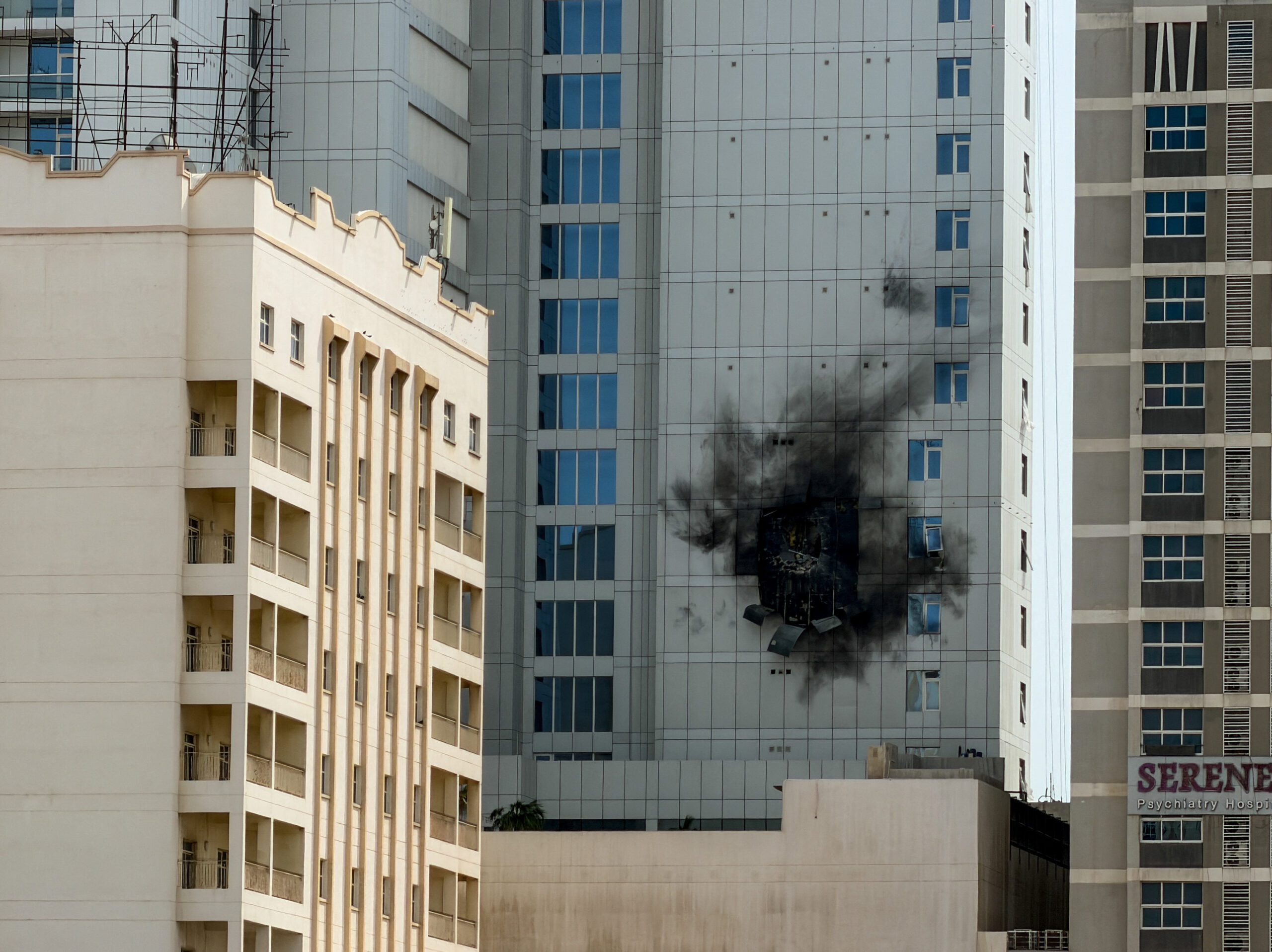
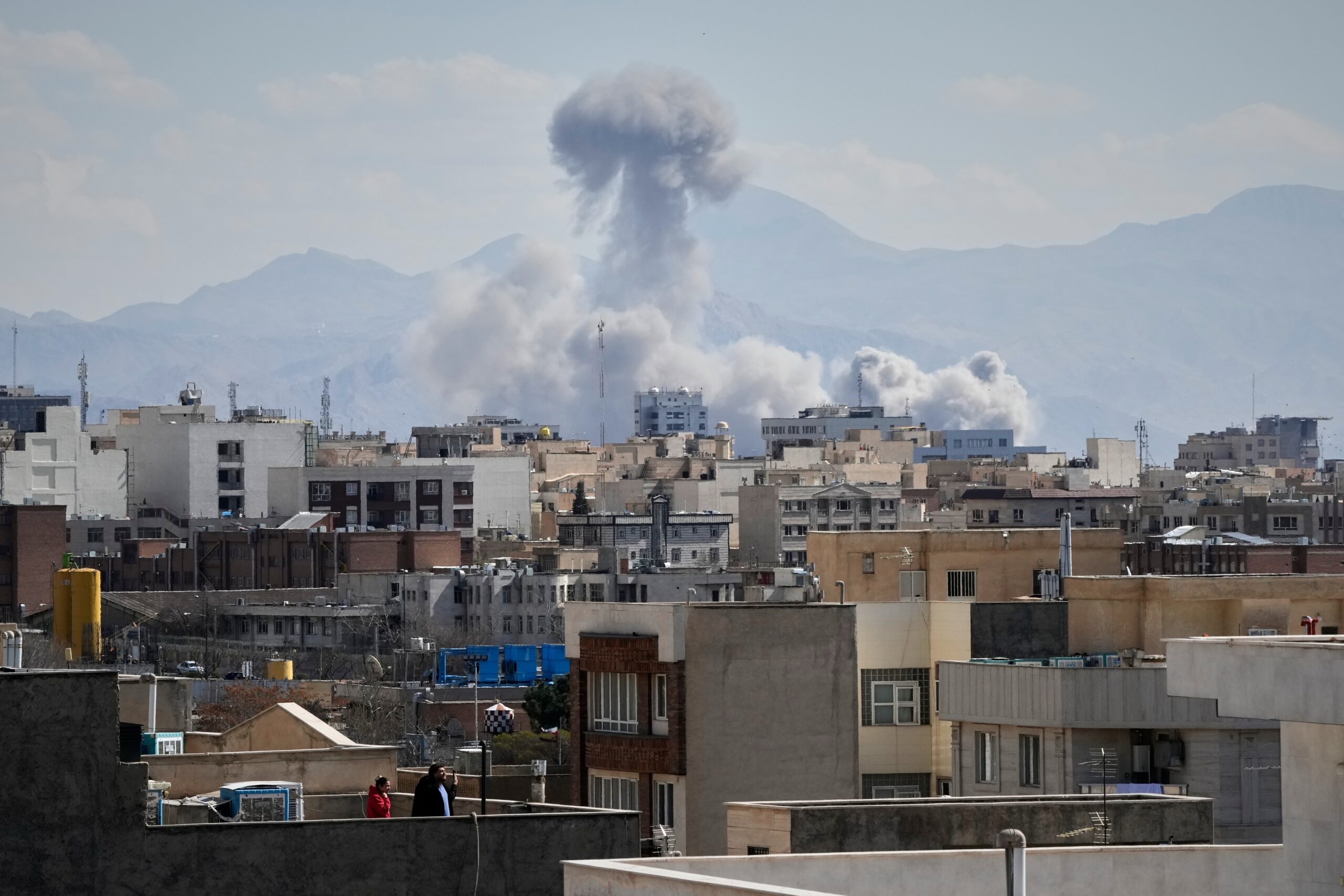
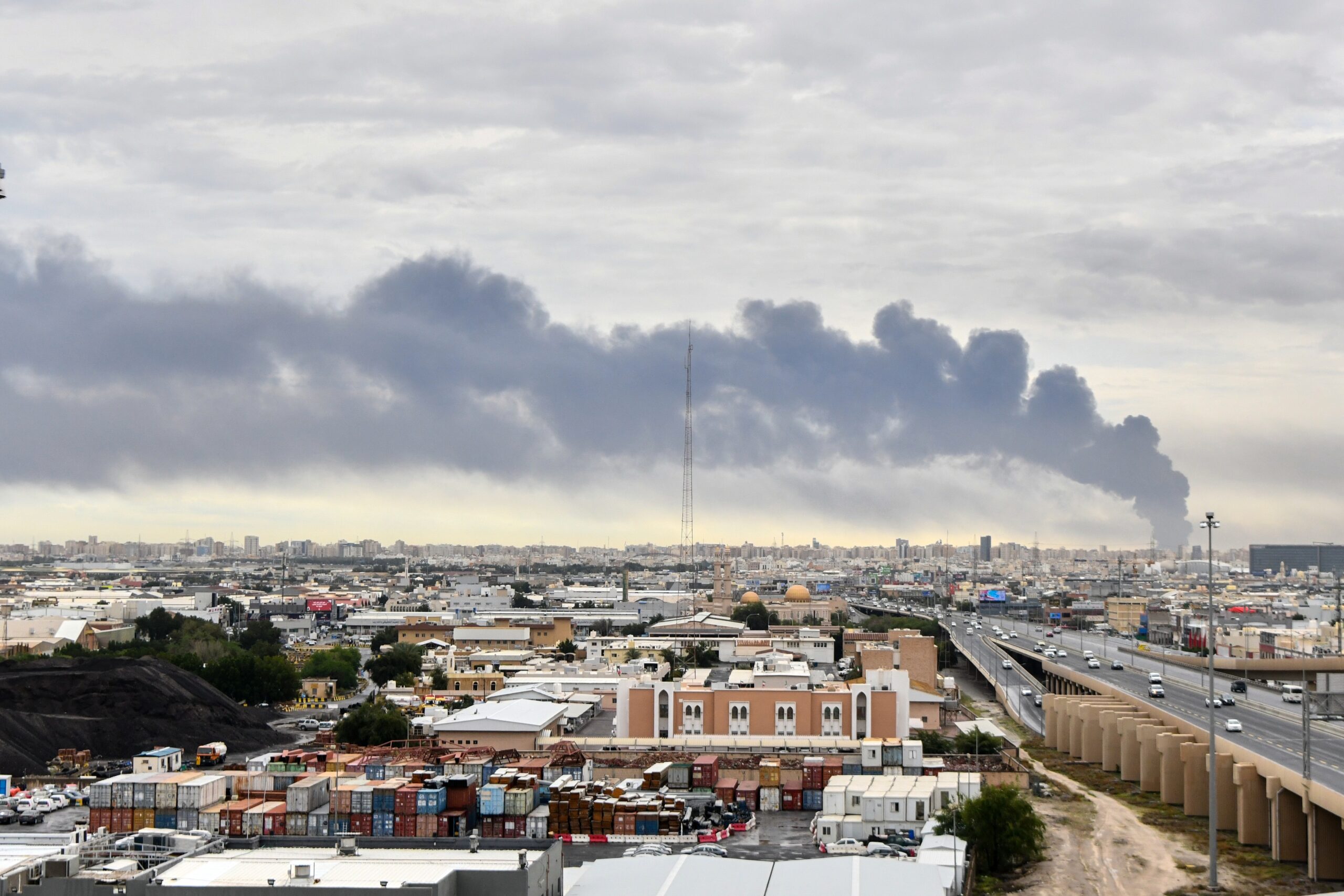
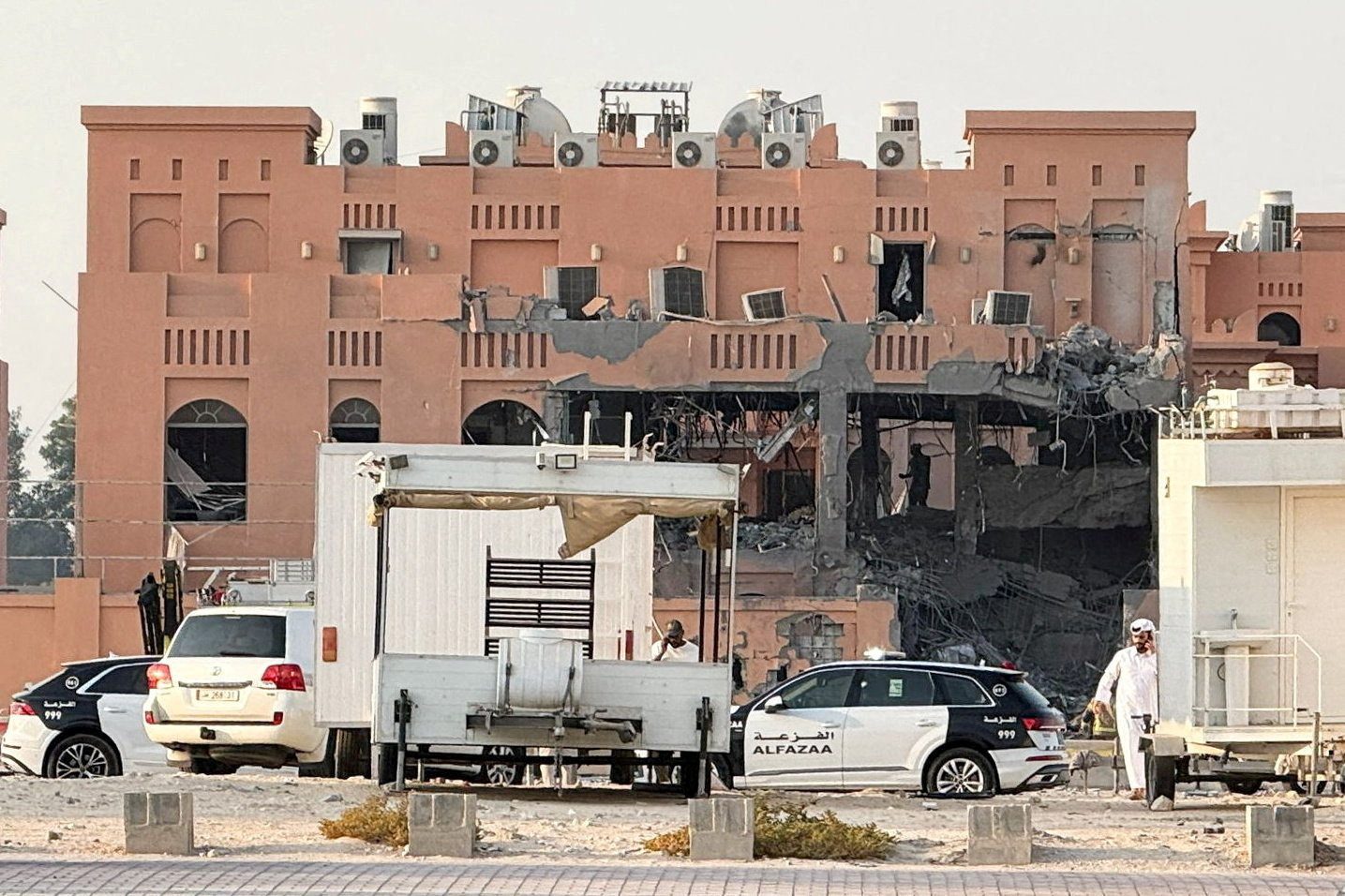
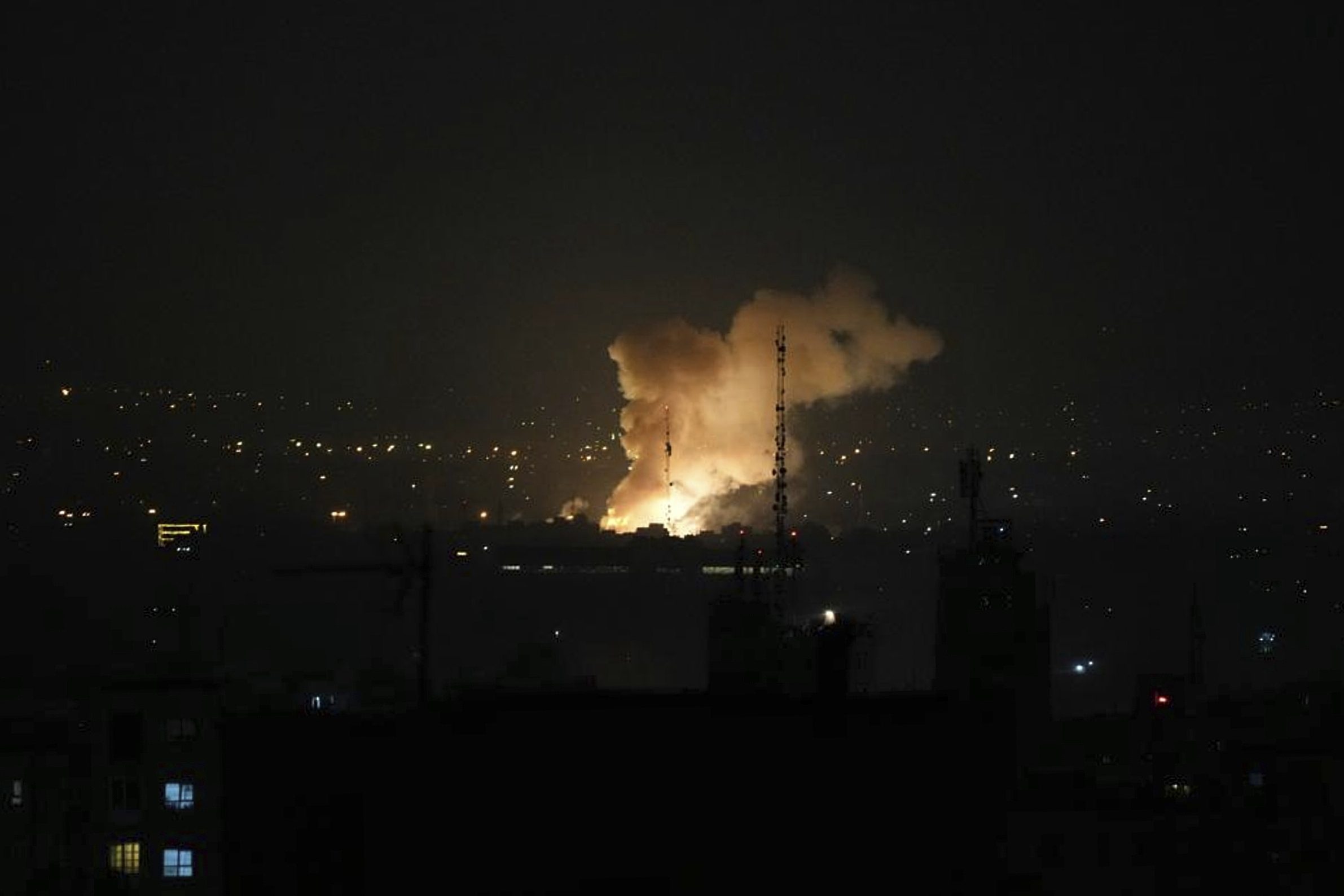
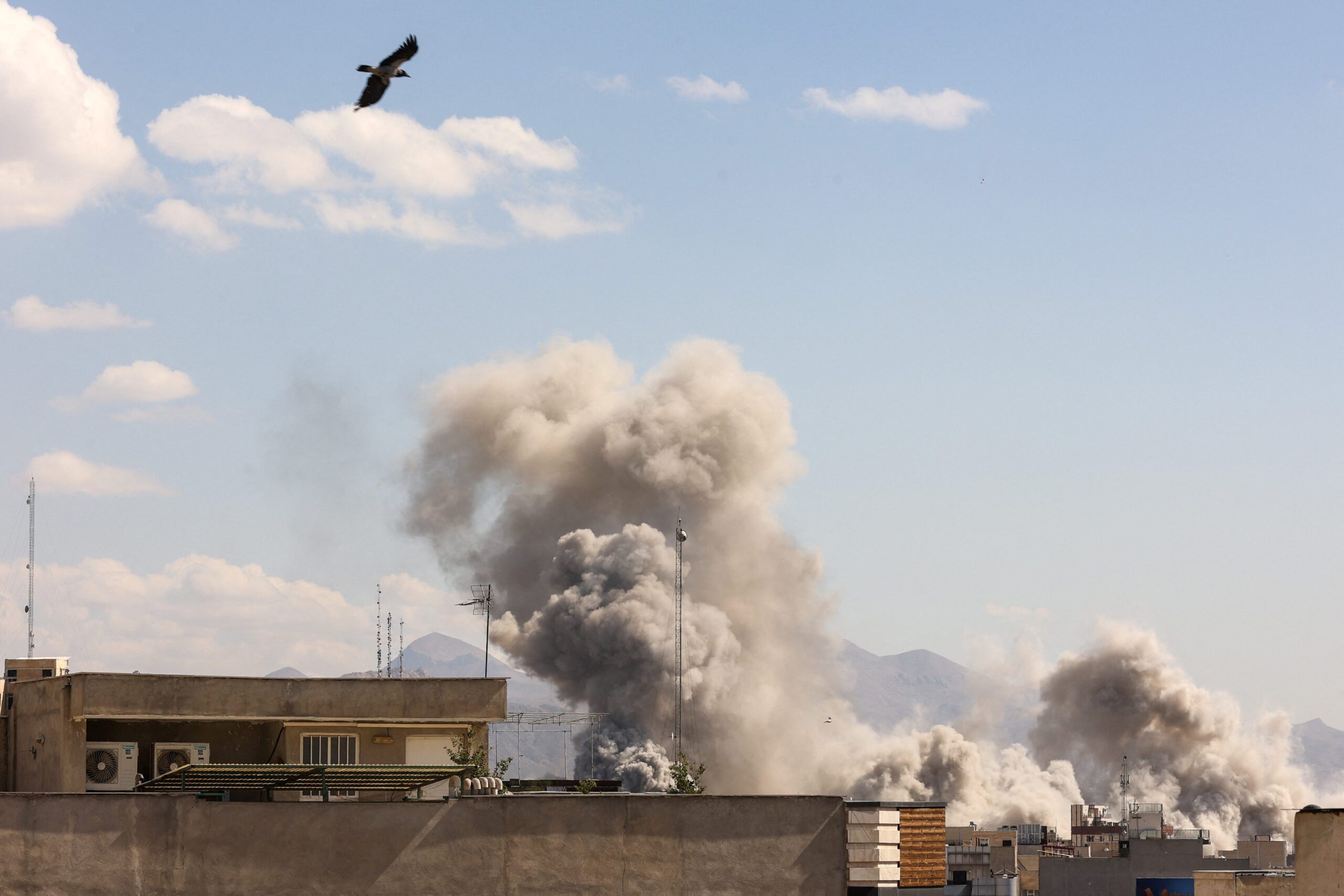
The skies over the United Arab Emirates – typically symbols of global connectivity and ambition – have recently been clouded by a conflict not of its making. In the two weeks since February 28, the UAE has faced an unprecedented wave of nearly 2,000 Iranian missile and drone attacks. While Tehran claims these strikes are retaliation for joint U.S.-Israeli operations, the reality on the ground suggests that the UAE is being forced to pay the price for a regional fire it has consistently tried to extinguish.
Why has Iran launched nearly four times as many missiles and drones at the UAE as it has at Israel, even though the UAE is not a party to the war? Tehran’s rationale is presumably twofold. First, there is a tactical advantage of deploying short-range missiles and drones against one of its closest geographical neighbors. Second, Iran has a broader strategy aimed at raising the cost of war for the United States and its partners.
On both counts, Iran appears to have made serious miscalculations. First, it has underestimated the UAE’s preparedness and ability to defend itself against precisely the kind of scenario it is now facing. The country’s defense systems have demonstrated remarkable effectiveness, intercepting nearly 95% of incoming threats, while the UAE has deliberately avoided adopting an offensive posture.
At the same time, the pattern of strikes raises deeper concerns. A UAE presidential advisor, Anwar Gargash, noted: “The Iranian aggression is lying when it claims to be targeting US military bases in the Gulf, as the numbers of missiles and drones reveal a different reality. The attacks are striking civilian infrastructure and vital facilities without consideration for civilians or innocent people.” For its part, the UAE has responded with restraint. Highlighting that the “Gulf’s passive defense has limits,” a senior member of the UAE parliamentary committee, Ali Rashid Al Nuaimi, said: “It will not stop at this if the aggression against citizens, residents, and civilian facilities continues.” But, he added, the UAE is working hard to avoid being pulled into a war that would harm the Iranian people. He underlined, “We want the best for the Iranian people.”
Second, Iran has made a strategic mistake by undermining the very diplomatic foundation that sought to transform its regional standing – from adversary to partner. The Saudi-Iranian rapprochement of 2023, facilitated through the diplomatic efforts of Iraq, Oman, and China, which the UAE welcomed, was an attempt to bridge deep divisions between Iran and the Gulf Cooperation Council countries. Those divisions included long-standing disputes, from Iran’s military occupation of the Abu Musa, Greater Tunb, and Lesser Tunb islands to its support for nonstate actors, such as the Houthis in Yemen, who have launched attacks on both the UAE and Saudi Arabia.
Even during the June 2025 12-day war, the GCC countries condemned Israeli strikes on Iran and called for de-escalation. And after Iran attacked the Al Udeid Air Base in Qatar in June – violating the sovereignty of a fellow GCC state – Doha nevertheless invited Tehran to participate in the Arab-Islamic Summit in September to discuss a collective response to Israel’s airstrike on the gas-rich country.
The March 11 adoption of United Nations Security Council Resolution 2817 (2026) signals a decisive shift in regional perceptions on Iran and the rewiring of its friend-foe identifier. The resolution condemned Iran’s “egregious attacks” against its neighbors. Iran, and its government, is now designated an adversary. During the debate around the resolution, the UAE’s permanent representative to the U.N., Mohamed Abushahab, concluded his remarks on Iran’s aggression against regional neighbors with what he described as “a message to our enemies.” The warning was clear: Iran stands to lose far more from attacking its neighbors than from the U.S.-Israeli strikes on its own territory. Tehran must also recognize that it faces not only regional isolation but the possibility that GCC states could begin considering the formation of a broader international coalition under Chapter VII of the U.N. Charter – authorizing collective action in response to threats to peace, breaches of peace, or acts of aggression. The Security Council resolution may therefore have opened a door that no one in the region truly wanted.
Iran still has an opportunity to change course and reconsider how it intends to shape its future and who its partners will be. Perpetual conflict should not define Iran’s destiny, nor should it define that of the UAE or other GCC countries. This remains “not our war,” and Iran would be wise to ensure that it does not become one.
UAE President Mohammed bin Zayed al-Nahyan remarked recently that the UAE possesses “thick skin and bitter flesh, we are no easy prey.” The UAE adapts, strengthens its shields, and evolves with every new form of aggression.
All seven emirates of the UAE are port cities contributing to a regional model based on economic integration rather than confrontation. Connectivity, trade, and coexistence of buyers and sellers are embedded in the country’s DNA. As connectors, port cities have historically maintained commercial ties with Iran even during periods of political tension.
This war, which threatens the architecture of shared prosperity, will not mutate the UAE’s core identity – one rooted in tolerance, neutrality, self-defense, and progress. But if circumstances demand it, the UAE will adapt to new realities rather than abandon the principles that built its success.
The views represented herein are the author's or speaker's own and do not necessarily reflect the views of AGSI, its staff, or its board of directors.
Caught between Iranian strikes and U.S.-Israeli pressure to join the fight, Gulf Arab states strive to maintain their autonomy over decision making, playing defense and preserving the space to maneuver when the war ends.
Though they were unsuccessful in preventing the current conflict, and, as expected, have been dragged into the U.S.-Israeli confrontation with Iran, Gulf Arab countries remain crucial to hopes for limiting the war and bringing it to a quick resolution.
For the Gulf Arab countries, the future is more important than the present, but it is unclear if Iran, the United States, and Israel have the same vision.
AGSI explains what Israel’s sudden and massive attack on Iran is likely to mean for Gulf Arab states, Iran, the United States, and global and regional economies.
For the Gulf Arab countries, the future is more important than the present, but it is unclear if Iran, the United States, and Israel have the same vision.
As President-elect Trump returns to the White House, he will find a transformed Gulf region, brimming with confidence and initiative; the best way to tap this energy is to consult the region and take on board the regional perspectives.
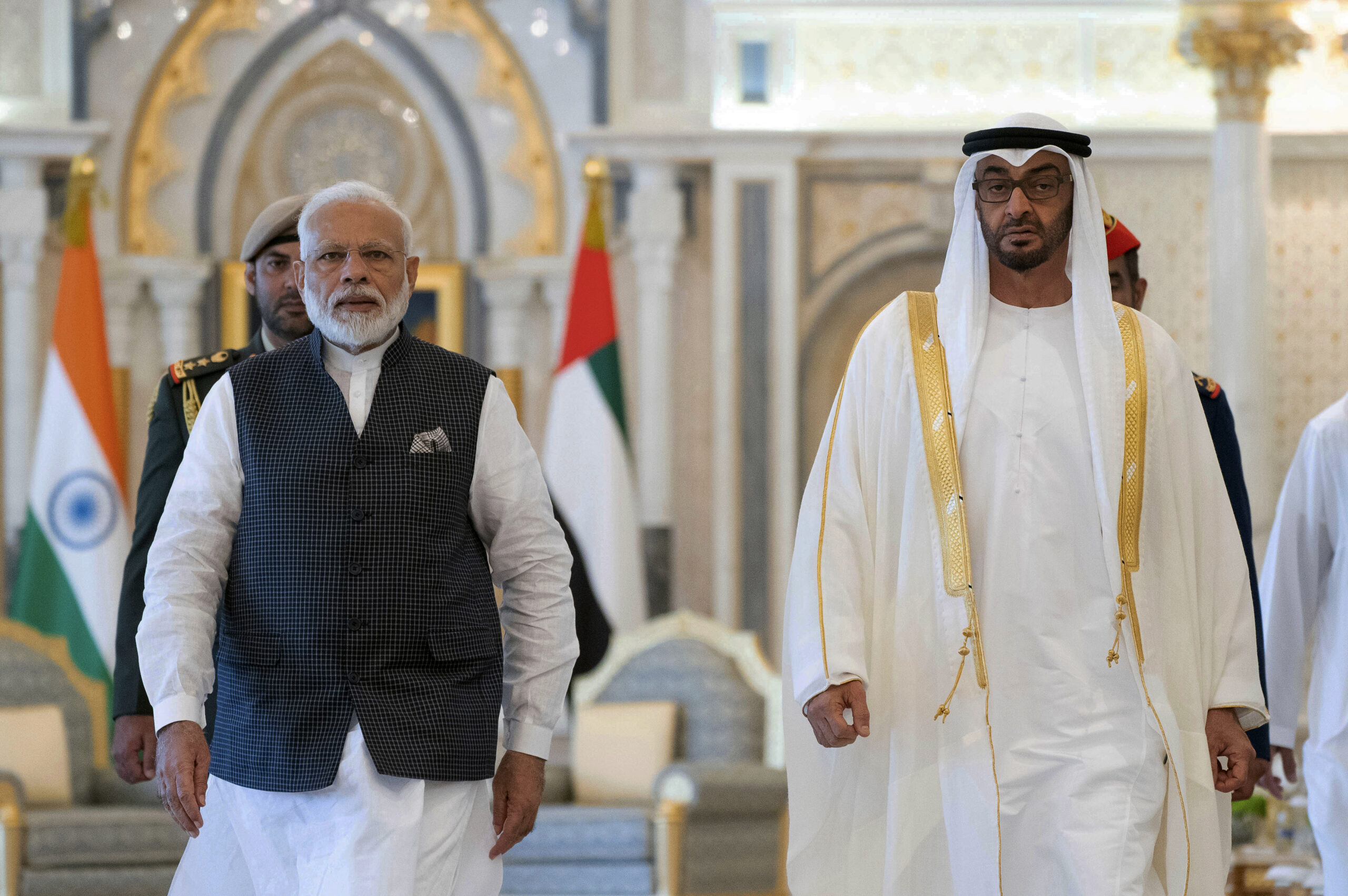
Recent agreements between the UAE and India are not only significant steps toward strengthening the bilateral partnership but also reducing the countries’ carbon footprint in the energy sector.
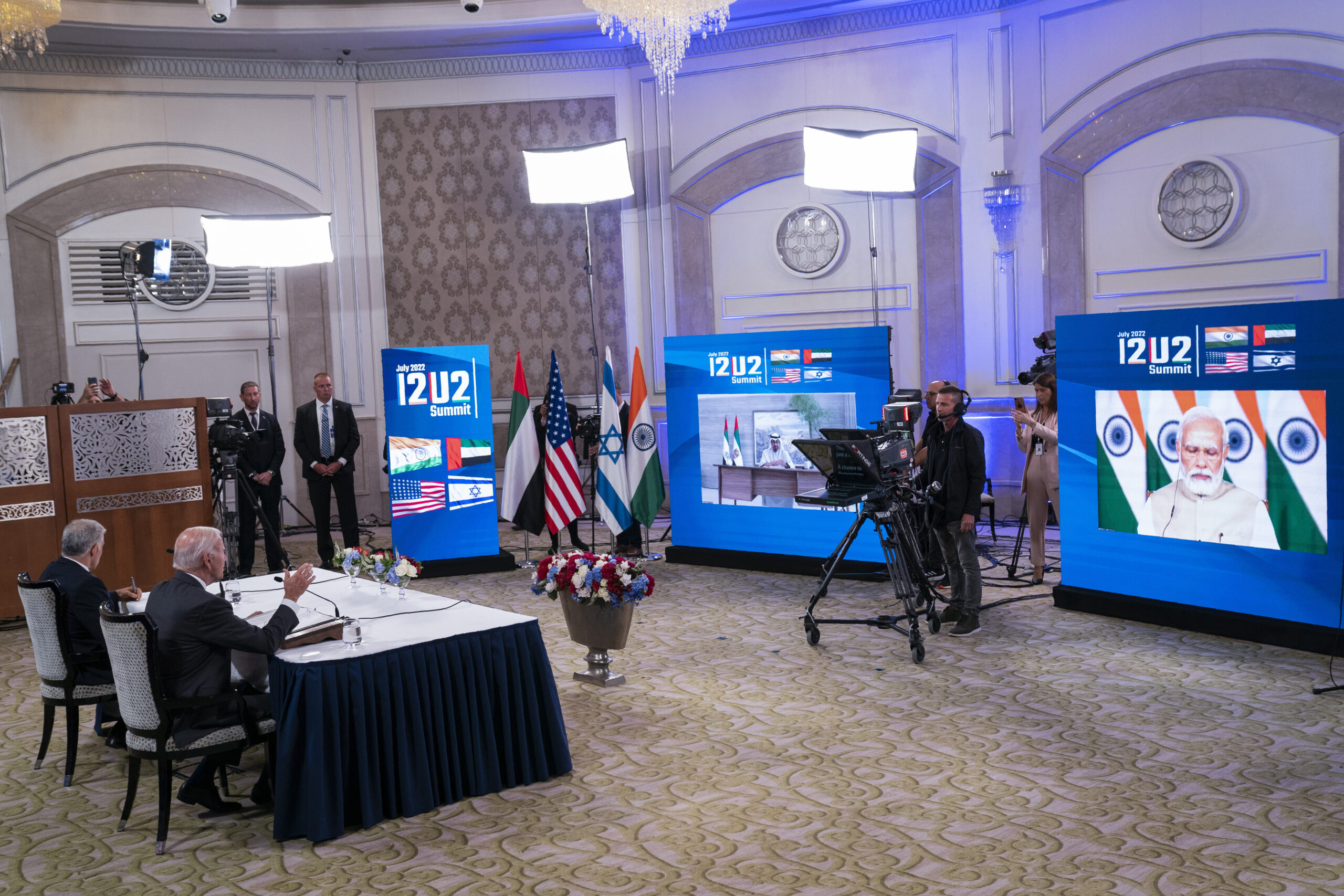
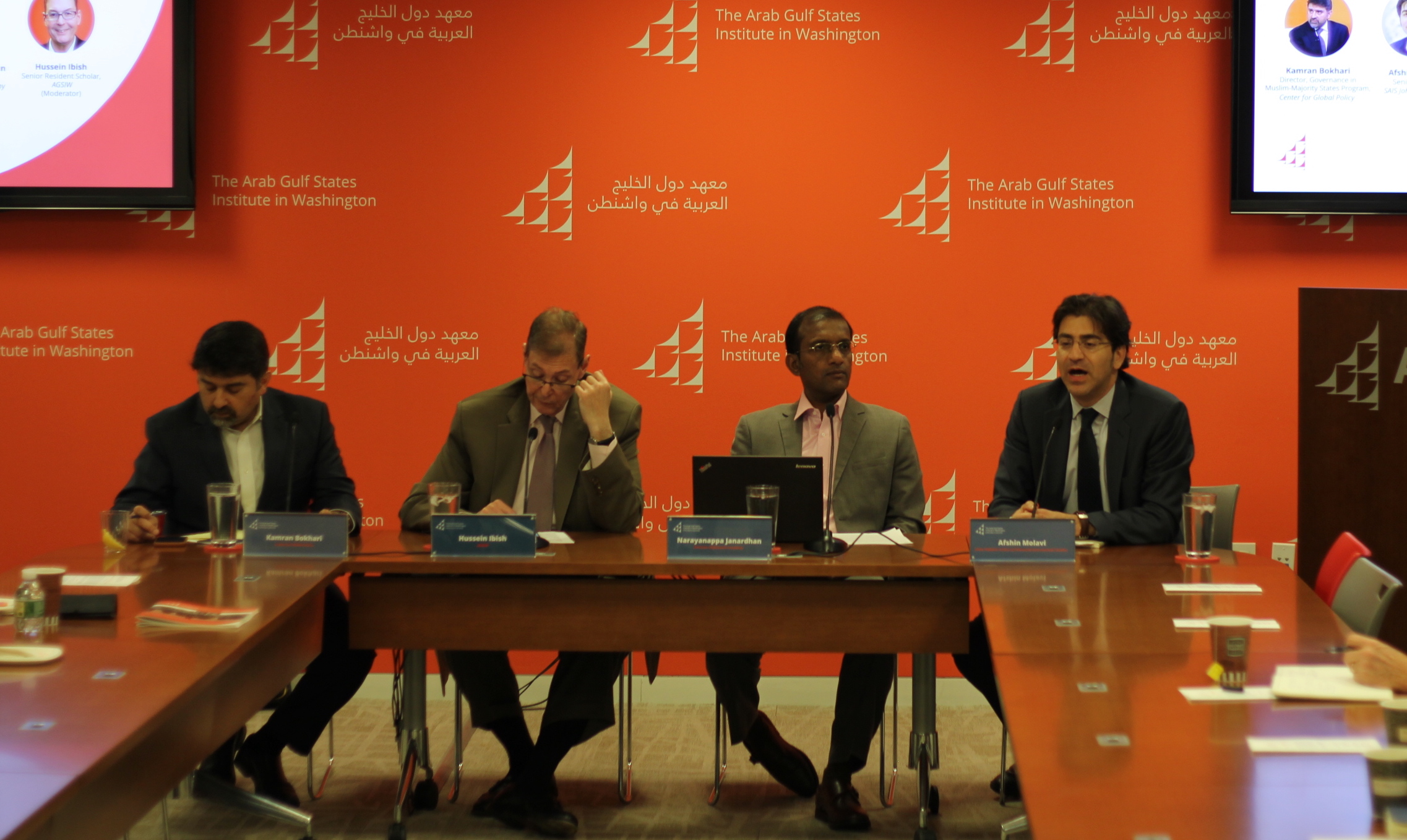
On August 10, AGSIW, the Anwar Gargash Diplomatic Academy, and the Johns Hopkins School of Advanced International Studies hosted a discussion on the new quadrilateral forum comprising India, Israel, the UAE, and the United States.
AGSIW hosted a panel discussion examining the diplomatic, security, and economic issues shaping the growing relationship between the countries of the Gulf and the South Asian subcontinent.