In Levantine landscapes, history is piled high. The present is layered on the remnants of the past, both modern and ancient. Nowhere is this more apparent than in Lebanon’s capital, Beirut. Sparkling buildings and sweeping urban highways rise up out of heaps of rubble that remain a quarter-century after the 1975-1990 civil war. Yet the crumbling...
In Levantine landscapes, history is piled high. The present is layered on the remnants of the past, both modern and ancient.
Nowhere is this more apparent than in Lebanon’s capital, Beirut. Sparkling buildings and sweeping urban highways rise up out of heaps of rubble that remain a quarter-century after the 1975-1990 civil war. Yet the crumbling edifices of earlier eras are also, amazingly, still inhabited.
Beirut is an organic museum, vibrant and wretched. Pain and hope coexist on its overflowing, labyrinthine streets, and on sinuous coastal roads, shameless wealth lies alongside desperate poverty. A struggling middle class is caught in between. But neither rich nor poor can escape the stench from mounds of uncollected refuse, the evidence of the country’s infamous “trash crisis.”
Metaphors involving unwanted detritus have been irresistible to commentators as Lebanon again finds itself in the crossfire of geopolitical conflict. The regional rivalry between Iran and Saudi Arabia has found a new focal point in Lebanon with its uneasy equilibrium.
At the center of the crisis is the growing role of Hezbollah, the Shiite political party and militia. Beyond its Lebanese strongholds, the group has also become one of Iran’s main strategic assets in the region: Heavily supported by Hezbollah fighters, the Russian-Iranian surge in Syria has swung the momentum of the war back in favor of the government of President Bashar al-Assad.
Lebanon’s own political dynamics have also shifted. Beirut has long been trapped in a Syrian orbit; as the fortunes of the Assad regime have revived, Hezbollah’s power in Lebanon has grown. Hezbollah had already angered the Saudis and their Gulf allies by its intervention in Syria and support for Iran. The Shiite group has also stalemated domestic politics by blocking the selection of a new Lebanese president.
In January, the Gulf states were deeply affronted when Lebanon declined to support an otherwise unanimous (including even Iraq) Arab League condemnation of a mob attack on the Saudi Embassy in Tehran after the execution of a dissident Shiite cleric in Saudi Arabia. This snub from Beirut convinced them that thanks to Hezbollah’s rise, Lebanon was now in Tehran’s pocket. Warnings to the Gulf states’ Lebanese allies that Hezbollah’s influence needed curbing seemed to go unheeded; in practice, though, those factions have little alternative but to deal with Hezbollah as usual.
Worse, from the Saudi perspective, Hezbollah has started operating not just beyond Lebanon but in the kingdom’s back yard. The Saudis see Hezbollah’s hand, as well as Tehran’s, behind the Houthi rebels in Yemen. This caps a history of accusations of Hezbollah subversion in the Gulf.
Yemen was the last straw for Riyadh, which axed $4 billion in support for Lebanon’s military and intelligence services. The Gulf states also declared Hezbollah a terrorist group and outlawed support for it.
Punitive expulsions of Lebanese expatriates from the Gulf, which is suffering its own economic problems from the collapse in oil prices, have left Lebanon reeling from the loss of remittances. Travel warnings from the Gulf governments have also damaged Lebanon’s tourism industry.
Other sectors of the Lebanese economy long supported by Gulf financing, like media outlets, have been hard-hit, too. The financial crisis is palpable and widespread, so that the stinking piles of garbage and wandering bands of desperate Syrian refugees in Beirut may be harbingers of a deeper malady.
The drying up of Gulf funds now threatens the foreign exchange flows on which Lebanon’s banks depend. The remaining reserves are rapidly depleting, which in turn imperils another backbone of the national economy, Lebanon’s financial services industry.
The Gulf states’ cutting off aid to their Lebanese allies — an incongruous grouping of Sunni, Druze and Christian factions whose only common ground is a shared fear of Hezbollah — undoubtedly cedes the field to Iran. But as a senior Gulf diplomat told me, “Our money in Lebanon just didn’t stretch as far as Iran’s.” It did not have the same political impact because most Gulf aid went to national institutions like the army, while Iran’s mainly goes directly to a proxy militia: Hezbollah. With the growing power of Hezbollah, the Gulf states felt that, by underwriting Lebanon’s national institutions, they were subsidizing what were becoming, in effect, Iranian assets.
The key to Lebanon’s relative stability, as the veteran Druze leader Walid Jumblatt told me, is that “its security services are able to work with the Syrians, the Saudis, the Iranians and the West simultaneously.” If that balance is lost, Lebanon’s fragile equilibrium may collapse.
Worse, with proxy conflicts raging in Syria, Yemen and elsewhere, Lebanon, too, is a potential battleground for indirect Iranian-Saudi hostilities. So far, the country’s competing factions have united to quarantine the spillover of the Syrian war to a remote part of northern Lebanon. But should Tehran or Riyadh authorize a new theater of confrontation, Lebanon is a potential powder keg.
The Gulf states have made their point. But unless they resume their engagement with Lebanon, then, as the Obama administration has warned, Tehran’s control can only grow.
The international community must shore up Lebanon’s economy and help it cope with the staggering Syrian refugee crisis. Washington should use its ties to Riyadh and newfound leverage with Tehran to persuade both that stability in Lebanon is in their interest: All have a stake in stopping the Syrian conflict from expanding into Lebanon and preventing the Islamic State from radicalizing local Sunnis. As a first step, they should ensure Lebanon at last gets a new president.
The country is poised, in a way familiar to the Lebanese, between tense calm and a potential conflagration. But the pressures are rapidly mounting, and outside actors will have a decisive role in determining whether the country can avoid being sucked into the inferno raging around it.
This article was originally published by The New York Times.
The views represented herein are the author's or speaker's own and do not necessarily reflect the views of AGSI, its staff, or its board of directors.
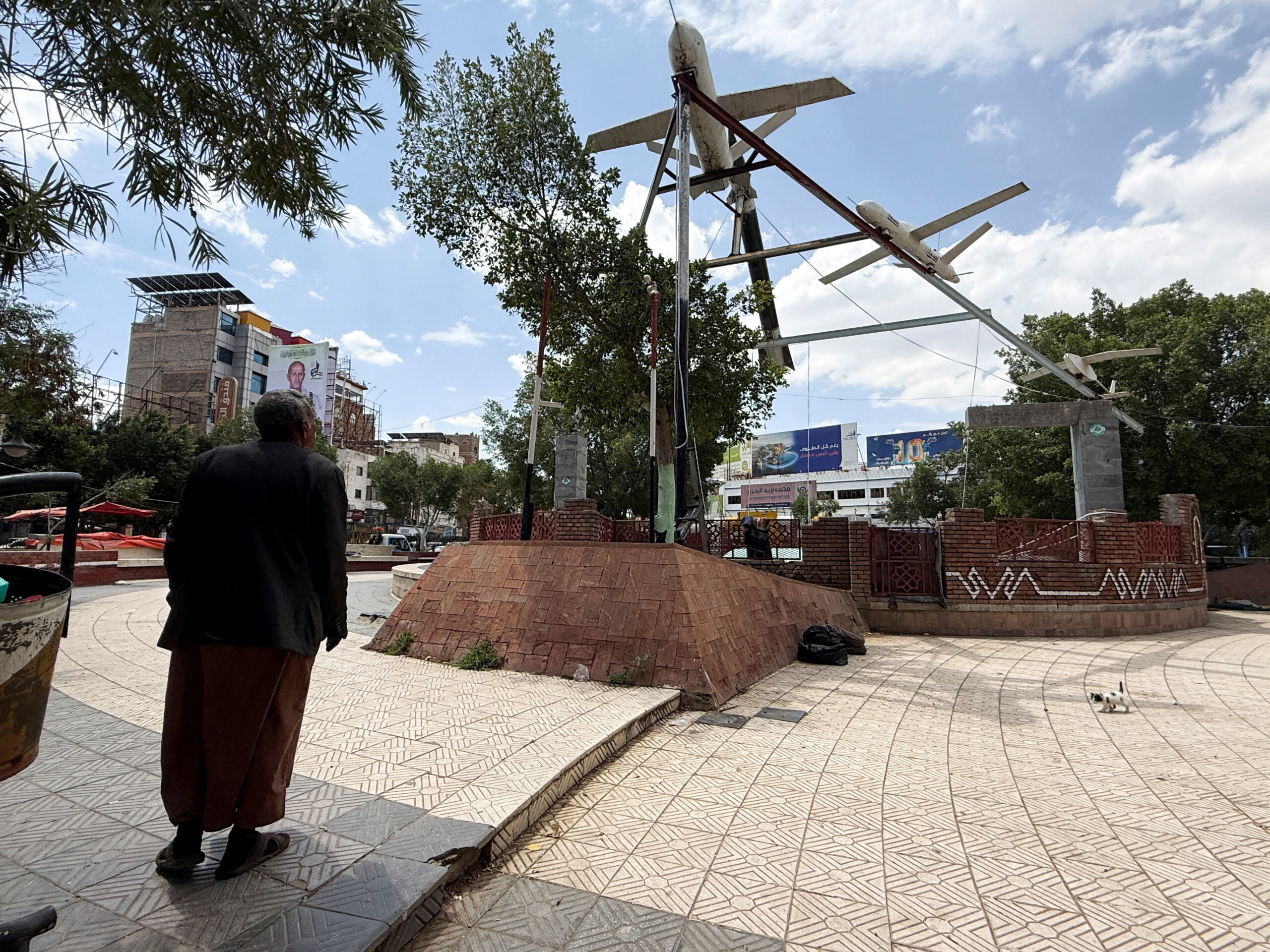
China’s ties with Yemen’s Houthis could bolster Beijing’s regional ambitions, but they also risk drawing it into conflicts that complicate its broader strategic goals.
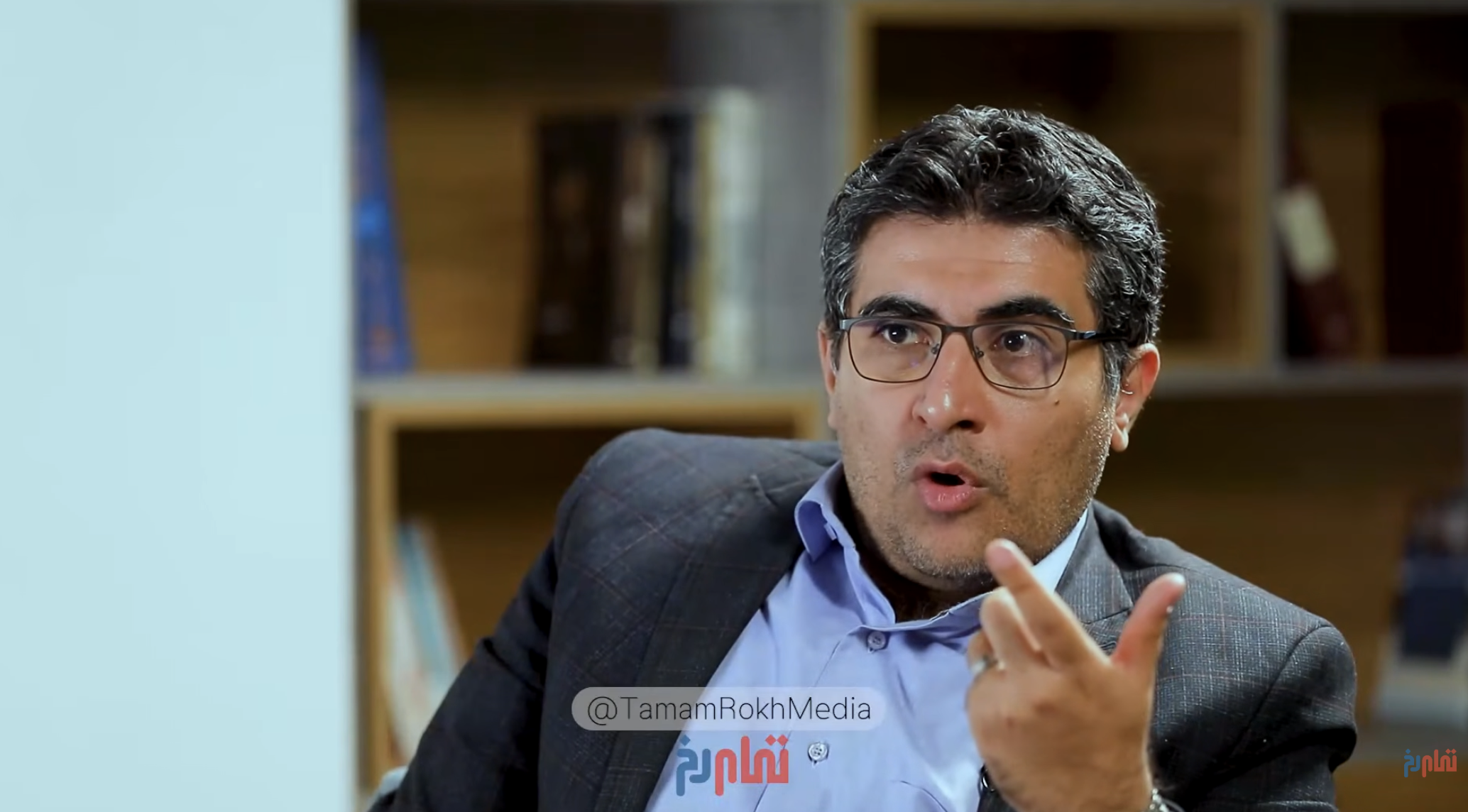
Rival camps within the Islamic Republic are increasingly turning to YouTube for policy debate, but there is a limit to the regime’s tolerance for that debate.
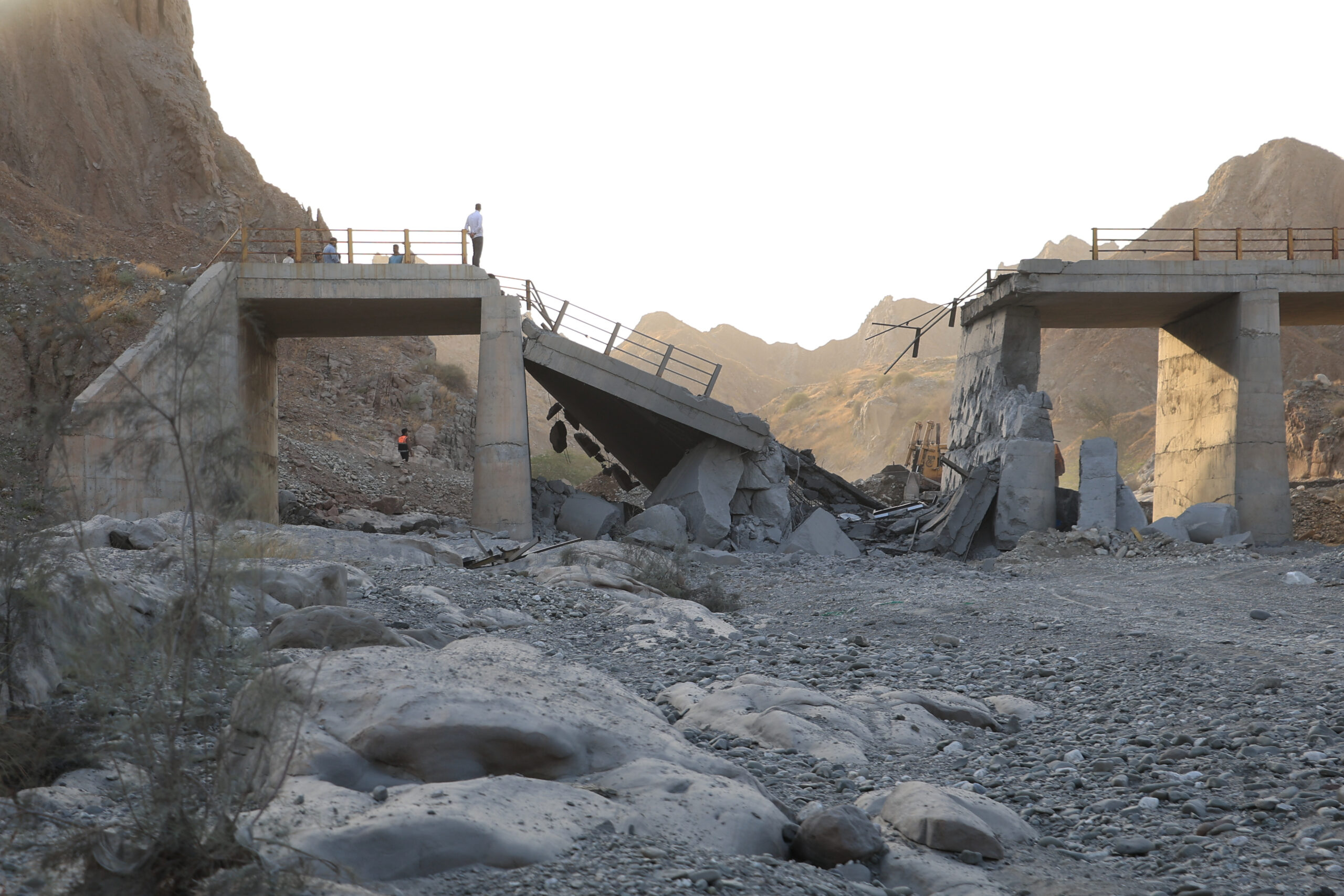
President Trump has led the United States into an impossible dilemma in which resuming and intensifying the war presents one set of alarming consequences while ending it under current circumstances offers at least as many disasters for Washington.
The Trump administration has positioned the United States at a crossroads between a new regime of containment against Iran or a historic drawdown of U.S. influence in the Gulf and broader Middle East.
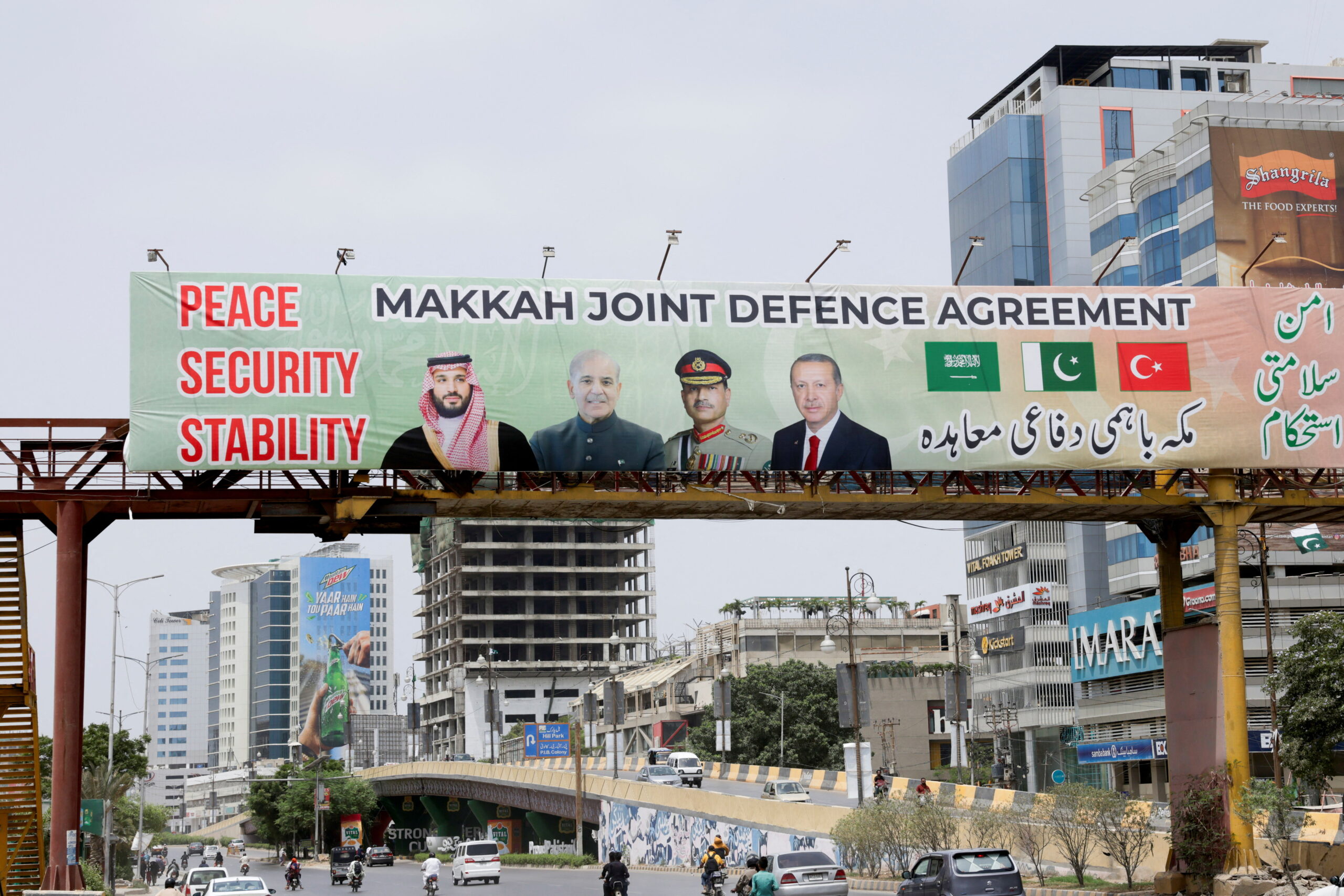
Riyadh and Abu Dhabi urged President Trump not to attack Iran, but now that the war is into its second month, leaving the current situation in place would be an unthinkable fiasco for them.
Though they were unsuccessful in preventing the current conflict, and, as expected, have been dragged into the U.S.-Israeli confrontation with Iran, Gulf Arab countries remain crucial to hopes for limiting the war and bringing it to a quick resolution.









May 3, 2016
A Looming Crisis in Lebanon
In Levantine landscapes, history is piled high. The present is layered on the remnants of the past, both modern and ancient. Nowhere is this more apparent than in Lebanon’s capital, Beirut. Sparkling buildings and sweeping urban highways rise up out of heaps of rubble that remain a quarter-century after the 1975-1990 civil war. Yet the crumbling...
9 min read