Jun 25, 2024
Presidential Election in Iran: Signals and Significance
The June 25 edition of the Iran Media Review highlights developments in Iran’s upcoming presidential election.

Supreme Leader Ayatollah Ali Khamenei’s chief of staff visiting the headquarters of presidential candidate Mohammad-Bagher Qalibaf is bound to be interpreted as signaling Khamenei’s preference for Qalibaf. Former President Hassan Rouhani, on the other hand, has accused Qalibaf of sabotaging his attempts to renegotiate the Joint Comprehensive Plan of Action nuclear deal with the United States. While Khamenei’s gesture may mobilize core regime supporters to cast their votes for Qalibaf, Rouhani’s accusations against him are likely to increase the vote of presidential candidate Masoud Pezeshkian, who is perceived as a genuine supporter of reviving the Iran nuclear deal. All of this is to the detriment of presidential hopeful Saeed Jalili, who appears unwilling or unable to get sanctions relief from the United States. Jalili appears to remain Khamenei’s favorite, but fearing a perilous runoff between Jalili and Pezeshkian, Khamenei is signaling support to Qalibaf to improve his vote and ideally choreograph a runoff between Jalili and Qalibaf. Khamenei’s maneuver, however, risks splitting Jalili’s vote in the first round of voting.
- June 23: Islamic Revolutionary Guard Corps mouthpiece Mashregh News reported that Ayatollah Mahmoud Mohammadi Eraqi, Khamenei’s chief of staff, visited Qalibaf’s campaign headquarters in Qom. Reader comments on the story almost universally interpreted the visit as Khamenei’s endorsement of Qalibaf. In a separate piece, Mashregh News reported that Qalibaf was also visiting Qom.
- June 23: IRGC mouthpiece Javan newspaper predicted Qalibaf, Saeed Jalili, and Pezeshkian will receive the most votes in the first round of voting and that two of them will be on the ballot in a second round.
- June 23: Rouhani, addressing a group of former Cabinet ministers, said, as reported by reformist Entekhab News: “There is something we must tell the people: Do you want your lives to be like what you experienced during the past three years? Do you really want 40% inflation and 54% of the population living under the poverty line? Do you want us not to prevail in our negotiations with the foreigners? Do you want the sanctions to persist? Those who prevented us from solving the sanctions problem have entered the arena. This is rather curious. You ask why the sanctions are not lifted and why the Joint Comprehensive Plan of Action was not salvaged? Because of the Strategic Law,” referencing the Strategic Initiative to Remove Sanctions and Safeguard the Interests of the Iranian Nation, which required Iran to reduce its commitments to the JCPOA if sanctions were not lifted. The bill “is the worst law in the history of legislation in the Islamic Republic of Iran … This law was nothing but a conspiracy so that the Cabinet would not prevail” in negotiations with the administration of President Joseph R. Biden Jr. “They betrayed the people. Their treason cost the Iranian nation $300 billion during the past three years, $100 billion each year, directly and indirectly due to the decline in oil and gas sales and the rebates they pay foreigners. They harmed the people … We could have solved the issue with the JCPOA back in March or April 2021. Dr. Zarif presented the draft agreement, with a timetable, to the Supreme National Security Council. An absolute majority approved the draft, and only one person opposed it. Well, we did not manage to do it, and this was mostly due to this bill, which prevented us. With this bill, we could never have revived the JCPOA.”
- June 24: Sazandegi newspaper, a mouthpiece of Rouhani and followers of the late President Ayatollah Ali Akbar Hashemi Rafsanjani, dedicated its front page to former Foreign Minister Mohammad-Javad Zarif, who has emerged as one of the most effective supporters of Pezeshkian and has mobilized voters across Iran, writing: “Zarif’s presence is needed under the present circumstances so he can answer someone like Saeed Jalili … Jalili and Qalibaf are defending the status quo, which essentially means the continuation of the sanctions regime. Although Qalibaf says he wants to get sanctions relief, we cannot forget that it was his legislation in the Parliament that prevented the revival of the JCPOA.”
The views represented herein are the author's or speaker's own and do not necessarily reflect the views of AGSI, its staff, or its board of directors.
Related
Iran Media Review
Jun 21, 2024
Presidential Election in Iran: Former Foreign Minister Zarif Back in the Limelight
The June 21 edition of the Iran Media Review highlights former Foreign Minister Mohammad Javad Zarif’s defense of the Joint Comprehensive Plan of Action in a presidential debate.
Iran Media Review
Jun 18, 2024
Determining Factor in Iran’s Presidential Election: Voter Turnout
Iranian Supreme Leader Ayatollah Ali Khamenei wants it both ways: high voter turnout in the June 28 presidential election and victory for former nuclear negotiator Saeed Jalili, who appears to be his preferred candidate. These two objectives, however, are mutually exclusive, as high voter turnout has historically benefitted candidates disliked by Khamenei, such as former...
Jun 21, 2024
Presidential Election in Iran: Former Foreign Minister Zarif Back in the Limelight
The June 21 edition of the Iran Media Review highlights former Foreign Minister Mohammad Javad Zarif’s defense of the Joint Comprehensive Plan of Action in a presidential debate.
Jun 18, 2024
Determining Factor in Iran’s Presidential Election: Voter Turnout
Iranian Supreme Leader Ayatollah Ali Khamenei wants it both ways: high voter turnout in the June 28 presidential election and victory for former nuclear negotiator Saeed Jalili, who appears to be his preferred candidate. These two objectives, however, are mutually exclusive, as high voter turnout has historically benefitted candidates disliked by Khamenei, such as former...
Analysis
The Committee of Six and Strategic Decision Making in Iran
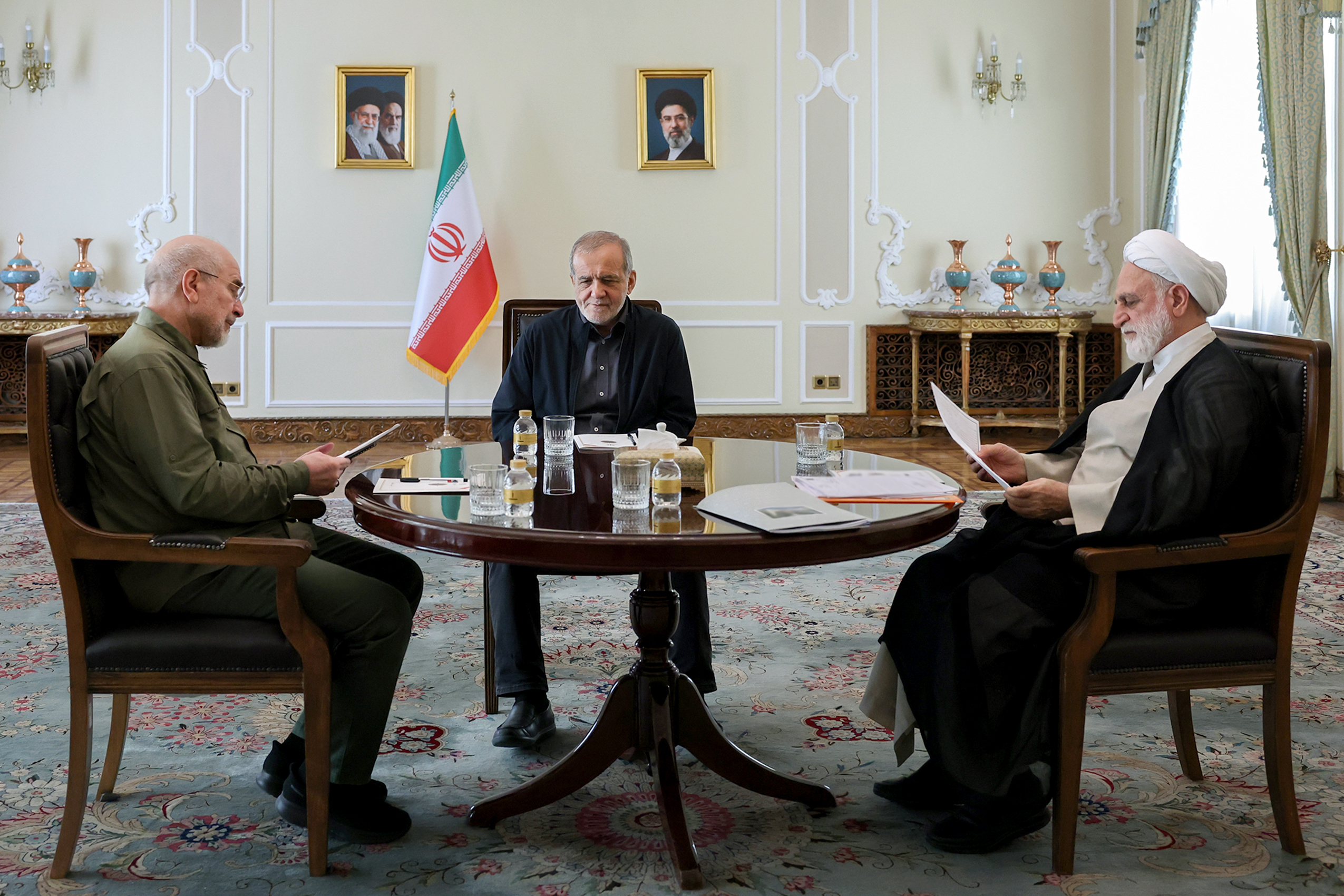
Remarks by Iran’s president offer a rare glimpse of how the Islamic Republic has adapted its decision making to the absence of its supreme leader.
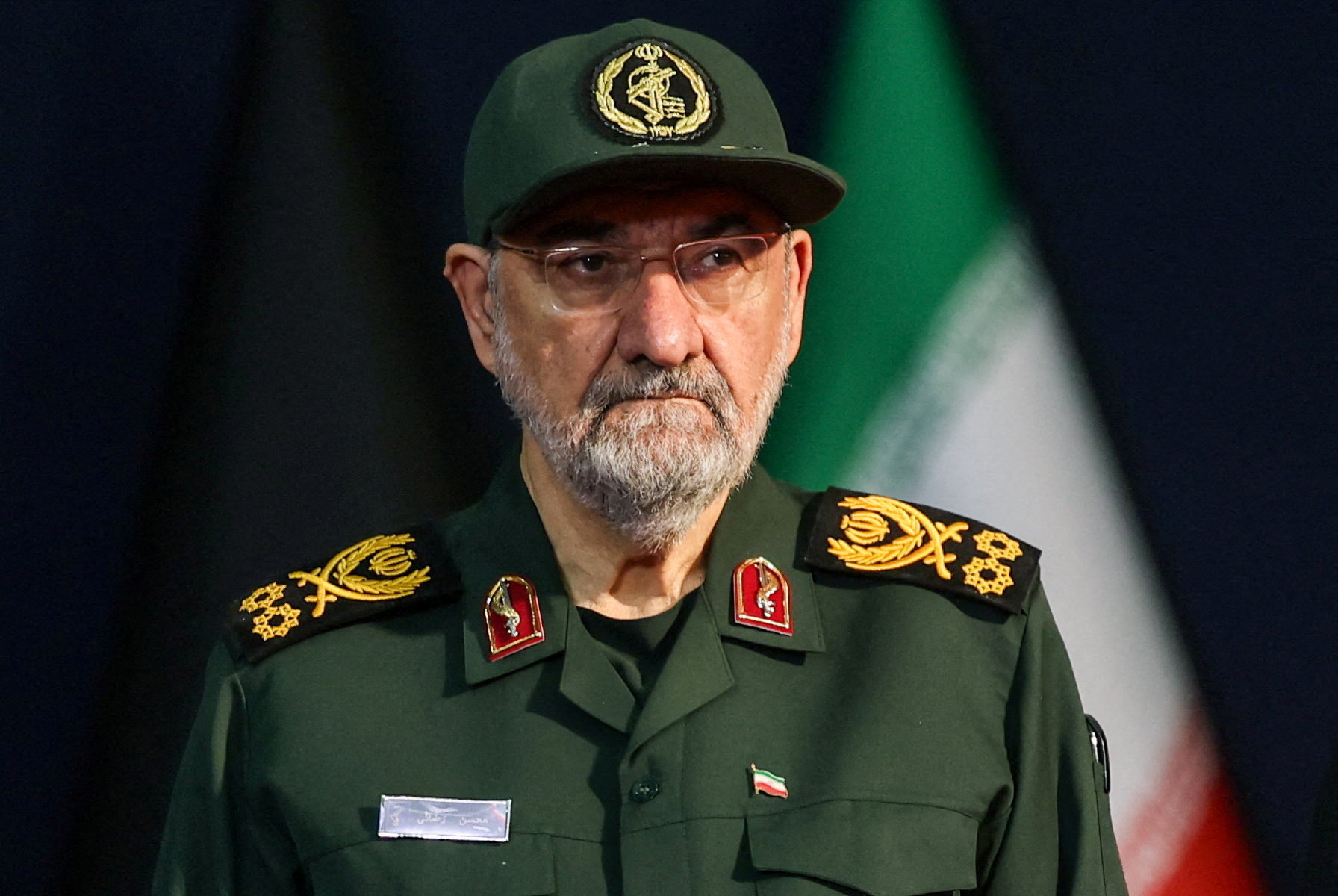
Mohsen Rezaei at the Helm of Iran’s Supreme National Security Council
Under Rezaei, the SNSC could prove constructive or paralyze strategic decision making.
The Islamic Republic Returns to Offense
After U.S.-Israeli strikes killed Supreme Leader Ayatollah Ali Khamenei on February 28, Iran’s collective leadership has concluded that the best defense is a good offense.
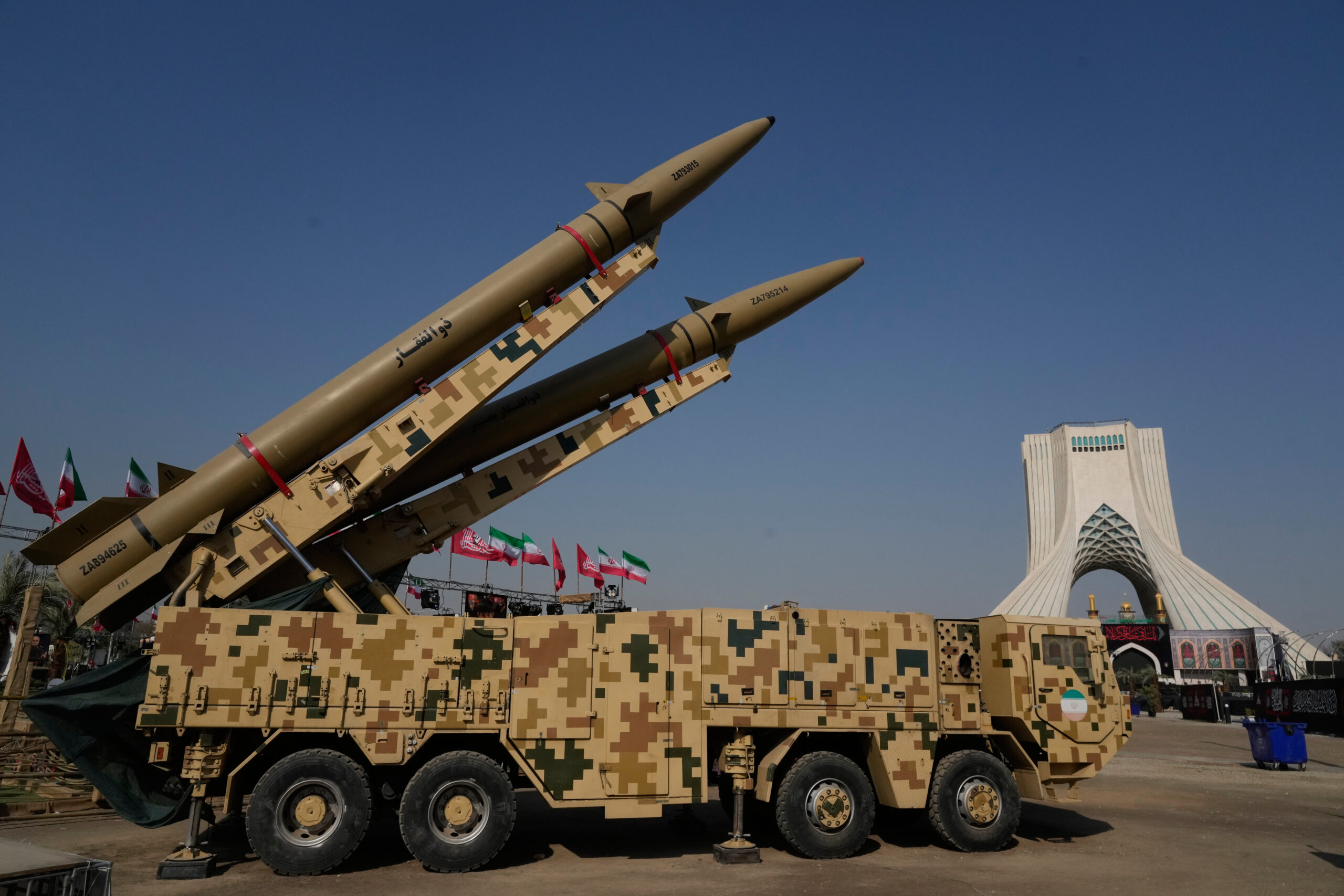
Iran’s Collective Strategic Decision Making
Wartime pressure has temporarily aligned the leadership’s overriding interest in regime survival, even as its members continue to differ over the costs, methods, and ultimate objectives of the war.
Events
Oct 6, 2026
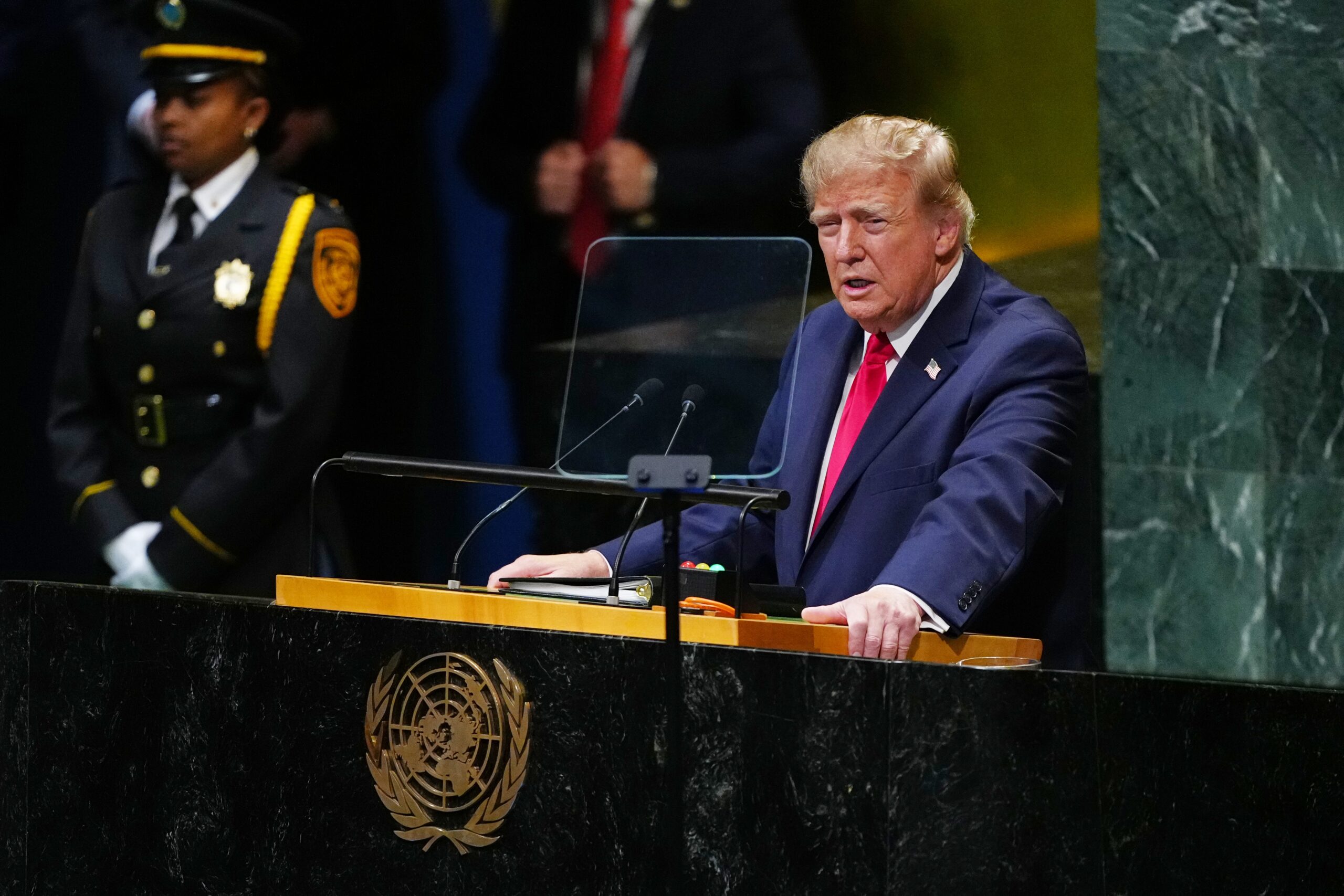
Is the U.S.-Iran Stalemate a “New Normal” or the Prelude to Another Explosion?
On October 6, AGSI hosted a discussion on the U.S.-Iran stalemate and the prospects for a cease-fire.
Speakers


Book Talk: Iran and the Bomb: The United States, Iran and the Nuclear Question
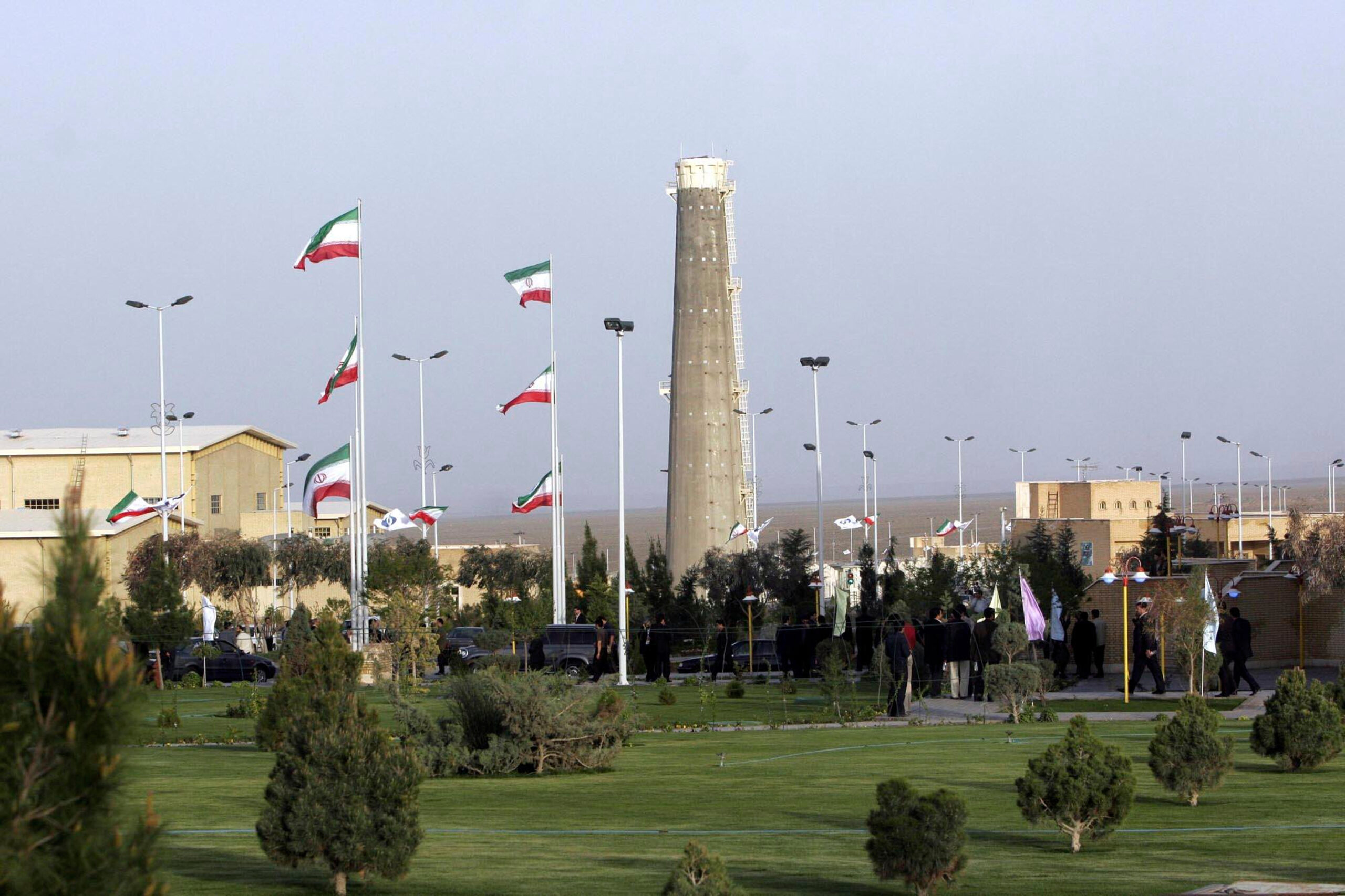
On June 16, AGSI hosted a discussion on the evolution of Iran's nuclear program.
Speakers
Apr 21, 2026
Inside Iran’s Wartime Leadership: Power, Succession, and Regime Stability
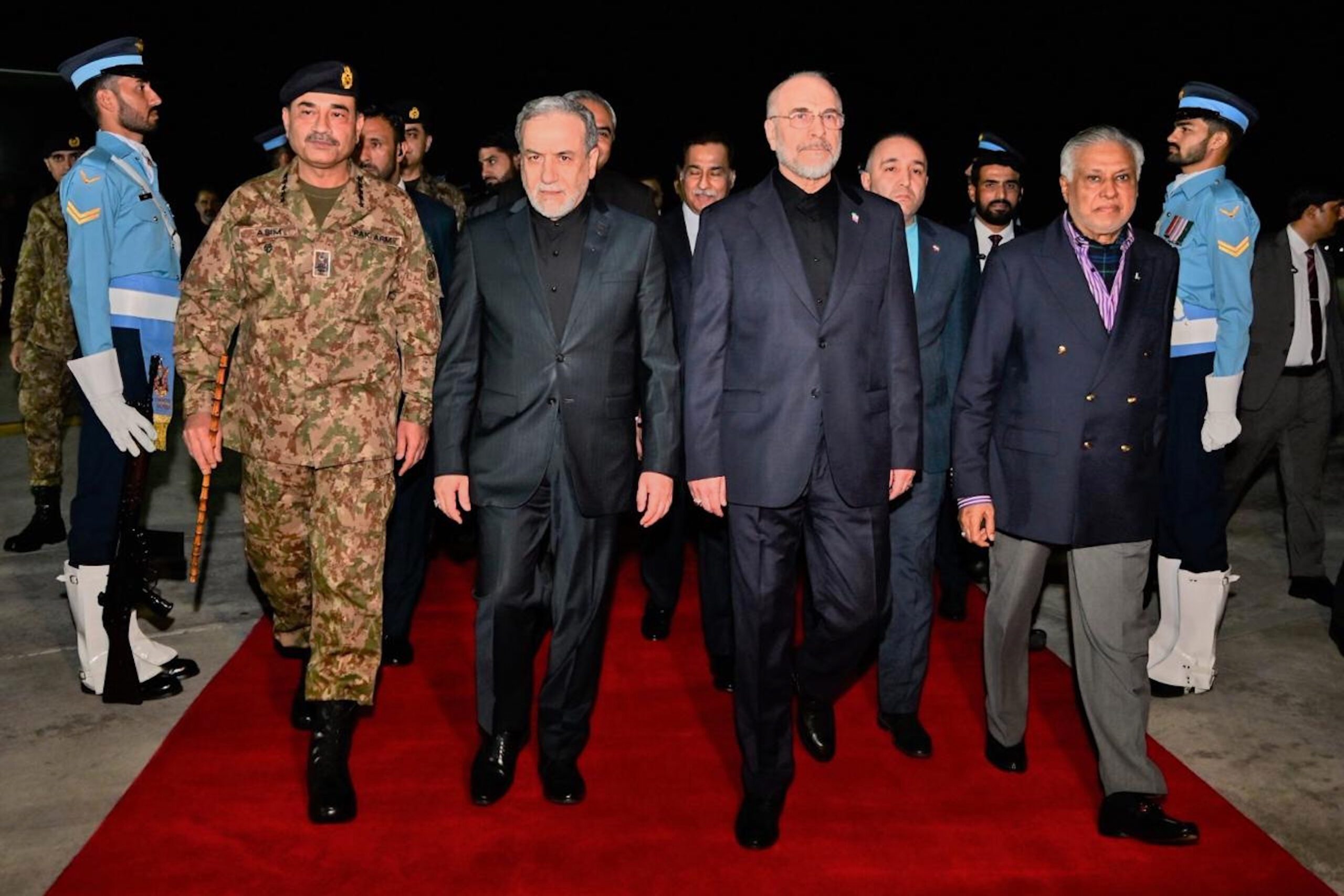
On April 21, AGSI hosted a discussion on the evolution of Iran's leadership during the war.
Speakers

Mar 18, 2026
In Its Conflict With the United States and Israel, Does Escalation Favor Iran?
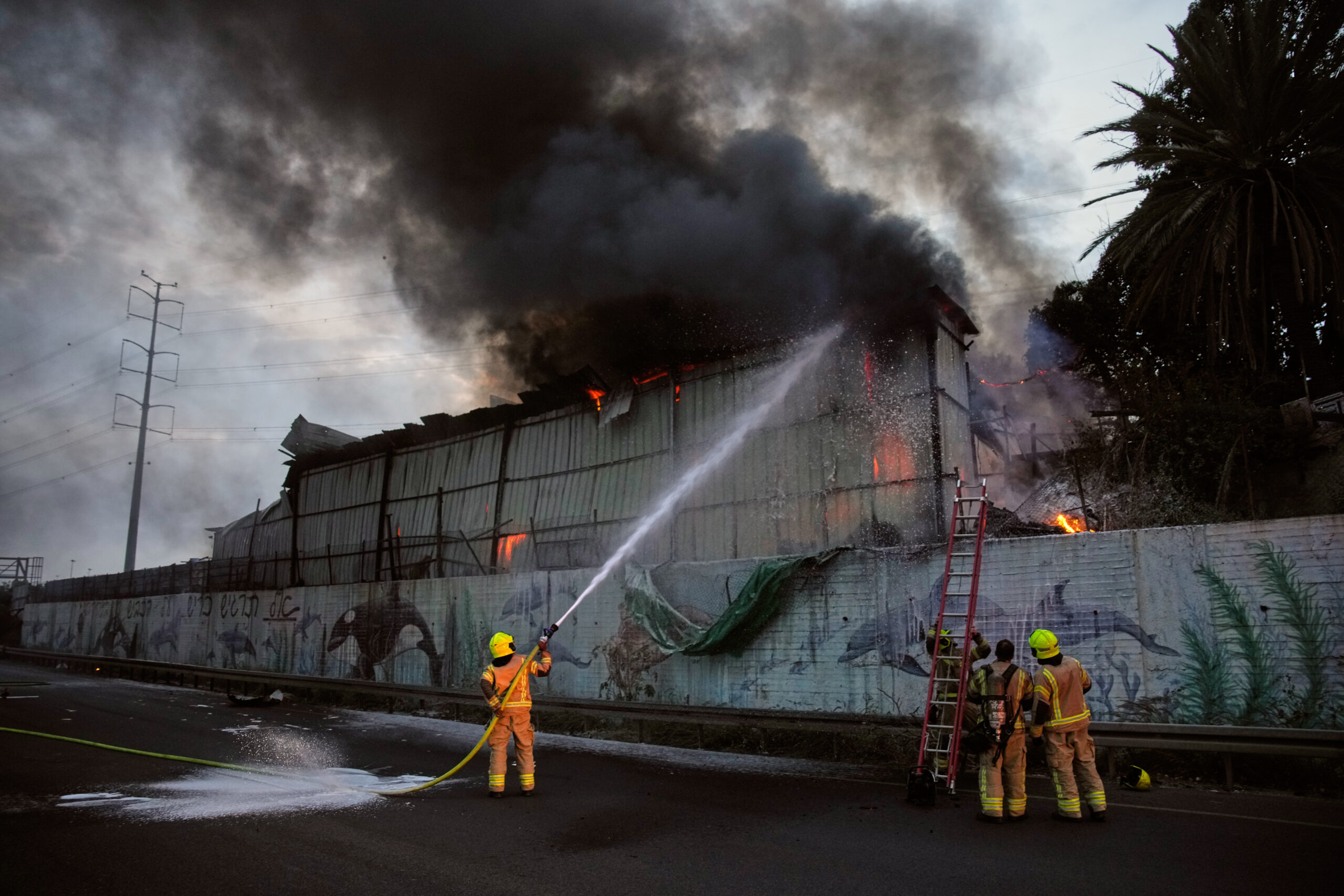
On March 18, AGSI hosted a discussion on the escalation of the Iran war.
Speakers