Jun 18, 2024
Determining Factor in Iran’s Presidential Election: Voter Turnout
Iranian Supreme Leader Ayatollah Ali Khamenei wants it both ways: high voter turnout in the June 28 presidential election and victory for former nuclear negotiator Saeed Jalili, who appears to be his preferred candidate. These two objectives, however, are mutually exclusive, as high voter turnout has historically benefitted candidates disliked by Khamenei, such as former...

Iranian Supreme Leader Ayatollah Ali Khamenei wants it both ways: high voter turnout in the June 28 presidential election and victory for former nuclear negotiator Saeed Jalili, who appears to be his preferred candidate. These two objectives, however, are mutually exclusive, as high voter turnout has historically benefitted candidates disliked by Khamenei, such as former Presidents Mohammad Khatami and Hassan Rouhani.
- June 2: Centrist Khabar Online, citing a Parliamentary Research Center poll, reported that voter turnout is likely to be 53%.
- June 10: Iranian Students Polling Agency released the results of its latest poll:
- 4% of respondents answered yes to the question “I will certainly vote,” 7.3% responded “I will most likely vote,” 14.9% answered “undecided,” 4.8% responded “I will most likely not vote,” and 28.7% answered “I will under no circumstances vote.”
- 39% of respondents indicated that they felt the general circumstances in Iran will improve with a new president, while 16.2% indicated that they expect a deterioration of the general circumstances. Additionally, 22% indicated they are not expecting anything to change with a new president in power, while another 22% indicated they don’t know whether there will be any change.
- June 12: Mohsen Hashemi Rafsanjani, son of the late President Ali Akbar Hashemi Rafsanjani, said, as quoted by reformist Shargh Daily: “If voter turnout is below 40%, someone like Jalili wins. If it’s around 50%,” Parliamentary Speaker Mohammad-Bagher Qalibaf “may perhaps win in the first round of the election, but should the turnout reach 60%, Masoud Pezeshkian has a better chance.”
- June 15: Khamenei’s official website released the transcript of an address he gave to elite students: “Elections are important, and first and foremost, voter turnout is of great importance. You should do everything you can, be it among fellow students, at work, in the family, and the like, to increase voter turnout … Then, assess who among the candidates is closer to the ideals of the revolution.”
- June 16: In “A People Repulsed by Politics,” a frontpage column in Kargozaran Daily, the mouthpiece of the technocratic Kargozaran Party, Seyyed Mostafa Hashemitaba, a member of the party, wrote: “The issue of voter turnout in elections became the central question in the elections in 2021 … There was a problem called extremely low voter turnout and a public that under no circumstances was willing to cast its vote. This time around, the outcome may differ from the previous two elections, and more people may vote in the June 28 election, perhaps slightly more than the last parliamentary elections, but not much higher. The reformists are the ones capable of mobilizing the extra voters … But voter turnout will not exceed 50% unless something happens to attract the voters. People don’t believe any of the candidates are capable of doing anything special. Therefore, they reason: ‘Let anyone take over, it has nothing to do with us. What difference does it make? In practice, the politicians can’t do anything.’ These people are repulsed by politics, as if the society is no longer on friendly terms with politics.”
The views represented herein are the author's or speaker's own and do not necessarily reflect the views of AGSI, its staff, or its board of directors.
Related
Iran Media Review
Oct 16, 2026
Qalibaf’s New Equation: War, Negotiation, and Deterrence
The October 16 edition of the Iran Media Review highlights the call by Iran’s parliamentary speaker for a combination of war and negotiation to establish deterrence against further attacks on Iran.
Iran Media Review
Oct 13, 2026
From Neighbor to Target: Iranian Analysts on the UAE
The October 13 edition of the Iran Media Review explores calls by senior Iranian strategists for Iran to target the United Arab Emirates and Dubai’s airport.
Iran Media Review
Oct 9, 2026
Food Baskets for the Faithful Servants
The October 9 edition of the Iran Media Review considers Iranian media questions regarding aid distribution to government employees and the resentment building among Iranians left outside the circle.
Oct 16, 2026
Qalibaf’s New Equation: War, Negotiation, and Deterrence
The October 16 edition of the Iran Media Review highlights the call by Iran’s parliamentary speaker for a combination of war and negotiation to establish deterrence against further attacks on Iran.
Oct 13, 2026
From Neighbor to Target: Iranian Analysts on the UAE
The October 13 edition of the Iran Media Review explores calls by senior Iranian strategists for Iran to target the United Arab Emirates and Dubai’s airport.
Oct 9, 2026
Food Baskets for the Faithful Servants
The October 9 edition of the Iran Media Review considers Iranian media questions regarding aid distribution to government employees and the resentment building among Iranians left outside the circle.
Analysis
The Committee of Six and Strategic Decision Making in Iran
Remarks by Iran’s president offer a rare glimpse of how the Islamic Republic has adapted its decision making to the absence of its supreme leader.
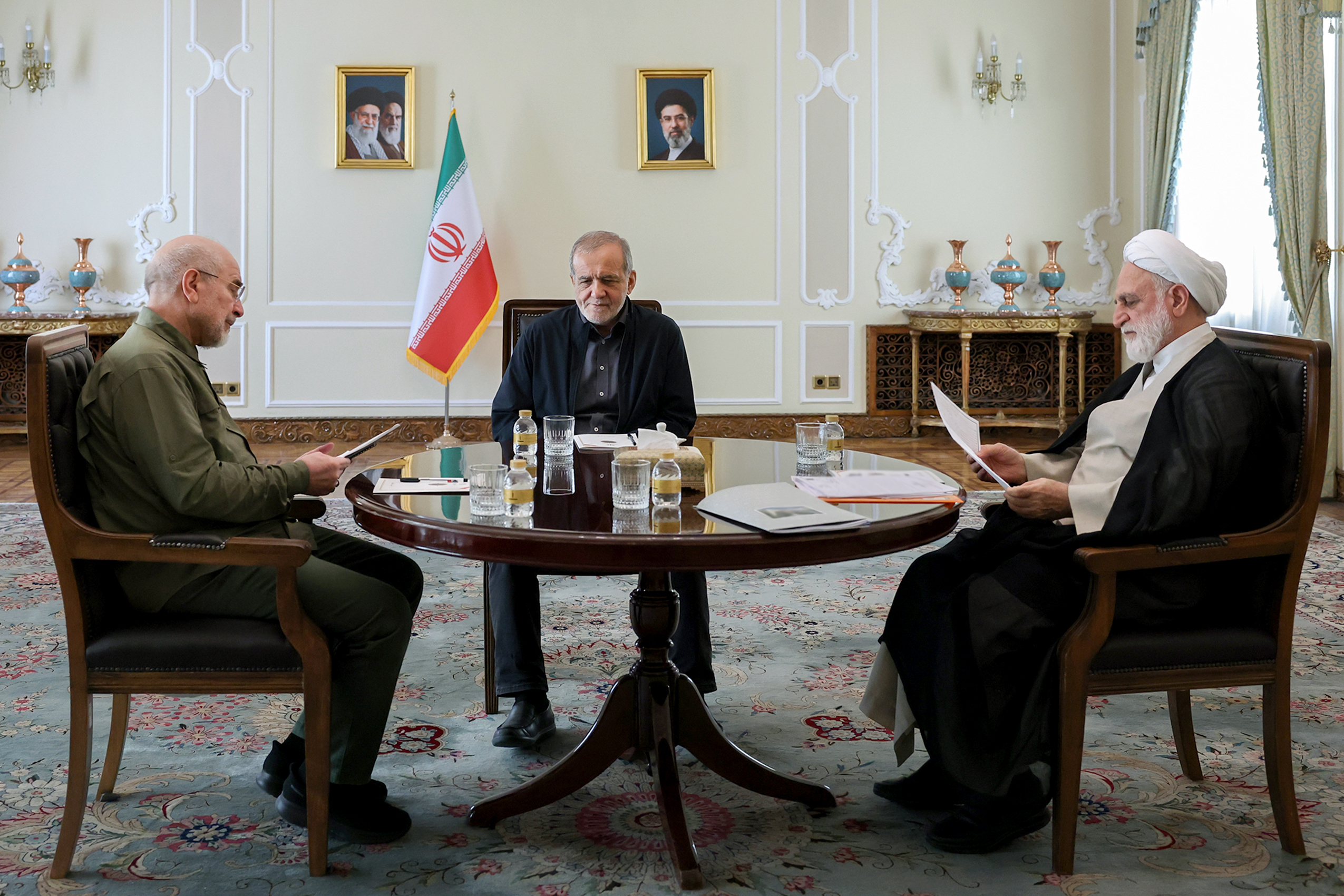
Mohsen Rezaei at the Helm of Iran’s Supreme National Security Council
Under Rezaei, the SNSC could prove constructive or paralyze strategic decision making.
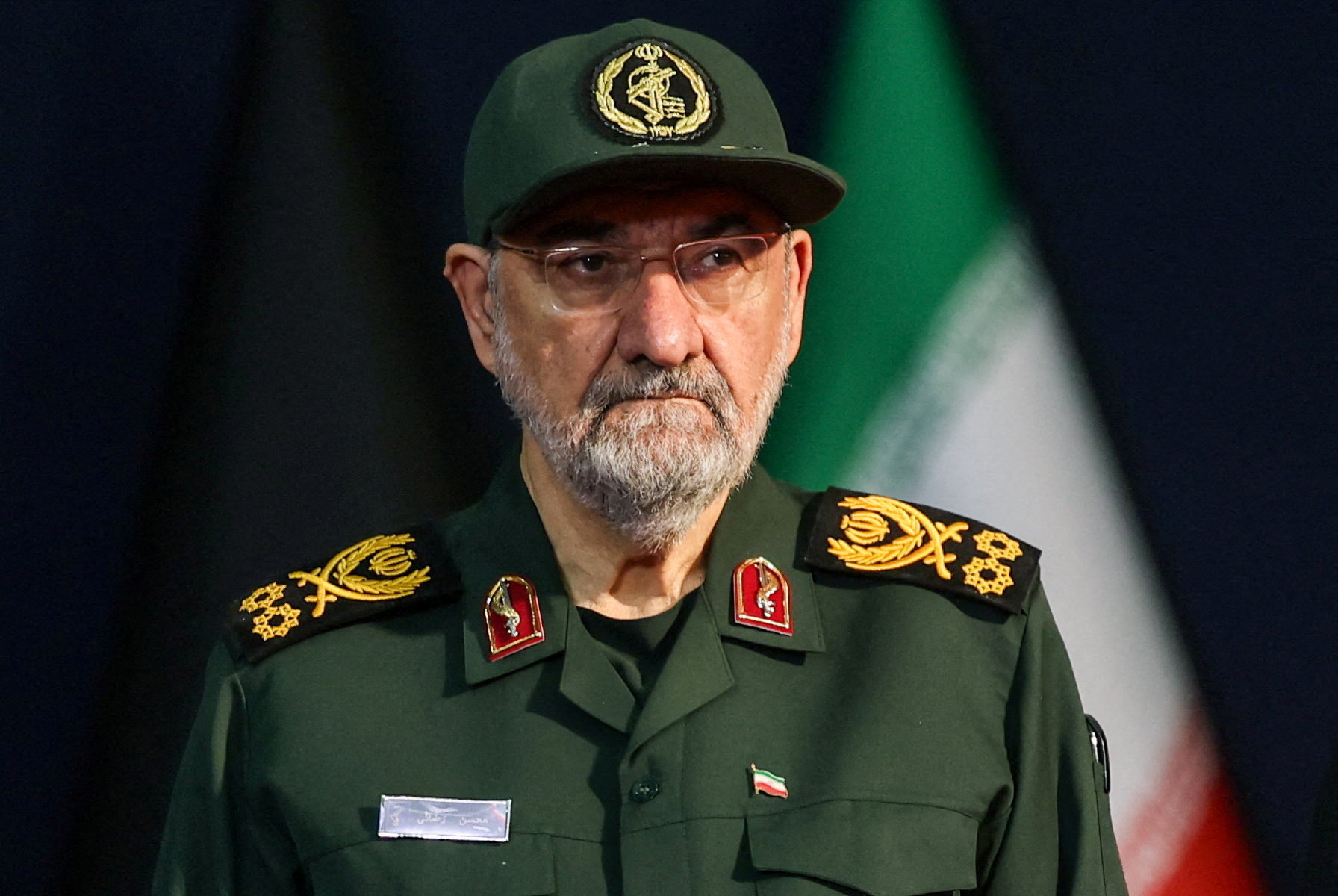
The Islamic Republic Returns to Offense
After U.S.-Israeli strikes killed Supreme Leader Ayatollah Ali Khamenei on February 28, Iran’s collective leadership has concluded that the best defense is a good offense.
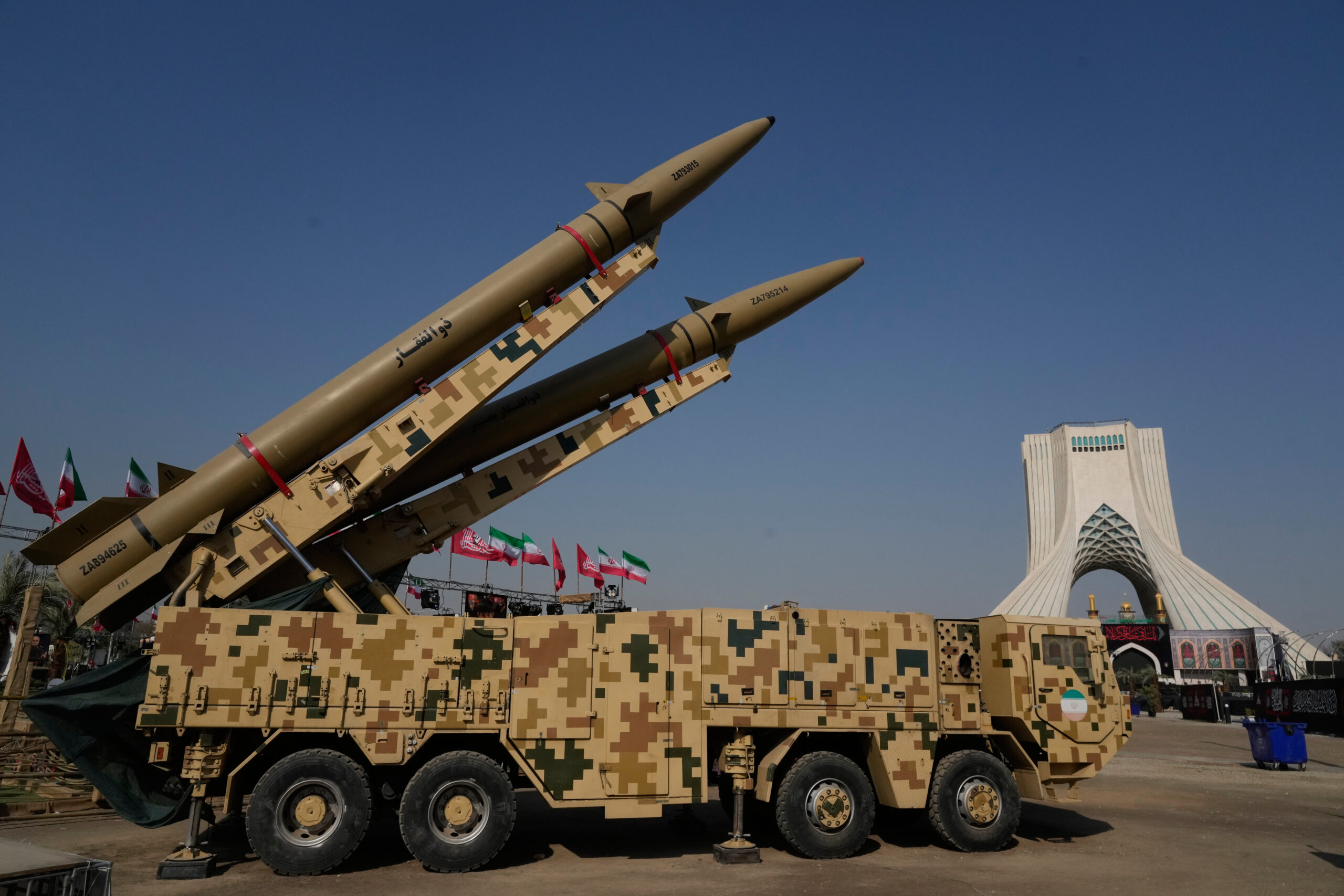
Iran’s Collective Strategic Decision Making
Wartime pressure has temporarily aligned the leadership’s overriding interest in regime survival, even as its members continue to differ over the costs, methods, and ultimate objectives of the war.
Events
Oct 6, 2026
Is the U.S.-Iran Stalemate a “New Normal” or the Prelude to Another Explosion?
On October 6, AGSI hosted a discussion on the U.S.-Iran stalemate and the prospects for a cease-fire.
Speakers



Book Talk: Iran and the Bomb: The United States, Iran and the Nuclear Question
On June 16, AGSI hosted a discussion on the evolution of Iran's nuclear program.
Speakers
Apr 21, 2026
Inside Iran’s Wartime Leadership: Power, Succession, and Regime Stability
On April 21, AGSI hosted a discussion on the evolution of Iran's leadership during the war.
Speakers

Mar 18, 2026
In Its Conflict With the United States and Israel, Does Escalation Favor Iran?
On March 18, AGSI hosted a discussion on the escalation of the Iran war.
Speakers