Oct 9, 2026
Food Baskets for the Faithful Servants
The October 9 edition of the Iran Media Review considers Iranian media questions regarding aid distribution to government employees and the resentment building among Iranians left outside the circle.

On October 9, centrist Asr-e Iran News Agency published a letter from the Health Ministry’s welfare directorate. The letter ordered 2,600 food baskets for ministry employees from ETKA, the Defense Ministry’s chain store company. The letter offers a glimpse into how the regime is trying to secure the loyalty of public servants amid inflation and the deprivations of the war economy. The request likely mirrors similar orders across government agencies. In parallel, aid and relief agencies and mosque networks are likely distributing goods to the needy, buying further loyalty to the regime. Yet the same policy may alienate those left outside the circle of recipients. Iranians who have no access to food baskets suffer the war economy’s hardships unaided, and they see public funds spent on others. Asr-e Iran’s question to its readers gives voice to that resentment.
- October 9: Centrist Asr-e Iran News Agency released a letter Davoud Shamsi, the director of Health Ministry Logistics and Welfare, wrote to Seyyed Ali Mousavi, director of ETKA Chain Stores Company, a subsidiary of Iran’s Ministry of Defense and Armed Forces Logistics. In its analysis of the letter, Asr-e Iran News Agency asked: “For many readers the question arises: While the government spends from the country’s public budget to raise the salaries and improve the livelihood of its own employees, where is the share of the public budget for the rest of the people, who are not government employees?”
- The text of the letter from the Iranian Health Ministry to Mousavi read: “Mousavi, esteemed chief executive officer of ETKA stores. Greetings and respects. With regard to the programs underway at this General Directorate for providing welfare services to our esteemed colleagues, please kindly instruct that the necessary action be taken, with urgency, to submit a pro forma invoice and to prepare and deliver the items listed below:
- Lamb meat: 2,600 units of 3 kilos each, Etka Protein.
- Veal leg: 2,600 units of 2 kilos each, Etka Protein.
- Pink rainbow trout fillet: 2,600 units of 2 kilos each.
- Boneless chicken thigh: 2,600 units of 2.5 kilos each, Samin.
- Boneless chicken breast: 2,600 units of 2.5 kilos each, Samin.
- Iranian rice: 2,600 units of 10 kilos each, premium Hashemi from Gilan.
- Palm-free cooking oil: 2,600 units of 1.350 kilos each, Oila.
- Palm-free clear frying oil: 2,600 units of 1.350 kilos each, Oila.
- Premium odorless olive oil: 2,600 units of 500 grams each.
- Liqvan cheese: 2,600 units of 500 grams each.
- Premium Mazafati dates: 2,600 units of 1 kilo each.
- Spice pack (turmeric, curry powder, black pepper, ginger powder, garlic powder, and chicken and fish seasoning): 2,600 units of 100 grams each, Golestan.
- Coconut-filled chocolates: 2,600 units of 500 grams each, Bounty.
- Pastilles: 2,600 units of 400 grams each.
- Box and packaging.”
- The text of the letter from the Iranian Health Ministry to Mousavi read: “Mousavi, esteemed chief executive officer of ETKA stores. Greetings and respects. With regard to the programs underway at this General Directorate for providing welfare services to our esteemed colleagues, please kindly instruct that the necessary action be taken, with urgency, to submit a pro forma invoice and to prepare and deliver the items listed below:
The views represented herein are the author's or speaker's own and do not necessarily reflect the views of AGSI, its staff, or its board of directors.
Related
Iran Media Review
Oct 6, 2026
Is Iran’s Economy in Free Fall or Will It Prove Resilient?
The October 6 edition of the Iran Media Review examines contrasting assessments of Iran’s economy.
Iran Media Review
Oct 2, 2026
Signs of Life: Tehran Signals Continuity at Home and Abroad
The October 2 edition of the Iran Media Review explores Iranian media efforts to demonstrate regime continuity.
Iran Media Review
Sep 30, 2026
U.S.-Iran Impasse
The September 30 edition of the Iran Media Review considers analysis on the underlying impasse between the United States and Iran – that neither side will surrender leverage without reciprocal concessions.
Oct 6, 2026
Is Iran’s Economy in Free Fall or Will It Prove Resilient?
The October 6 edition of the Iran Media Review examines contrasting assessments of Iran’s economy.
Oct 2, 2026
Signs of Life: Tehran Signals Continuity at Home and Abroad
The October 2 edition of the Iran Media Review explores Iranian media efforts to demonstrate regime continuity.
Sep 30, 2026
U.S.-Iran Impasse
The September 30 edition of the Iran Media Review considers analysis on the underlying impasse between the United States and Iran – that neither side will surrender leverage without reciprocal concessions.
Analysis
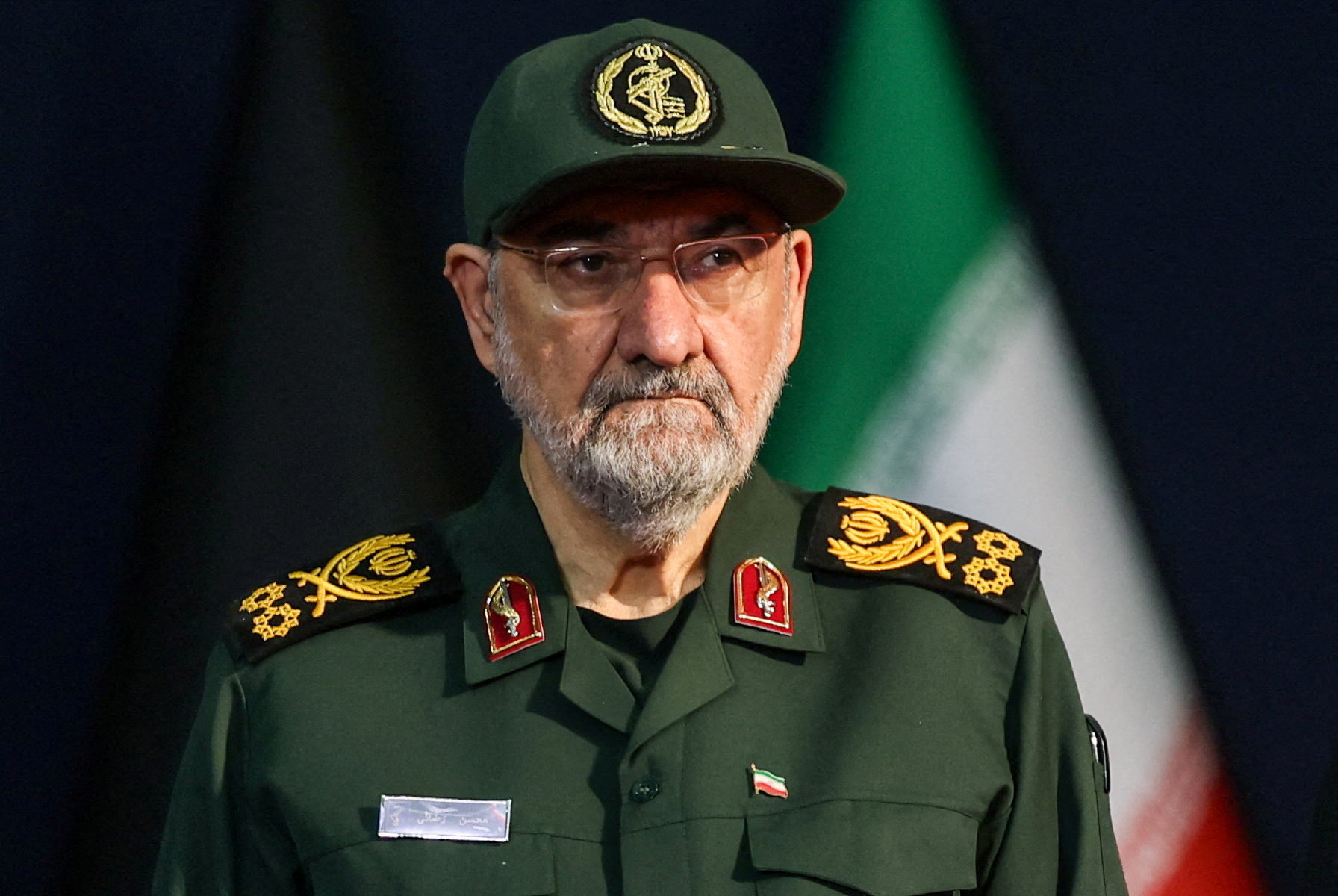
Mohsen Rezaei at the Helm of Iran’s Supreme National Security Council
Under Rezaei, the SNSC could prove constructive or paralyze strategic decision making.
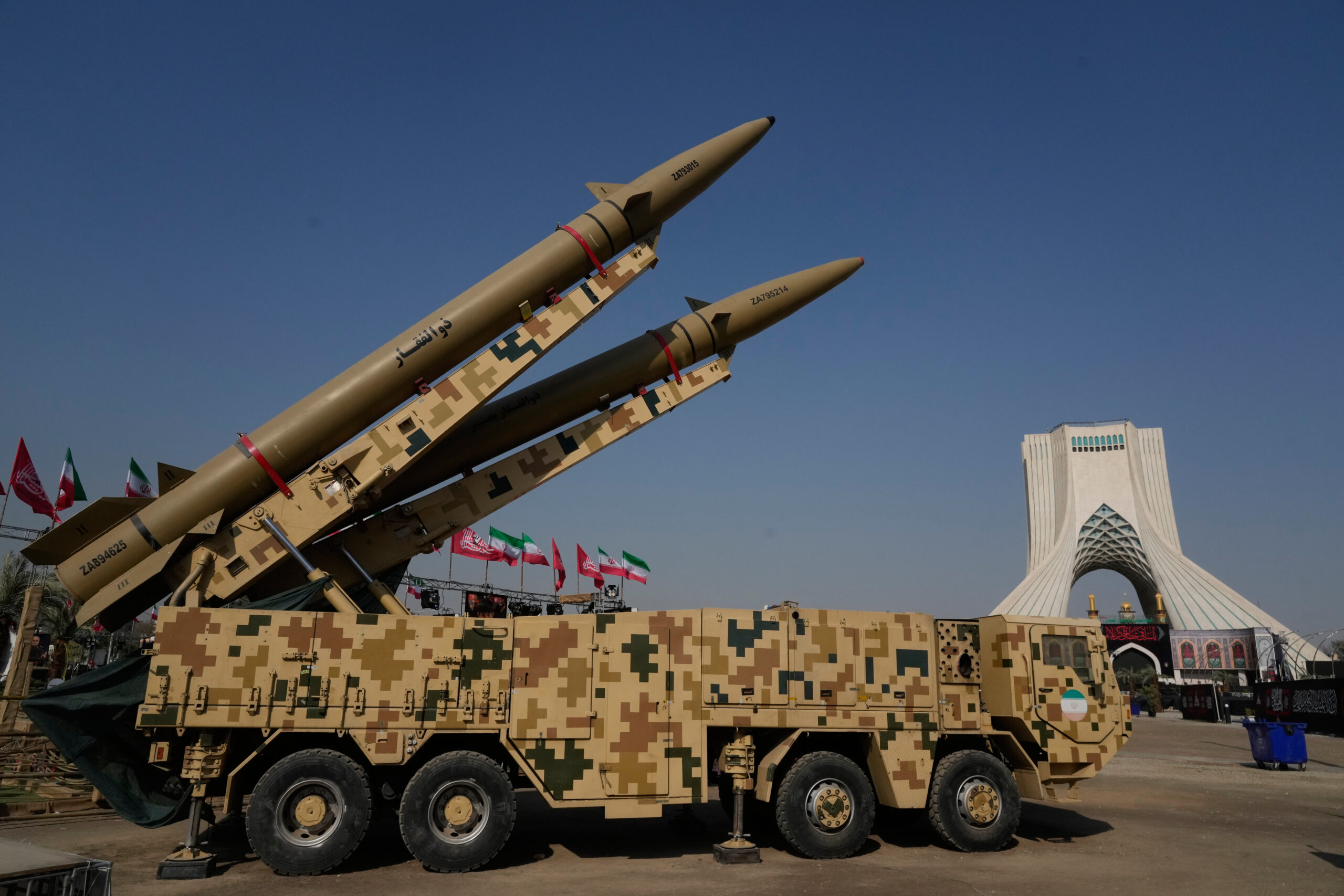
The Islamic Republic Returns to Offense
After U.S.-Israeli strikes killed Supreme Leader Ayatollah Ali Khamenei on February 28, Iran’s collective leadership has concluded that the best defense is a good offense.
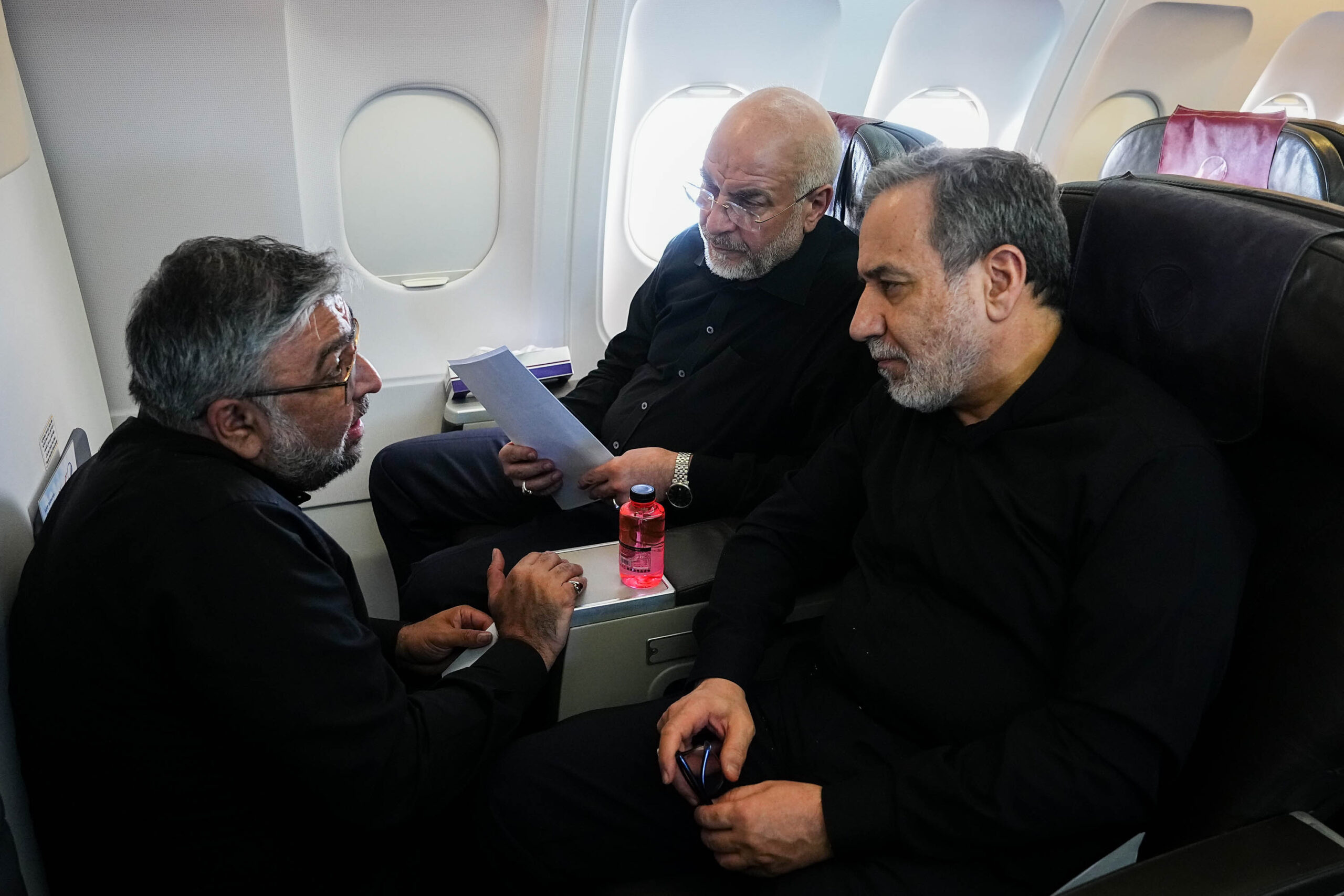
Iran’s Collective Strategic Decision Making
Wartime pressure has temporarily aligned the leadership’s overriding interest in regime survival, even as its members continue to differ over the costs, methods, and ultimate objectives of the war.
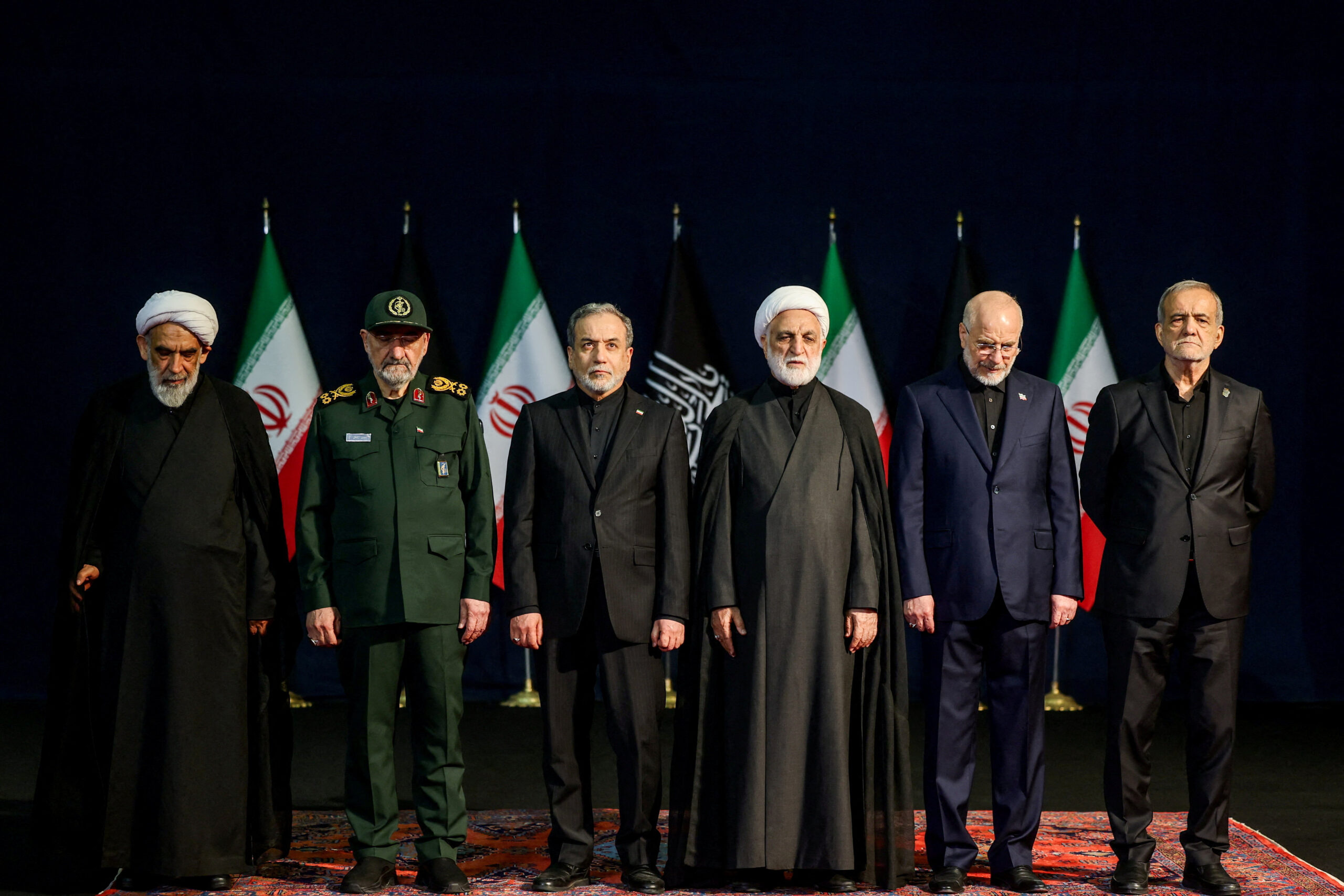
The Islamic Republic’s Collective Leadership
While there is historical precedent for collective leadership in Iran, today’s leadership includes representatives of the IRGC and regular military – a reflection of the IRGC’s expanding role and the necessities of governing under wartime conditions.
Events
Oct 6, 2026
Is the U.S.-Iran Stalemate a “New Normal” or the Prelude to Another Explosion?
On October 6, AGSI hosted a discussion on the U.S.-Iran stalemate and the prospects for a cease-fire.
Speakers



Book Talk: Iran and the Bomb: The United States, Iran and the Nuclear Question
On June 16, AGSI hosted a discussion on the evolution of Iran's nuclear program.
Speakers

Apr 21, 2026
Inside Iran’s Wartime Leadership: Power, Succession, and Regime Stability
On April 21, AGSI hosted a discussion on the evolution of Iran's leadership during the war.
Speakers

Mar 18, 2026
In Its Conflict With the United States and Israel, Does Escalation Favor Iran?
On March 18, AGSI hosted a discussion on the escalation of the Iran war.
Speakers