Sep 30, 2026
U.S.-Iran Impasse
The September 30 edition of the Iran Media Review considers analysis on the underlying impasse between the United States and Iran – that neither side will surrender leverage without reciprocal concessions.

Iran’s leadership is signaling that continued economic strangulation will carry rising regional costs. A statement issued in Supreme Leader Mojtaba Khamenei’s name threatens U.S. naval forces, while Parliamentary Speaker Mohammad-Bagher Qalibaf links neighboring countries’ oil exports and infrastructure security to Iran’s own. An appeal by the Islamic Revolutionary Guard Corps to American voters appears to extend this pressure campaign into U.S. electoral politics. Yet Donya-ye Eqtesad identifies the underlying impasse: Neither side will surrender leverage without reciprocal concessions. Tehran’s threats suggest an effort to challenge Washington’s possible calculation that further coercion will secure a better agreement, leaving both sides with incentives to escalate.
- September 28: The Islamic Revolutionary Guard Corps-affiliated Tasnim News Agency, and most other Iranian news agencies, covered the latest public statement issued in the name of Supreme Leader Mojtaba Khamenei to mark the anniversary of Iraq’s 1980 invasion of Iran, in which he was reported to have said:
-
- “In those days, the two seas south of Iran were a playground for enemy forces. Today, however, the painful blows inflicted by our valiant fighters and the guardians of the Strait of Hormuz have kept them from venturing beyond the Arabian Sea. Whenever they have taken that risk, they have suffered damage – and soon the Arabian Sea, too, will be rid of them.”
- September 29: Mohammad-Bagher Qalibaf, speaker of Iran’s Parliament, said in his opening remarks as quoted by Supreme National Security Council mouthpiece Nour News Agency:
-
- “Both the Americans and other countries should know: As we have said before, if we cannot sell oil in the region, no one will sell oil, and if our security is not ensured, no infrastructure will be safe.”
- September 29: IRGC-affiliated Mashregh News Agency published “an open letter to the American people” from the IRGC in what appears to be messaging aimed at influencing the U.S. midterm elections:
-
- “Those who can change this grim fate are you, the American people. Distance yourselves from the occupiers of Palestine, who, whether they like it or not, must leave that land and return to their own countries. We can coexist peacefully … Entrust your affairs to thinkers rather than thugs, and remind them that the world has changed.”
- September 30: Economic newspaper Donya-ye Eqtesad analyzed the state of U.S.-Iran negotiations:
-
- “The central problem is that neither side is willing to relinquish its most important leverage before securing a corresponding concession. Tehran seeks relief from economic pressure, the lifting of oil restrictions, and an end to – or easing of – the blockade. Washington, meanwhile, seeks verifiable constraints on Iran’s nuclear program and assurances that Iran will fulfill its commitments. The central question in the negotiations is therefore no longer whether talks will continue but who must make the first substantive concession and what they will receive in return. Any lasting arrangement must resolve this issue. If Iran relinquishes its leverage before receiving a tangible concession, its bargaining power will diminish. If the United States lifts sanctions and eases pressure before securing the assurances it seeks, Washington will see itself as surrendering some of its own leverage. Against this backdrop, an important hypothesis emerges about the Trump administration’s calculations: Washington may still believe that intensifying pressure over the coming months could yield a better outcome than reaching an immediate agreement. According to this interpretation, a combination of sanctions, economic pressure, maritime restrictions, and targeted strikes could gradually raise the costs of continued resistance for Tehran, ultimately pushing Iran to accept an agreement offering greater concessions to the United States.”
The views represented herein are the author's or speaker's own and do not necessarily reflect the views of AGSI, its staff, or its board of directors.
Related
Iran Media Review
Sep 25, 2026
President Pezeshkian at the United Nations
The September 25 edition of the Iran Media Review analyzes Iranian responses to a speech by the Iranian president and a meeting between the Iranian foreign minister and U.S. negotiators on the sidelines of the United Nations.
Iran Media Review
Sep 22, 2026
With Mojtaba in Occultation, Qalibaf and Rezaei Articulate Iran’s Terms
The September 22 edition of the Iran Media Review considers an IRGC-linked newspaper’s suggestion that the supreme leader might remain in hiding and statements by Iranian officials laying out Iran’s terms for negotiations with the United States.
Iran Media Review
Sep 15, 2026
Despite Tactical Victories, Iran Struggles to Restore Deterrence
The September 15 edition of the Iran Media Review examines Iranian statements on a possible nuclear bomb, Iran’s relationship with the UAE, and developments in Yemen.
Sep 25, 2026
President Pezeshkian at the United Nations
The September 25 edition of the Iran Media Review analyzes Iranian responses to a speech by the Iranian president and a meeting between the Iranian foreign minister and U.S. negotiators on the sidelines of the United Nations.
Sep 22, 2026
With Mojtaba in Occultation, Qalibaf and Rezaei Articulate Iran’s Terms
The September 22 edition of the Iran Media Review considers an IRGC-linked newspaper’s suggestion that the supreme leader might remain in hiding and statements by Iranian officials laying out Iran’s terms for negotiations with the United States.
Sep 15, 2026
Despite Tactical Victories, Iran Struggles to Restore Deterrence
The September 15 edition of the Iran Media Review examines Iranian statements on a possible nuclear bomb, Iran’s relationship with the UAE, and developments in Yemen.
Analysis
The Islamic Republic Returns to Offense
After U.S.-Israeli strikes killed Supreme Leader Ayatollah Ali Khamenei on February 28, Iran’s collective leadership has concluded that the best defense is a good offense.
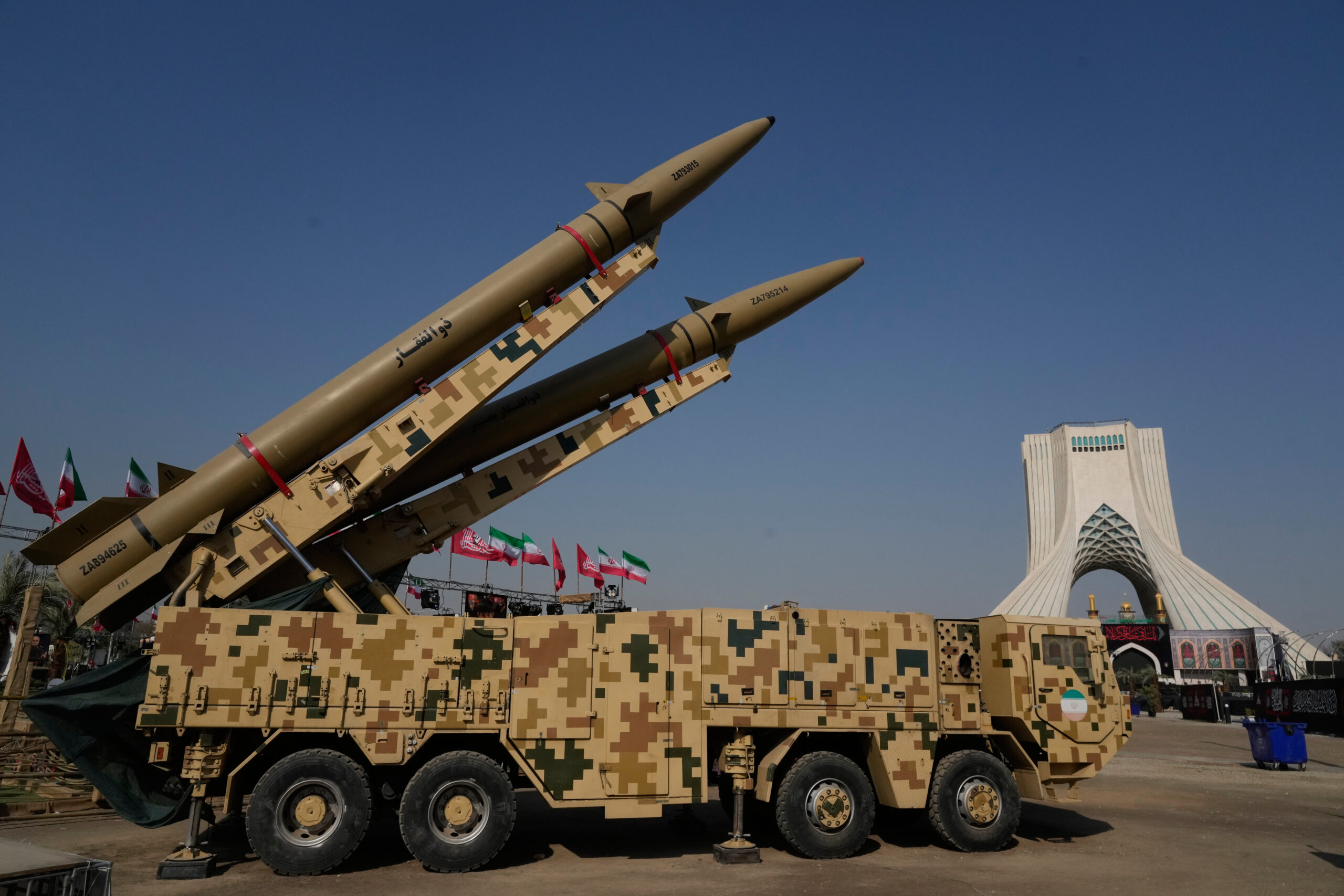
Iran’s Collective Strategic Decision Making
Wartime pressure has temporarily aligned the leadership’s overriding interest in regime survival, even as its members continue to differ over the costs, methods, and ultimate objectives of the war.
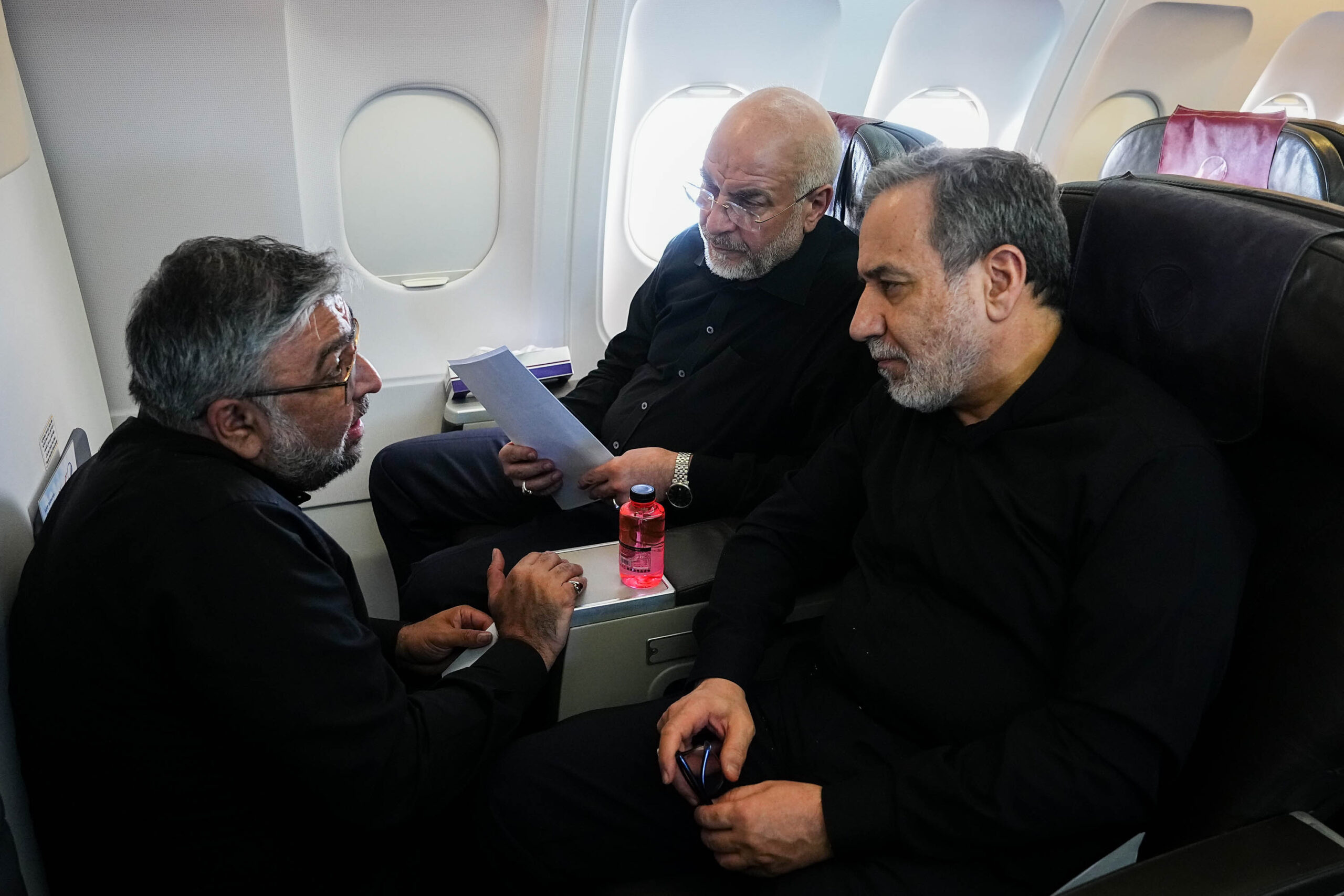
The Islamic Republic’s Collective Leadership
While there is historical precedent for collective leadership in Iran, today’s leadership includes representatives of the IRGC and regular military – a reflection of the IRGC’s expanding role and the necessities of governing under wartime conditions.
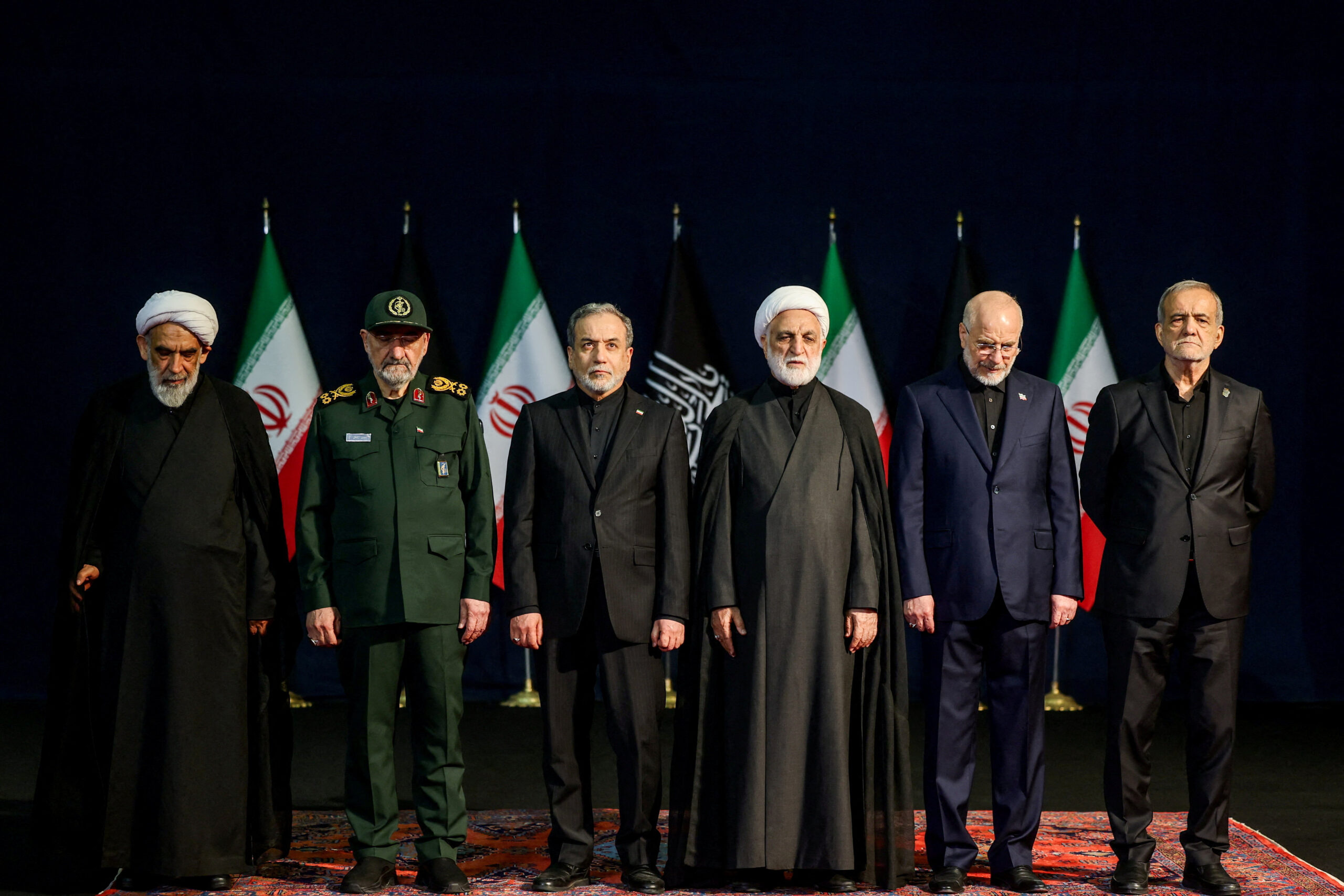
How Did the IRGC Seize Power in Iran?
The IRGC did not seize power in a single stroke. It accumulated it – patiently, methodically – until no counterweight remained.
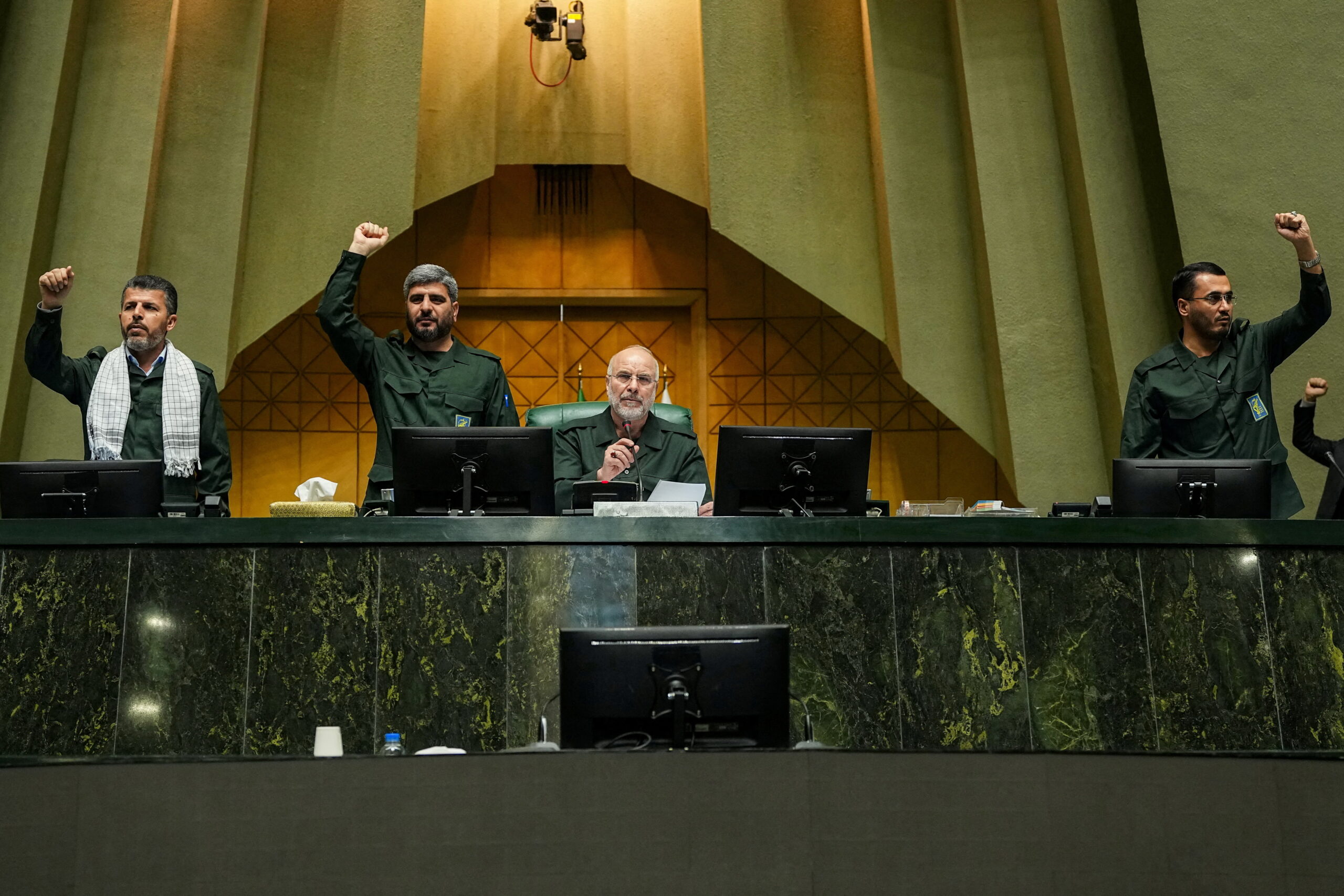
Events
Book Talk: Iran and the Bomb: The United States, Iran and the Nuclear Question
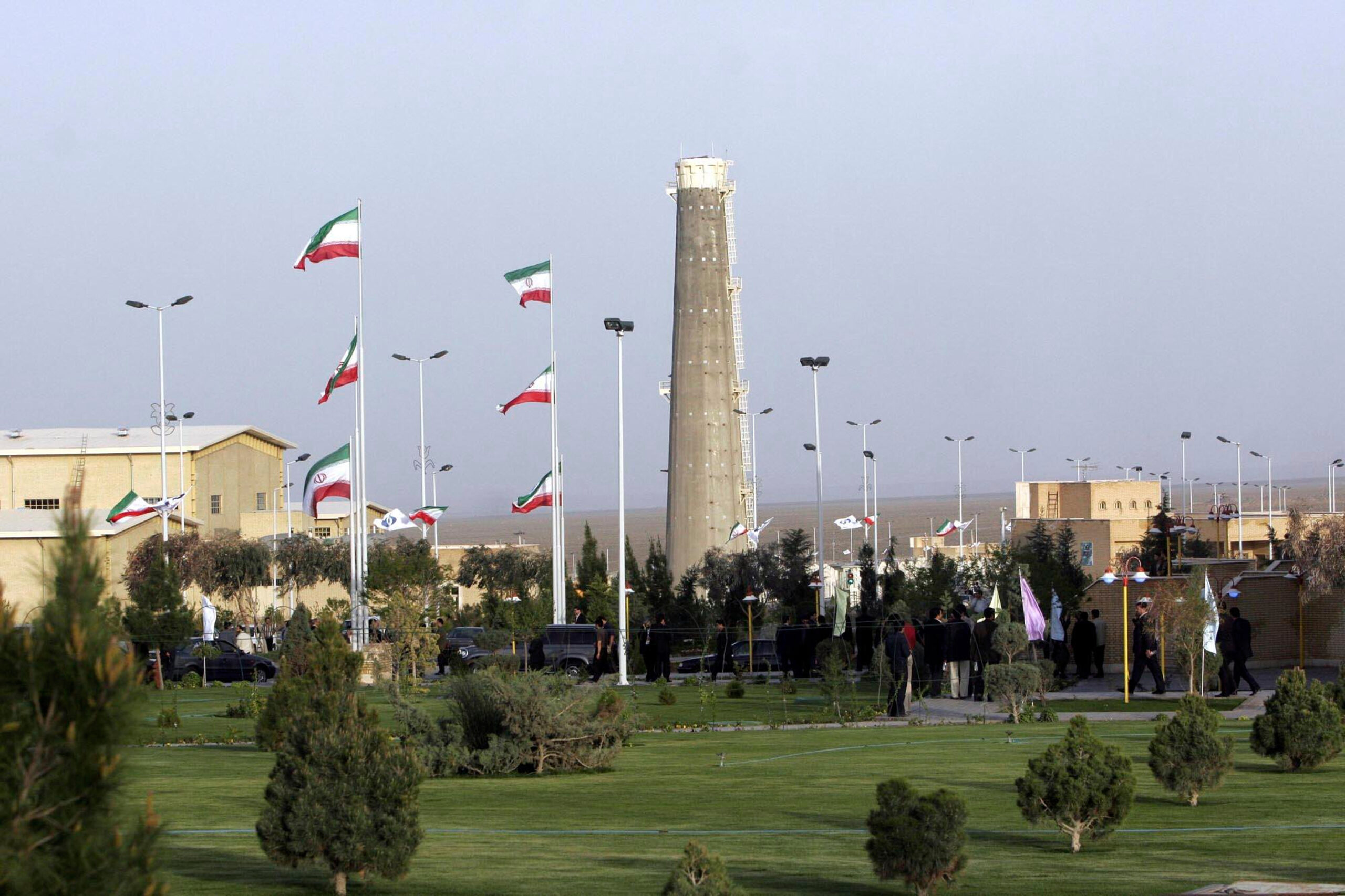
On June 16, AGSI hosted a discussion on the evolution of Iran's nuclear program.
Speakers

Apr 21, 2026
Inside Iran’s Wartime Leadership: Power, Succession, and Regime Stability
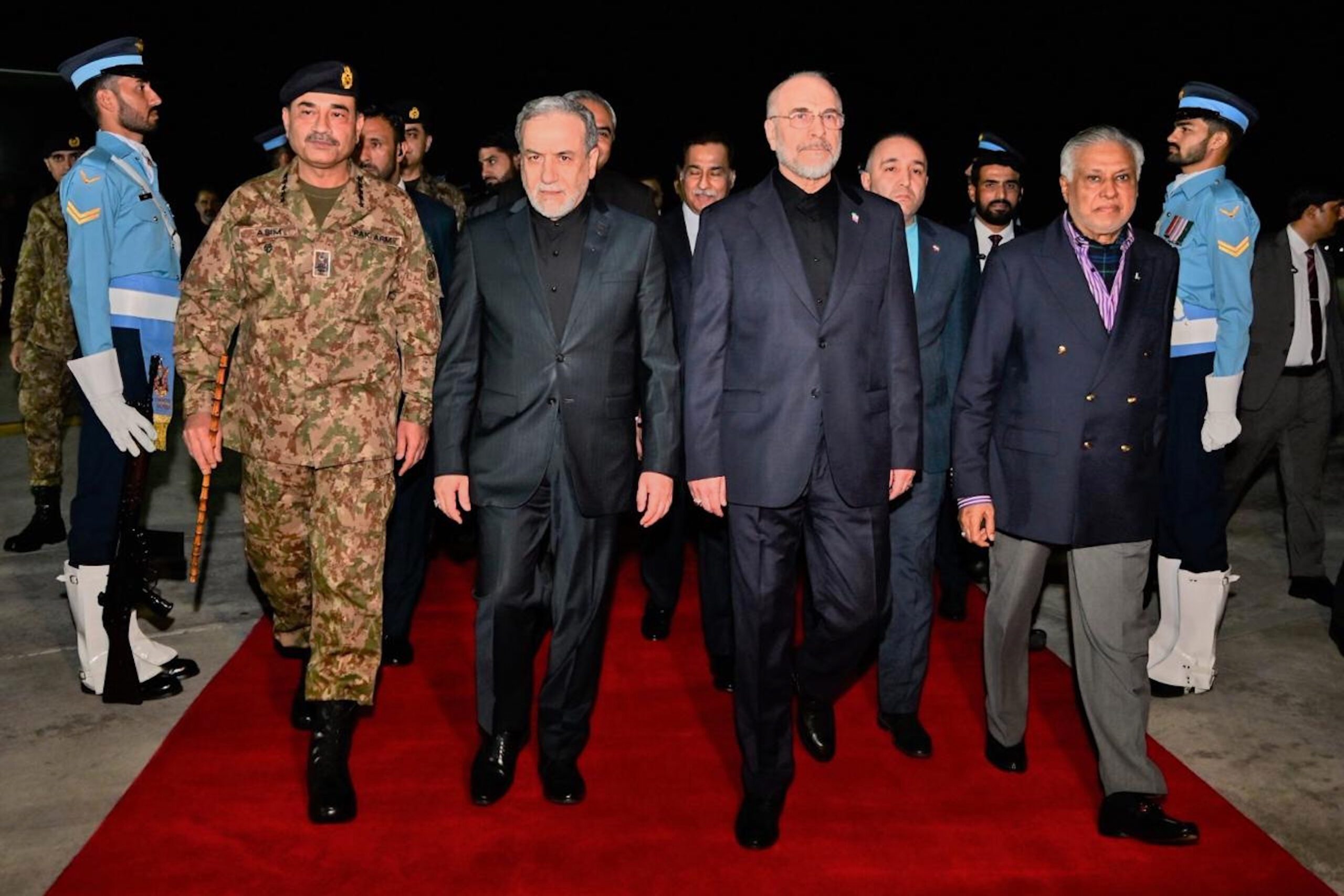
On April 21, AGSI hosted a discussion on the evolution of Iran's leadership during the war.
Speakers

Mar 18, 2026
In Its Conflict With the United States and Israel, Does Escalation Favor Iran?
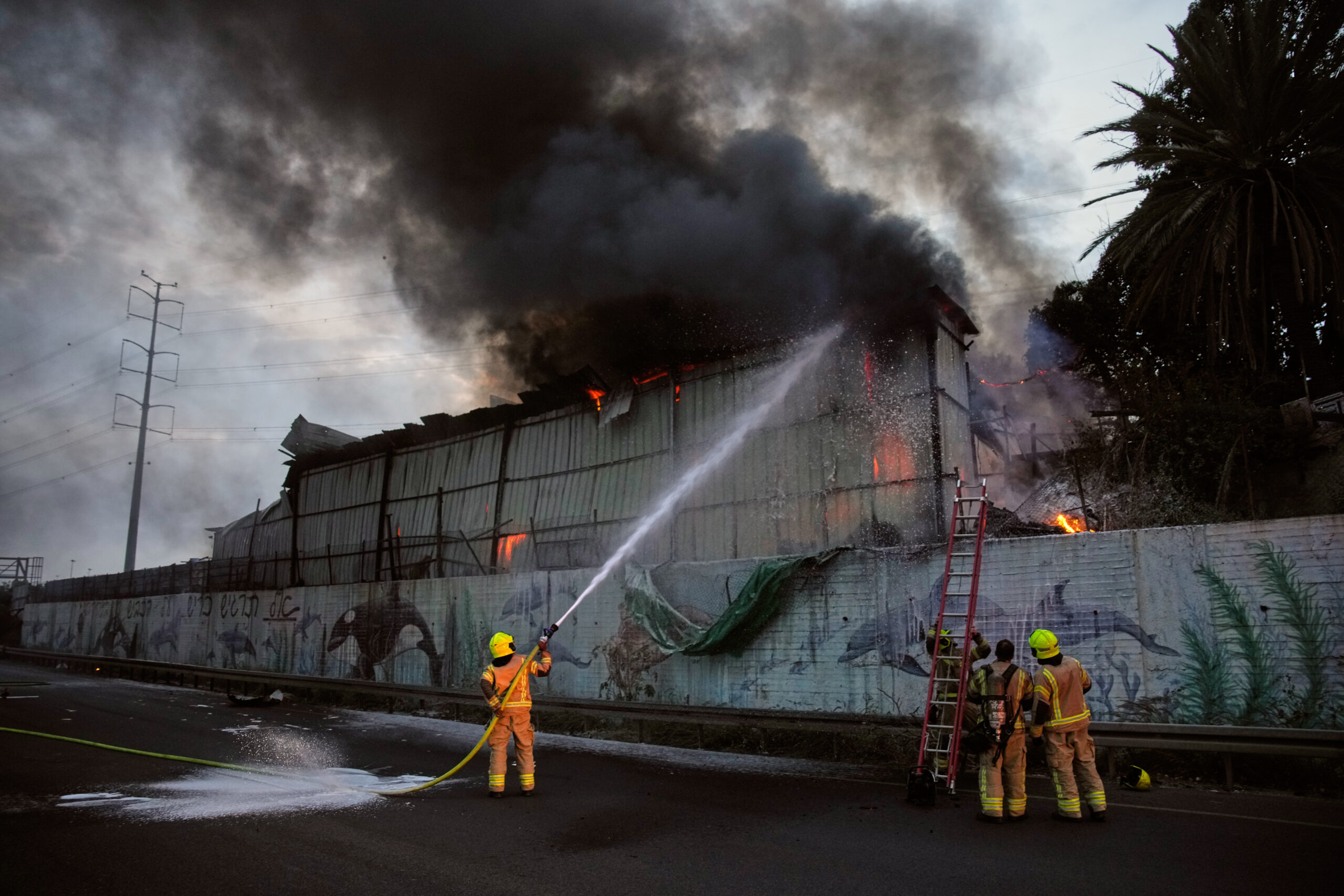
On March 18, AGSI hosted a discussion on the escalation of the Iran war.
Speakers


Mar 2, 2026
After the Shock: Implications of the U.S.–Israeli Strikes and Iran’s Leadership Transition
On March 2, AGSI hosted a discussion on the U.S.-Israeli strikes on Iran.
Speakers