Sep 22, 2026
With Mojtaba in Occultation, Qalibaf and Rezaei Articulate Iran’s Terms
The September 22 edition of the Iran Media Review considers an IRGC-linked newspaper’s suggestion that the supreme leader might remain in hiding and statements by Iranian officials laying out Iran’s terms for negotiations with the United States.

Islamic Revolutionary Guard Corps-affiliated media outlets, invoking the example of the Shia messiah, appear to be preparing the Iranian public for Supreme Leader Mojtaba Khamenei’s prolonged absence from public view. Meanwhile, Supreme National Security Council Secretary Mohsen Rezaei and Parliamentary Speaker Mohammad-Bagher Qalibaf coupled threats of escalation with an expressed interest in renewed negotiations with the United States.
- September 19: In an interview with Al Jazeera TV, covered by Tabnak News, Supreme National Security Council Secretary Mohsen Rezaei said:
- “The U.S. president’s assessments and calculations regarding Iran were mistaken, and the war began at Netanyahu’s instigation. It is in Washington’s interest to accept our conditions for ending the war, and Trump’s threats will achieve nothing. We are prepared for a decisive war.”
- “We recently tested an antiship missile near a U.S. aircraft carrier. We are serious about defending ourselves, and, if attacked, we will strike U.S. bases and Washington’s interests in the region with even greater force.”
- “Consultations with the Qatari and Pakistani mediators are continuing, and we have informed them of our conditions for negotiations. We remain in contact with the Qatari mediator, who conveyed our conditions to Washington with the aim of ending the war, and we are awaiting President Trump’s response. Our conditions are an end to the war on all fronts, the release of our frozen assets, and an end to the naval blockade.”
- “The actions of the United States and Israel give us grounds to withdraw from the Nuclear Nonproliferation Treaty. We have not yet decided to withdraw from the NPT; the matter depends on Washington’s conduct. We remain committed to the late supreme leader’s fatwa and have not changed our nuclear doctrine, but we do not know what the future may hold.”
- “We want the war between Saudi Arabia and Yemen to end, and I believe the Yemenis also want to reach an agreement with Saudi Arabia.”
- September 20: In remarks released by SNSC mouthpiece Nour News Agency, Parliamentary Speaker Mohammad-Bagher Qalibaf criticized “extremism” in Iran’s political discourse:
- “First, there is an approach that speaks of war but offers neither a vision nor a mechanism for bringing it to an end from a position of strength … by rejecting engagement and diplomacy and failing to take the country’s available capabilities into account, this approach leads the country toward attrition and endless war. In contrast … there is also a faction that underestimates Iran’s national capabilities and, by stoking fear, prescribes surrender and acceptance of the enemy’s unilateral conditions.”
- “We believe the choice between war and negotiations is a false dichotomy; rather, we must both fight and negotiate … Iran must use its military capabilities to stand against the enemy when necessary and, once a significant battlefield victory has been achieved, use diplomacy to consolidate those gains. Ultimately, by strengthening the components of national power, Iran could reach a position of deterrence.”
- “Tehran’s messages and conditions have been conveyed to the other side through intermediaries … Unless and until those conditions are met, the rights of the Iranian people are recognized, and the United States fulfills its commitments, there will be no prospect of returning to the previous negotiating framework or reopening the Strait of Hormuz.”
- September 20: Islamic Revolutionary Guard Corps-affiliated Tasnim News Agency ran an article on how Imam Hasan al-Askari, the 11th of the 12 Shia imams and the father of Imam Muhammad al-Mahdi, allegedly planned for occultation of his son and insisted on the “necessity of waiting and refraining from setting a date for the advent of the hidden imam.”
The views represented herein are the author's or speaker's own and do not necessarily reflect the views of AGSI, its staff, or its board of directors.
Related
Iran Media Review
Sep 15, 2026
Despite Tactical Victories, Iran Struggles to Restore Deterrence
The September 15 edition of the Iran Media Review examines Iranian statements on a possible nuclear bomb, Iran’s relationship with the UAE, and developments in Yemen.
Iran Media Review
Sep 11, 2026
Diminishing Importance of the Straits?
The September 11 edition of the Iran Media Review contrasts hard-liners’ celebration of oil prices rising with a technocratic Iranian newspaper’s warning that the regime’s ability to take the world economy hostage is diminishing.
Iran Media Review
Sep 8, 2026
Mohsen Rezaei Explains Tehran’s Strategy
The September 8 edition of the Iran Media Review outlines the Iranian Supreme National Security Council secretary’s remarks on Iran’s strategic response to the U.S. naval blockade.
Sep 15, 2026
Despite Tactical Victories, Iran Struggles to Restore Deterrence
The September 15 edition of the Iran Media Review examines Iranian statements on a possible nuclear bomb, Iran’s relationship with the UAE, and developments in Yemen.
Sep 11, 2026
Diminishing Importance of the Straits?
The September 11 edition of the Iran Media Review contrasts hard-liners’ celebration of oil prices rising with a technocratic Iranian newspaper’s warning that the regime’s ability to take the world economy hostage is diminishing.
Sep 8, 2026
Mohsen Rezaei Explains Tehran’s Strategy
The September 8 edition of the Iran Media Review outlines the Iranian Supreme National Security Council secretary’s remarks on Iran’s strategic response to the U.S. naval blockade.
Analysis
The Islamic Republic Returns to Offense
After U.S.-Israeli strikes killed Supreme Leader Ayatollah Ali Khamenei on February 28, Iran’s collective leadership has concluded that the best defense is a good offense.
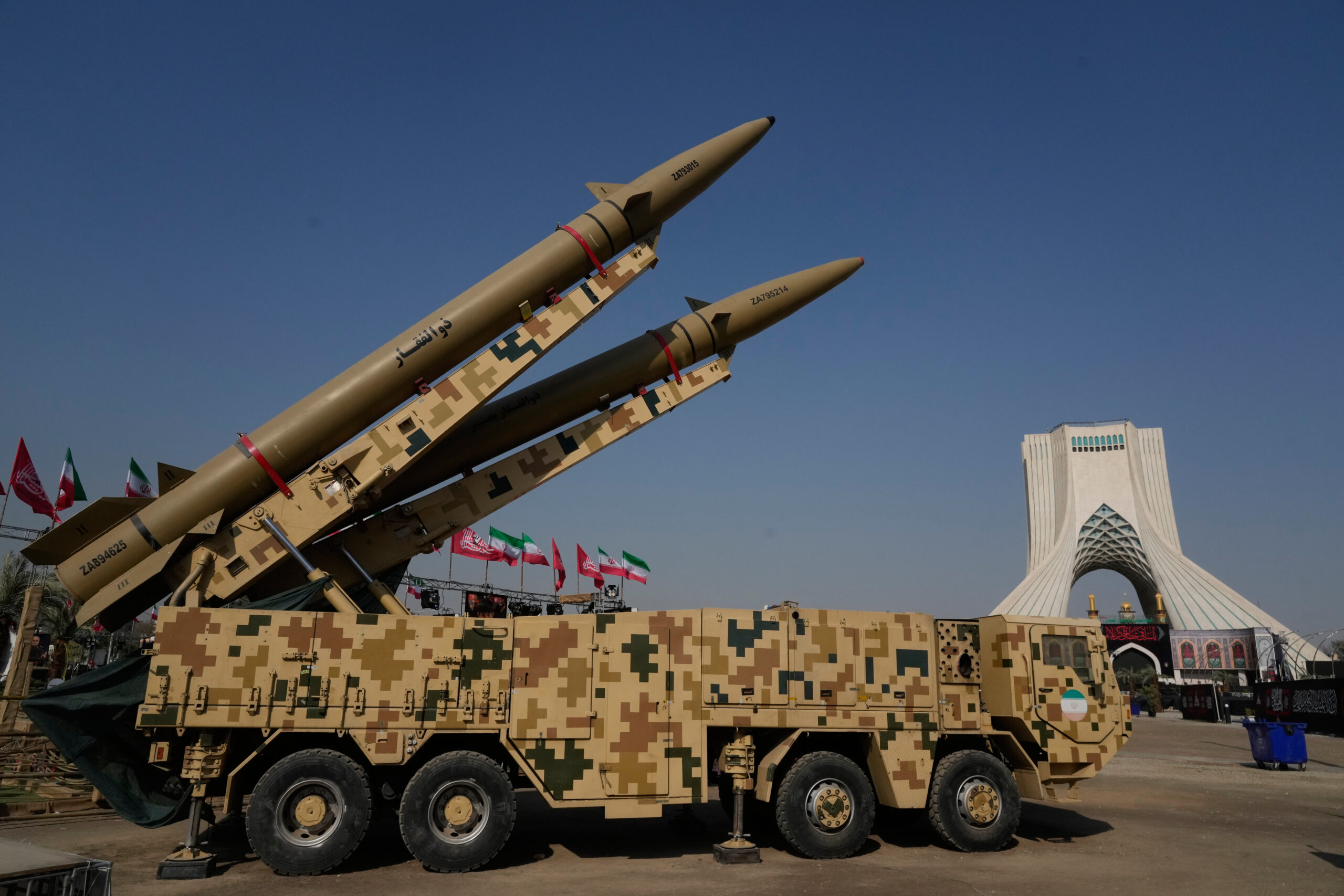
Iran’s Collective Strategic Decision Making
Wartime pressure has temporarily aligned the leadership’s overriding interest in regime survival, even as its members continue to differ over the costs, methods, and ultimate objectives of the war.
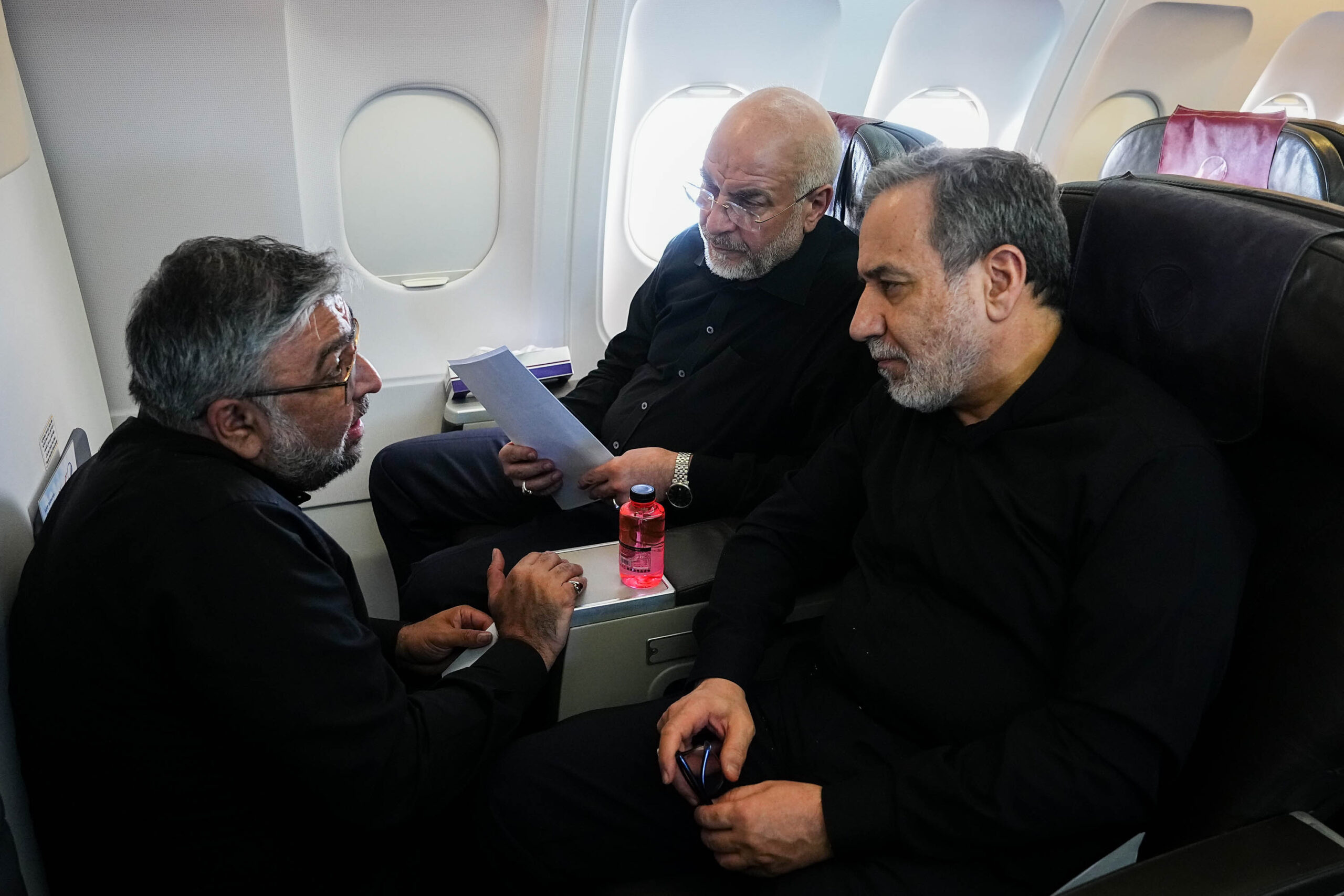
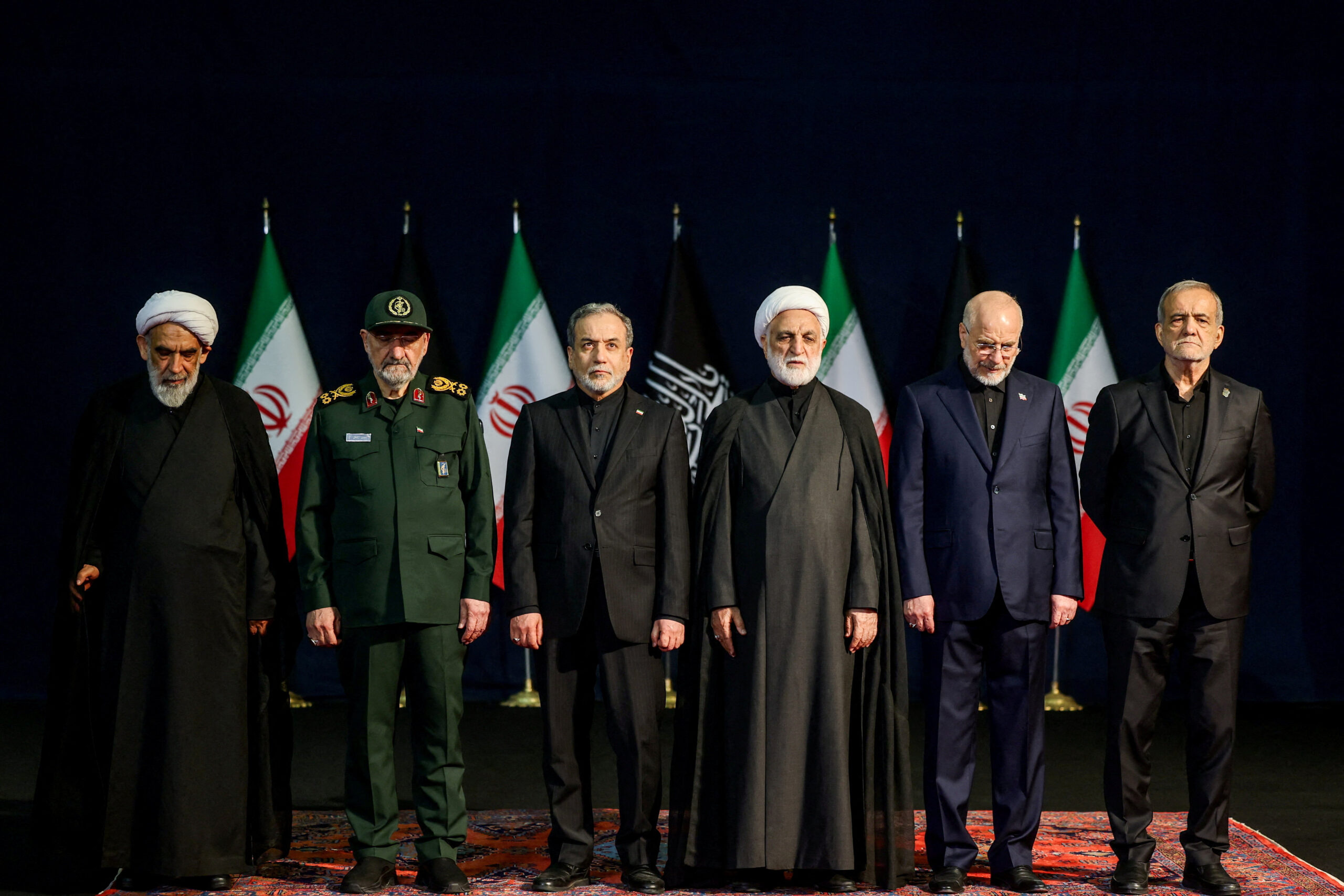
The Islamic Republic’s Collective Leadership
While there is historical precedent for collective leadership in Iran, today’s leadership includes representatives of the IRGC and regular military – a reflection of the IRGC’s expanding role and the necessities of governing under wartime conditions.
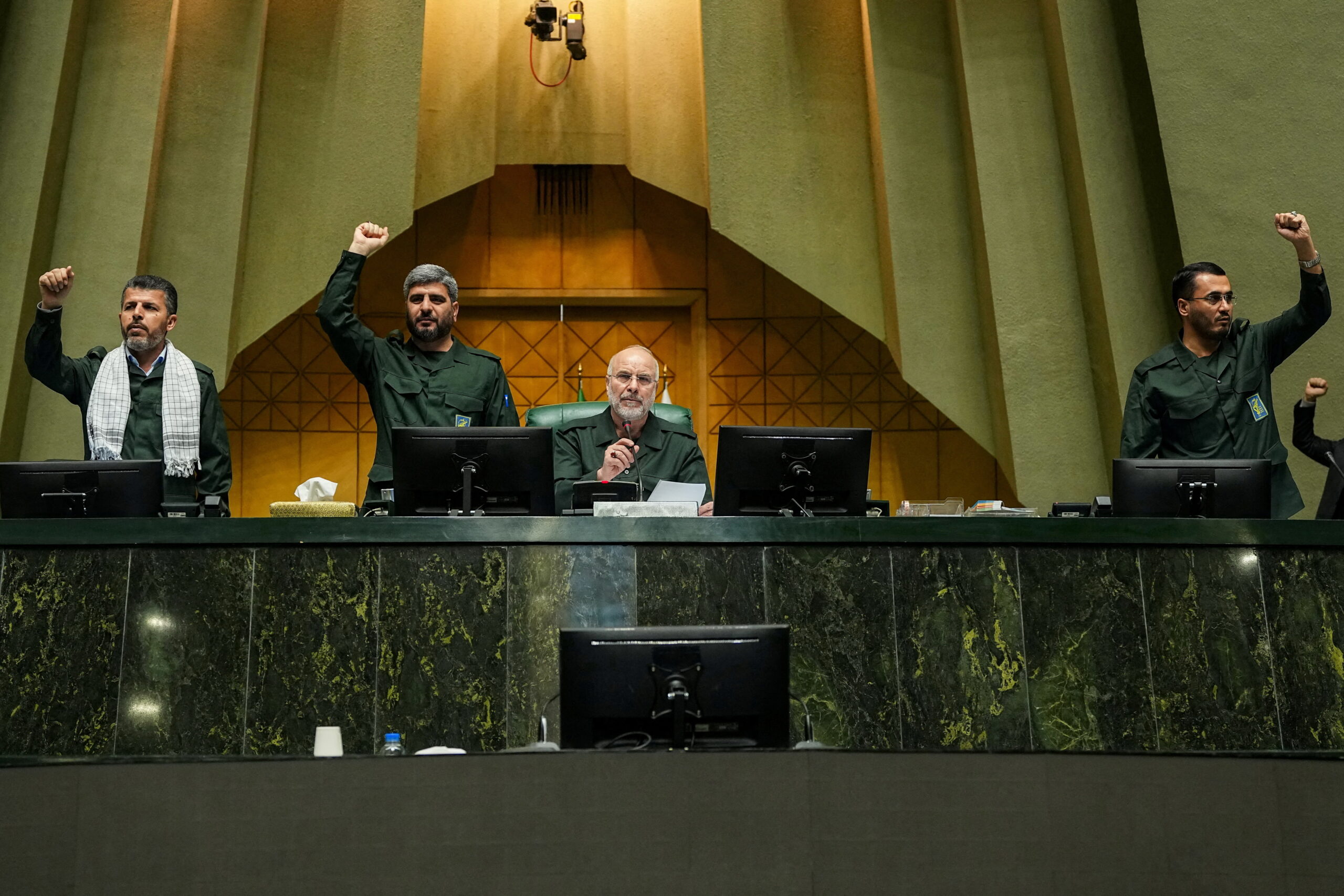
How Did the IRGC Seize Power in Iran?
The IRGC did not seize power in a single stroke. It accumulated it – patiently, methodically – until no counterweight remained.
Events
Book Talk: Iran and the Bomb: The United States, Iran and the Nuclear Question
On June 16, AGSI hosted a discussion on the evolution of Iran's nuclear program.
Speakers

Apr 21, 2026
Inside Iran’s Wartime Leadership: Power, Succession, and Regime Stability
On April 21, AGSI hosted a discussion on the evolution of Iran's leadership during the war.
Speakers

Mar 18, 2026
In Its Conflict With the United States and Israel, Does Escalation Favor Iran?
On March 18, AGSI hosted a discussion on the escalation of the Iran war.
Speakers


Mar 2, 2026
After the Shock: Implications of the U.S.–Israeli Strikes and Iran’s Leadership Transition
On March 2, AGSI hosted a discussion on the U.S.-Israeli strikes on Iran.
Speakers