Sep 25, 2026
President Pezeshkian at the United Nations
The September 25 edition of the Iran Media Review analyzes Iranian responses to a speech by the Iranian president and a meeting between the Iranian foreign minister and U.S. negotiators on the sidelines of the United Nations.

Iranian President Masoud Pezeshkian’s address to the United Nations General Assembly, revised at the last minute in response to President Donald J. Trump’s description of Iran as “the number one sponsor of terror,” drew praise from reformists and hard-liners alike. Foreign Minister Abbas Araghchi’s meeting with U.S. presidential envoys Steven Witkoff and Jared Kushner, however, divided the two camps: Reformist and technocratic media outlets praised the meeting, while hard-line and Islamic Revolutionary Guard Corps-affiliated outlets called it unnecessary and counterproductive, with one demanding an apology from Araghchi. Separately, Supreme National Security Council Secretary Mohsen Rezaei warned Iran’s neighbors against cooperating with the United States to bar Iranian airlines from operations at their airports.
- September 23: Islamic Revolutionary Guard Corps-affiliated Tasnim News Agency published a report by Islamic Republic of Iran Broadcasting confirming that Foreign Minister Abbas Araghchi met with U.S. presidential envoy Steven Witkoff “and another Trump representative,” a likely reference to President Donald J. Trump’s son-in-law, Jared Kushner, on the sidelines of the United Nations General Assembly in New York, “at the insistence of the United States.” According to the report, Araghchi conveyed to the U.S. representatives Iran’s demands for reopening the Strait of Hormuz:
- “Iran’s conditions for reopening the Strait of Hormuz include the immediate lifting of the naval blockade, the immediate release of all frozen Iranian assets.”
- September 23: Another article published by Tasnim News Agency criticized Araghchi’s meeting with Witkoff and called for an apology:
- “As reports over the past two weeks have repeatedly noted, Iran’s firm conditions had been conveyed to the American side many times through intermediaries, both during this period and earlier. Interviews with the secretary of the Supreme National Security Council and other Iranian officials attest to this. Restating Iran’s firm conditions therefore adds nothing new and cannot reasonably justify this meeting.”
- “This meeting took place even though, according to what we have heard, the country’s decision-making and policymaking bodies had stressed that such actions ran counter to the national interest and should not be undertaken. Mr. Araghchi should explain who authorized it.”
- “This is a decisive moment. The United States has decided to use every means of pressure, along with threats on the ground and psychological pressure, to force Iran to surrender. Iran must show that it will stand firm to the end and compel its adversary to retreat. Meetings of this kind between Araghchi and Witkoff, however, are a major gift to Trump. At a minimum, Mr. Araghchi should formally apologize for this.”
- September 24: International affairs analyst Fereydoun Majlesi, in technocratic Sazandegi, called for a diplomatic solution at the U.N.:
- “Iran must not yield to bullying, but neither should it ignore the realities of the balance of power. The world is changing, and other countries are growing stronger, while Iran faces economic difficulties and diminished productive capacity. Some of the country’s steelmaking capacity was damaged in the war, and the petrochemical industry has not escaped the effects of the crisis. These are matters that should be discussed in New York.”
- “By the logic of war, confronting a power such as the United States, which has the world’s largest economy, carries heavy costs. Even if the merits of the war are open to debate, the central question is whether its costs have been proportionate to its benefits. Now is the time to heal old wounds. Iran does not need to be friends with every country in the world; reducing the number of its enemies and finding ways to engage with the world would itself be a significant step.”
- September 24: Columnist Gholam-Reza Zarifian, in a piece on the front page of reformist Etemad, wrote: “Negotiating is not a crime … Do you really want to shut the door to exchanges” between Tehran and Washington?
- September 24: On the front page of IRGC–affiliated Javan, editor Gholam-Reza Sadeqian attacked “a well-known political group” – an apparent reference to reformist and technocratic elites, including the Sazandegi and Etemad circles – accusing their members of seeking to use the Araghchi-Witkoff meeting as a stepping stone toward meeting Trump and “solving the problem once and for all.” He likened them to elements of the Venezuelan regime that, in his words, “surrendered to the United States.”
- September 24: Hard-line Kayhan’s frontpage praised President Masoud Pezeshkian’s U.N. address.
- September 24: Covering SNSC Secretary Mohsen Rezaei’s September 23 interview with Islamic Republic of Iran Broadcasting Channel One, Javan quoted him saying:
- Regarding America’s proposal to impose sanctions on Iranian airlines, Rezaei warned: “If they do not allow Iranian airlines to fly, their airports will not be able to accommodate flights either. You are our friends, but you must not side with America. The expansion of the war must be prevented.”
- September 24: Kayhan praised Rezaei’s warning to countries in the region concerning their airports, stating: “The enemy weighs the costs. If it sees that the costs are too high, it will back down.”
The views represented herein are the author's or speaker's own and do not necessarily reflect the views of AGSI, its staff, or its board of directors.
Related
Iran Media Review
Sep 22, 2026
With Mojtaba in Occultation, Qalibaf and Rezaei Articulate Iran’s Terms
The September 22 edition of the Iran Media Review considers an IRGC-linked newspaper’s suggestion that the supreme leader might remain in hiding and statements by Iranian officials laying out Iran’s terms for negotiations with the United States.
Iran Media Review
Sep 15, 2026
Despite Tactical Victories, Iran Struggles to Restore Deterrence
The September 15 edition of the Iran Media Review examines Iranian statements on a possible nuclear bomb, Iran’s relationship with the UAE, and developments in Yemen.
Iran Media Review
Sep 11, 2026
Diminishing Importance of the Straits?
The September 11 edition of the Iran Media Review contrasts hard-liners’ celebration of oil prices rising with a technocratic Iranian newspaper’s warning that the regime’s ability to take the world economy hostage is diminishing.
Sep 22, 2026
With Mojtaba in Occultation, Qalibaf and Rezaei Articulate Iran’s Terms
The September 22 edition of the Iran Media Review considers an IRGC-linked newspaper’s suggestion that the supreme leader might remain in hiding and statements by Iranian officials laying out Iran’s terms for negotiations with the United States.
Sep 15, 2026
Despite Tactical Victories, Iran Struggles to Restore Deterrence
The September 15 edition of the Iran Media Review examines Iranian statements on a possible nuclear bomb, Iran’s relationship with the UAE, and developments in Yemen.
Sep 11, 2026
Diminishing Importance of the Straits?
The September 11 edition of the Iran Media Review contrasts hard-liners’ celebration of oil prices rising with a technocratic Iranian newspaper’s warning that the regime’s ability to take the world economy hostage is diminishing.
Analysis
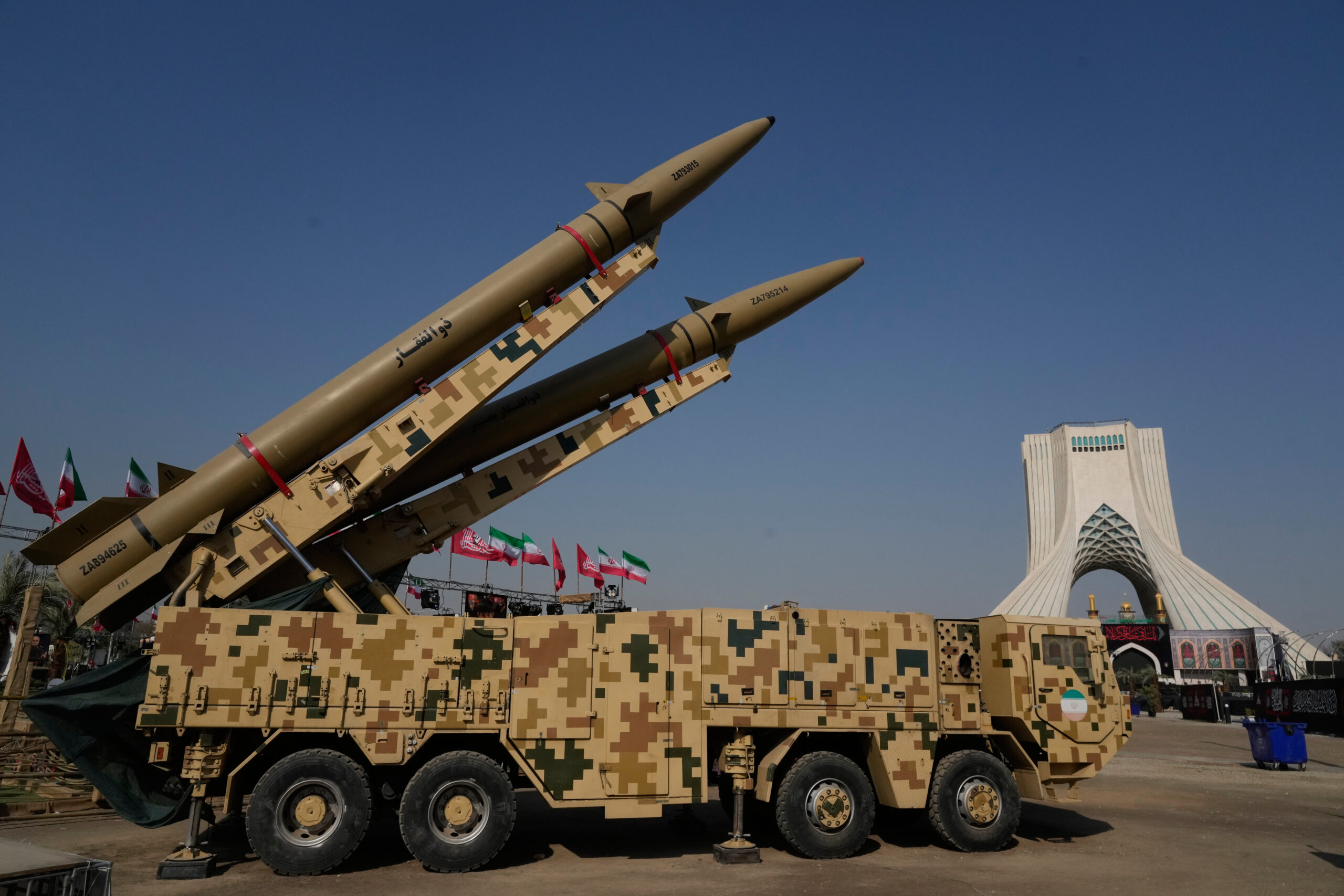
The Islamic Republic Returns to Offense
After U.S.-Israeli strikes killed Supreme Leader Ayatollah Ali Khamenei on February 28, Iran’s collective leadership has concluded that the best defense is a good offense.
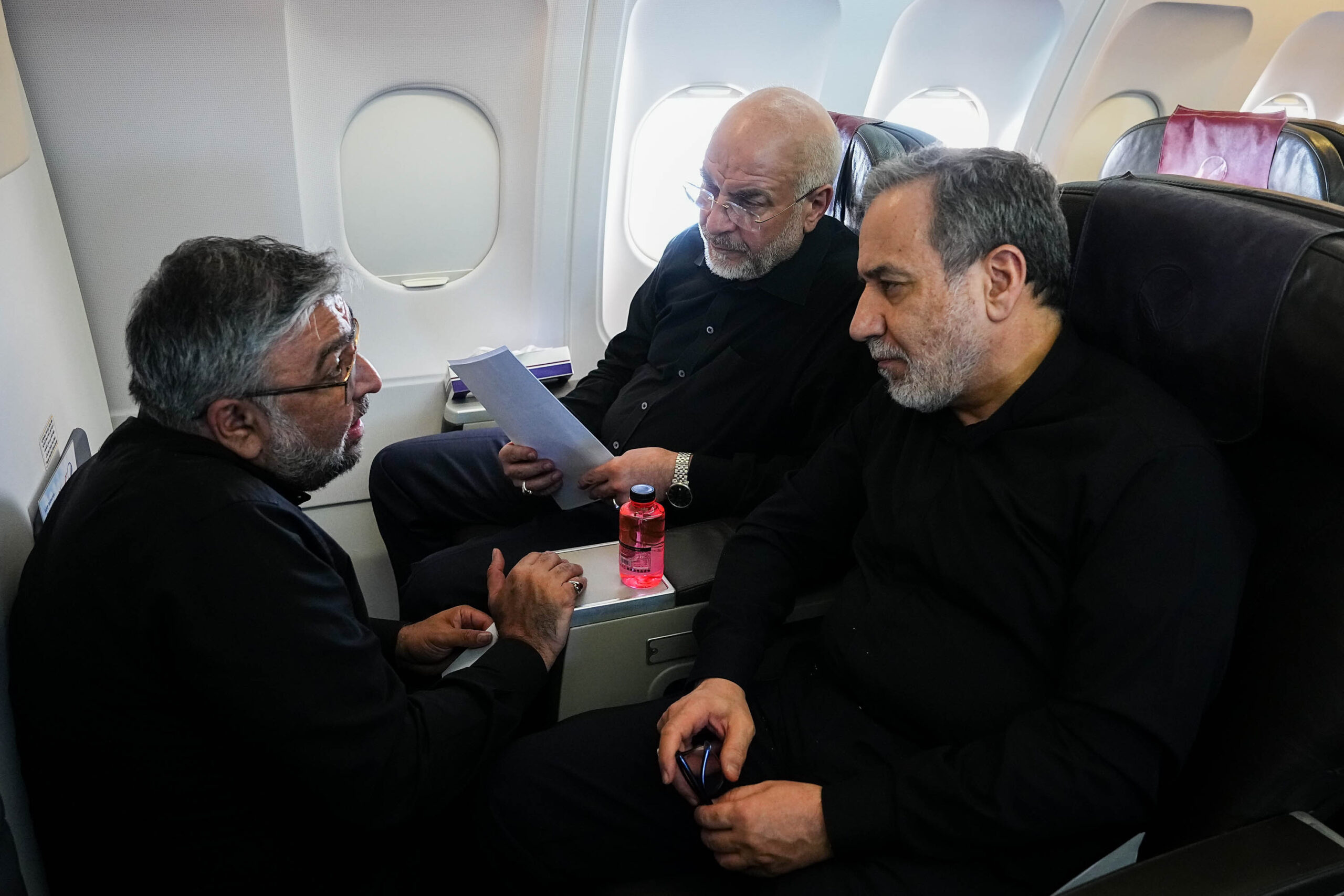
Iran’s Collective Strategic Decision Making
Wartime pressure has temporarily aligned the leadership’s overriding interest in regime survival, even as its members continue to differ over the costs, methods, and ultimate objectives of the war.
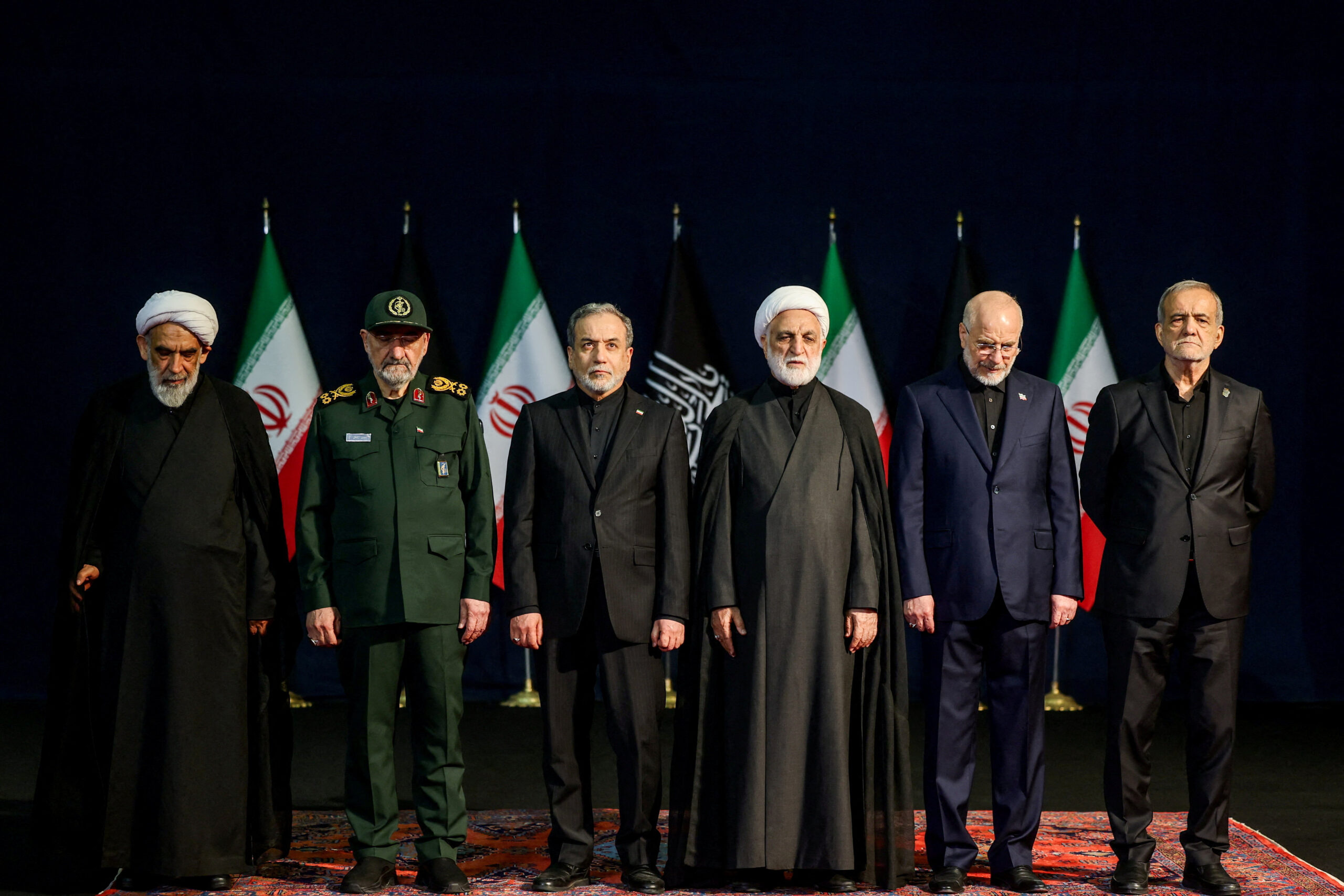
The Islamic Republic’s Collective Leadership
While there is historical precedent for collective leadership in Iran, today’s leadership includes representatives of the IRGC and regular military – a reflection of the IRGC’s expanding role and the necessities of governing under wartime conditions.
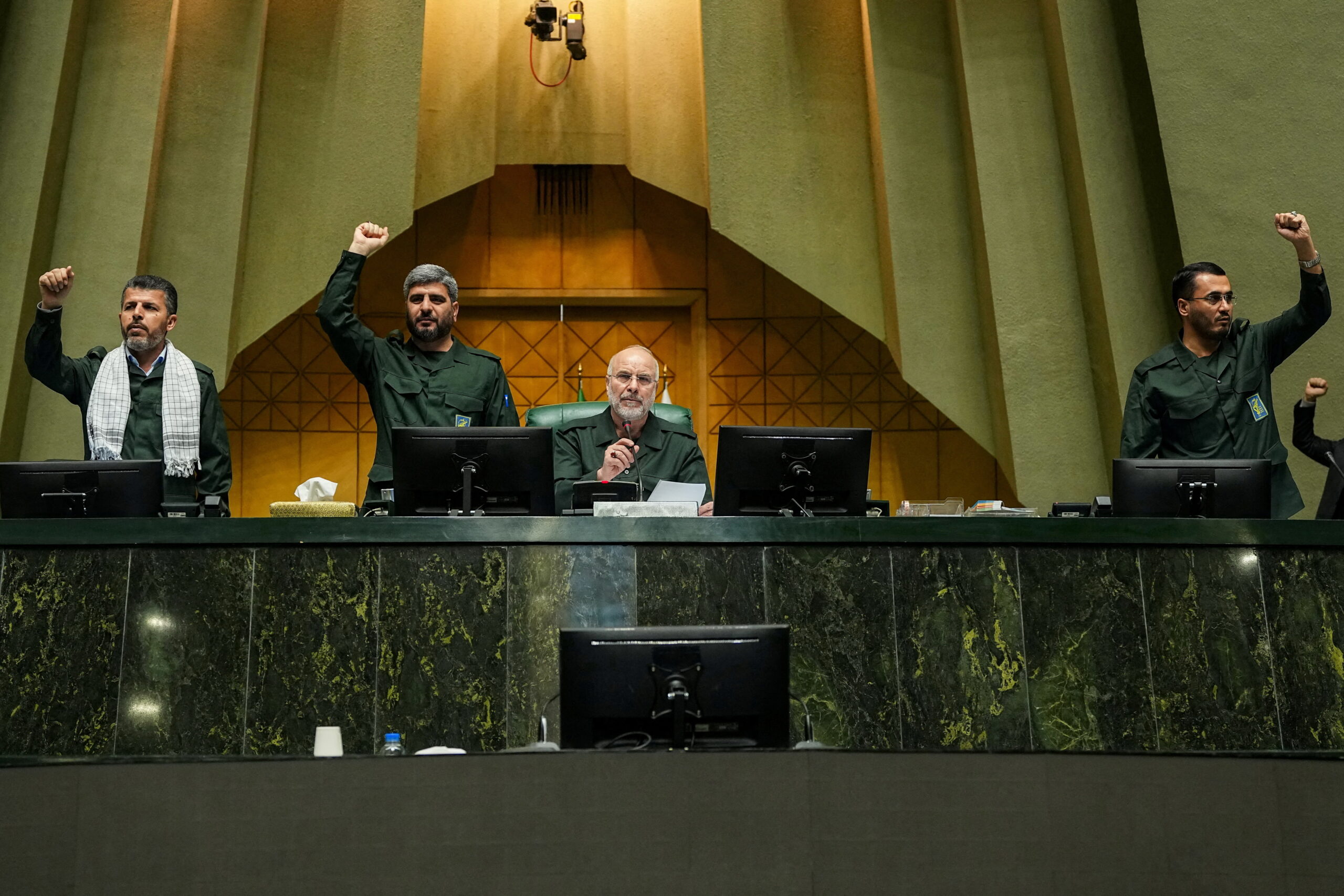
How Did the IRGC Seize Power in Iran?
The IRGC did not seize power in a single stroke. It accumulated it – patiently, methodically – until no counterweight remained.
Events
Book Talk: Iran and the Bomb: The United States, Iran and the Nuclear Question
On June 16, AGSI hosted a discussion on the evolution of Iran's nuclear program.
Speakers

Apr 21, 2026
Inside Iran’s Wartime Leadership: Power, Succession, and Regime Stability
On April 21, AGSI hosted a discussion on the evolution of Iran's leadership during the war.
Speakers

Mar 18, 2026
In Its Conflict With the United States and Israel, Does Escalation Favor Iran?
On March 18, AGSI hosted a discussion on the escalation of the Iran war.
Speakers


Mar 2, 2026
After the Shock: Implications of the U.S.–Israeli Strikes and Iran’s Leadership Transition
On March 2, AGSI hosted a discussion on the U.S.-Israeli strikes on Iran.
Speakers