Oct 13, 2026
From Neighbor to Target: Iranian Analysts on the UAE
The October 13 edition of the Iran Media Review explores calls by senior Iranian strategists for Iran to target the United Arab Emirates and Dubai’s airport.
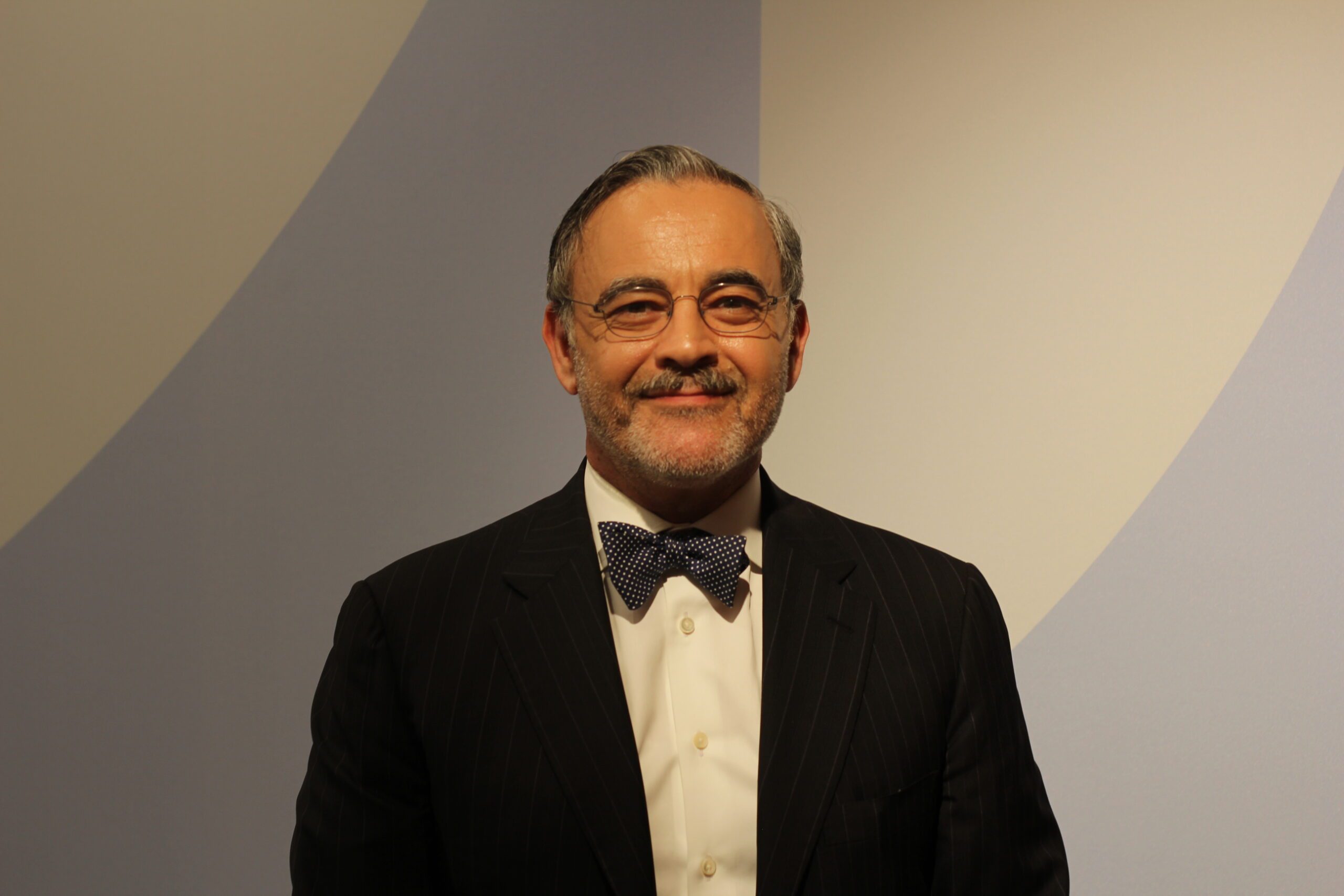
On October 4, strategists Mehdi Kharatian and Ali Samadzadeh as well as Majid Shakeri, advisor to Parliamentary Speaker Mohammad-Bagher Qalibaf, recorded a panel discussion released by the TamamRokh YouTube channel on October 8. The panelists cast the United Arab Emirates as Iran’s principal regional adversary. They called for targeting UAE oil infrastructure and Dubai, and they warned that delay would only raise the cost of confrontation.
- October 8: TamamRokh hosted the panel discussion “The War: A Blunt Assessment of the Past and Realistic Scenarios Ahead” and released a video on its YouTube channel:
- Ali Samadzadeh argued that under both of President Donald J. Trump’s terms, the United Arab Emirates, like Israel, used U.S. power to advance its regional agenda, saying: “The UAE has turned from a neighbor into a regional node of containment and participation in anti-Iranian plans.” Samadzadeh claimed that Abu Dhabi used its role in sanctions circumvention as a shield while pressing its claim to the islands of Abu Musa, Greater Tunb, and Lesser Tunb and that the UAE aligned with India and the India-Middle East-Europe Economic Corridor to weaken Iran’s position. He said the UAE had won a strategic concession during the Islamabad memorandum talks – “don’t hit Fujairah” – in exchange for merely “technical” favors, such as releasing Iranian ships.
- Samadzadeh continued: “Responding to the UAE must be part of our program” in every scenario, because “this is not like Kuwait; it is not like Bahrain.” He pointed to the Habshan-Fujairah pipeline, which moves roughly 3 million barrels of oil per day around the Strait of Hormuz and to “Fujairah port itself” as targets that would “deliver a sustained and significant shock to the energy field” more efficiently than striking ships. He said the main obstacle is not military but “cognitive” suggesting that “the UAE is bringing us some benefit, so it’s good that we don’t hit it.”
- He also urged haste: “If you put confronting the UAE on the agenda today, damaging it is certainly easier than it will be in a few years,” given its planned purchases of Rafale and F-35 fighters. He claimed that “in a short, one week of war, the UAE expected Iran to collapse.” On day 39 of the war, the UAE “took an independent action against Iran.” He concluded that “The Islamic Republic should not allow itself new hesitation and must take urgent action,” and that it must “remove the UAE entirely from the position of the regional role it designed for itself.”
- Majid Shakeri, advisor to Iranian Parliamentary Speaker Mohammad-Bagher Qalibaf, implicitly threatened Dubai’s airport: “If flights do not take off from our airports, flights won’t take off from the region’s airports either … The region’s airport is Dubai.” He predicted that “The UAE’s influence in Iran will be rolled up but after another war,” and blamed an “Emirati lobby” inside Iran that “will impose another war on us … through America.”
- In more measured comments, Mehdi Kharatian said he does not reject negotiation with the UAE, but he said that on territorial claims Tehran should tell Abu Dhabi: “You are not big enough for this; if you repeat it, I will certainly confront you militarily.” He called for a “division of interests” in air and sea transit so that Dubai does not “overshadow” Iranian airports and ports. He also urged a postwar order brokered by China, which would agree that weakening the UAE, “an ally of Israel and India,” serves everyone’s interests.
The views represented herein are the author's or speaker's own and do not necessarily reflect the views of AGSI, its staff, or its board of directors.
Related
Iran Media Review
Oct 9, 2026
Food Baskets for the Faithful Servants
The October 9 edition of the Iran Media Review considers Iranian media questions regarding aid distribution to government employees and the resentment building among Iranians left outside the circle.
Iran Media Review
Oct 6, 2026
Is Iran’s Economy in Free Fall or Will It Prove Resilient?
The October 6 edition of the Iran Media Review examines contrasting assessments of Iran’s economy.
Iran Media Review
Oct 2, 2026
Signs of Life: Tehran Signals Continuity at Home and Abroad
The October 2 edition of the Iran Media Review explores Iranian media efforts to demonstrate regime continuity.
Oct 9, 2026
Food Baskets for the Faithful Servants
The October 9 edition of the Iran Media Review considers Iranian media questions regarding aid distribution to government employees and the resentment building among Iranians left outside the circle.
Oct 6, 2026
Is Iran’s Economy in Free Fall or Will It Prove Resilient?
The October 6 edition of the Iran Media Review examines contrasting assessments of Iran’s economy.
Oct 2, 2026
Signs of Life: Tehran Signals Continuity at Home and Abroad
The October 2 edition of the Iran Media Review explores Iranian media efforts to demonstrate regime continuity.
Analysis
Mohsen Rezaei at the Helm of Iran’s Supreme National Security Council
Under Rezaei, the SNSC could prove constructive or paralyze strategic decision making.
The Islamic Republic Returns to Offense
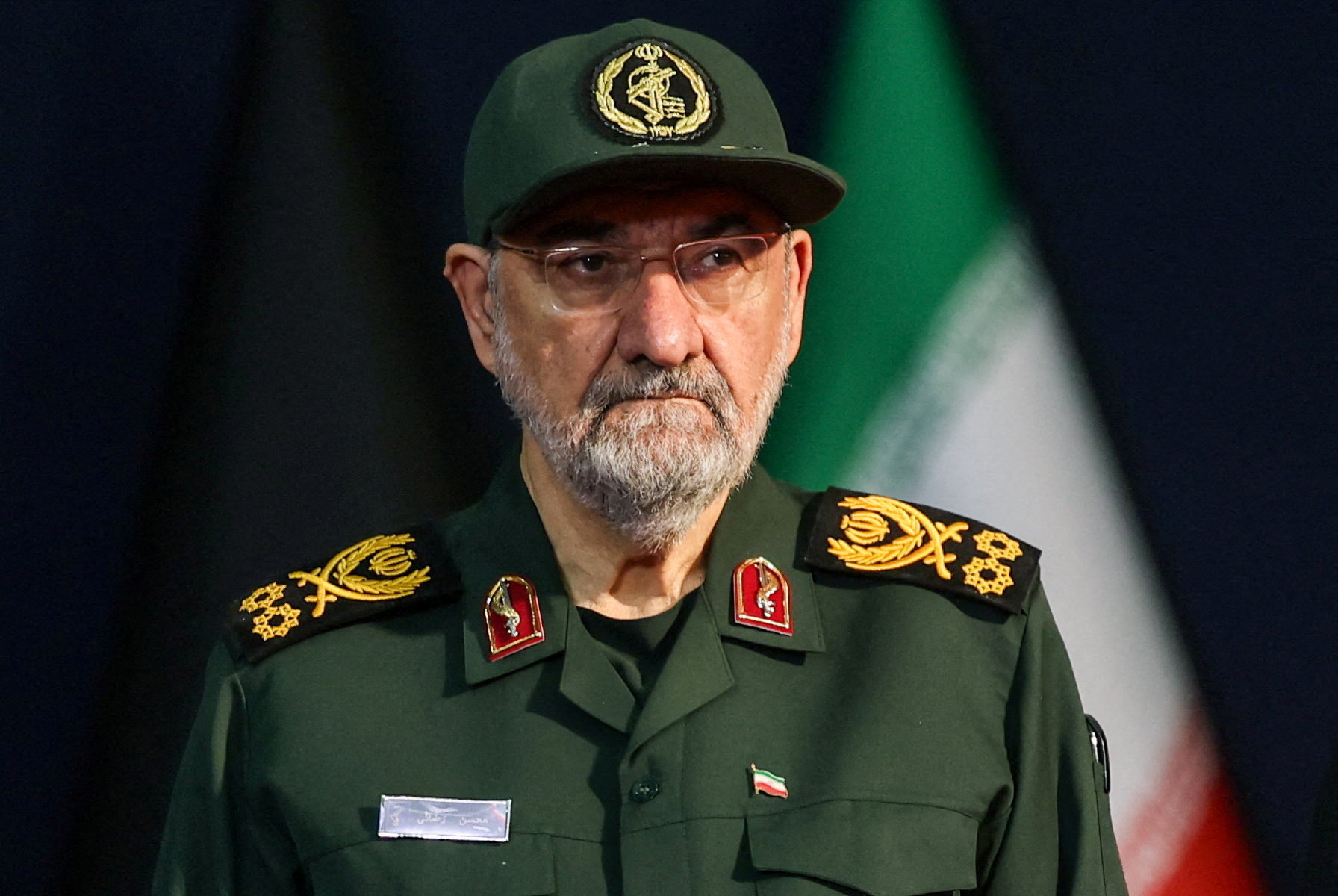
After U.S.-Israeli strikes killed Supreme Leader Ayatollah Ali Khamenei on February 28, Iran’s collective leadership has concluded that the best defense is a good offense.
Iran’s Collective Strategic Decision Making
Wartime pressure has temporarily aligned the leadership’s overriding interest in regime survival, even as its members continue to differ over the costs, methods, and ultimate objectives of the war.
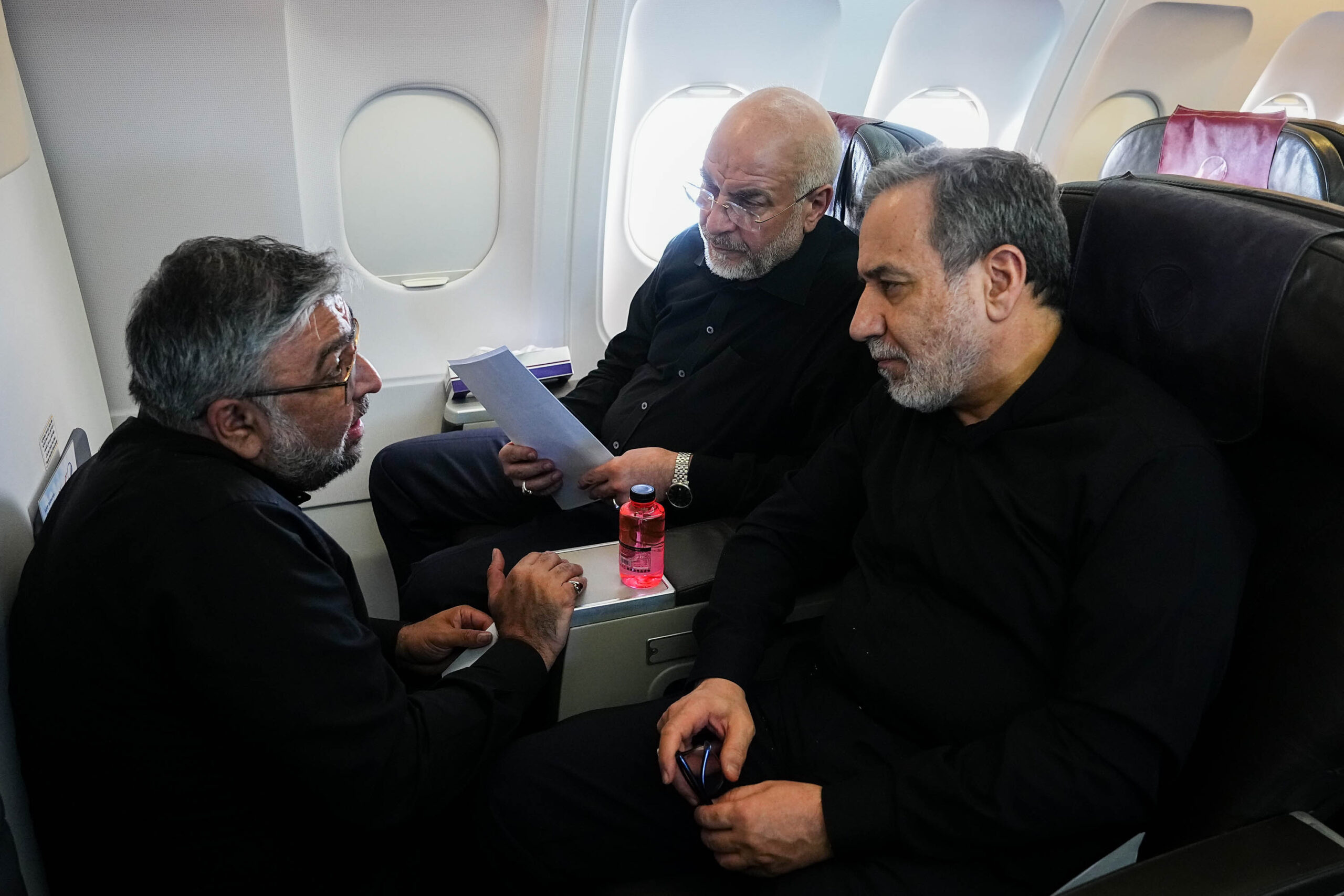
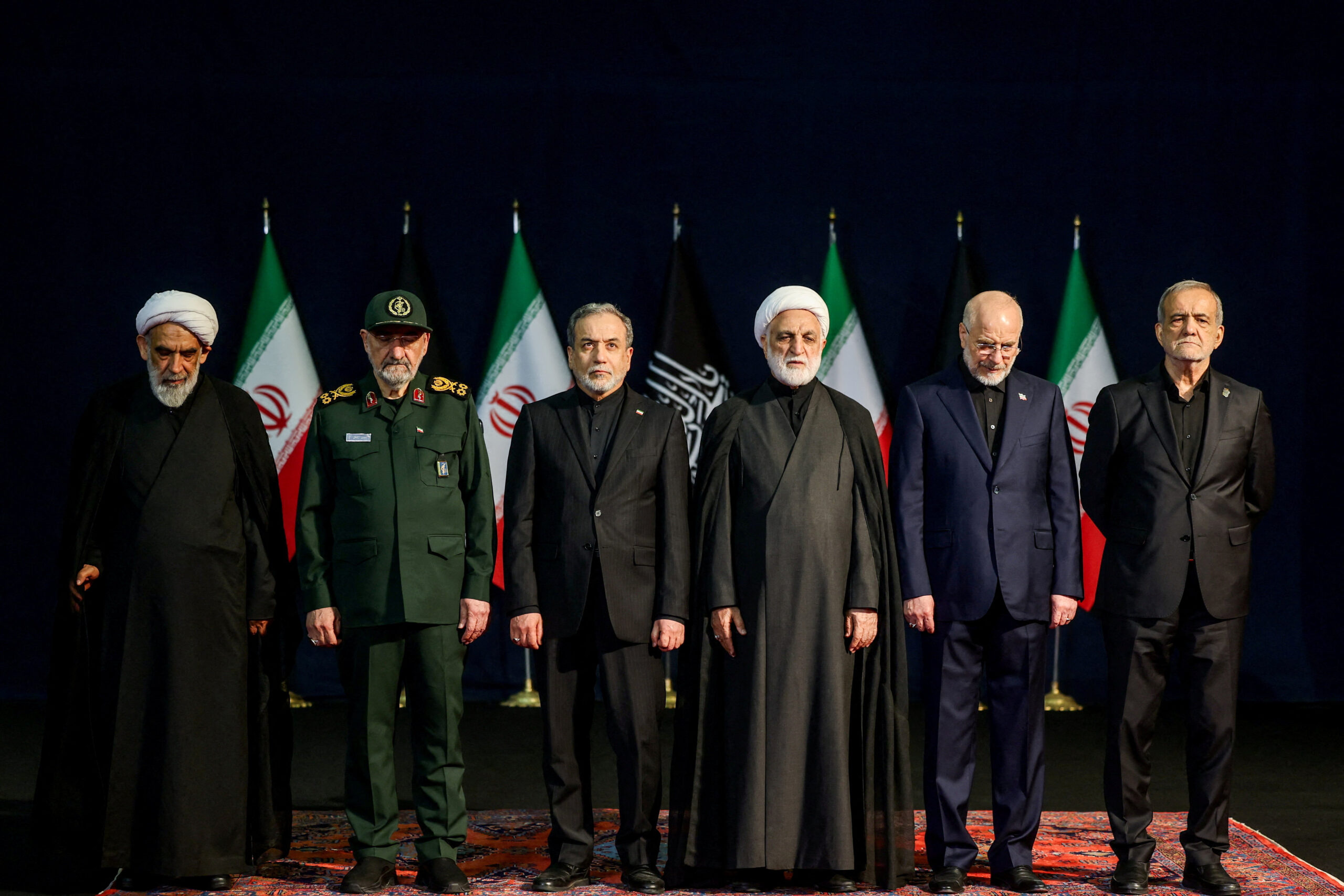
The Islamic Republic’s Collective Leadership
While there is historical precedent for collective leadership in Iran, today’s leadership includes representatives of the IRGC and regular military – a reflection of the IRGC’s expanding role and the necessities of governing under wartime conditions.
Events
Oct 6, 2026
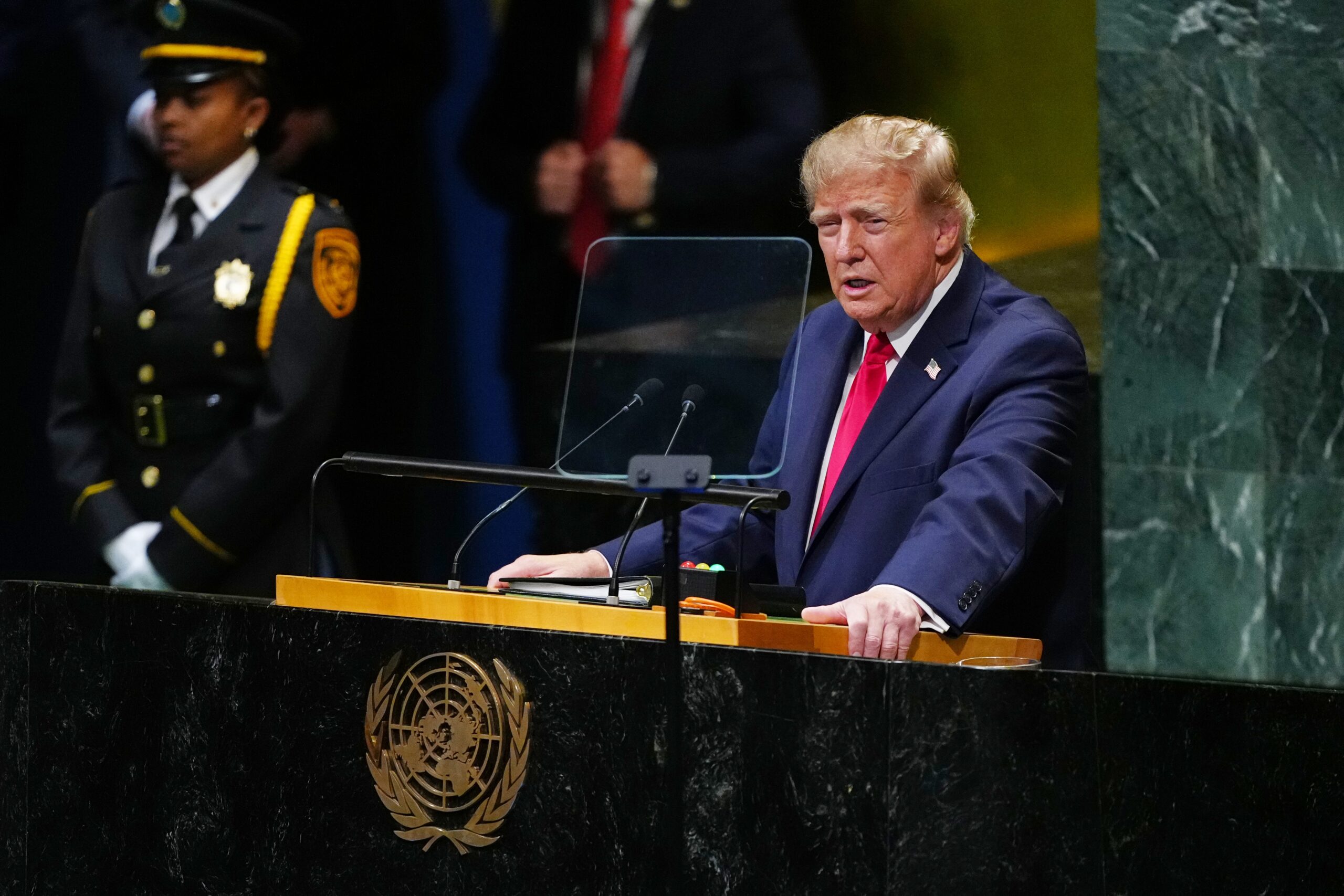
Is the U.S.-Iran Stalemate a “New Normal” or the Prelude to Another Explosion?
On October 6, AGSI hosted a discussion on the U.S.-Iran stalemate and the prospects for a cease-fire.
Speakers



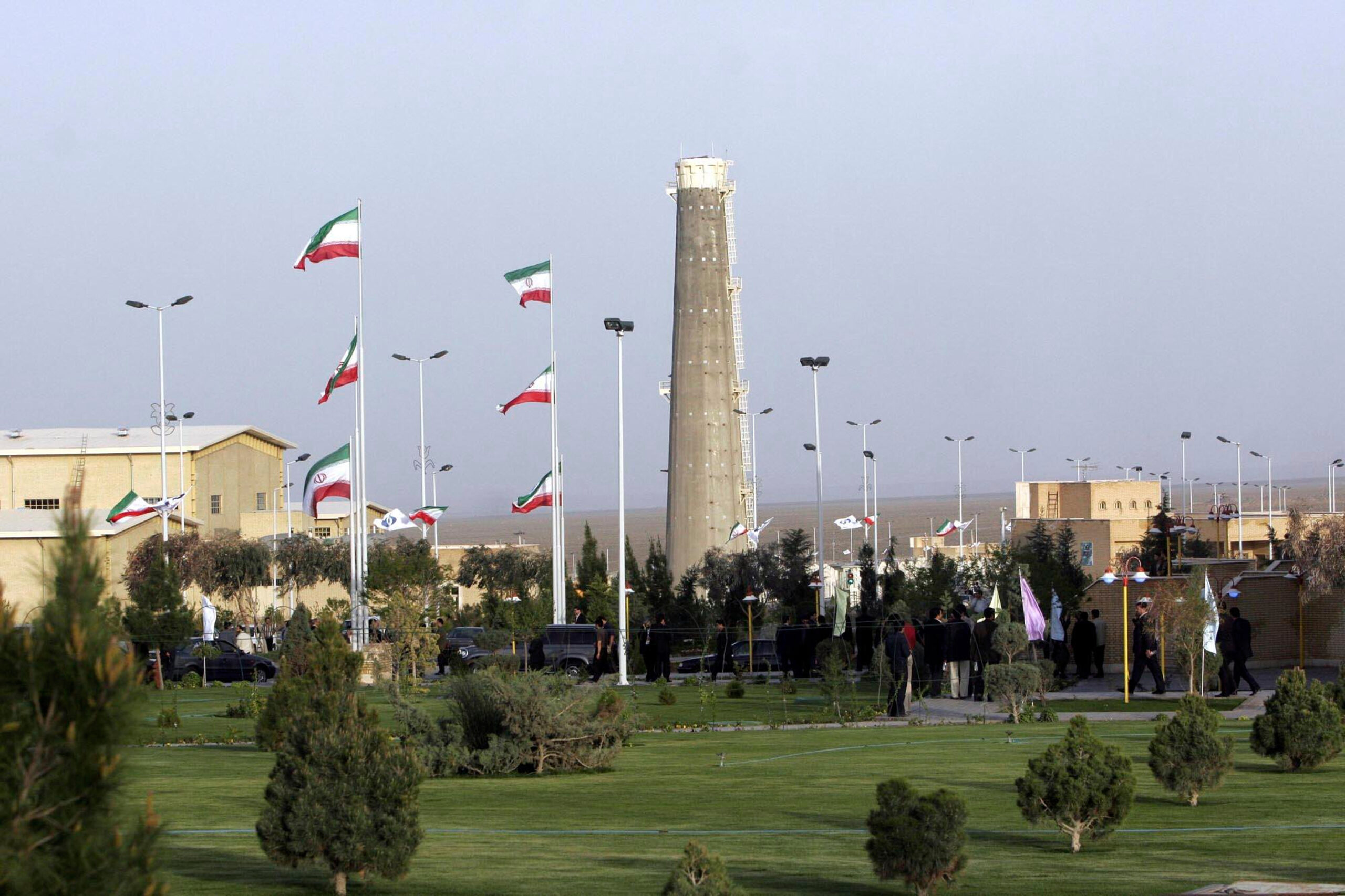
Book Talk: Iran and the Bomb: The United States, Iran and the Nuclear Question
On June 16, AGSI hosted a discussion on the evolution of Iran's nuclear program.
Speakers
Apr 21, 2026
Inside Iran’s Wartime Leadership: Power, Succession, and Regime Stability
On April 21, AGSI hosted a discussion on the evolution of Iran's leadership during the war.
Speakers

Mar 18, 2026
In Its Conflict With the United States and Israel, Does Escalation Favor Iran?
On March 18, AGSI hosted a discussion on the escalation of the Iran war.
Speakers