The Gulf Cooperation Council (GCC) is in crisis. Now is certainly not its first experience in disunity, but today is perhaps its gravest—as Saudi Arabia, Bahrain and the United Arab Emirates, along with regional power Egypt, seek to isolate Qatar from both the GCC’s economic union and their vehemently anti-Islamist Arab security bloc. As such, analysis of trends in the foreign policies of the Gulf states is increasingly vital to unpack differences in threat perception, understand capacity in policy formulation and execution, find threads of interdependence and discover potential areas for cooperation.
AGSIW co-sponsored the Autumn 2017 Gulf Affairs journal special issue on “Foreign Policy Trends in the GCC States.” The issue was edited by Senior Resident Scholar Karen E. Young and includes an overview by Young and commentary by Ambassador Marcelle M. Wahba, AGSIW president.
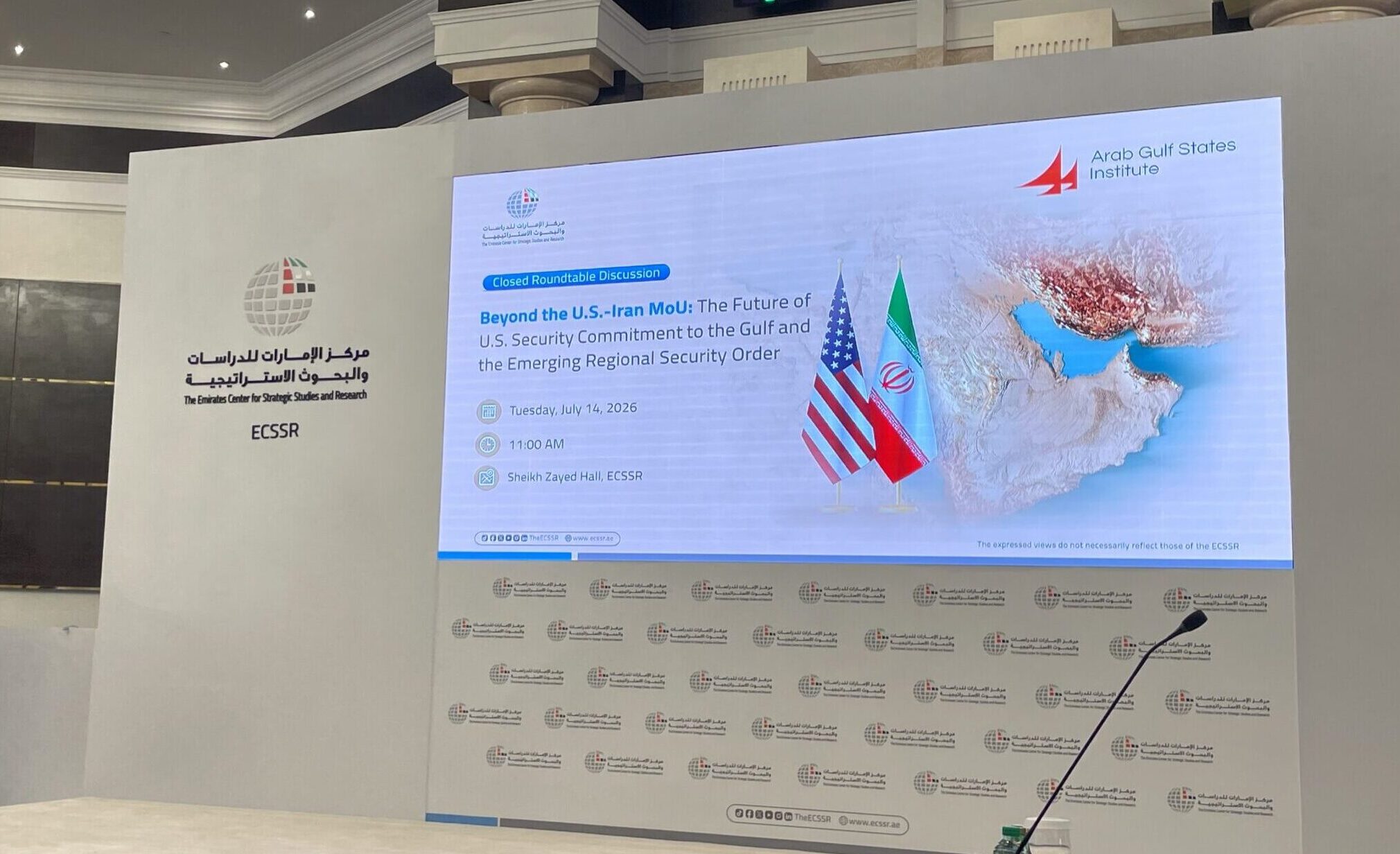
On July 14, an AGSI delegation participated in a joint roundtable hosted by the Emirates Center for Strategic Studies and Research in Abu Dhabi, United Arab Emirates.
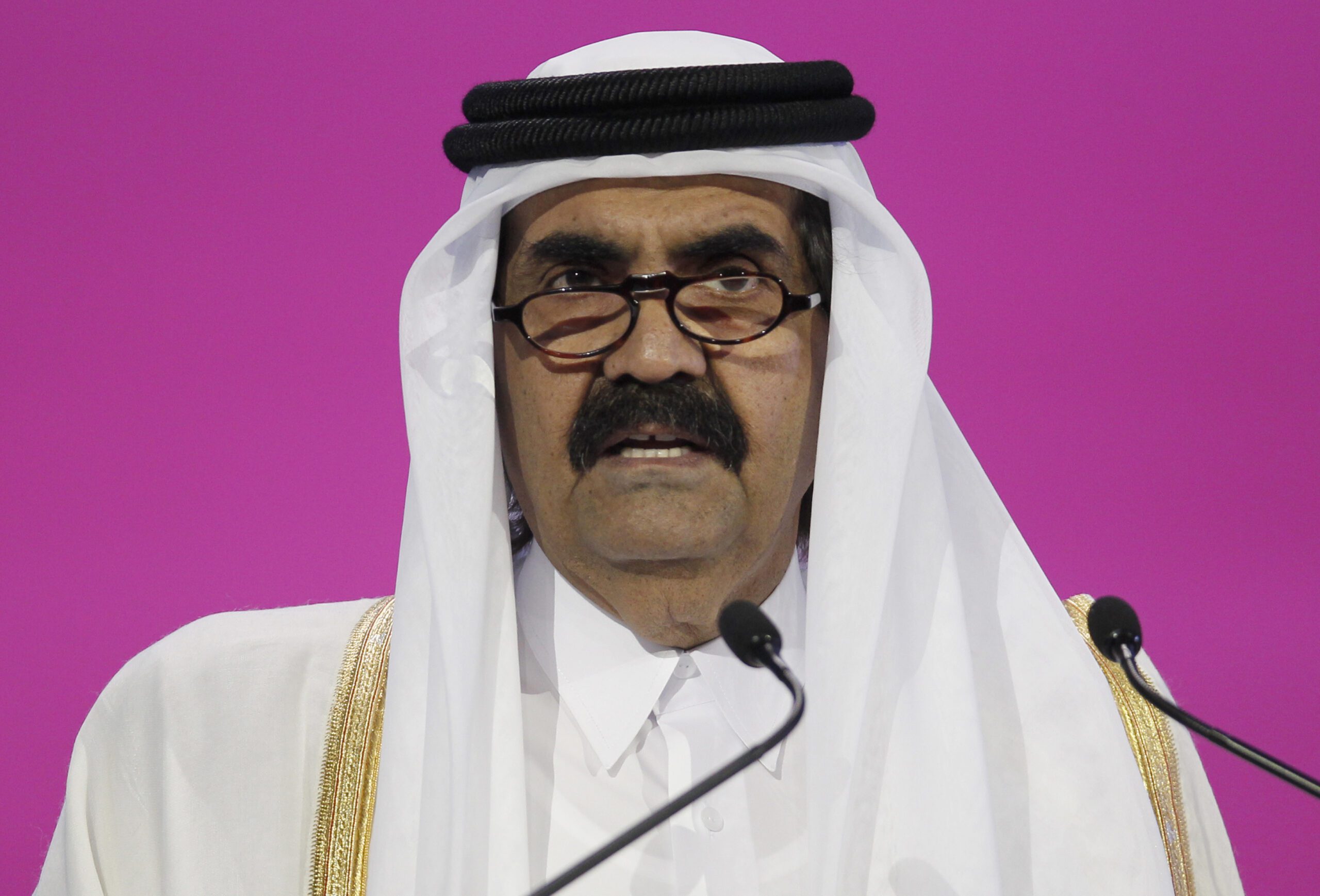
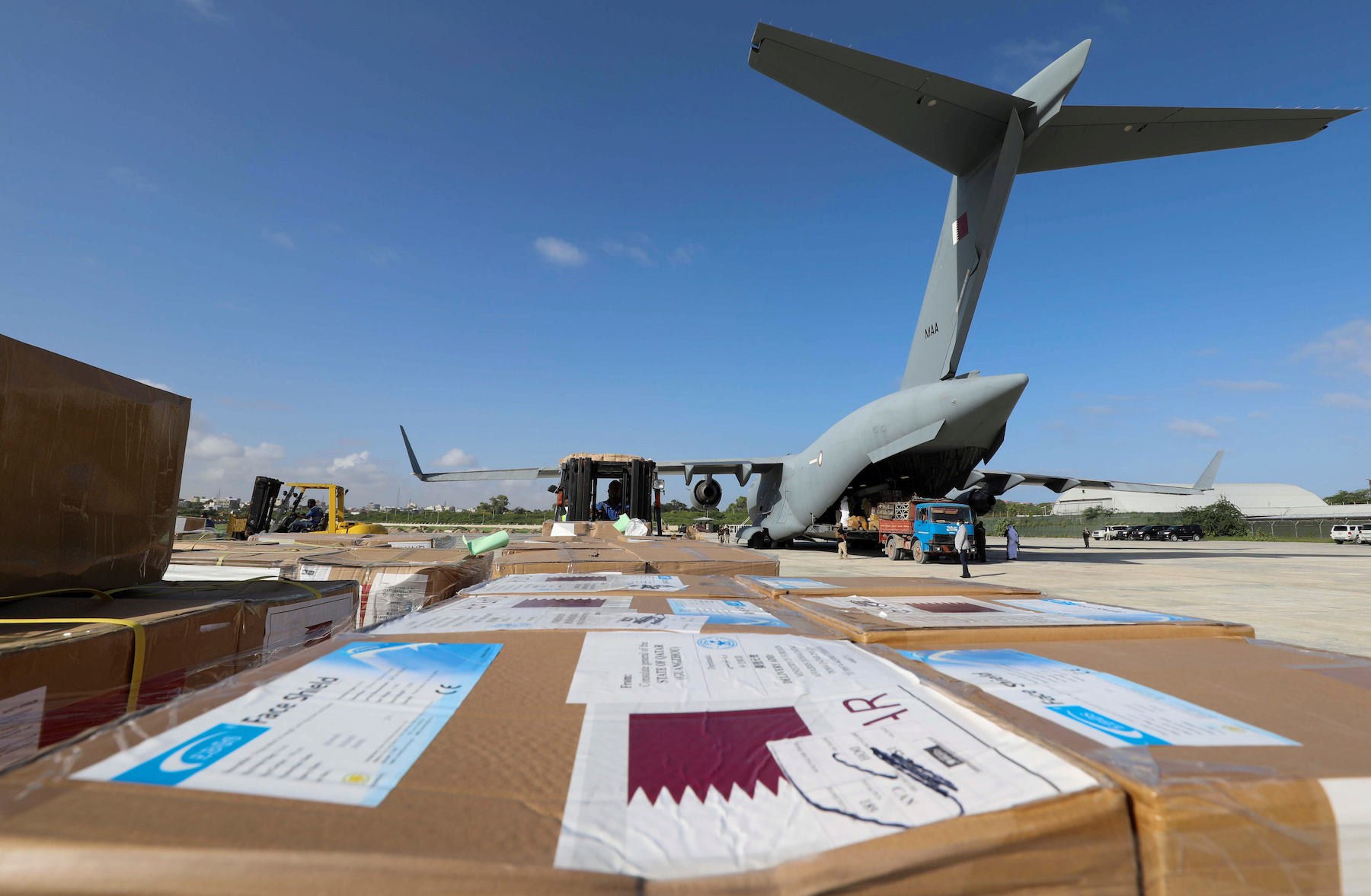
Under Emir Hamad bin Khalifa al-Thani, Qatar would be known – as a mediator, a broadcaster, a host of mega sports events, and an investor – and that notoriety would itself become a form of security: deterrence by relevance.
Senior Research Scholar, Center on Global Energy Policy, Columbia University’s School of International and Public Affairs; Senior Fellow, Middle East Institute
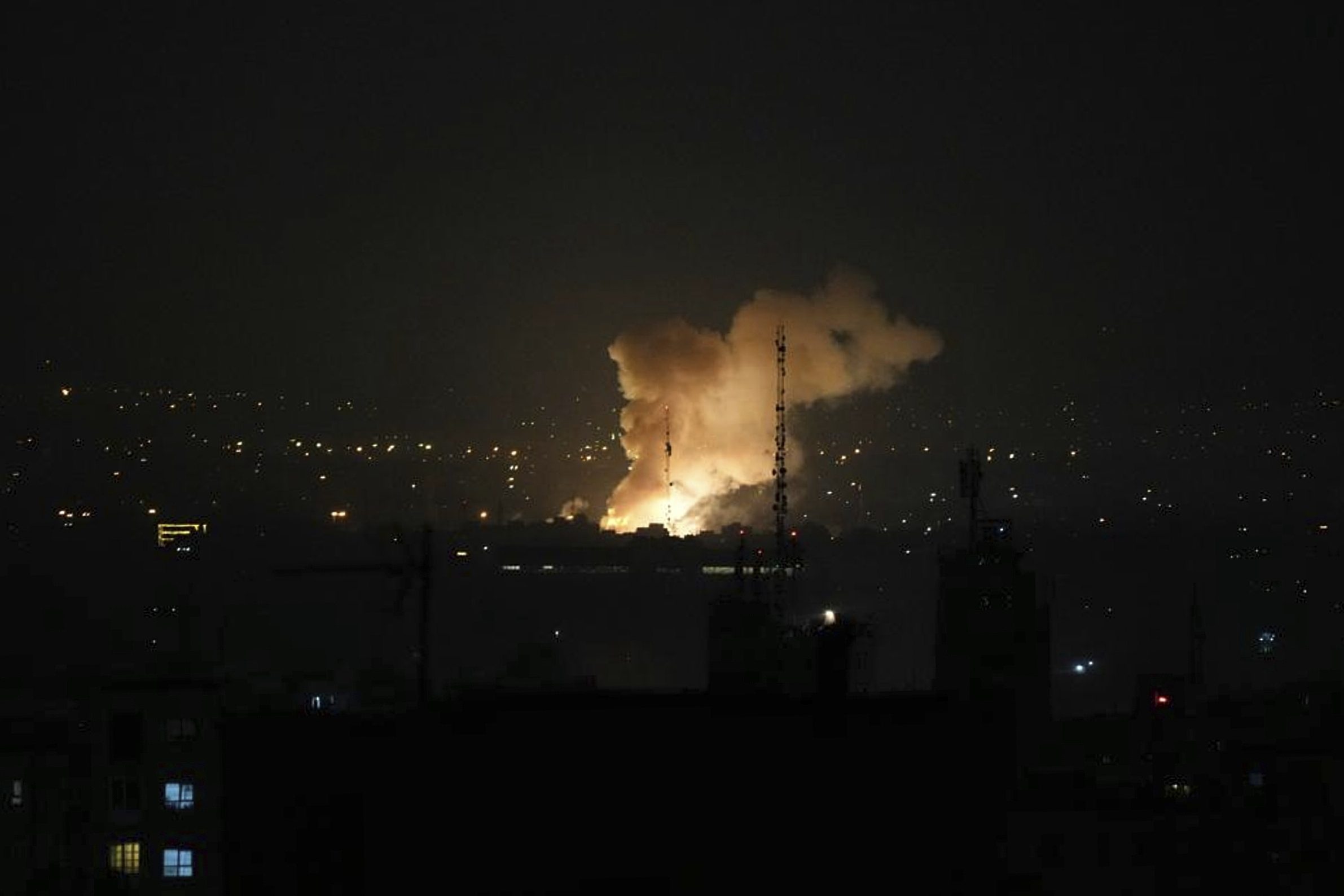
AGSI explains what Israel’s sudden and massive attack on Iran is likely to mean for Gulf Arab states, Iran, the United States, and global and regional economies.
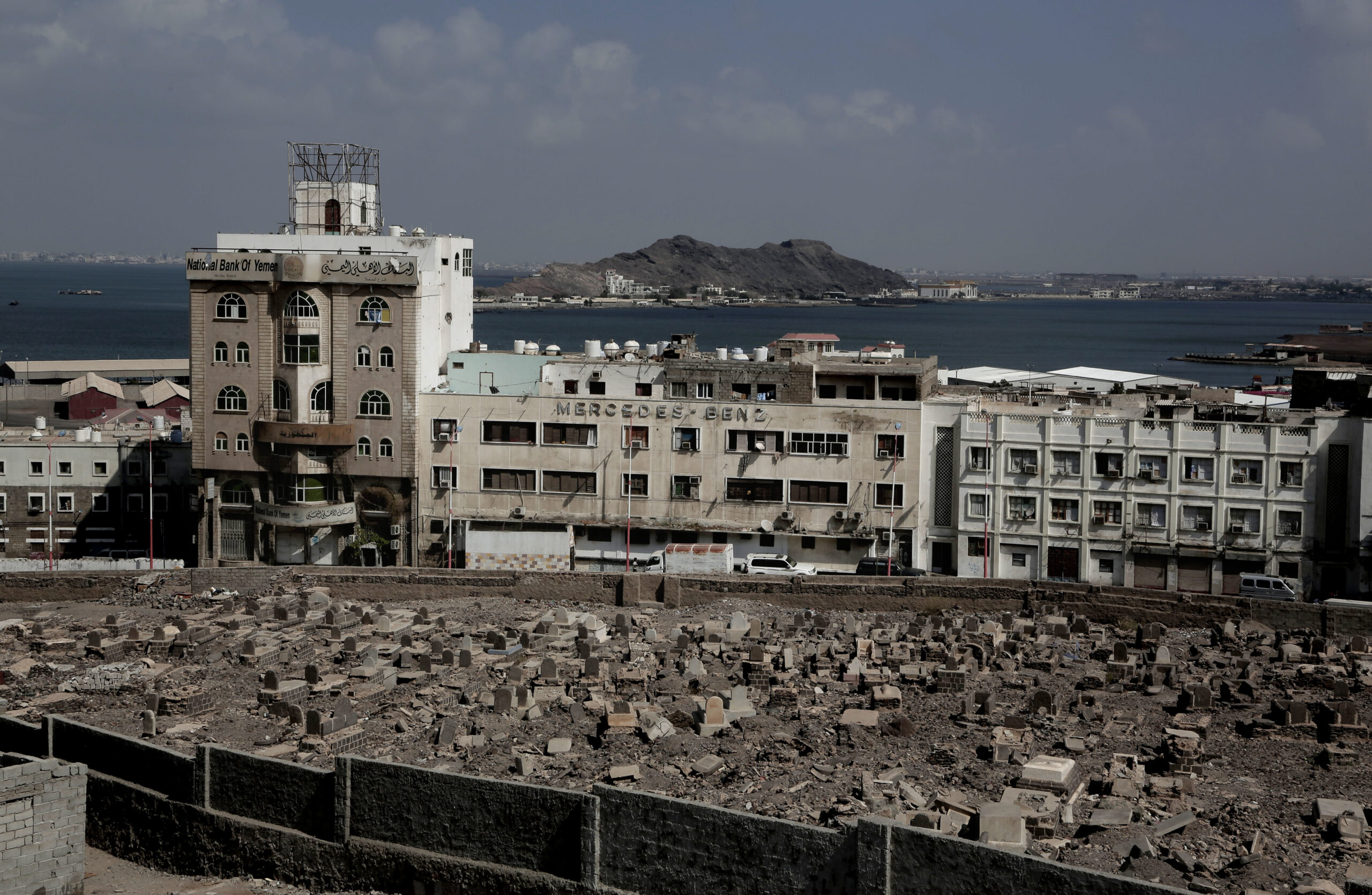
The conflict in Yemen has exacted a disastrous toll on the country. This paper considers the outside forces in the conflict, seeking to elucidate who they are, what the nature is of their involvement, and what their converging and conflicting interests mean for reconstruction.
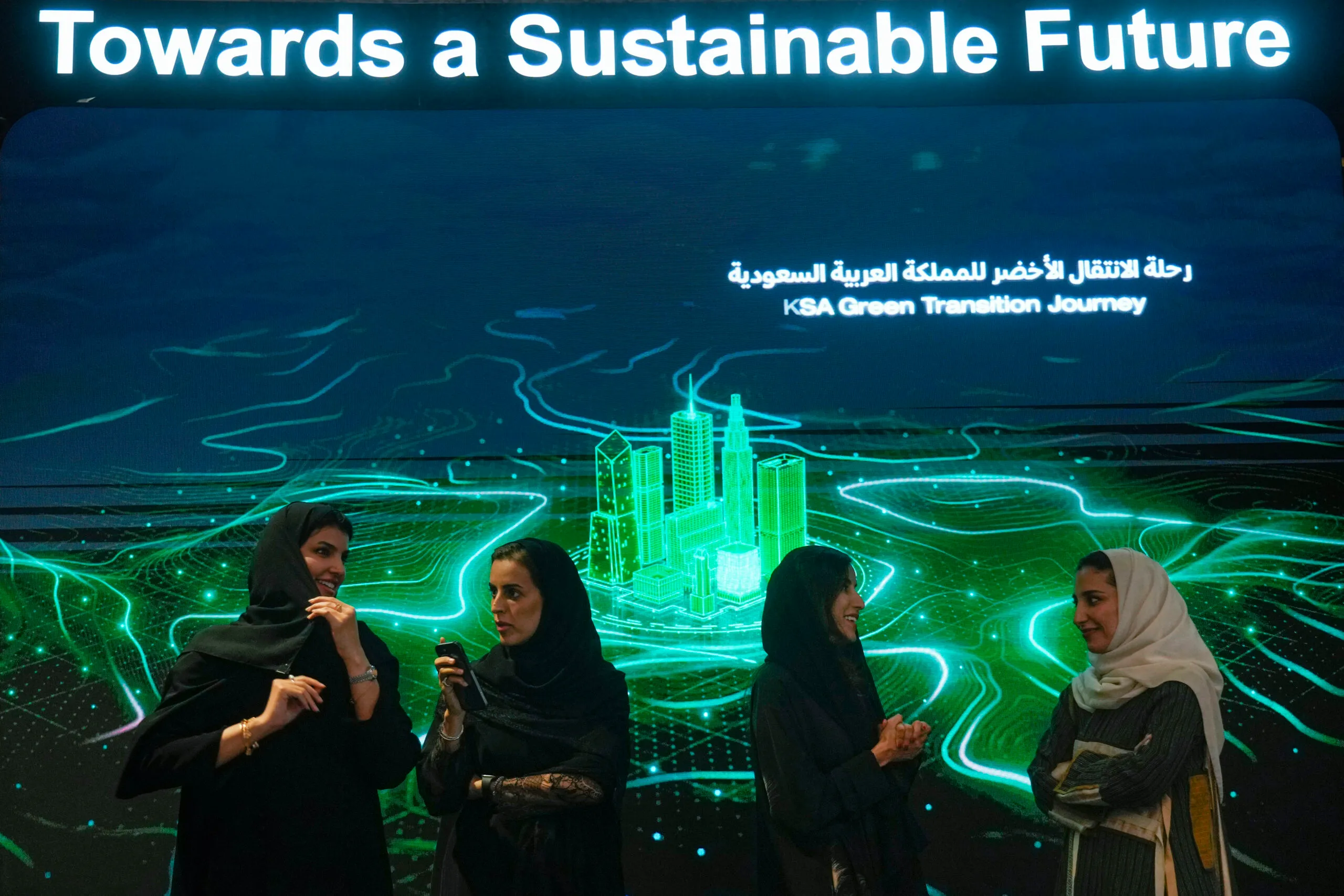
This post is part of an AGSIW series on Saudi Vision 2030, a sweeping set of programs and reforms adopted by the Saudi government to be implemented by 2030. Saudi Arabia did one thing right this week. It is seeing some positive news in the return on investment in its outwardly placed capital in new technology....

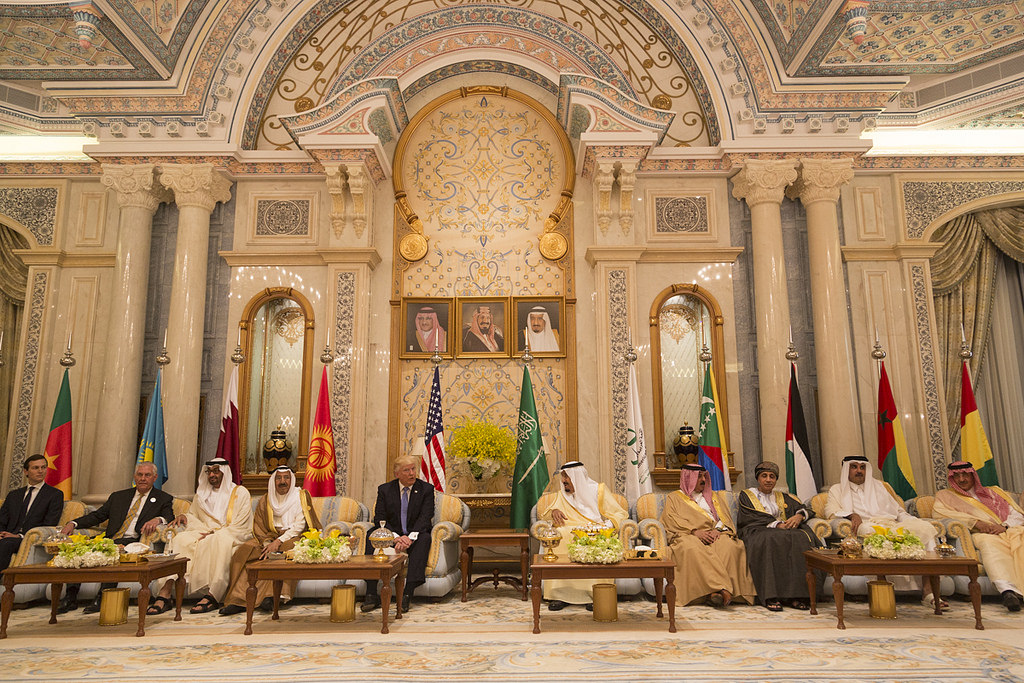
 The Gulf Cooperation Council (GCC) is in crisis. Now is certainly not its first experience in disunity, but today is perhaps its gravest—as Saudi Arabia, Bahrain and the United Arab Emirates, along with regional power Egypt, seek to isolate Qatar from both the GCC’s economic union and their vehemently anti-Islamist Arab security bloc. As such, analysis of trends in the foreign policies of the Gulf states is increasingly vital to unpack differences in threat perception, understand capacity in policy formulation and execution, find threads of interdependence and discover potential areas for cooperation.