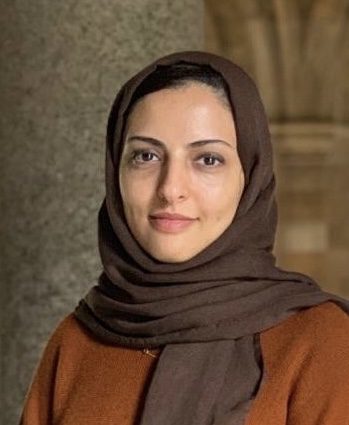
The participation and election of women in Saudi Arabia’s December 2015 municipal elections have drawn international attention and assertions of progress for women’s empowerment in the kingdom. Yet any assessment of the significance of this noteworthy milestone needs to consider the role of municipal councils and their contribution to political dynamics in Saudi Arabia, and in the Arab Gulf states more generally.
Municipal councils are among the earliest civil institutions in the Gulf region. This objective study of their history and political significance reveals three distinct periods which constitute a cyclical rise and fall of popular municipal governance. It also identifies four political dynamics that characterize the current revival of popular input into municipal governance.
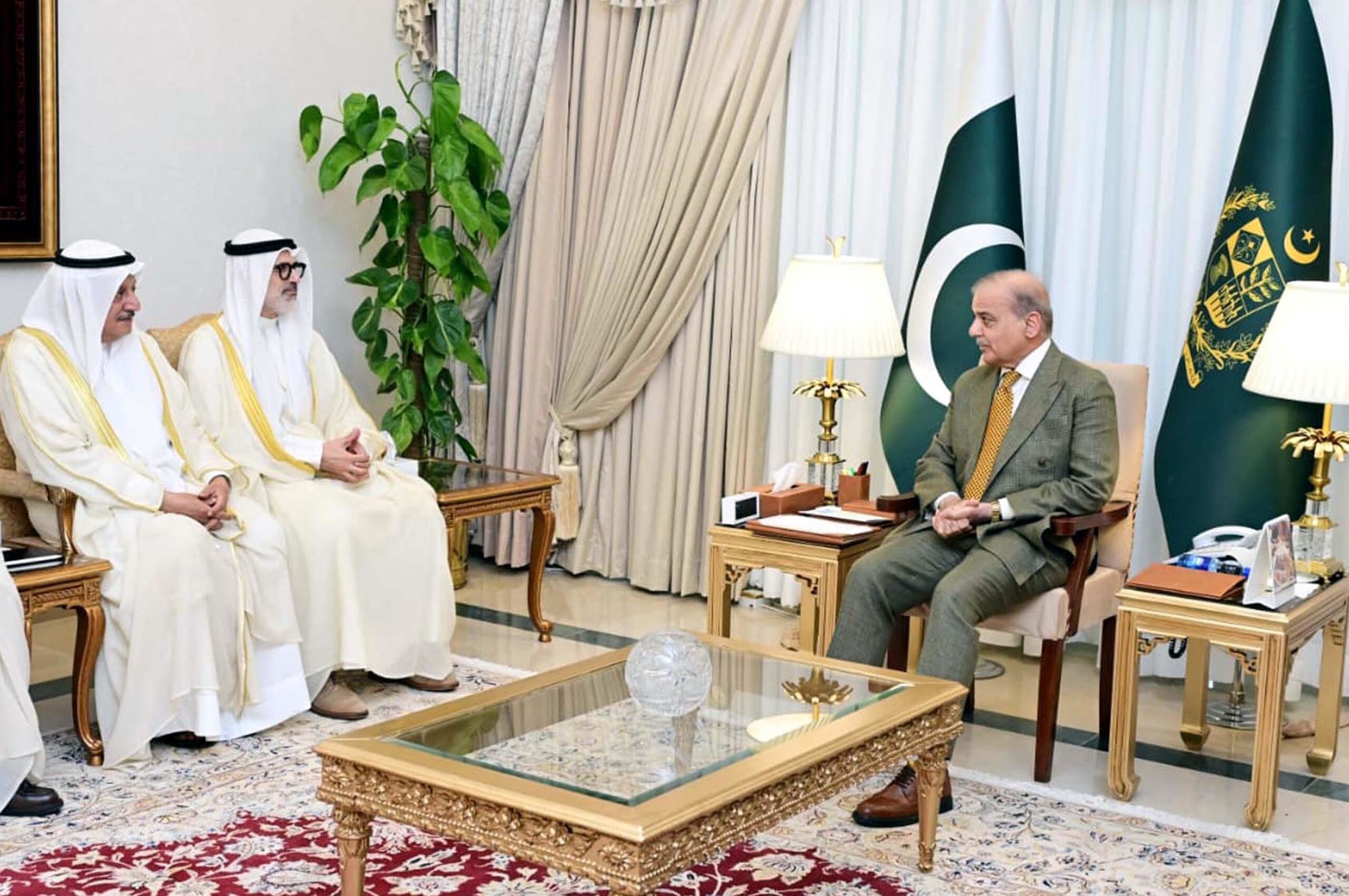
The significance of Kuwait’s defense pact with Pakistan lies less in any immediate military transformation than in what it reveals about the evolving security landscape of the Gulf.
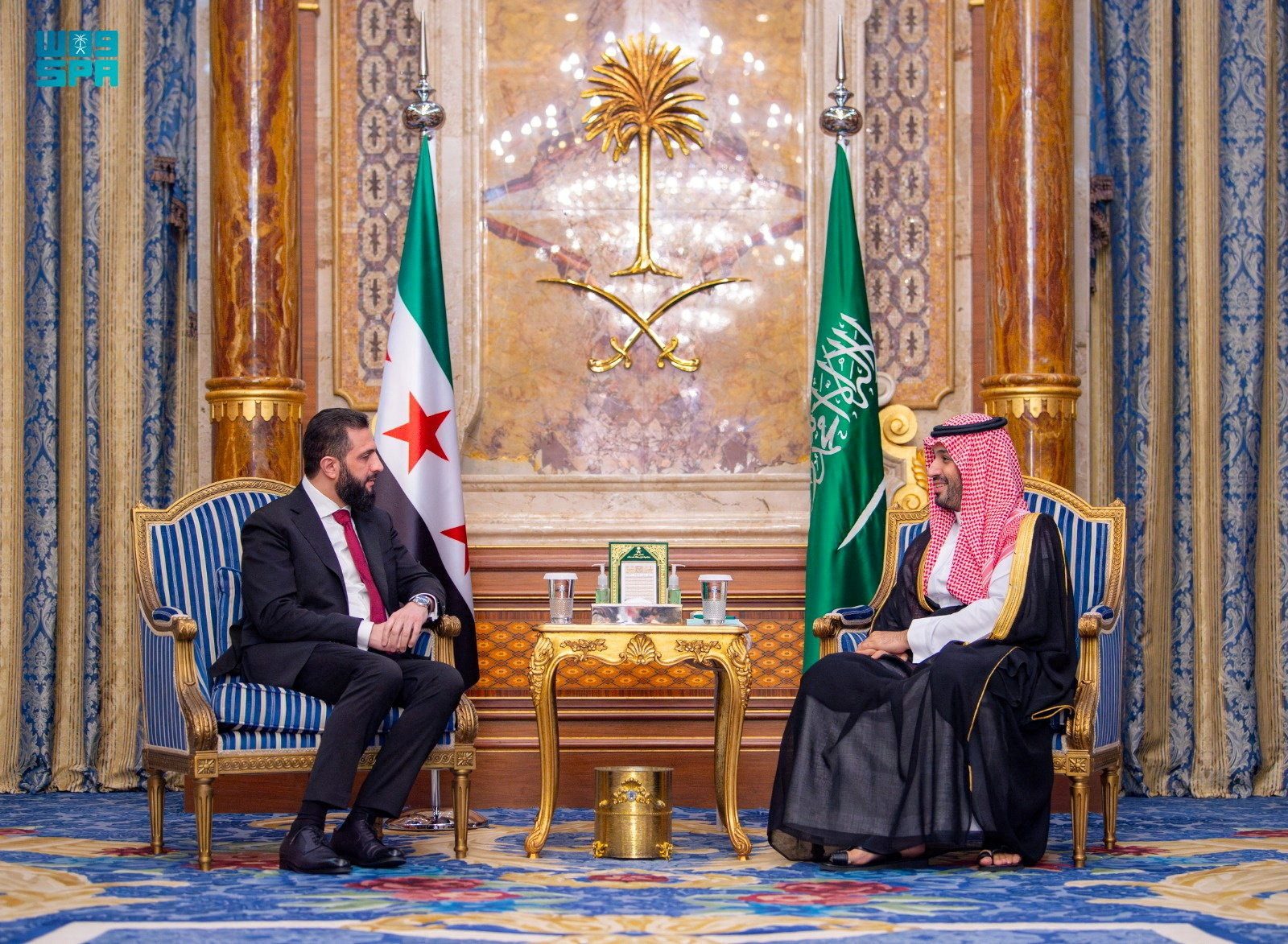
Syria hopes to use the Iran war to deepen its connection to its Gulf Arab partners. Can it compete for inclusion within the regional security order and emerging trade corridors?
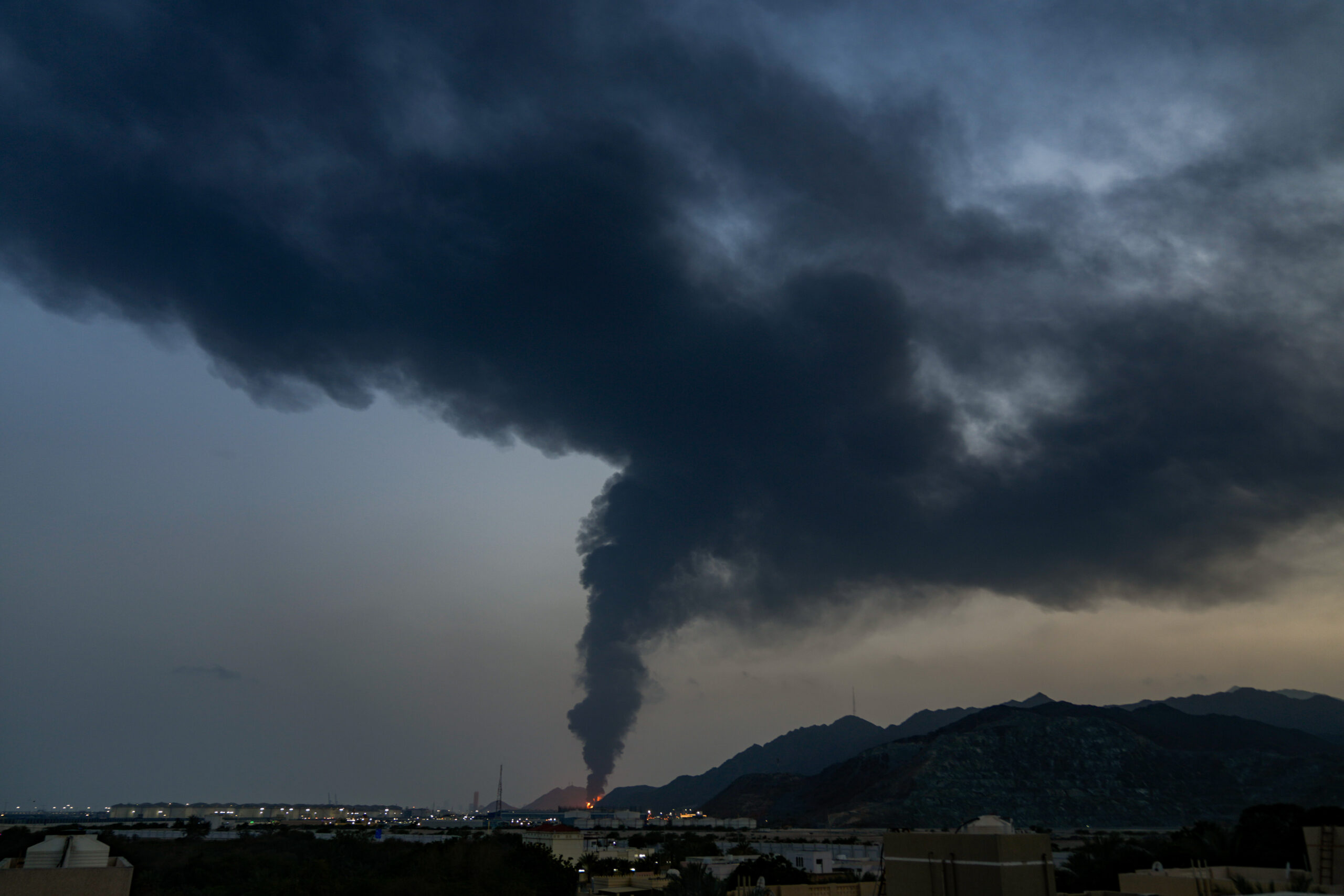
The imperative for Gulf states to unify their position has grown since the onset of Iranian attacks on their countries. Yet under conditions of uncertainty about the U.S. position and the war's outcome, Gulf states are demonstrating differing regional alignments and preferences for managing the crisis.
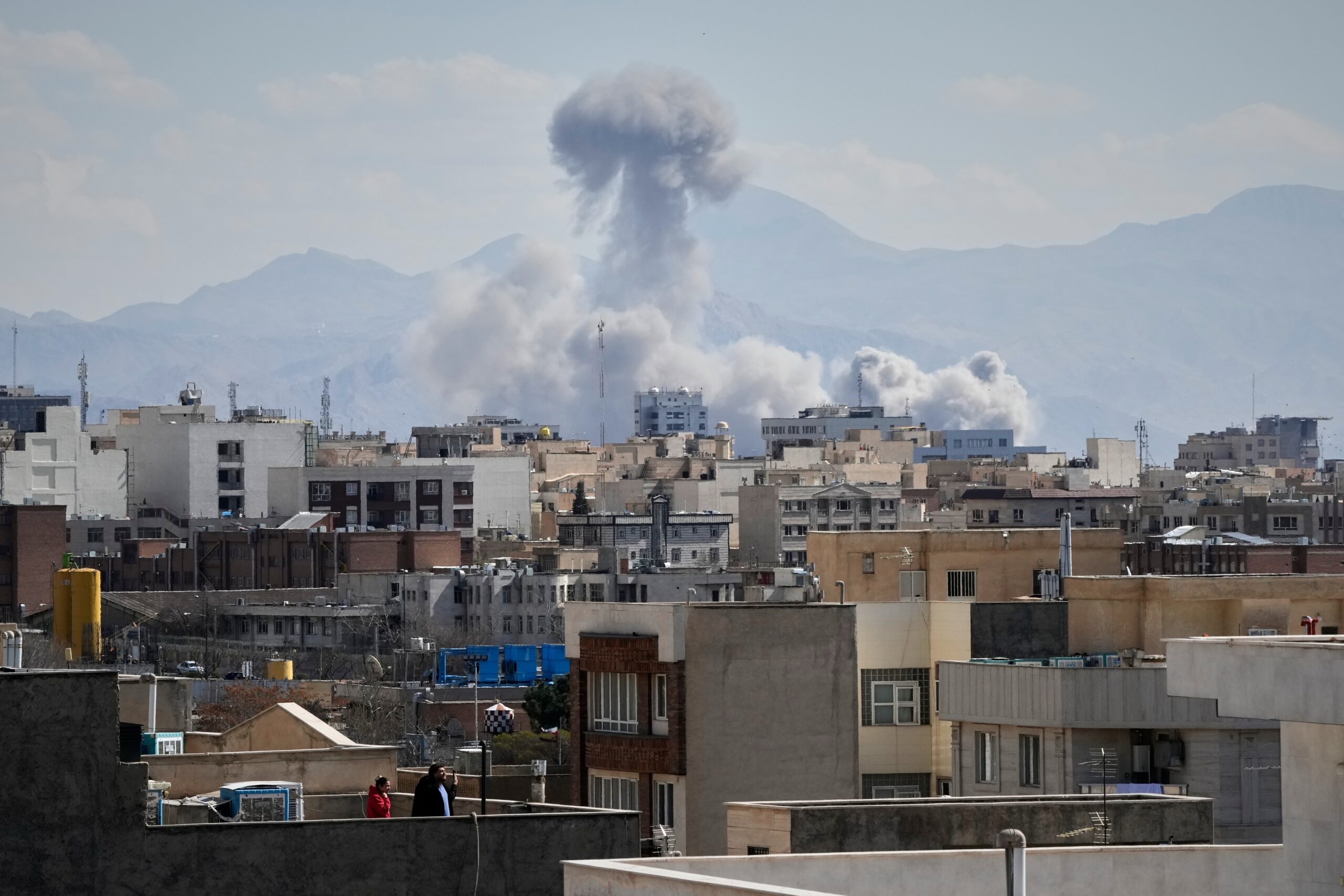
Caught between Iranian strikes and U.S.-Israeli pressure to join the fight, Gulf Arab states strive to maintain their autonomy over decision making, playing defense and preserving the space to maneuver when the war ends.