Market Watch: Declining Gas Prices, Asian Demand, and Effects on Qatar
Like the oil market, global supply of liquefied natural gas (LNG) is increasing. Global LNG supply is expected to grow 50 percent by 2020, faster than projected demand. Gas deliveries are also generally scheduled in long-term contracts, often tied to the price of oil, giving gas suppliers less flexibility in price negotiations when market conditions...
A Saudi investor at the Saudi Stock Exchange, or Tadawul, in the capital Riyadh. (FAYEZ NURELDINE/AFP/Getty Images)
Like the oil market, global supply of liquefied natural gas (LNG) is increasing. Global LNG supply is expected to grow 50 percent by 2020, faster than projected demand. Gas deliveries are also generally scheduled in long-term contracts, often tied to the price of oil, giving gas suppliers less flexibility in price negotiations when market conditions change. As the shale revolution has unsettled oil supply and price in the last year (along with substantial decrease in demand from Asia), gas suppliers are also seeing more competition from the West, namely the United States and Australia.
Qatar currently commands nearly a third of the global market for LNG. As other suppliers are able to export their products to market, due to a massive investment in infrastructure to package and deliver LNG from Australia and the United States, Qatari market share could decrease to 20 percent by 2020. Malaysia is currently the number two LNG exporter with Australia, Nigeria, and Indonesia following. Qatari gas is largely exported to Asia and prices in long-term contracts are indexed to the fluctuating price of oil. Approximately 75 percent of Qatar’s LNG exports in 2014 went to Asia.
Like many of the Gulf Cooperation Council states, economic relations with Asia are increasingly important to Qatar’s fiscal position and its long-term export market. The Qataris are showing some willingness to bargain with China, particularly in its long-term delivery contracts with PetroChina and the China National Offshore Oil Corporation (CNOOC). If demand in China continues to decline, the Qatari’s ability to show some flexibility in delivery (for instance, increasing delivery during winter months) will be a sign to the Chinese of goodwill and customer service. That flexibility may increase Qatari options for renegotiating prices and contracts in a new era of lower energy demand. It is now a buyer’s market and many analysts expect energy prices to stay low for as long as until 2020.
Qatar, like many GCC states, has pivoted to Asia as a key destination for its energy exports. A prolonged downward trend in energy product demand from Asia will bring increased pressure to strengthen political ties and avenues of economic cooperation. This is an area of bilateral and regional cooperation that will be important to monitor.
The views represented herein are the author's or speaker's own and do not necessarily reflect the views of AGSI, its staff, or its board of directors.
In its new strategy, the Saudi Public Investment Fund seems to focus more on investment returns and less on asset growth. How this will work in practice is less clear, including what it means for the future of existing projects, such as Neom.
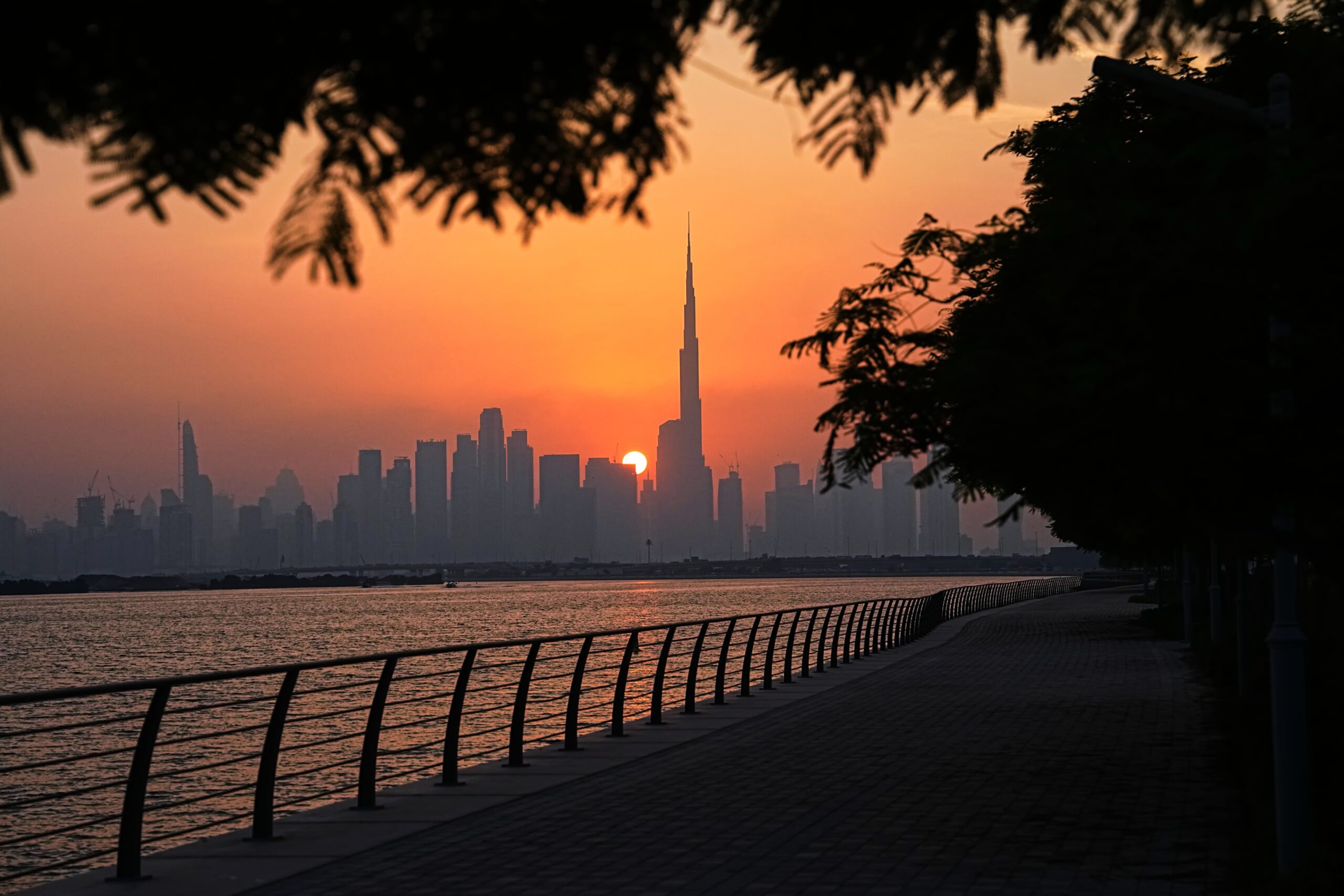
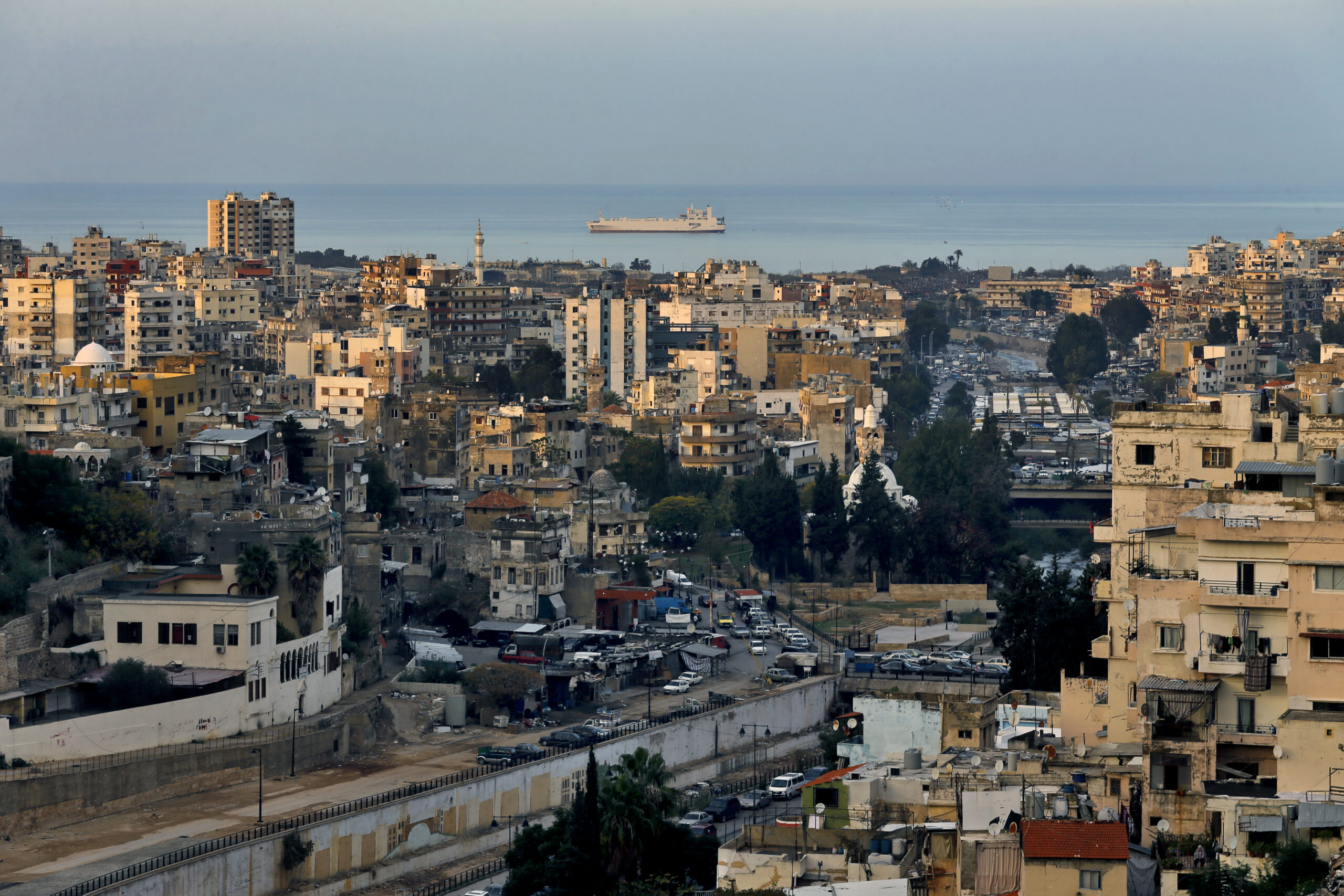
As Gulf countries seek alternative routes beyond the Strait of Hormuz, Lebanon is positioning Tripoli as a complementary Mediterranean gateway alongside Syria, but long-standing political and financial risks could limit serious capital inflows.
Senior Research Scholar, Center on Global Energy Policy, Columbia University’s School of International and Public Affairs; Senior Fellow, Middle East Institute
How the Gulf states choose to invest now could determine not just how they survive this crisis but how they sustain their role as both allocators and magnets of capital and superpowers in the global energy system.
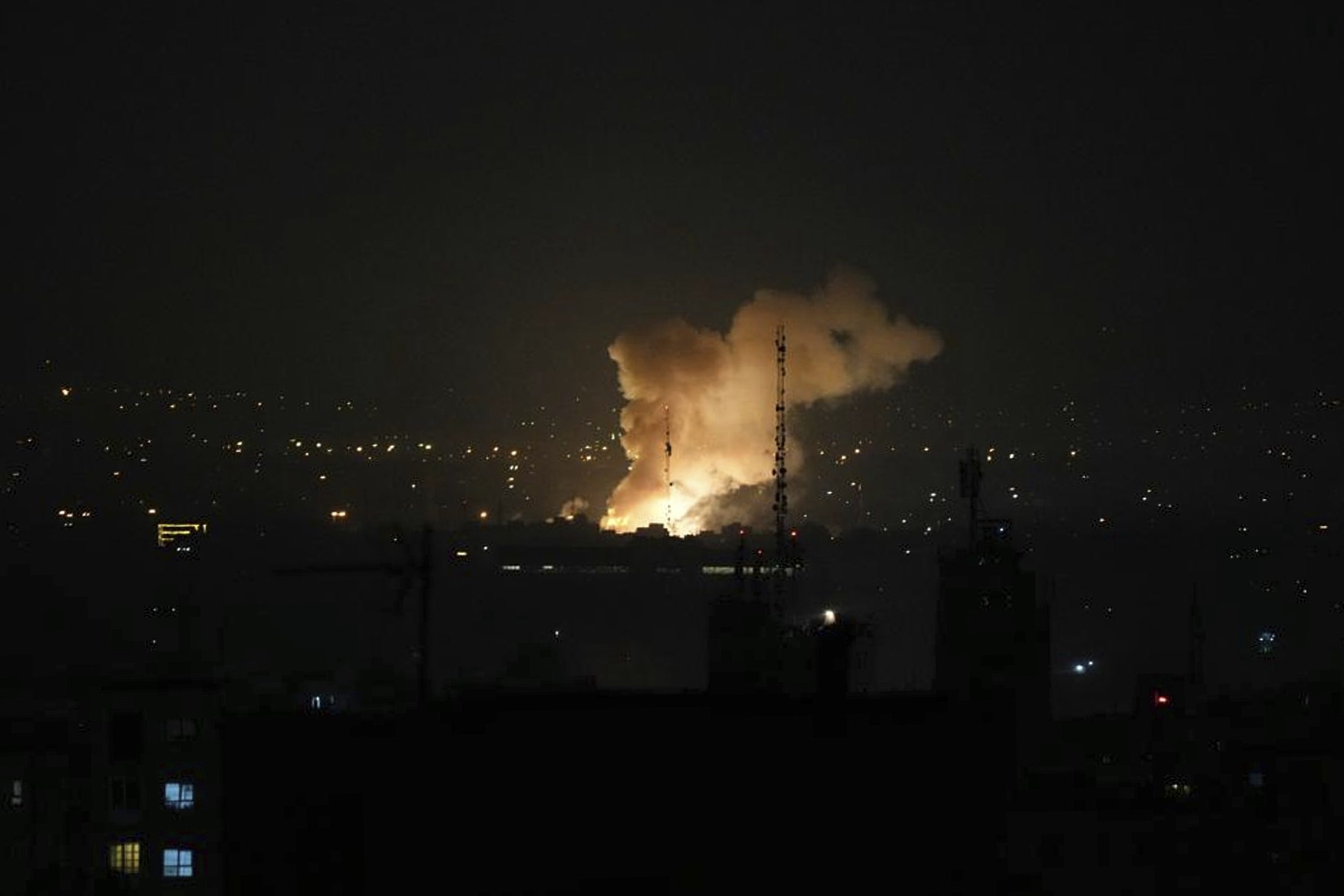
AGSI explains what Israel’s sudden and massive attack on Iran is likely to mean for Gulf Arab states, Iran, the United States, and global and regional economies.
The conflict in Yemen has exacted a disastrous toll on the country. This paper considers the outside forces in the conflict, seeking to elucidate who they are, what the nature is of their involvement, and what their converging and conflicting interests mean for reconstruction.