The Arab intervention in Yemen has reached a critical point. The loss of 45 Emirati, 10 Saudi and five Bahraini soldiers in rebel attacks only underscores how high the stakes have become. It will surely redouble the commitment to restore stability and political legitimacy to Yemen. But it’s essential that the Arab states proceed with...
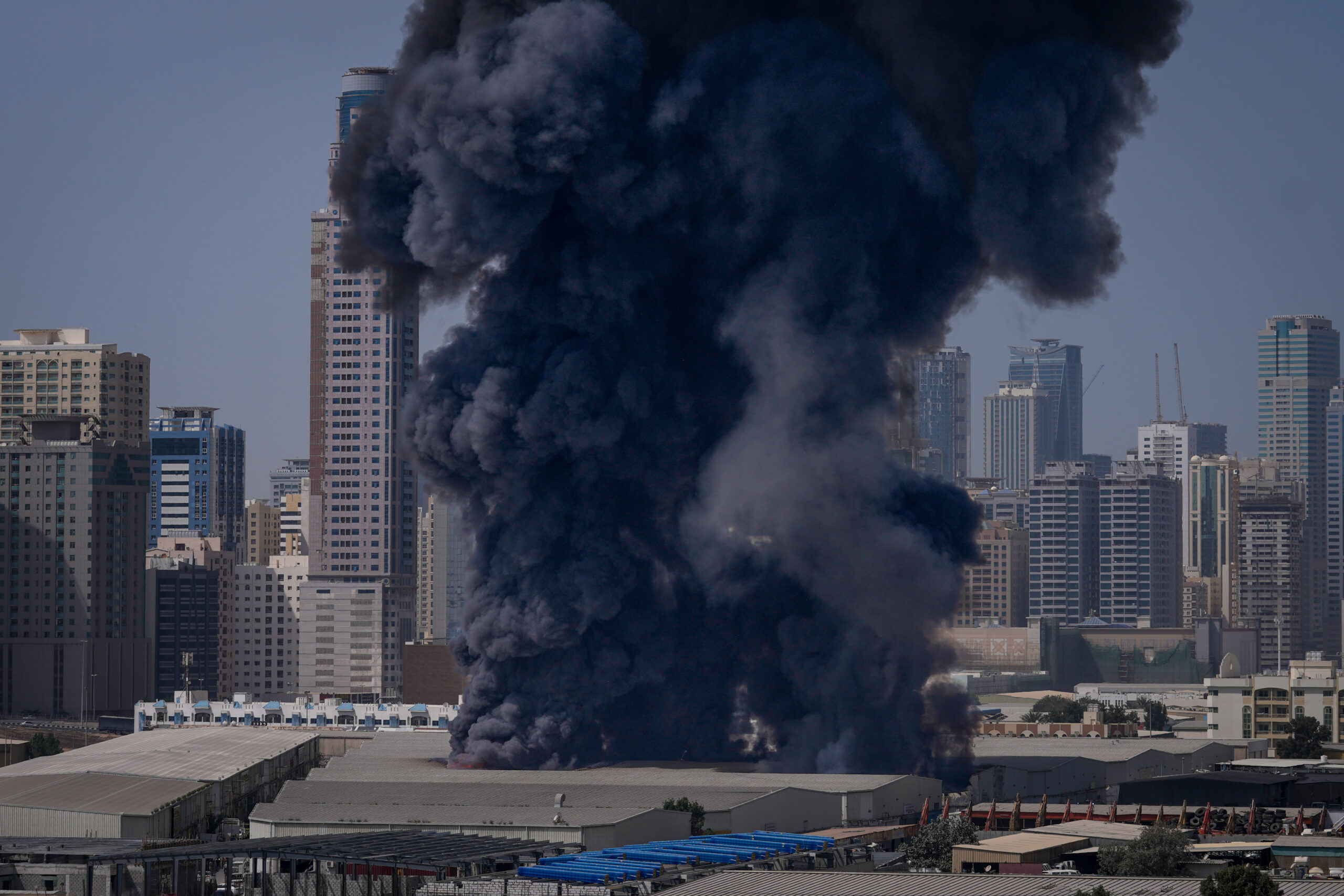
'Smoke billows from buildings after reported airstrikes by the Saudi-led coalition on arms warehouses at al-Dailami air base, controlled by Houthi rebels and their allies, on September 6, north of the Yemeni capital Sanaa. (MOHAMMED HUWAIS/AFP/Getty Images)'
The Arab intervention in Yemen has reached a critical point. The loss of 45 Emirati, 10 Saudi and five Bahraini soldiers in rebel attacks only underscores how high the stakes have become. It will surely redouble the commitment to restore stability and political legitimacy to Yemen. But it’s essential that the Arab states proceed with clarity and caution as well as determination.
These casualties come in the context of a series of victories that have confounded critics. Yemeni government and allied Arab forces have rid most of the south of Houthi control. They are now moving towards the capital, Sanaa, in a pincer-like formation. Other key areas have also either been recovered or may well be soon. The essential outlines of a viable endgame scenario are starting to emerge.
These successes fly in the face of received wisdom, particularly in the West. From the outset of the intervention until very recently, and even in some quarters to this day, the ability of the Gulf states to act militarily in their own defence has been dismissed. Within a few weeks, Yemen was already being labelled a “quagmire” with no potential endgame and no prospect of significant Arab gains.
The dangers attending the intervention, however, have also increased.
It’s not just a matter of painful and, for the UAE, unprecedented battlefield losses of fallen soldiers. The political implications of the fighting are also exceptionally complex.
One of the most important strategic aims of the coalition from the outset was surely to break the alliance between the Houthis and Yemeni forces loyal to former president Ali Abdullah Saleh. This is essential to politically isolate and militarily weaken the Houthis.
Such a rupture, more than anything else, would induce the Houthis to come to reasonable terms in an agreement. Without it, even despite their recent setbacks, the Houthis will probably continue to be able to operate successfully outside their base areas. As long as that alliance is intact, a stalemate remains plausible. So Mr Saleh must be given something. But that remains totally unresolved.
Yemeni government and Arab forces may be closing in on the capital, but actually taking Sanaa is a challenge of a very different magnitude.
Because of the alliance with Mr Saleh, and several other factors, the Houthis have significant support in and around Sanaa. The cost of a protracted urban conflict there is both militarily and politically prohibitive. The same applies to the prospect of a siege.
One of the greatest pitfalls of the conflict so far has been the suffering it has caused, or exacerbated, for the civilian population. Even though most observers concede that there are faults on all sides, nobody expects the Houthis to pay attention to humanitarian considerations.
These concerns intensify when it comes to how to liberate Sanaa. Unless there is a workable strategy for a quick victory, the future of Sanaa, much like Yemen itself, will ultimately require a political resolution.
As pressure builds on the Houthis and their pro-Saleh allies, and until that affiliation is finally broken, the potential for southern political autonomy, if not independence, is likely to increase. The Al Hirak forces may be an implausible mishmash, but they agree on the need for a separate future for the South.
Given the setbacks experienced by the Houthis in recent weeks, the ability of Al Hirak to argue that only southern secession can prevent pro-Iranian domination of all of Yemen has evaporated. But that doesn’t mean that the issue is resolved.
On the contrary, if the south is relatively stable and most of the fighting takes place in the north, particularly with no end in sight, the impulse to break away may actually become stronger than ever.
The degree to which the conflict has strengthened Al Qaeda in Yemen is exaggerated in some quarters. However, extremist groups have taken advantage of the chaos and sectarian tensions, and, over time, there is a distinct danger that Al Qaeda in the Arabian Peninsula could become emboldened.
So the pitfalls facing the Arab coalition in Yemen include empowered extremists and secessionists, prospects of a stalemate, increasing humanitarian concerns, and the considerable difficulties of crafting a political formula that is acceptable to all parties.
But the loss of troops in the field is likely to redouble the determination to summon the diplomatic finesse that will be required to complement military effectiveness.
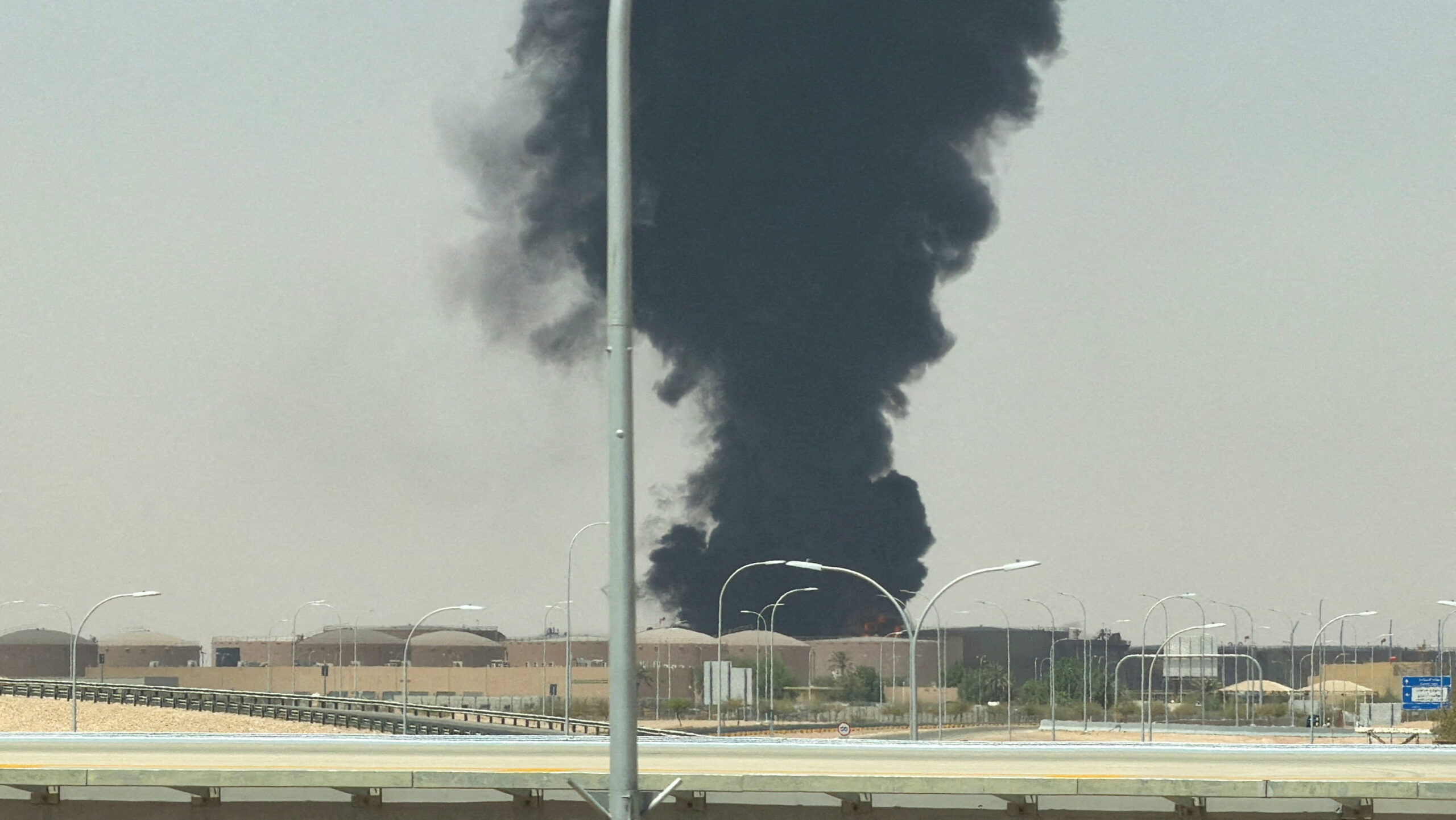
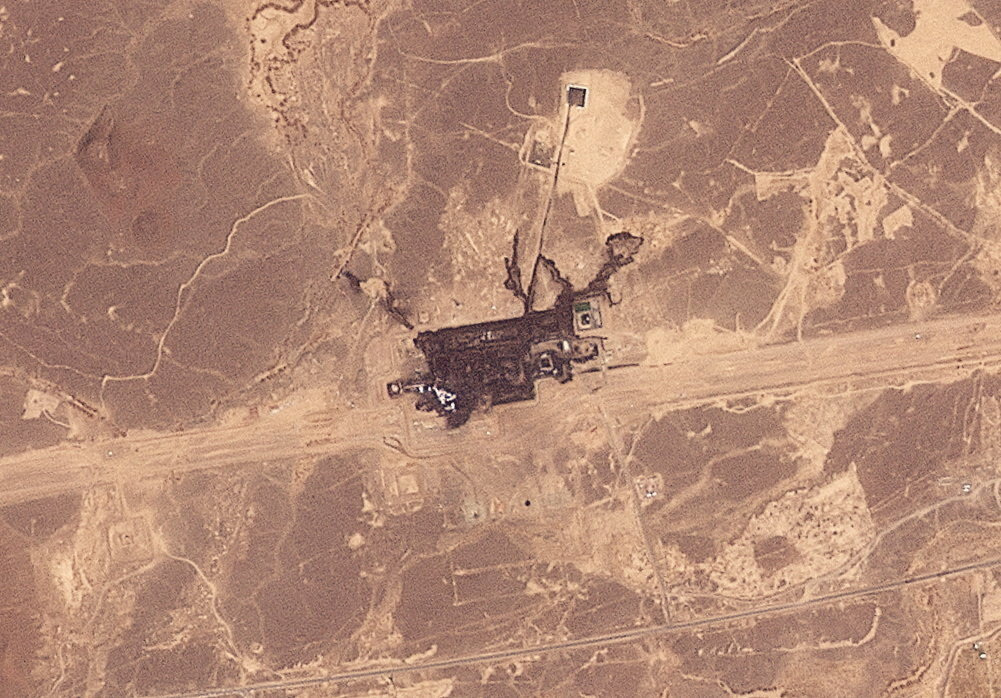
Attacks on the East-West oil pipeline and other targets in Saudi Arabia will result in a larger-than-expected economic contraction in the kingdom this year.
Saudi Arabia’s ability to maintain its reputation as a reliable supplier in the months ahead will depend on how quickly it can repair damaged assets and keep several imperfect routes operating at the same time.
In tandem with President Trump’s refusal to offer help with the Houthis, the Saudis are facing grim options to reverse Houthi military successes and a chokehold over their oil exports.
President Trump has led the United States into an impossible dilemma in which resuming and intensifying the war presents one set of alarming consequences while ending it under current circumstances offers at least as many disasters for Washington.
The Trump administration has positioned the United States at a crossroads between a new regime of containment against Iran or a historic drawdown of U.S. influence in the Gulf and broader Middle East.
Riyadh and Abu Dhabi urged President Trump not to attack Iran, but now that the war is into its second month, leaving the current situation in place would be an unthinkable fiasco for them.
Though they were unsuccessful in preventing the current conflict, and, as expected, have been dragged into the U.S.-Israeli confrontation with Iran, Gulf Arab countries remain crucial to hopes for limiting the war and bringing it to a quick resolution.















Sep 8, 2015
Yemen losses will bolster region’s determination
The Arab intervention in Yemen has reached a critical point. The loss of 45 Emirati, 10 Saudi and five Bahraini soldiers in rebel attacks only underscores how high the stakes have become. It will surely redouble the commitment to restore stability and political legitimacy to Yemen. But it’s essential that the Arab states proceed with...
4 min read