Qatar Must Adapt SEZs to New Regional Geopolitical Realities
The Saudi, Bahraini, and Emirati efforts to isolate Qatar logistically as part of the most recent Gulf Cooperation Council crisis will require a restructuring of the country’s plans for special economic zones (SEZs) – commonly known as free zones (FZs) in the rest of the GCC states. The traditional goals of SEZ development include attracting...
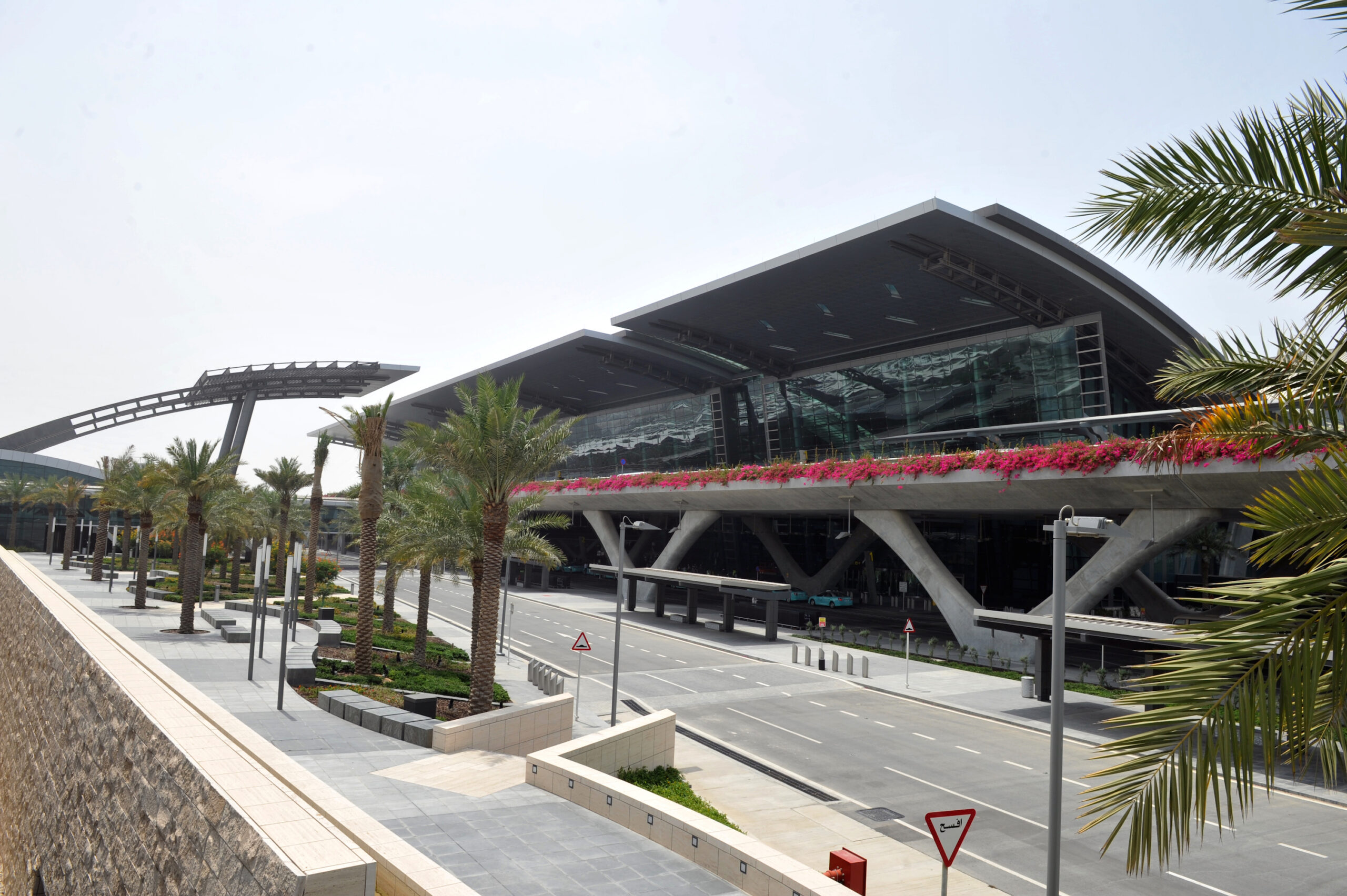
The main terminal building of Hamad International Airport in Doha, Qatar. (AP Photo/Osama Faisal)
The Saudi, Bahraini, and Emirati efforts to isolate Qatar logistically as part of the most recent Gulf Cooperation Council crisis will require a restructuring of the country’s plans for special economic zones (SEZs) – commonly known as free zones (FZs) in the rest of the GCC states. The traditional goals of SEZ development include attracting foreign and domestic investment, generating employment, stimulating strategic exports, and developing local human capital. Qatar is mired in the planning and construction stages of three SEZs located near the Hamad International Airport, Hamad Port, and land border with Saudi Arabia. Yet the requirements for successful SEZ implementation have risen substantially, as these SEZs must help reduce commercial bottlenecks, facilitate new trade, and attract a steady flow of investment in the future.
The recent GCC diplomatic rift will directly impact the objectives of the two SEZs located near the airport and port, while policymakers will need to reassess the feasibility of locating the third SEZ near the Saudi border. As the SEZs near the airport and port are already in their construction stages, the key goals of these projects are likely to shift from economic and social to strategic and security focused. The state developer of SEZs, Manateq, marketed its third planned SEZ, Al Karaana, as an overland gateway to GCC markets. Yet without cooperation from Saudi Arabia, the implementation of Al Karaana and its commercial success will face significant obstacles and likely be put on hold.
The GCC crisis will force economic policymakers in Qatar to assess the country’s SEZ sector on its own merit and not as an element of a broader network of FZs across the GCC states. The subsidiary impacts of this assessment will likely include the following:
SEZ officials will increase commercial efforts to attract companies operating in strategic industries, such as those pertaining to food security and liquefied natural gas technology.
Local and foreign investors can expect a significant increase in SEZ benefits and concessions by the Qatari government to capture a larger share of local investment, boost foreign direct investment, and lure firms from more established commercial hubs like the United Arab Emirates.
Qatar will likely tighten timelines for completion of its first two planned SEZs, which will provide new commercial opportunities for firms offering competitive cost and timetable estimates.
Qatar lags behind many of its GCC neighbors in terms of FZ development. Dubai created its first FZ in 1980 and possessed 23 operating FZs by the end of 2016. Meanwhile, Qatar established its two operating FZs, the Qatar Financial Centre and the Qatar Science and Technology Park, in 2000 and 2005, respectively. Neither of these Qatari FZs are directly connected to key commercial transport hubs in the country.
The planned SEZs reflect Qatari efforts to better utilize the country’s air, sea, and land transit points for commercial purposes. Qatar launched its SEZ project in 2011, when the minister of business and trade issued Decision No. 272 to establish the Economic Zones Company. In 2013, the Economic Zones Company rebranded as Manateq. The company held groundbreaking ceremonies for two economic zones – Ras Bufantas and Um Alhoul – in 2014 and 2015, respectively. Both SEZs remain in the early stages of construction; Um Alhoul has an estimated completion date set for a distant 2025. Moreover, a critical draft law relating to investment regulations in the SEZs has yet to be ratified by emiri decree, which has further stalled commercial progress.
Despite facing long timelines for completion, SEZ officials plan to focus on economic and social objectives that range from small and medium-size enterprise growth, residential development, and even heritage tourism. When Um Alhoul is completed, its planners hope to boast a total population density capacity of around 67,000 people and a fully-functional heritage site for touristic purposes. The price tags for these projects are difficult to discern; however, Manateq wields an authorized capital of 5 billion Qatari riyals, about $1.37 billion.
Given this level of capital investment, it is likely that strategic and security-focused objectives will quietly replace the softer economic and social goals established at the project’s outset. SEZ officials could form strategic partnerships or memorandums of understanding with FZs in Salalah and Sohar in Oman, thereby reducing commercial instability during future crises. Qatari investment in Oman’s major Duqm SEZ project would likewise enhance commercial maneuverability and connectivity within the region. Moreover, logistics and industrial infrastructure within Qatari SEZs must compete with leading FZs in the region; Jebel Ali Free Zone and Dubai Airport Free Zone remain useful benchmarks.
The ability of SEZs to contribute to Qatar’s commercial stability – both perceived and actual – is paramount. The recent rift with other GCC states reveals how foreign investment depends upon capital mobility and stability, as Karen Young explains. Without these conditions guaranteed, Qatari economic policymakers will struggle to capture both foreign and domestic investment, as investors look toward less risky commercial hubs in the GCC states or outside of the region entirely. Other investors involved in domestic industries requiring commercial aviation and maritime shipping capabilities will demand access to SEZs located alongside the new airport and port.
The weaknesses of Qatar’s commercial infrastructure are already emerging and have deep security implications within the state. Maersk, which delivers food and consumer goods to Qatar, announced in June that it could no longer access the country via Dubai’s Jebel Ali port, forcing the company to ship via port facilities in Oman. Many of Qatargas’ key suppliers are based out of the Jebel Ali Free Zone. That Qatargas has since requested these suppliers set up local offices in Qatar during the crisis demonstrates the country’s distinct commercial disadvantage vis-à-vis other commercial hubs, like the UAE. The recent crisis has adversely affected other Qatari businesses reliant upon GCC FZs as operational bases or as critical segments in their supply chains. A Qatari plant part owned by Norway’s Norsk Hydro also lost access to the Jebel Ali port, and reports suggest that Qatari shipping containers have been seized in various GCC FZs.
The country’s third SEZ, Al Karaana, offers no panacea for these economic woes. With a planned location between Doha and Abu Sumra, which lies on the border with Saudi Arabia, the entire SEZ initiative will need to be revisited following the closure of the border between the two countries. Unlike the SEZs located near the airport and port, wherein trade can be rerouted to alternate destinations, the commercial viability of Al Karaana requires formal trade relations between Saudi Arabia and Qatar and unfettered access to Saudi Arabia via the land border.
Economic policymakers in Qatar must adapt SEZs to the new geopolitical realities within the region; Qatar cannot rely on commercial infrastructure in other GCC territories to supplement its economic policy and commercial infrastructure. Rather, local and international investors will demand greater benefits and concessions from these new SEZs as well as better linkages to transport hubs, like the new airport and port. With no end to the diplomatic crisis in sight, Qatari policymakers will seek to ensure that the country’s SEZs are prepared for the new political and economic realities in the region.
The views represented herein are the author's or speaker's own and do not necessarily reflect the views of AGSI, its staff, or its board of directors.
Gulf Arab countries urged the United States not to strike Iran, but now that is happening, they are in danger of being sucked into a conflict they cannot control but that will likely reshape their present and future realities.
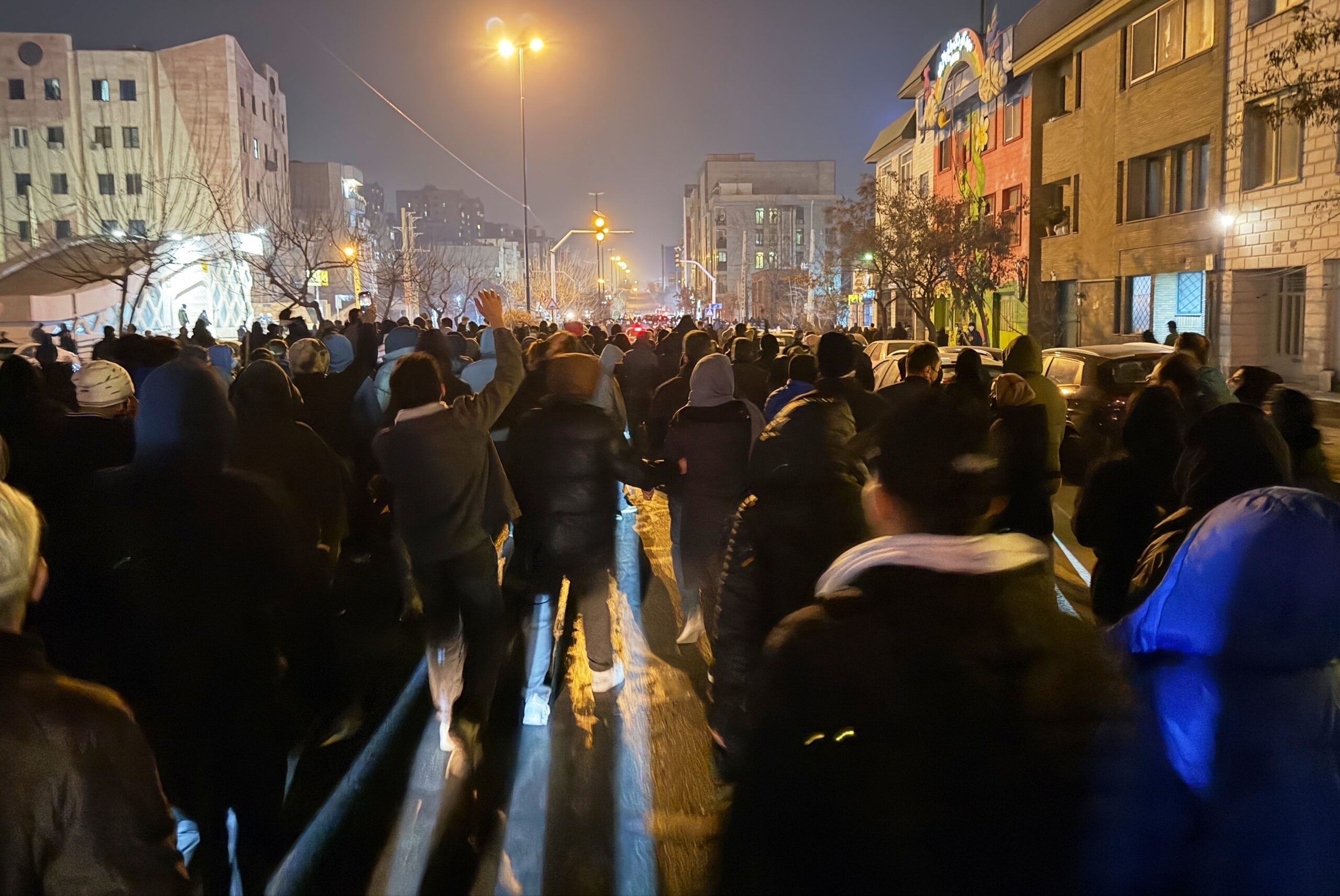
The erosion of the regime’s legitimacy across broad segments of society, combined with the breadth of the 2025-26 protest coalition, raises the possibility that a new confrontation could trigger renewed anti-regime mobilization.
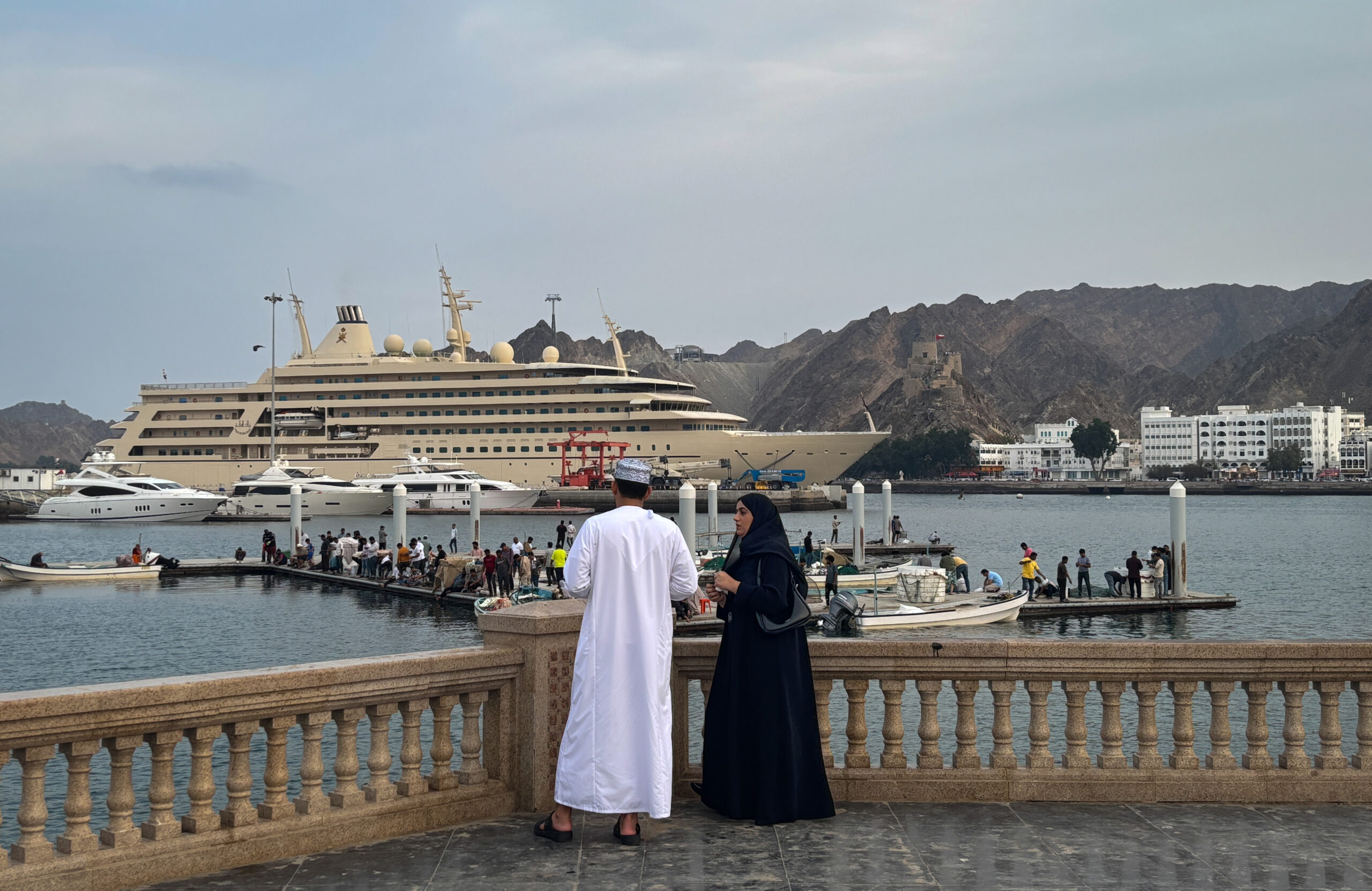
A flurry of economic announcements and initiatives by the Omani government indicate a strong desire to sustain both reform progress and economic momentum amid potential headwinds.
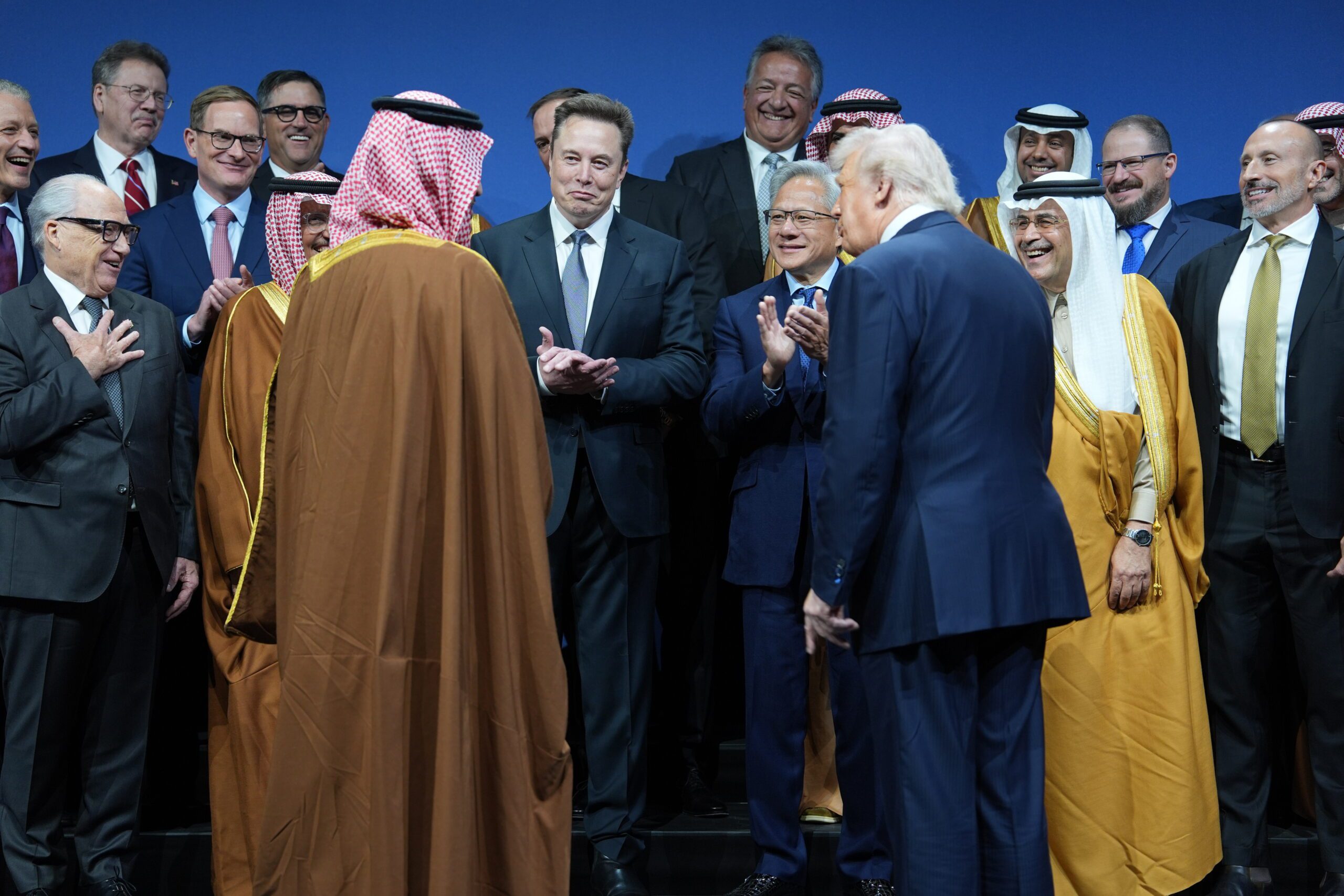
U.S. authorizations for exporting advanced chips to the leading Gulf technology firms is sure to please regional authorities, who will push to broaden and accelerate technology collaboration with the United States.
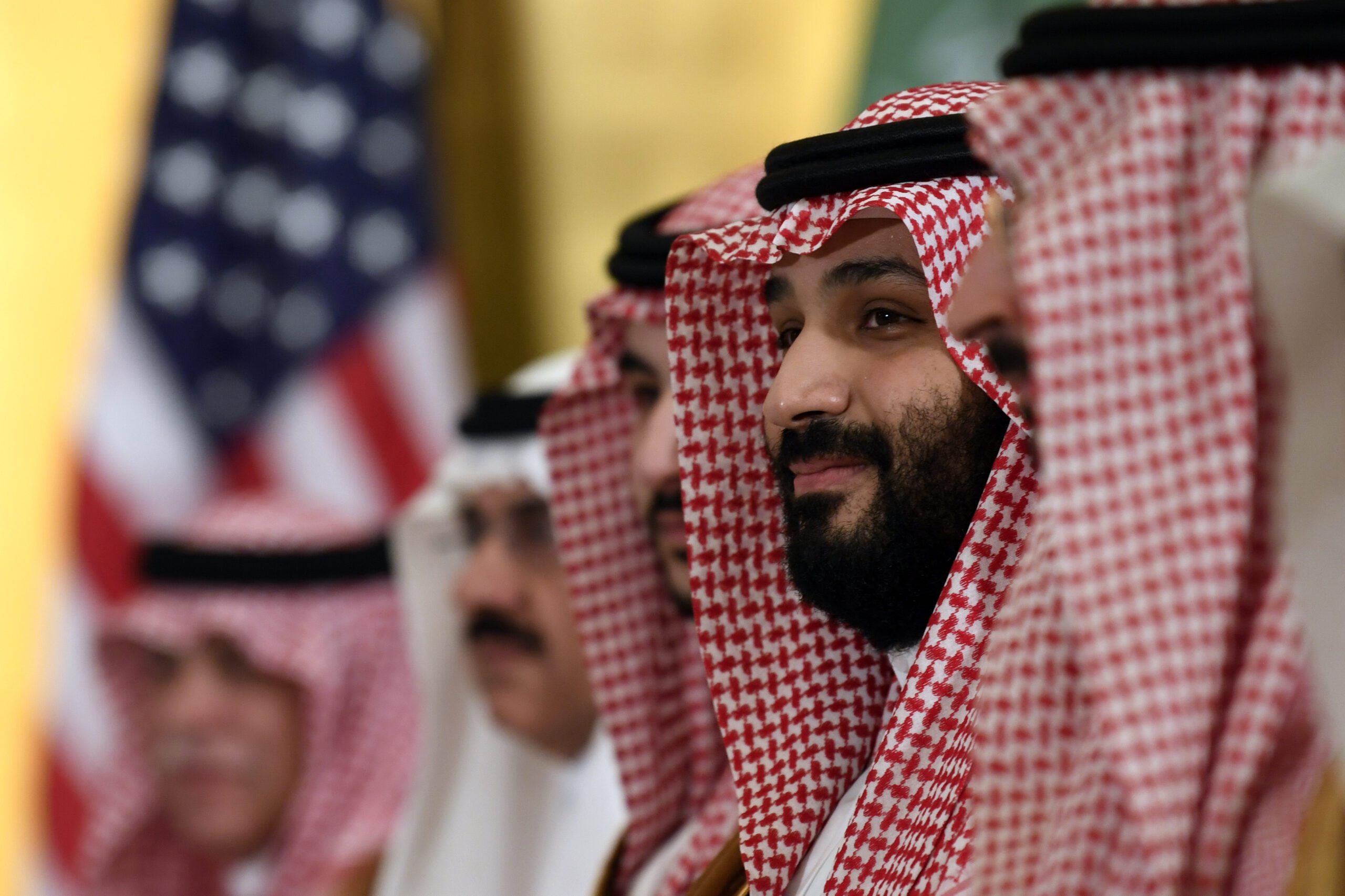
When the Saudi crown prince meets President Trump in Washington, the main topics of discussion are likely to be commercial deals, a defense pact, a Saudi civilian nuclear program, and normalization with Israel.