Oct 21, 2022
Iran: Reconquest in the Caucasus, Bombing Iraqi Kurdistan and Saudi Arabia, or Reopening Embassies?
The October 21 edition of the Iran Media Review explores the discordance of Iranian messages of threats and diplomacy.

The morning of October 19, readers of Javan newspaper, mouthpiece of the Islamic Revolutionary Guard Corps, woke up to the headline “Messaging Beyond Aras and the Persian Gulf,” warning, if not threatening, the Iraqi Kurdistan Regional Government, Azerbaijan, and Saudi Arabia. A few hours later, Ali Akbar Velayati, Iran’s former, and longest-serving, minister of foreign affairs and currently an advisor to Supreme Leader Ayatollah Ali Khamenei, in an interview with the Lebanese Al Mayadeen network, called for the reopening of embassies in Tehran and Riyadh to “solve problems through better means.” Discordance of the messages may be by design or accident, but pressed by protests at home, the IRGC may lash out in an attempt to externalize its domestic problems.
- October 19: Sobhan Hafezi, a guest columnist for Javan, wrote:
- Addressing the KRG: “In the course of operations in the region bordering northern Iraq, main headquarters of terrorist separatist groups in Iraq’s northern region came under heavy artillery, missile, and aerial drone bombardment, which dealt irreparable damage to the human and logistical resources of these small groups … Regional authorities had not taken earlier warnings seriously, and the fire of the warriors of Islam dealt a heavy slap to the face of the counterrevolution.”
- Addressing Azerbaijan: “The rulers of Baku may believe they can change the geopolitics of the region … which is the red line of the Islamic Republic of Iran … Any attempt at seizing Zangezur corridor will be forcefully countered by the armed forces of the Islamic Republic, and parts of lost territories of Fath-Ali Khan Qajar may return to the motherland,” Hafezi wrote in a reference to Iranian territories in the Caucasus lost to imperial Russia in the 19th century. “If the game of disrupting borders is about to commence, the Iranian nation may contemplate reconquest of its severed limbs north of the Aras” river.
- Addressing Saudi Arabia: “Saudi Arabia is on the verge of a sensitive and decisive point of transition of power from father to son. Naturally, any instability in Hijaz and Najd may endanger the destiny of the tribe.” Pointing at the London-based and reportedly Saudi-financed Iran International television, which broadcasts Persian-language programs to Iran, Hafezi continued: “It is no secret that International is not a media project but the joint intelligence operation of Tel Aviv and Riyadh, in which Mossad directs the content, and the Saudis take care of its finances. Countering an intelligence operation calls for proportional and symmetrical action. If a trumpet calls for sedition in London, it may necessitate an answer in the hot deserts south of the Persian Gulf. The flames from London, which ignite trash cans in the streets of Tehran, may perhaps turn direction and revive the memory of the September 2019 events in Abqaiq and Khurais for this bedouin tribe. Naturally, this time around, not only the oil export, but the destiny of the family may be endangered. The message to Najd is clear: If you continue, you must await the cost.”
- October 19: The Iranian Students’ News Agency quoted Velayati: “We are neighbors with Saudi Arabia and must coexist. The embassies of these two states must be active so problems are solved through better means.”
The views represented herein are the author's or speaker's own and do not necessarily reflect the views of AGSI, its staff, or its board of directors.
Related
Iran Media Review
Oct 18, 2022
IRGC Chief Warns Saudi Arabia to Restrain Media Broadcasts to Iran
The October 18 edition of the Iran Media Review considers warnings to foreign media broadcasts to Iran.
Iran Media Review
Oct 14, 2022
The Regime’s First Real Scapegoat for Protests in Iran
The October 14 edition of the Iran Media Review examines responses to the regime’s chosen scapegoat.
Oct 18, 2022
IRGC Chief Warns Saudi Arabia to Restrain Media Broadcasts to Iran
The October 18 edition of the Iran Media Review considers warnings to foreign media broadcasts to Iran.
Oct 14, 2022
The Regime’s First Real Scapegoat for Protests in Iran
The October 14 edition of the Iran Media Review examines responses to the regime’s chosen scapegoat.
Analysis
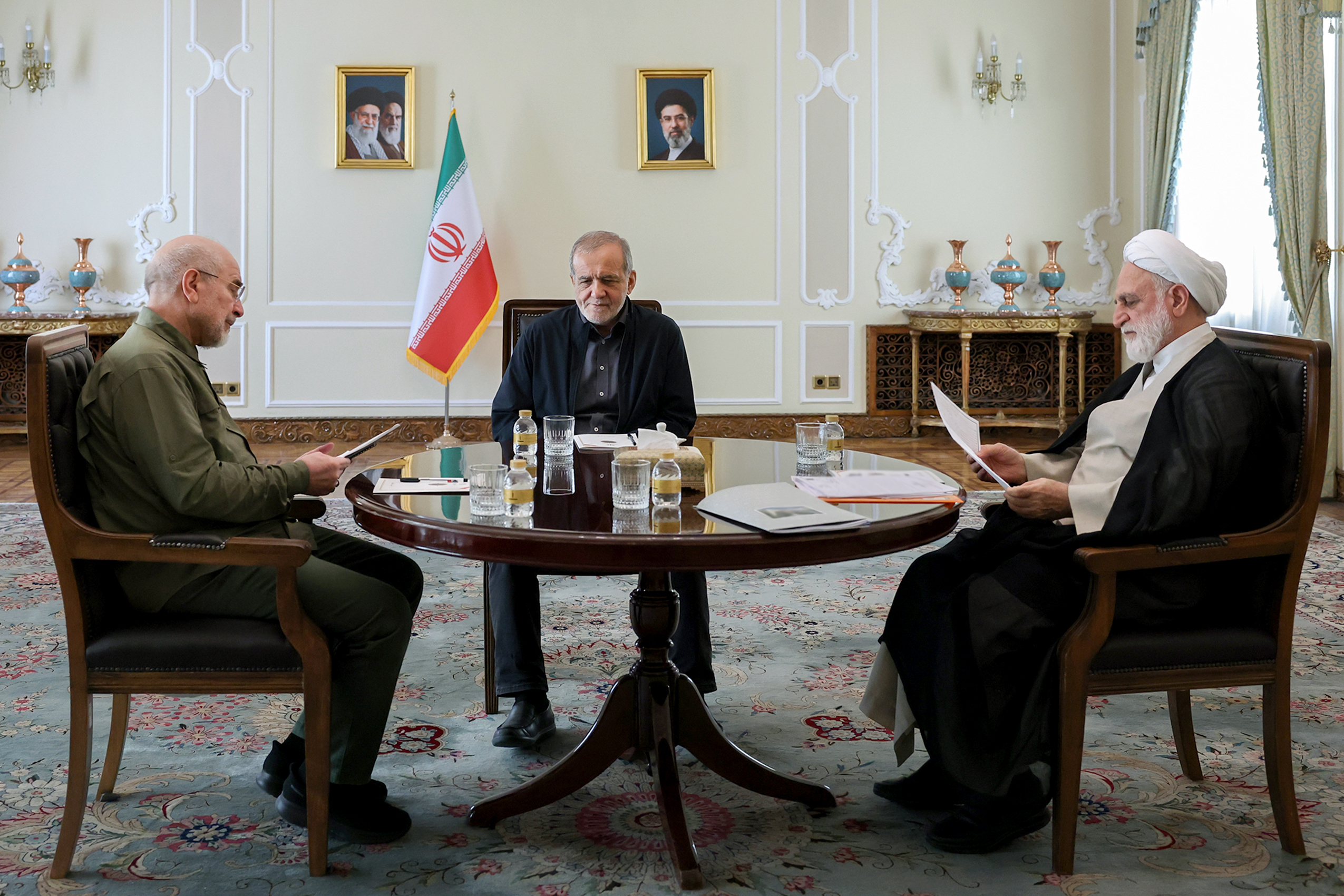
The Committee of Six and Strategic Decision Making in Iran
Remarks by Iran’s president offer a rare glimpse of how the Islamic Republic has adapted its decision making to the absence of its supreme leader.
Mohsen Rezaei at the Helm of Iran’s Supreme National Security Council
Under Rezaei, the SNSC could prove constructive or paralyze strategic decision making.
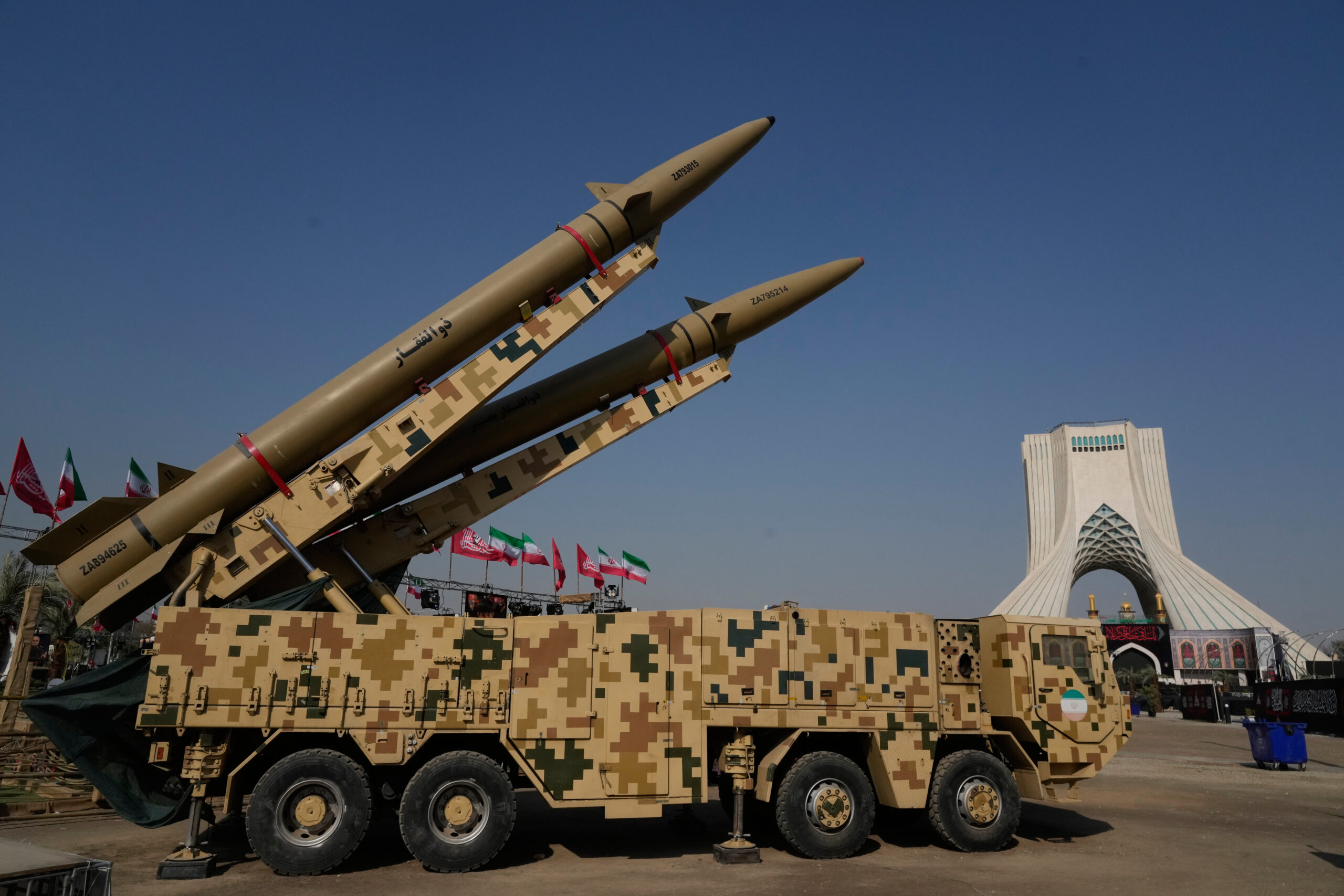
The Islamic Republic Returns to Offense
After U.S.-Israeli strikes killed Supreme Leader Ayatollah Ali Khamenei on February 28, Iran’s collective leadership has concluded that the best defense is a good offense.
Iran’s Collective Strategic Decision Making
Wartime pressure has temporarily aligned the leadership’s overriding interest in regime survival, even as its members continue to differ over the costs, methods, and ultimate objectives of the war.
Events
Oct 6, 2026
Is the U.S.-Iran Stalemate a “New Normal” or the Prelude to Another Explosion?
On October 6, AGSI hosted a discussion on the U.S.-Iran stalemate and the prospects for a cease-fire.
Speakers



Book Talk: Iran and the Bomb: The United States, Iran and the Nuclear Question
On June 16, AGSI hosted a discussion on the evolution of Iran's nuclear program.
Speakers
Apr 21, 2026
Inside Iran’s Wartime Leadership: Power, Succession, and Regime Stability
On April 21, AGSI hosted a discussion on the evolution of Iran's leadership during the war.
Speakers

Mar 18, 2026
In Its Conflict With the United States and Israel, Does Escalation Favor Iran?
On March 18, AGSI hosted a discussion on the escalation of the Iran war.
Speakers