Oct 14, 2022
The Regime’s First Real Scapegoat for Protests in Iran
The October 14 edition of the Iran Media Review examines responses to the regime’s chosen scapegoat.

In his first public statements concerning the current anti-regime protest in Iran, Supreme Leader Ayatollah Ali Khamenei blamed the United States, Israel, the outlawed Mujahedeen-e Khalq, separatists, descendants of Shah Mohammad Reza Pahlavi, and even descendants of agents of Iran’s pre-revolution intelligence service. As the protests continue, regime officials, particularly those connected to the Islamic Revolutionary Guard Corps, have searched for and found a more plausible scapegoat to deflect public anger: Mohammad Saleh Hashemi Golpayegani, director of the Headquarters for the Promotion of Virtue and the Prevention of Vice, also known as the morality police.
This is a political gamble: On the one hand, the IRGC and its political allies may win cheap points among the protesters by throwing the morality police, and perhaps the Shia clergy and laws based on government interpretation of religion, under the bus. On the other hand, other regime officials, fearing a fate similar to Golpayegani, who was ostracized just for doing his job, may defect from the regime and join the ranks of the protesters.
- October 9: Fararu News and other media outlets quoted Golpayegani as saying: “Use of seatbelts in cars only became the norm when the police, apart from informing about it, also imposed fines … If millions of taxi drivers are told they will be fined for accepting passengers without a hijab, more than 50% of the hijab problems in cars will be solved.”
- October 10: The Headquarters for the Promotion of Virtue and the Prevention of Vice’s website claimed media reports of Golpayegani’s statements were “incorrect,” accused his critics of “joining the choir of the sworn enemies of the people,” and released the allegedly “correct” statements in which there is no mention of fines for taxi drivers.
- October 11: Ham-Mihan newspaper compiled a list of prominent regime individuals who, on Twitter or elsewhere, criticized Golpayegani’s statements:
- Mohammad Rashidi, a member of parliament: “Don’t raise the cost for the revolution and for Iran.”
- Mahmoud Razavi, an advisor to the speaker of parliament: “The legal system should be fast and decisive when dealing with the likes of Hashemi Golpayegani, who make provocative and unwelcome statements.”
- Ehsan Salehi, a media personality: “The leader of the revolution says the hijab is not the issue … but Hashemi Golpayegani is hatemongering … it is about time he shuts up.”
- Mojtaba Amini, a film director with a history of false accusations against the government of former President Hassan Rouhani: “I’m asking the intelligence services of the state to investigate the files and track record of Hashemi Golpayegani … There is a visible footprint of sabotage and infiltration.”
- Mohammad-Hossein Pouyanfar, a religious cantor: “Who is this guy if not an infiltrator? Why is someone not turning him off?”
- Mehdi Arafati, Cabinet public relations secretary: “Every once in a while, silence is wiser … Be quiet, please.”
- Ali-Akbar Raefipour, a conspiracy theorist: “I hope his statements are because of ignorance and not an act of treason … If the authorities don’t quiet him, I see no choice but to expose him.”
- Ahmad Amir-Abadi, a parliamentarian: “Someone should tell this brother to shut it or speak less. Why should the forces of the revolution pay the price of your incompetence?”
- Mehdi Fazaeli, a media affairs expert in the Office of the Supreme Leader: “Such statements are harmful.”
The views represented herein are the author's or speaker's own and do not necessarily reflect the views of AGSI, its staff, or its board of directors.
Related
Iran Media Review
Oct 11, 2022
The Time Bomb of Iran’s Teenage Rebellion
The October 11 edition of the Iran Media Review examines teenage participation in Iran’s ongoing protests.
Iran Media Review
Oct 6, 2022
Fararu News’ Catalogue of What Went Wrong in Iran
The October 7 edition of the Iran Media Review considers the painful measures the Iranian regime must take to regain public trust.
Oct 11, 2022
The Time Bomb of Iran’s Teenage Rebellion
The October 11 edition of the Iran Media Review examines teenage participation in Iran’s ongoing protests.
Oct 6, 2022
Fararu News’ Catalogue of What Went Wrong in Iran
The October 7 edition of the Iran Media Review considers the painful measures the Iranian regime must take to regain public trust.
Analysis
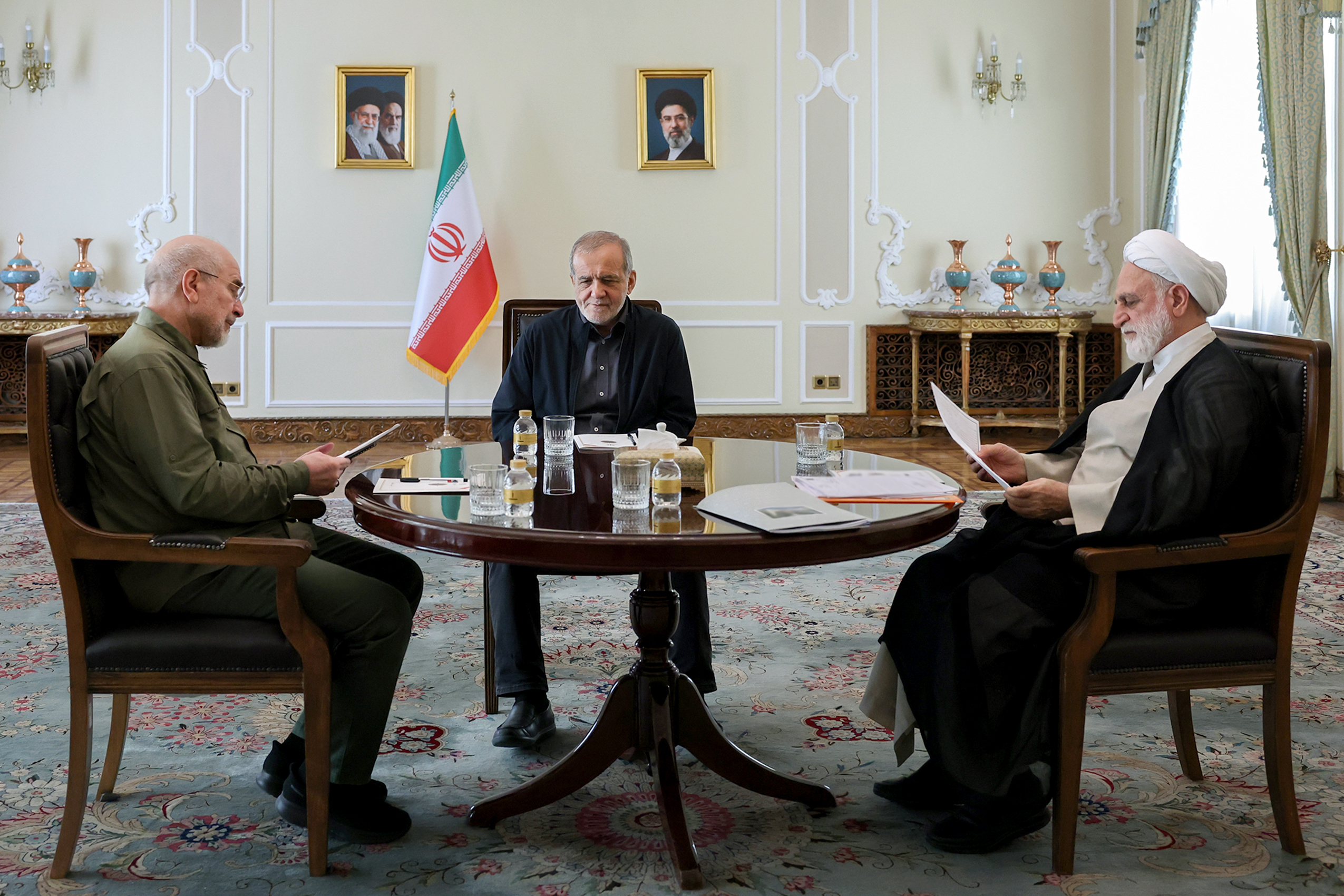
The Committee of Six and Strategic Decision Making in Iran
Remarks by Iran’s president offer a rare glimpse of how the Islamic Republic has adapted its decision making to the absence of its supreme leader.
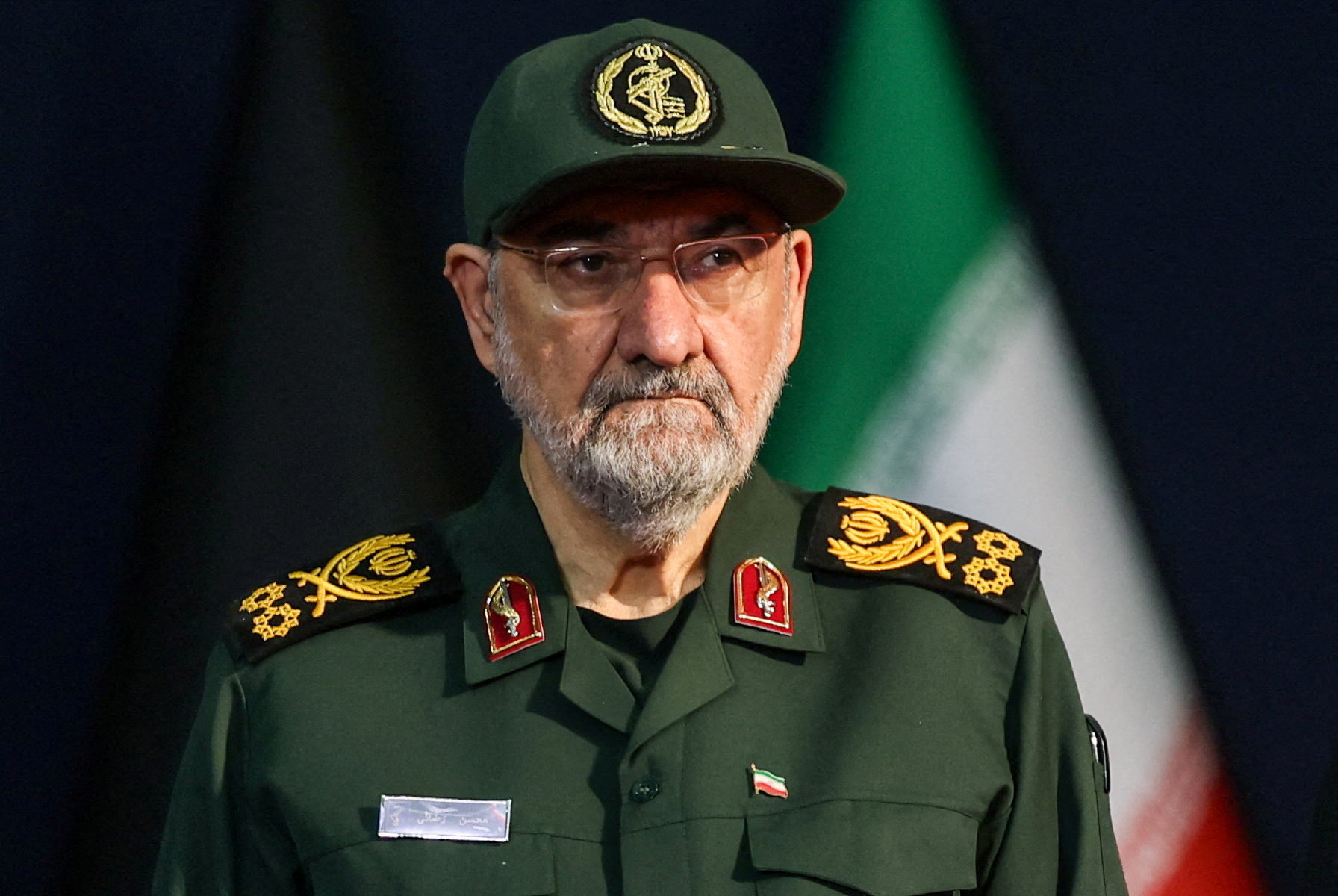
Mohsen Rezaei at the Helm of Iran’s Supreme National Security Council
Under Rezaei, the SNSC could prove constructive or paralyze strategic decision making.
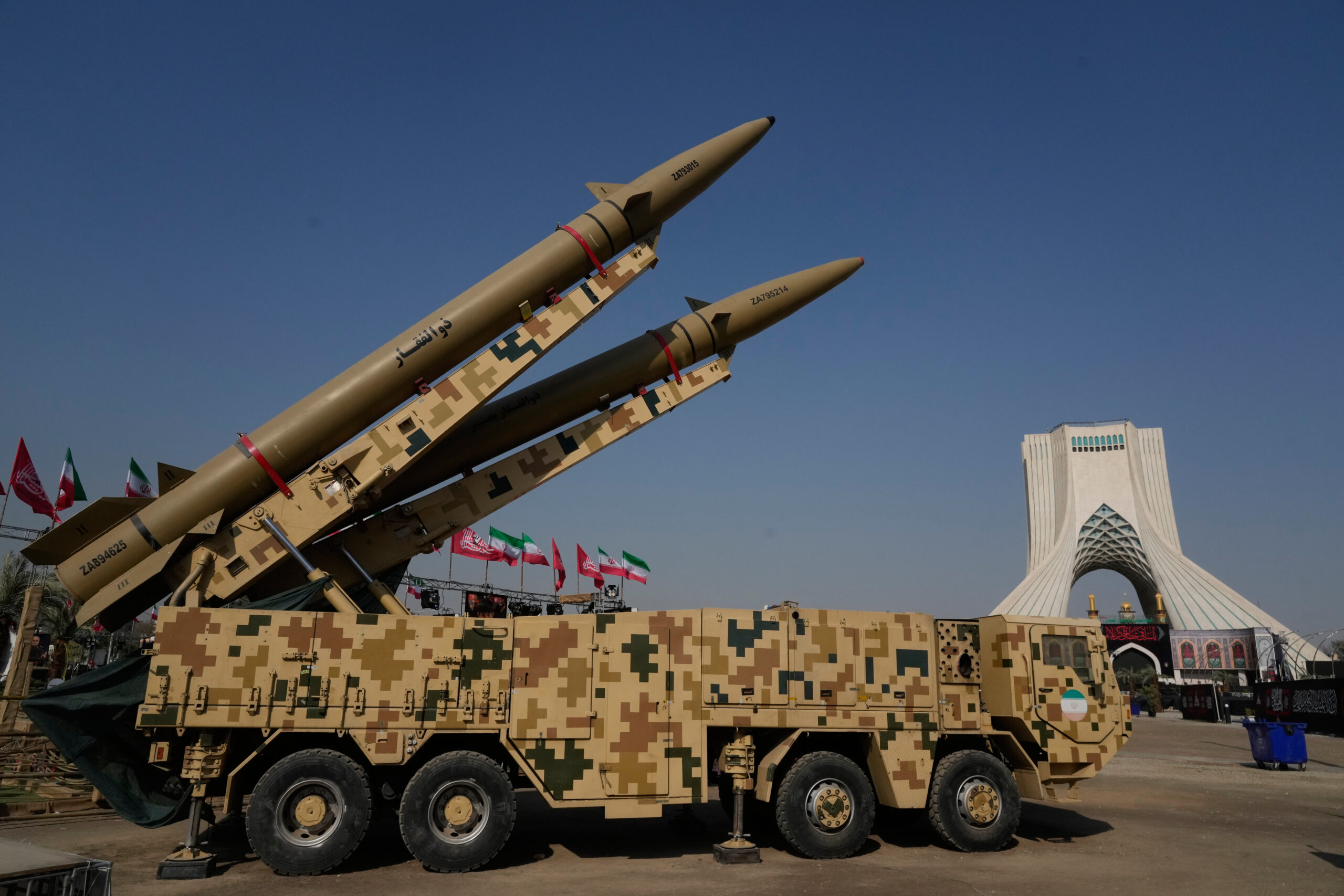
The Islamic Republic Returns to Offense
After U.S.-Israeli strikes killed Supreme Leader Ayatollah Ali Khamenei on February 28, Iran’s collective leadership has concluded that the best defense is a good offense.
Iran’s Collective Strategic Decision Making
Wartime pressure has temporarily aligned the leadership’s overriding interest in regime survival, even as its members continue to differ over the costs, methods, and ultimate objectives of the war.
Events
Oct 6, 2026
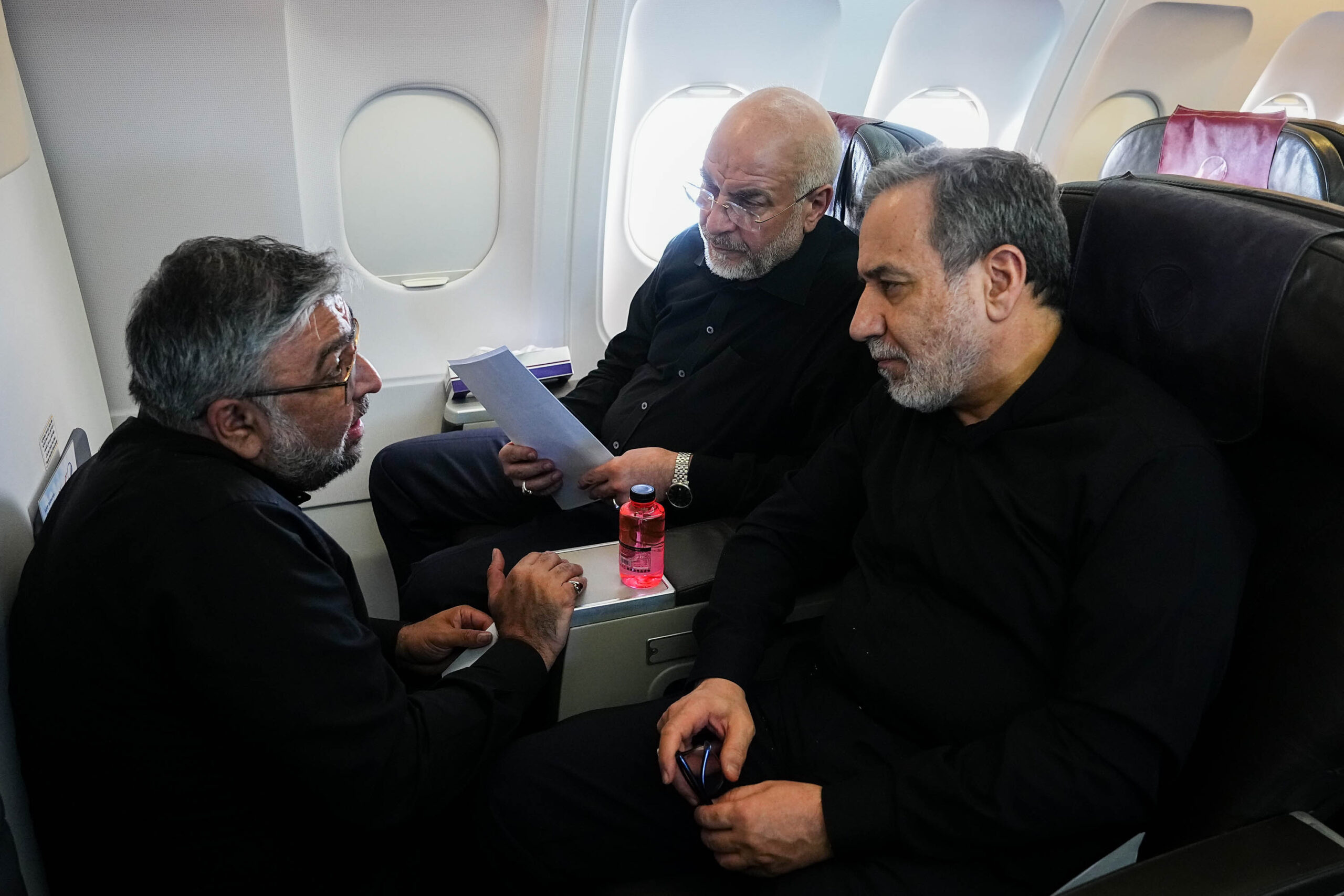
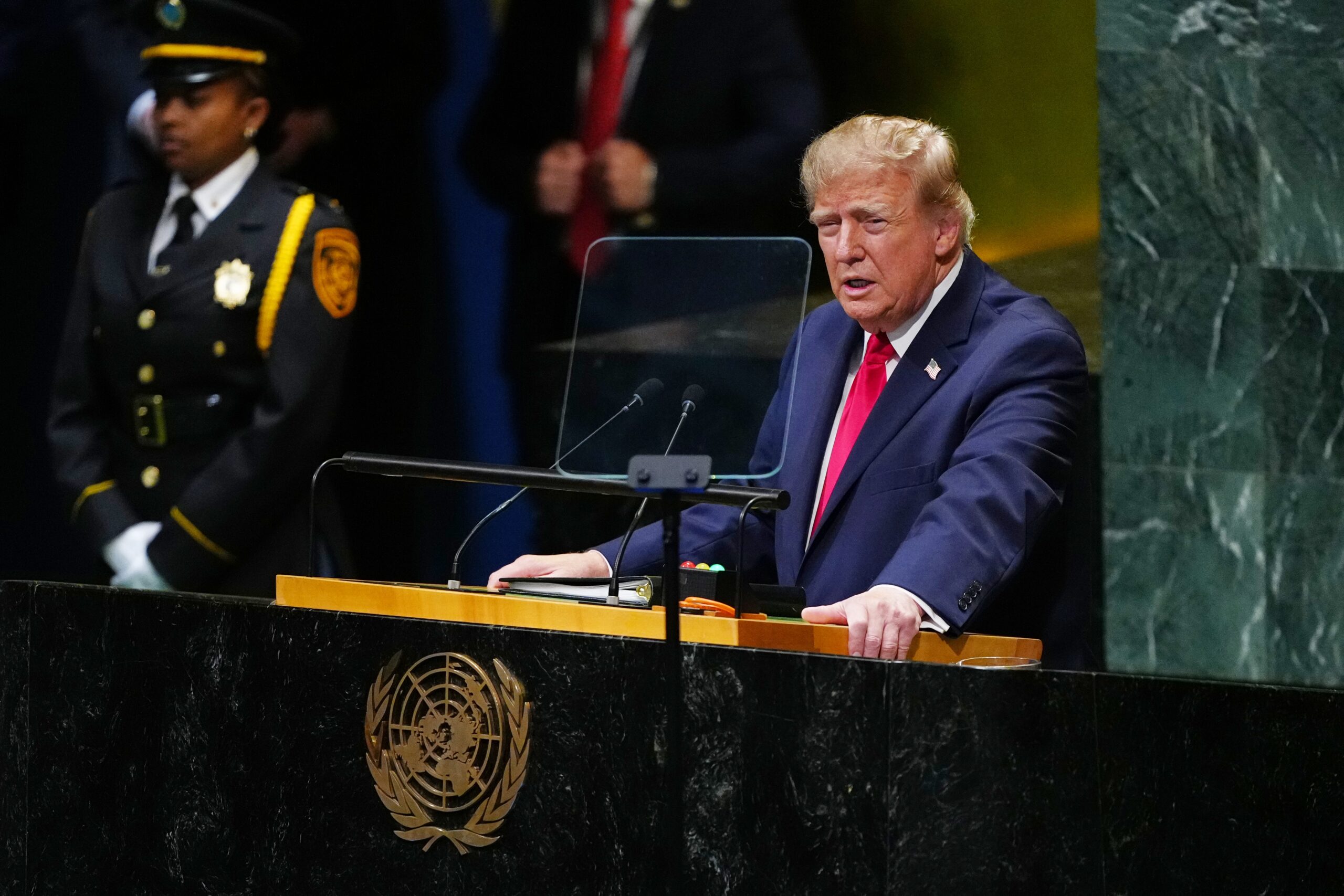
Is the U.S.-Iran Stalemate a “New Normal” or the Prelude to Another Explosion?
On October 6, AGSI hosted a discussion on the U.S.-Iran stalemate and the prospects for a cease-fire.
Speakers


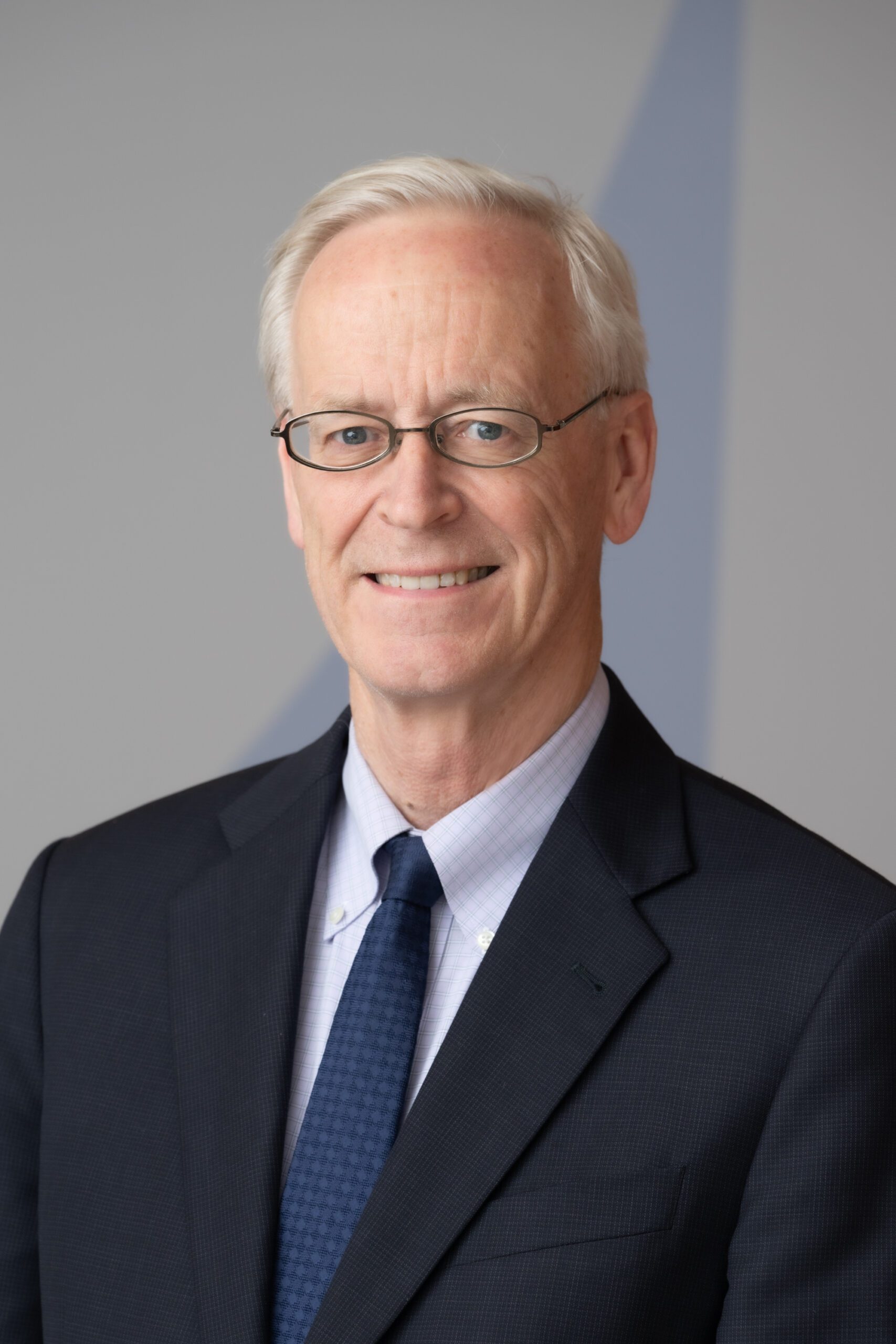
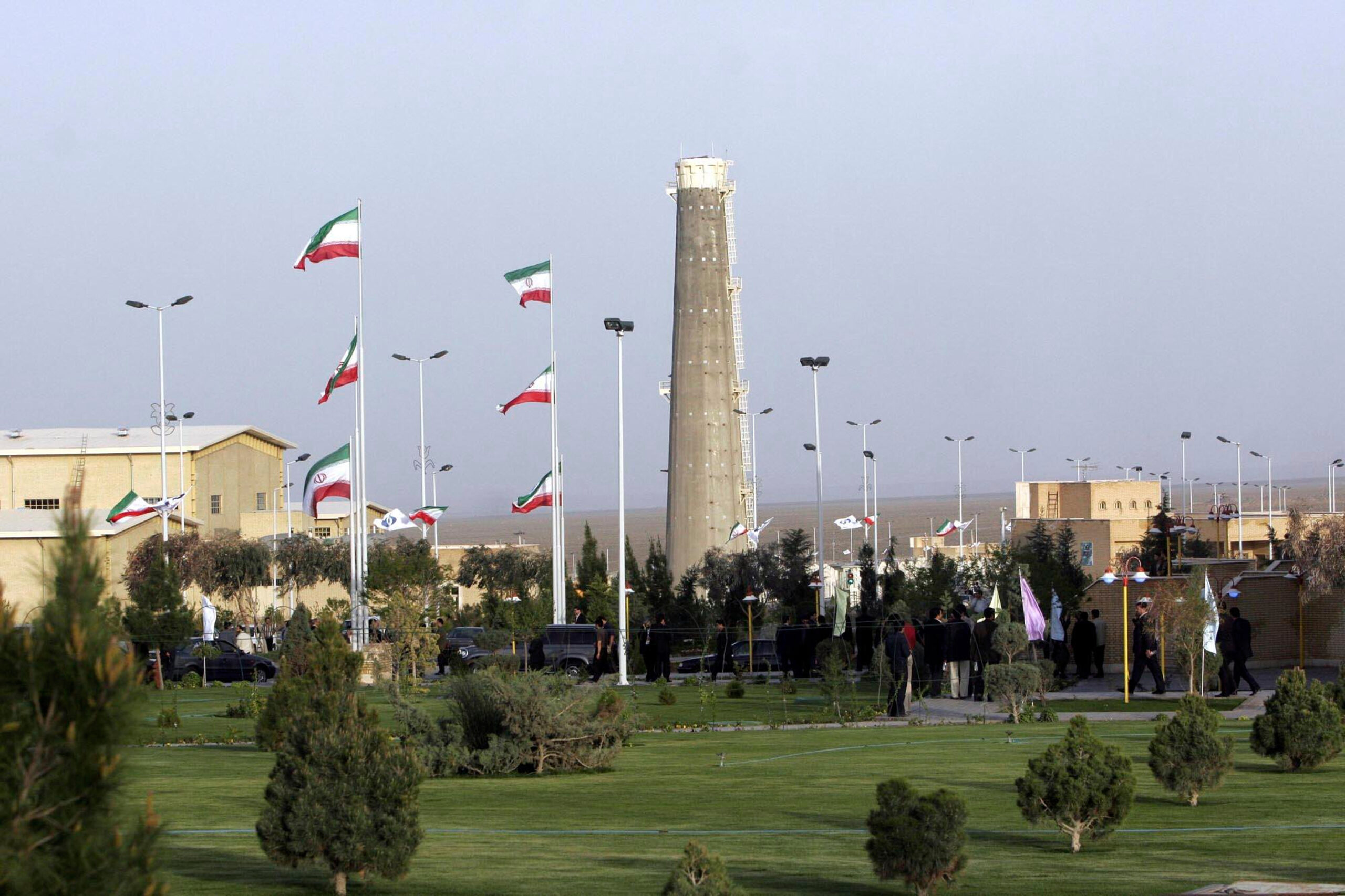
Book Talk: Iran and the Bomb: The United States, Iran and the Nuclear Question
On June 16, AGSI hosted a discussion on the evolution of Iran's nuclear program.
Speakers
Apr 21, 2026
Inside Iran’s Wartime Leadership: Power, Succession, and Regime Stability
On April 21, AGSI hosted a discussion on the evolution of Iran's leadership during the war.
Speakers

Mar 18, 2026
In Its Conflict With the United States and Israel, Does Escalation Favor Iran?
On March 18, AGSI hosted a discussion on the escalation of the Iran war.
Speakers