Oct 18, 2022
IRGC Chief Warns Saudi Arabia to Restrain Media Broadcasts to Iran
The October 18 edition of the Iran Media Review considers warnings to foreign media broadcasts to Iran.

A recently launched Islamic Revolutionary Guard Corps war game in Iran’s East Azerbaijan province was originally designed to message Tehran’s readiness to defend Armenia against Azerbaijan’s military advances in the Iran-Armenia border area. However, the focus of IRGC Chief Commander Major General Hossein Salami’s address at the war games was foreign media broadcasts to Iran. Salami primarily warned Saudi Arabia and, to some extent, the United States of consequences for, as the regime perceives it, inciting protests in Iran.
Salami’s concerns are real: Tired of Iran’s state-censored media, and enabled by technology, the Iranian public is increasingly turning to Persian-language foreign media broadcasts to Iran. For the time being, the London-based, and reportedly Saudi-funded, Iran International Persian-language television appears the most popular foreign broadcaster to Iran.
In his address, Salami claimed foreign powers turned to propaganda warfare after being defeated by Iran “on the ground.” Iran could have won the domestic audience by loosening the tight censorship, but incapable of or unwilling to do so, and defeated by Iran International television in propaganda warfare, Iran could very well turn to using force against Saudi Arabia.
- October 17: Discussing the media threats to the Islamic Republic, Salami said, according to the Islamic Republic News Agency: “The media activism of the enemy is proof of defeats dealt to them by Islamic Iran on the ground. This is why the enemy has chosen to fight Iran in cyberspace. They want to alienate the youth from Islam, history, and the regime, but in this realm too they have been defeated and these debacles continue … By ignoring the media mayhem, the youth of Islamic Iran gave a good answer. A few were deceived but will soon understand the realities. They must pay attention that the world-devouring America is intervening in the internal affairs of the Islamic Republic of Iran. It has sanctioned medicine and foodstuffs of our people and forced the world to do so. They don’t at all think of the freedom of the Iranian people, and our honor is of no importance to them.” Turning to Saudi leaders, Salami said: “They are overtly provoking our youth. I urge them to restrain their media. Otherwise, they will be harmed by it. They should know that they have entered this issue and know that they are vulnerable and ought to be careful.”
The views represented herein are the author's or speaker's own and do not necessarily reflect the views of AGSI, its staff, or its board of directors.
Related
Iran Media Review
Oct 14, 2022
The Regime’s First Real Scapegoat for Protests in Iran
The October 14 edition of the Iran Media Review examines responses to the regime’s chosen scapegoat.
Iran Media Review
Oct 11, 2022
The Time Bomb of Iran’s Teenage Rebellion
The October 11 edition of the Iran Media Review examines teenage participation in Iran’s ongoing protests.
Oct 14, 2022
The Regime’s First Real Scapegoat for Protests in Iran
The October 14 edition of the Iran Media Review examines responses to the regime’s chosen scapegoat.
Oct 11, 2022
The Time Bomb of Iran’s Teenage Rebellion
The October 11 edition of the Iran Media Review examines teenage participation in Iran’s ongoing protests.
Analysis
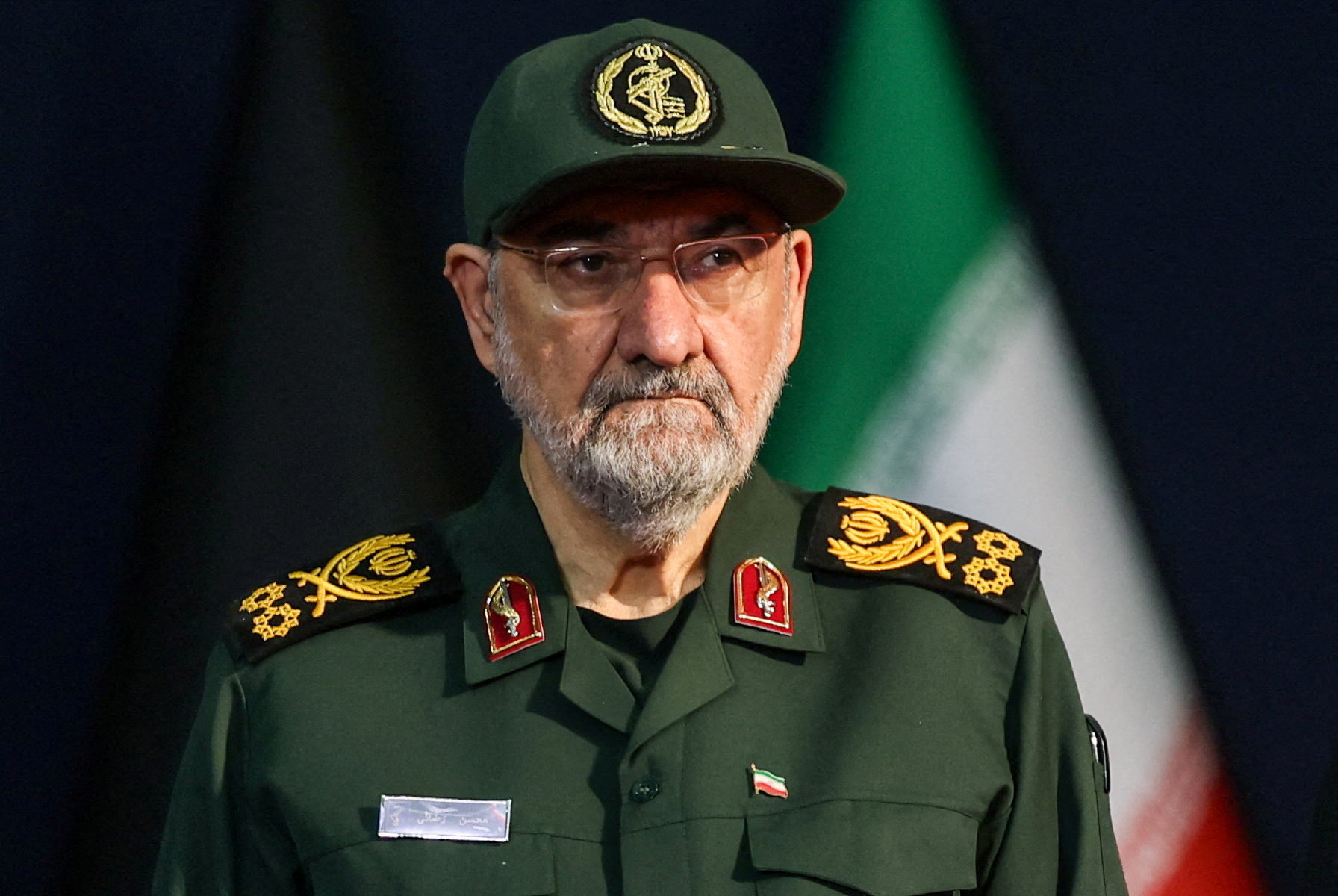
Mohsen Rezaei at the Helm of Iran’s Supreme National Security Council
Under Rezaei, the SNSC could prove constructive or paralyze strategic decision making.
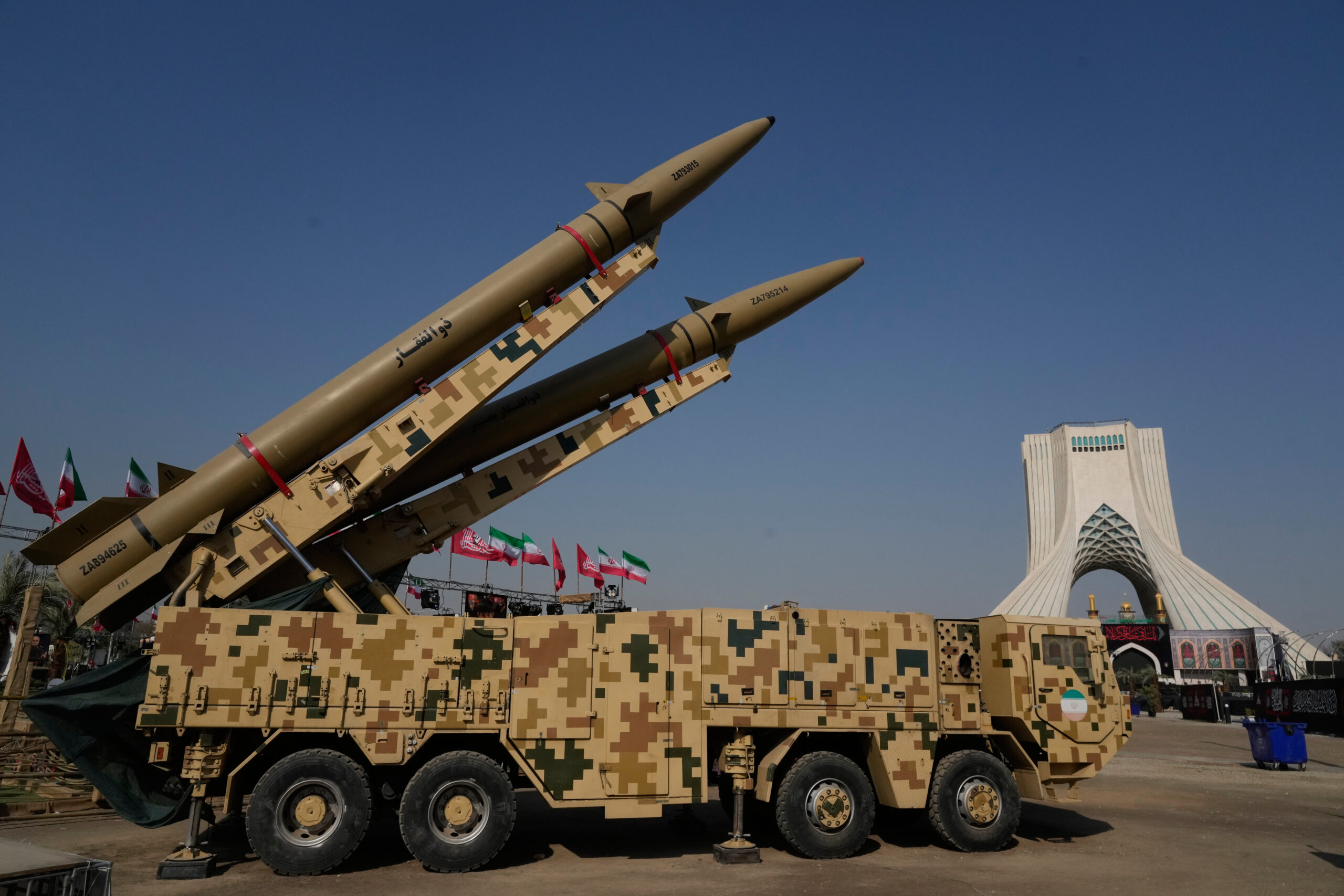
The Islamic Republic Returns to Offense
After U.S.-Israeli strikes killed Supreme Leader Ayatollah Ali Khamenei on February 28, Iran’s collective leadership has concluded that the best defense is a good offense.
Iran’s Collective Strategic Decision Making
Wartime pressure has temporarily aligned the leadership’s overriding interest in regime survival, even as its members continue to differ over the costs, methods, and ultimate objectives of the war.
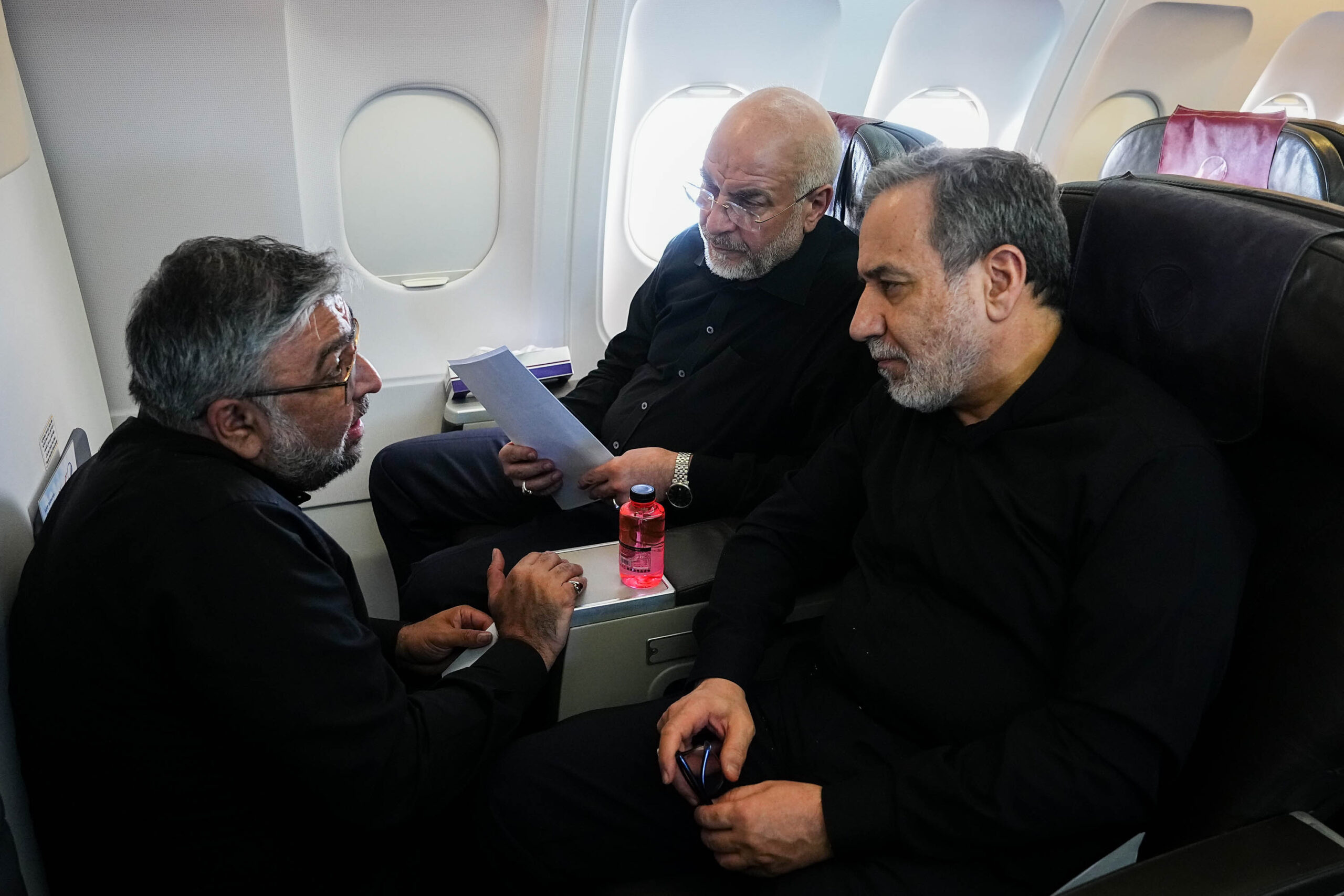
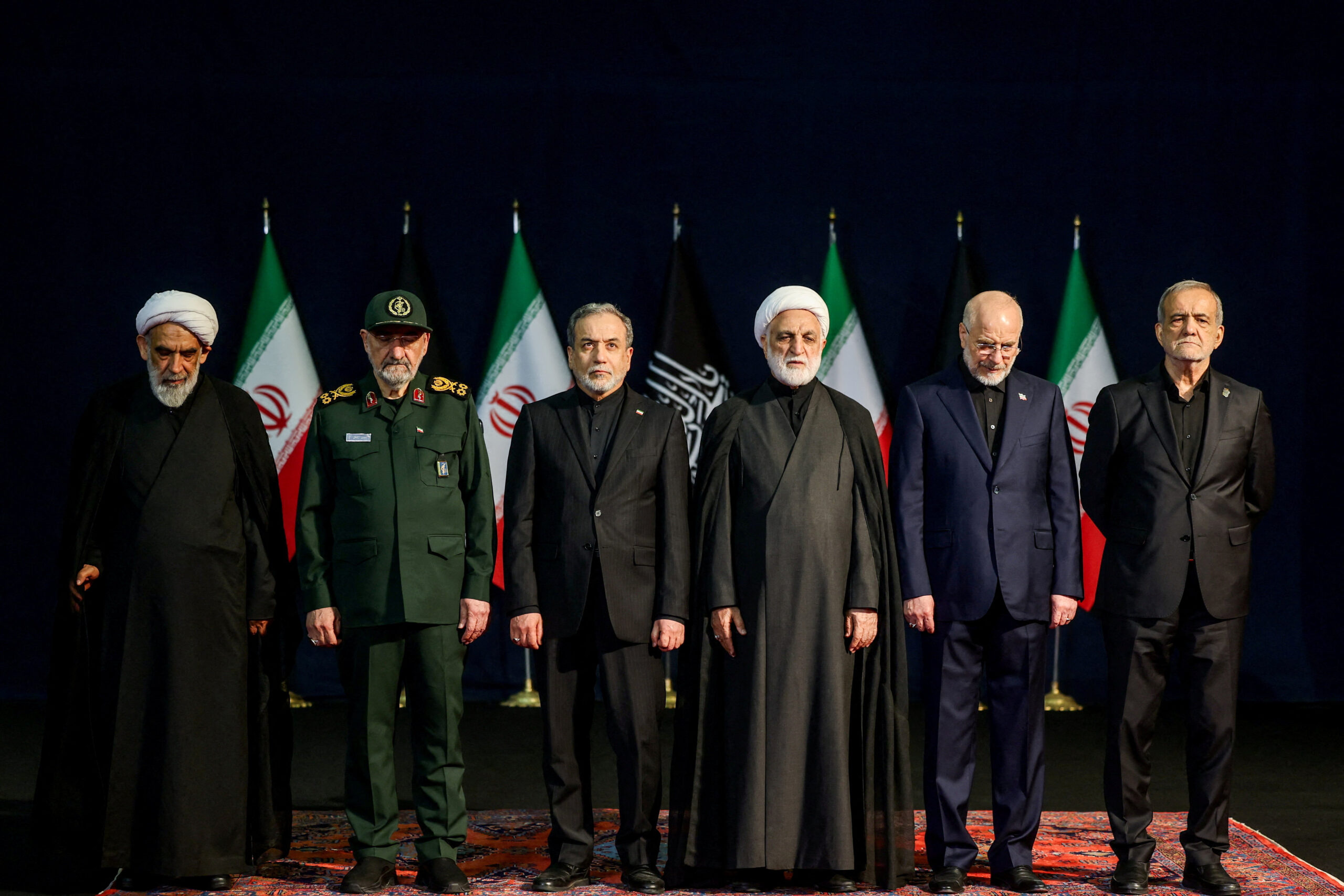
The Islamic Republic’s Collective Leadership
While there is historical precedent for collective leadership in Iran, today’s leadership includes representatives of the IRGC and regular military – a reflection of the IRGC’s expanding role and the necessities of governing under wartime conditions.
Events
Oct 6, 2026
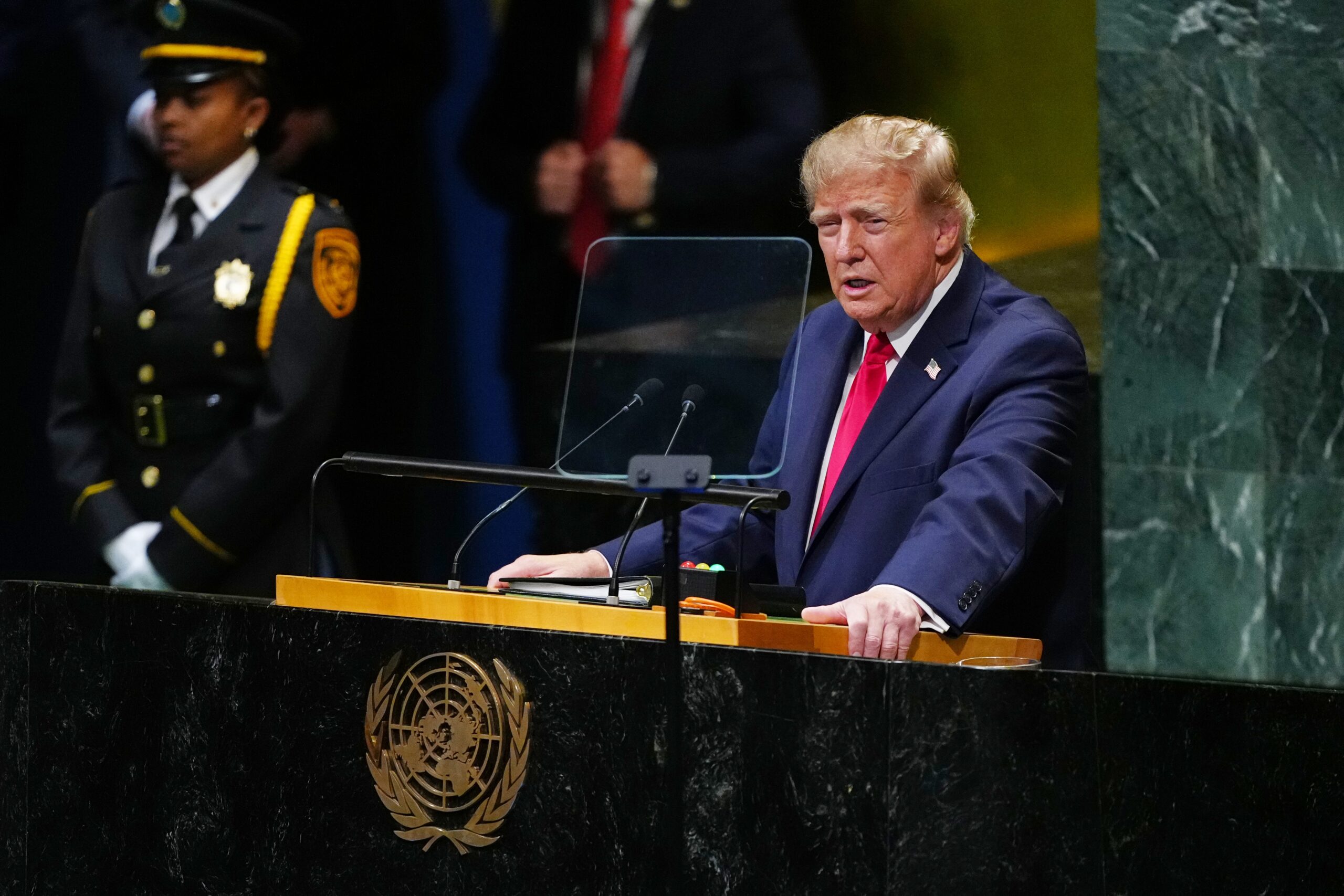
Is the U.S.-Iran Stalemate a “New Normal” or the Prelude to Another Explosion?
On October 6, AGSI hosted a discussion on the U.S.-Iran stalemate and the prospects for a cease-fire.
Speakers



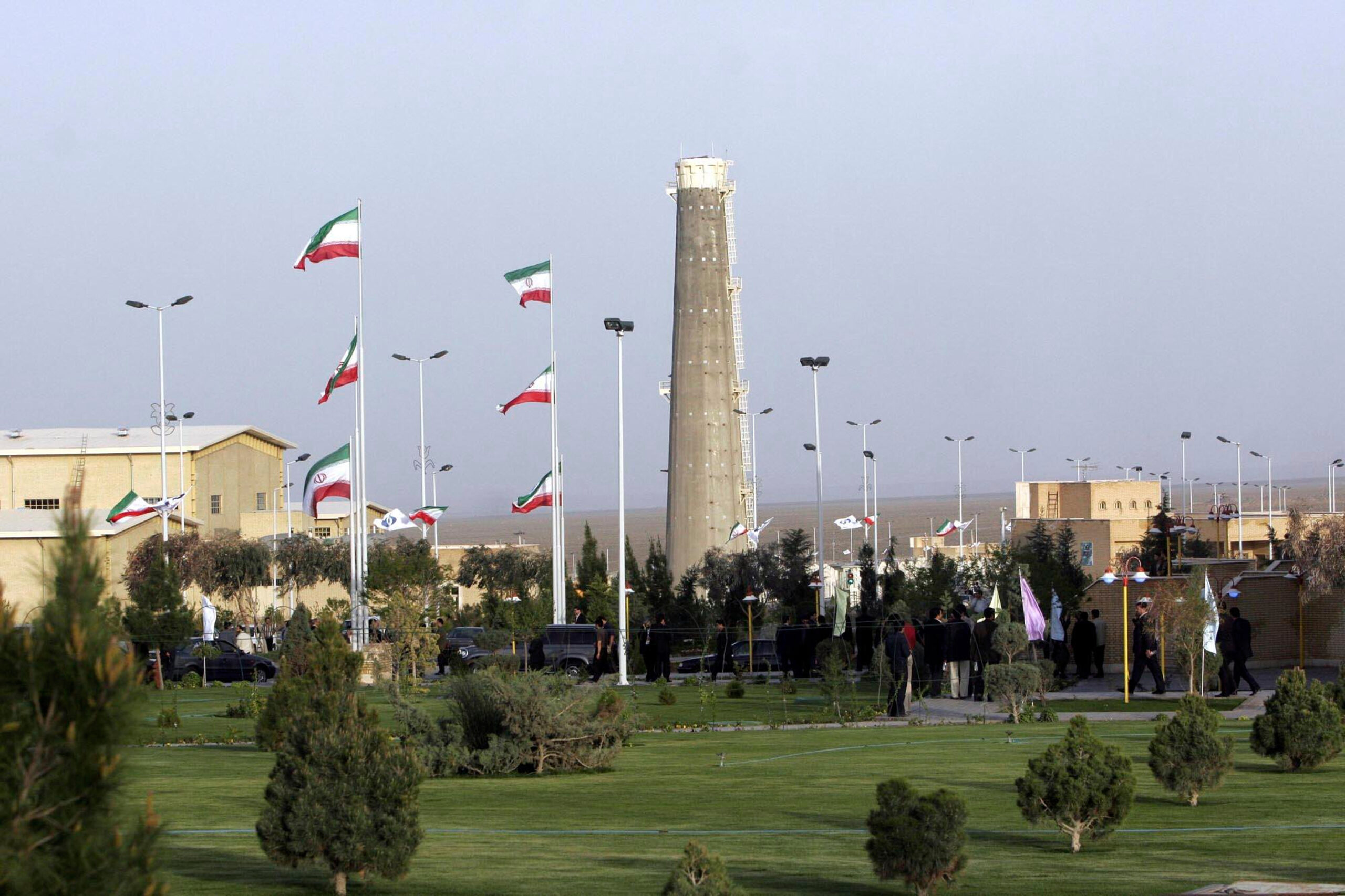
Book Talk: Iran and the Bomb: The United States, Iran and the Nuclear Question
On June 16, AGSI hosted a discussion on the evolution of Iran's nuclear program.
Speakers
Apr 21, 2026
Inside Iran’s Wartime Leadership: Power, Succession, and Regime Stability
On April 21, AGSI hosted a discussion on the evolution of Iran's leadership during the war.
Speakers

Mar 18, 2026
In Its Conflict With the United States and Israel, Does Escalation Favor Iran?
On March 18, AGSI hosted a discussion on the escalation of the Iran war.
Speakers