Jul 14, 2023
Boozing in Iran: “A Sense of First World Inclusion” and Protest
The July 14 edition of the Iran Media Review examines commentary on the root causes of alcohol consumption in Iran.

Since the 1979 revolution and establishment of the Islamic Republic, the production and consumption of alcoholic beverages has been prohibited to Iran’s Muslim population. Nevertheless, according to a World Health Organization report, recorded and unrecorded annual per capita alcohol consumption for Iranian males reached 1.9 liters in 2016. The WHO report, along with frequent reports of poisoning from homemade alcohol in the Iranian media, were discussed by sociologist Fardin Alikhah in Shargh Daily.
- July 8: In an interview with reformist Shargh Daily, Alikhah explained the main reasons behind alcohol consumption in Iran: “We have seen the drinking of alcoholic beverages in the years since the revolution, but I agree with you that in recent years, we have seen the spread of alcohol consumption to different social classes. The statistics may not be available, but according to the indicators, the trend is increasing and not decreasing … The reasons include a nostalgic longing for the past … When we Google the word ‘songs,’ the first search results refer to pre-revolution songs about drinking … So, drinking provides a nostalgic journey to the 1970s … Next, transgression is a source of pleasure. The truth is that we are living under abnormal circumstances. We face people and forces that interfere in all aspects of our daily life … There are no legal avenues for the expression of protest, which makes some people take pleasure in breaking norms. They think of drinking as an act of resistance against the government … This is clear on social media: When people raise their glasses, drinking is invariably coupled with cursing certain individuals in the executive branch of the government! Why? Because they are enjoying themselves and perceive joy as the opposite of what the government wishes for them! Thus, drinking becomes an act of opposition … Drinking is also an act of escapism … a source of prestige … but also a sense of first world inclusion … As a young man told me during an interview: ‘I can’t afford to migrate to Europe, so I am creating a small Europe for myself by drinking.’”
The views represented herein are the author's or speaker's own and do not necessarily reflect the views of AGSI, its staff, or its board of directors.
Related
Iran Media Review
Oct 16, 2026
Qalibaf’s New Equation: War, Negotiation, and Deterrence
The October 16 edition of the Iran Media Review highlights the call by Iran’s parliamentary speaker for a combination of war and negotiation to establish deterrence against further attacks on Iran.
Iran Media Review
Oct 13, 2026
From Neighbor to Target: Iranian Analysts on the UAE
The October 13 edition of the Iran Media Review explores calls by senior Iranian strategists for Iran to target the United Arab Emirates and Dubai’s airport.
Iran Media Review
Oct 9, 2026
Food Baskets for the Faithful Servants
The October 9 edition of the Iran Media Review considers Iranian media questions regarding aid distribution to government employees and the resentment building among Iranians left outside the circle.
Oct 16, 2026
Qalibaf’s New Equation: War, Negotiation, and Deterrence
The October 16 edition of the Iran Media Review highlights the call by Iran’s parliamentary speaker for a combination of war and negotiation to establish deterrence against further attacks on Iran.
Oct 13, 2026
From Neighbor to Target: Iranian Analysts on the UAE
The October 13 edition of the Iran Media Review explores calls by senior Iranian strategists for Iran to target the United Arab Emirates and Dubai’s airport.
Oct 9, 2026
Food Baskets for the Faithful Servants
The October 9 edition of the Iran Media Review considers Iranian media questions regarding aid distribution to government employees and the resentment building among Iranians left outside the circle.
Analysis
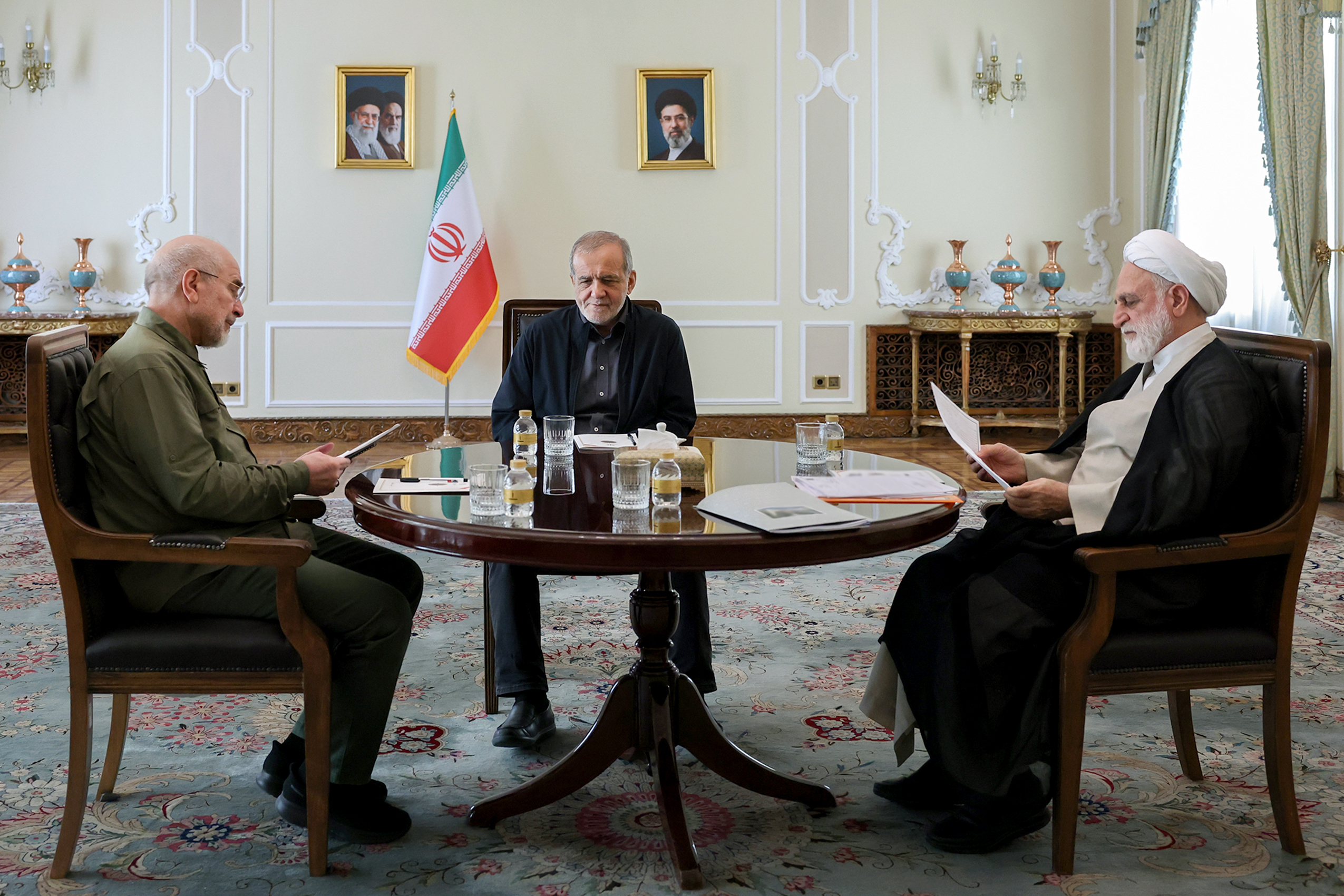
The Committee of Six and Strategic Decision Making in Iran
Remarks by Iran’s president offer a rare glimpse of how the Islamic Republic has adapted its decision making to the absence of its supreme leader.
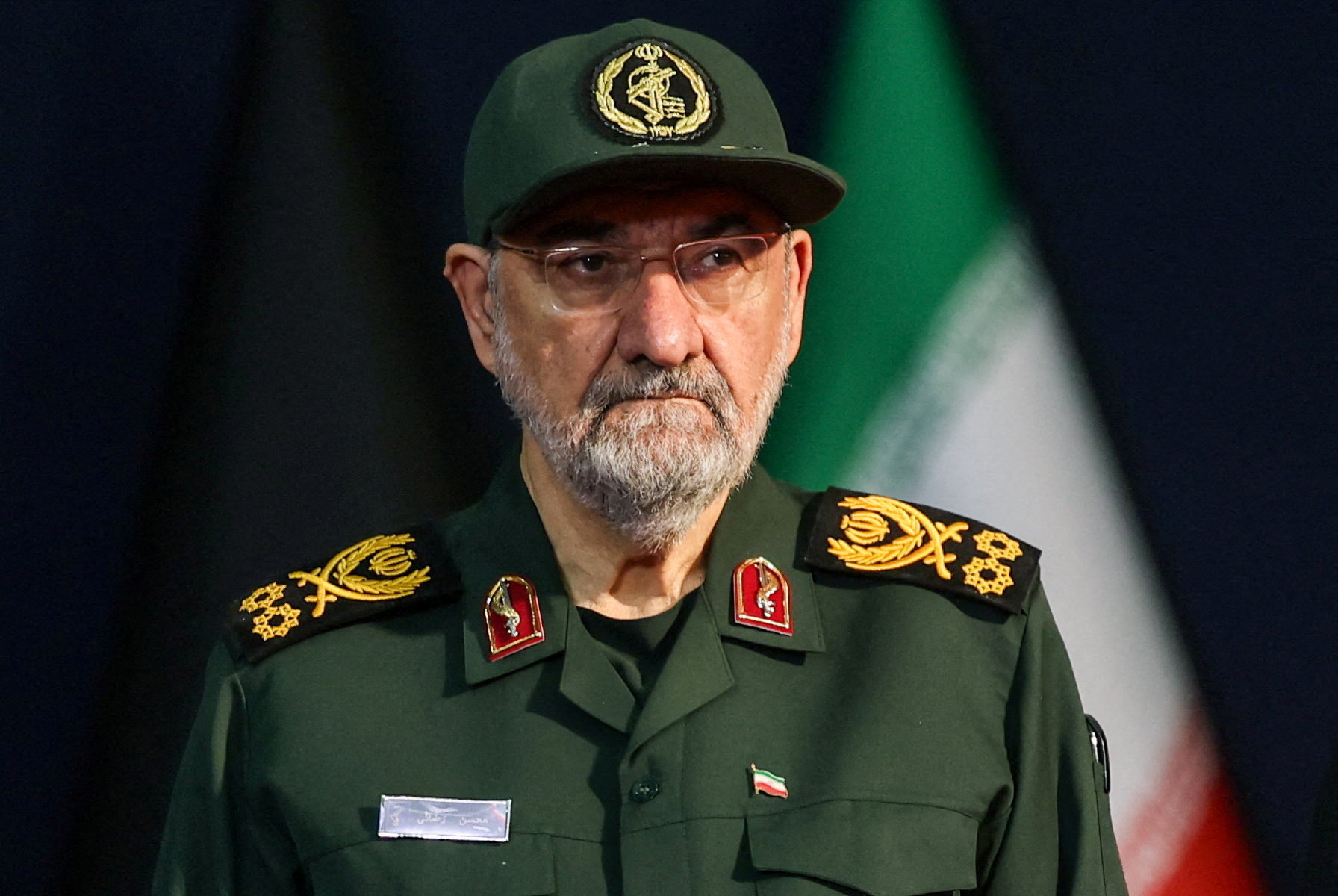
Mohsen Rezaei at the Helm of Iran’s Supreme National Security Council
Under Rezaei, the SNSC could prove constructive or paralyze strategic decision making.
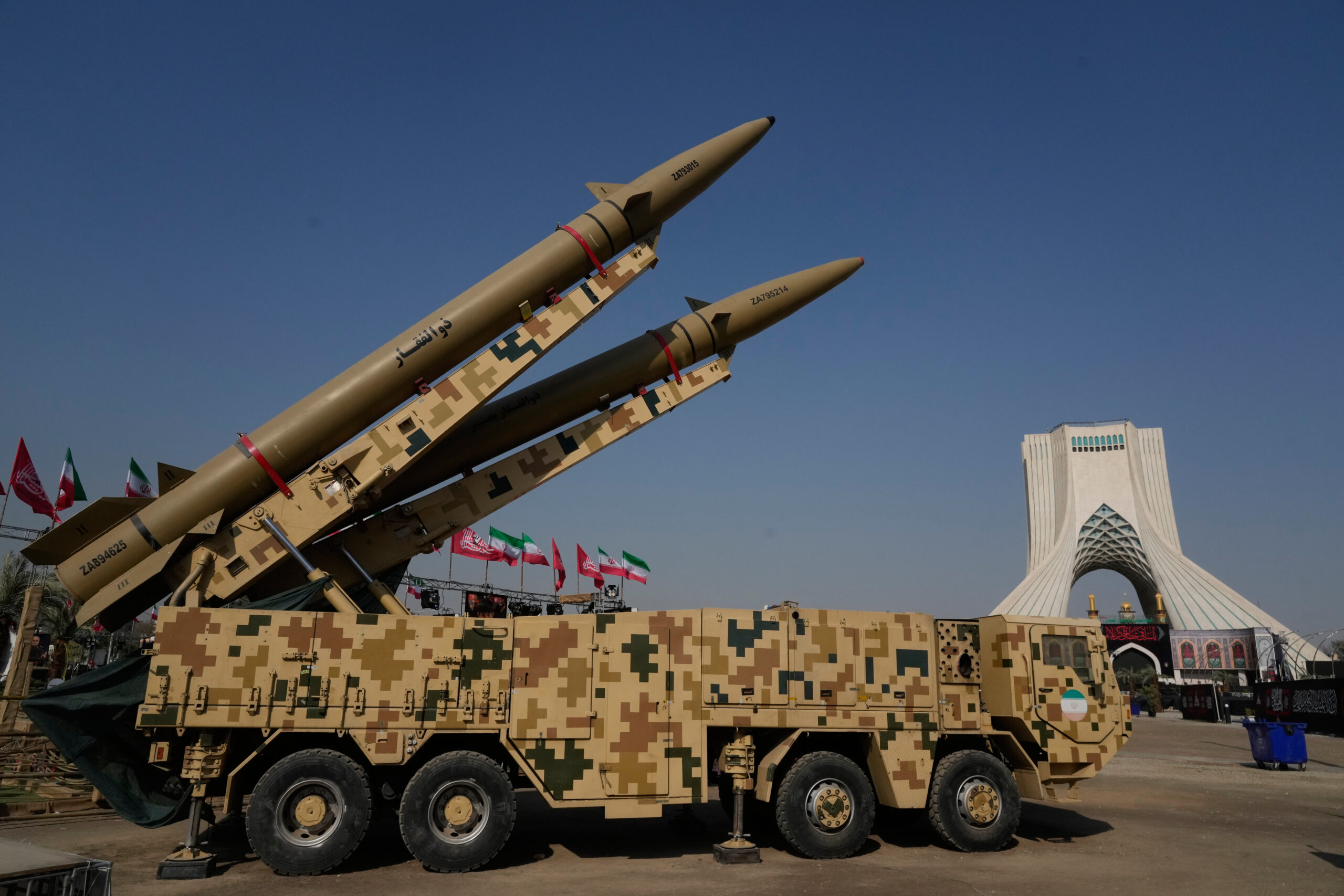
The Islamic Republic Returns to Offense
After U.S.-Israeli strikes killed Supreme Leader Ayatollah Ali Khamenei on February 28, Iran’s collective leadership has concluded that the best defense is a good offense.
Iran’s Collective Strategic Decision Making
Wartime pressure has temporarily aligned the leadership’s overriding interest in regime survival, even as its members continue to differ over the costs, methods, and ultimate objectives of the war.
Events
Oct 6, 2026
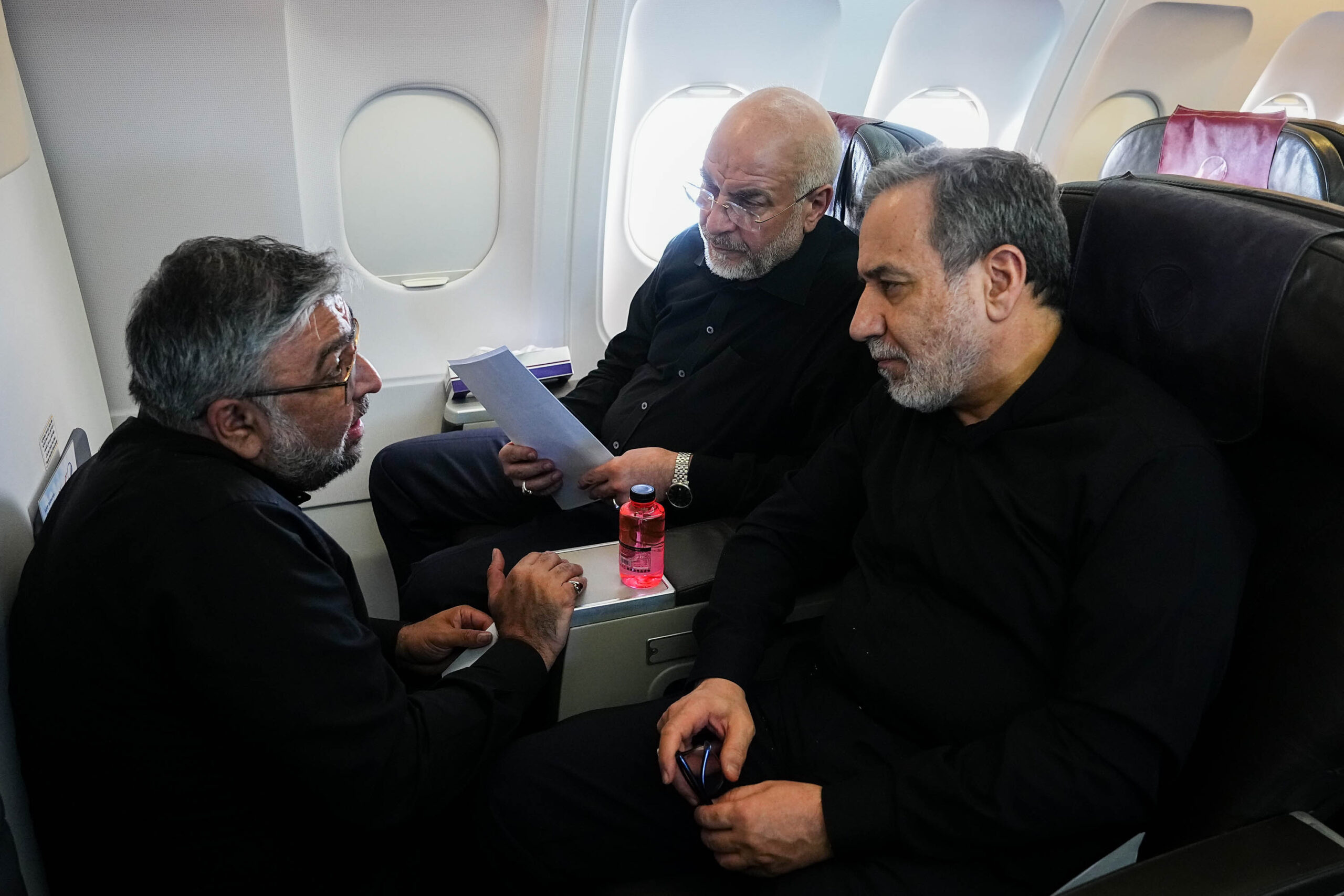
Is the U.S.-Iran Stalemate a “New Normal” or the Prelude to Another Explosion?
On October 6, AGSI hosted a discussion on the U.S.-Iran stalemate and the prospects for a cease-fire.
Speakers



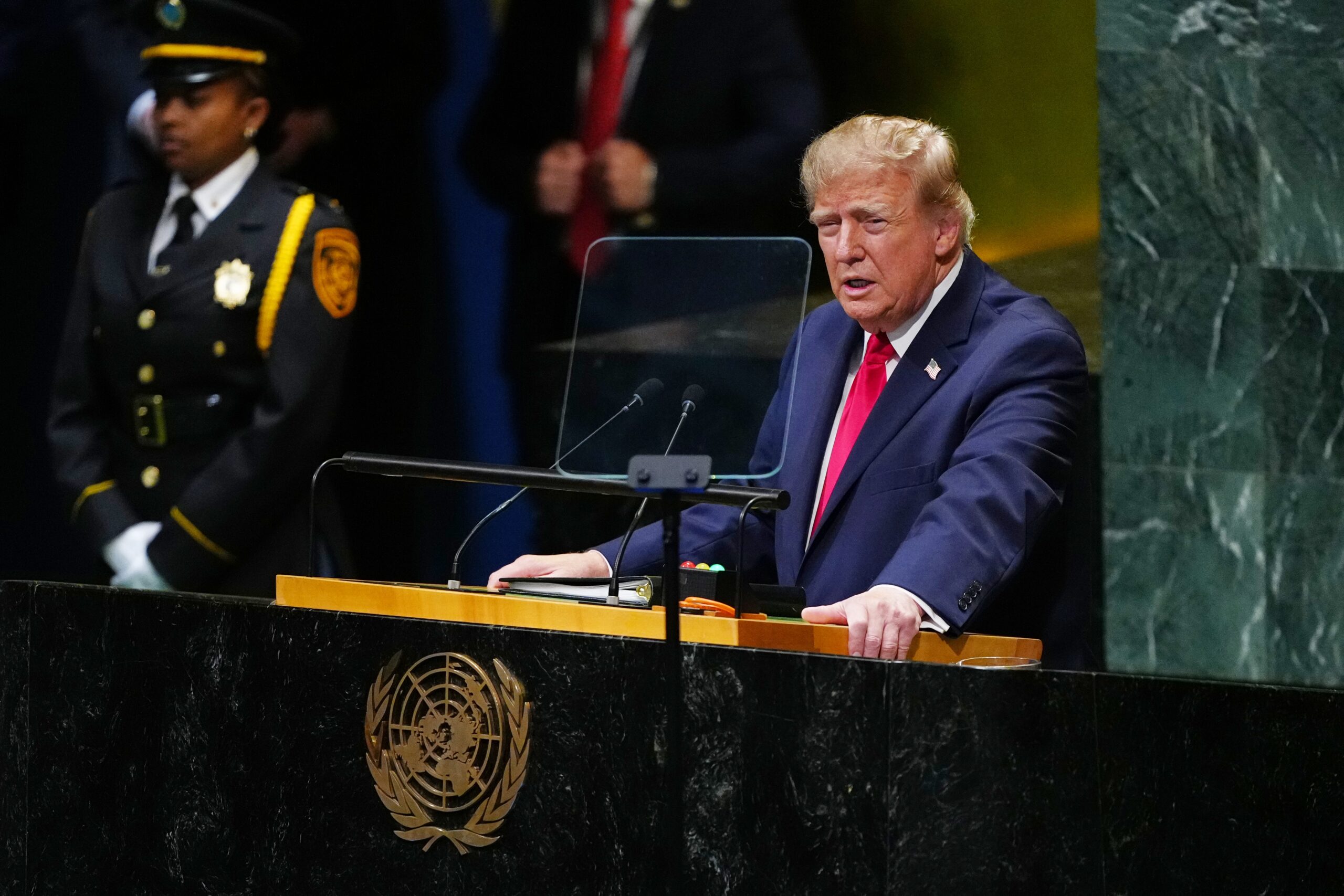
Book Talk: Iran and the Bomb: The United States, Iran and the Nuclear Question
On June 16, AGSI hosted a discussion on the evolution of Iran's nuclear program.
Speakers
Apr 21, 2026
Inside Iran’s Wartime Leadership: Power, Succession, and Regime Stability
On April 21, AGSI hosted a discussion on the evolution of Iran's leadership during the war.
Speakers

Mar 18, 2026
In Its Conflict With the United States and Israel, Does Escalation Favor Iran?
On March 18, AGSI hosted a discussion on the escalation of the Iran war.
Speakers