May 15, 2026
Tehran’s Warning to Arab States May Backfire
The May 15 edition of the Iran Media Review considers how an Iranian news agency’s warning to Gulf Arab states against further involvement in the U.S.-Israeli conflict with Iran may backfire.

In the wake of unconfirmed reports of Saudi Arabia’s and the United Arab Emirates’ engagement in retaliatory military operations against Iran, Supreme National Security Council mouthpiece Nour News Agency issued a new warning to Arab states against further involvement in the conflict. The warning, however, may be as counterproductive as Iran’s attacks on Gulf Arab states and consolidate an Arab alliance against Iran.
- Supreme National Security Council mouthpiece Nour News Agency in an article warned:
- “The Arab countries of the region must, with vigilance and a precise understanding of the situation, avoid becoming entangled in the crisis-manufacturing project of the United States and Zionist regime; continued reliance on promises and submission to Trump’s pressures will result in nothing but the intensification of the crisis and increased security, political, and economic costs for the entire region.”
- “The published reports, on the one hand, constitute proof of the legitimacy of Iran’s positions regarding the Strait of Hormuz and the restrictions imposed on energy transportation and these countries’ trade relations with their crisis-creating partners; and on the other hand, they demonstrate that, in the event of any aggression or adventurism by the United States and Zionist regime, these countries will become legitimate targets for Iranian missiles and drones.”
- “These countries must understand that buying time for the aggressors to rebuild their military capabilities, while Iran and regional public opinion are drawn into an artificial Iranian-Arab confrontation, cannot provide any lasting service to Trump; Iran’s armed forces are in a state of complete readiness and will respond to any aggression from any source with the most crushing and unpredictable defensive and military strategies.”
The views represented herein are the author's or speaker's own and do not necessarily reflect the views of AGSI, its staff, or its board of directors.
Related
Iran Media Review
May 12, 2026
What Did Iran Offer Trump?
The May 12 edition of the Iran Media Review considers Iranian reporting on the contents of the latest Iranian proposal to end the war with the United States.
Iran Media Review
May 8, 2026
The World According to an IRGC Strategist
The May 8 edition of the Iran Media Review analyzes an interview with an IRGC strategist about the war and Iranian relations with the United States.
Iran Media Review
May 5, 2026
The UAE Targeted by Iran’s State-Censored Media and Armed Drones
The May 5 edition of the Iran Media Review examines Iranian media messaging threatening the United Arab Emirates.
May 12, 2026
What Did Iran Offer Trump?
The May 12 edition of the Iran Media Review considers Iranian reporting on the contents of the latest Iranian proposal to end the war with the United States.
May 8, 2026
The World According to an IRGC Strategist
The May 8 edition of the Iran Media Review analyzes an interview with an IRGC strategist about the war and Iranian relations with the United States.
May 5, 2026
The UAE Targeted by Iran’s State-Censored Media and Armed Drones
The May 5 edition of the Iran Media Review examines Iranian media messaging threatening the United Arab Emirates.
Analysis
The Islamic Republic Returns to Offense
After U.S.-Israeli strikes killed Supreme Leader Ayatollah Ali Khamenei on February 28, Iran’s collective leadership has concluded that the best defense is a good offense.
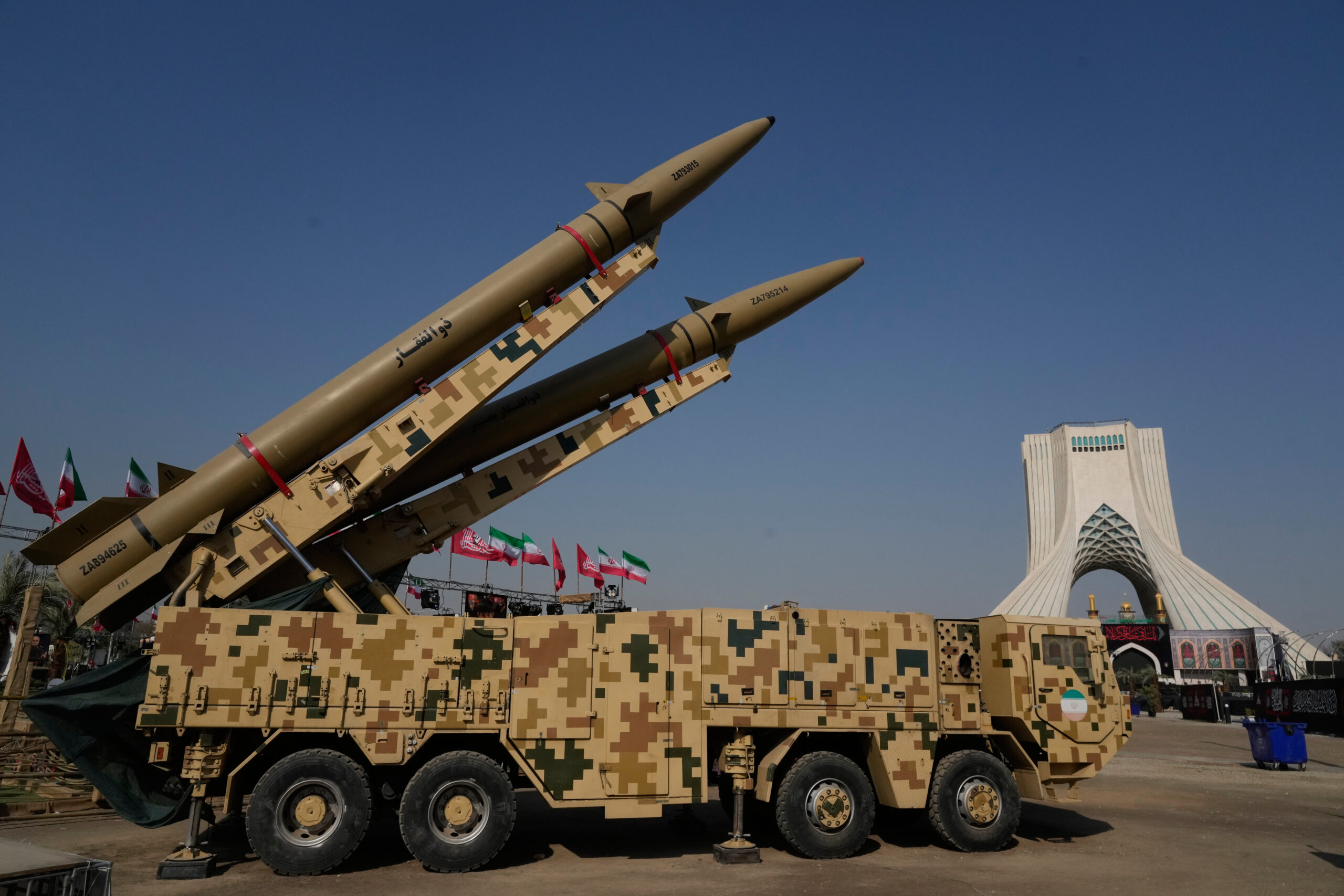
Iran’s Collective Strategic Decision Making
Wartime pressure has temporarily aligned the leadership’s overriding interest in regime survival, even as its members continue to differ over the costs, methods, and ultimate objectives of the war.
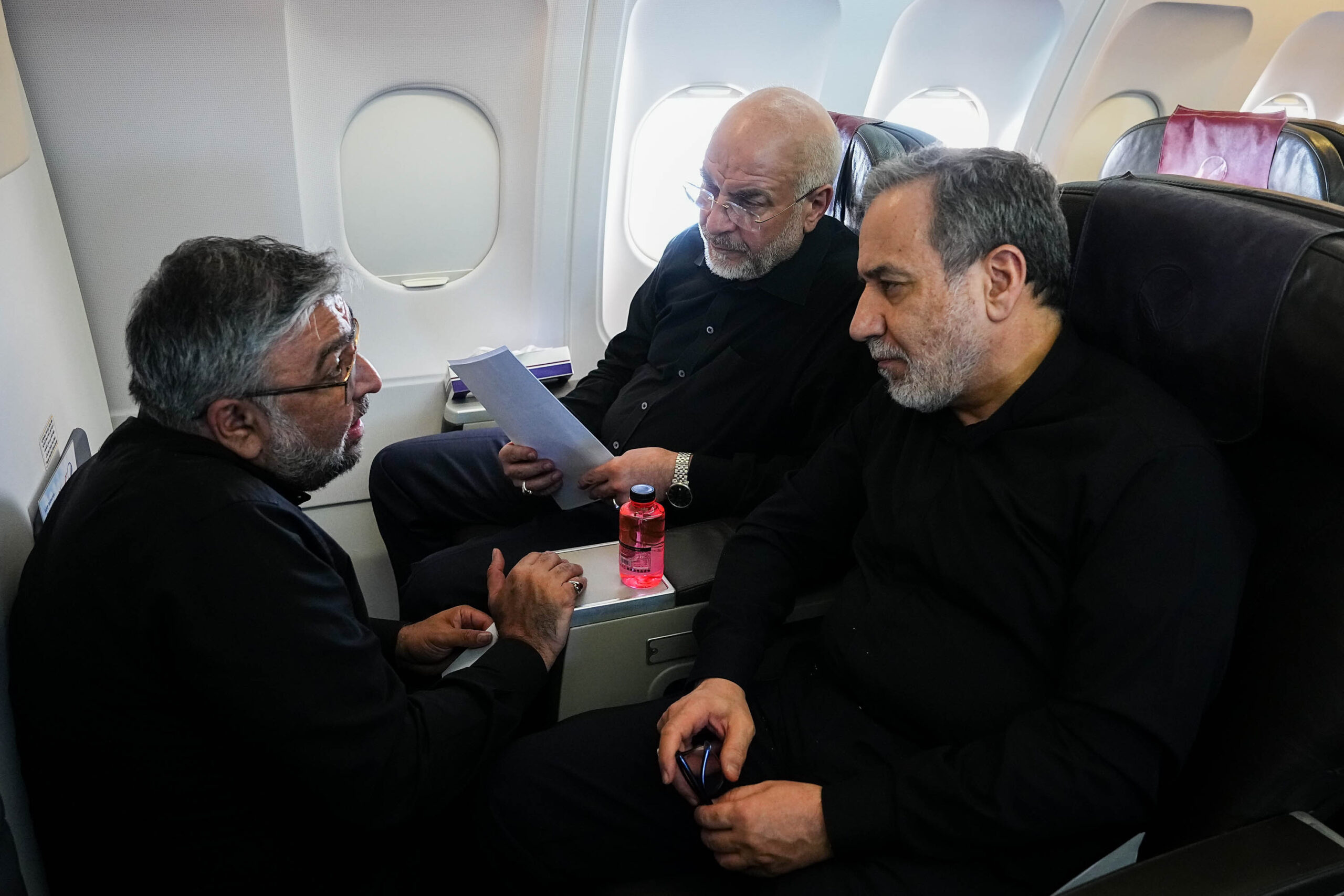
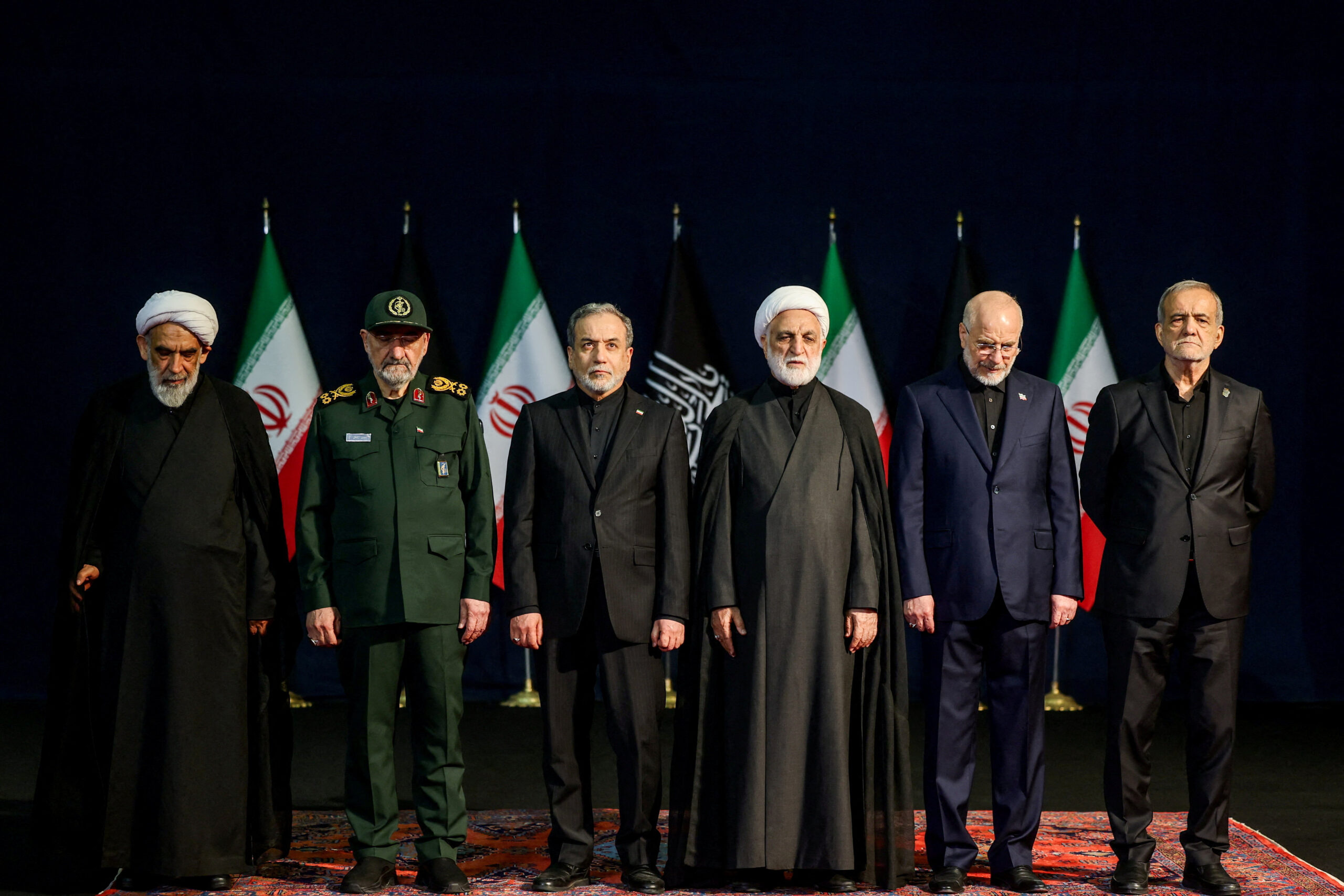
The Islamic Republic’s Collective Leadership
While there is historical precedent for collective leadership in Iran, today’s leadership includes representatives of the IRGC and regular military – a reflection of the IRGC’s expanding role and the necessities of governing under wartime conditions.
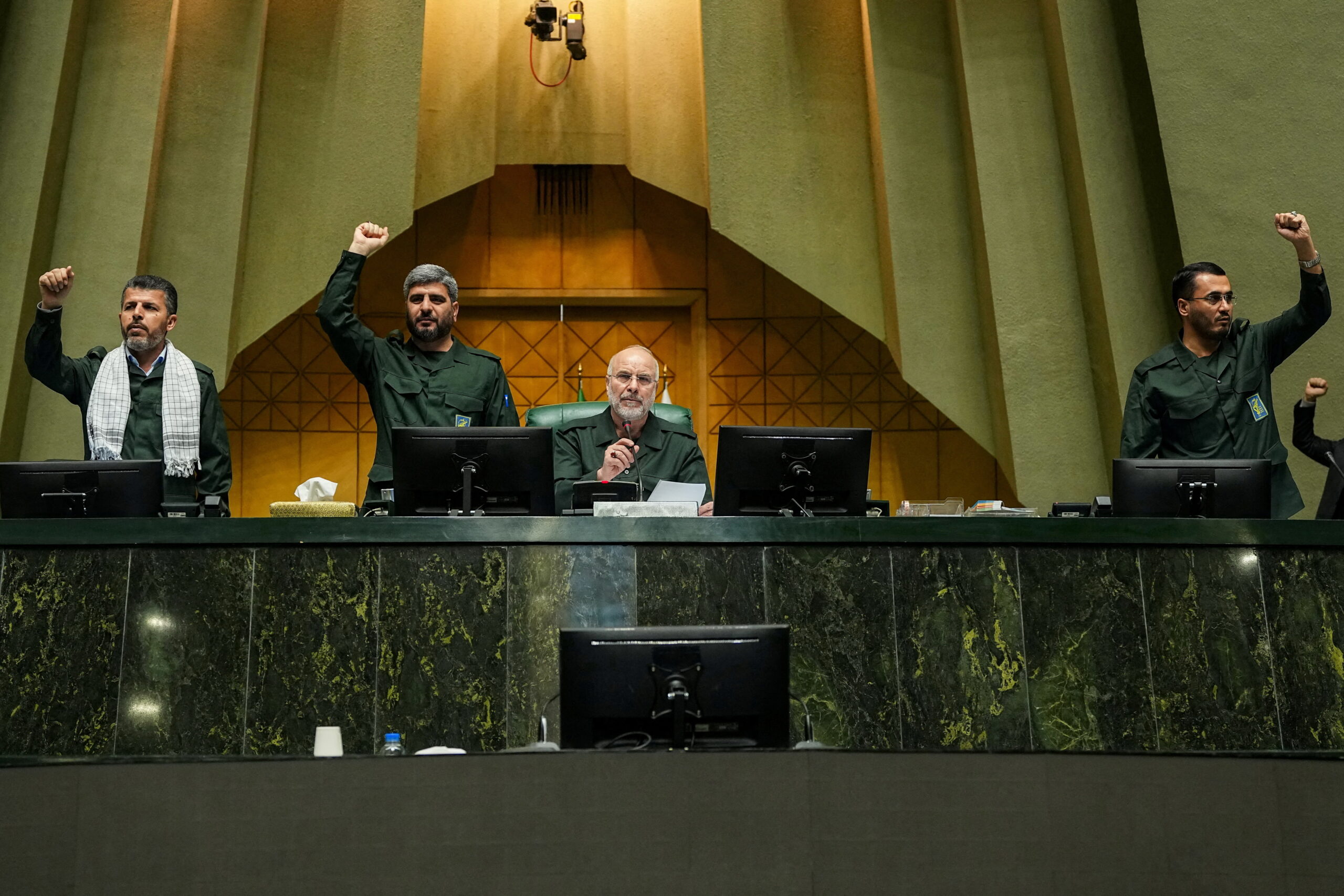
How Did the IRGC Seize Power in Iran?
The IRGC did not seize power in a single stroke. It accumulated it – patiently, methodically – until no counterweight remained.
Events
Book Talk: Iran and the Bomb: The United States, Iran and the Nuclear Question
On June 16, AGSI hosted a discussion on the evolution of Iran's nuclear program.
Speakers


Apr 21, 2026
Inside Iran’s Wartime Leadership: Power, Succession, and Regime Stability
On April 21, AGSI hosted a discussion on the evolution of Iran's leadership during the war.
Speakers

Mar 18, 2026
In Its Conflict With the United States and Israel, Does Escalation Favor Iran?
On March 18, AGSI hosted a discussion on the escalation of the Iran war.
Speakers



Mar 2, 2026
After the Shock: Implications of the U.S.–Israeli Strikes and Iran’s Leadership Transition
On March 2, AGSI hosted a discussion on the U.S.-Israeli strikes on Iran.
Speakers