Hussein Ibish is a senior resident scholar at the Arab Gulf States Institute. He is a former columnist for The National (UAE) and Bloomberg, regular contributor to The Atlantic and The Daily Beast, and frequent contributor to many other U.S. and Middle Eastern publications. He has made thousands of radio and television appearances and was the Washington, DC correspondent for the Daily Star (Beirut). Many of Ibish’s articles are archived on his Ibishblog website.
His most recent book is What’s Wrong with the One-State Agenda? Why Ending the Occupation and Peace with Israel is Still the Palestinian National Goal (ATFP, 2009). Ibish was included in all three years (2011, 2012, and 2013) of Foreign Policy’s “Twitterati 100,” the magazine’s list of 100 “must-follow” Twitter feeds on foreign policy.
Ibish is the editor and principal author of three major studies of Hate Crimes and Discrimination against Arab Americans 1998-2000 (ADC, 2001), Sept. 11, 2001-Oct. 11, 2002 (ADC, 2003), and 2003-2007 (ADC, 2008). He is also the author of “At the Constitution’s Edge: Arab Americans and Civil Liberties in the United States” in States of Confinement (St. Martin’s Press, 2000), “Anti-Arab Bias in American Policy and Discourse” in Race in 21st Century America (Michigan State University Press, 2001), “Race and the War on Terror,” in Race and Human Rights (Michigan State University Press, 2005) and “Symptoms of Alienation: How Arab and American Media View Each Other“ in Arab Media in the Information Age (ECSSR, 2005). He wrote, along with Ali Abunimah, “The Palestinian Right of Return” (ADC, 2001) and “The Media and the New Intifada” in The New Intifada (Verso, 2001). He is the editor, along with Saliba Sarsar, of Principles and Pragmatism (ATFP, 2006).
Ibish previously served as a senior fellow at the American Task Force on Palestine, and executive director of the Hala Salaam Maksoud Foundation for Arab-American Leadership from 2004-09. From 1998-2004, Ibish served as communications director for the American-Arab Anti-Discrimination Committee. He has a PhD in comparative literature from the University of Massachusetts, Amherst.
Analysis
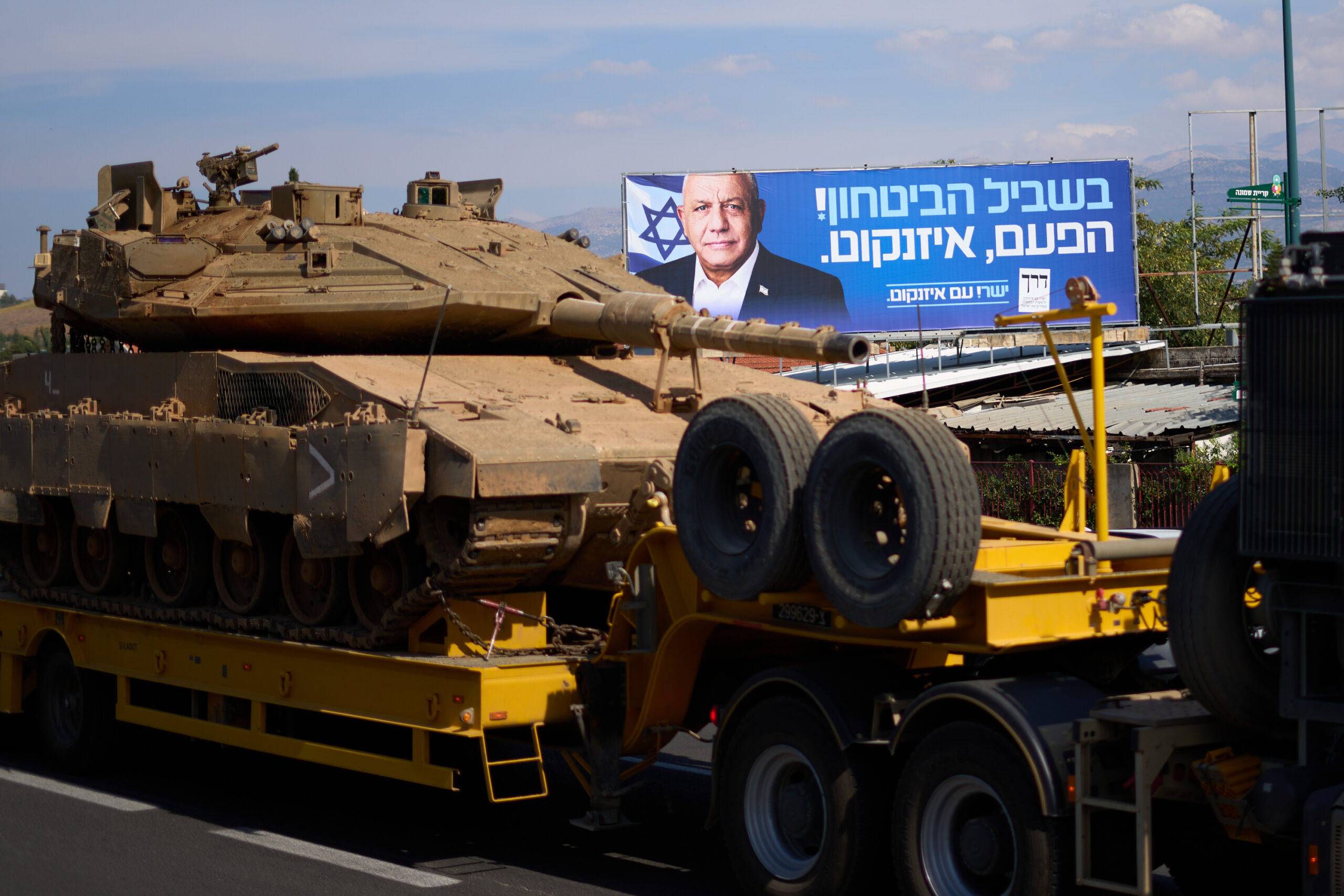
Israeli Politics Can’t Address International, Especially Saudi, Concerns
Policies that prevent Saudi Arabia from pursuing diplomatic normalization and are fueling alienation in large parts of the West seem to reflect a Jewish consensus in Israel.

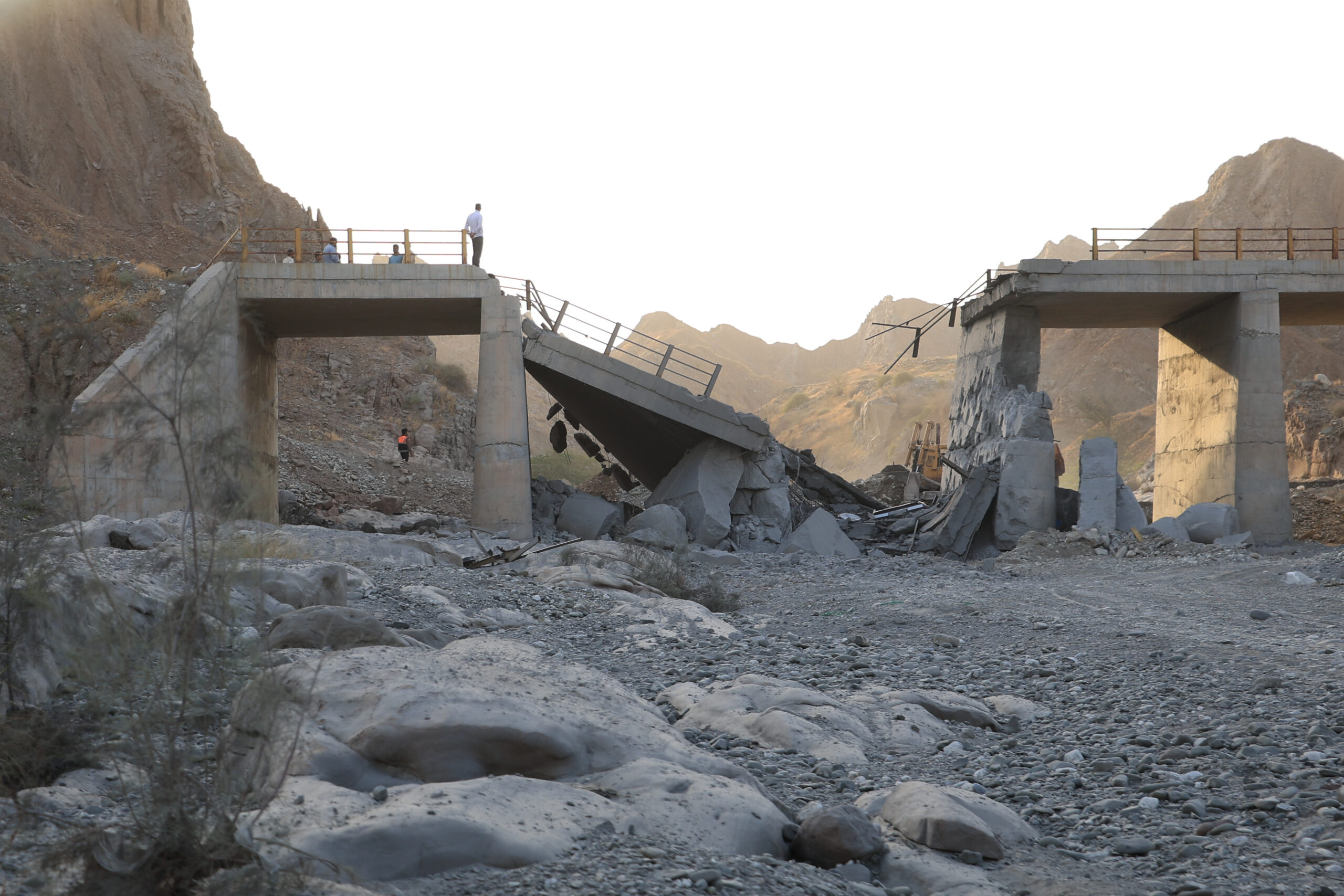
Trump’s Impossible Dilemma: Return To War With Iran or Not?
President Trump has led the United States into an impossible dilemma in which resuming and intensifying the war presents one set of alarming consequences while ending it under current circumstances offers at least as many disasters for Washington.
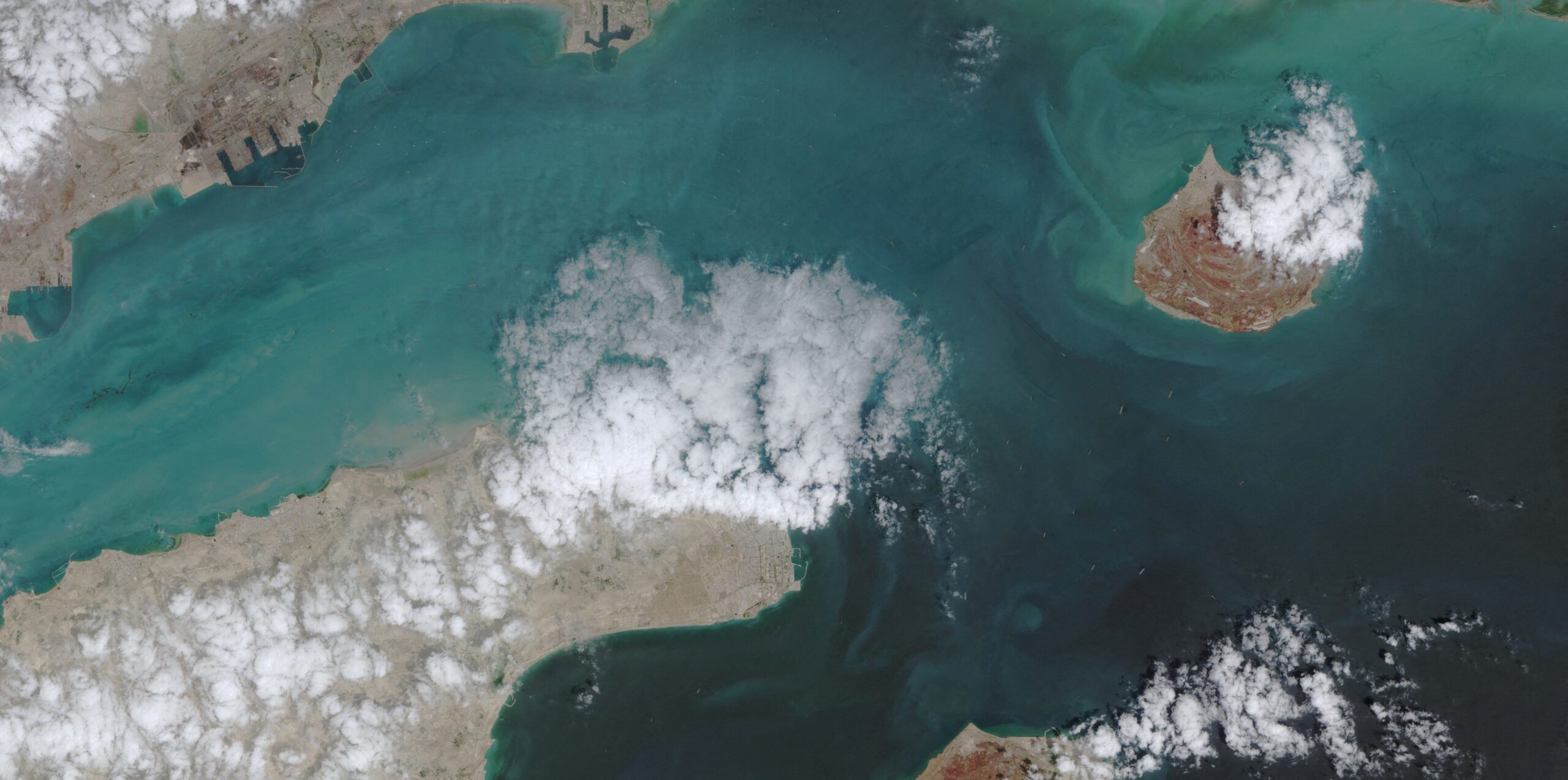
Will “Hormuz” be the American “Suez”?
The Trump administration has positioned the United States at a crossroads between a new regime of containment against Iran or a historic drawdown of U.S. influence in the Gulf and broader Middle East.
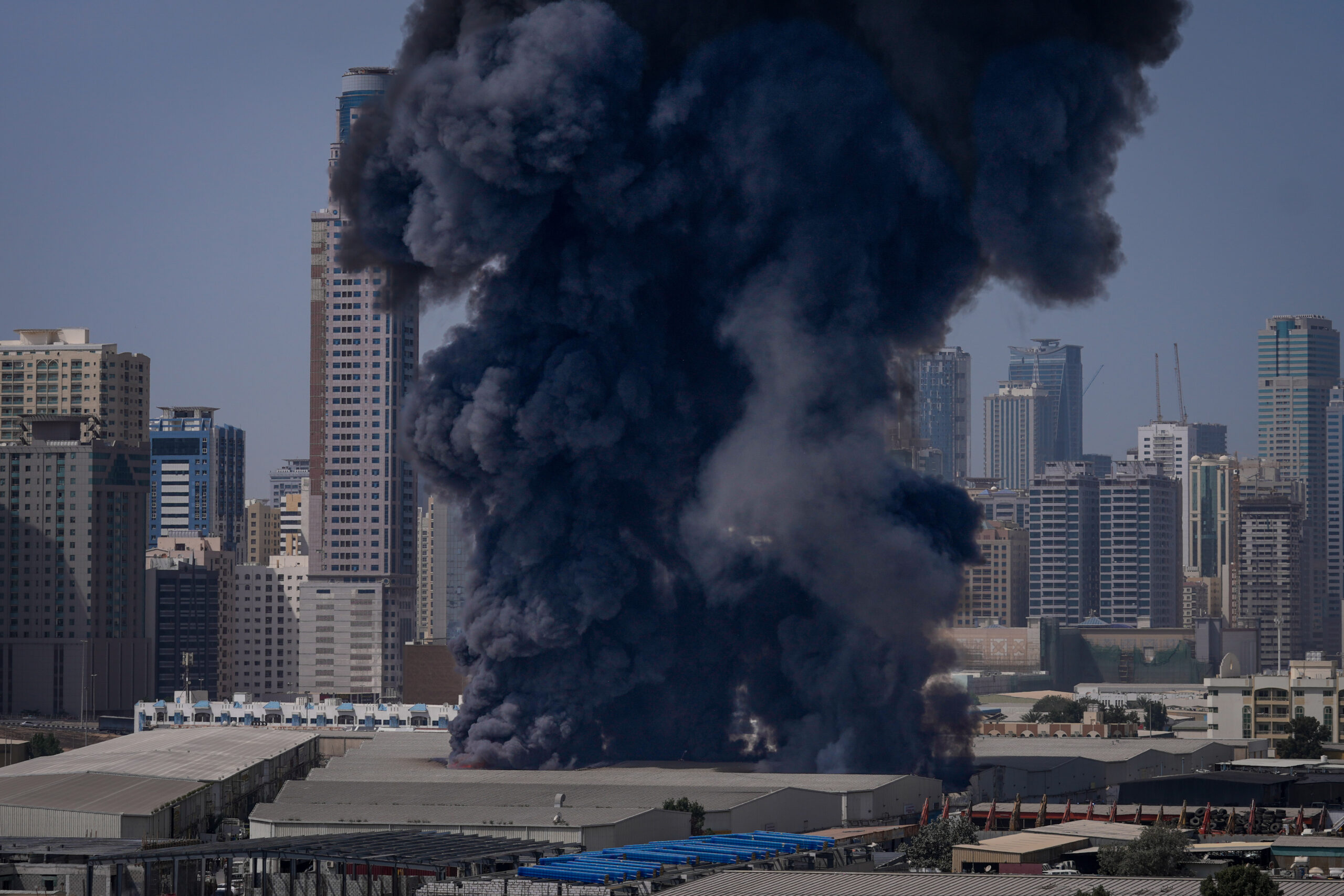
Why Saudi Arabia and the UAE Are Urging Trump to Continue a War They Did Not Want
Riyadh and Abu Dhabi urged President Trump not to attack Iran, but now that the war is into its second month, leaving the current situation in place would be an unthinkable fiasco for them.
Caught in the Crosshairs, Gulf Arab Countries Remain Crucial to Peace
Though they were unsuccessful in preventing the current conflict, and, as expected, have been dragged into the U.S.-Israeli confrontation with Iran, Gulf Arab countries remain crucial to hopes for limiting the war and bringing it to a quick resolution.

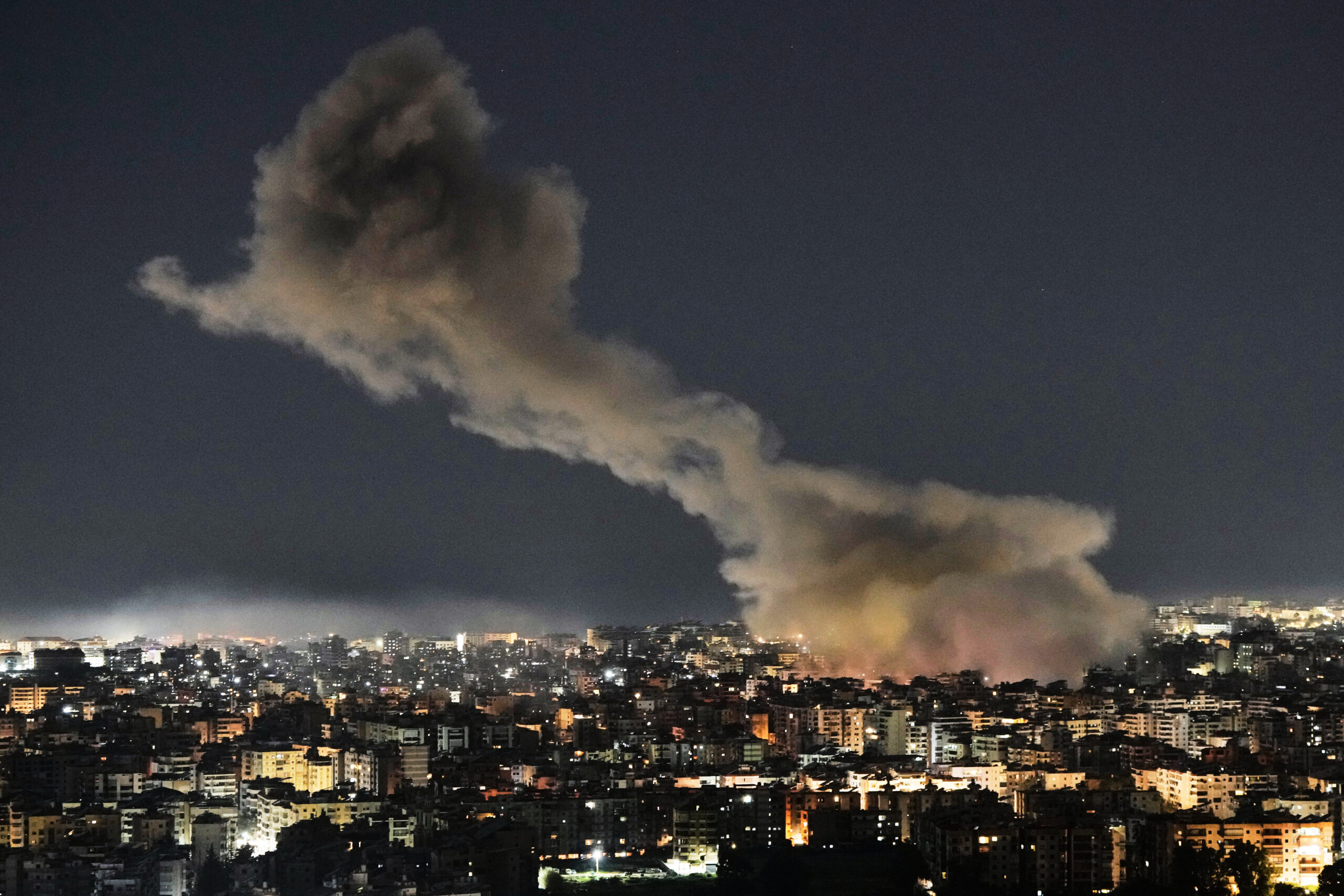
Iran War Provides Decisive Test for Lebanon to Assert Authority Over Hezbollah
After decades of tolerating Hezbollah’s warmaking independence, the current crisis has compelled Lebanese leaders to ban its military activities; this project will do much to determine the reach Iran can maintain in the Arab world.
Events
Nov 10, 2026
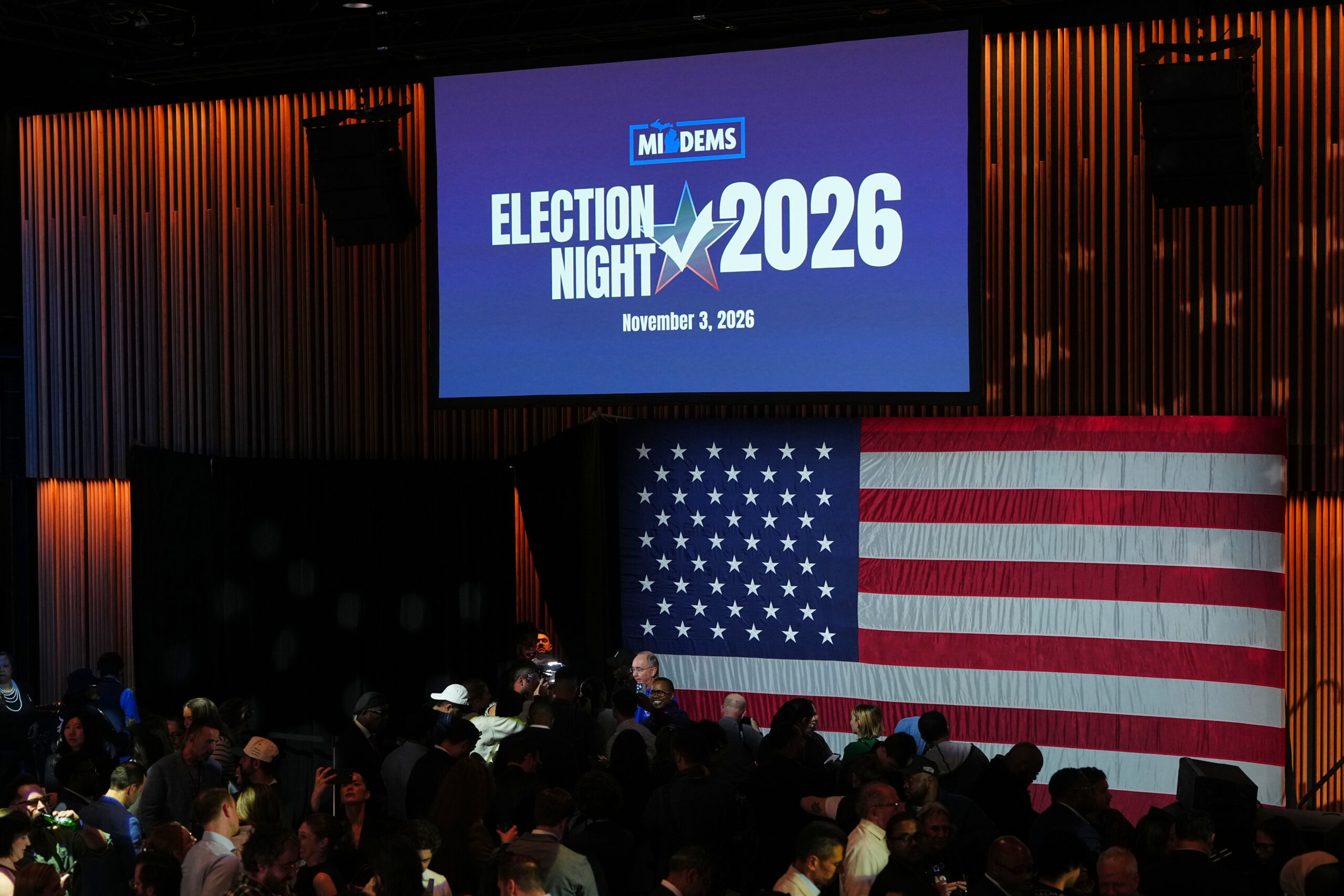
The New Wave in Washington: Navigating the Post-Midterm Landscape for Gulf-U.S. Relations
On November 10, AGSI hosted a discussion on U.S.-Gulf relations after the midterm elections.
Speakers


Nov 12, 2026
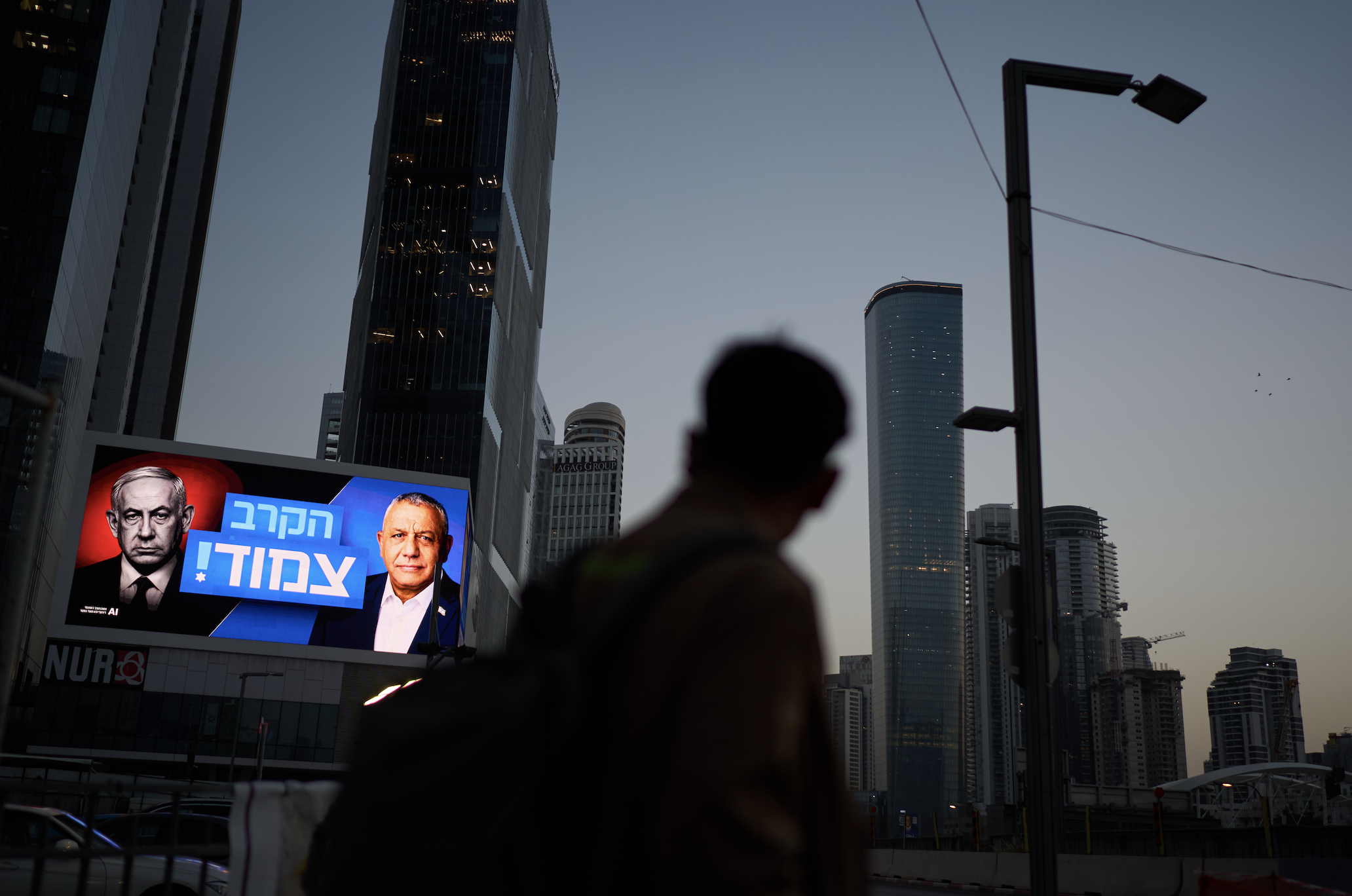
Israel’s Next Government and the Future of Relations With the Gulf
On November 12, AGSI will host a discussion on Israel's elections and the prospects for Israel's relations with the Gulf.
Speakers
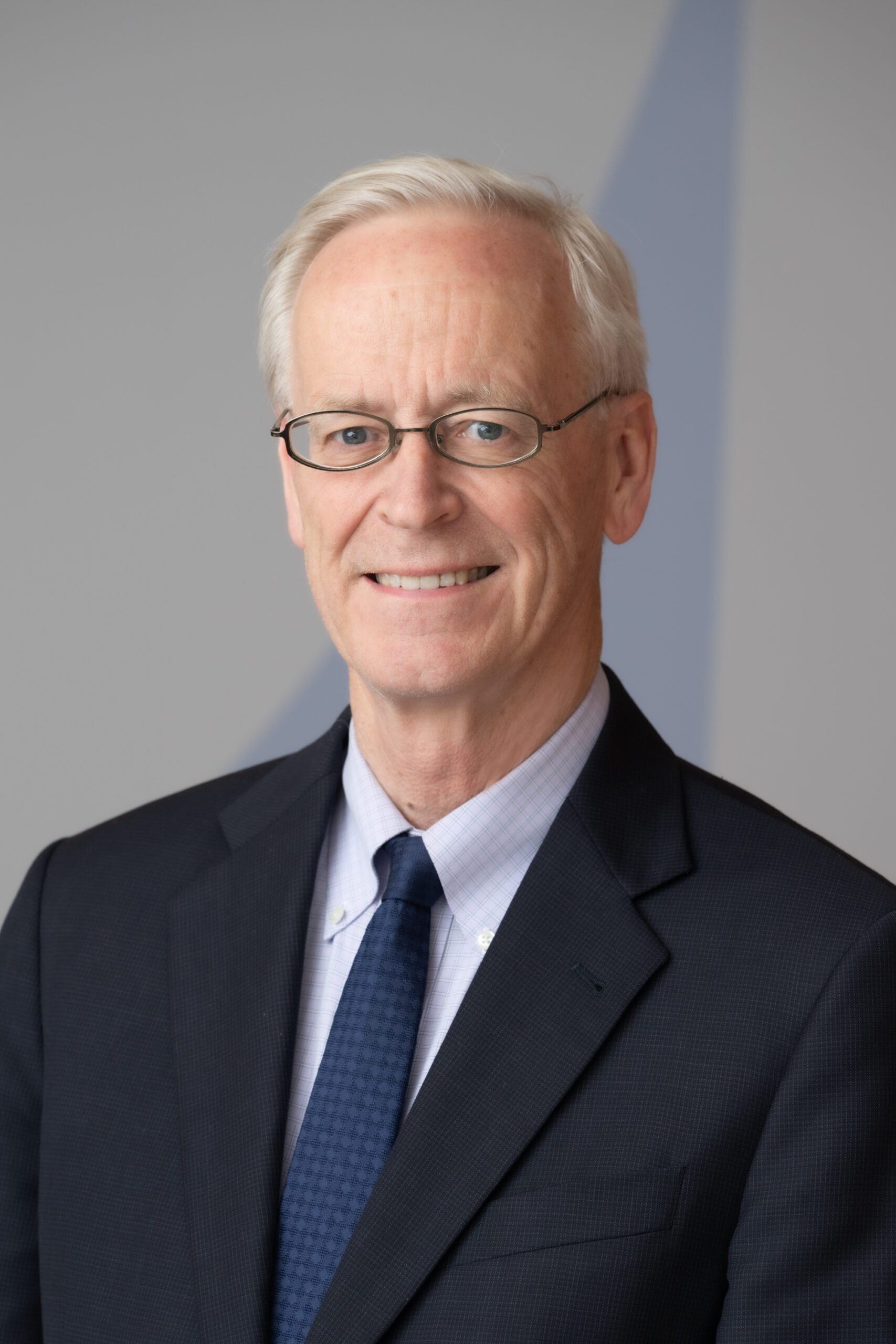


Nov 4, 2026
The Gulf Today: A Discussion in Memory of Aziz Alghashian
On November 4, AGSI and the Middle East Institute co-hosted a discussion on the state of the Gulf region.
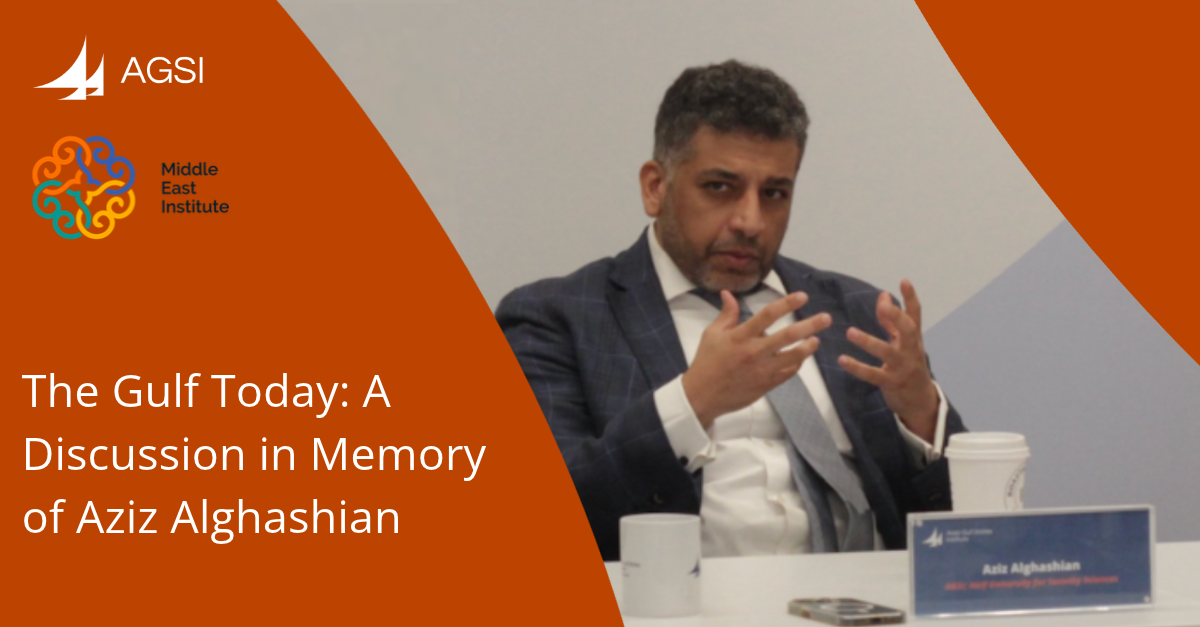
Speakers

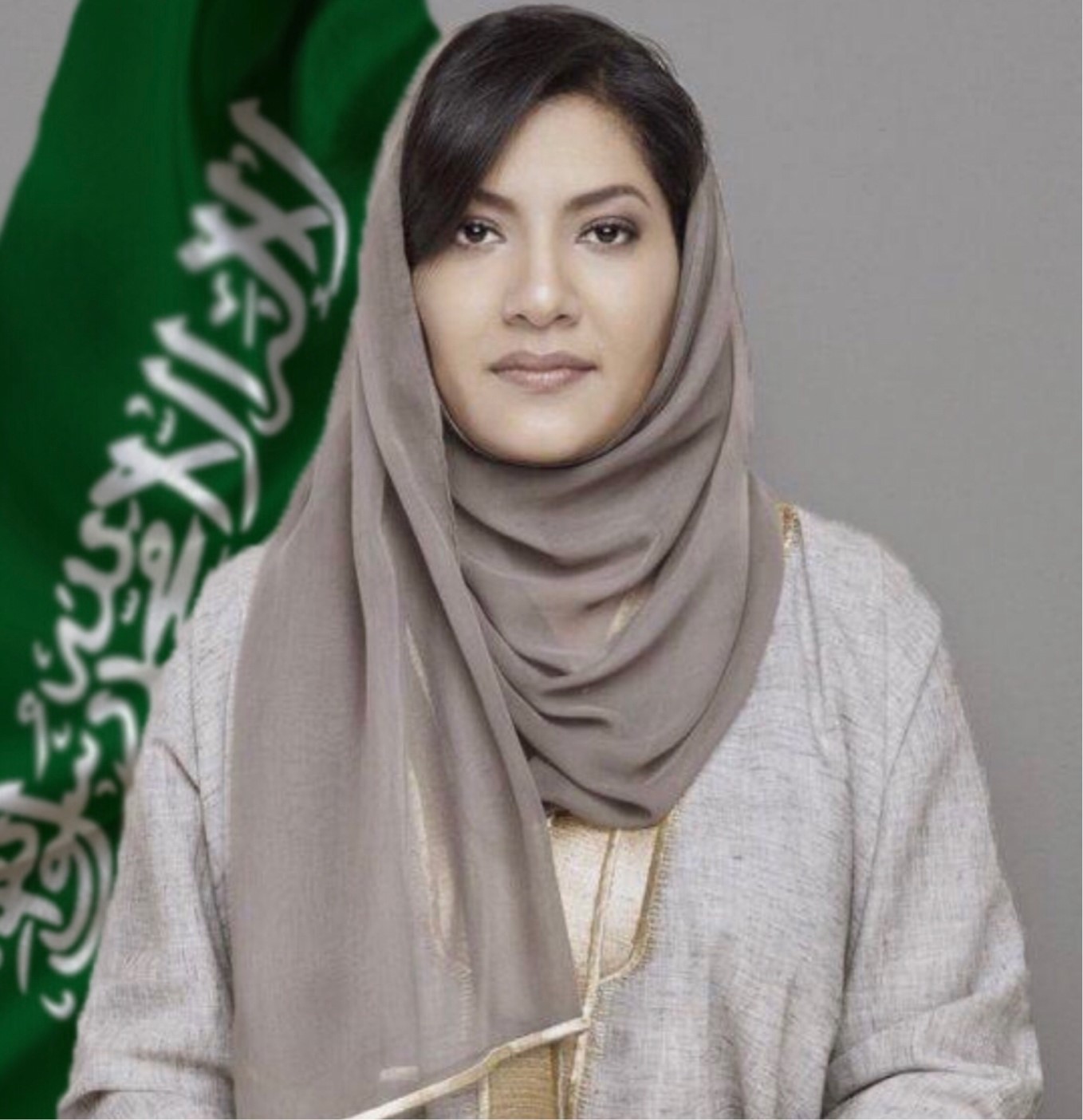



Oct 28, 2026
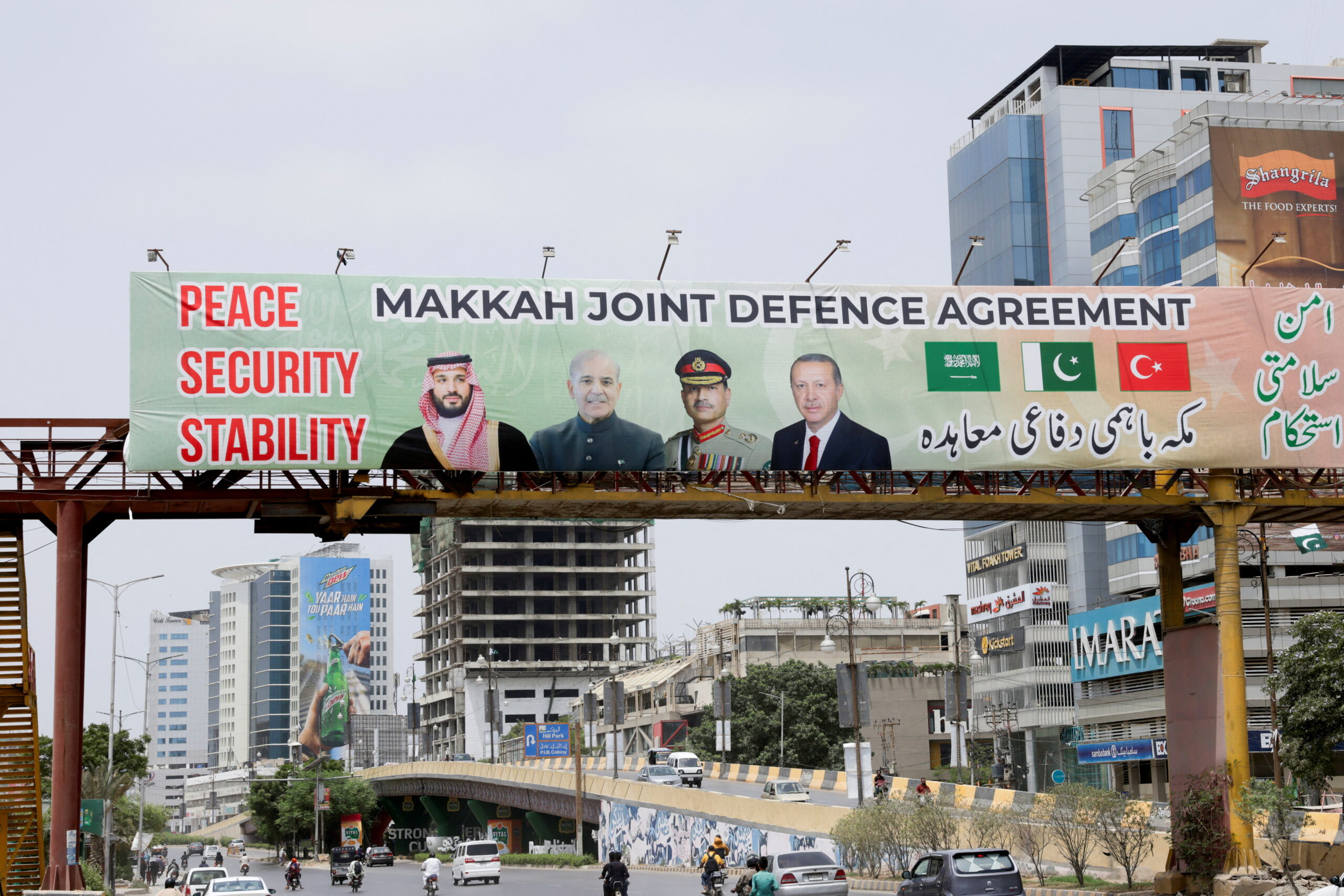
Is the Houthi-Saudi Conflict the Start of a Broader Regional War?
On October 28, AGSI hosted a discussion on the connection between the Houthi-Saudi conflict and the Iran war.
Speakers

Oct 6, 2026
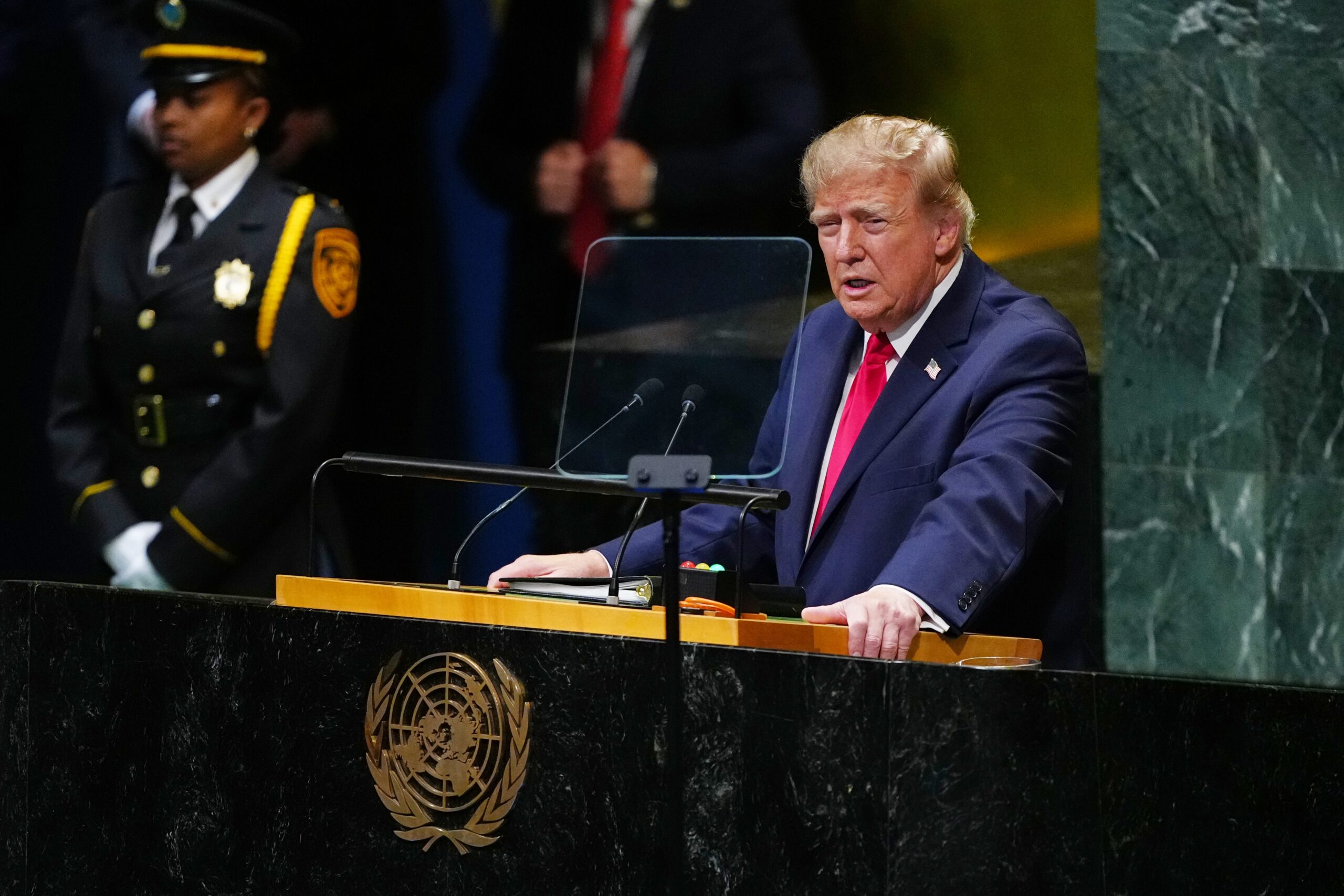
Is the U.S.-Iran Stalemate a “New Normal” or the Prelude to Another Explosion?
On October 6, AGSI hosted a discussion on the U.S.-Iran stalemate and the prospects for a cease-fire.
Speakers
Sep 24, 2026
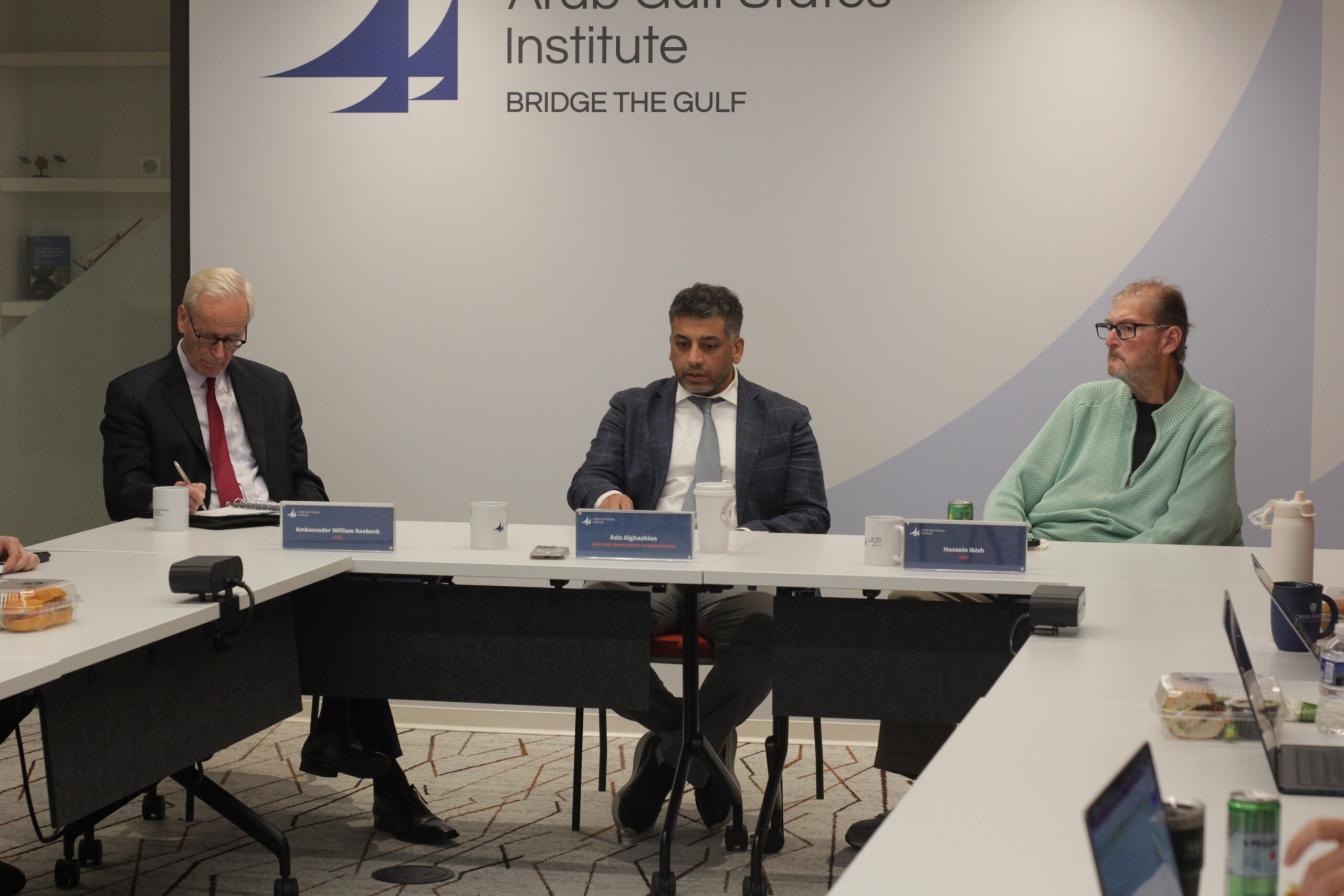
Saudi Arabia and Israel: Prospects for Normalization
On September 24, AGSI hosted a private roundtable with Aziz Alghashian on Saudi Arabia and Israel's prospects for the normalization of relations.
Speakers
External Publications
Gazans Are Bravely Defying Hamas — Here’s How to Help Them Build a Future
The people of Gaza are right to blame both Hamas and Israel for the horrors they continue to endure.

