The closing of Al Jazeera America, expected in April, is a sad conclusion to a project that was by turns uplifting and inspiring as well as troubling and depressing. Its demise offers a lesson in both the limitations of public diplomacy and the obstacles to providing high-quality television journalism. Al Jazeera America was the latest, and perhaps...
The closing of Al Jazeera America, expected in April, is a sad conclusion to a project that was by turns uplifting and inspiring as well as troubling and depressing. Its demise offers a lesson in both the limitations of public diplomacy and the obstacles to providing high-quality television journalism.
Al Jazeera America was the latest, and perhaps most ambitious, branch of a media empire that the tiny but wealthy Gulf emirate of Qatar has used to project its influence, first regionally and then globally. The American-specific incarnation, begun in 2013, was partly an effort to rebrand for the United States the earlier iterations of the franchise, Al Jazeera Arabic and Al Jazeera English. But the American network was hobbled from the start by this very legacy.
Because Al Jazeera Arabic overtly promoted Doha’s foreign policy objectives, the network was controversial and disliked by virtually every other government in the region. The Arabic station introduced a freewheeling reporting style — except for avoiding any criticism of Qatar — that transfixed Arab audiences with previously unheard-of debates.
Impartial it was not: A hefty dose of old-fashioned Arab nationalism and a strong bias for the Muslim Brotherhood, which was supported by the Qatari government, were unmistakable. This ideological orientation led to exaggerated accusations in the United States, especially in the aftermath of the Sept. 11 terrorist attacks, that Al Jazeera served as a media affiliate of Al Qaeda.
Hyperbolic as such claims were, there was a distinctly anti-American bent to its reportage. The Iraq war, in particular, was portrayed virtually as a campaign of mass murder.
The real problem here was the Janus-faced nature of Qatari foreign policy, contradictory and ultimately unsustainable.
On one hand, the huge American military presence in Qatar is a key element of Qatari security strategy. Centcom largely ran the Iraq war out of its forward headquarters at the Udeid Air Base, which Qatar built to encourage a United States establishment there. On the other hand, Qatar gave a hugely influential platform on Al Jazeera to the Muslim Brotherhood cleric Sheikh Yusuf al-Qaradawi, who elsewhere preached that “Americans in Iraq are all fighters and invaders” whether they were military or civilian, and that it was “a duty for all Muslims” to kill them. Thus Qatar was indispensable to the American war effort in Iraq and at the same time gave credence to one of the most influential Islamic propagandists against it.
Al Jazeera English, the network’s global English-language incarnation, was much more subtle than its Arabic-language counterpart. But it, too, has played a distinct role in Qatar’s ambitious outreach.
The English channel reached its peak of influence through its unrivaled coverage of the Egyptian uprising in January 2011. Despite a pro-Brotherhood bias, its reporting of the insurrection was also extraordinarily detailed, comprehensive and informative. Even the White House was said to be relying on Al Jazeera English for information during the uprising.
Since then, though, Al Jazeera’s credibility has suffered, particularly in the Arab world. After the 2013 ouster of the Brotherhood government of President Mohamed Morsi, the English network’s Egyptian bureau fell apart when its staff members were arrested and charged with disseminating “false news.” Qatar was eventually forced to close its pro-Brotherhood Arabic service to repair relations with Egypt.
That is the baggage that Al Jazeera America inherited on its debut. Although run separately from its sister stations and with a completely different mission and approach, the American channel was always hobbled by the brand’s associations.
Even so, Al Jazeera America’s arrival brought a whiff of excitement and optimism into an American journalistic market starved for reasons to be upbeat. It appeared dedicated to fact-based, serious reporting focused on issues and constituencies often overlooked by established outlets. The station recruited some of the country’s finest broadcast journalists, providing opportunities in a news media environment long demoralized by cutbacks. Before long, its programming won awards and recognition within the industry.
However, the channel also faced built-in problems that proved impossible to overcome. It gained access to American living rooms by buying Al Gore’s Current TV. But that network was already struggling to gain audience share, and once branded as Al Jazeera, it soon lost even more viewers. Eventually, a TV station with national ambitions was being watched in some hours by as few as 10,000 people.
At the same time, disadvantageous agreements with cable providers placed onerous restrictions on Internet programming that prevented Al Jazeera from exploiting the potential for growth in streaming video. Worse, restricting American access to Al Jazeera English’s online content severely damaged what had been a thriving presence in the American market.
Al Jazeera America leaves a strong sense of lost opportunity, and a legacy of bitterness and disappointment at odds with the quality of its programming. Perhaps the timing was off: It may come to be seen as one of the last great failed projects of cable television before that industry gives way to a more stripped-down, decentralized news business dominated by online programming. But the channel was also plagued by chronic mismanagement from the start; a lack of professionalism at the top led to embarrassing lawsuits and badly mishandled layoffs.
Notwithstanding the economic downturn facing the Gulf Arab states, Doha could have continued funding the network. But with no sign that it would ever rise above 30,000 prime-time viewers, Al Jazeera America was unlikely to have any meaningful impact on American public opinion or the national conversation.
For its Qatari owners, Al Jazeera America’s failure is a costly lesson in how not to deploy soft power and public diplomacy.
This article originally appeared in The New York Times.
The views represented herein are the author's or speaker's own and do not necessarily reflect the views of AGSI, its staff, or its board of directors.
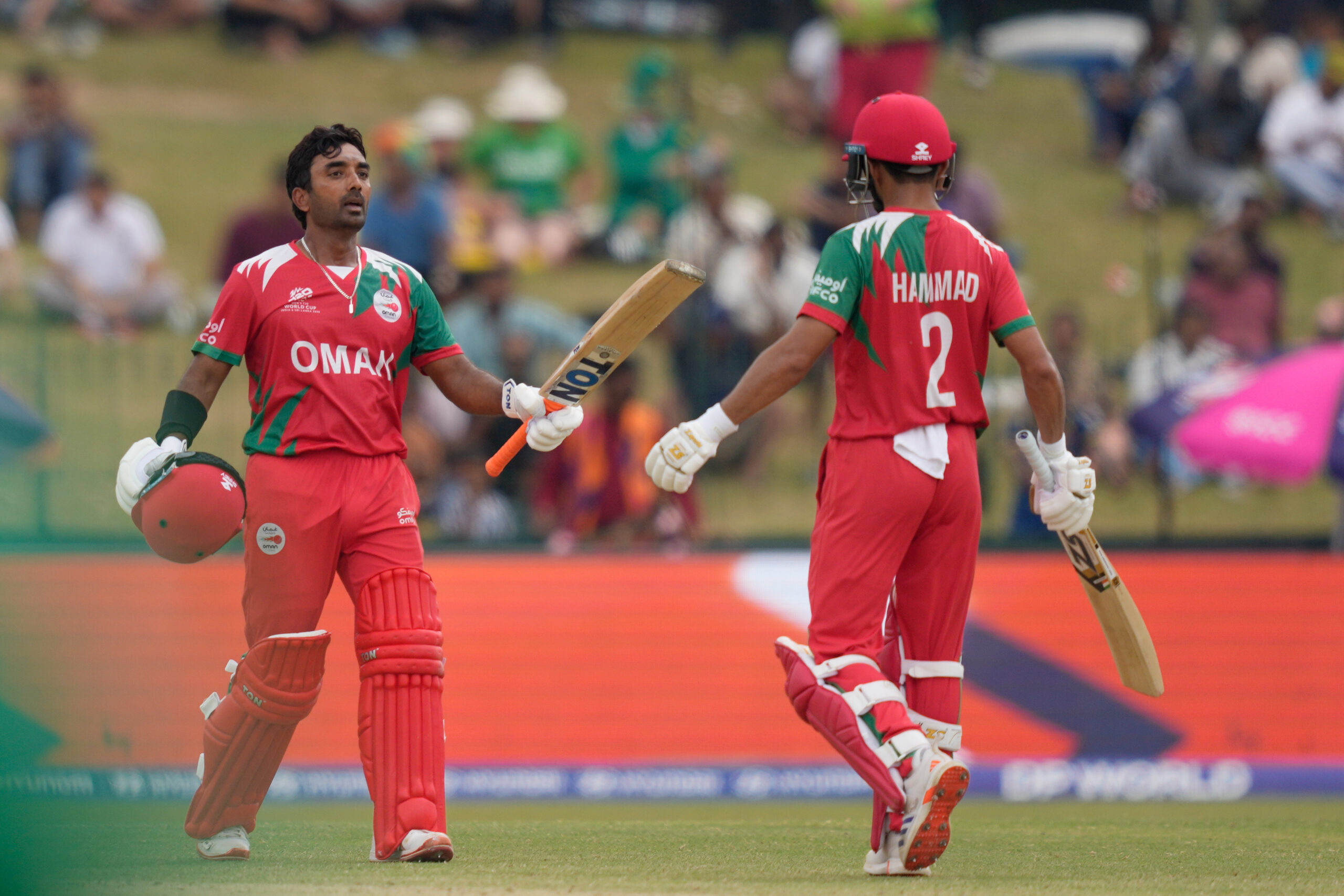
Cricket has become a key part of the United Arab Emirates’ multipolar approach to sports investment, where franchise ownership, player markets, and transnational capital converge to support economic diversification and power projection.
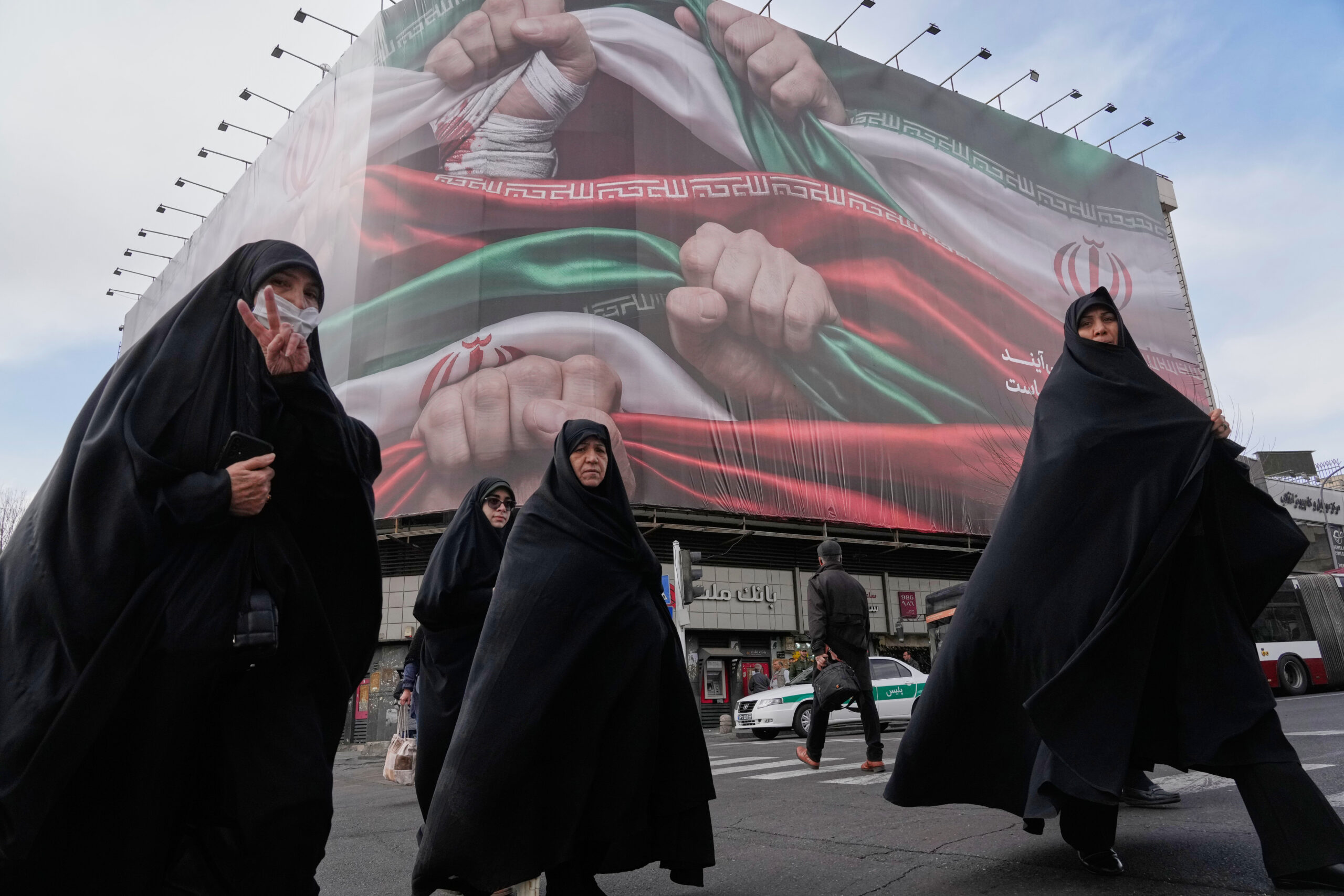
The Iranian regime’s internet censorship and shutdowns function as comprehensive weapons of political warfare, designed to isolate, demoralize, and ultimately suppress dissent.
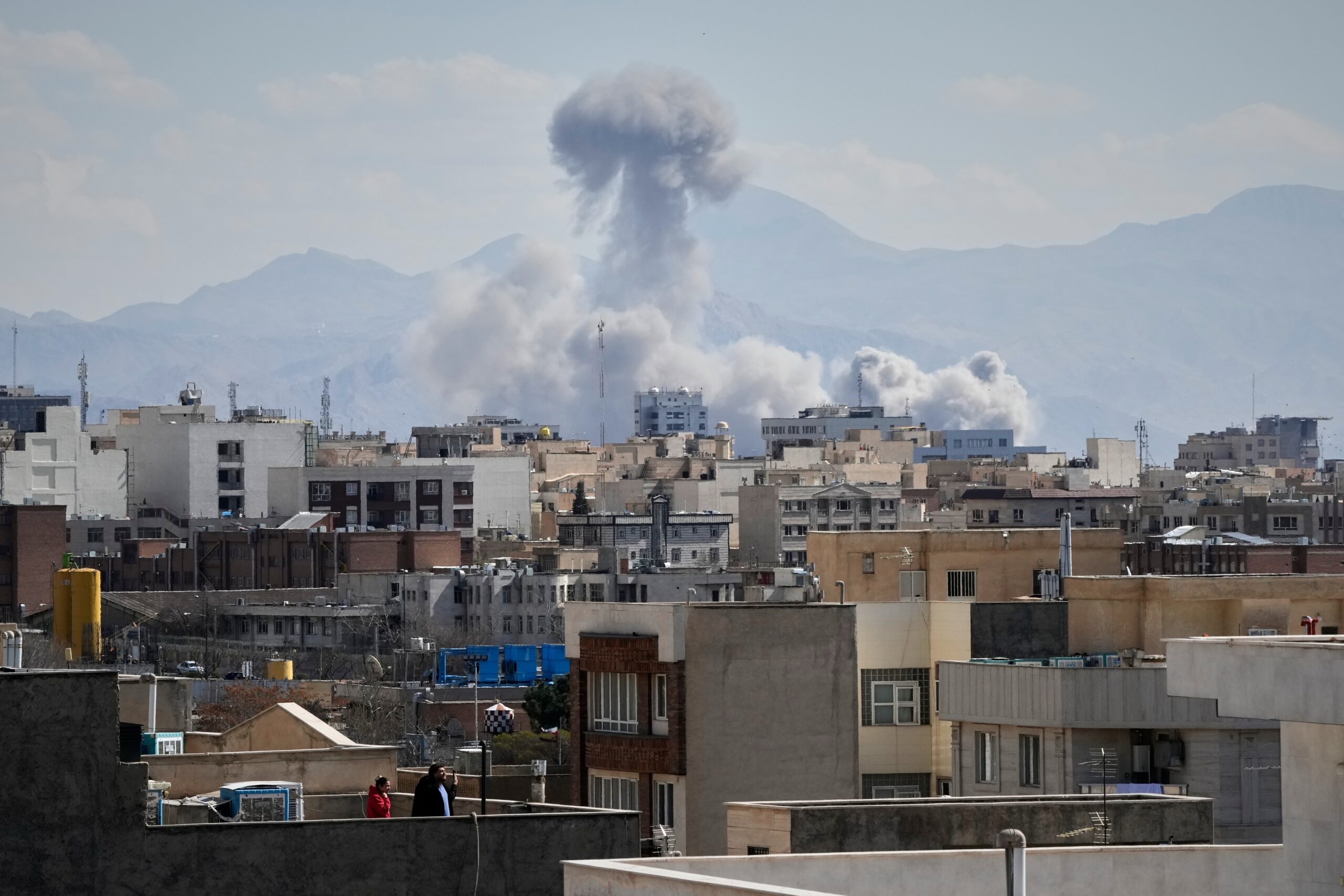
Though they were unsuccessful in preventing the current conflict, and, as expected, have been dragged into the U.S.-Israeli confrontation with Iran, Gulf Arab countries remain crucial to hopes for limiting the war and bringing it to a quick resolution.
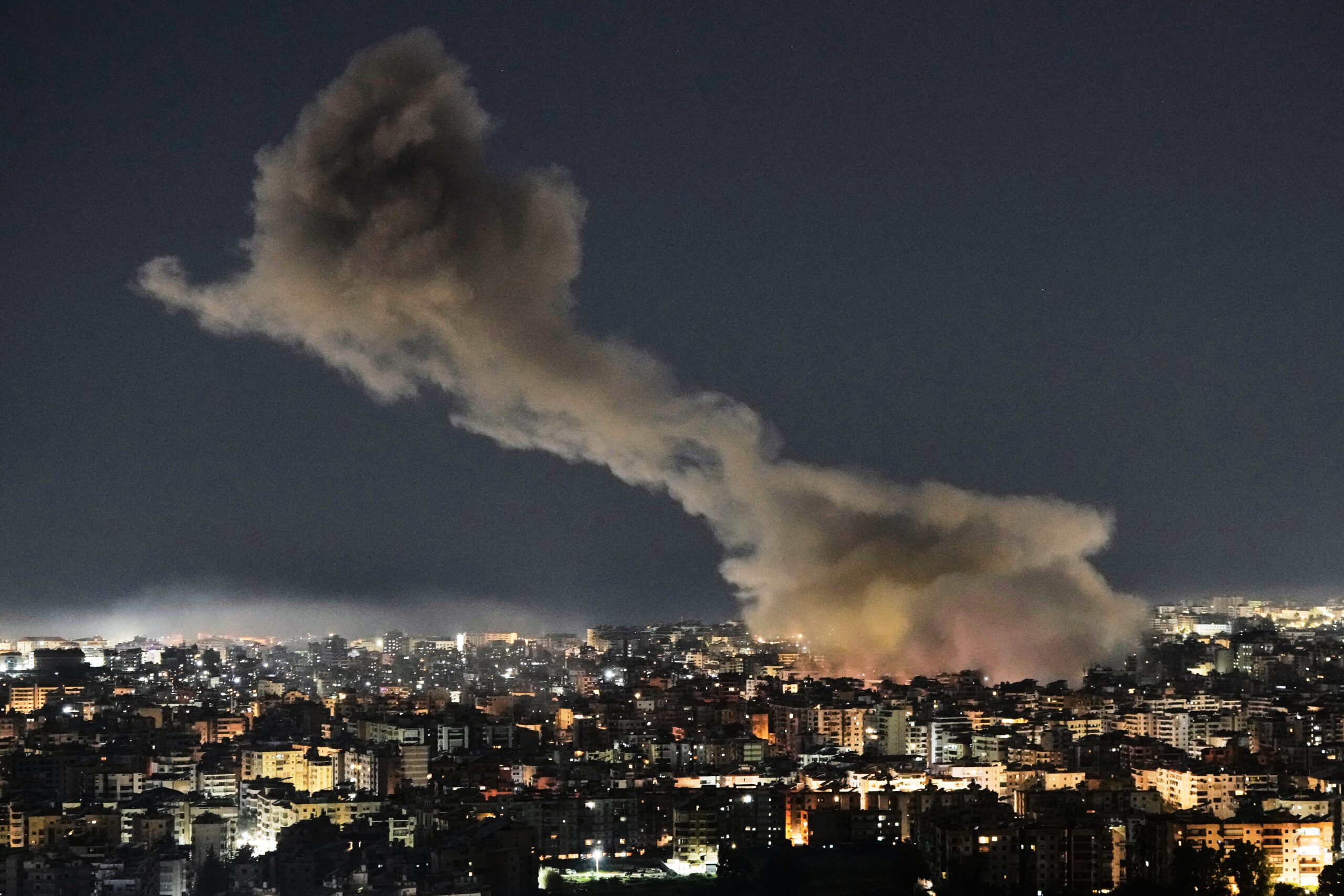
After decades of tolerating Hezbollah’s warmaking independence, the current crisis has compelled Lebanese leaders to ban its military activities; this project will do much to determine the reach Iran can maintain in the Arab world.
Gulf Arab countries urged the United States not to strike Iran, but now that is happening, they are in danger of being sucked into a conflict they cannot control but that will likely reshape their present and future realities.
When quickly debunked rumors in the Israeli media that the UAE was seeking to manage postconflict Gaza were widely welcomed in Israel, it demonstrated both the trust the UAE has built among Israelis but also their lack of understanding of Emirati policies and interests.
On January 8, AGSI hosted a virtual roundtable with its leadership and scholars as they look ahead and assess trends likely to shape the Gulf region and U.S. foreign policy during the coming year.





















Feb 19, 2016
Why America Turned Off Al Jazeera
The closing of Al Jazeera America, expected in April, is a sad conclusion to a project that was by turns uplifting and inspiring as well as troubling and depressing. Its demise offers a lesson in both the limitations of public diplomacy and the obstacles to providing high-quality television journalism. Al Jazeera America was the latest, and perhaps...
7 min read