Oct 20, 2026
Who Authorized Iranian Strikes Against U.S. Vessels?
The October 20 edition of the Iran Media Review examines IRGC messaging about July 7 strikes against U.S. Navy vessels and the debate surrounding the confirmation of a new Iranian defense minister.

By insisting that July 7 strikes against U.S. Navy vessels followed the chain of command, the Islamic Revolutionary Guard Corps foreclosed the “rogue action” exit offered by the September New York Times article “How Iran’s Hard-Liners Prevailed and Sabotaged U.S. Peace Deal.” Defensive sermons and attacks on 15 dissenting parliamentarians reveal domestic unease, yet the confirmation of a missile veteran as defense minister signals defiance, not retreat.
- October 14: Following public speculation about who authorized the July 7 Islamic Revolutionary Guard Corps strikes against U.S. Navy vessels, which Washington interpreted as a violation of the memorandum of understanding between the United States and Iran, IRGC Spokesman Brigadier General Hossein Mohebi said, as quoted by Student News Network:
- “This is American sophistry. America violated the memorandum of understanding … by, in violation of Article 5, which leaves the administration of shipping through the Strait of Hormuz to Iran, … coercing neighboring countries to use a southern path to exit the strait.”
- “Those who claim this was rogue action” are wrong. “Such a thing is not at all possible … It is not possible for anyone to ignore the chain of command.”
- October 16: Hojjat al-Islam Ahmad Khatami, temporary Tehran Friday prayer leader, defended the IRGC’s record in the July skirmishes, as quoted by centrist Asr-e Iran:
- “If you do not wish to honor the armed forces, let it be, but why do you take jabs at them? The fighter who struck the ship in the Strait of Hormuz has provided for your security, so why do you parrot America’s language? A combatant saw that three ships had committed a violation in the Strait of Hormuz and taken a route they should not have taken; he therefore targeted and struck them – and thank you for that … Had it not been for their missiles putting America and the Zionist regime in their place, would you have had the peace of mind to speak? You are indebted to the combatants; the combatants and self-sacrificers were, are, and will remain the apple of our eye.”
- October 19: Nour News Agency, a Supreme National Security Council mouthpiece, published a biography and the priorities of Mehrdad Akhlaghi, Iran’s newly appointed defense and armed forces logistics minister:
- “Upgrading missile capabilities, developing smart systems, and strengthening air defense are among the other pillars of Akhlaghi’s program. He said that increasing the precision, range, and destructive power of surface-to-surface and cruise missiles will be pursued with the aim of strengthening deterrence.”
- “The development of various types of drones, including long-range, stealth, combat, and reconnaissance drones, as well as counterdrone capabilities, is also part of his medium-term program. Akhlaghi also emphasized the development of military satellites and enhancement of the country’s space capabilities.”
- “In the field of the aerospace industry, he said that, according to the announced program, ground tests and taxiing of Iranian heavy fighter jets will be pursued this year, and flights are planned for next year. The development of manned and unmanned vessels, subsurface capabilities, electronic warfare, radar, and cyber domains were among the other areas he mentioned.”
- October 19: Tabnak News Agency, which is close to SNSC Secretary Major General Mohsen Rezaei, attacked 15 parliamentarians who voted against Akhlaghi:
- “What strange times these truly are! A person with decades of specialized experience, a rich record, and years of activity under security conditions and life in hiding must now answer to those who seem to have mistaken revolutionary zeal for speaking louder, making snide remarks, and stirring up controversy behind the podium. If there are questions about the qualifications of the proposed minister, they should be raised; but is humiliation, innuendo, and calling into question a lifetime of specialized work what effective and revolutionary oversight looks like? Why should someone who has had to observe security considerations to advance the country’s interests be subjected to this kind of political theater?”
The views represented herein are the author's or speaker's own and do not necessarily reflect the views of AGSI, its staff, or its board of directors.
Related
Iran Media Review
Oct 16, 2026
Qalibaf’s New Equation: War, Negotiation, and Deterrence
The October 16 edition of the Iran Media Review highlights the call by Iran’s parliamentary speaker for a combination of war and negotiation to establish deterrence against further attacks on Iran.
Iran Media Review
Oct 13, 2026
From Neighbor to Target: Iranian Analysts on the UAE
The October 13 edition of the Iran Media Review explores calls by senior Iranian strategists for Iran to target the United Arab Emirates and Dubai’s airport.
Iran Media Review
Oct 9, 2026
Food Baskets for the Faithful Servants
The October 9 edition of the Iran Media Review considers Iranian media questions regarding aid distribution to government employees and the resentment building among Iranians left outside the circle.
Oct 16, 2026
Qalibaf’s New Equation: War, Negotiation, and Deterrence
The October 16 edition of the Iran Media Review highlights the call by Iran’s parliamentary speaker for a combination of war and negotiation to establish deterrence against further attacks on Iran.
Oct 13, 2026
From Neighbor to Target: Iranian Analysts on the UAE
The October 13 edition of the Iran Media Review explores calls by senior Iranian strategists for Iran to target the United Arab Emirates and Dubai’s airport.
Oct 9, 2026
Food Baskets for the Faithful Servants
The October 9 edition of the Iran Media Review considers Iranian media questions regarding aid distribution to government employees and the resentment building among Iranians left outside the circle.
Analysis
The Committee of Six and Strategic Decision Making in Iran
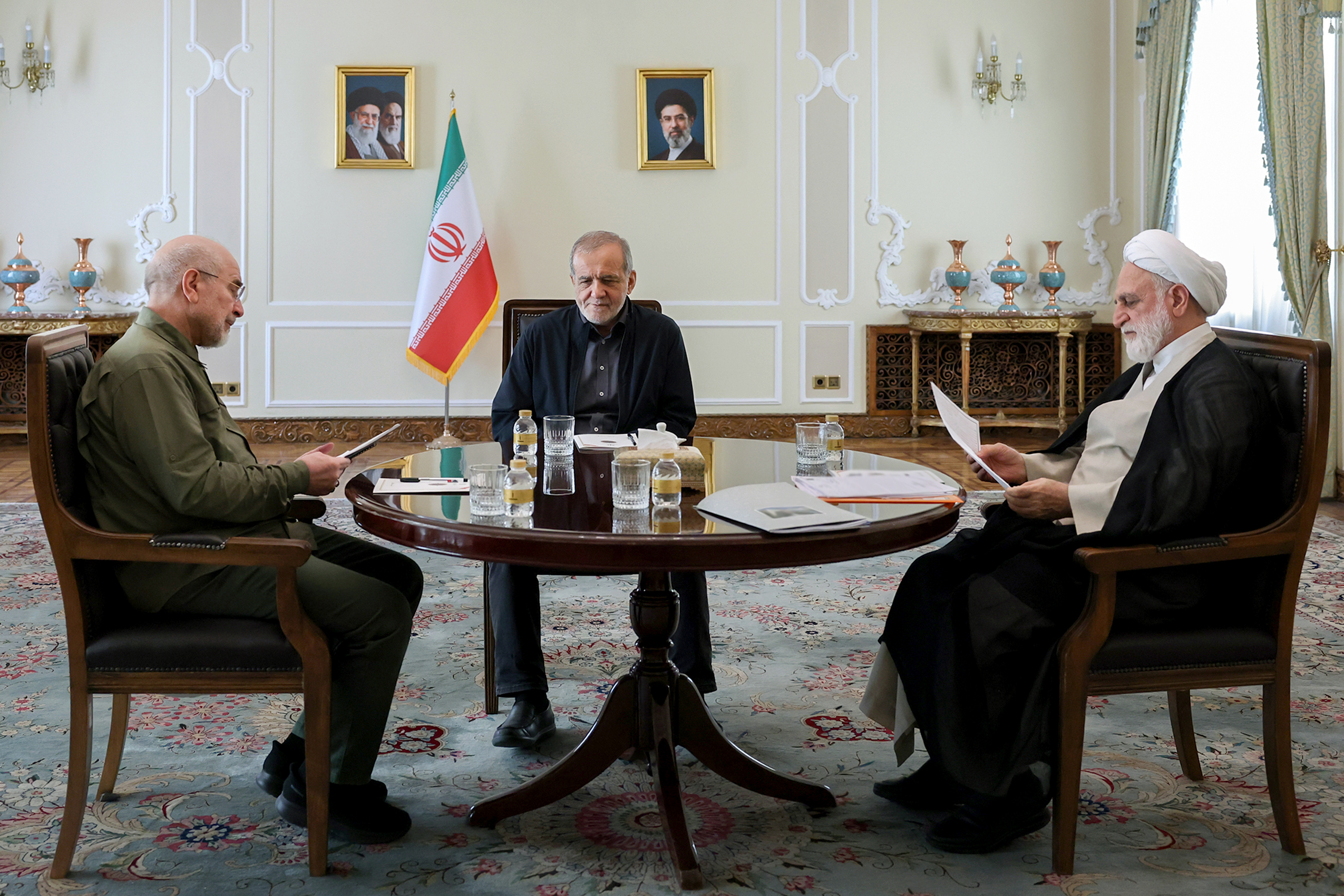
Remarks by Iran’s president offer a rare glimpse of how the Islamic Republic has adapted its decision making to the absence of its supreme leader.
Mohsen Rezaei at the Helm of Iran’s Supreme National Security Council
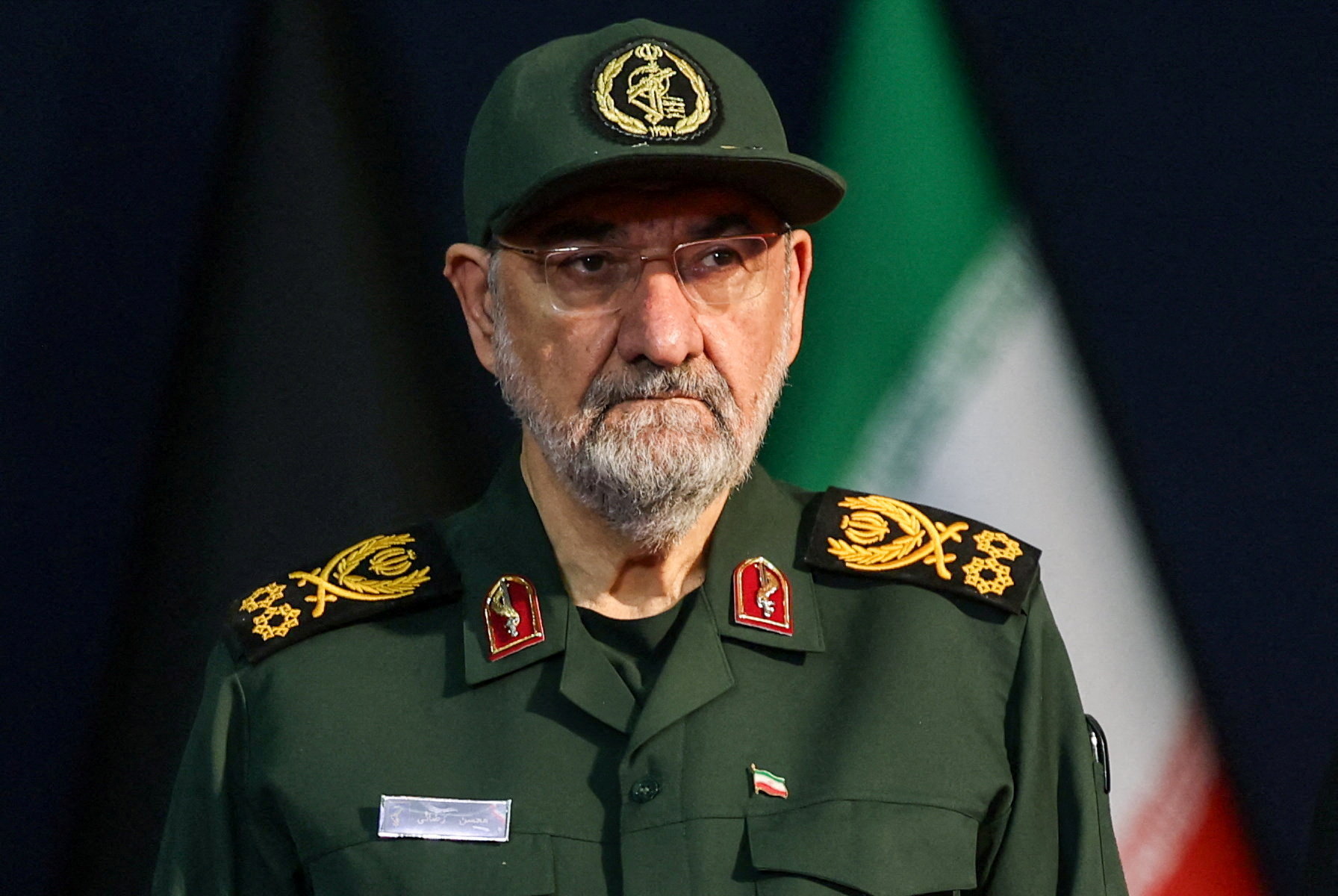
Under Rezaei, the SNSC could prove constructive or paralyze strategic decision making.
The Islamic Republic Returns to Offense
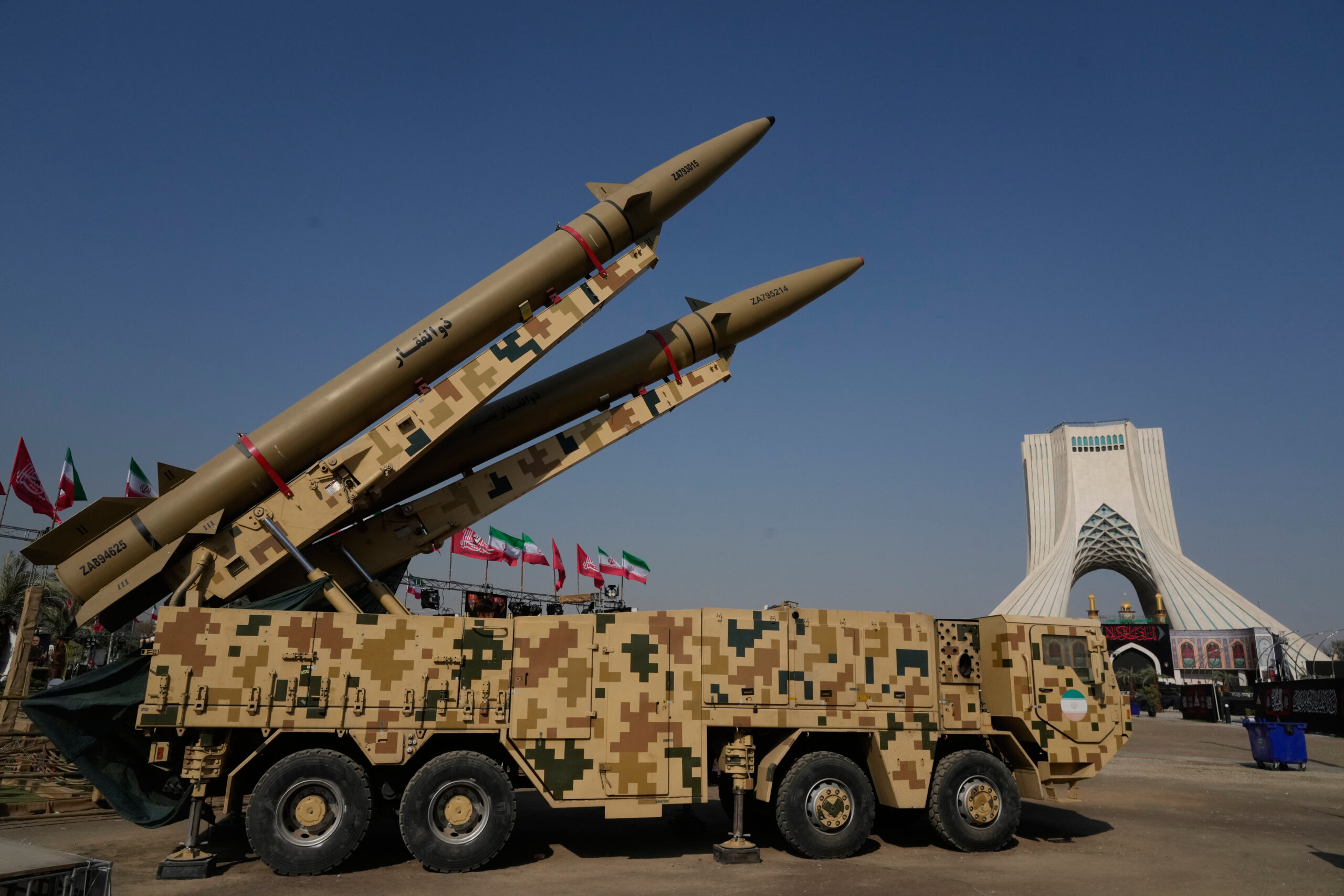
After U.S.-Israeli strikes killed Supreme Leader Ayatollah Ali Khamenei on February 28, Iran’s collective leadership has concluded that the best defense is a good offense.
Iran’s Collective Strategic Decision Making
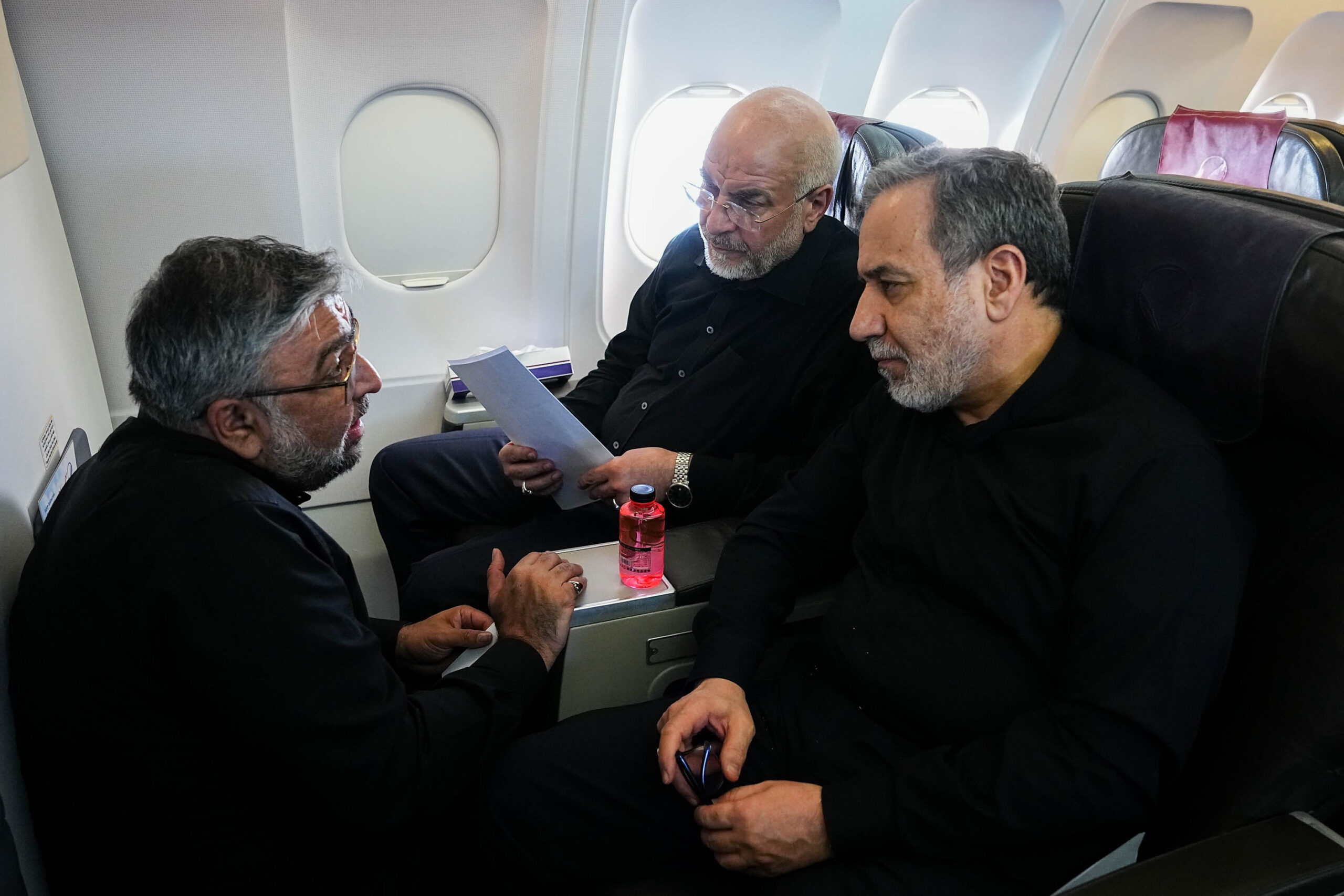
Wartime pressure has temporarily aligned the leadership’s overriding interest in regime survival, even as its members continue to differ over the costs, methods, and ultimate objectives of the war.
Events
Oct 6, 2026
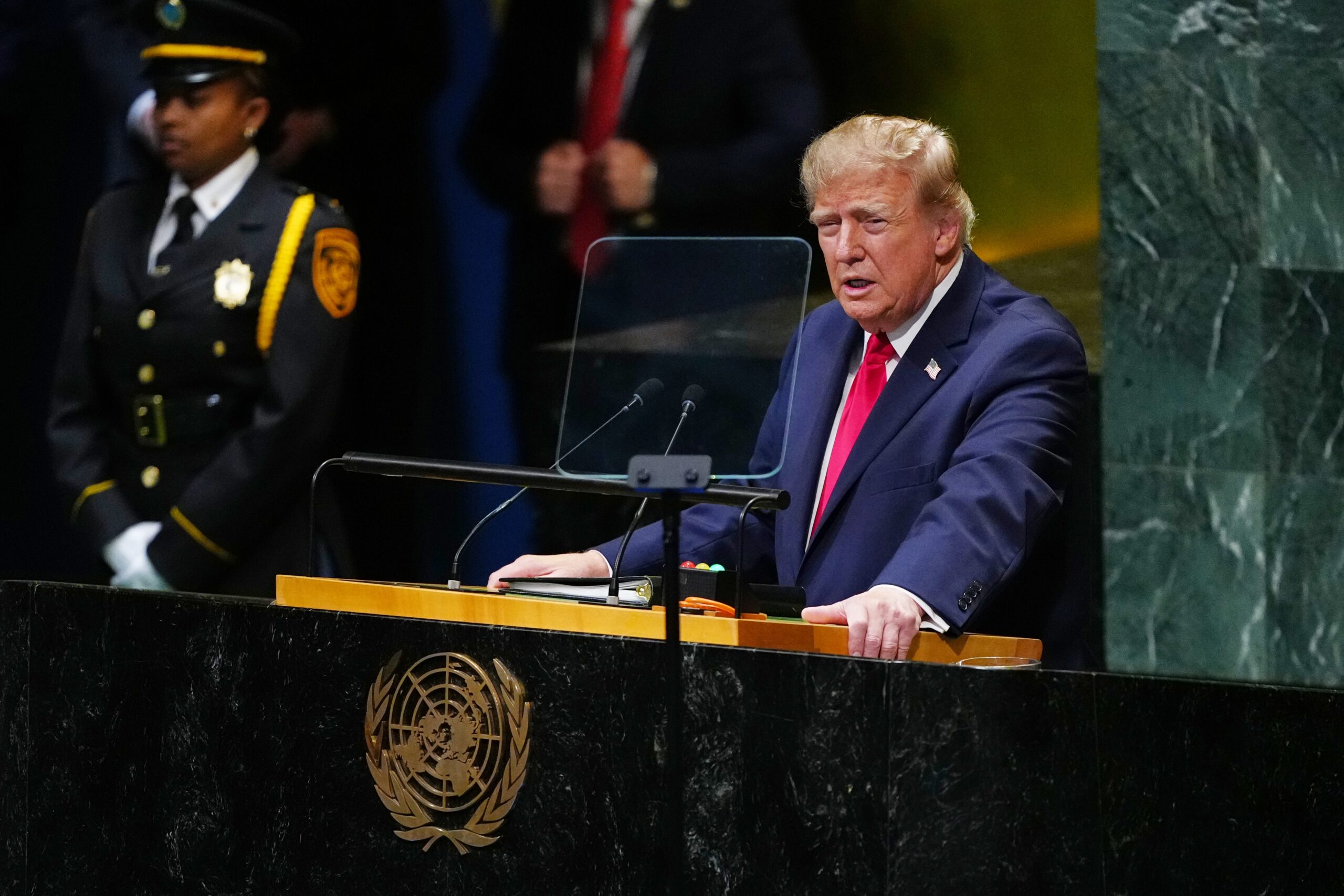
Is the U.S.-Iran Stalemate a “New Normal” or the Prelude to Another Explosion?
On October 6, AGSI hosted a discussion on the U.S.-Iran stalemate and the prospects for a cease-fire.
Speakers



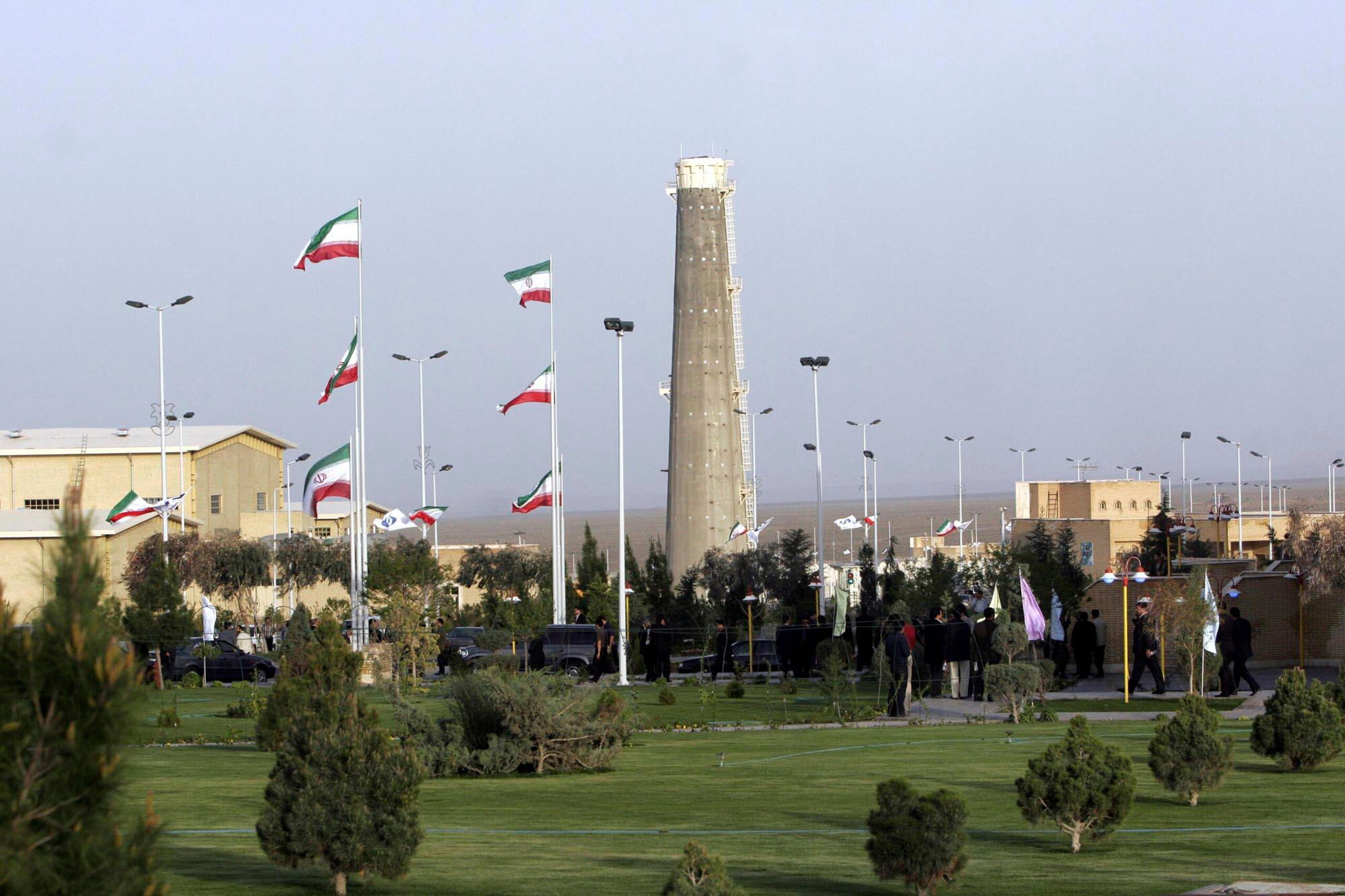
Book Talk: Iran and the Bomb: The United States, Iran and the Nuclear Question
On June 16, AGSI hosted a discussion on the evolution of Iran's nuclear program.
Speakers
Apr 21, 2026
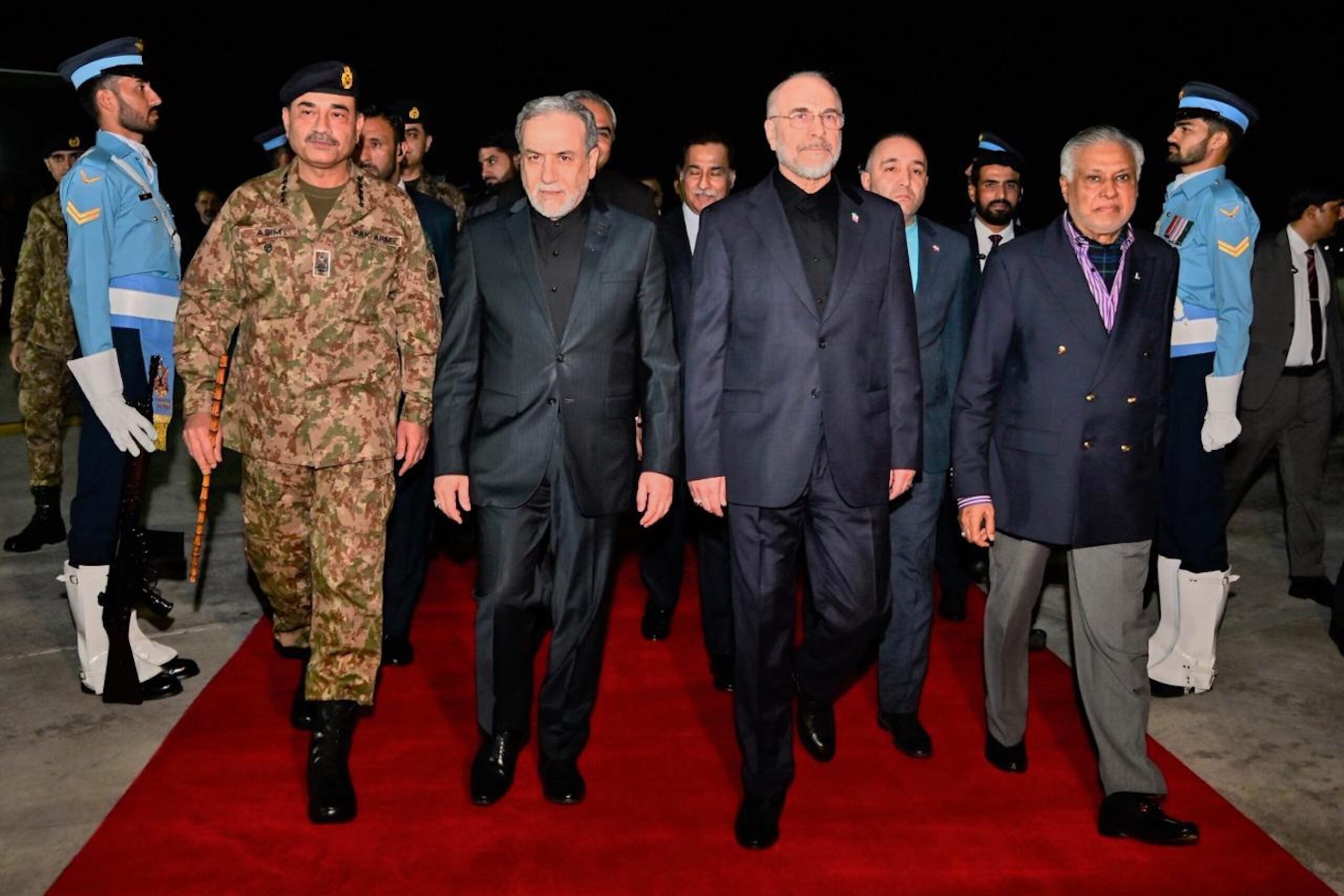
Inside Iran’s Wartime Leadership: Power, Succession, and Regime Stability
On April 21, AGSI hosted a discussion on the evolution of Iran's leadership during the war.
Speakers

Mar 18, 2026
In Its Conflict With the United States and Israel, Does Escalation Favor Iran?
On March 18, AGSI hosted a discussion on the escalation of the Iran war.
Speakers