US-Gulf Policy Symmetries are Genuine and Significant
Donald Trump flew into sunny Saudi Arabia pursued by some of the darkest clouds looming over Washington in decades. While the American capital is becoming increasingly inhospitable to the embattled new president, he was sure to be warmly received in Riyadh. It makes perfect sense for Arabian Gulf countries to seize this important, and perhaps...
U.S. Secretary of State Rex Tillerson shakes hands with Saudi Deputy Crown Prince Mohammed bin Salman in Riyadh, Saudi Arabia, May 20. (Official White House Photo Shealah Craighead)
Donald Trump flew into sunny Saudi Arabia pursued by some of the darkest clouds looming over Washington in decades. While the American capital is becoming increasingly inhospitable to the embattled new president, he was sure to be warmly received in Riyadh.
It makes perfect sense for Arabian Gulf countries to seize this important, and perhaps historic, opportunity to strengthen their crucial relationships with United States that frayed during the Barack Obama years.
It’s easy to understand this administration’s appeal to Gulf leaders. They’re telling them exactly what they want to hear. Rex Tillerson, US secretary of state, saying the message of the trip is “America is back” is music to the region’s ears.
Indeed, Gulf agendas probably dovetail better with Mr Trump’s than any other US allies, anywhere. The US president sees the region and America uniting to eliminate ISIL and Al Qaeda, terrorism financing and radical ideologies, while simultaneously confronting Iran’s destabilising agenda. Under Mr Trump, Washington seems set to no longer downplay Iran’s own terrorist proxies such as Hizbollah.
In addition, America is prepared to back the Islamic Military Alliance and a Nato-like Arab grouping.
Washington is also intent on strictly enforcing the nuclear agreement, including granting new sanctions relief in exchange for confirmed Iranian compliance, something that the Gulf has called for.
The news from Syria is even better. On Thursday, the United States launched its third attack in six weeks against forces loyal to Bashar Al Assad, in defence of US-backed rebel groups.
Good old-fashioned, but for once badly needed, American “mission creep” is evolving organically in Syria because Mr Trump is open to limited use of military force, and prioritises combating ISIL and Al Qaeda and rolling back Iranian dominance. Those goals simply can’t be accomplished without a stronger profile in Syria, because Syria is the centre of both.
Expanded trade and commerce, more Gulf investments in the United States and greater American investments in the Gulf are also on the table. Mr Trump wants to sell lots of American weapons. Gulf countries want to buy them. Moreover, as Gulf countries seek to diversify their economies, foreign direct investment in their new enterprises and their own investments overseas, including the United States, are indispensable.
Bringing Arab states into the Israeli-Palestinian peace process to advance ending the occupation and help to build a stronger coalition against Iran, including more cooperation with Israel based on such progress should prove a strategic win-win, especially if it helps secure maximum American engagement in containing and rolling back Tehran.
All this, and more, amply explains why Gulf leaders are so keen on Mr Trump and his agenda.
Moreover, many find Mr Trump’s personal and political style reassuringly familiar, such as his emphasis on individual relationships and blending of public and private interests. His reliance on a small circle of trusted advisers, particularly close family members mirrors the typical political culture of parts of the region.
I fully expect Mr Trump’s trip to Saudi Arabia to be a huge success and I sincerely hope it will be. All of the symmetries listed above are real and significant, and the opportunity to repair these vital relations is crucial.
However, some additional realities are worth considering.
No one should underestimate the political crisis, largely of his own making, that has enveloped Mr Trump.
His White House, mired in endless controversies, drowning in infighting, now faces an extremely formidable special counsel investigating ties to Russian intelligence and much more. The administration and its staff are lawyering up, attacking each other anonymously through the media and literally hiding in the bushes.
Even if Mr Trump can stabilise his political position, both sides could still disappoint each other’s high expectations.
Mr Trump talks tough but there’s little appetite among Americans for even limited military actions unless US interests are directly attacked.
And given the constraints imposed by the collapse of global energy prices, Mr Trump may find that there’s less cash available in the region than he hopes.
Gulf countries should certainly make the most of this opportunity to enhance relations with America as a whole. But when dealing with Mr Trump, Gulf leaders should take care to get it in writing. And they shouldn’t bet too heavily on his long-term political prospects.
This article was originally published by The National.
The views represented herein are the author's or speaker's own and do not necessarily reflect the views of AGSI, its staff, or its board of directors.
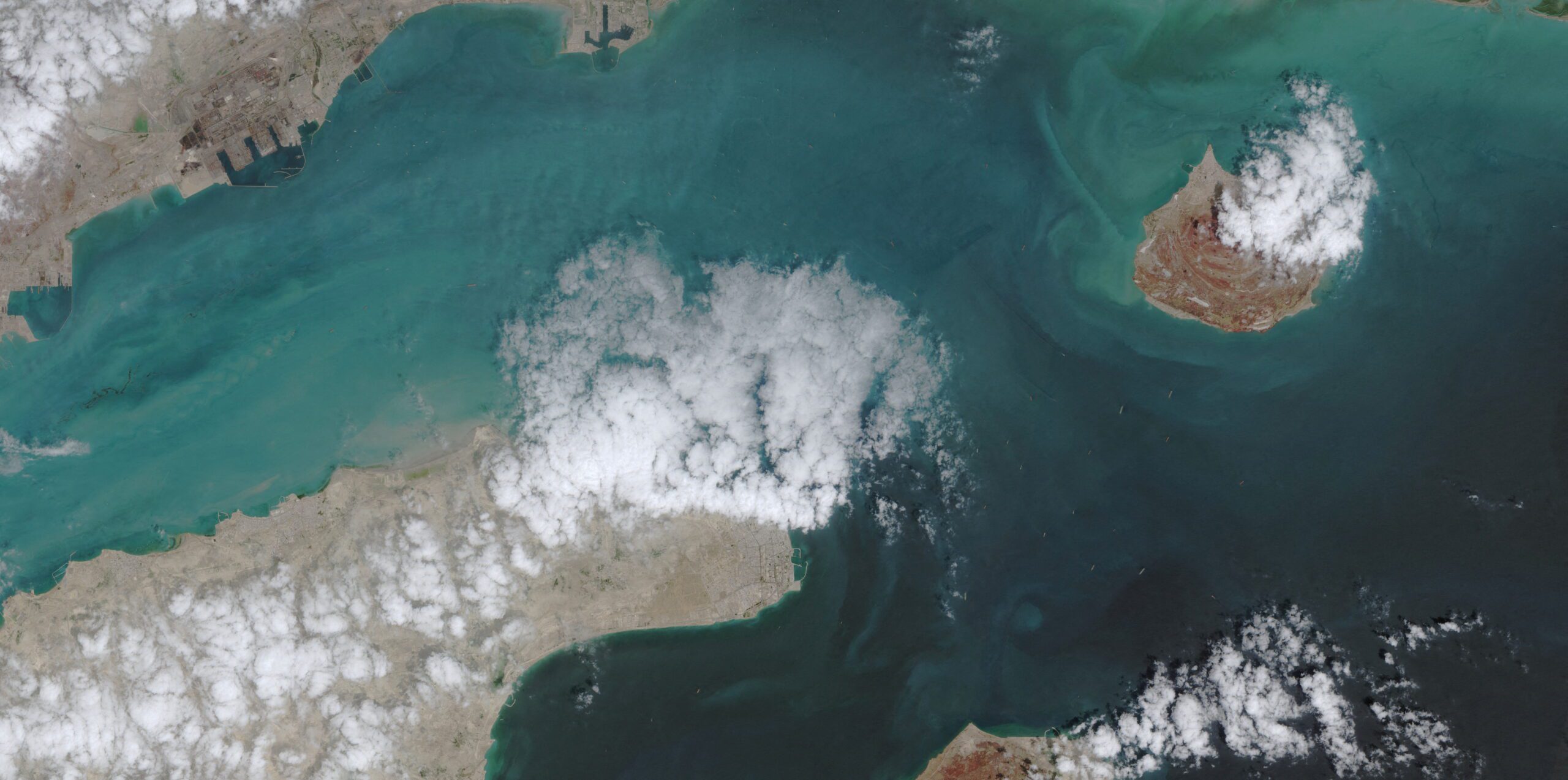
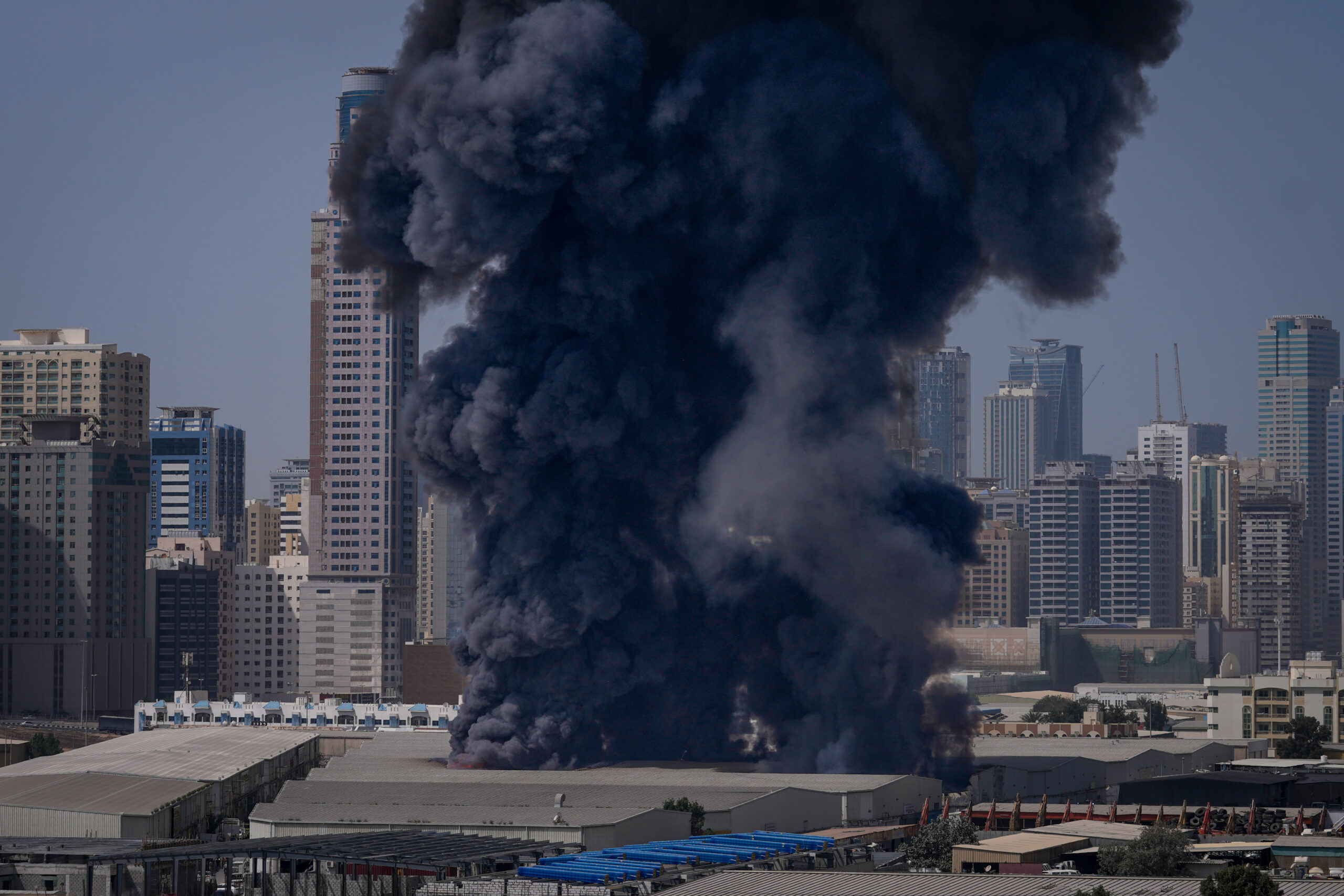
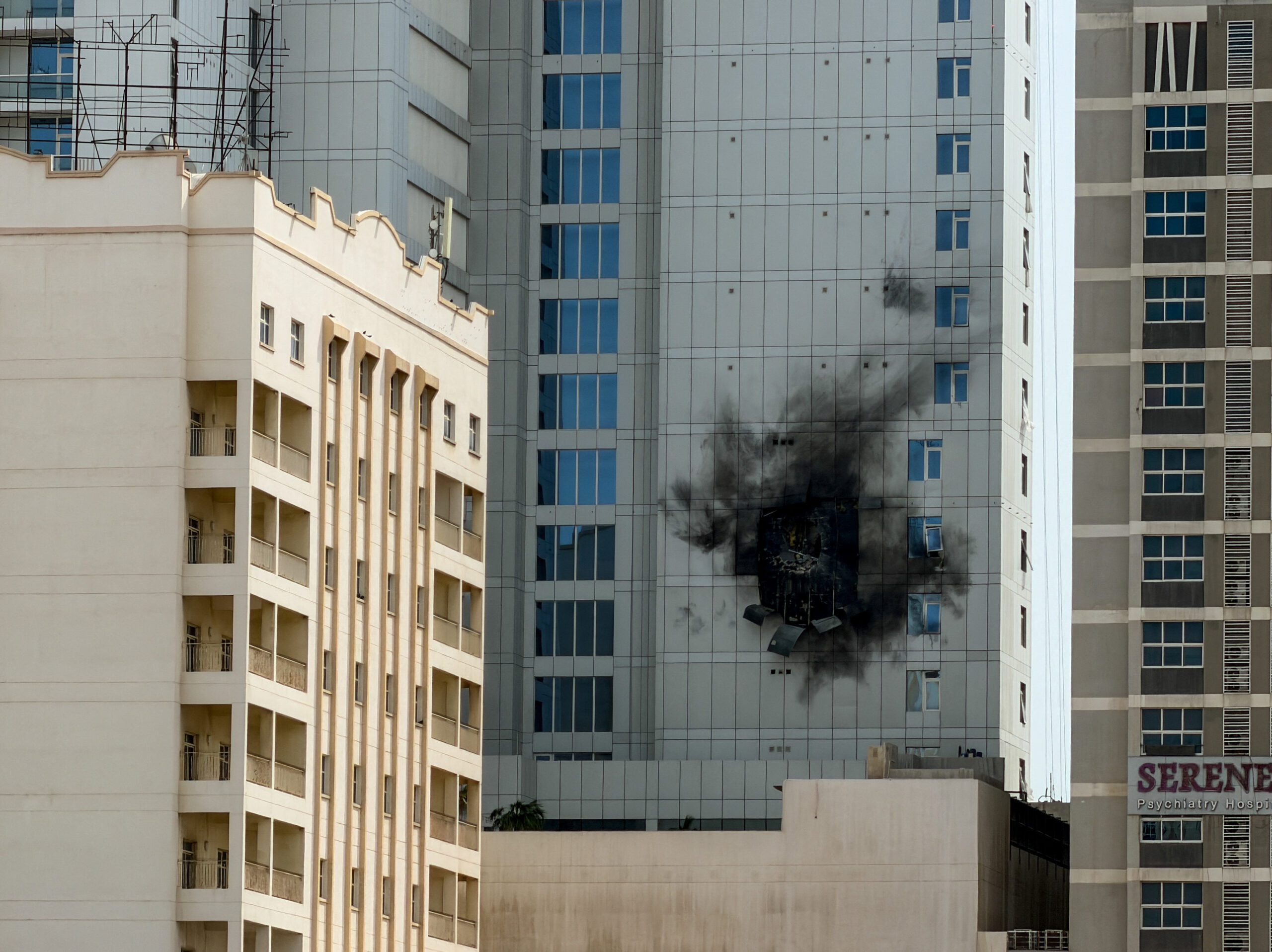
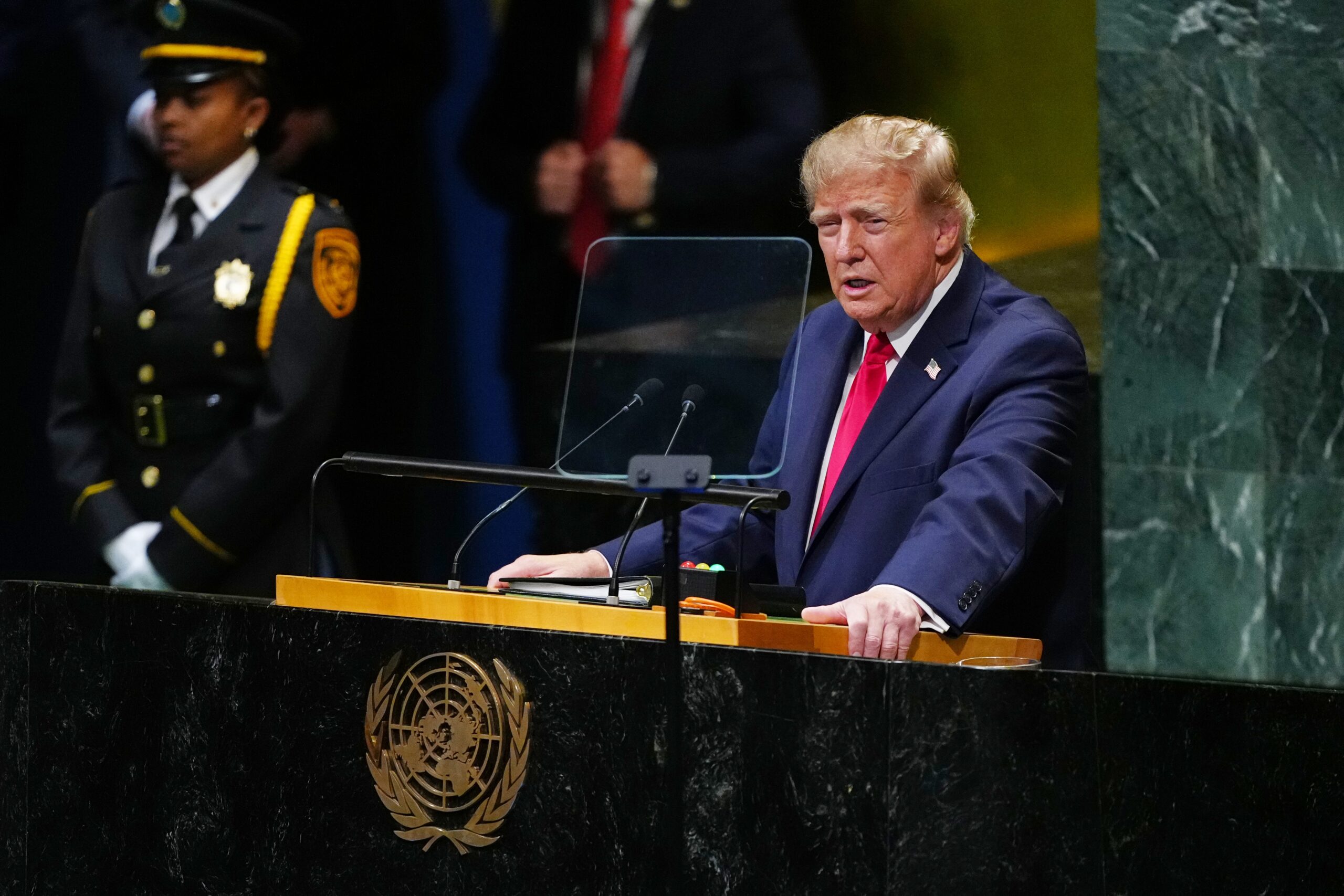
President Trump has led the United States into an impossible dilemma in which resuming and intensifying the war presents one set of alarming consequences while ending it under current circumstances offers at least as many disasters for Washington.
The Trump administration has positioned the United States at a crossroads between a new regime of containment against Iran or a historic drawdown of U.S. influence in the Gulf and broader Middle East.
Riyadh and Abu Dhabi urged President Trump not to attack Iran, but now that the war is into its second month, leaving the current situation in place would be an unthinkable fiasco for them.
Though they were unsuccessful in preventing the current conflict, and, as expected, have been dragged into the U.S.-Israeli confrontation with Iran, Gulf Arab countries remain crucial to hopes for limiting the war and bringing it to a quick resolution.








May 22, 2017
US-Gulf Policy Symmetries are Genuine and Significant
Donald Trump flew into sunny Saudi Arabia pursued by some of the darkest clouds looming over Washington in decades. While the American capital is becoming increasingly inhospitable to the embattled new president, he was sure to be warmly received in Riyadh. It makes perfect sense for Arabian Gulf countries to seize this important, and perhaps...
4 min read