Despite the heterogeneity of interests and perspectives among the six member states of the Gulf Cooperation Council (GCC), they share a broad consensus on the nuclear deal agreed to by major powers and Iran. This common position was expressed in the joint statement issued by GCC foreign ministers and U.S. Secretary of State John Kerry...
'U.S. Secretary of State John Kerry listens to an opening statement in Doha, Qatar, on August 3, amid a briefing about the Iranian nuclear deal for members of the Gulf Cooperation Council. (State Department photo)'
Despite the heterogeneity of interests and perspectives among the six member states of the Gulf Cooperation Council (GCC), they share a broad consensus on the nuclear deal agreed to by major powers and Iran. This common position was expressed in the joint statement issued by GCC foreign ministers and U.S. Secretary of State John Kerry after their August 3 summit in Qatar.
The statement endorses the nuclear agreement, partly because Gulf states hope that the accord could eventually ease regional tensions. Their endorsement is also a recognition that the deal will go forward no matter what they say, and that they see no benefit in joining Israeli Prime Minister Benjamin Netanyahu as the lone international naysayers. Instead, the Gulf states are seeking to maximize the benefits they will accrue by consenting to the arrangement, to which they are not a party even though it will affect their security (whether for good or ill remains to be seen).
The GCC response also insists that Iran cease employing subversive means to extend its influence in the Arab world. The nuclear deal comes as tensions between Iran and major Gulf states, such as Saudi Arabia and the UAE, have reached a historic high.
A newly hawkish Saudi Arabia has demonstrated it is willing to use military force to try to roll back Iran’s influence in the Gulf. The Saudi-led Arab intervention in Yemen has brought GCC forces into direct conflict with the Iran-backed Houthi militia. Riyadh has also undertaken a major initiative to unite Sunni states in an anti-Iran alliance. To this end, Saudi Arabia has reached out to its former antagonists, such as the regional Muslim Brotherhood movement, including Hamas; forged an alliance with Sudan; and strengthened its relations with Turkey.
The Gulf states are hoping that a successful nuclear agreement will strengthen Iranian moderates and eventually make Iran a more responsible regional actor. But they are not counting on that, nor are they relying as much on U.S. leadership as they have in the past.
Gulf countries are moving to strengthen military cooperation with the United States. They are buying new weapons and have received promises of security coordination but are pressing for even stronger commitments. But they are also seeking closer ties to other powers, such as China, France, and Russia, and are developing an independent approach to secure their vital interests.
These interests include preventing Iran from further destabilizing the Arab world by promoting sectarian conflicts and backing armed Shiite groups, including those within Gulf Arab states, as well as ensuring that Iran does not expand its influence in the region at the expense of Arab interests.
If these new tensions come to define the Gulf relationship with Iran and no significant diplomatic steps are taken to create other means of resolving regional crises, the nuclear deal might actually contribute to a more unstable and violent Middle East.
This analysis was part of a Council on Foreign Relations Expert Roundup.
The views represented herein are the author's or speaker's own and do not necessarily reflect the views of AGSI, its staff, or its board of directors.
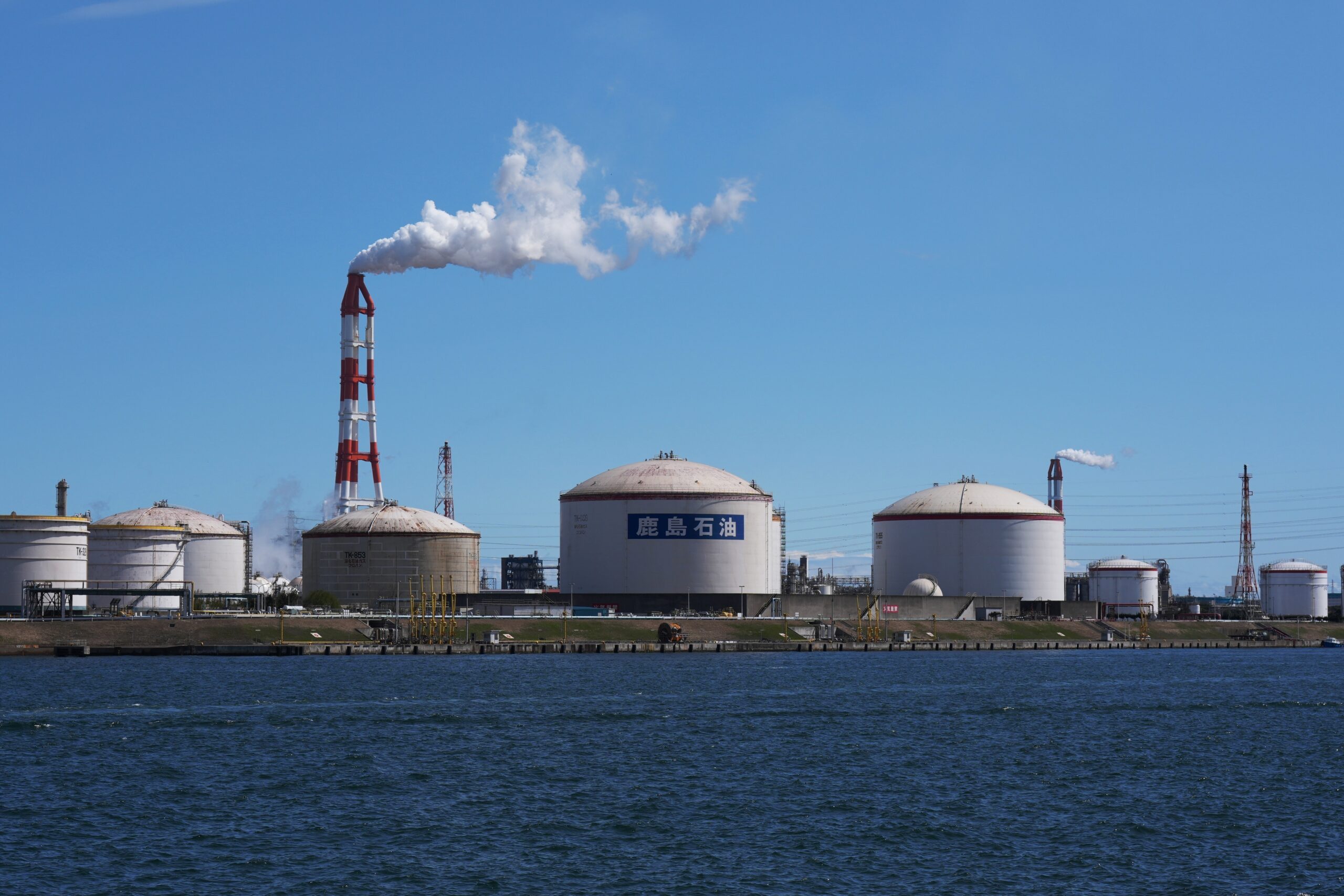
Gulf national oil companies are looking to increase stockpiles in Asia to meet customer needs, address their energy security concerns, and enable a nimbler response to unexpected market disruptions.
President Trump has led the United States into an impossible dilemma in which resuming and intensifying the war presents one set of alarming consequences while ending it under current circumstances offers at least as many disasters for Washington.
The Trump administration has positioned the United States at a crossroads between a new regime of containment against Iran or a historic drawdown of U.S. influence in the Gulf and broader Middle East.
Riyadh and Abu Dhabi urged President Trump not to attack Iran, but now that the war is into its second month, leaving the current situation in place would be an unthinkable fiasco for them.
Though they were unsuccessful in preventing the current conflict, and, as expected, have been dragged into the U.S.-Israeli confrontation with Iran, Gulf Arab countries remain crucial to hopes for limiting the war and bringing it to a quick resolution.












Sep 9, 2015
The Middle East After the Iran Nuclear Deal
Despite the heterogeneity of interests and perspectives among the six member states of the Gulf Cooperation Council (GCC), they share a broad consensus on the nuclear deal agreed to by major powers and Iran. This common position was expressed in the joint statement issued by GCC foreign ministers and U.S. Secretary of State John Kerry...
3 min read