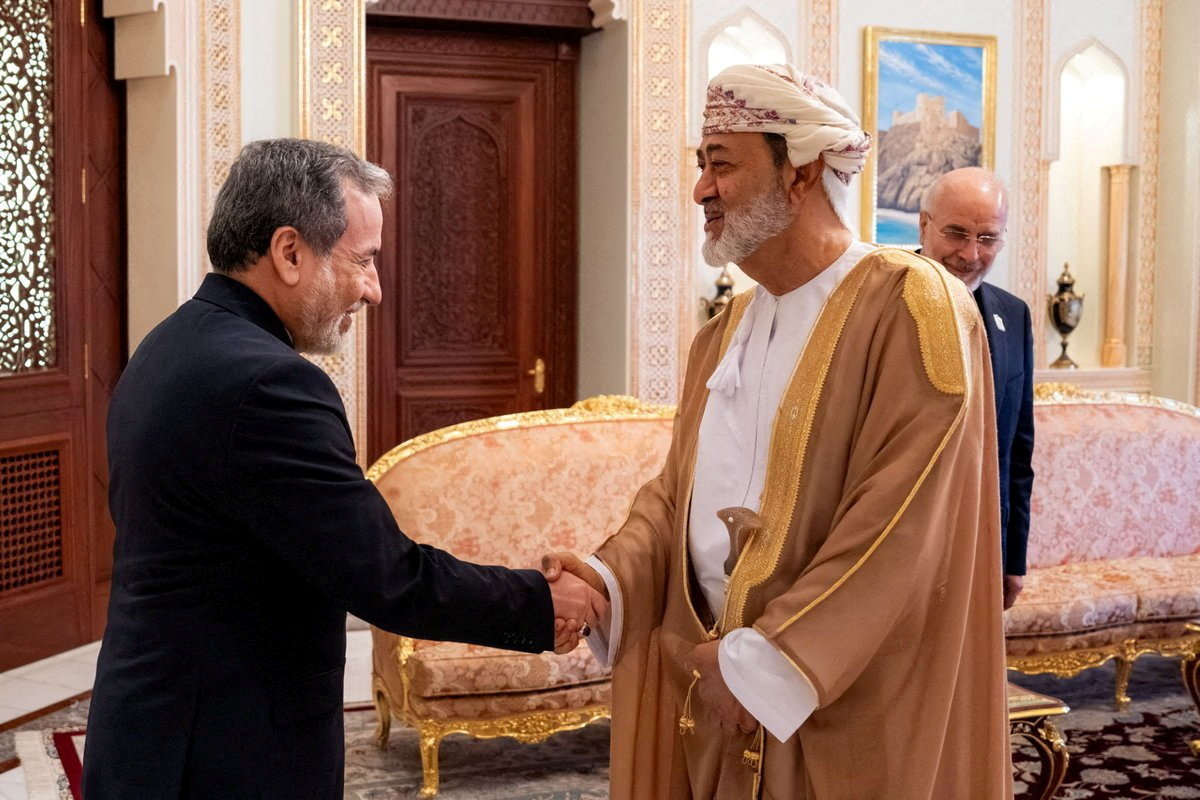
Iranian Foreign Minister Abbas Araghchi shakes hands with Oman Sultan Haitham bin Tariq al-Said in Muscat, Oman, June 23. (Oman News Agency/Handout via REUTERS)
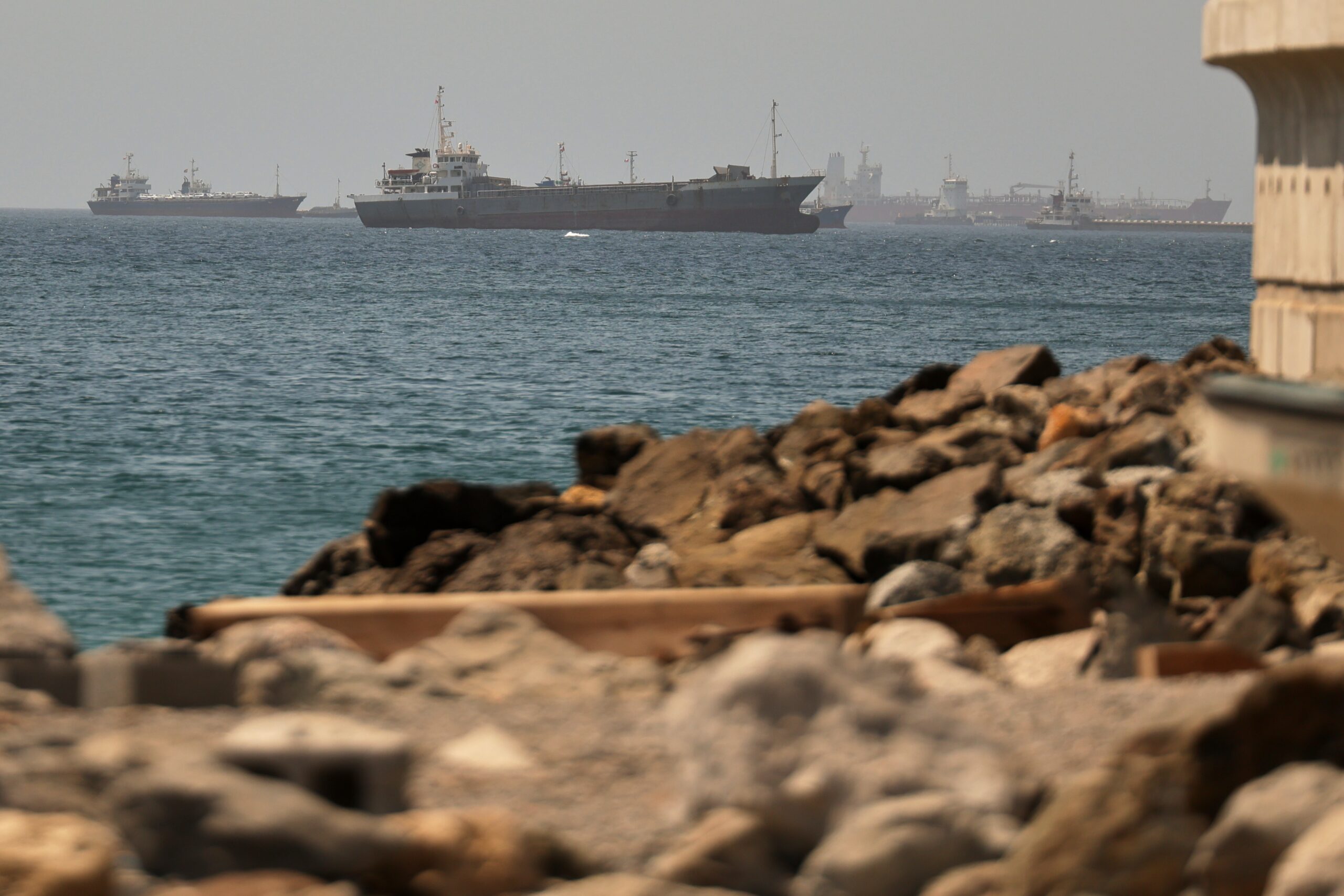
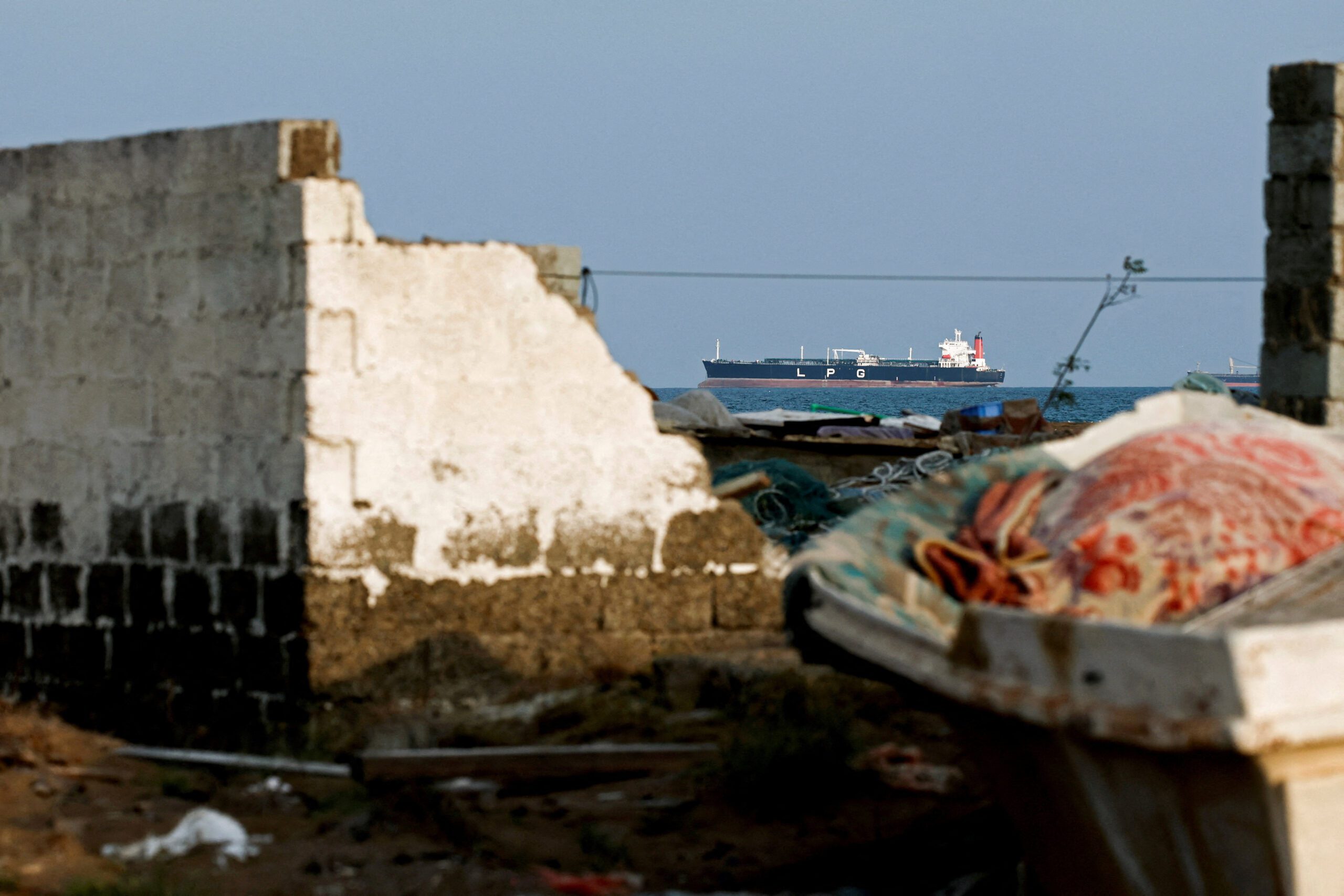
Days after the Islamabad U.S.-Iran memorandum of understanding’s 60-day window lapsed without a deal, President Donald J. Trump threatened on August 17 to bomb Oman if it “gets in the way” – the second such threat in three months. The timing is not incidental: An Oman-brokered arrangement on the Strait of Hormuz would succeed precisely where Washington’s own framework failed, and, as one Gulf scholar put it, would demonstrate “how impotent the United States is and has been.” Something has to give on both ends: Washington needs a deal to revive its expired memorandum, while Iran needs concessions it can call its own. Oman sits at the exact pressure point between the two.
A joint working group between Muscat and Tehran has outlasted the memorandum that spawned it, which collapsed within weeks amid renewed Iranian strikes on tankers. On August 2, Iranian Foreign Minister Abbas Araghchi told Iran’s Cabinet the working group’s talks had made significant progress and were nearing their final stages. Tehran’s repeated insistence that the Oman track is the only one that matters is itself telling.
Since the start of the war February 28, Muscat’s positioning has often been read as self-serving, not region serving. In the initial months of the war, when the United Arab Emirates led its neighbors in condemning Iran outright, Oman instead blamed the United States and Israel for dragging the region into war. But as the conflict continued, and the memorandum of understanding got caught on the Strait of Hormuz sticking point, Oman’s role became increasingly relevant as a product of decades engaging Tehran but not sympathizing with it.
The Gulf Arab state-backed proposal Oman put to Iran in late July was flatly rejected within days: Iranian officials demanded dominant control over the strait’s inbound lane. Yet Oman neither withdrew nor escalated, returning instead to the negotiating platform with a revised framework. Trump’s latest threats jeopardize the mechanism of diplomacy itself, while also failing to account for Oman’s national interests.
Toll or Control
Omani and, increasingly, Gulf Arab interlocutors are internalizing that the Strait of Hormuz will not return to its pre-February 28 status quo. Tehran rejected Oman’s proposed equal division of transit routes within days: Iranian Deputy Foreign Minister Kazem Gharibabadi insisted the inbound lane sit under complete Iranian control, only part of the outbound left to Oman. Tehran’s May 5 establishment of the Persian Gulf Strait Authority, with which Iran demands ships liaise before transit, is an institutionalized form of its vision for the strait. Iran’s position is less about monetizing the strait than administering it.
On fees, however, Oman has made real progress: shifting Iran from unilateral collection toward a voluntary service-fee mechanism. In April, Iran began accepting yuan and stablecoins for naval escort – a move that has now evolved into the “Strategic Action Plan for Ensuring Security and Development of the Strait of Hormuz and the Persian Gulf” in Iran’s Parliament. Muscat staked out its own position: On July 9, Oman told the International Maritime Organization’s council it opposes mandatory transit fees but sees the benefits of voluntary, service-tied arrangements. The dispute over the strait has since evolved into which services – navigation, security, environmental – justify charging at all, converging on a Malacca Strait-style model: Indonesia, Malaysia, and Singapore invite voluntary contributions funding navigation, environmental protection, and search and rescue.
Omani diplomats have said that navigation and environmental services sit more naturally within Oman’s remit than Iran’s. But the Malacca analogy has real limits. First, that mechanism was a joint undertaking: All three littoral states used the International Maritime Organization together, settling sovereignty first before agreeing to voluntary contributions rather than imposed payments. Oman’s July 9 International Maritime Organization statement, by contrast, stood alone: Iran has yet to acquiesce, going as far as rejecting equal division and unilaterally forming its own strait authority. Second, Malacca’s language confined security cooperation to the littoral states’ own defense forces, kept apart from navigation and environmental work. Third, the timeline on the Malacca agreement was long: Formal talks only began in 2004, taking three more years after a decade of prior discussion. On all three counts, the Strait of Hormuz remains far behind.
Rather than a return to the prewar status quo, what is emerging is instead a negotiated institution: The Strait of Hormuz is shifting from a geographic feature into an administered passage, with Oman positioning itself as coauthor of the rules rather than merely a route determined by them. Any deal will likely be temporary, risking a protracted dispute – whether the reported “middle corridor” merging existing lanes or a split management of inbound and outbound traffic – though such a deal could buy time to erode Iran’s claim to control.
A Principled Not Polarizing Approach
That drive for coauthorship is not new: Omani diplomacy is usually characterized by restraint – Oman acts as a low-profile mediator that stays quiet until a deal is done. Its deeper trait is positive neutrality – engagement even with a belligerent actor, sustained regardless of who holds power in Tehran. During the 1980-88 Iran-Iraq War, Oman refused Iraq’s request to use its territory to strike Iranian targets, despite Baghdad’s status as an “Arab brother.” Conversely, its relationship with Iran runs deeper: It was the shah’s troops who helped Sultan Qaboos bin Said crush the Dhofar rebellion in the 1970s, completing the unification of Oman’s coast and interior. That same neutrality later made Muscat the facilitator of the secret backchannel talks behind the 2015 Joint Comprehensive Plan of Action nuclear deal with Iran. It has repeatedly handled quieter business too – including prisoner exchanges between Washington and Tehran – making the Hormuz issue thorny in substance, not in kind. “The belief in an integrative regional architecture has always been how Oman sees Iran,” a senior Omani diplomat, speaking on the condition of anonymity, told the author, adding that regional stability is a precondition for prosperity and that Tehran “deserves a chance” after decades of sanctions.
This principle explains Muscat’s uncharacteristic exasperation in February. When indirect talks in Europe were on the verge of collapse just before the launch of the U.S.-Israeli campaign, Omani Foreign Minister Sayyid Badr bin Hamad Al Busaidi broke from Oman’s habitual reticence in a televised interview a day before the strikes describing a near-complete deal. When missiles began flying, he later penned an Economist op-ed singling out Washington’s “grave miscalculation” and urging the United States’ friends to help extricate it from an “unwanted entanglement” in Iran. In July, as the Islamabad memorandum unraveled, he wrote again, in Le Monde, proposing an inclusive security architecture for all eight Gulf littoral states, Iran and Iraq included, against what he called decades of misguided Western policy “containing” Iran.
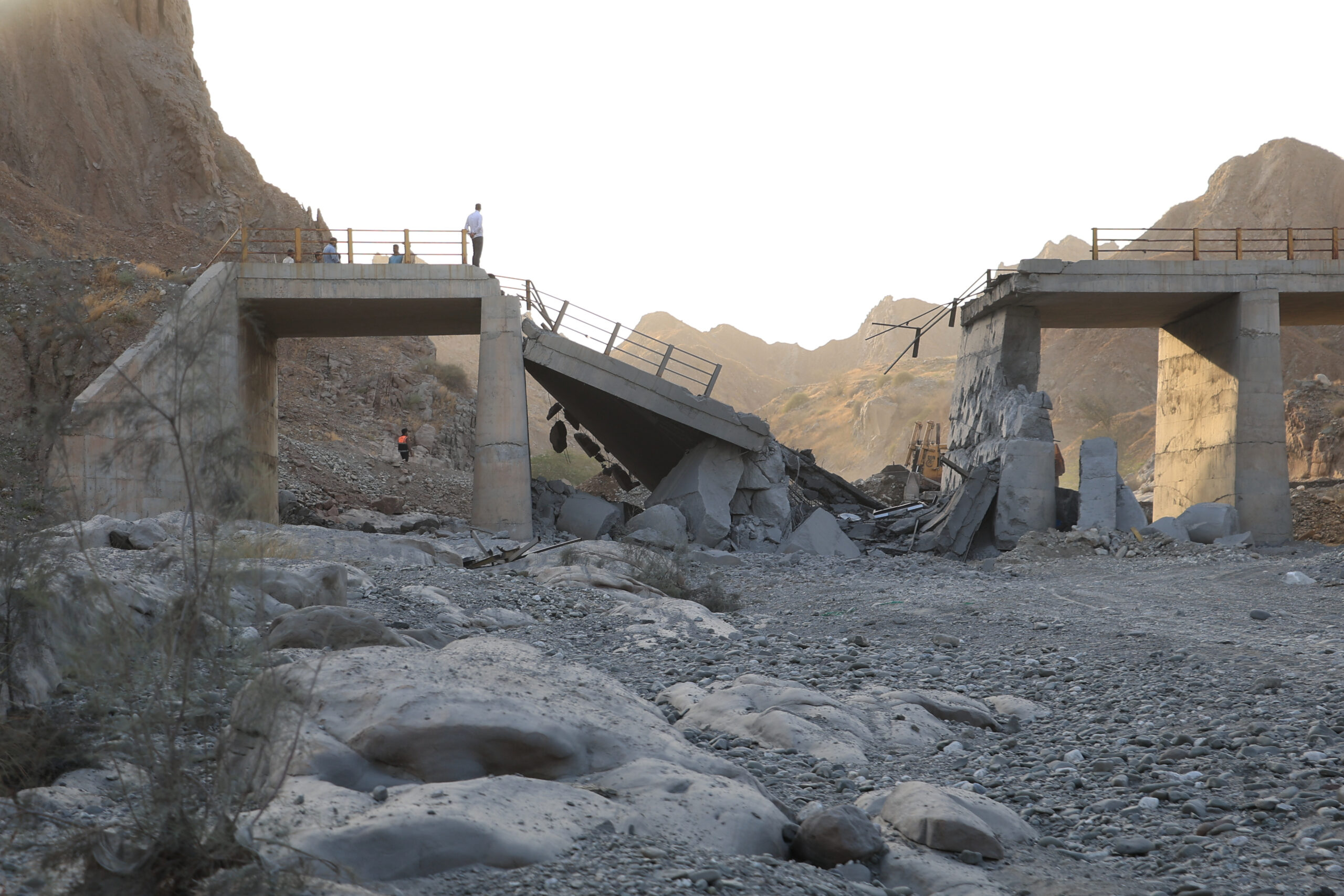
Nonetheless, engagement has limits. In July, after months of declining to name a culprit for earlier strikes, Oman summoned Iran’s ambassador to deliver a formal note of protest over a Musandam drone attack.
Challenges to Oman’s Rejuvenated Centrality
Omani centrality endures, even as Qatar and Pakistan lead the broader U.S.-Iran mediation. The Strait of Hormuz remains Muscat’s responsibility, and resolving it would help revive the almost-defunct U.S.-Iran memorandum, which was gated on reopening the strait before addressing other issues. That responsibility has grown fraught: Trump has now doubled down on his claim that the strait is under U.S. control – even as far as posting an image showing the waterway as “U.S. territory” – while Tehran has reiterated the strait’s continued closure unless its key demands are met.
Iranian President Masoud Pezeshkian recently called the memorandum “the center of gravity” of Iran’s foreign relations, suggesting the deal is not wholly dead. Yet, a more assertive, hard-line Iran that has now launched missiles against the UAE could throw a wrench into the works. Israel is another spoiler, with Israeli Prime Minister Benjamin Netanyahu’s July 28 White House visit – days before Oman’s proposal – presenting Trump with options for pressuring Iran.
Integrating Iran – an Omani ideal – remains far-fetched for now, but the shape of any lasting solution is clearer: It will need to be region led, not externally imposed. A Gulf Cooperation Council foreign ministers’ call preceding Oman’s Gulf-backed plan suggests a momentum of regional coordination. Notably, Muscat has been working closely with Doha, an important mediator in U.S.-Iran talks: In late June, both countries’ foreign ministers met to reaffirm their goal of keeping the strait “open to international shipping.” On August 18, Qatar’s Foreign Ministry spokesperson, Majed Al Ansari, said that Qatar still expects “brotherly Oman and Iran” to reach an agreement that will allow the resumption of U.S.-Iran talks.
It is not in Oman’s interest to see further escalation. Stability, not confrontation, has long been the precondition for its own development model. Its clearest signal to all sides is that it is defending its own borders, maritime and otherwise, within the bounds of international law, not obstructing a U.S.-Iran settlement. It is trying to pave the road toward one.
The views represented herein are the author's or speaker's own and do not necessarily reflect the views of AGSI, its staff, or its board of directors.
Oman has benefitted from the U.S.-Israeli war with Iran, but continued conflict and Oman’s highwire neutrality balancing act mean that the sultanate’s economic windfall is still in danger.
President Trump has led the United States into an impossible dilemma in which resuming and intensifying the war presents one set of alarming consequences while ending it under current circumstances offers at least as many disasters for Washington.
Iranian attacks on Omani ports and oil tankers are straining Oman’s long-standing “friend to all” regional foreign policy, but Muscat still has a part to play in achieving peace.
There is renewed buoyancy for the Omani economy as rallied oil prices are expected to ease the execution of plans, big and small. Yet, public trust in government plans still falls short.
On March 29, AGSIW and the National University of Singapore’s Middle East Institute co-hosted a panel discussion examining the Arab region's positions on climate change.
On July 27, AGSIW and the National University of Singapore's Middle East Institute hosted a discussion on economic diversification efforts in the Gulf Arab states.