Aug 8, 2025
The IRGC Backs Ali Larijani the Pragmatist
The August 8 edition of the Iran Media Review analyzes an IRGC-affiliated newspaper’s reaction to Ali Larijani’s appointment to the SNSC.

In the latest example of external pressure fostering intraelite cohesion, the Islamic Revolutionary Guard Corps’ primary media outlet praised President Masoud Pezeshkian’s August 5 appointment of Ali Larijani as secretary of the Supreme National Security Council. Larijani’s return to the upper echelons of power marks a further step in the consolidation of Iran’s emerging collective leadership, as Supreme Leader Ayatollah Ali Khamenei remains in hiding, fearing an Israeli assassination attempt.
- August 6: Islamic Revolutionary Guard Corps-affiliated Javan praised President Masoud Pezeshkian’s appointment of Ali Larijani as Supreme National Security Council secretary, suggesting that it:
-
- “signifies the return of an experienced and effective figure to the forefront of strategic national security decision making. Rather than being a purely political move, it reflects the regime’s inclination to prioritize expertise in times of crisis … It also demonstrates the leadership’s need for an individual who not only enjoys relative acceptability across the country’s political factions but is also capable of managing complex regional and international developments … Larijani’s recent visit to Russia likely signals his new role in handling high-level relations with major powers, such as Russia and China. He is among the few who can strike a balance in Iran’s international relations without succumbing to either emotionalism or excessive conservatism … Given his current role as a political advisor to the leader, as well as his prior experience in Parliament, diplomacy, and national security, Larijani is expected to act as a mediator and balancer across key domains of macrolevel decision making, including the military establishment, the Cabinet, and even political currents … Thanks to his extensive networks at home and abroad and his systemic approach to policymaking, he is well-positioned to guide sensitive issues, such as regional diplomacy, revival of the Joint Comprehensive Plan of Action, or an alternative to it, relations with Russia, China, and the emerging powers, and domestic and regional security challenges.”
The views represented herein are the author's or speaker's own and do not necessarily reflect the views of AGSI, its staff, or its board of directors.
Related
Iran Media Review
Aug 5, 2025
Cornered at Home and Abroad, the Regime Turns to the Pragmatists
The August 5 edition of the Iran Media Review highlights Iranian media responses to a potential change in Iran’s national security leadership.
Iran Media Review
Jul 29, 2025
The Iran-Israel Conflict According to Foreign Minister Araghchi
The July 29 edition of the Iran Media Review evaluates excerpts from an interview with the Iranian foreign minister about the Iran-Israel conflict.
Iran Media Review
Jul 25, 2025
Crisis and Concession: The Regime Reaches Out to Society
The July 25 edition of the Iran Media Review analyzes Iranian officials’ criticism of state policies amid growing security, water, and energy crises.
Aug 5, 2025
Cornered at Home and Abroad, the Regime Turns to the Pragmatists
The August 5 edition of the Iran Media Review highlights Iranian media responses to a potential change in Iran’s national security leadership.
Jul 29, 2025
The Iran-Israel Conflict According to Foreign Minister Araghchi
The July 29 edition of the Iran Media Review evaluates excerpts from an interview with the Iranian foreign minister about the Iran-Israel conflict.
Jul 25, 2025
Crisis and Concession: The Regime Reaches Out to Society
The July 25 edition of the Iran Media Review analyzes Iranian officials’ criticism of state policies amid growing security, water, and energy crises.
Analysis
The Islamic Republic Returns to Offense
After U.S.-Israeli strikes killed Supreme Leader Ayatollah Ali Khamenei on February 28, Iran’s collective leadership has concluded that the best defense is a good offense.
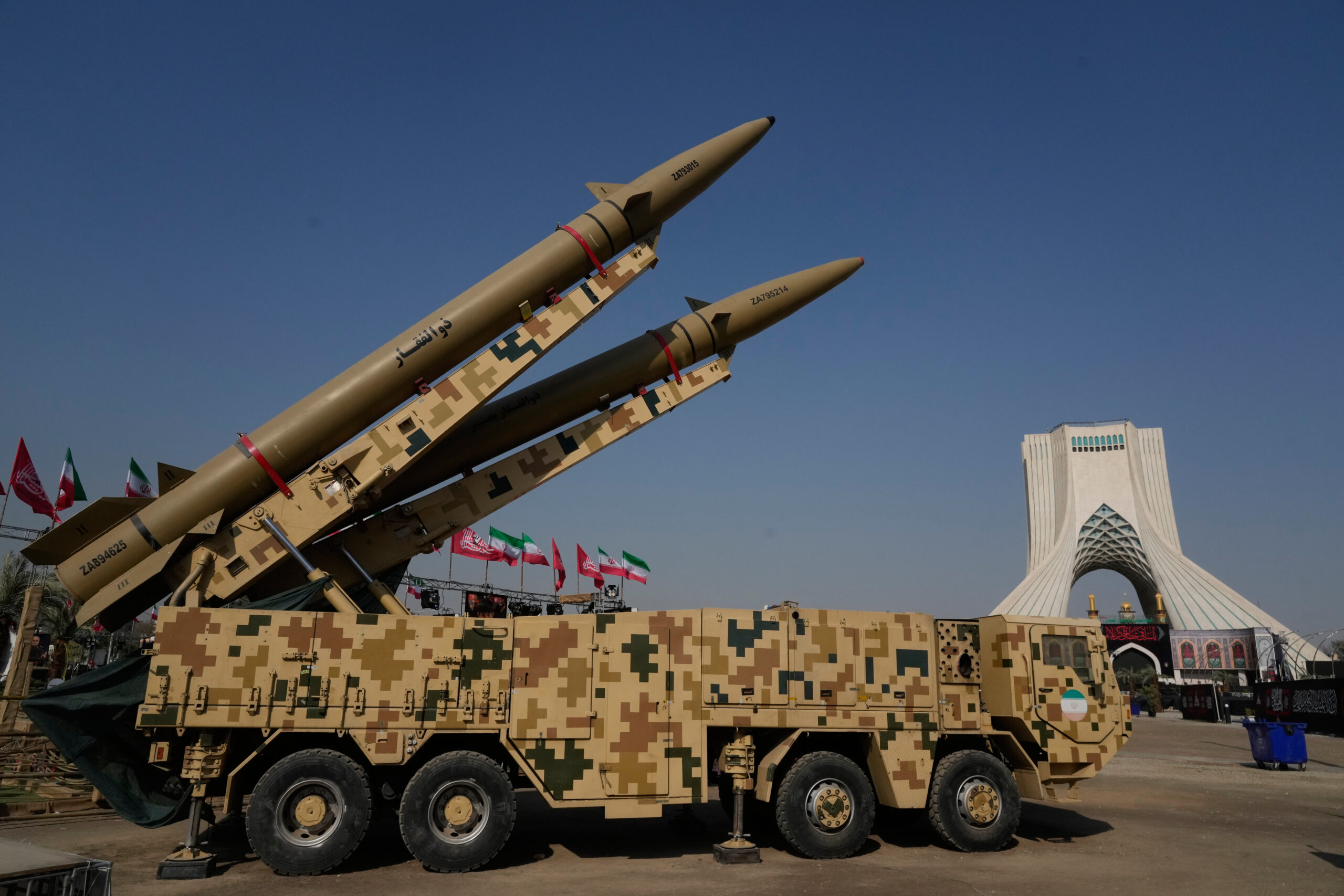
Iran’s Collective Strategic Decision Making
Wartime pressure has temporarily aligned the leadership’s overriding interest in regime survival, even as its members continue to differ over the costs, methods, and ultimate objectives of the war.
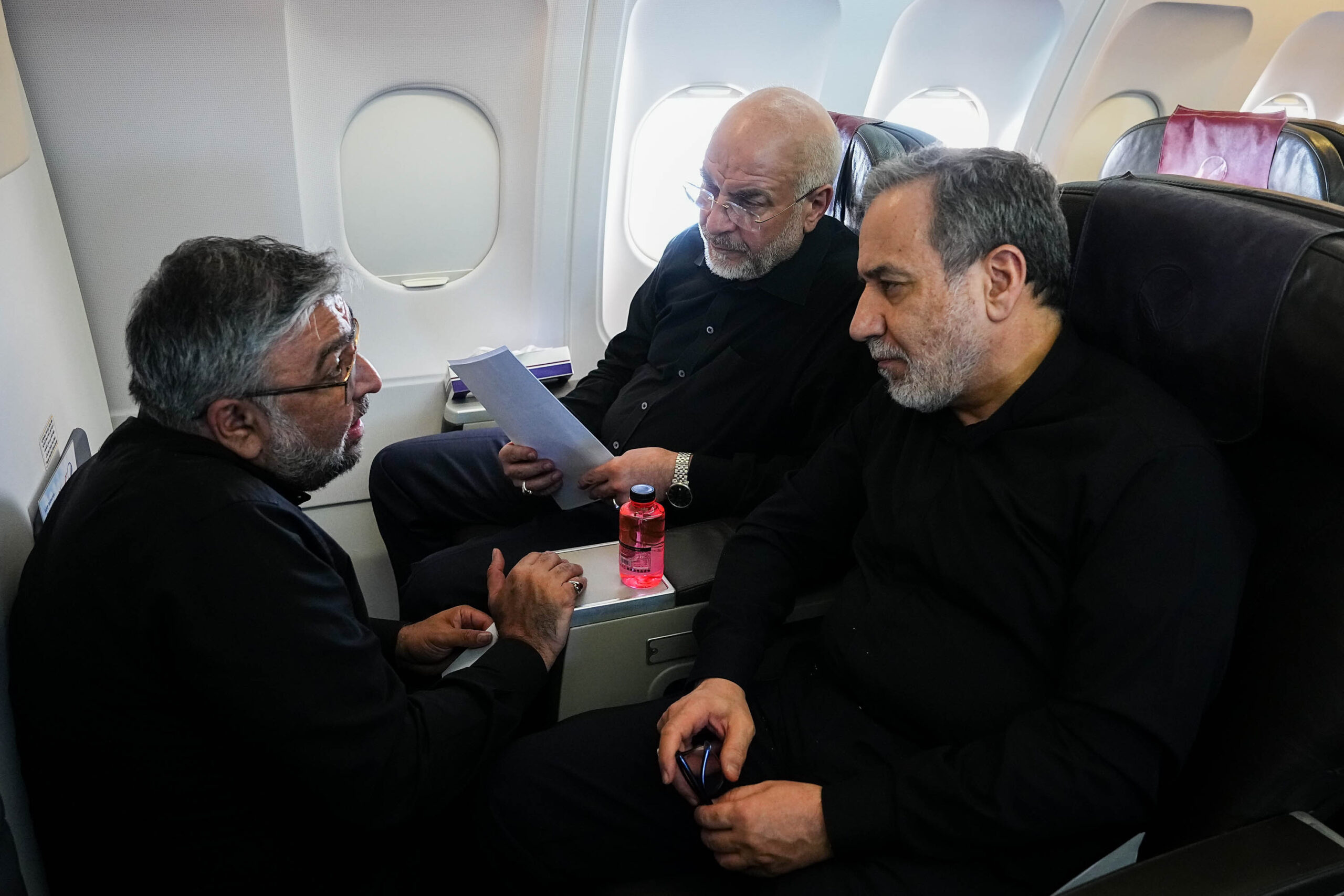
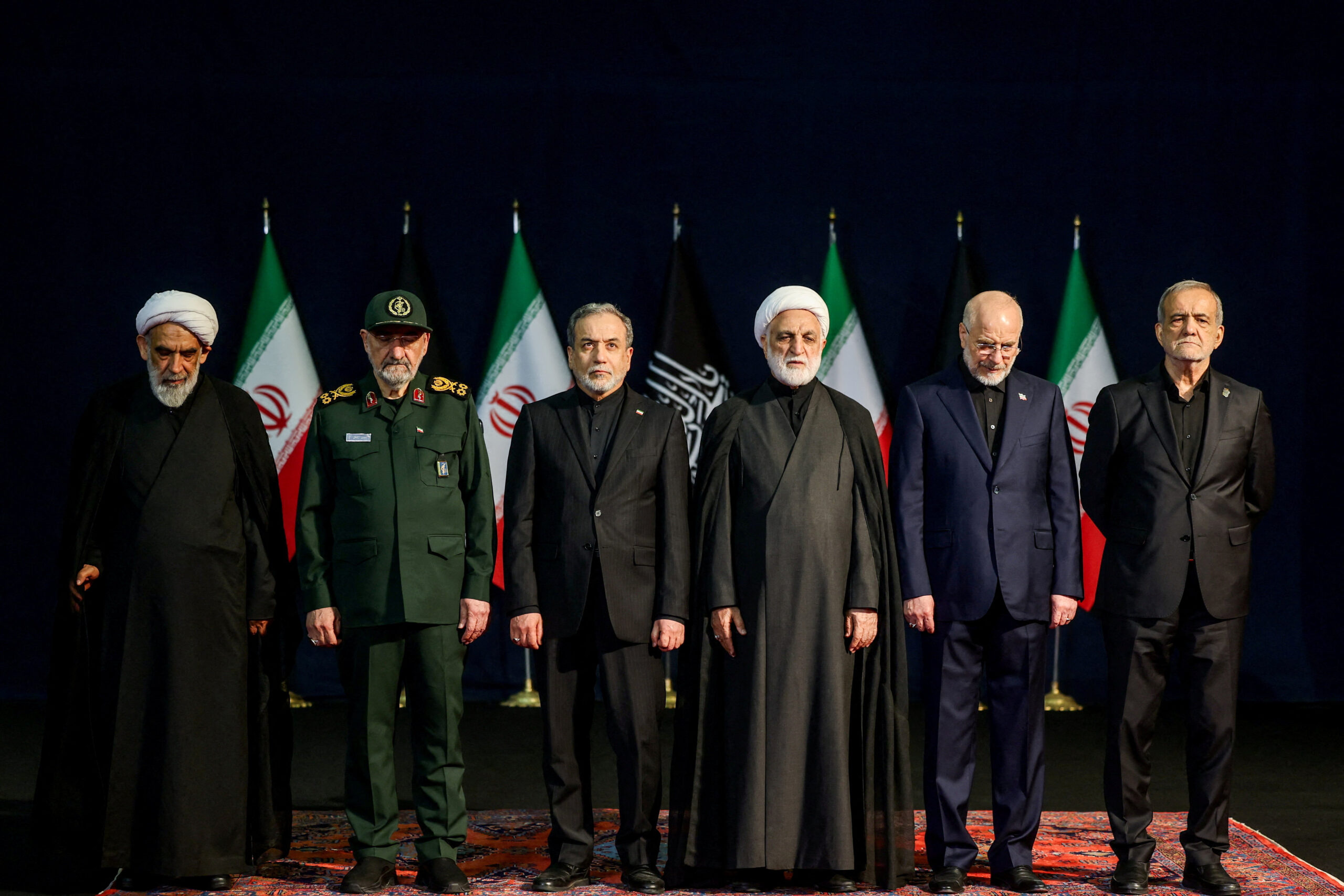
The Islamic Republic’s Collective Leadership
While there is historical precedent for collective leadership in Iran, today’s leadership includes representatives of the IRGC and regular military – a reflection of the IRGC’s expanding role and the necessities of governing under wartime conditions.
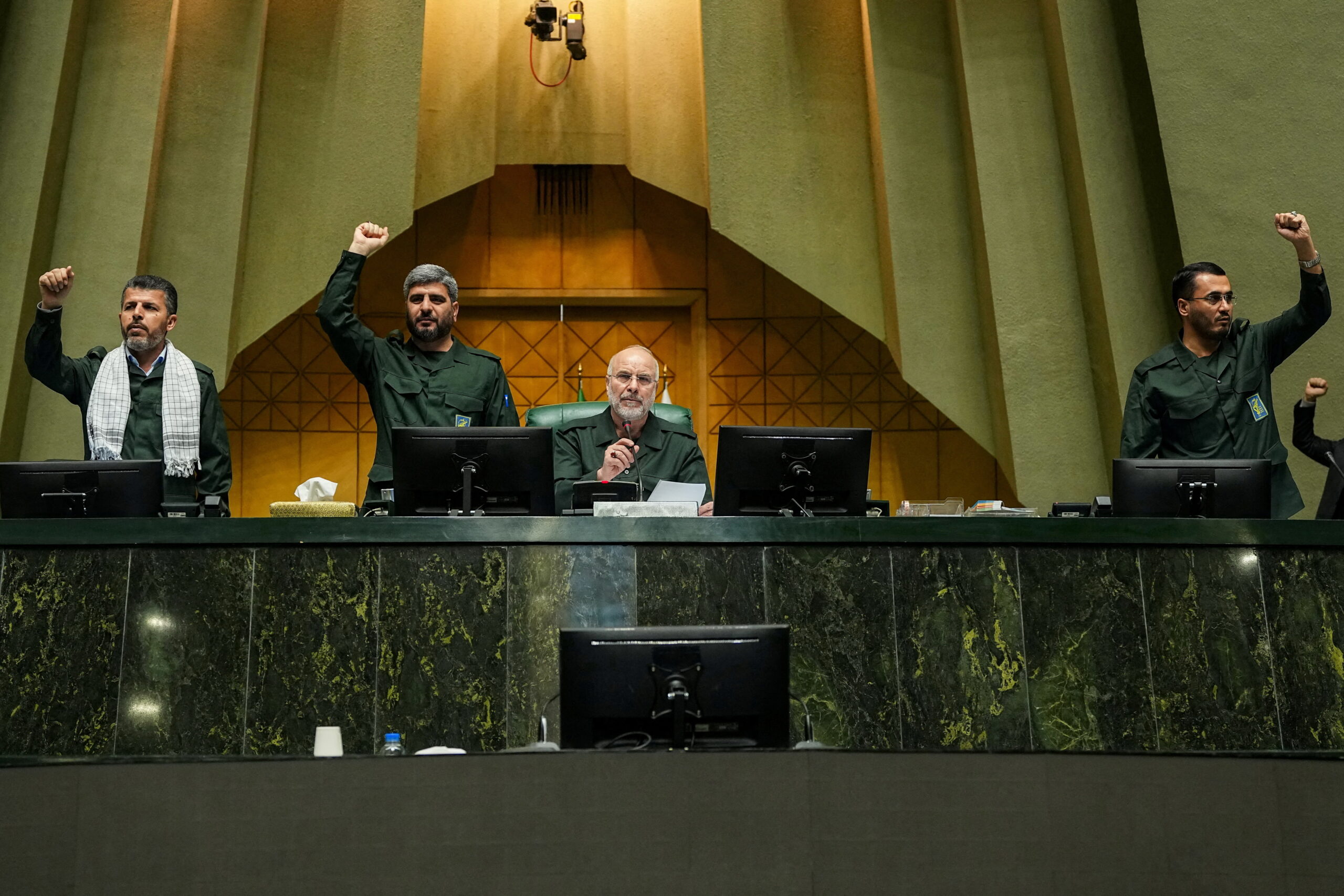
How Did the IRGC Seize Power in Iran?
The IRGC did not seize power in a single stroke. It accumulated it – patiently, methodically – until no counterweight remained.
Events
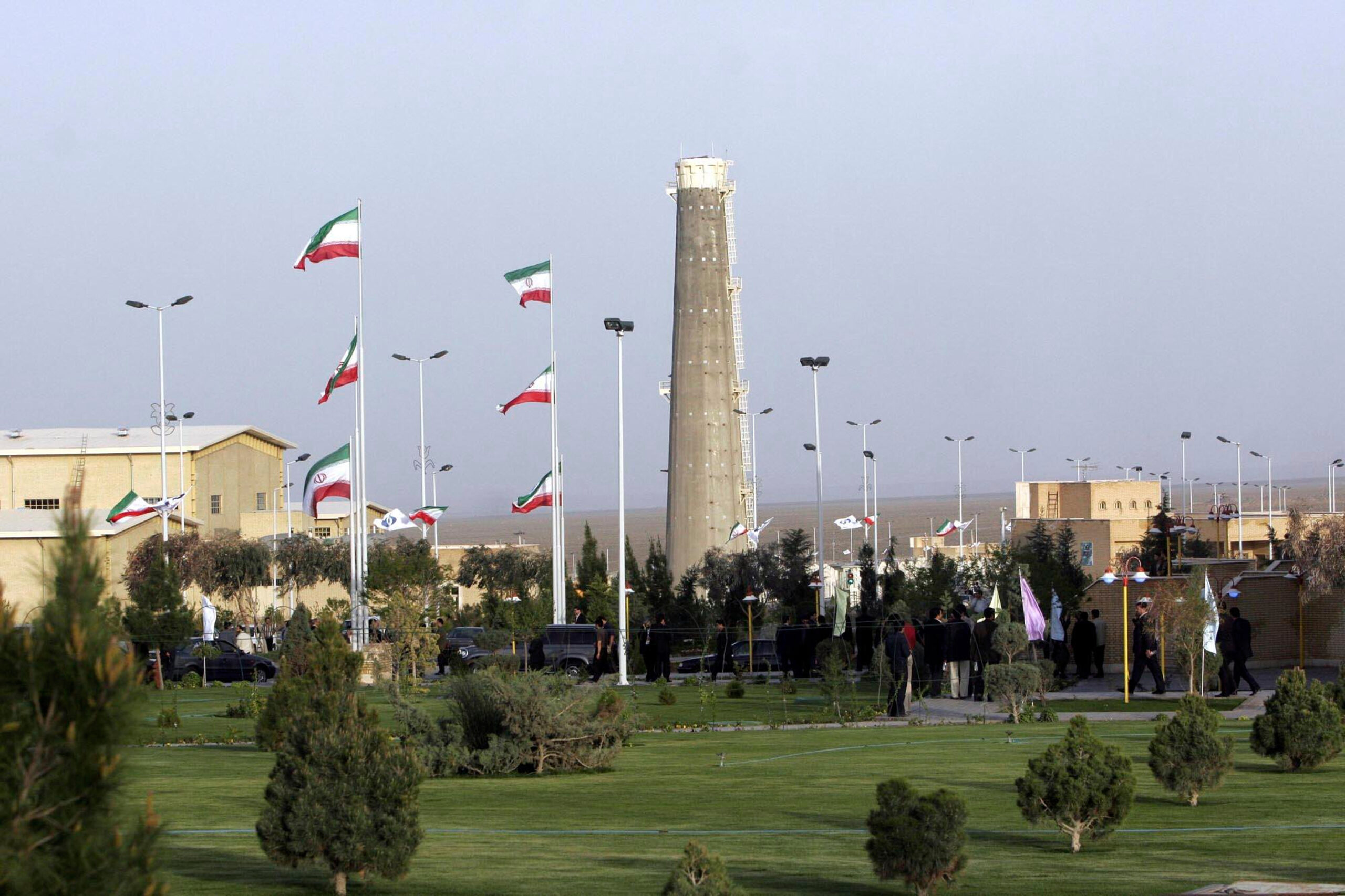
Book Talk: Iran and the Bomb: The United States, Iran and the Nuclear Question
On June 16, AGSI hosted a discussion on the evolution of Iran's nuclear program.
Speakers

Apr 21, 2026
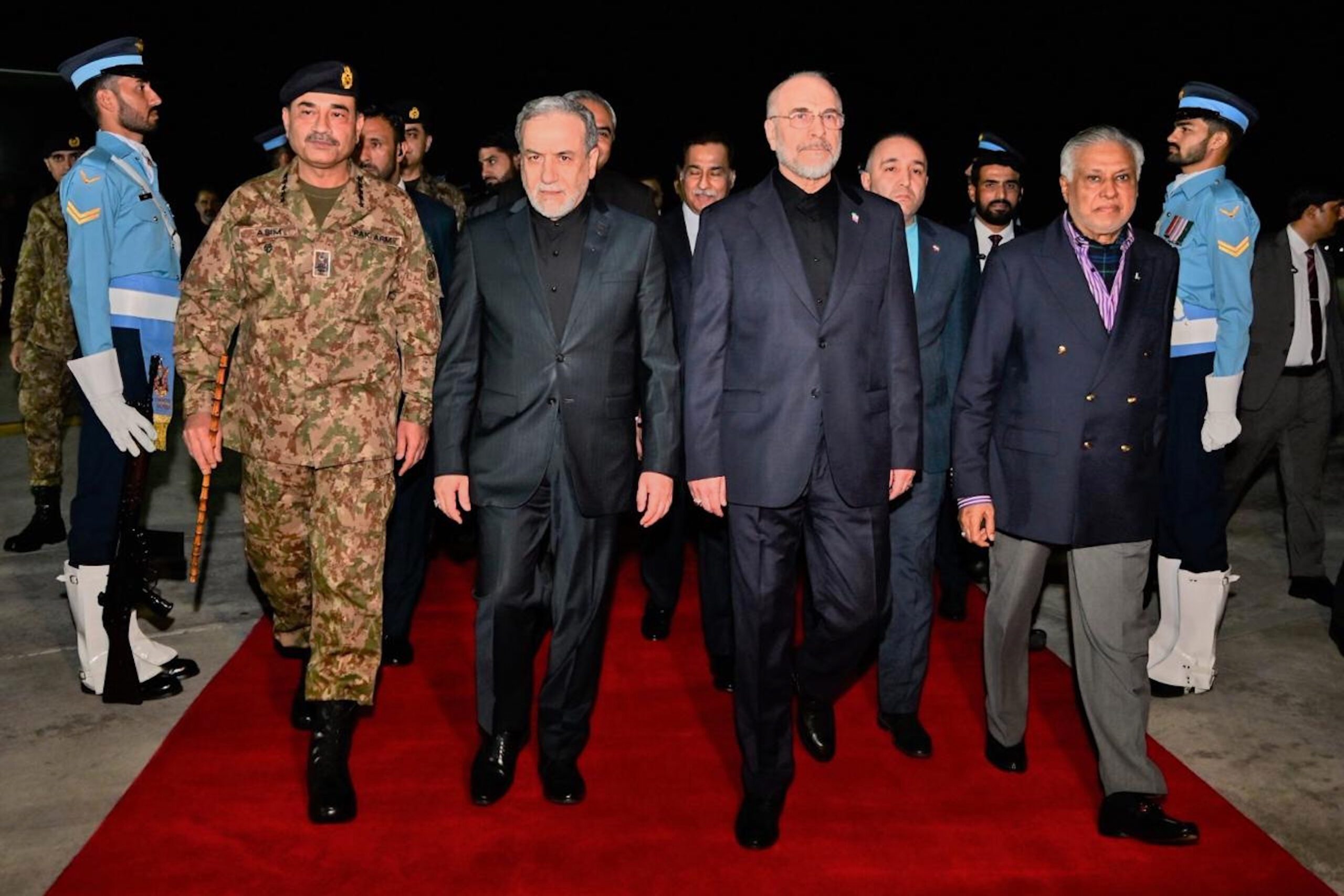
Inside Iran’s Wartime Leadership: Power, Succession, and Regime Stability
On April 21, AGSI hosted a discussion on the evolution of Iran's leadership during the war.
Speakers

Mar 18, 2026
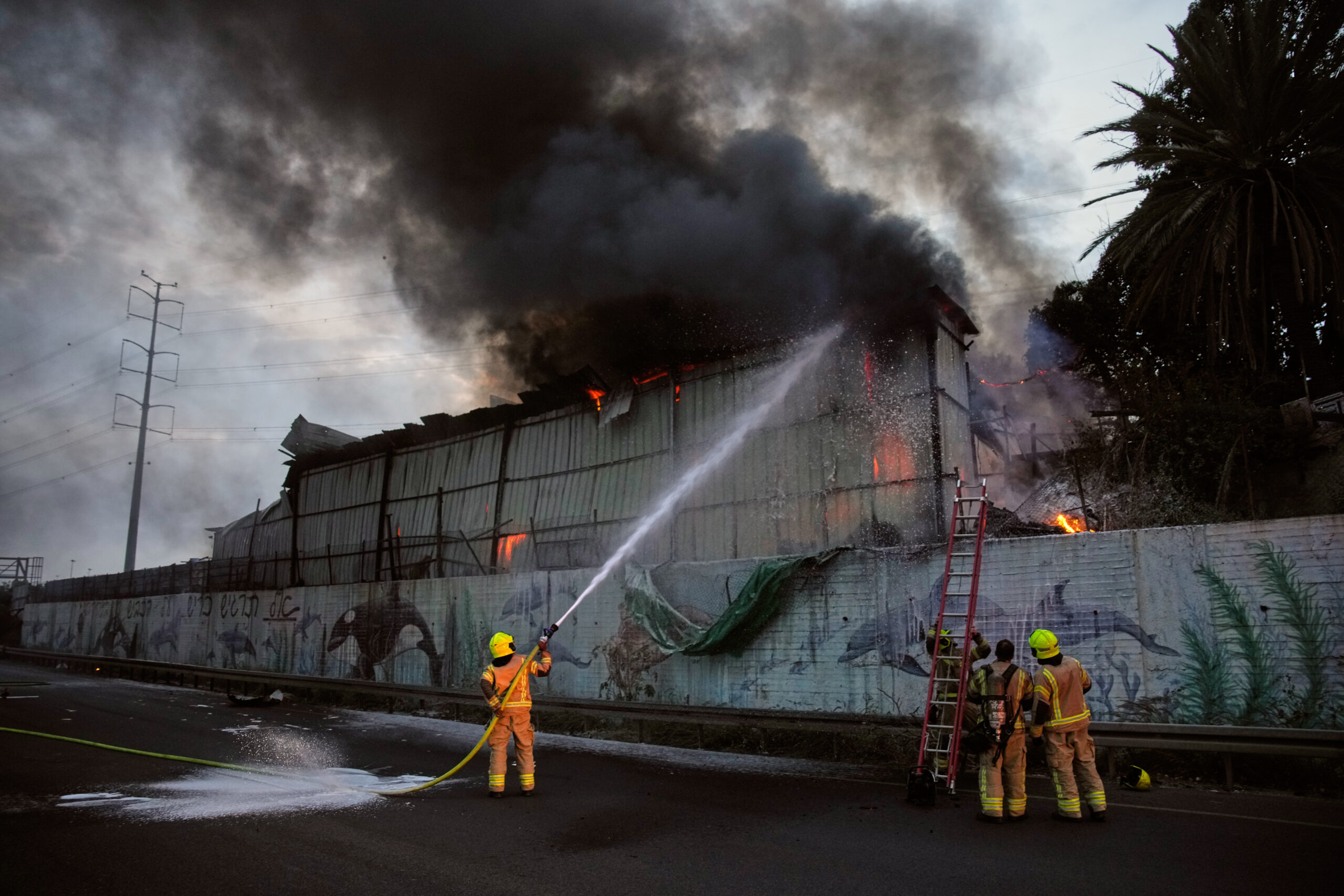
In Its Conflict With the United States and Israel, Does Escalation Favor Iran?
On March 18, AGSI hosted a discussion on the escalation of the Iran war.
Speakers


Mar 2, 2026
After the Shock: Implications of the U.S.–Israeli Strikes and Iran’s Leadership Transition
On March 2, AGSI hosted a discussion on the U.S.-Israeli strikes on Iran.
Speakers