Jul 25, 2025
Crisis and Concession: The Regime Reaches Out to Society
The July 25 edition of the Iran Media Review analyzes Iranian officials’ criticism of state policies amid growing security, water, and energy crises.

Historically, Iran has responded to internal and external threats with heightened domestic repression. However, amid the persistent threat of renewed Israeli aggression, the threat of armed insurgency in the peripheral regions, and mounting water and energy crises, former officials have now been permitted to advocate for changing the regime’s approach toward society – and President Masoud Pezeshkian reached out to the reformist opposition.
- July 19: Ezzatollah Zarghami, former director general of Islamic Republic of Iran Broadcasting, in an interview with Islamic Republic News Agency, called on the regime to “behave differently toward the people in the wake of the war.”
-
- “A few nights ago, I was watching TV, and … an expert very openly and rightly spoke out against the morality police. Could anyone have uttered a single word against them a couple of years ago? Apparently, it takes something like the Mahsa Amini incident. We are now in the ‘post-Mahsa’ era. When that event occurred, a process like unveiling – which might have taken five more years – suddenly swept through society. And our security apparatus and the Supreme National Security Council preferred to suspend the implementation of the hijab and chastity law. Now, we are seeing the result … even those who disagreed showed in this war that we are all Iranian, we love our homeland, and we stand firm. It is the people who were martyred, because even ordinary people’s homes were targeted. I went and spoke with these people. They have proved that they stand by their country.”
- July 21: In a post on X, Ali Akbar Velayati, senior foreign policy adviser to the supreme leader, urged decision makers to change “some of the state’s prevailing social approaches to a focus on public satisfaction, in ways tangible to the people.”
- July 23: Meeting an assembly of reformist political activists, President Masoud Pezeshkian said his government is ready to engage in conversations with the opposition, since “the country is in need of dialogue and not confrontation.” Etemad reported that Pezeshkian spoke about reforming Iran:
-
- “Certain things are easier said than done in practice. Reforms are time consuming, and certain things may need a decade to be changed.”
-
- Speaking about the water crisis, Pezeshkian said: “The Cabinet inherited many imbalances from the past … Some of the factors limiting the government’s freedom of action are these imbalances. Forced closure of government offices are mostly due to this reason. By reducing consumption, the people should help put water scarcity behind us.”
- July 23: Centrist Asr-e Iran reported on the deaths of three Iranian border guards in Iran’s Kurdistan province in a fight against “oppositional and counterrevolutionaries attempting to infiltrate Iran.”
The views represented herein are the author's or speaker's own and do not necessarily reflect the views of AGSI, its staff, or its board of directors.
Related
Iran Media Review
Jul 22, 2025
A Conditional Yes to Continued Negotiations
The July 22 edition of the Iran Media Review highlights Iranian official commentary about inflation concerns and the future of negotiations with the United States.
Iran Media Review
Jul 18, 2025
The Regime in Tehran Braces for a Summer of Discontent
The July 18 edition of the Iran Media Review considers critiques of energy and water overconsumption and the Iranian government's foreign policy.
Iran Media Review
Jul 15, 2025
“Nothing Is Bleaker Than the Color Black”
The July 15 edition of the Iran Media Review analyzes Iranian media reactions to European threats to reimpose sanctions on Iran.
Jul 22, 2025
A Conditional Yes to Continued Negotiations
The July 22 edition of the Iran Media Review highlights Iranian official commentary about inflation concerns and the future of negotiations with the United States.
Jul 18, 2025
The Regime in Tehran Braces for a Summer of Discontent
The July 18 edition of the Iran Media Review considers critiques of energy and water overconsumption and the Iranian government's foreign policy.
Jul 15, 2025
“Nothing Is Bleaker Than the Color Black”
The July 15 edition of the Iran Media Review analyzes Iranian media reactions to European threats to reimpose sanctions on Iran.
Analysis
The Islamic Republic Returns to Offense
After U.S.-Israeli strikes killed Supreme Leader Ayatollah Ali Khamenei on February 28, Iran’s collective leadership has concluded that the best defense is a good offense.
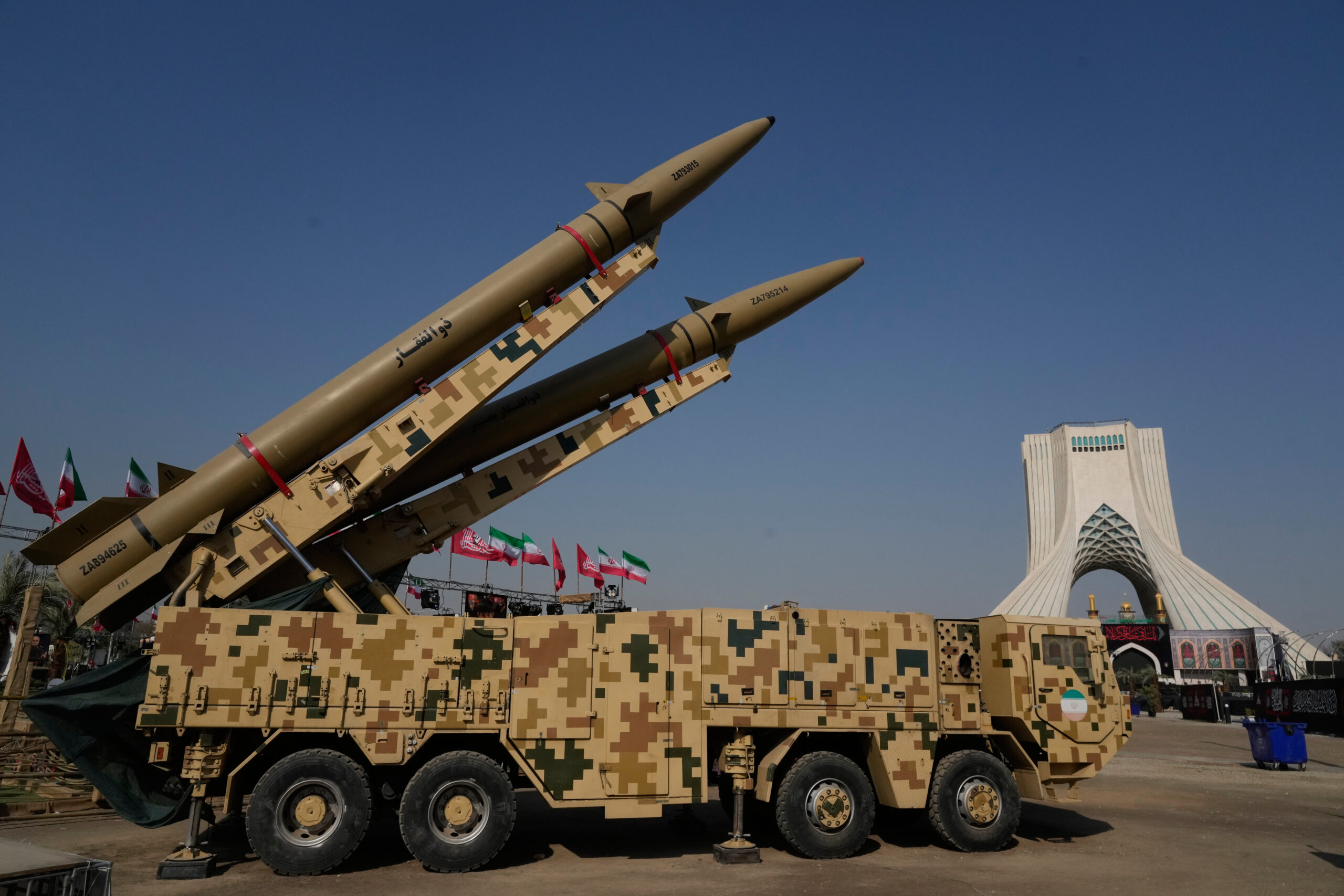
Iran’s Collective Strategic Decision Making
Wartime pressure has temporarily aligned the leadership’s overriding interest in regime survival, even as its members continue to differ over the costs, methods, and ultimate objectives of the war.
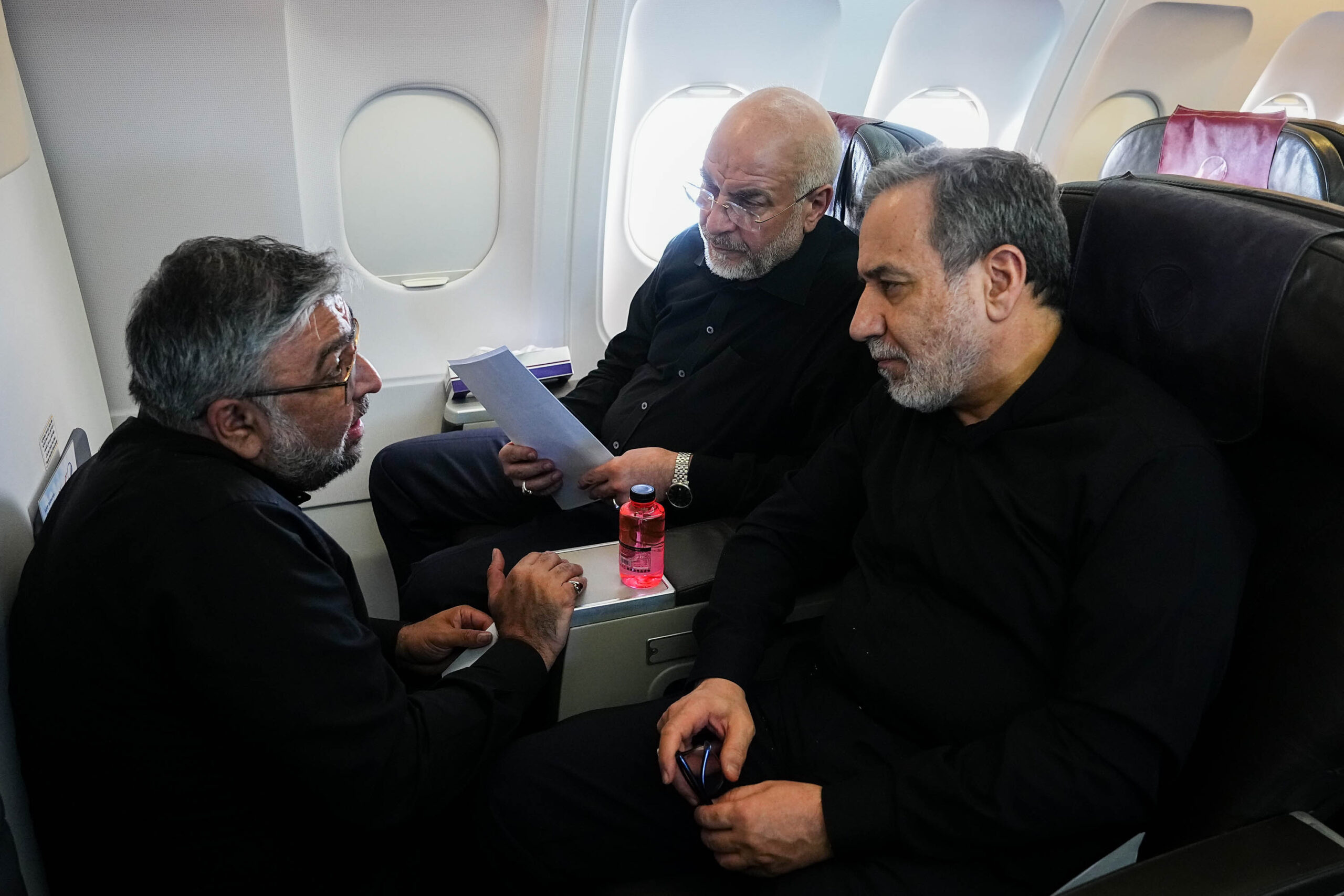
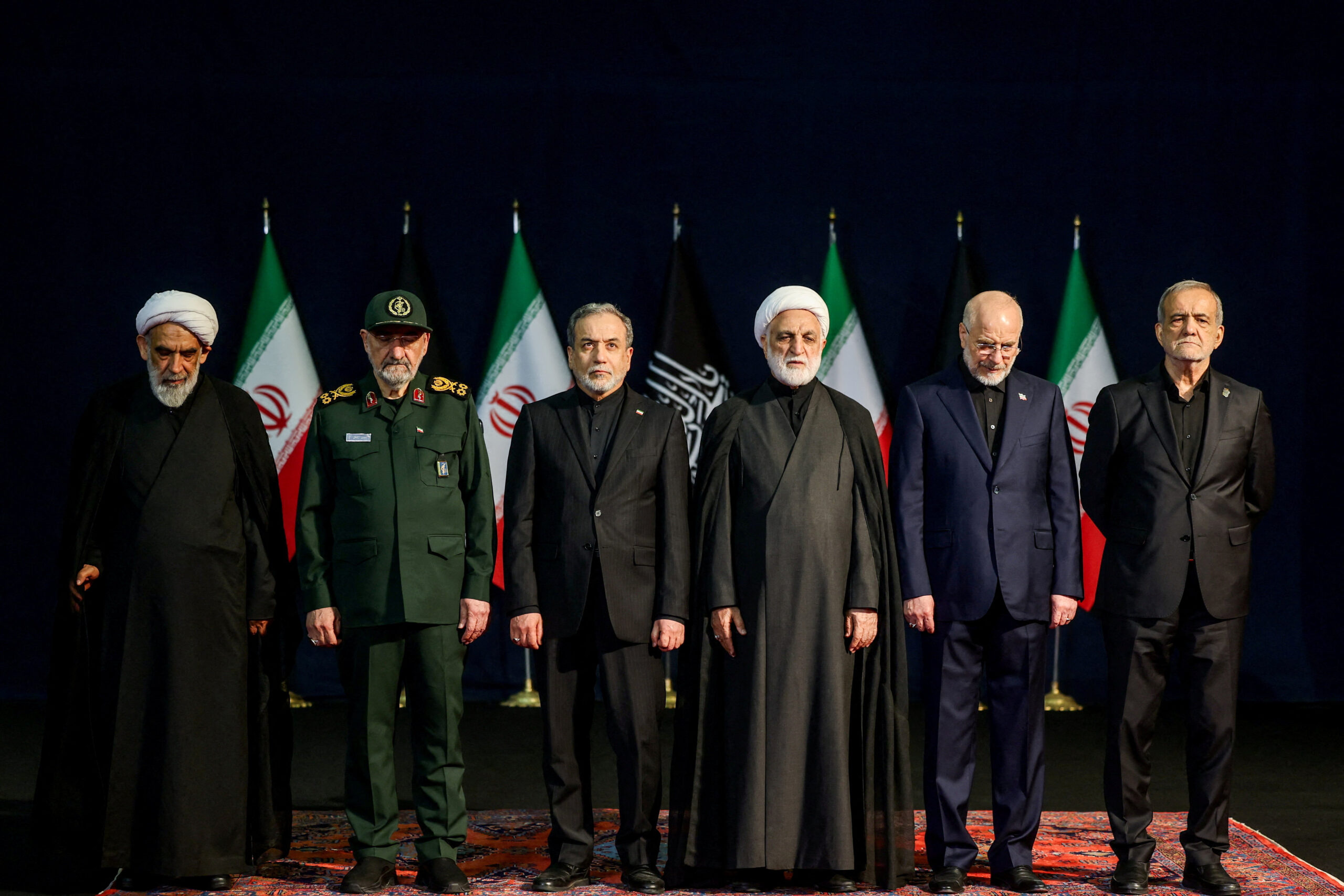
The Islamic Republic’s Collective Leadership
While there is historical precedent for collective leadership in Iran, today’s leadership includes representatives of the IRGC and regular military – a reflection of the IRGC’s expanding role and the necessities of governing under wartime conditions.
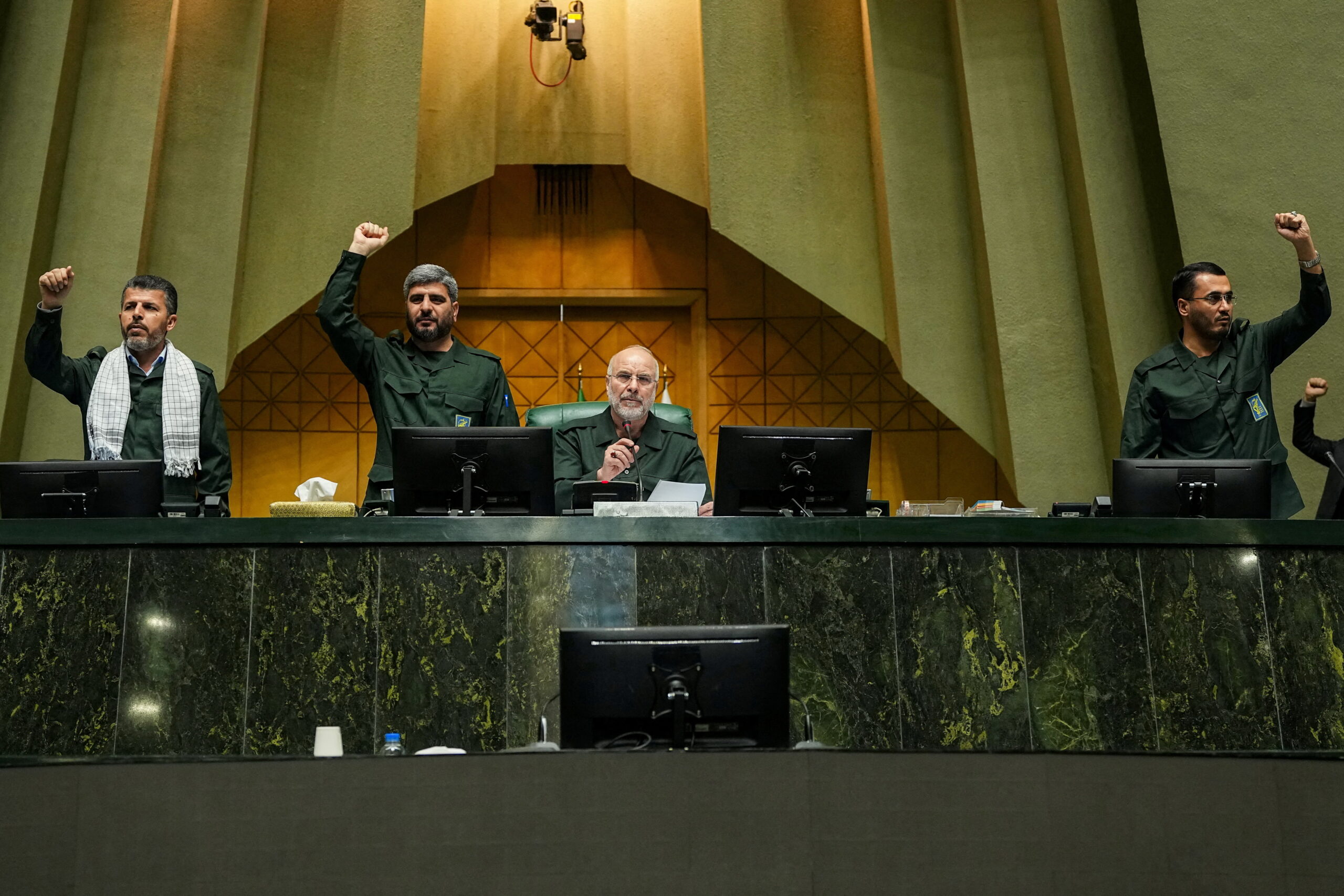
How Did the IRGC Seize Power in Iran?
The IRGC did not seize power in a single stroke. It accumulated it – patiently, methodically – until no counterweight remained.
Events
Book Talk: Iran and the Bomb: The United States, Iran and the Nuclear Question
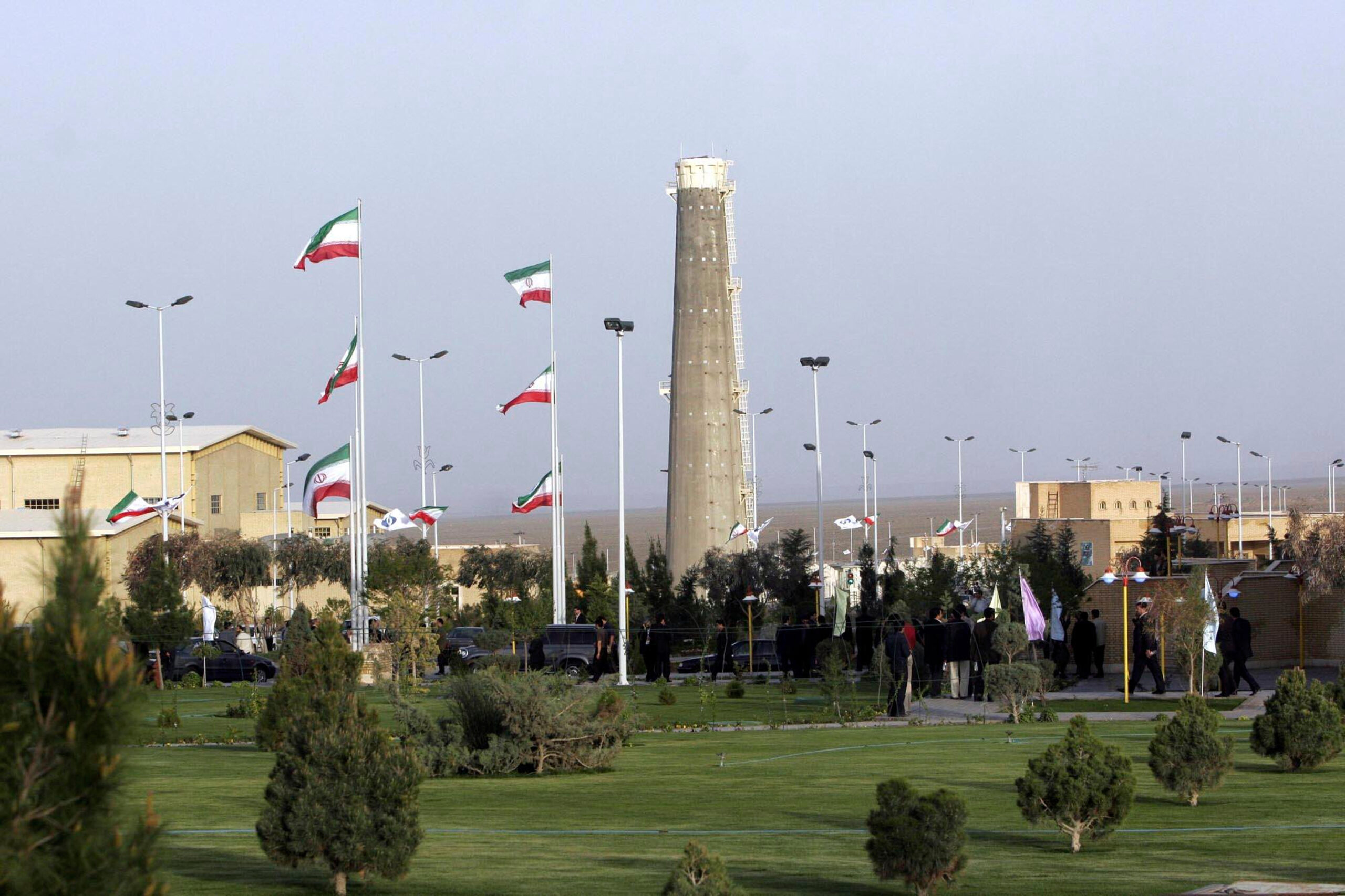
On June 16, AGSI hosted a discussion on the evolution of Iran's nuclear program.
Speakers

Apr 21, 2026
Inside Iran’s Wartime Leadership: Power, Succession, and Regime Stability
On April 21, AGSI hosted a discussion on the evolution of Iran's leadership during the war.
Speakers

Mar 18, 2026
In Its Conflict With the United States and Israel, Does Escalation Favor Iran?
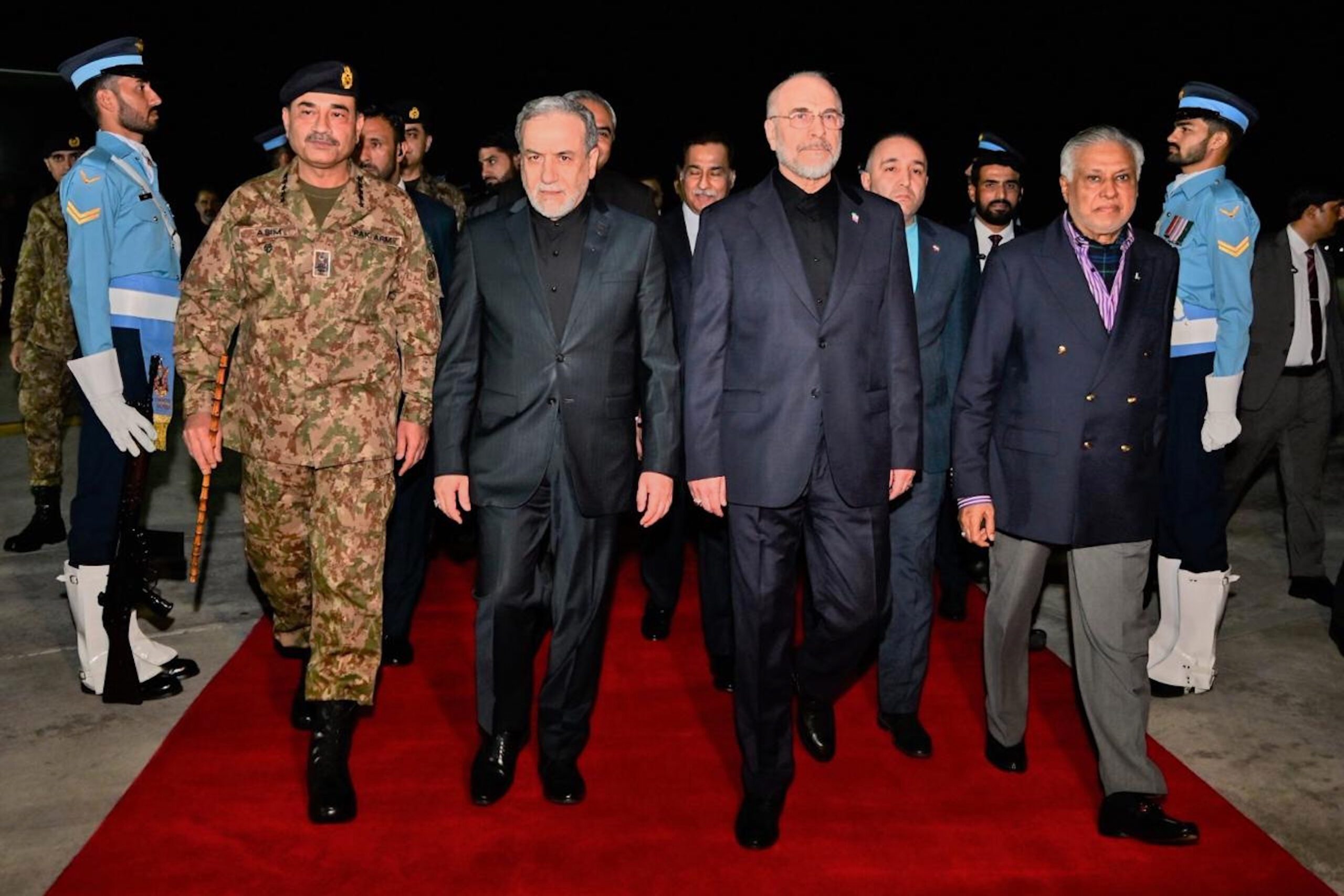
On March 18, AGSI hosted a discussion on the escalation of the Iran war.
Speakers


Mar 2, 2026
After the Shock: Implications of the U.S.–Israeli Strikes and Iran’s Leadership Transition
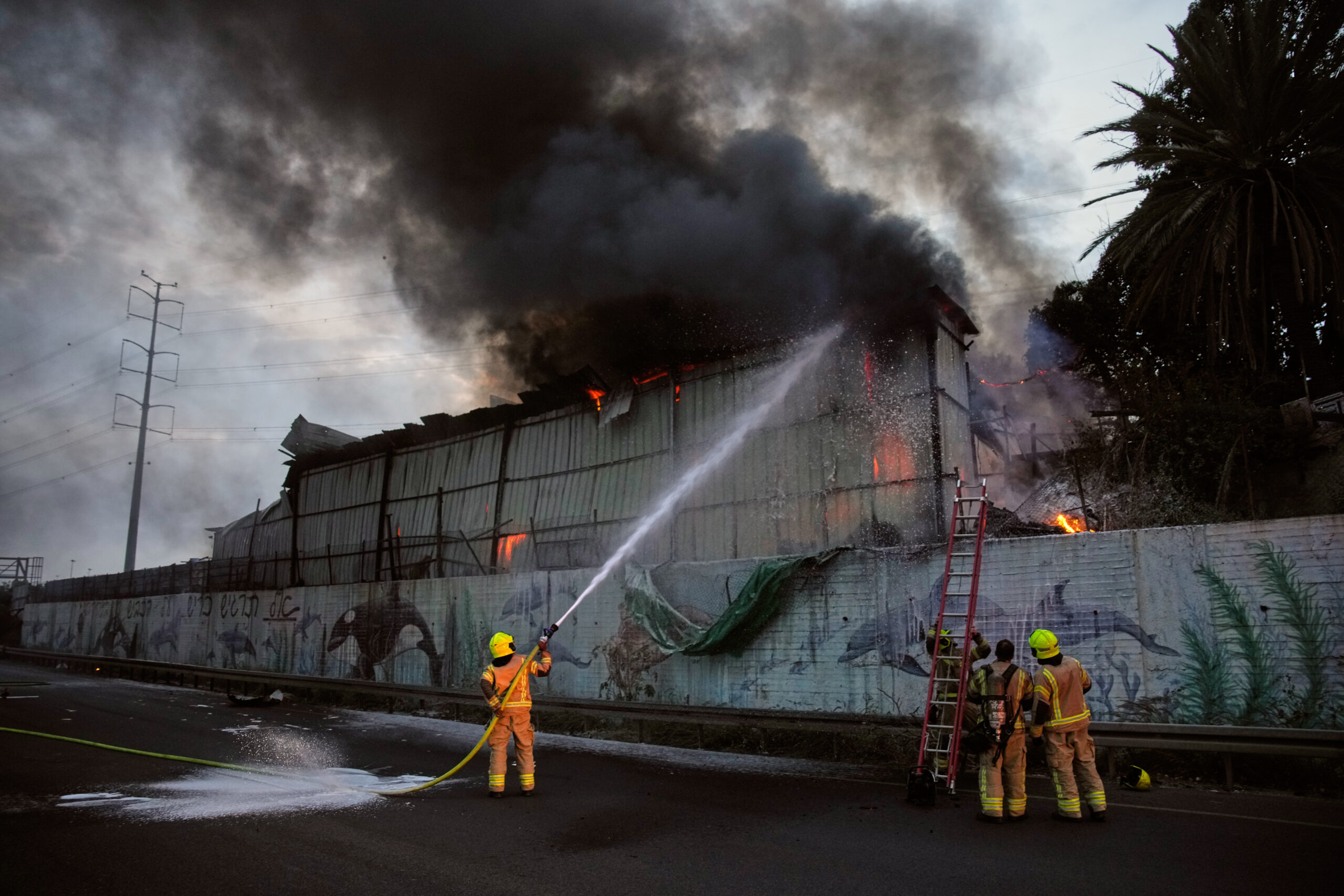
On March 2, AGSI hosted a discussion on the U.S.-Israeli strikes on Iran.
Speakers