Jul 18, 2025
The Regime in Tehran Braces for a Summer of Discontent
The July 18 edition of the Iran Media Review considers critiques of energy and water overconsumption and the Iranian government's foreign policy.

Iran is bracing for a summer of discontent: Severe water shortages have triggered conservation efforts, and energy officials have warned about unsustainable energy consumption. Reformists criticized the National Organization for Passive Defense and caution that renewed Israeli strikes could cripple infrastructure, stir unrest, and push the state toward collapse. Hard-line media countered by arguing that Syria’s regime change has not shielded the country from Israeli attacks. Amid these tensions, President Masoud Pezeshkian appealed for national unity.
- July 16: Centrist Iranian Students’ News Agency reported that the current year is “one of the hardest when it comes to water resources. Climate change and continued drought have led to excessive use of water reserves from the dams. The transfer of water from the Taleqan Dam and from the dams in Karaj and Qazvin to Tehran is being planned by the Ministry of Energy. Changing consumption patterns and enforcing legal limits in water consumption is becoming a serious issue.”
-
- Iranian Students’ News Agency quoted Mohsen Ardakani, executive director of the Water and Sewerage Department of Tehran province. He said:
-
-
- “If people reduce their water consumption by 20%, we will not face water shortages or decreased water pressure.”
-
- July 17: Nasser Eskandari, strategic director of the Thermal Power Plants Holding Company, reported that the company has increased capacity to provide electricity during the peak summer months, yet he complained about the high cost of energy production in Iran in an interview with Donya-ye Eqtesad:
-
- “In the world, 1.3 kilowatt-hours of energy is consumed for each dollar of gross domestic product, but in Iran, this number is 2.2 kilowatt-hours … the energy sector is not paying adequate attention to energy consumption.”
- July 17: Reformist Etemad dedicated an entire page to criticism of the National Organization for Passive Defense, which was largely absent during the Iran-Israel conflict.
- July 17: Majid Mohammad Sharifi, an academic at Kharazmi University, warned against sustained Israeli attacks on Iran in an article in Etemad:
-
- “Israel is likely to continue its military attacks against Iran’s nuclear and missile infrastructure, with the aim of destabilizing the regime … Apart from the military infrastructure, Israel may take action against political institutions and government services and engage in widespread sabotage in Tehran and the peripheral provinces, where it will try to activate dissident cells and wrest these areas away from government control … Continued attacks will turn the Islamic Republic into a failed state and create the conditions for political and social change.”
- July 17: An editorial by hard-line Kayhan urged readers to “take a good look at Syria,” and argued:
-
- “When America and the Zionist regime attacked our country, the United States simultaneously removed the ruling regime in Syria from its list of foreign terrorist organizations and lifted the sanctions. A dowdy and inept chorus in Iran attempted to present Syria as a ‘role model for Iran,’ arguing: ‘Regime change in Syria led to sanction removal. We, too, need a paradigm shift through constitutional change,’ meaning regime change, ‘and become a normal state.’”
-
- President Donald J. Trump “joined this chorus by saying: ‘If you emulate Syria and follow my orders, I will remove the sanctions against you.’ Yesterday, the Syrian Defense Ministry building was attacked by Israel, and Syria was not even capable of firing a single shot. Is this the role model the dowdy and inept chorus is following? Would it be wrong to call them infiltrators?”
- July 17: Islamic Revolutionary Guard Corps-affiliated Javan ridiculed “Free Syria” for having fallen “victim to Israeli fire.”
- July 17: An analyst on technocratic Sazandegi questioned whether persistent Israeli attacks on Syria would open the path to a military confrontation between Turkey, a backer of the new regime in Damascus, and Israel.
- July 17: Addressing the Cabinet, as reported by Shargh, President Masoud Pezeshkian urged his ministers to be “respectful toward the people” and emphasized:
-
- “The way we deal with those who criticize us, those whom we believed were our enemies because they either criticized us or fundamentally did not recognize us as a legitimate government, yet stood by Iran under the imposed war, must be changed. All the authorities and officials and the political class must see to it that this solidarity and concordance is strengthened and continues.”
-
- Pezeshkian also called for a report on the performance of the Islamic Republic of Iran Broadcasting during the war to assess the organization’s contribution to “solidarity and concordance.”
The views represented herein are the author's or speaker's own and do not necessarily reflect the views of AGSI, its staff, or its board of directors.
Related
Iran Media Review
Jul 15, 2025
“Nothing Is Bleaker Than the Color Black”
The July 15 edition of the Iran Media Review analyzes Iranian media reactions to European threats to reimpose sanctions on Iran.
Iran Media Review
Jul 11, 2025
Hard-Line Ridicule of Pezeshkian Widely Condemned
The July 11 edition of the Iran Media Review examines Iranian media responses to the Iranian president’s interview with Tucker Carlson.
Iran Media Review
Jul 8, 2025
From Ummah to Nation: Khamenei Swaps Shia Internationalism for Iranian Nationalism
The July 8 edition of the Iran Media Review highlights Ayatollah Khamenei’s rhetorical shift from Shia internationalism to Iranian nationalism.
Jul 15, 2025
“Nothing Is Bleaker Than the Color Black”
The July 15 edition of the Iran Media Review analyzes Iranian media reactions to European threats to reimpose sanctions on Iran.
Jul 11, 2025
Hard-Line Ridicule of Pezeshkian Widely Condemned
The July 11 edition of the Iran Media Review examines Iranian media responses to the Iranian president’s interview with Tucker Carlson.
Jul 8, 2025
From Ummah to Nation: Khamenei Swaps Shia Internationalism for Iranian Nationalism
The July 8 edition of the Iran Media Review highlights Ayatollah Khamenei’s rhetorical shift from Shia internationalism to Iranian nationalism.
Analysis
The Islamic Republic Returns to Offense
After U.S.-Israeli strikes killed Supreme Leader Ayatollah Ali Khamenei on February 28, Iran’s collective leadership has concluded that the best defense is a good offense.
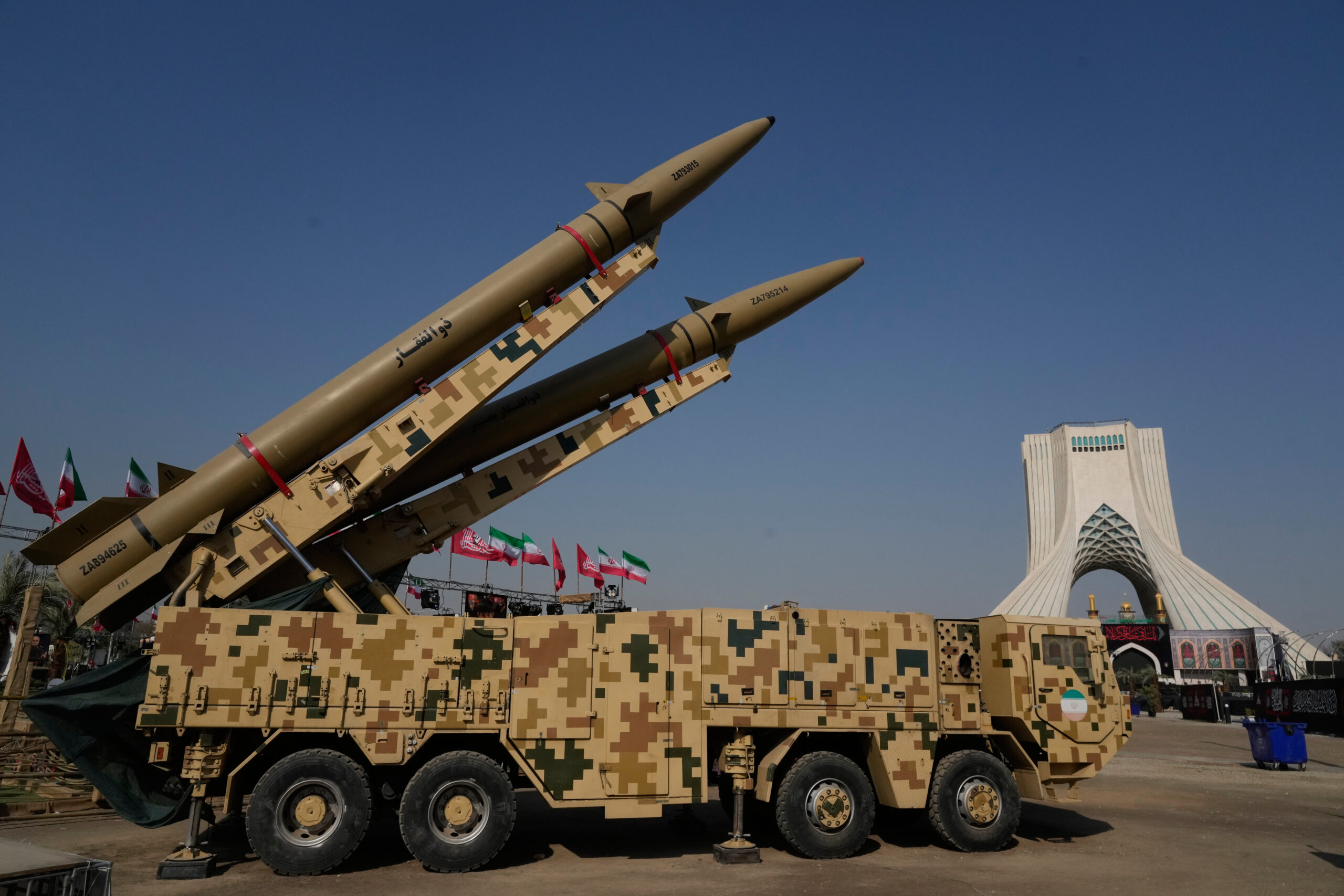
Iran’s Collective Strategic Decision Making
Wartime pressure has temporarily aligned the leadership’s overriding interest in regime survival, even as its members continue to differ over the costs, methods, and ultimate objectives of the war.
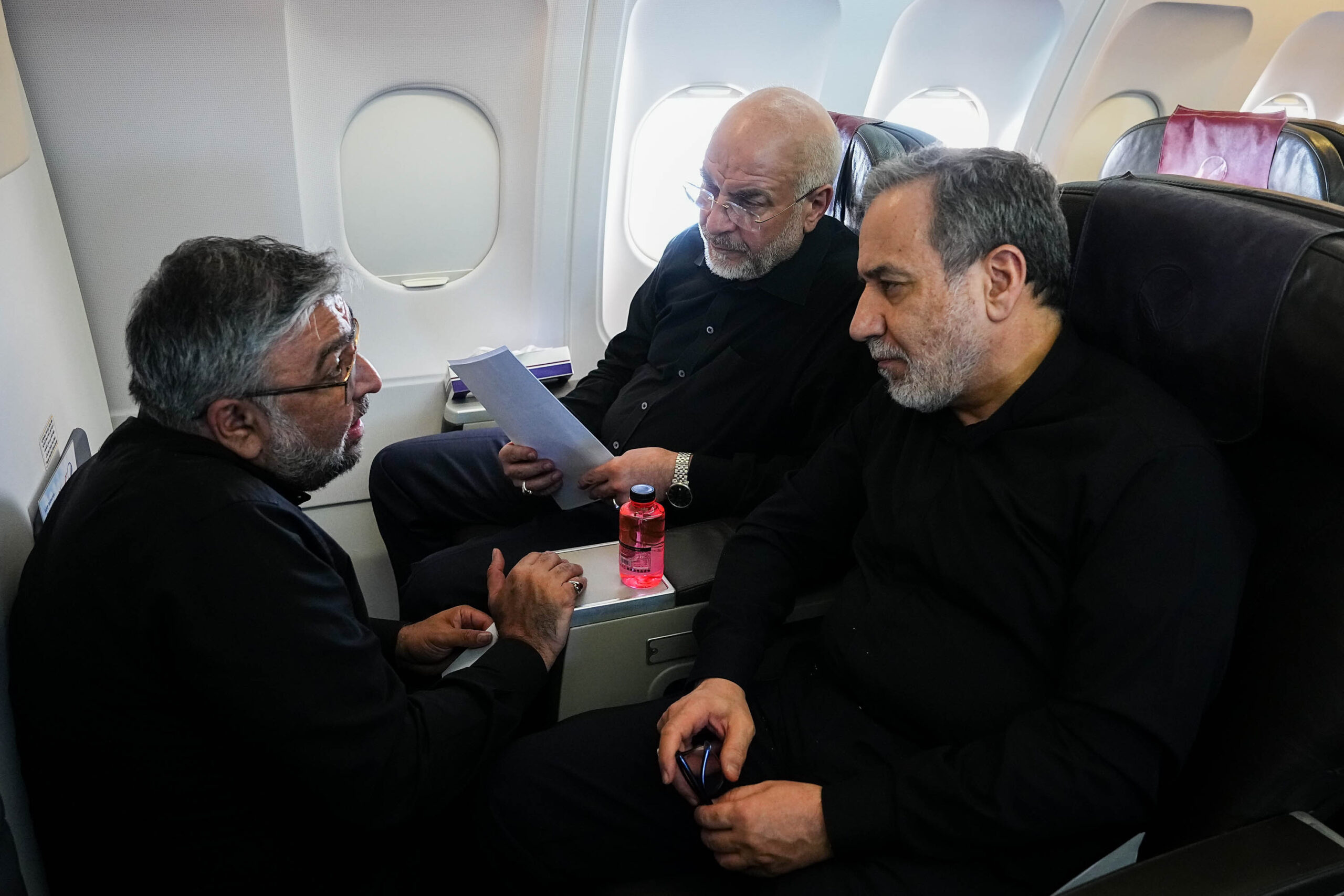
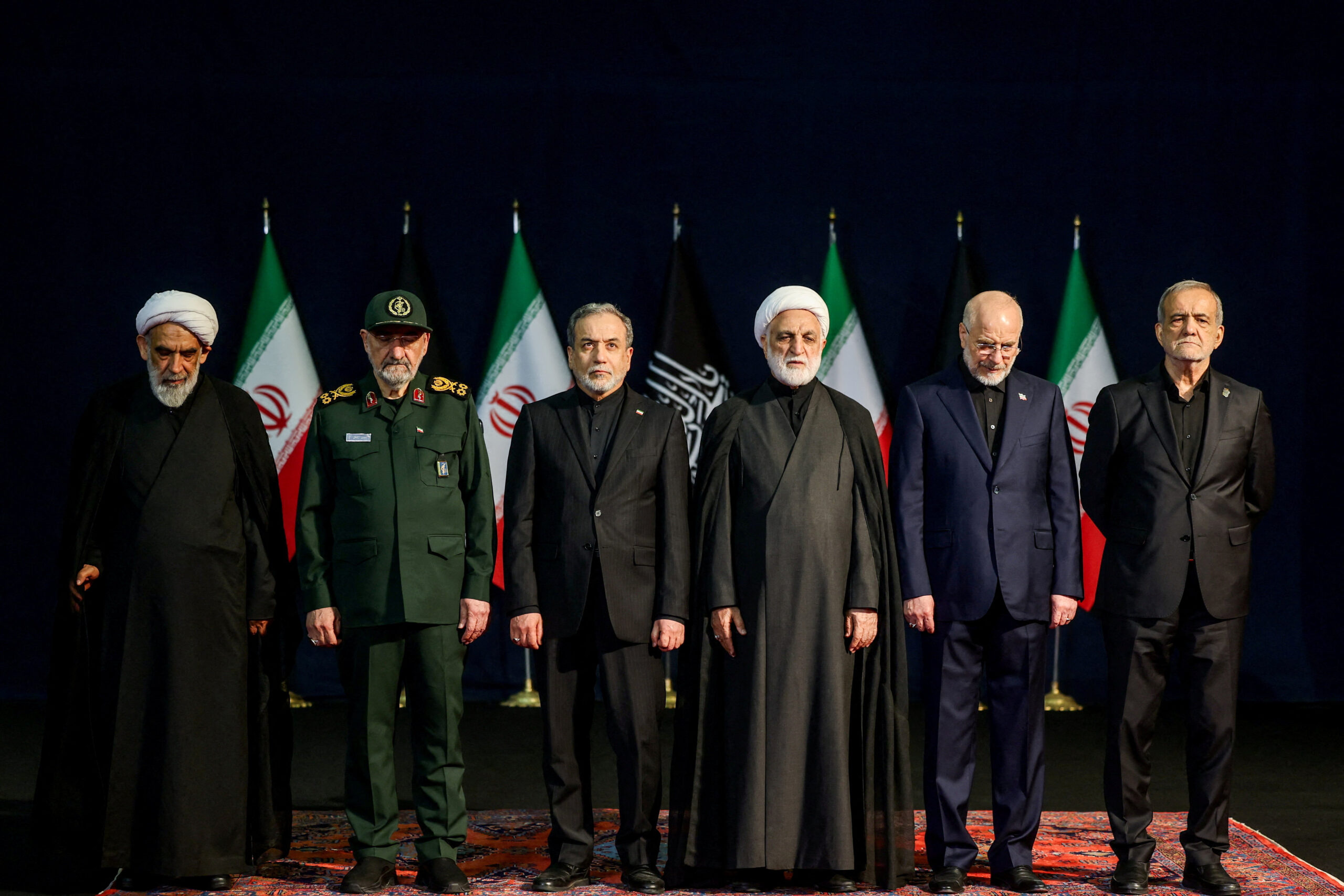
The Islamic Republic’s Collective Leadership
While there is historical precedent for collective leadership in Iran, today’s leadership includes representatives of the IRGC and regular military – a reflection of the IRGC’s expanding role and the necessities of governing under wartime conditions.
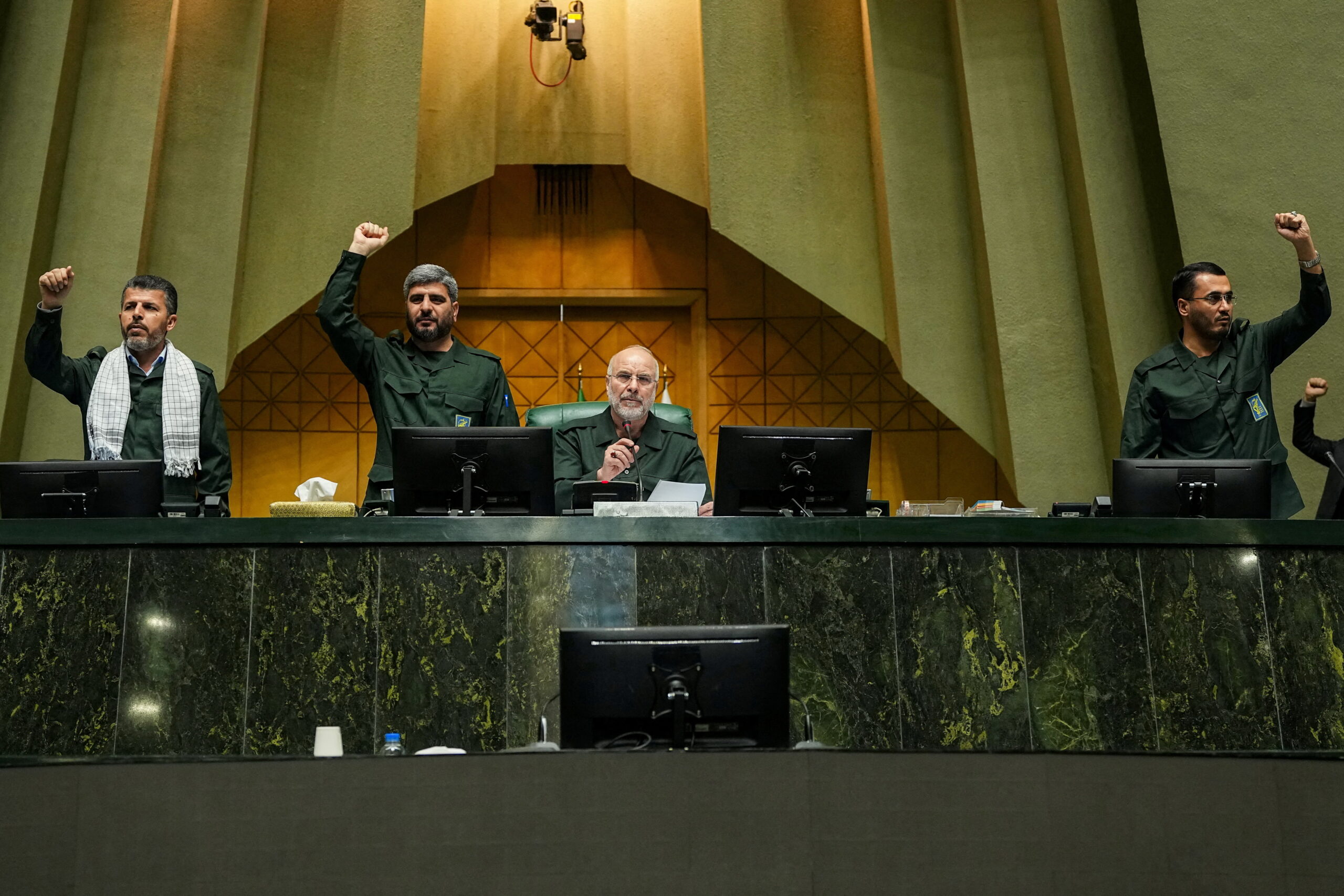
How Did the IRGC Seize Power in Iran?
The IRGC did not seize power in a single stroke. It accumulated it – patiently, methodically – until no counterweight remained.
Events
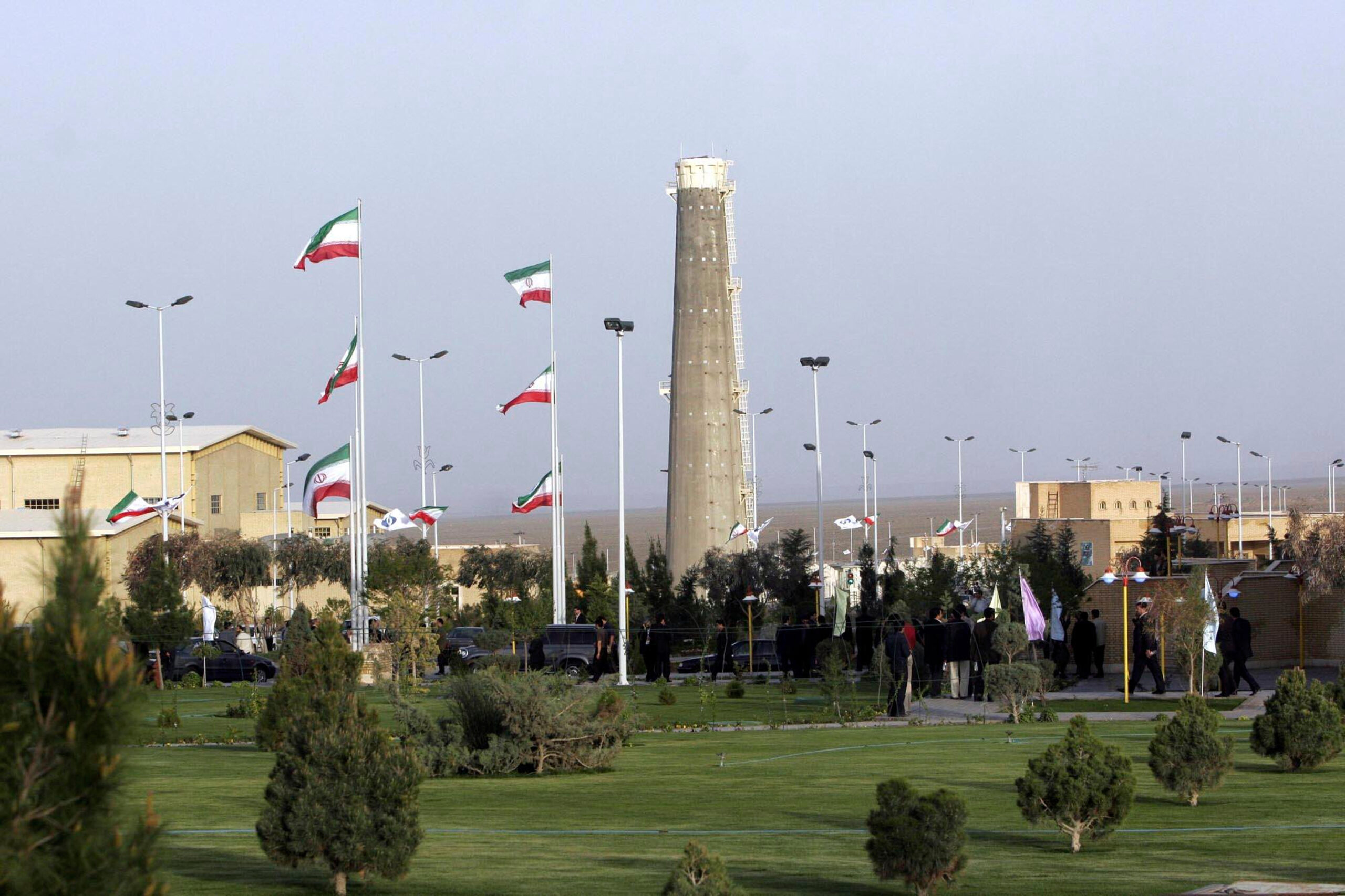
Book Talk: Iran and the Bomb: The United States, Iran and the Nuclear Question
On June 16, AGSI hosted a discussion on the evolution of Iran's nuclear program.
Speakers

Apr 21, 2026
Inside Iran’s Wartime Leadership: Power, Succession, and Regime Stability
On April 21, AGSI hosted a discussion on the evolution of Iran's leadership during the war.
Speakers

Mar 18, 2026
In Its Conflict With the United States and Israel, Does Escalation Favor Iran?
On March 18, AGSI hosted a discussion on the escalation of the Iran war.
Speakers


Mar 2, 2026
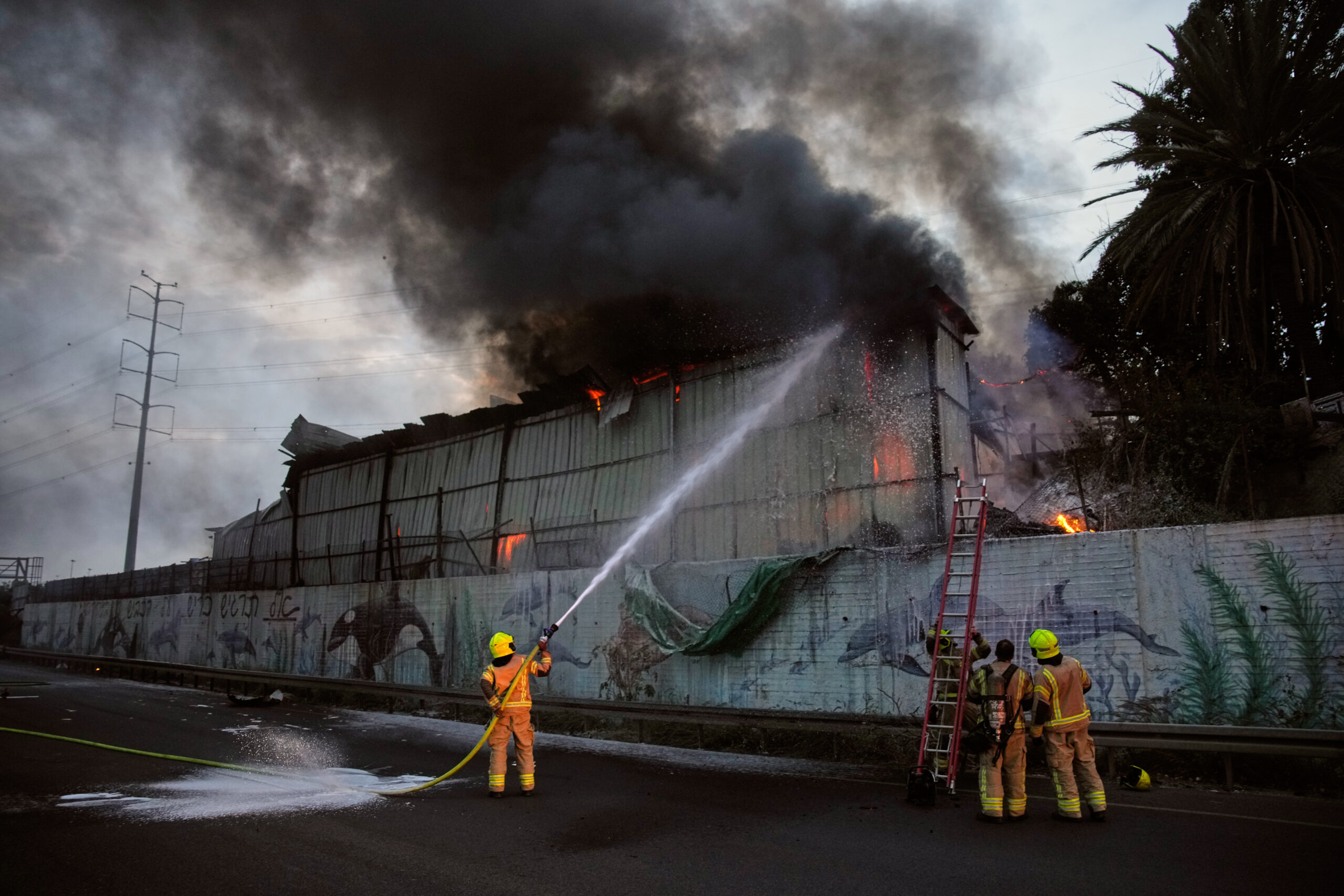
After the Shock: Implications of the U.S.–Israeli Strikes and Iran’s Leadership Transition
On March 2, AGSI hosted a discussion on the U.S.-Israeli strikes on Iran.
Speakers