Jul 8, 2025
From Ummah to Nation: Khamenei Swaps Shia Internationalism for Iranian Nationalism
The July 8 edition of the Iran Media Review highlights Ayatollah Khamenei’s rhetorical shift from Shia internationalism to Iranian nationalism.
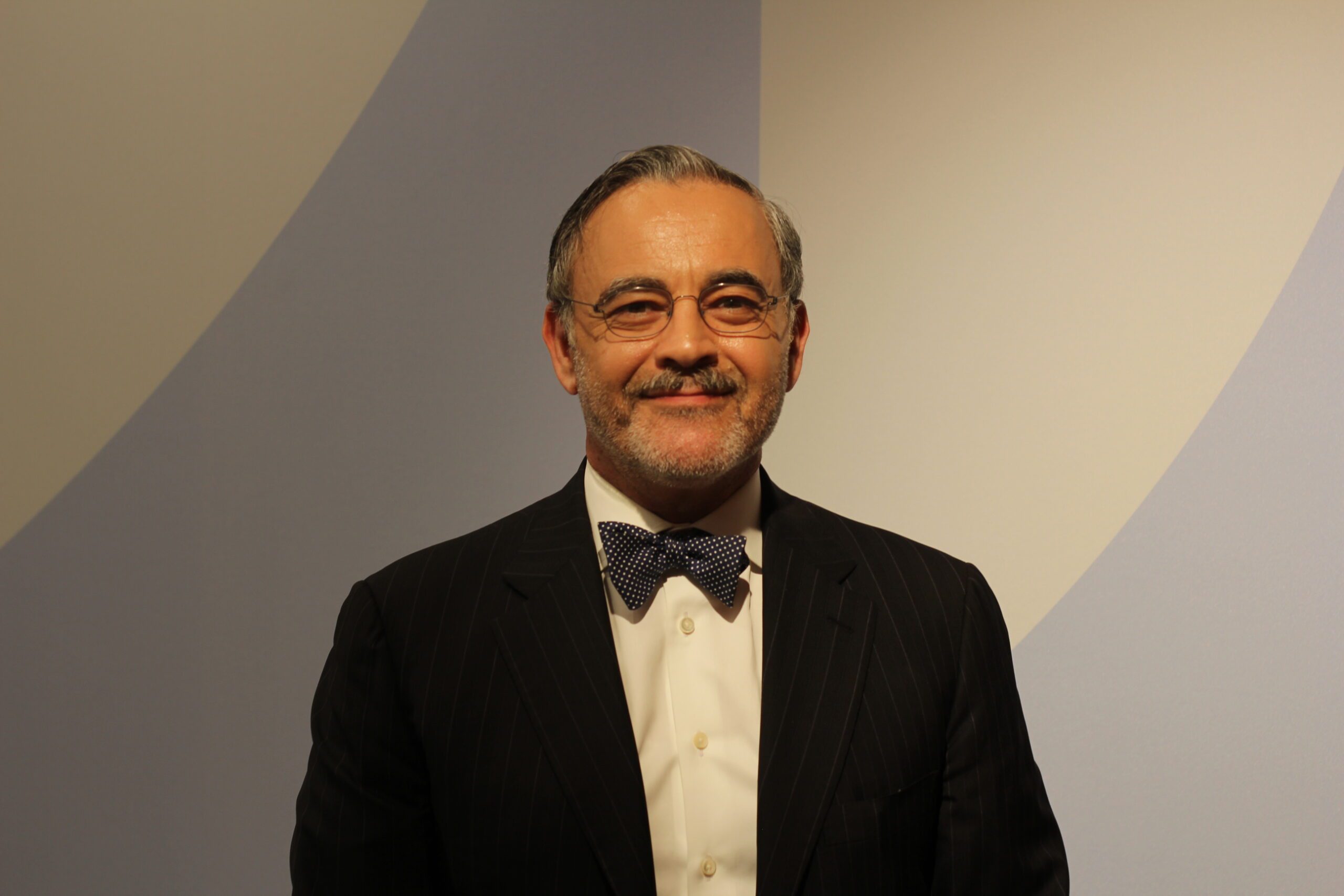
Under attack, isolated, and abandoned by nearly all of Iran’s nonstate proxies, Supreme Leader Ayatollah Ali Khamenei emerged from hiding July 5. He renewed his effort to replace the regime’s Shia internationalism with Iranian nationalism in a bid to rally the Iranian populace against Israel. Yet the attempt felt as improvised and discordant as cantor Mahmoud Karimi’s altered, unmusical rendition of the patriotic 1941 anthem “O, Iran.”
- June 26: In his third national address since the June 13 Israeli attacks against Iran, transcribed on his website, Supreme Leader Ayatollah Ali Khamenei did not mention the word ummah (the Islamic community of believers) nor Islam, except in references to the “Islamic Republic.” Instead, he emphasized the “great Iranian nation” and Iran’s ancient civilization.
- July 3: Komeyl Baqerzadeh, cultural attache at the Iranian Embassy in Beirut, Lebanon, explained Khamenei’s absence from the July 2 mourning ceremony at the Imam Khomeini Husainiya in Tehran commemorating the martyrdom of Husayn ibn Ali, the grandson of the Prophet Muhammad. As quoted by Islamic Revolutionary Guard Corps-affiliated Defa Press, he said:
-
- “His Lordship refrained from participating in the ceremony at a specific location based on the expert opinion of his personal detail.”
-
- In following the opinion of his personal detail, Khamenei “displayed his traditional and immutable routine, which he has maintained on many an occasion.”
- July 4: Fars News, which is affiliated with the IRGC, commented on Khamenei’s absence:
-
- “Media pharaohs and their Persian-speaking mercenaries sarcastically ask: ‘Why wasn’t the Iranian leader present at the Muharram mourning ceremonies?’ The answer is, of course, clear: When facing a mad executioner, a display of reason equals bravery … Should the leader of the revolution, who has received an official warning from the U.S. president, a bloody butcher who has expressed his readiness to act against him, not follow the instructions of his own security detail?”
- July 5: Khamenei’s website featured images of him at the Imam Khomeini Husainiya July 5.
- July 5: Khamenei’s website also documented the moment Khamenei asked cantor Mahmoud Karimi to sing “O, Iran,” the de facto national anthem of Iran, written by poet Hossein Gol-e-Golab in 1941 during the Allied occupation of Iran. Karimi performed a modified version of the poem, incorporating Shia religious themes.
- July 5: Mashregh News, which is affiliated with the IRGC, and other Iranian media outlets prominently reported Khamenei’s July 5 appearance at the Husainiya.
- July 7: Technocratic-leaning political activist Mohsen Hashemi Rafsanjani, son of the late Ayatollah Ali Akbar Hashemi Rafsanjani, was quoted in reformist Etemad speaking about the performance of “O, Iran”:
-
- “If the enemy’s objective is to undermine Iran’s territorial integrity and fragment the country, then fostering national unity and social cohesion through such initiatives is a wise response … National unity and patriotism deserve as much emphasis as sectarian Shia beliefs … A shift in the officials’ thinking was evident even before the 12-Day War.”
-
- Former chief of the armed forces general staff, Major General Mohammad Bagheri “delivered his New Year address from Persepolis.”
- July 7: An editorial written by Jafar Bolouri, published in hard-line Kayhan, warned against the “deviant ummah-nation dichotomy”:
-
- “The Westernizers and secularists are attacking national unity, whether out of ignorance, ulterior motives, twisted minds, or vindictiveness. This nonsense serves only to deepen polarization … Is it so difficult to grasp that the enemy struck Iran only after Hamas in Gaza and Lebanese Hezbollah were wounded, believing, wrongly, that Iran was no longer at the peak of its power? The nation is part of the ummah; there is no fundamental contradiction between them. Yet this group seeks to separate the two.”
- July 7: IRGC mouthpiece Javan wrote:
-
- “National and religious identity are interwoven in Iran’s epic narrative … The performance of ‘O, Iran’ recalls this nation’s cultural and historical heritage and reflects its resilience and steadfastness.”
- July 7: Technocratic Sazandegi featured the front-page headline: “O, Iran: To Resist and Endure, Iran Remains Both Nationalist and Religious.”
The views represented herein are the author's or speaker's own and do not necessarily reflect the views of AGSI, its staff, or its board of directors.
Related
Iran Media Review
Jul 1, 2025
Fragile Cease-Fire, Succession Anxiety, and Internal Rifts
The July 1 edition of the Iran Media Review analyzes Iranian official and media commentary about Iran’s future after the cease-fire with Israel and the United States.
Iran Media Review
Jun 27, 2025
For Ayatollah Khamenei, Survival Is Victory
The June 27 edition of the Iran Media Review considers Ayatollah Khamenei’s remarks declaring Iran’s “victory” in the conflict with Israel and the United States.
Iran Media Review
Jun 24, 2025
Cease-Fire
The June 24 edition of the Iran Media Review evaluates Iranian media comments in the wake of Iran’s fragile cease-fire with Israel and the United States.
Jul 1, 2025
Fragile Cease-Fire, Succession Anxiety, and Internal Rifts
The July 1 edition of the Iran Media Review analyzes Iranian official and media commentary about Iran’s future after the cease-fire with Israel and the United States.
Jun 27, 2025
For Ayatollah Khamenei, Survival Is Victory
The June 27 edition of the Iran Media Review considers Ayatollah Khamenei’s remarks declaring Iran’s “victory” in the conflict with Israel and the United States.
Jun 24, 2025
Cease-Fire
The June 24 edition of the Iran Media Review evaluates Iranian media comments in the wake of Iran’s fragile cease-fire with Israel and the United States.
Analysis
The Islamic Republic Returns to Offense
After U.S.-Israeli strikes killed Supreme Leader Ayatollah Ali Khamenei on February 28, Iran’s collective leadership has concluded that the best defense is a good offense.
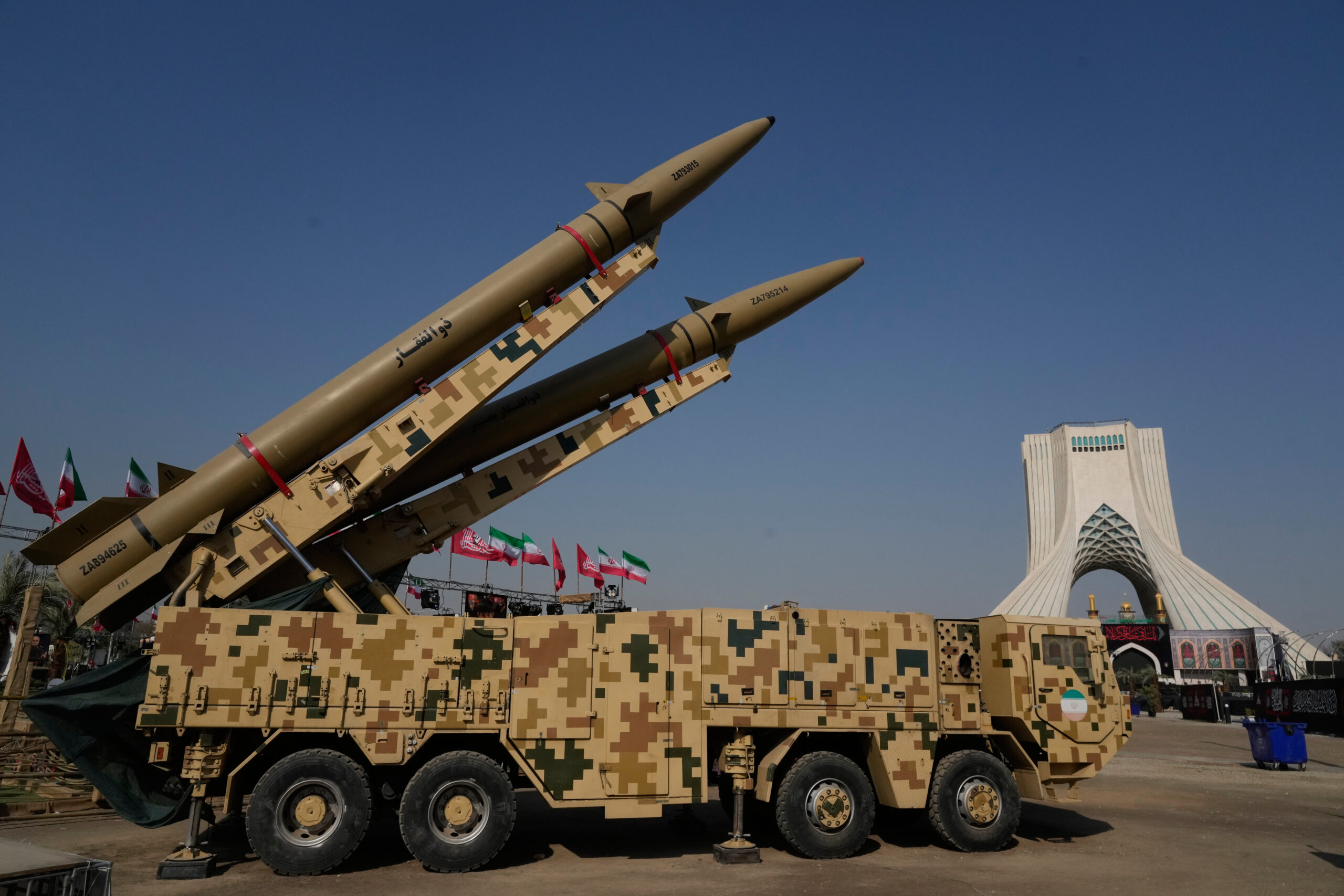
Iran’s Collective Strategic Decision Making
Wartime pressure has temporarily aligned the leadership’s overriding interest in regime survival, even as its members continue to differ over the costs, methods, and ultimate objectives of the war.
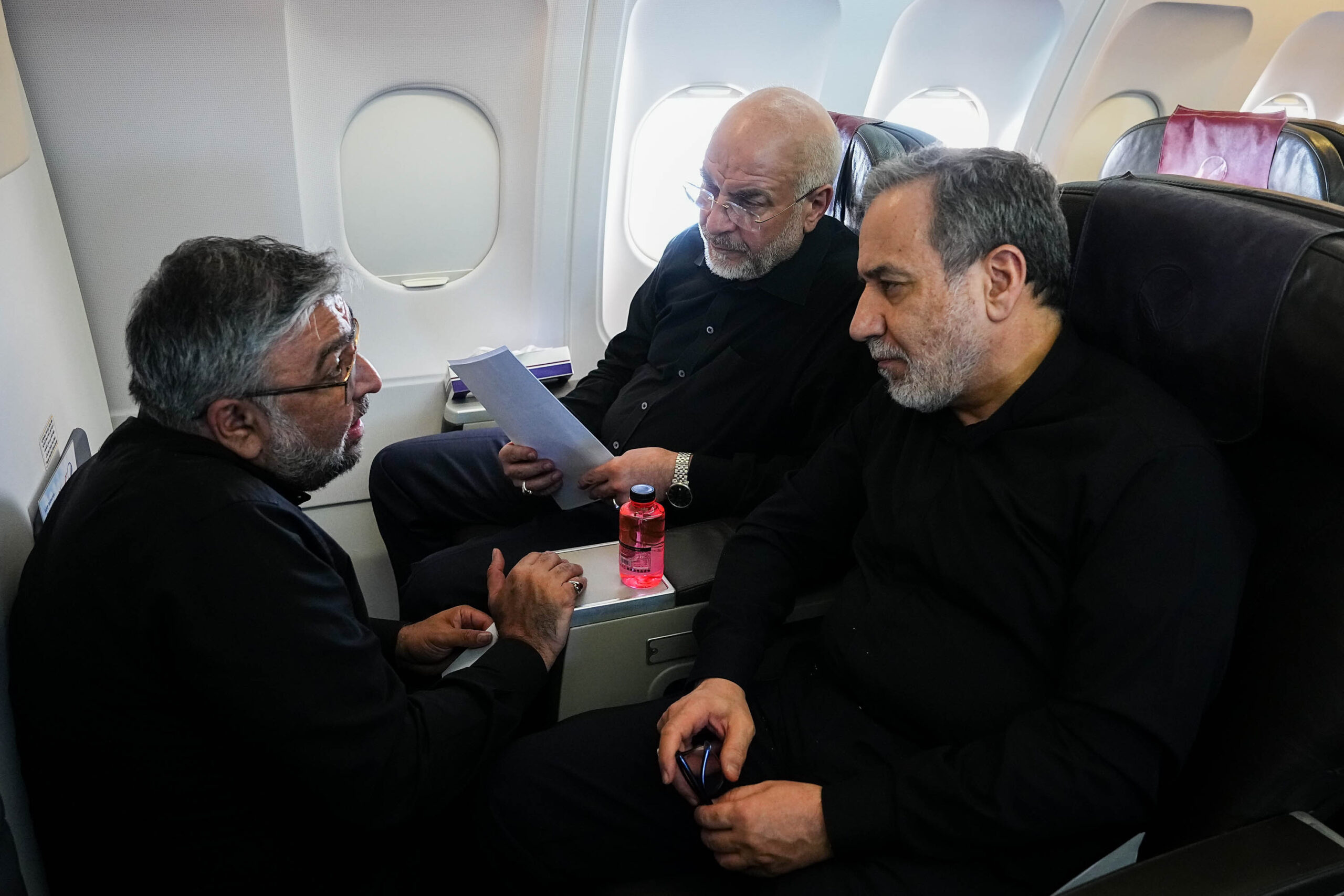
The Islamic Republic’s Collective Leadership
While there is historical precedent for collective leadership in Iran, today’s leadership includes representatives of the IRGC and regular military – a reflection of the IRGC’s expanding role and the necessities of governing under wartime conditions.
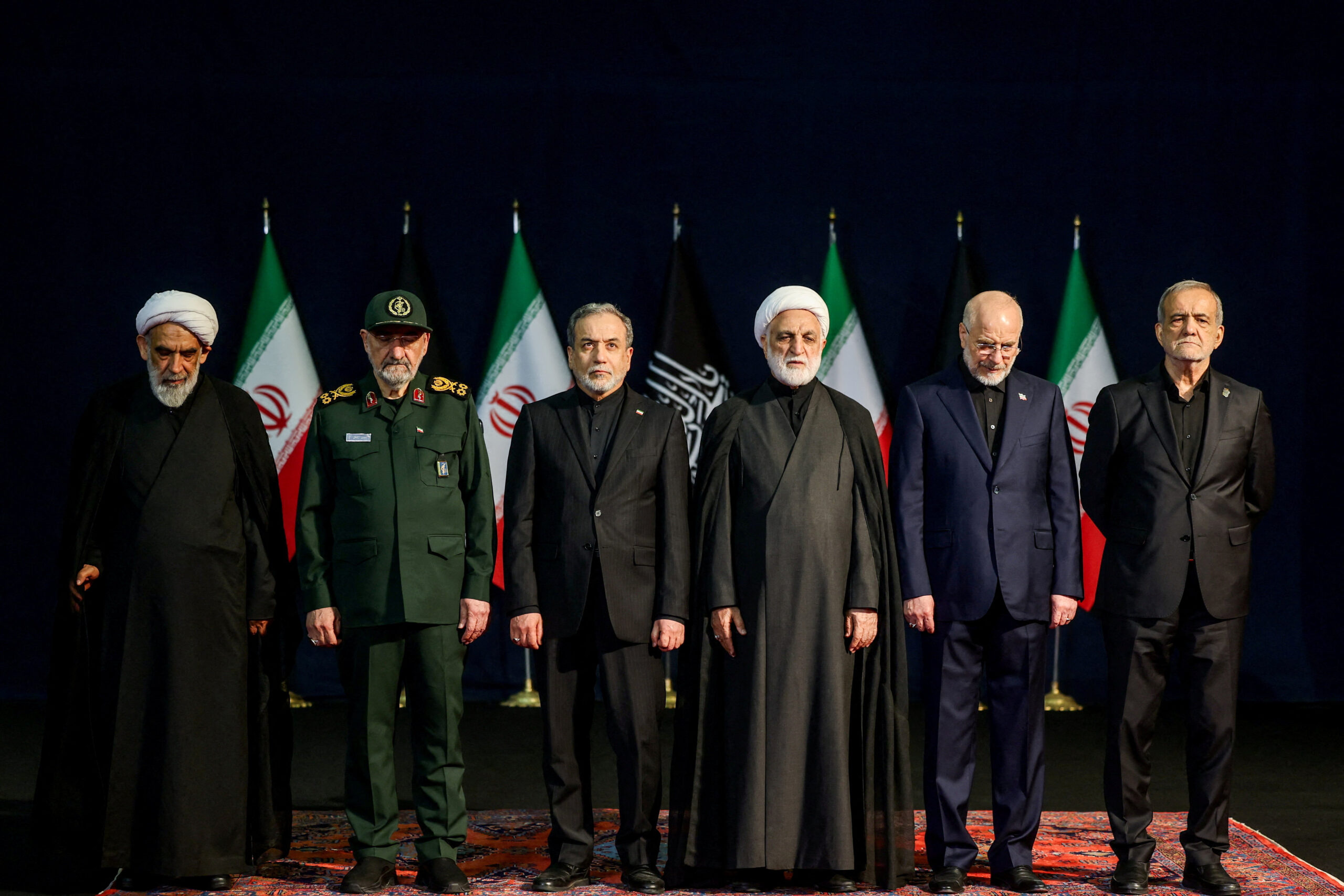
How Did the IRGC Seize Power in Iran?
The IRGC did not seize power in a single stroke. It accumulated it – patiently, methodically – until no counterweight remained.
Events
Book Talk: Iran and the Bomb: The United States, Iran and the Nuclear Question
On June 16, AGSI hosted a discussion on the evolution of Iran's nuclear program.
Speakers

Apr 21, 2026
Inside Iran’s Wartime Leadership: Power, Succession, and Regime Stability
On April 21, AGSI hosted a discussion on the evolution of Iran's leadership during the war.
Speakers

Mar 18, 2026
In Its Conflict With the United States and Israel, Does Escalation Favor Iran?
On March 18, AGSI hosted a discussion on the escalation of the Iran war.
Speakers


Mar 2, 2026
After the Shock: Implications of the U.S.–Israeli Strikes and Iran’s Leadership Transition
On March 2, AGSI hosted a discussion on the U.S.-Israeli strikes on Iran.
Speakers