Tehran Will Fight Hard to Keep Iraq in Its Sphere of Influence
There was a time when Iran’s Major General Qassim Suleimani, chief of the Quds Force of the Islamic Revolutionary Guard Corps, was the ultimate kingmaker in Iraqi politics. Populist cleric Muqtada al-Sadr’s surprise victory in the May 12 parliamentary elections somewhat weakened Suleimani’s – and thereby Tehran’s – clout over Iraqi politics. The Islamic Republic,...
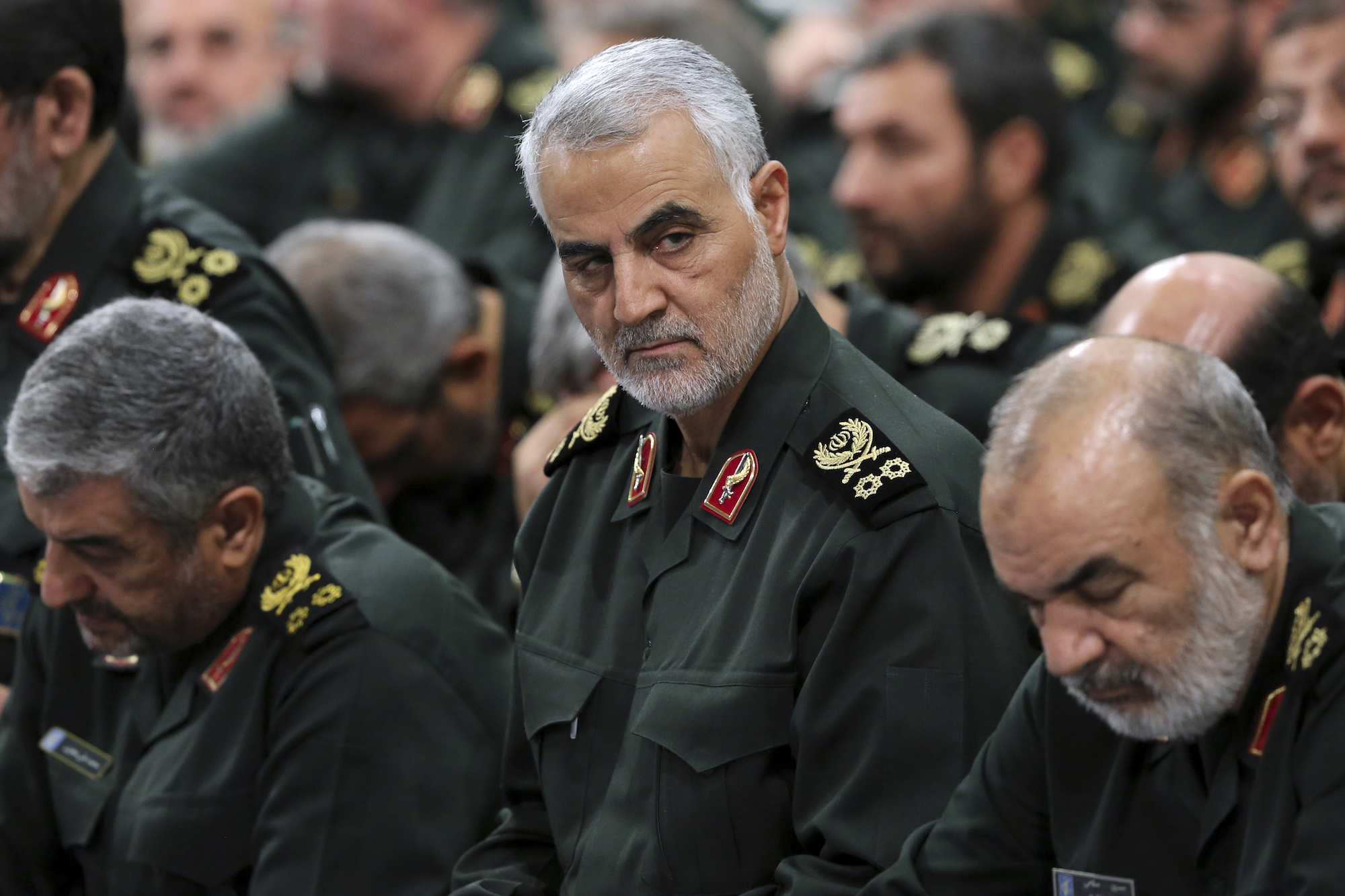
Iranian Major General Qassim Suleimani, chief of the Quds Force of the Islamic Revolutionary Guard Corps, center, attends a meeting with Supreme Leader Ayatollah Ali Khamenei and Revolutionary Guard commanders in Tehran, Iran, Sept. 18, 2016. (Office of the Iranian Supreme Leader via AP)
There was a time when Iran’s Major General Qassim Suleimani, chief of the Quds Force of the Islamic Revolutionary Guard Corps, was the ultimate kingmaker in Iraqi politics. Populist cleric Muqtada al-Sadr’s surprise victory in the May 12 parliamentary elections somewhat weakened Suleimani’s – and thereby Tehran’s – clout over Iraqi politics. The Islamic Republic, however, is not likely to abandon its hard-gained influence in Baghdad. Quite the contrary, Tehran will fight even harder to keep Iraq in its orbit.
The victory of the Sadrist bloc in the elections doubtlessly presented Tehran with an unpleasant surprise. Sadr, who spent most of his youth in Iran, was previously perceived as a puppet of Tehran. He was instrumental in the Revolutionary Guards’ irregular warfare against the U.S. military in Iraq after the overthrow of the Baath regime. In recent years, however, he has chosen a path independent of Tehran, publicly criticized the Islamic Republic, and even visited Saudi Arabia. Tehran-backed militia chief Hadi al-Amiri’s bloc came in second, while Prime Minister Haider al-Abadi’s bloc trailed in third place.
In an attempt to salvage whatever Iranian influence possible, Suleimani allegedly rushed to Baghdad to promote the formation of a new Iraqi Cabinet that would have Iran’s approval. In Tehran, Hassan Danaeifar, veteran Quds Force officer, former ambassador to Baghdad, and Iranian-Iraqi Economic Relations Council director, tried hard to play down Sadr’s gravitation toward Saudi Arabia: “A couple of visits [to Riyadh] can’t change the foundations of a [Shia political] current or an individual … it does not reflect the mind of Muqtada Sadr or his party comrades,” Danaeifar said in an interview with Entekhab on May 15.
Danaeifar’s statements were probably a mixture of analysis and spin. After all, it served the Islamic Republic’s interests to hail the victorious Sadr as an ally, both not to lose face and in an attempt to lure him back into Tehran’s fold. This line has since been the basic tenet in the Islamic Republic media’s description of the Sadr phenomenon. On May 26, Seyyed Hadi Afqahi, a West Asia analyst, played down the anti-Iranian statements of some members of the Sadrist bloc and instead pointed to comments by Zia al-Assadi, Sadr’s chief of staff, who in a recent interview praised Iran while criticizing the United States. On May 27, Saad-Allah Zarei, a Middle East expert close to the Revolutionary Guards, opined: “When it is said that the visit of a Shia official [to Riyadh] is contrary to the policies of the Islamic Republic, this is fundamentally false. Should the Saudis be interested in having relations with Iran, we too will welcome it. What counts is the outcome of this coming and going. Should it harm the Shia, and be detrimental to the honor and identity of Iraq, we would oppose anyone engaging in it.” Zarei also claimed that among Iraqi groups, Sadr’s positions are “closest to those of the Islamic Republic.”
Toward the end of May, the Islamic Republic’s analysis of the Iraqi elections was much more developed and there was even a hint of Tehran’s future strategy. In a long May 29 interview, Danaeifar said “Previously, there was rivalry between three tribes, meaning the Shia, the Sunnis, and the Kurds. But this time around, there was intratribal rivalry within the three tribes, meaning that prominent Shia personalities were competing among themselves, just as the Sunnis and the Kurds had their intratribal rivalries …” This development was not necessarily contrary to Iran’s interests, Danaeifar emphasized, but he warned against a “hung Parliament.” Turning to Saudi investments in Iraq, Danaeifar did not blame Riyadh, but lamented Iran not realizing its economic potential in the Iraqi market.
On June 2, Admiral Ali Shamkhani, Supreme National Security Council secretary, discussing developments in Iraq, said: “In spite of the pressure, the people demonstrated their appreciation of different groups of ‘the resistance’ with their votes. Statistically, the number of seats obtained by the main five Shia groups shows the improved position of the Shia, and in particular the holy warriors [the mujahedeen, referencing the Iraqi Popular Mobilization Forces] in the parliamentary elections.” Shamkhani continued, “Sairoon and Fatah lists, which gained the greatest number of votes, are composed of anti-American elites in Iraq.”
Danaeifar’s and Shamkhani’s statements have real political implications for Tehran’s future Iraq policy: Absent the threat from the Islamic State in Iraq and the Levant and lacking sufficient financial means to compete with Saudi foreign direct investment in Iraq, Tehran is likely to intensify playing competing Shia factions against each other in order to preserve and expand its influence in Iraqi politics.
The views represented herein are the author's or speaker's own and do not necessarily reflect the views of AGSI, its staff, or its board of directors.
If the U.S. F-35 sale goes through, it will add a new layer to Saudi airpower. But the fifth-generation fighter by itself will not address Saudi Arabia’s present and future vulnerabilities.
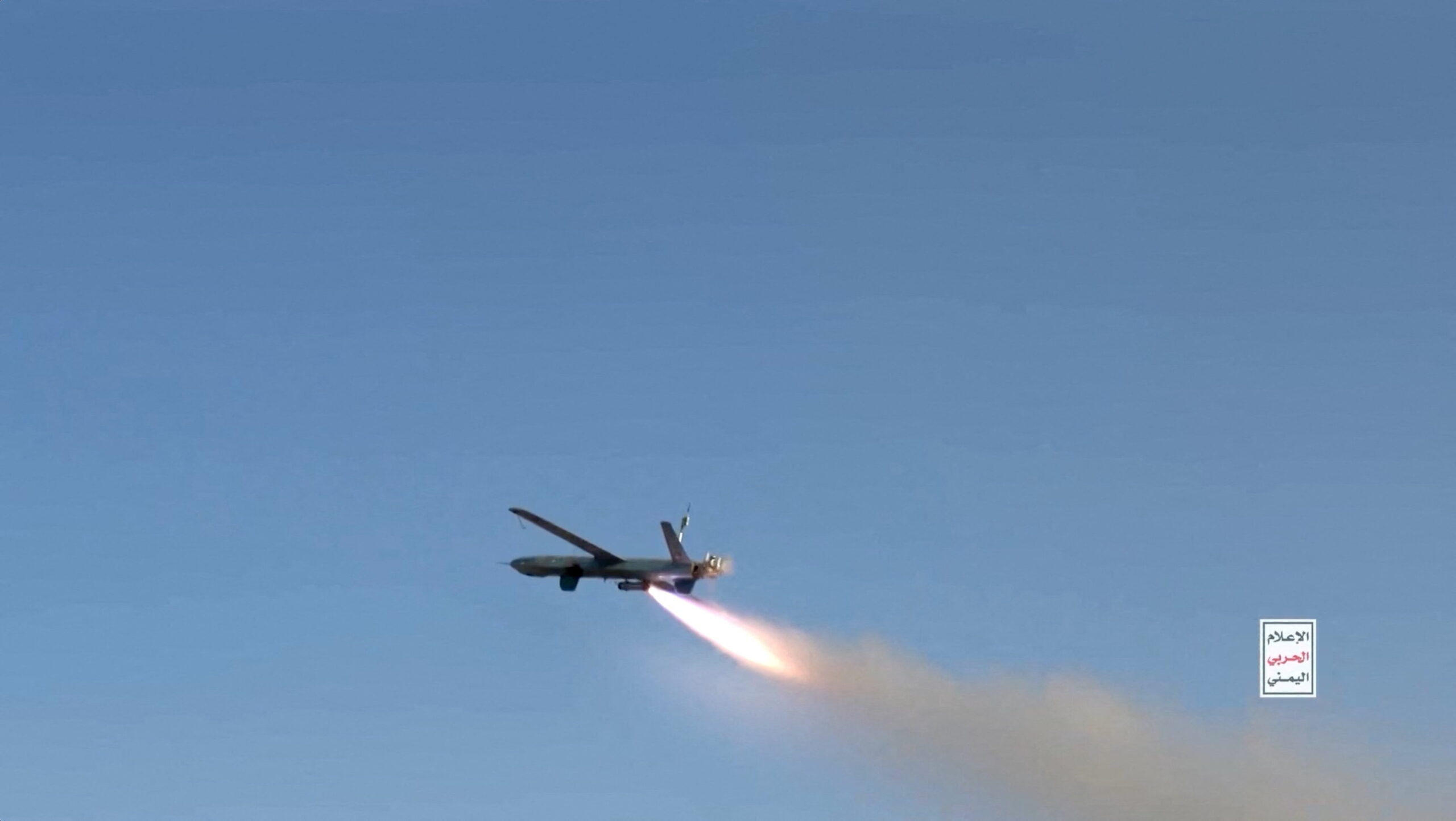
Artificial intelligence is entering the Yemen conflict through weapons engineering and U.S.-supported targeting operations, extending a regional transformation accelerated by the war with Iran.
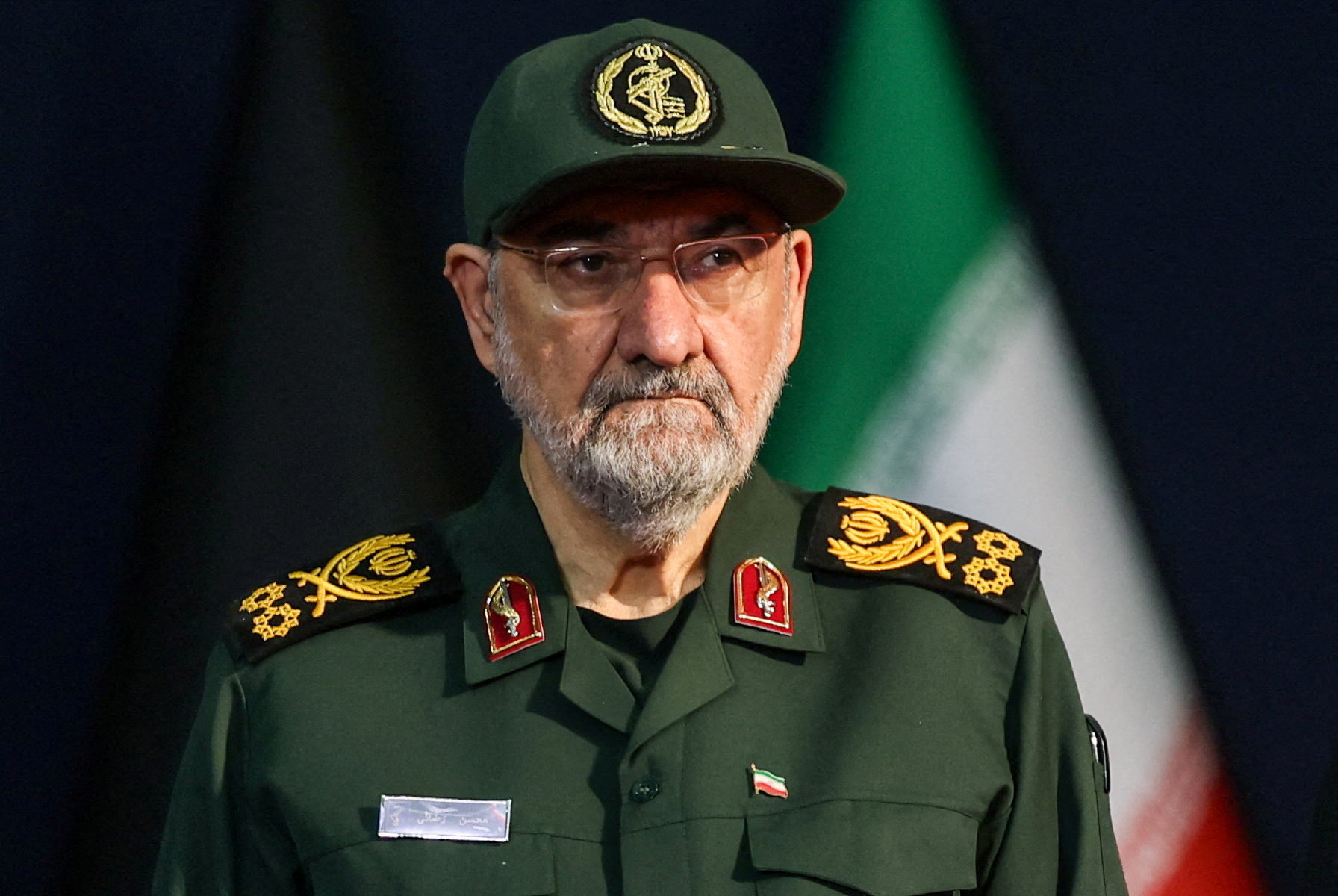
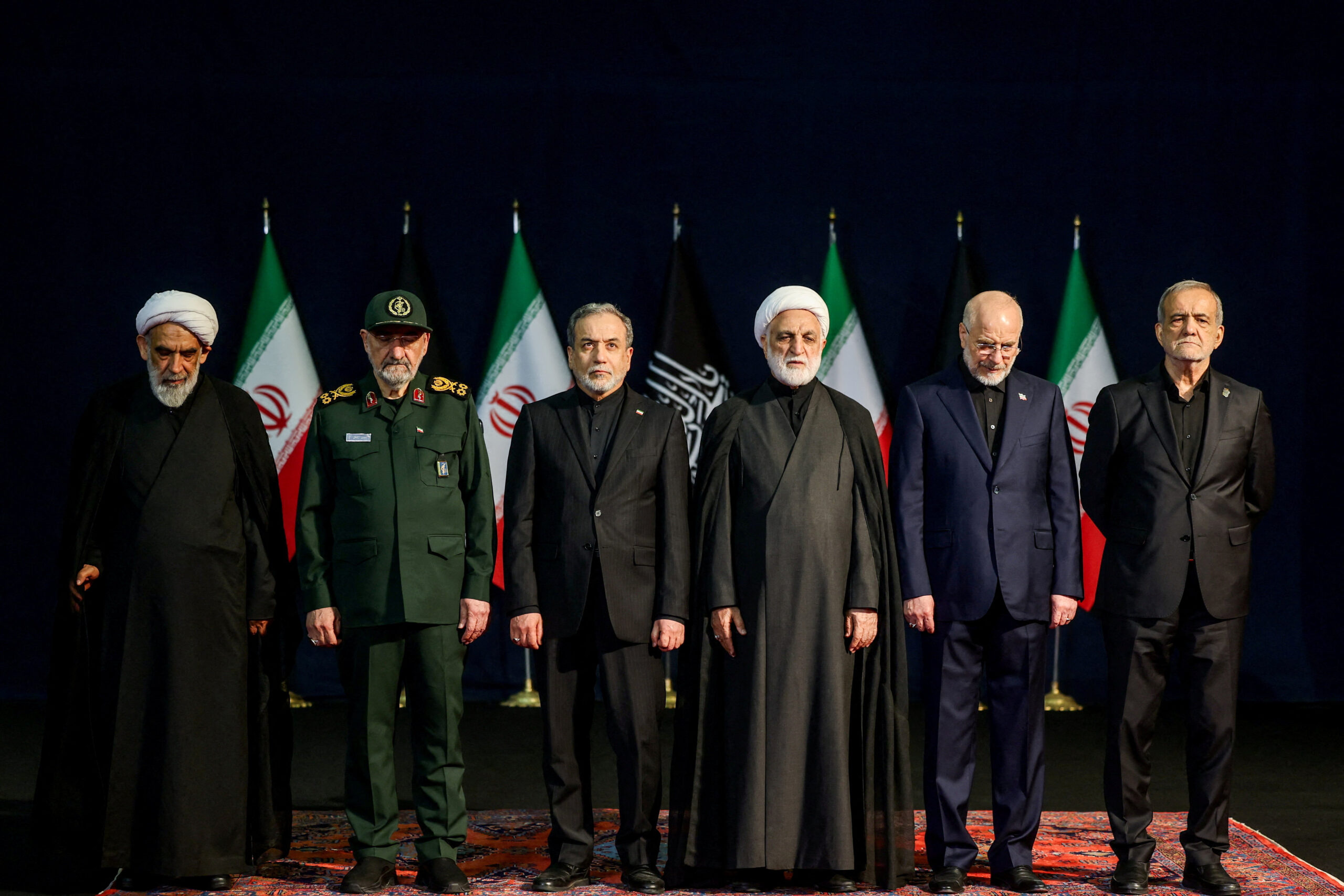
After U.S.-Israeli strikes killed Supreme Leader Ayatollah Ali Khamenei on February 28, Iran’s collective leadership has concluded that the best defense is a good offense.
Wartime pressure has temporarily aligned the leadership’s overriding interest in regime survival, even as its members continue to differ over the costs, methods, and ultimate objectives of the war.
While there is historical precedent for collective leadership in Iran, today’s leadership includes representatives of the IRGC and regular military – a reflection of the IRGC’s expanding role and the necessities of governing under wartime conditions.