Stakes have rarely been higher for US-Gulf relations
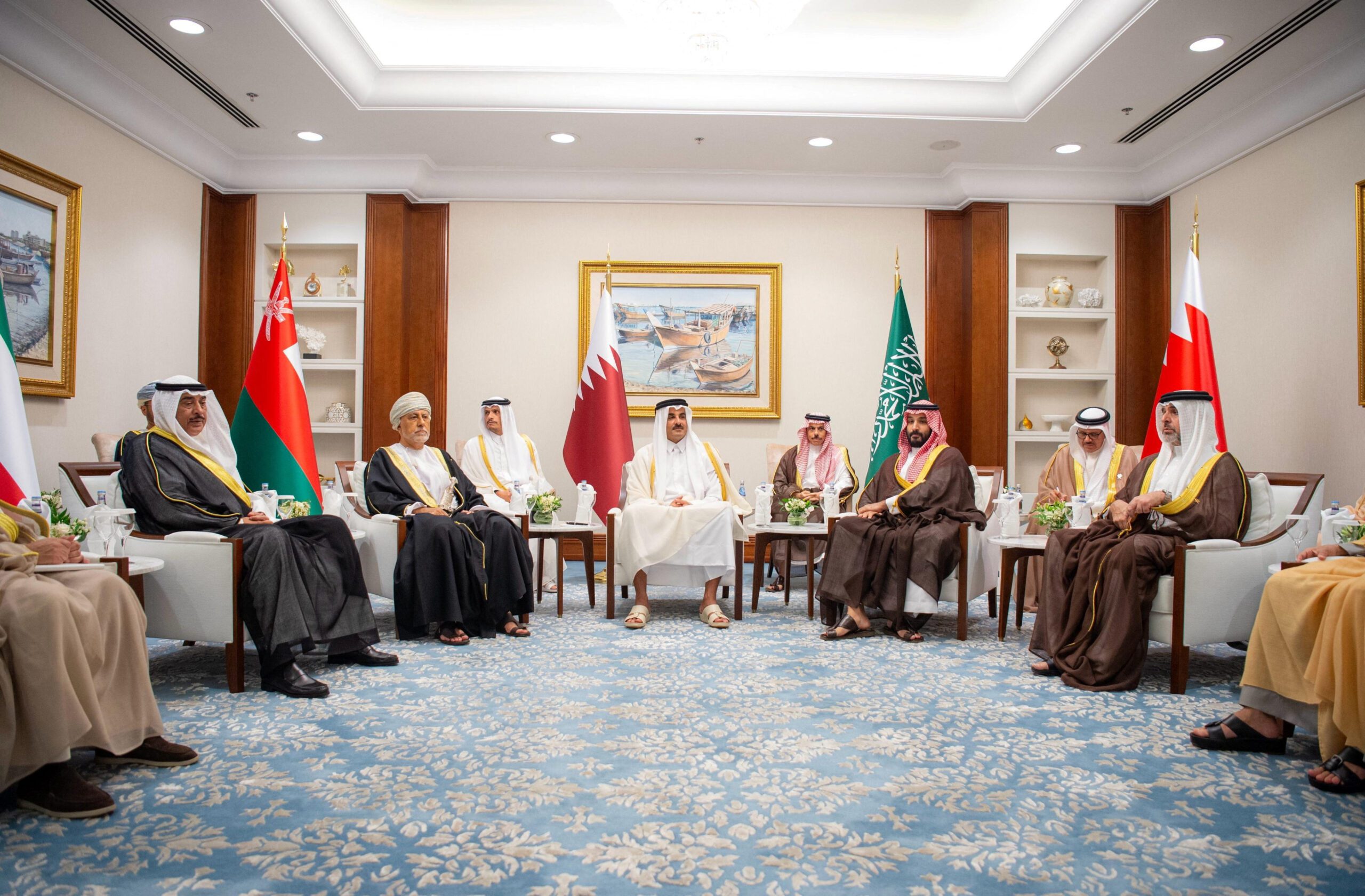
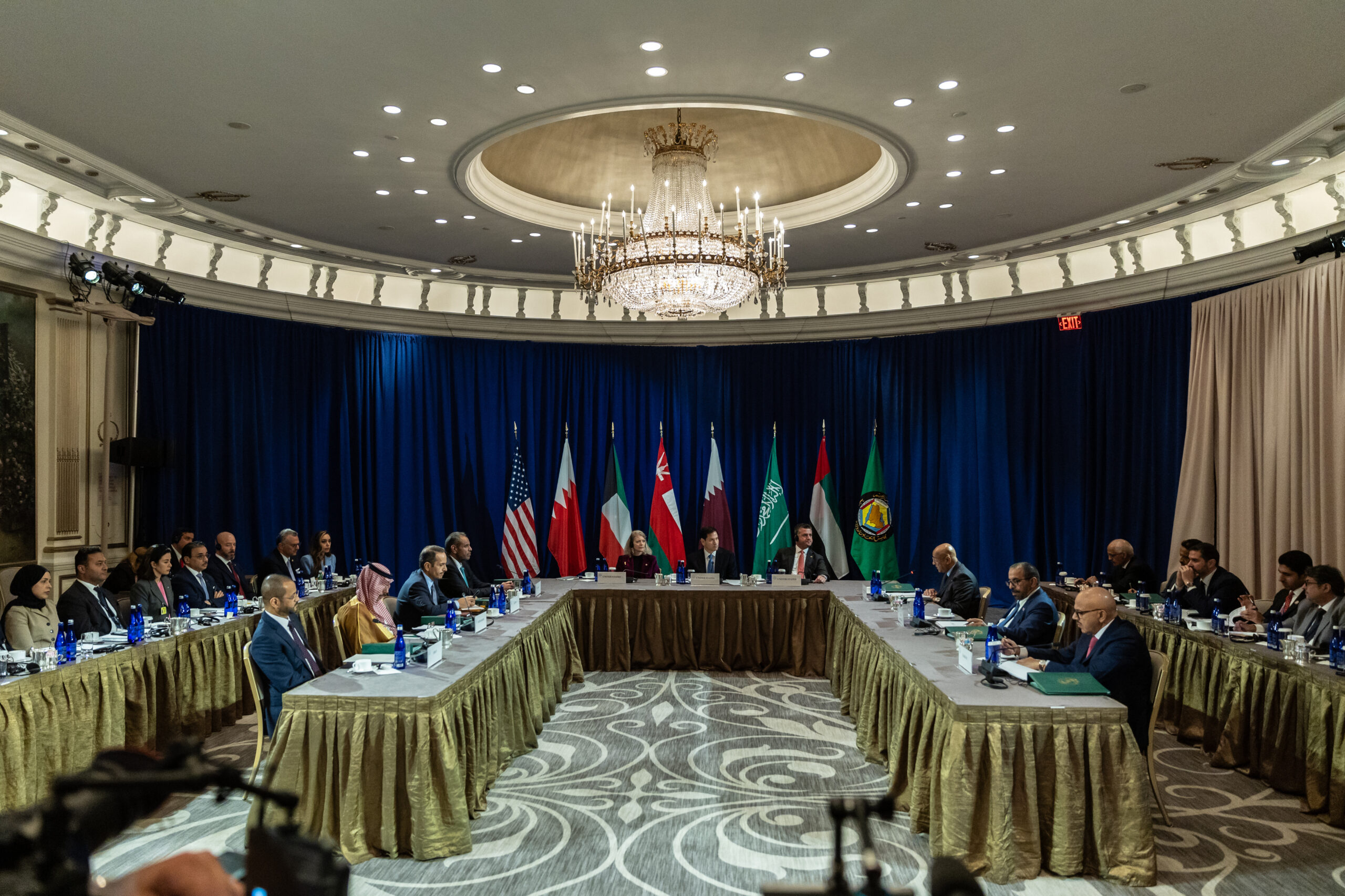
The 5th Gulf Cooperation Council (GCC) Consultative Summit held yesterday in Saudi Arabia is one of the most significant and noteworthy ever. The stakes have rarely been higher in the Gulf region, or GCC policies more in play. Many key themes came together at the Riyadh meeting, showing where the Gulf states are in their...
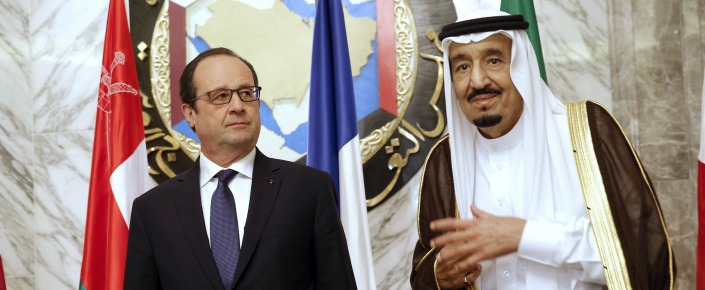
French President Francois Hollande (L) stands beside Saudi Arabian King Salman bin Abdelaziz al-Saud during the the Gulf cooperation council summit in Riyadh on May 5. (CHRISTOPHE ENA/AFP/Getty Images)
The 5th Gulf Cooperation Council (GCC) Consultative Summit held yesterday in Saudi Arabia is one of the most significant and noteworthy ever. The stakes have rarely been higher in the Gulf region, or GCC policies more in play. Many key themes came together at the Riyadh meeting, showing where the Gulf states are in their strategic thinking and what their priorities are, in the run-up to the crucial summit meeting with President Barack Obama in Washington and Camp David later next week.
Indeed, one of the purposes of the Riyadh meeting was preparation for the upcoming summit with the United States. And that meant rallying all six states around the new, more assertive and interventionist regional policies that are being promoted most actively by Saudi Arabia. Indeed, King Salman’s overhaul of Saudi foreign policy was tacitly ratified at the Riyadh meeting. This policy has been most dramatically embodied in the intervention in Yemen, but also reflected in the national security-oriented reshuffle at the top of the Saudi government, with the key supporters of the more assertive Gulf stance now occupying the positions of Crown Prince, Deputy Crown Prince and Foreign Minister.
The most unusual feature of the meeting was the presence of French President Francois Hollande, who is the first Western leader to address a GCC summit. It’s probably overstating matters to suggest that his participation constitutes a “snub” to Washington by the Gulf, but it is an unmistakable signal that the Arab states do have allies other than Washington. France has said it plans to upgrade its security arrangements with Saudi Arabia in the coming weeks.
The GCC knows very well that France cannot substitute for the United States, and certainly not fully. Nonetheless, welcoming the French leader to Riyadh underscores the importance the Gulf states are placing on a new independence of action when it comes to their collective and individual national security issues. France is increasingly emerging as a major arms supplier to the GCC states and some of their allies, including Lebanon. Most noteworthy, perhaps, is a $7 billion contract for 24 French Rafael fighter jets to be sold to Qatar.
The Hollande invitation was prompted in large measure by the emergence of France as the most ‘hawkish’ of the Western states when it comes to power projection in the Middle East, beginning with the campaign in Libya which was driven by Britain and France, and France’s role as the toughest negotiator among the P5+1 with Iran. France, in other words, is seen as the Western state that is closest in thinking to the Gulf states, and especially Saudi Arabia, in implicit contrast to the Americans.
But the United States, even as the intended recipient of such a message, remains central to the strategic calculation of the Gulf states. The initial impulse of Saudi Arabia and most of its GCC partners was to look for a new strategic relationship—in the form of a full security treaty—with the United States that amounted to the provision of a nuclear shield or umbrella. Washington has subtly made it clear that this is not likely, so Gulf thinking has shifted to increased levels of military technology transfer.
They will be very interested in exploring the reported willingness of the Obama administration to help GCC states construct a missile-defense system, as well as potential enhanced security commitments, more arms sales and further joint military exercises with the United States. But American officials have suggested that, in order to secure American help in constructing a GCC missile-defense system, the Gulf states must demonstrate greater unity and cooperation and resolve internal splits, particularly those between the United Arab Emirates and Qatar.
American interest in such a program also requires greater GCC military integration. This dovetails with initiatives to create a joint military command for the GCC that was launched at the end of last year, and more recent proposals to create an Arab League joint military force that are currently being explored by the Arab military chiefs of staff.
The Riyadh meeting will also focus heavily on the intervention in Yemen. While the intervention has not succeeded in its publicly-stated goal of restoring the former Yemeni government, it has succeeded in more minimal, unstated aims of degrading the military capability of the Houthi rebels, particularly with regard to missiles, and ensuring that the conflict in Yemen is contained in that country and does not spill over into Saudi Arabia. Despite a reported missile attack earlier this week across the border into Saudi Arabia, both those goals appear to been met.
But the intervention has prompted a great deal of international criticism and humanitarian concerns. The United Nations has been pressing Saudi Arabia and its allies to agree to various measures to facilitate aid to civilians, steps that were undoubtedly seriously considered at the summit. At the same time, the broader goal of continuing to roll back the Houthi militia without getting sucked into a quagmire will require new and innovative approaches.
The centrality of the GCC summit to relations with the United States and as a preparation for the summit meeting next week is underscored by the visit to Riyadh today, in the immediate aftermath of the meeting, by US Secretary of State John Kerry. Gulf expert David Ottaway of the Woodrow Wilson International Center for Scholars told The Wall Street Journal: “I expect Obama will come up with a renewed version of the Carter Doctrine, declared in January 1980 and aimed at assuring America’s Arab Gulf allies and partners of U.S. protection against any outside threat or attack.”
Even if that happens—and that’s a big if—it’s unclear if such a declaration would suffice to fully allay the Gulf states concerns about the drift of US policy, the consequences of a nuclear agreement with Iran, and the future of their own national security strategies. For that, a real sense that the United States is willing to proactively engage with them to try to contain or even reverse the expansion of Iran’s influence in the Middle East will probably be necessary. And to secure that, American doubts about the reliability and effectiveness of the GCC states as American allies, and their internal unity and coherence as a regional alliance, will have to be assuaged as well.
It’s a tall order. But it looks increasingly as if both sides are serious in trying to reset and recalibrate US-Gulf relations in a positive way, even as nuclear negotiations with Iran proceed towards a potential agreement. The meetings next week will be crucial, and perhaps the stakes have never been higher for relations between the United States and its Gulf allies.
The erosion of the regime’s legitimacy across broad segments of society, combined with the breadth of the 2025-26 protest coalition, raises the possibility that a new confrontation could trigger renewed anti-regime mobilization.
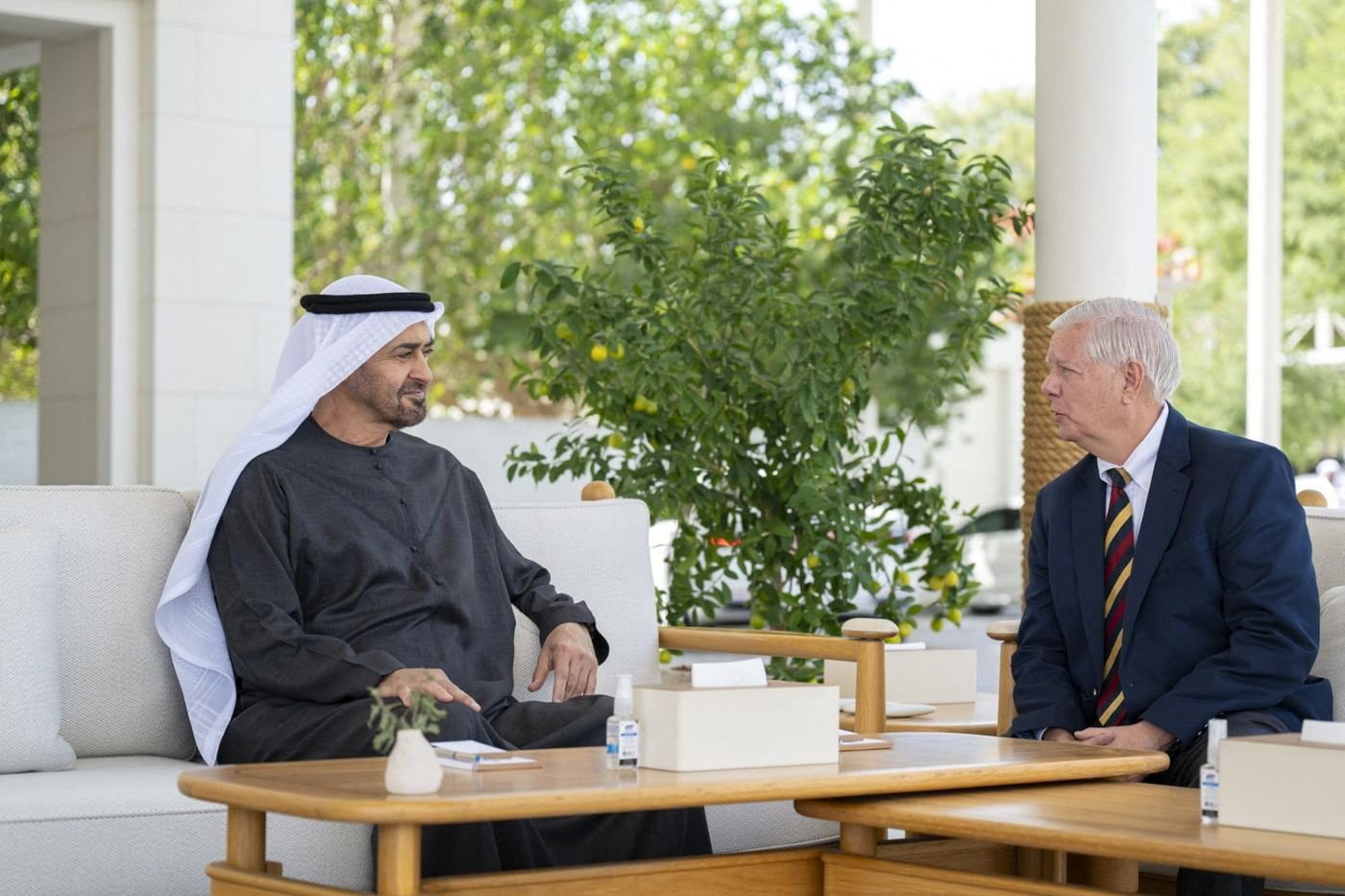
To respond to harsh Saudi criticisms, the Emiratis have sought to reframe, deflect, and calibrate, avoiding escalation while also benefitting from powerful advocates, including Senator Lindsey Graham.
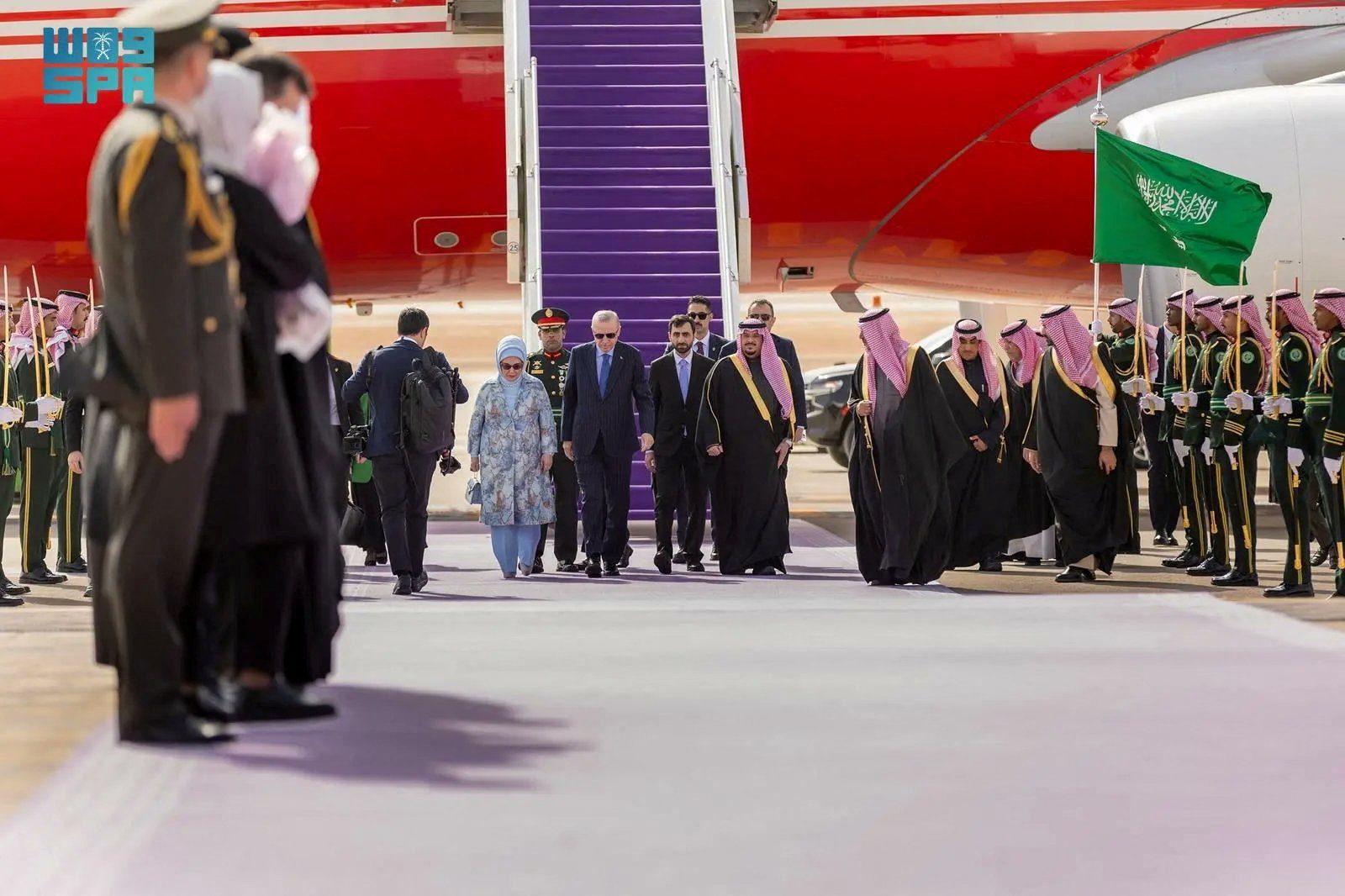
February talks between Saudi Arabia and Turkey signaled the emergence of a pragmatic regional order grounded in economic complementarity, defense cooperation, and shared anxieties about instability.
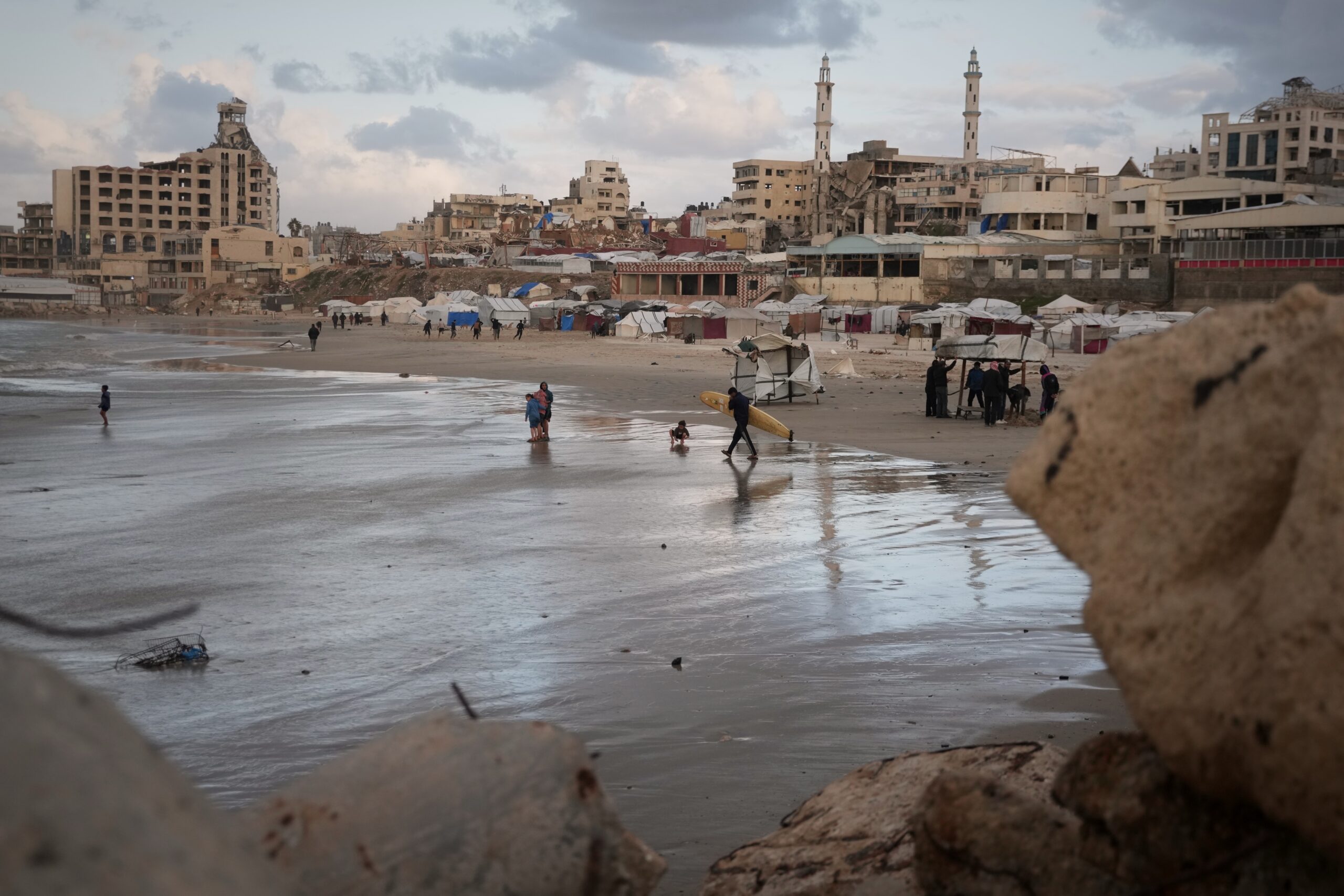
When quickly debunked rumors in the Israeli media that the UAE was seeking to manage postconflict Gaza were widely welcomed in Israel, it demonstrated both the trust the UAE has built among Israelis but also their lack of understanding of Emirati policies and interests.
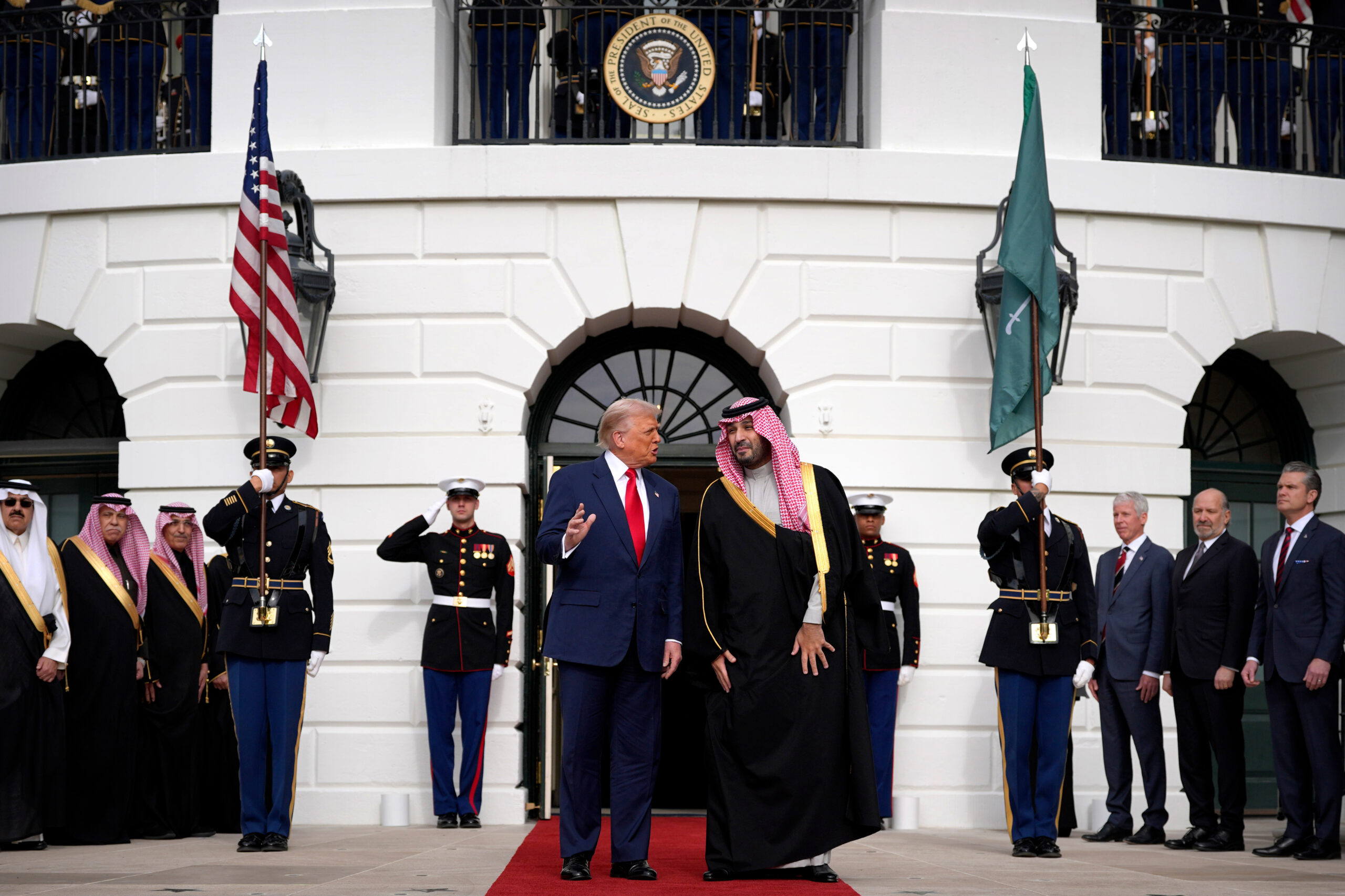
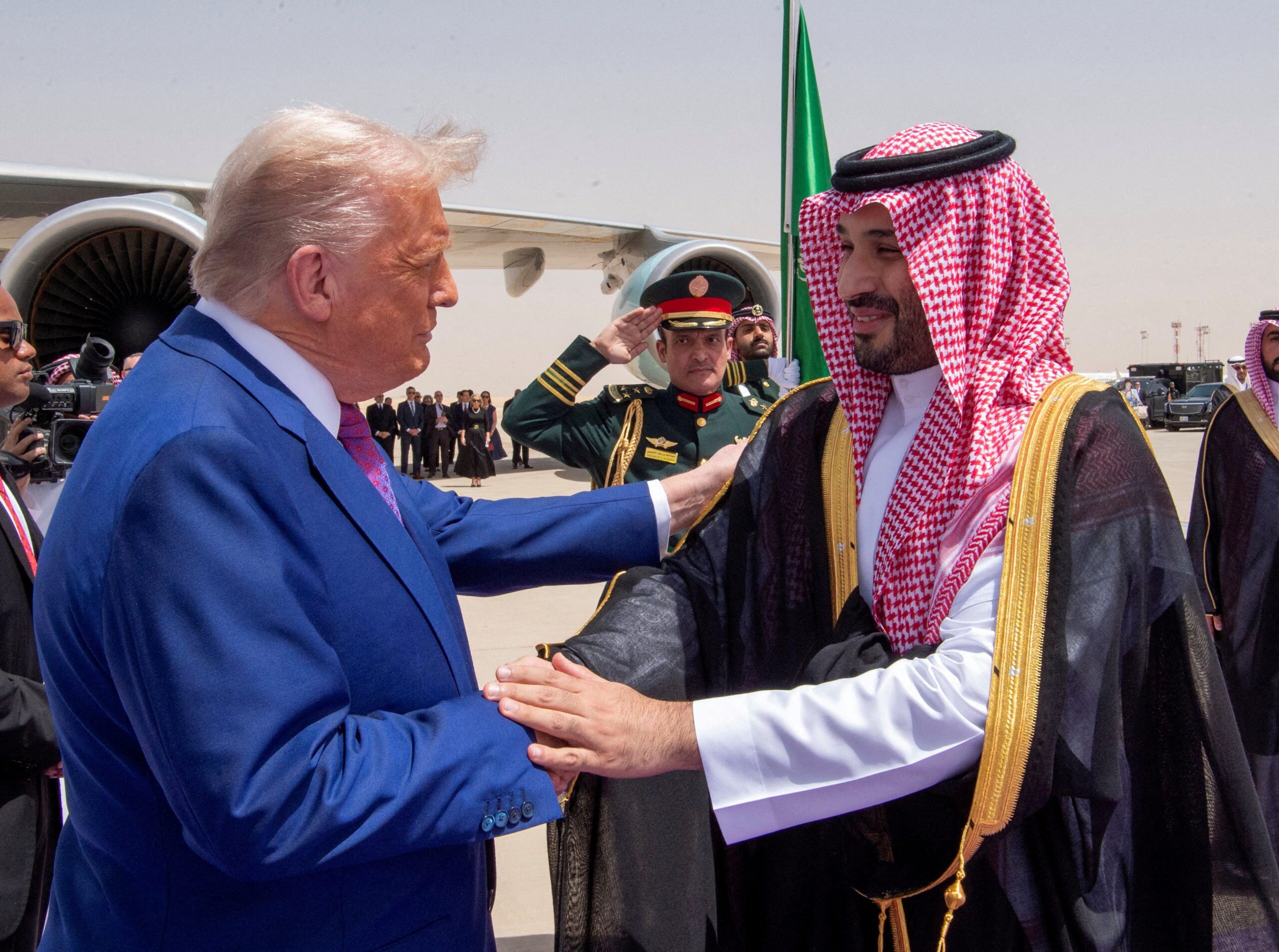
When the Saudi crown prince meets President Trump in Washington, the main topics of discussion are likely to be commercial deals, a defense pact, a Saudi civilian nuclear program, and normalization with Israel.
The GCC states now consider an attack on one to be an attack on all, and Saudi Arabia may be covered by a Pakistani rather than U.S. military umbrella.
On January 8, AGSI hosted a virtual roundtable with its leadership and scholars as they look ahead and assess trends likely to shape the Gulf region and U.S. foreign policy during the coming year.