Rouhani, the IRGC, and Negotiations with Washington
The war of words between Washington and Tehran is giving way to a more conciliatory tone, including even hints at direct and unconditional talks between the two capitals, even while U.S. economic pressure mounts. As a result, the Islamic Republic is facing a challenge as old as the revolutionary regime itself: Who should engage in,...
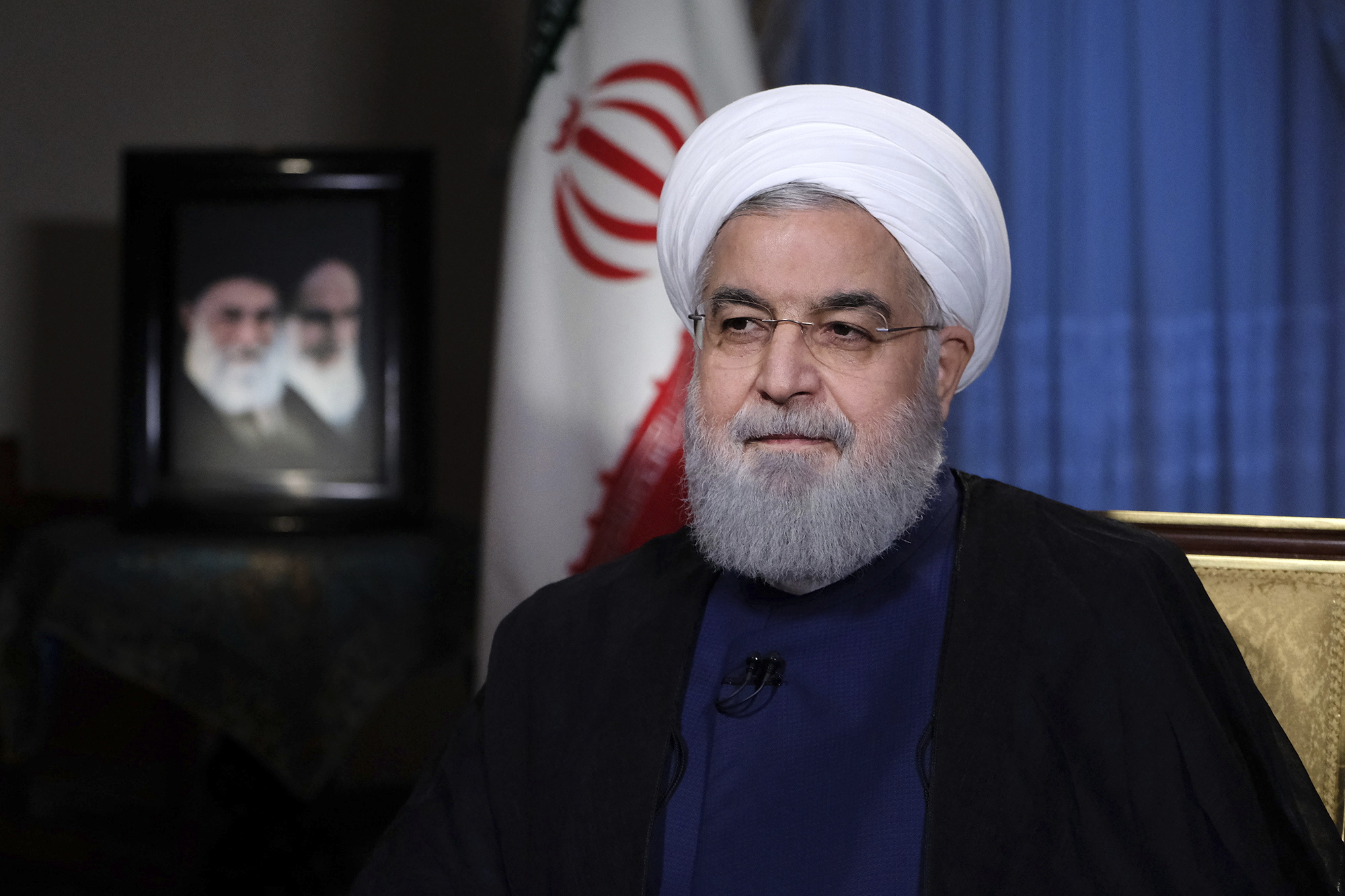
In this photo released by official website of the office of the Iranian Presidency, President Hassan Rouhani addresses the nation in a televised speech in Tehran, Iran, Monday, Aug. 6, 2018. Iranian President Hassan Rouhani struck a hard line Monday as the U.S. restored some sanctions that had been lifted under the 2015 nuclear deal. (Iranian Presidency Office via AP)
The war of words between Washington and Tehran is giving way to a more conciliatory tone, including even hints at direct and unconditional talks between the two capitals, even while U.S. economic pressure mounts. As a result, the Islamic Republic is facing a challenge as old as the revolutionary regime itself: Who should engage in, and potentially benefit from, negotiations with the United States, and when should they do so? If and when the time is right for the Iranians – which will depend on the level of economic pain and domestic unrest – should it be Iran’s President Hassan Rouhani and the technocratic elites or leadership figures of the Islamic Revolutionary Guard Corps (IRGC)? Washington may try to play on the internal rivalries in Tehran in an attempt to extract greater concessions from both parties, but these same rivalries are just as likely to prevent the Islamic Republic from taking part in meaningful negotiations with the United States, unless it becomes absolutely necessary to do so for the stability of the regime.
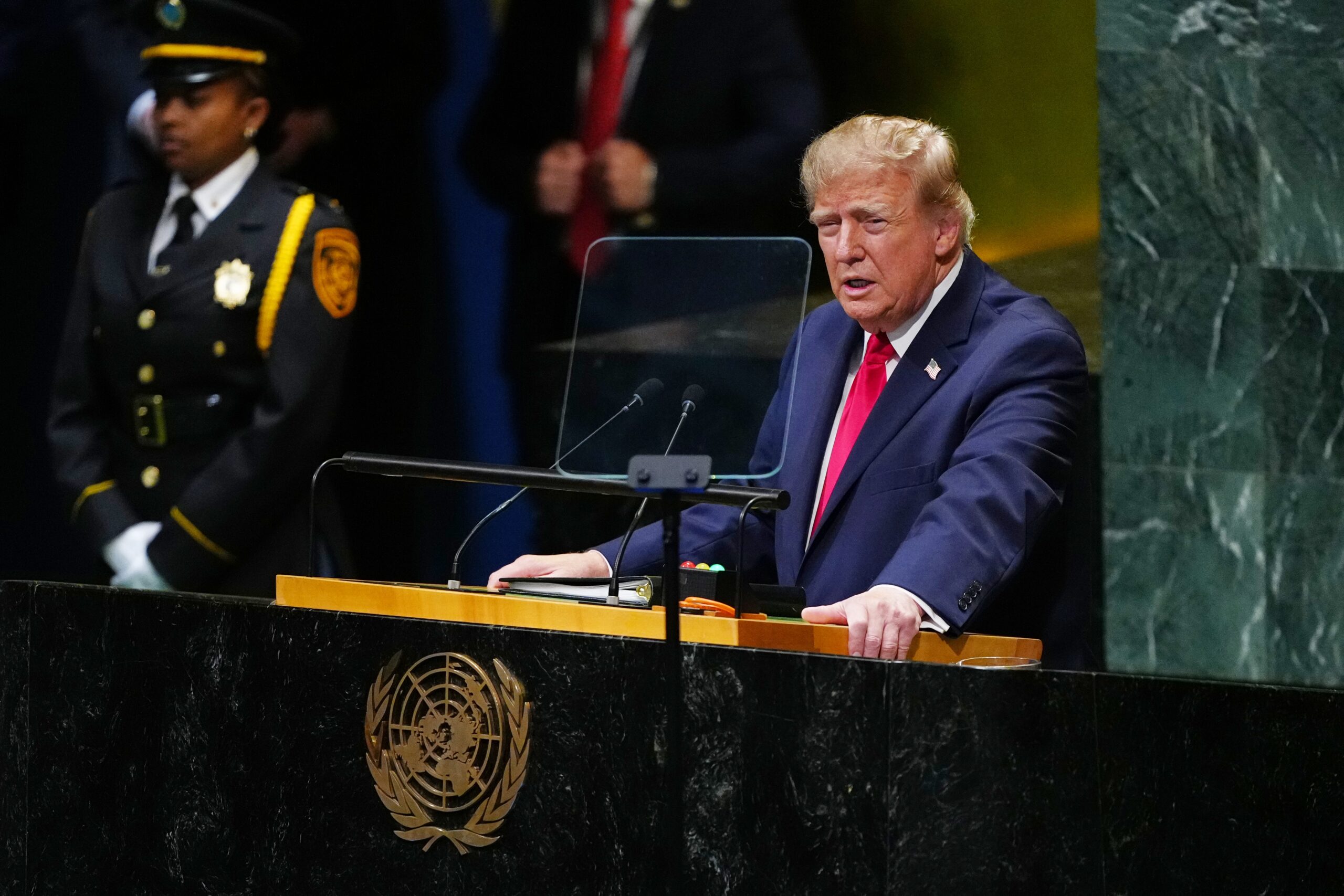
A subtle hint of Iran’s willingness to engage in talks with the United States was recently expressed by Major General Qassim Suleimani, chief commander of the extraterritorial operations Quds Force of the IRGC. Speaking at a gathering of Iran-Iraq War veterans in the city of Hamadan on July 26, Suleimani thundered against U.S. President Donald J. Trump: “You may start the war [against Iran], but we will be the ones shaping its end.” Between those belligerent lines, Suleimani also sent a coded message to Washington by emphasizing: “You are dealing with me. You are not dealing with the armed forces of the Islamic Republic. You are dealing with me and with the Quds Force.” These words were an echo of his old text message in 2011 to General David Petraeus, commanding general of the Multi-National Force in Iraq: “Dear General Petraeus, you should know that I, Qassem Suleimani, control the policy for Iran with respect to Iraq, Lebanon, Gaza and Afghanistan. And indeed, the ambassador in Baghdad is a Quds Force member. The individual who’s going to replace him is a Quds Force member.” In other words, Suleimani at that time urged the United States not to waste time and effort negotiating with the formal government of Iran. According to other statements by Suleimani, coordination between Washington, Baghdad, and the IRGC helped reduce U.S. losses in Iraq, and his recent Hamadan address could be interpreted as an invitation to Trump to engage in a similar cooperative effort.
Suleimani’s statements were followed by Major General Mohammad Ali Jafari, IRGC chief commander, who on July 31 said: “The people of Iran will never allow their officials to negotiate with and meet with the Great Satan.” This statement was probably aimed at securing the IRGC’s monopoly over negotiations with the United States, rather than dismissing negotiations.
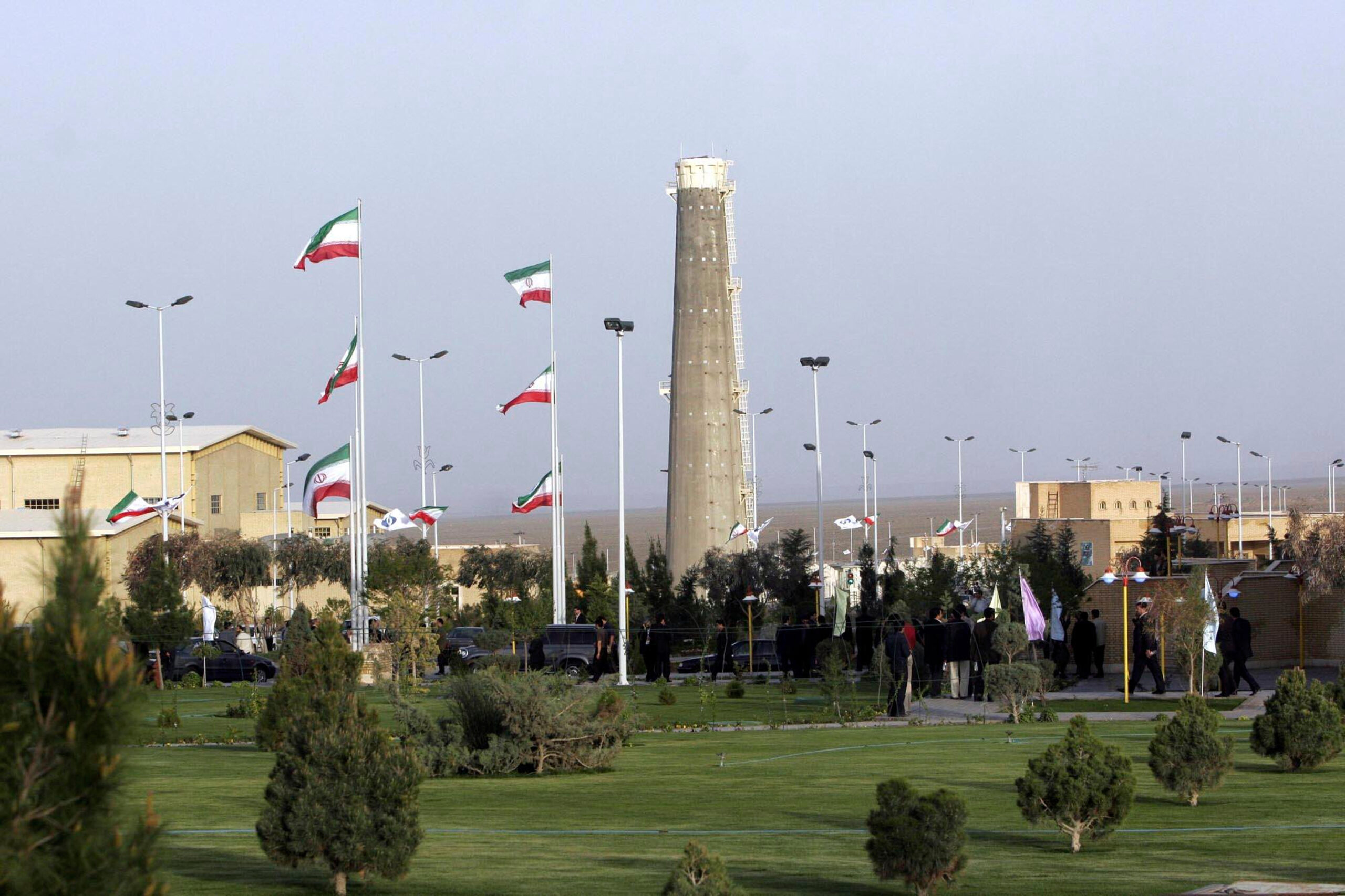
Anxious not to lose the right to negotiate with Washington, Rouhani activated his confidante, Seyed Hossein Mousavian, a policy specialist at Princeton University, to express an even greater willingness to engage in direct talks with the United States. Mousavian is a self-proclaimed defector who for all practical purposes serves as Iran’s and the Rouhani network’s unofficial ambassador to the United States. In an interview with Etemad on August 1, Mousavian urged Rouhani to invite Trump to Tehran. “The visit itself will demonstrate the dignity and prowess of Iran,” Mousavian argued, adding that it “will make the Tel Aviv, Riyadh, and Abu Dhabi axis go nuts!” Mousavian even suggested an itinerary for Trump including meetings with Iran-Iraq War veterans, a tête-à-tête meeting with Suleimani, a guided tour of Iran’s nuclear sites led by Ali Akbar Salehi, head of the Atomic Energy Organization of Iran, and a visit to Iran’s archeological attractions.
While formally addressed to Rouhani, Mousavian’s purpose was not so much to persuade Rouhani as to signal Tehran’s willingness to engage in direct and unconditional talks with Washington. This signal resurfaced in Rouhani’s August 6 televised address: Just as Suleimani did before him, Rouhani boasted of his government’s record of negotiations with the United States. More remarkably, Rouhani for the first time disclosed that Iranian Foreign Minister Mohammad Javad Zarif and former U.S. Secretary of State Rex Tillerson held secret negotiations at the United Nations General Assembly in 2017. Rouhani did not go as far as inviting Trump to Tehran but said Washington “has taken certain steps” and “must take a few more” in preparation for direct and unconditional negotiations.
With the United States reimposing sanctions, the rial in free fall, and anti-regime protests spreading across Iran, the IRGC and technocratic elites of the Islamic Republic are both interested in reducing the external and internal pressures on the regime. However, while negotiating with the president of the United States could be a source of great prestige and power, internally and internationally, the timing would be critical for the Iranian regime to avoid coming to the table with a much weakened position. Much of this will depend on how difficult the next few months prove to be particularly when oil revenue sanctions kick in in November. The internal divisions and competition at this point are serious deterrents preventing Iran from engaging in meaningful negotiations with the United States.
The views represented herein are the author's or speaker's own and do not necessarily reflect the views of AGSI, its staff, or its board of directors.
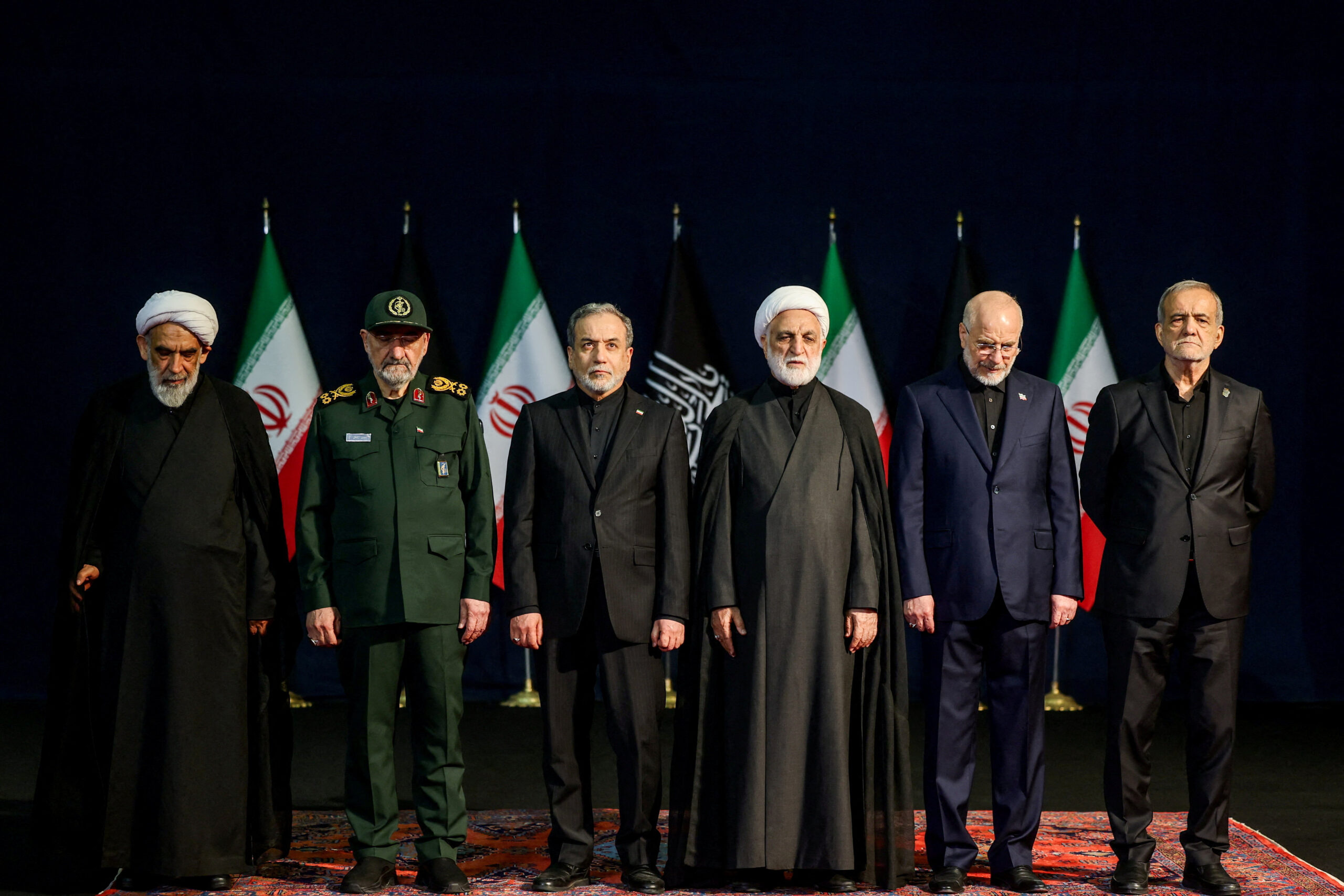
After U.S.-Israeli strikes killed Supreme Leader Ayatollah Ali Khamenei on February 28, Iran’s collective leadership has concluded that the best defense is a good offense.
Wartime pressure has temporarily aligned the leadership’s overriding interest in regime survival, even as its members continue to differ over the costs, methods, and ultimate objectives of the war.
While there is historical precedent for collective leadership in Iran, today’s leadership includes representatives of the IRGC and regular military – a reflection of the IRGC’s expanding role and the necessities of governing under wartime conditions.