The meeting of Syrian opposition groups in Saudi Arabia last week was neither an unqualified success nor, as some claim, a “fiasco”. The complex task of trying to organise the fractious Syrian opposition was certainly advanced, but was akin to herding cats. The Riyadh meeting comes primarily in the context of several international meetings in...
The meeting of Syrian opposition groups in Saudi Arabia last week was neither an unqualified success nor, as some claim, a “fiasco”. The complex task of trying to organise the fractious Syrian opposition was certainly advanced, but was akin to herding cats.
The Riyadh meeting comes primarily in the context of several international meetings in Vienna that transformed the diplomatic landscape on Syria by outlining an ambitious framework for peace. It calls for an immediate ceasefire and UN-brokered talks between the regime and the opposition to begin by January 1, followed by elections within 18 months. The Americans supported the expedited timetable to emphasise the need for action.
Moreover, Washington reversed its demand that Iran agree to the 2012 “Geneva communiqué”. Iran never did, but was invited to Vienna anyway.
All of this added urgency to an existing Saudi plan to create an opposition umbrella. Planning for the conference had been in the works for almost a year. But Vienna added pressure and created a make-or-break atmosphere. Either the meeting would show that progress towards opposition unity is possible or demonstrate that it’s practically impossible.
In the event, the Riyadh conference did succeed in producing a joint platform agreed by almost all of the participants, which is what many observers had identified as the essential test for success or failure.
It calls for Bashar Al Assad to step down at the start of a negotiated “transitional period”, which will produce a “democratic mechanism through a pluralistic regime that represents all sectors of the Syrian people”.
The mere fact that this incredibly disparate bunch was able to agree to any common language at all is itself something of an achievement. No one expected them to fully come together after one short meeting. Washington, for instance, welcomed its “positive outcome”.
Unfortunately, even the vagueness of the joint statement, and the fact that the Syrian opposition is still enormously divided, aren’t the biggest problems.
The ultraconservative Ahrar Al Sham militia, which is one of the larger armed rebel groups, was always going to be the biggest headache at the meeting, and for all serious efforts to unite the opposition under the current circumstances. The group’s attendance was in some doubt, because of its radical agenda. It insists on the establishment of an “Islamic” state in Syria, which none of the other main factions believe is essential. Worse, it has frequently co-operated with the Al Qaeda franchise in Syria, Jabhat Al Nusra.
Its association with Al Qaeda, naturally, makes Ahrar Al Sham unacceptable to the US and very unpalatable to Saudi Arabia and the other key opposition sponsors, Turkey and Qatar.
The organisation is under heavy pressure from other rebel groups and, especially, the US and Saudi Arabia, to either break with Jabhat Al Nusra or convince that group to break with Al Qaeda. On the ground, of course, Ahrar Al Sham finds itself under heavy counterpressure from Jabhat Al Nusra to forget about the international community and join their “jihad.” “Choose” is the word that has frequently been launched at Ahrar Al Sham by Al Qaeda sympathisers in Syria in recent weeks.
The good news is that Ahrar Al Sham showed up at the Riyadh conference, because without them, the opposition would have been missing too many armed constituencies.
The bad news is that the group’s representatives at first angrily denounced the joint statement and walked out of the meeting in a huff. This was somewhat ameliorated by the announcement that the group had changed its mind and now endorses the joint statement.
This, of course, suggests that Ahrar Al Sham is itself badly divided, with some factions wanting to cooperate with the Saudi-led and US-supported political agenda, and others seeing this all as a sell-out. What the group will ultimately decide to do remains a huge question mark, and the fortunes of the opposition may depend on it. But bringing them on board, one way or another, is central to creating a political umbrella representative enough of the opposition fighting forces on the ground to be politically credible in negotiations.
Perhaps the most surprising development was the announcement by the able Saudi chair of the meeting, Abdulaziz Al Sager, that the Syrian opposition plans to meet regime officials on January 10. Before anyone gets carried away, Mr Al Assad declared in reaction to the meeting that he would not negotiate with “terrorists” and that “everyone who holds a machine-gun is a terrorist”.
The bottom line is that both the regime and many of the mainstream rebel groups believe that they might well be able to strengthen their hands through additional fighting. That means that, despite the wishes of the US and Russia, the local forces in Syria – and probably many of their regional backers as well – aren’t yet ready to calculate the price they’re willing to pay at peace talks.
For now, alas, the fighting will continue. But the Riyadh meeting was an important, albeit limited, step forward in creating the integrated political umbrella necessary for the opposition to ultimately join an agreement to end the Syrian conflict.
In tandem with President Trump’s refusal to offer help with the Houthis, the Saudis are facing grim options to reverse Houthi military successes and a chokehold over their oil exports.
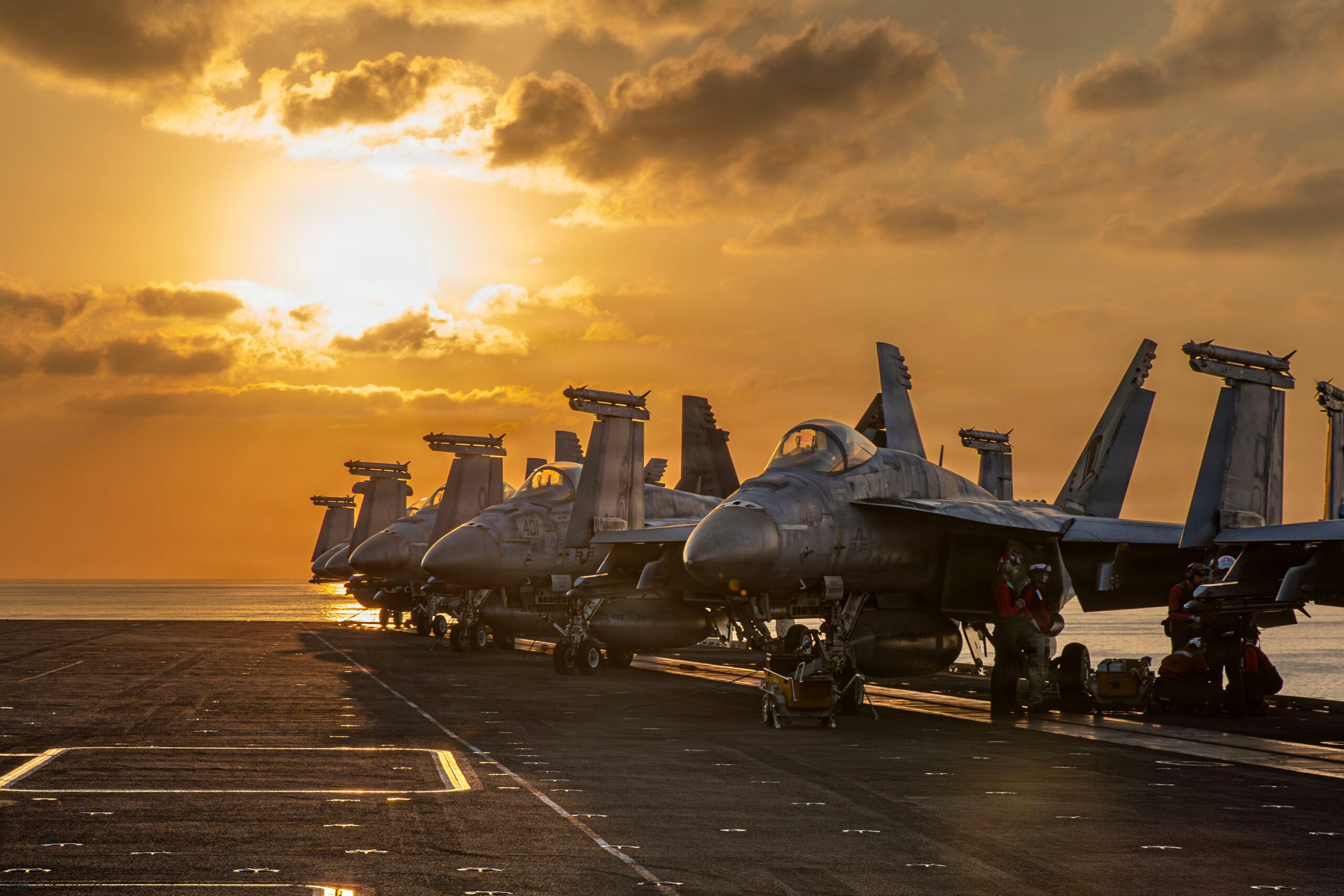
U.S. force projection in the Gulf is increasingly relying on artificial intelligence, unmanned platforms, and space technology, using these systems to augment existing military infrastructure.
President Trump has led the United States into an impossible dilemma in which resuming and intensifying the war presents one set of alarming consequences while ending it under current circumstances offers at least as many disasters for Washington.
The Trump administration has positioned the United States at a crossroads between a new regime of containment against Iran or a historic drawdown of U.S. influence in the Gulf and broader Middle East.
Riyadh and Abu Dhabi urged President Trump not to attack Iran, but now that the war is into its second month, leaving the current situation in place would be an unthinkable fiasco for them.
Though they were unsuccessful in preventing the current conflict, and, as expected, have been dragged into the U.S.-Israeli confrontation with Iran, Gulf Arab countries remain crucial to hopes for limiting the war and bringing it to a quick resolution.









Dec 14, 2015
Riyadh Meeting Small Step Forward on Syria
The meeting of Syrian opposition groups in Saudi Arabia last week was neither an unqualified success nor, as some claim, a “fiasco”. The complex task of trying to organise the fractious Syrian opposition was certainly advanced, but was akin to herding cats. The Riyadh meeting comes primarily in the context of several international meetings in...
5 min read