Mar 5, 2024
“Respectable”: Supreme National Security Council Mouthpiece on Lowest Voter Turnout in the Regime’s History
The March 5 edition of the Iran Media Review highlights the low electoral participation in Iran’s recent elections.

While the Iranian public is awaiting official statistics on the March 1 elections to the Parliament and Assembly of Experts, Supreme National Security Council mouthpiece Nour News mused on the “respectable,” but most likely historically low, voter turnout.
- March 3: Nour News Agency‘s analysis of the elections argued: “According to unofficial statistics, the voter turnout in the latest elections was more than 40%, which in itself, and by international standards, is considerable and respectable, but … why was the voter turnout in these elections lower than any other parliamentary elections? Under economic hardships, the people are looking for a silver bullet that will effectively solve their problems. Externally imposed sanctions are partially to blame for these economic problems, but some of it is due to poor management … The people, rightly or wrongly, perceive the economy of the country in a state of chaos and naturally lose their trust … including in electoral participation” as a means of solving those economic problems. “No candidate offered a plan of action … which bereaves informed citizens of the opportunity to choose” among the candidates. “The Voice and Vision of the Islamic Republic,” Iran’s state-run news outlet, “dedicated the golden hours of election day to live transmission of the voting … but the costly propaganda did not manage to persuade people to show up at the ballot box … Ought the organization not change its words, intonation, and methods of persuasion?”
- Nour News’ anonymous columnist concluded: “Life has undeniably changed for Iranians. The citizenry is breathing new air, has a changed list of priorities and necessities, has new needs and demands, and has a different subsistence. In a word, the citizenry’s mentality and beliefs have changed. This necessitates a new way of taking care of them.”
The views represented herein are the author's or speaker's own and do not necessarily reflect the views of AGSI, its staff, or its board of directors.
Related
Iran Media Review
Mar 1, 2024
Iran: Trust in Family, Distrust in Government
The March 1 edition of the Iran Media Review examines leaked polling on public trust in Iran.
Iran Media Review
Feb 27, 2024
Official Government Poll: 72.9% of Iranians Favor Separation of Religion and State
The February 27 edition of the Iran Media Review highlights a leaked poll showing dramatic changes in Iranians’ opinions on the role of religion in public life.
Mar 1, 2024
Iran: Trust in Family, Distrust in Government
The March 1 edition of the Iran Media Review examines leaked polling on public trust in Iran.
Feb 27, 2024
Official Government Poll: 72.9% of Iranians Favor Separation of Religion and State
The February 27 edition of the Iran Media Review highlights a leaked poll showing dramatic changes in Iranians’ opinions on the role of religion in public life.
Analysis
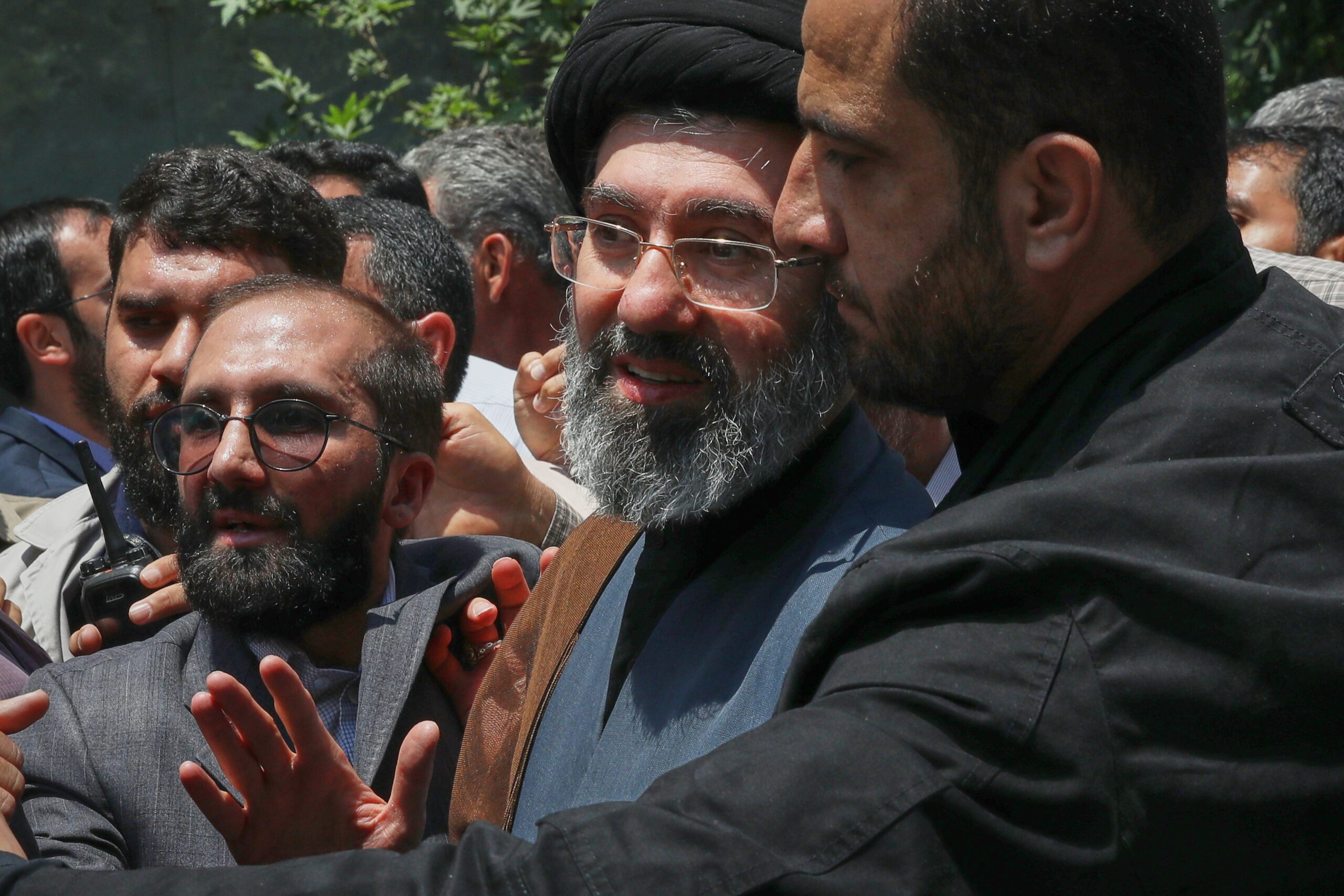
Under Mojtaba, the IRGC Will Reign Supreme
Iran may still call itself an Islamic Republic. In practice, however, it increasingly resembles a state in which the military governs from behind clerical robes.
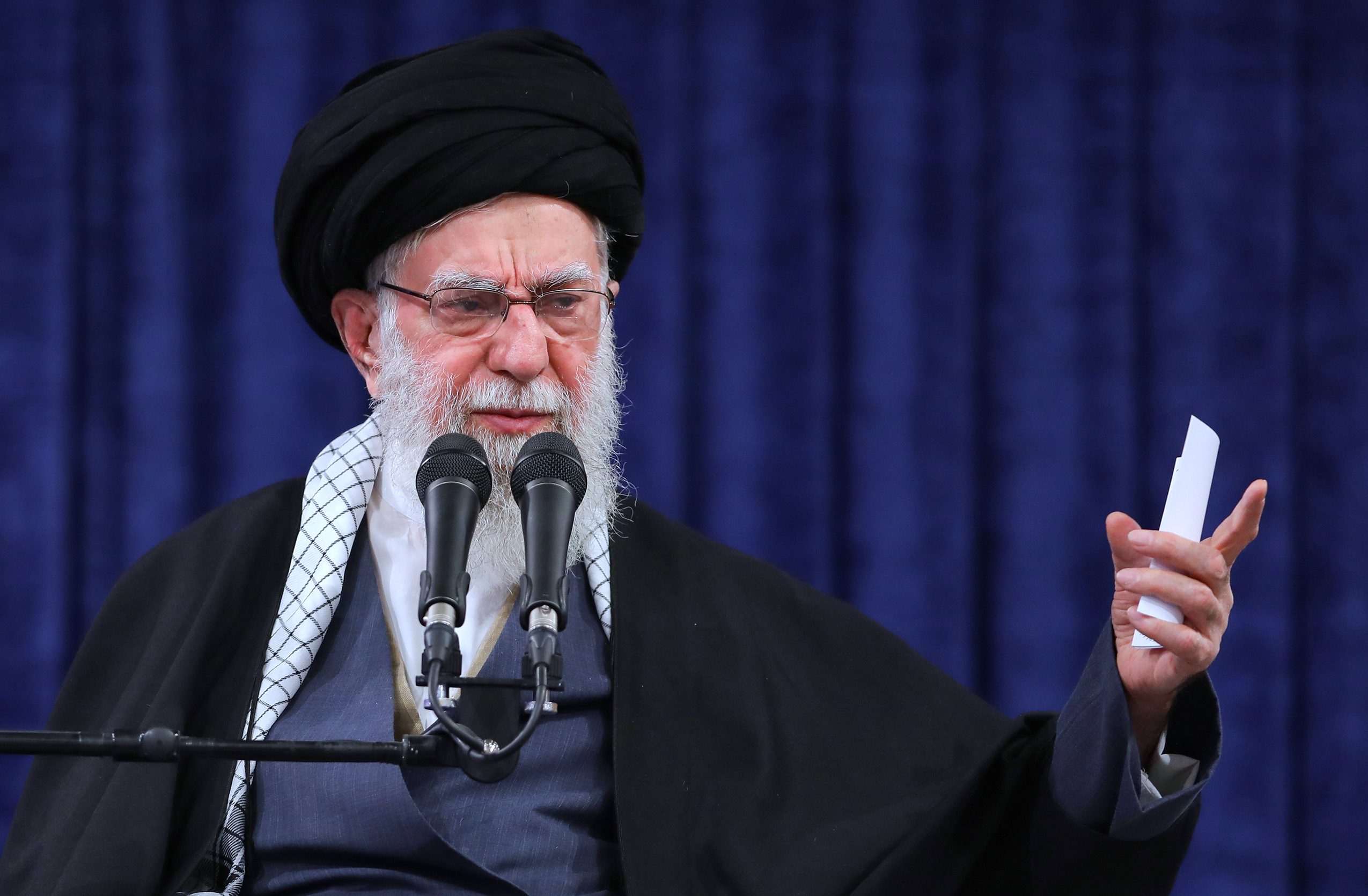
Political Life and Legacy of Iran’s Ayatollah Khamenei
Ayatollah Ali Khamenei was killed in his office in Tehran at age 86, leaving behind a country in ruins and on the verge of civil war and potential disintegration.
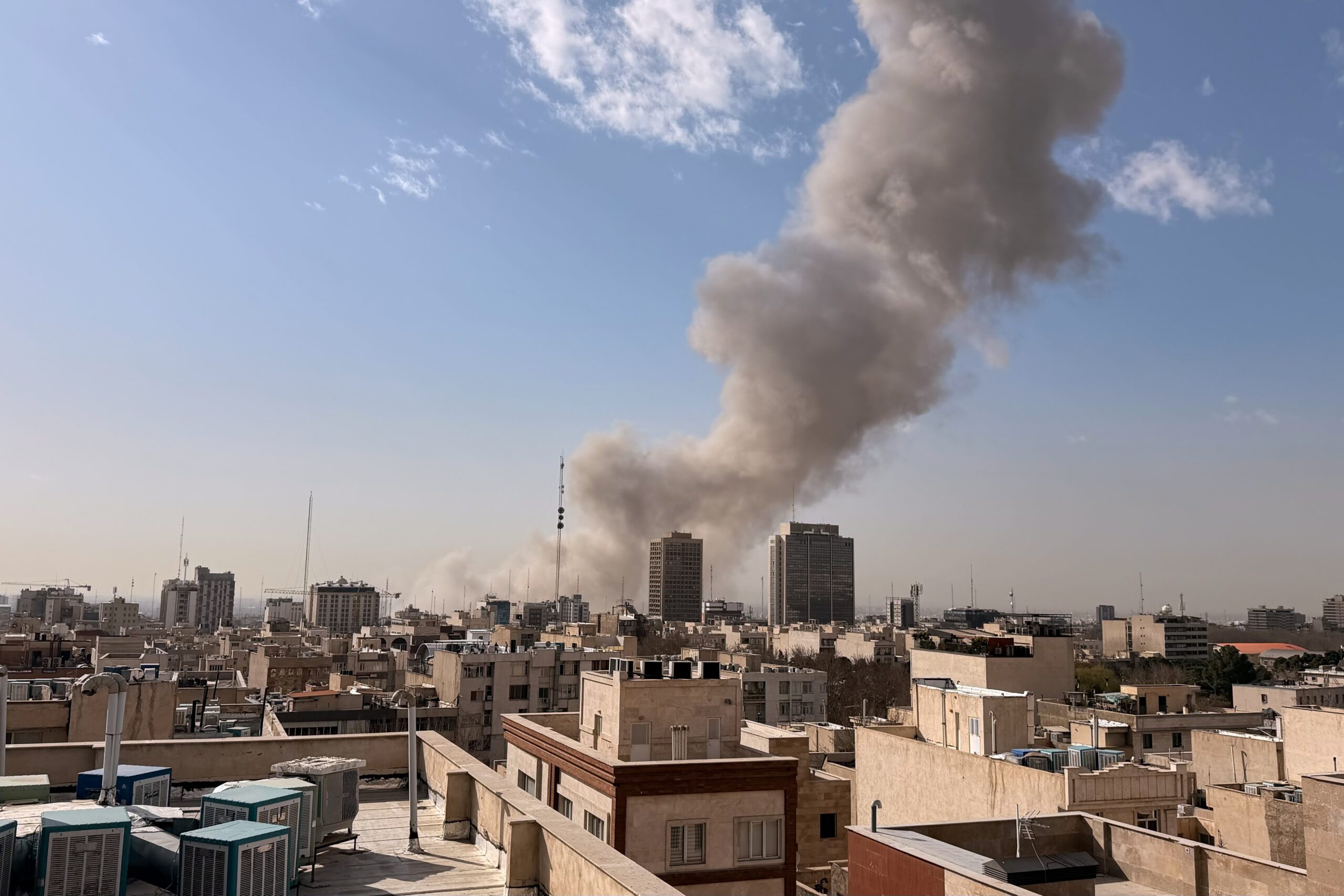
Iranian Regime Fighting for Survival
Iran is signaling that it will not absorb attacks passively. But whether this strategy ensures the regime’s survival, seals its fate, or accelerates a broader catastrophe will shape the region for years to come.
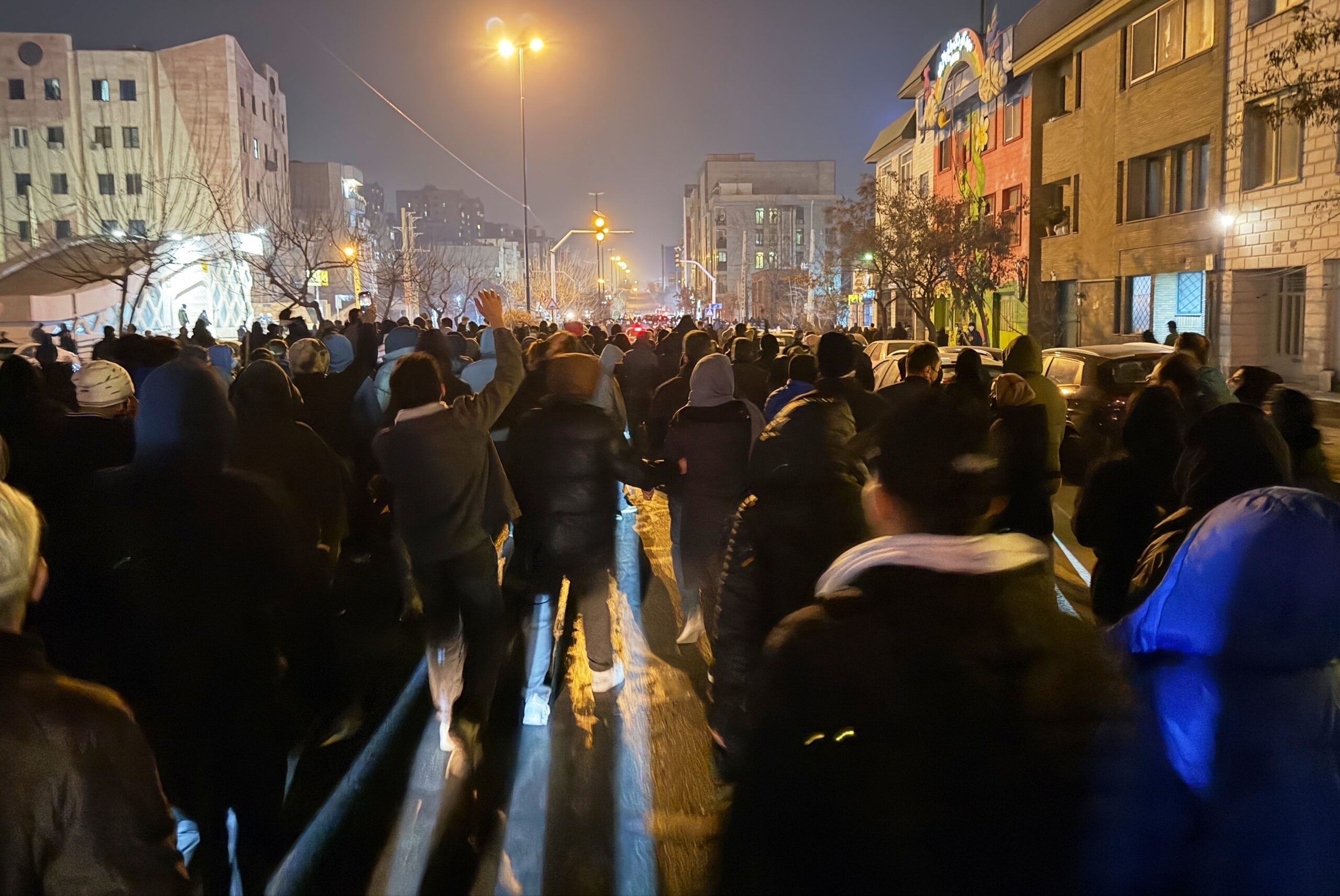
Iran’s 2025-26 Protests in Perspective
The erosion of the regime’s legitimacy across broad segments of society, combined with the breadth of the 2025-26 protest coalition, raises the possibility that a new confrontation could trigger renewed anti-regime mobilization.
Events
Mar 2, 2026
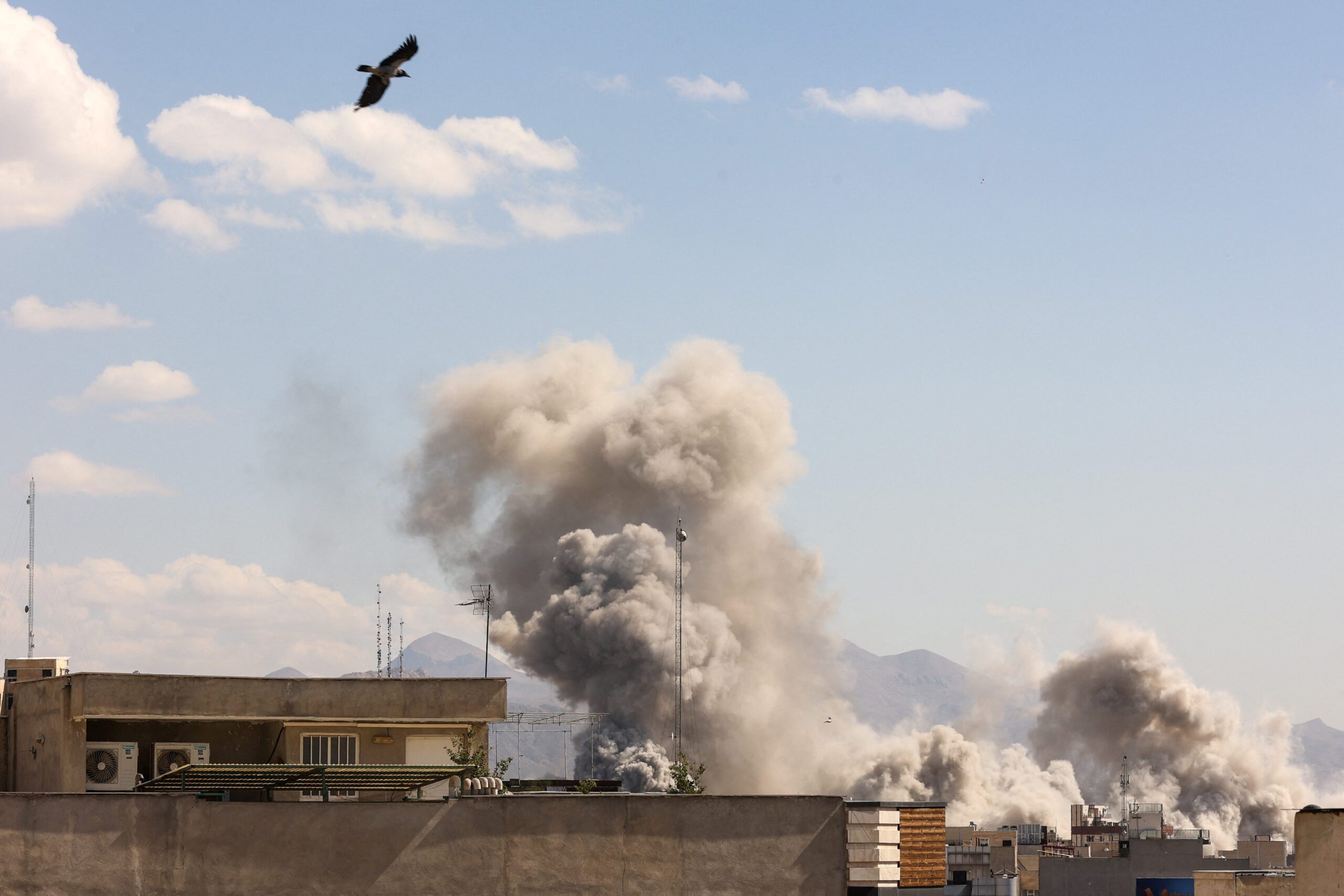
After the Shock: Implications of the U.S.–Israeli Strikes and Iran’s Leadership Transition
On March 2, AGSI hosted a discussion on the U.S.-Israeli strikes on Iran.
Speakers




Jan 8, 2026
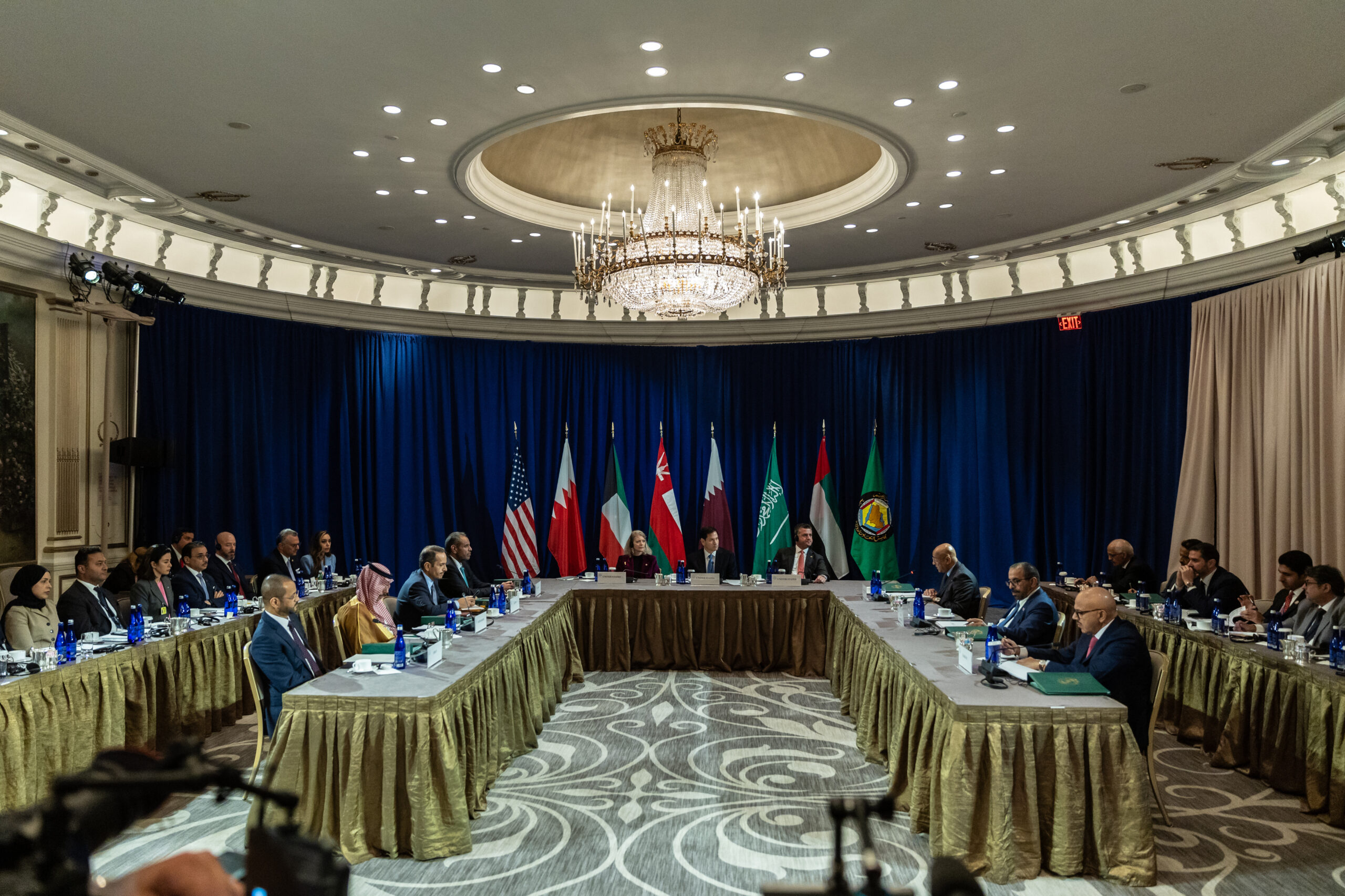
Outlook 2026: Prospects and Priorities for U.S.-Gulf Relations in the Year Ahead
On January 8, AGSI hosted a virtual roundtable with its leadership and scholars as they look ahead and assess trends likely to shape the Gulf region and U.S. foreign policy during the coming year.
Speakers




Sep 16, 2025
Book Talk: Iran’s Grand Strategy: A Political History
On September 16, AGSI hosted a discussion on the roots of Iran's strategic outlook.
Speakers
Jun 23, 2025
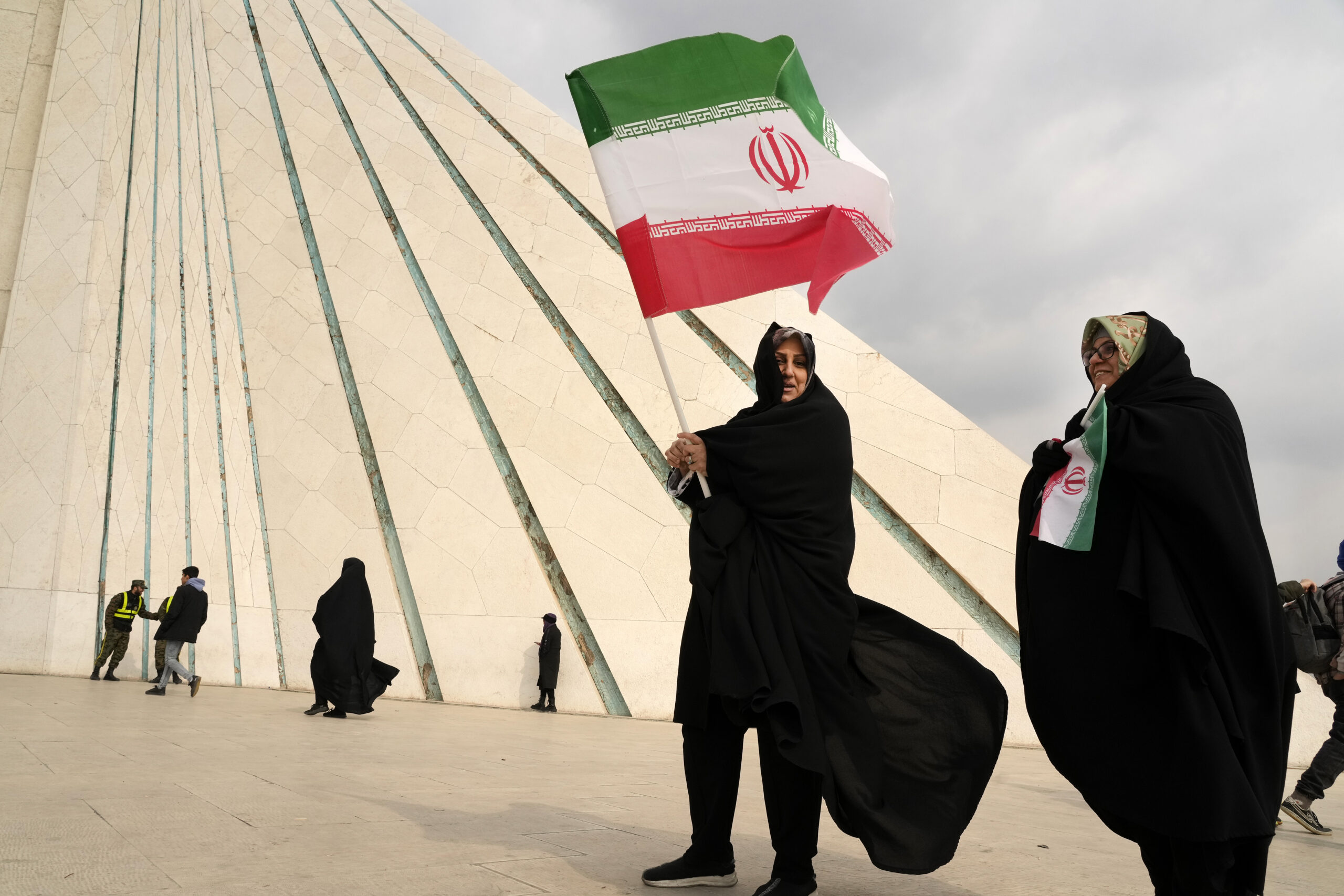
U.S. Strike on Iran: Regional and Diplomatic Fallout
On June 23, AGSI hosted a discussion on the United States' attack on Iranian nuclear sites.
Speakers
