Mar 5, 2024
“Respectable”: Supreme National Security Council Mouthpiece on Lowest Voter Turnout in the Regime’s History
The March 5 edition of the Iran Media Review highlights the low electoral participation in Iran’s recent elections.

While the Iranian public is awaiting official statistics on the March 1 elections to the Parliament and Assembly of Experts, Supreme National Security Council mouthpiece Nour News mused on the “respectable,” but most likely historically low, voter turnout.
- March 3: Nour News Agency‘s analysis of the elections argued: “According to unofficial statistics, the voter turnout in the latest elections was more than 40%, which in itself, and by international standards, is considerable and respectable, but … why was the voter turnout in these elections lower than any other parliamentary elections? Under economic hardships, the people are looking for a silver bullet that will effectively solve their problems. Externally imposed sanctions are partially to blame for these economic problems, but some of it is due to poor management … The people, rightly or wrongly, perceive the economy of the country in a state of chaos and naturally lose their trust … including in electoral participation” as a means of solving those economic problems. “No candidate offered a plan of action … which bereaves informed citizens of the opportunity to choose” among the candidates. “The Voice and Vision of the Islamic Republic,” Iran’s state-run news outlet, “dedicated the golden hours of election day to live transmission of the voting … but the costly propaganda did not manage to persuade people to show up at the ballot box … Ought the organization not change its words, intonation, and methods of persuasion?”
- Nour News’ anonymous columnist concluded: “Life has undeniably changed for Iranians. The citizenry is breathing new air, has a changed list of priorities and necessities, has new needs and demands, and has a different subsistence. In a word, the citizenry’s mentality and beliefs have changed. This necessitates a new way of taking care of them.”
The views represented herein are the author's or speaker's own and do not necessarily reflect the views of AGSI, its staff, or its board of directors.
Related
Iran Media Review
Mar 1, 2024
Iran: Trust in Family, Distrust in Government
The March 1 edition of the Iran Media Review examines leaked polling on public trust in Iran.
Iran Media Review
Feb 27, 2024
Official Government Poll: 72.9% of Iranians Favor Separation of Religion and State
The February 27 edition of the Iran Media Review highlights a leaked poll showing dramatic changes in Iranians’ opinions on the role of religion in public life.
Mar 1, 2024
Iran: Trust in Family, Distrust in Government
The March 1 edition of the Iran Media Review examines leaked polling on public trust in Iran.
Feb 27, 2024
Official Government Poll: 72.9% of Iranians Favor Separation of Religion and State
The February 27 edition of the Iran Media Review highlights a leaked poll showing dramatic changes in Iranians’ opinions on the role of religion in public life.
Analysis
The Islamic Republic Returns to Offense
After U.S.-Israeli strikes killed Supreme Leader Ayatollah Ali Khamenei on February 28, Iran’s collective leadership has concluded that the best defense is a good offense.
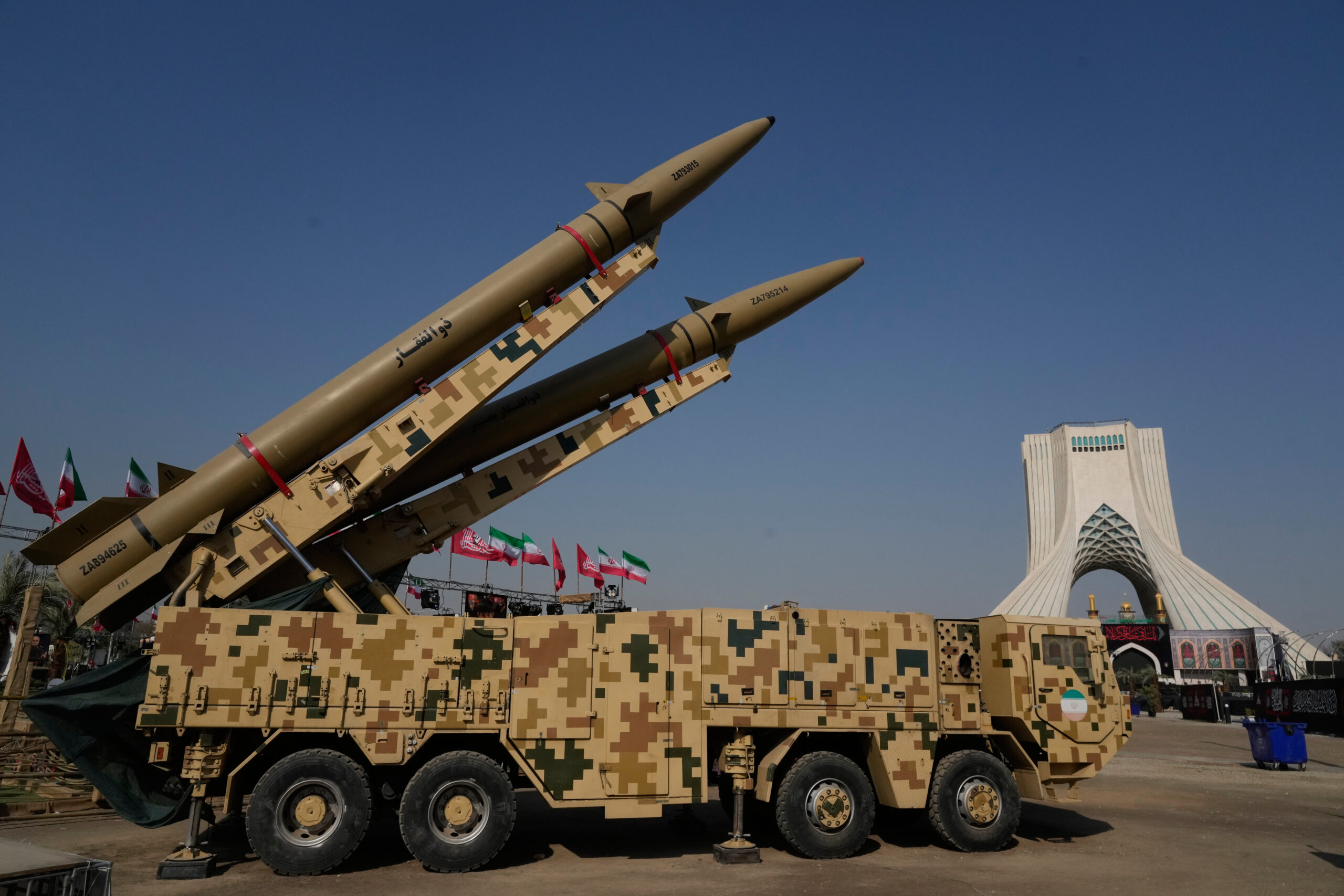
Iran’s Collective Strategic Decision Making
Wartime pressure has temporarily aligned the leadership’s overriding interest in regime survival, even as its members continue to differ over the costs, methods, and ultimate objectives of the war.
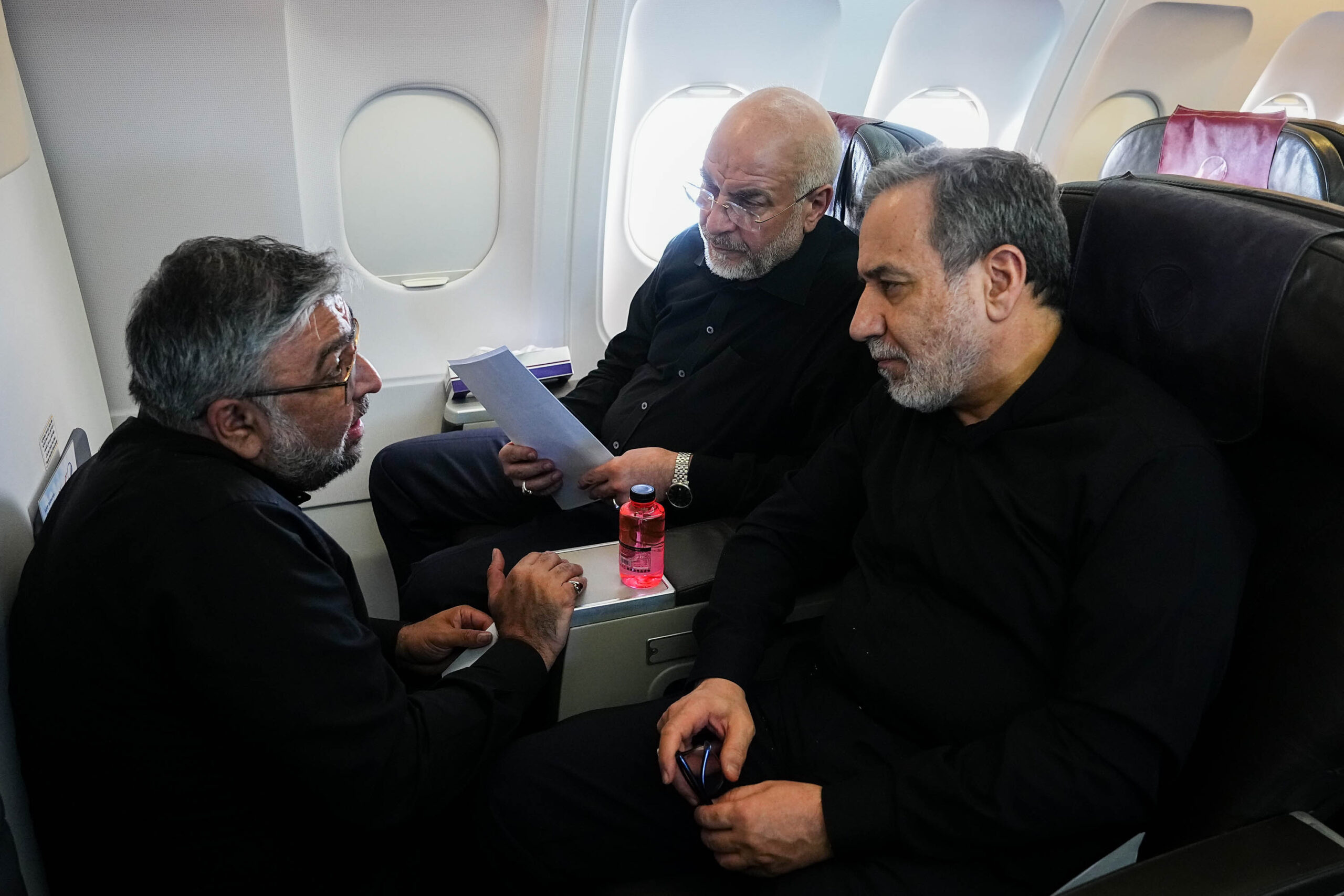
The Islamic Republic’s Collective Leadership
While there is historical precedent for collective leadership in Iran, today’s leadership includes representatives of the IRGC and regular military – a reflection of the IRGC’s expanding role and the necessities of governing under wartime conditions.
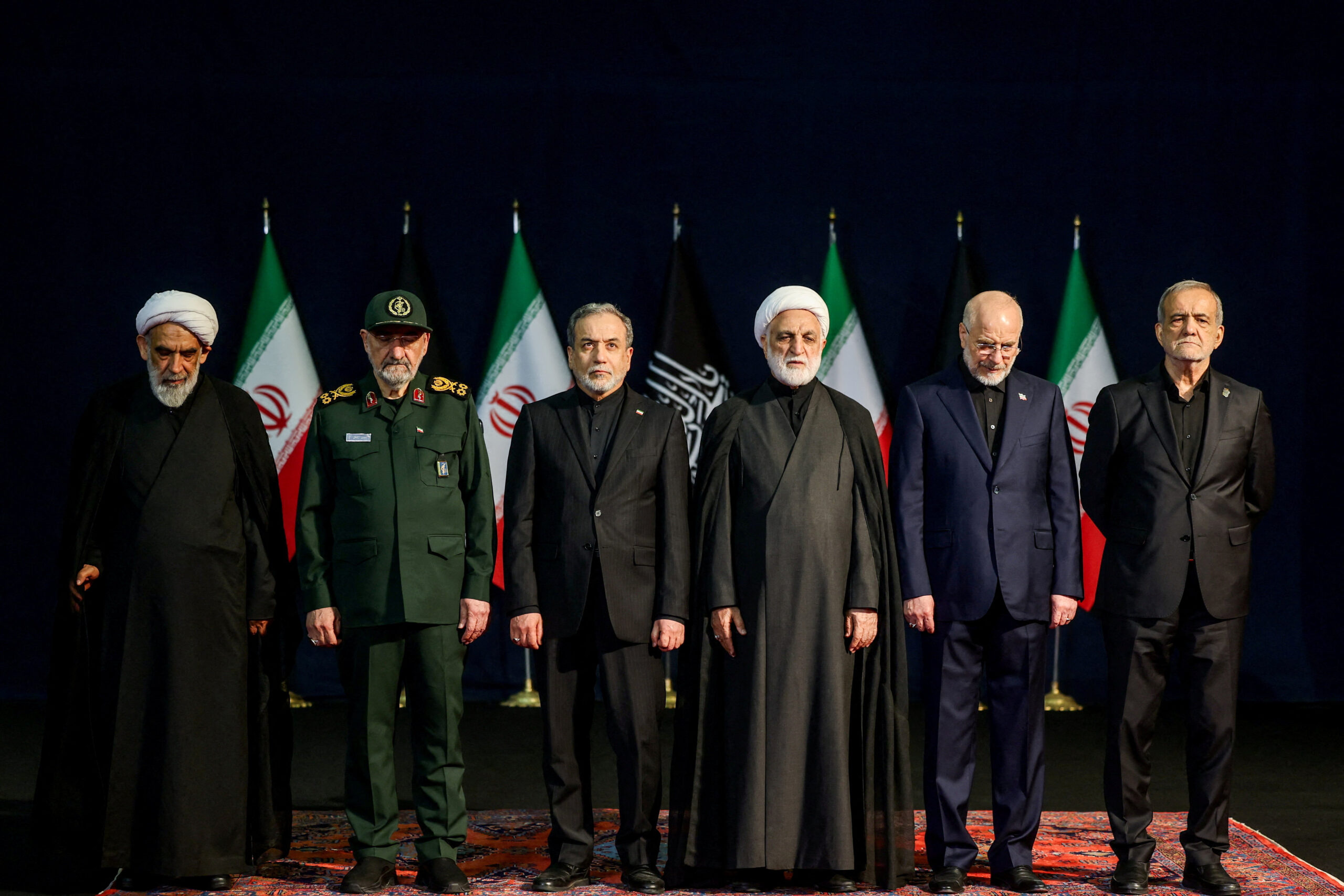
How Did the IRGC Seize Power in Iran?
The IRGC did not seize power in a single stroke. It accumulated it – patiently, methodically – until no counterweight remained.
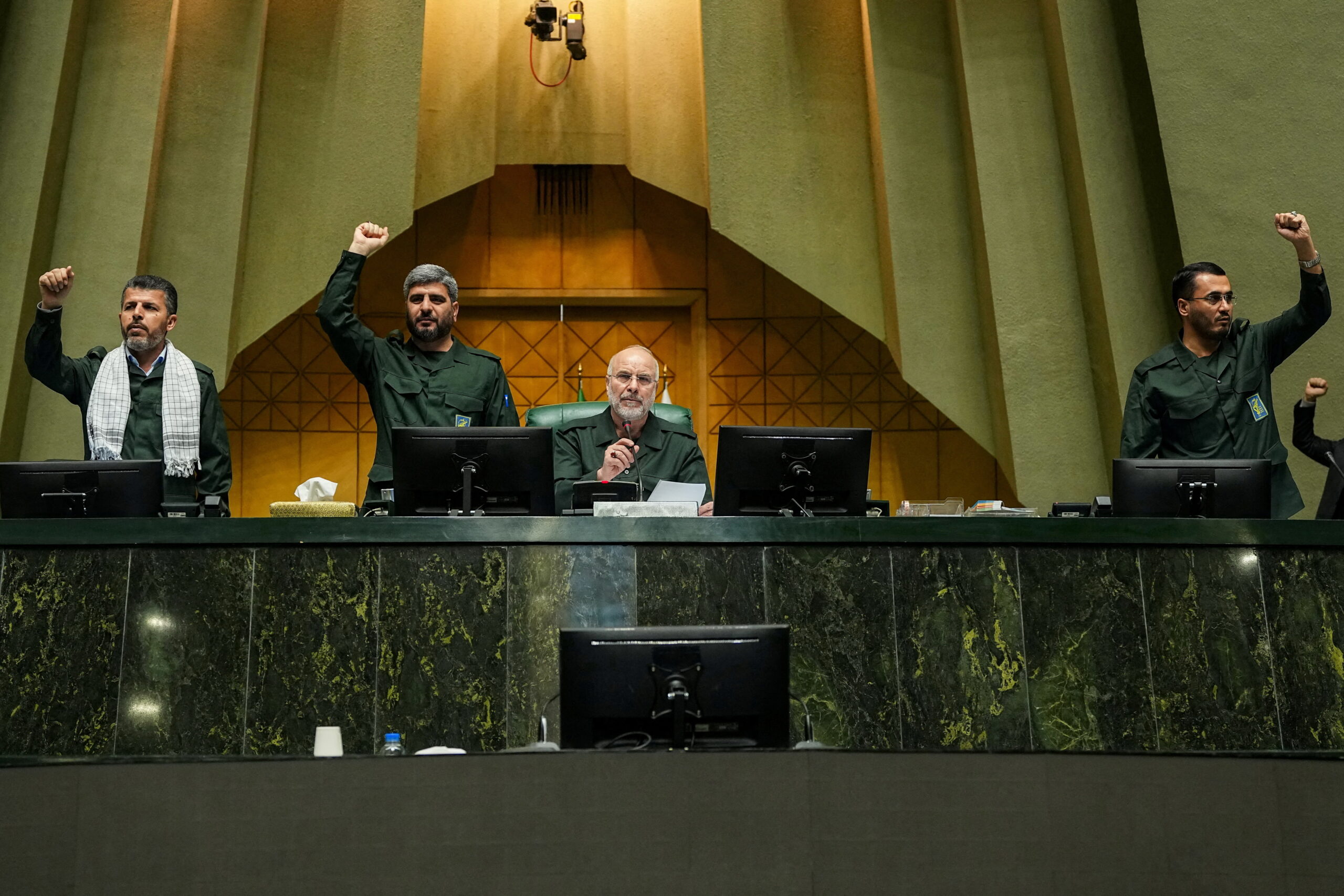
Events
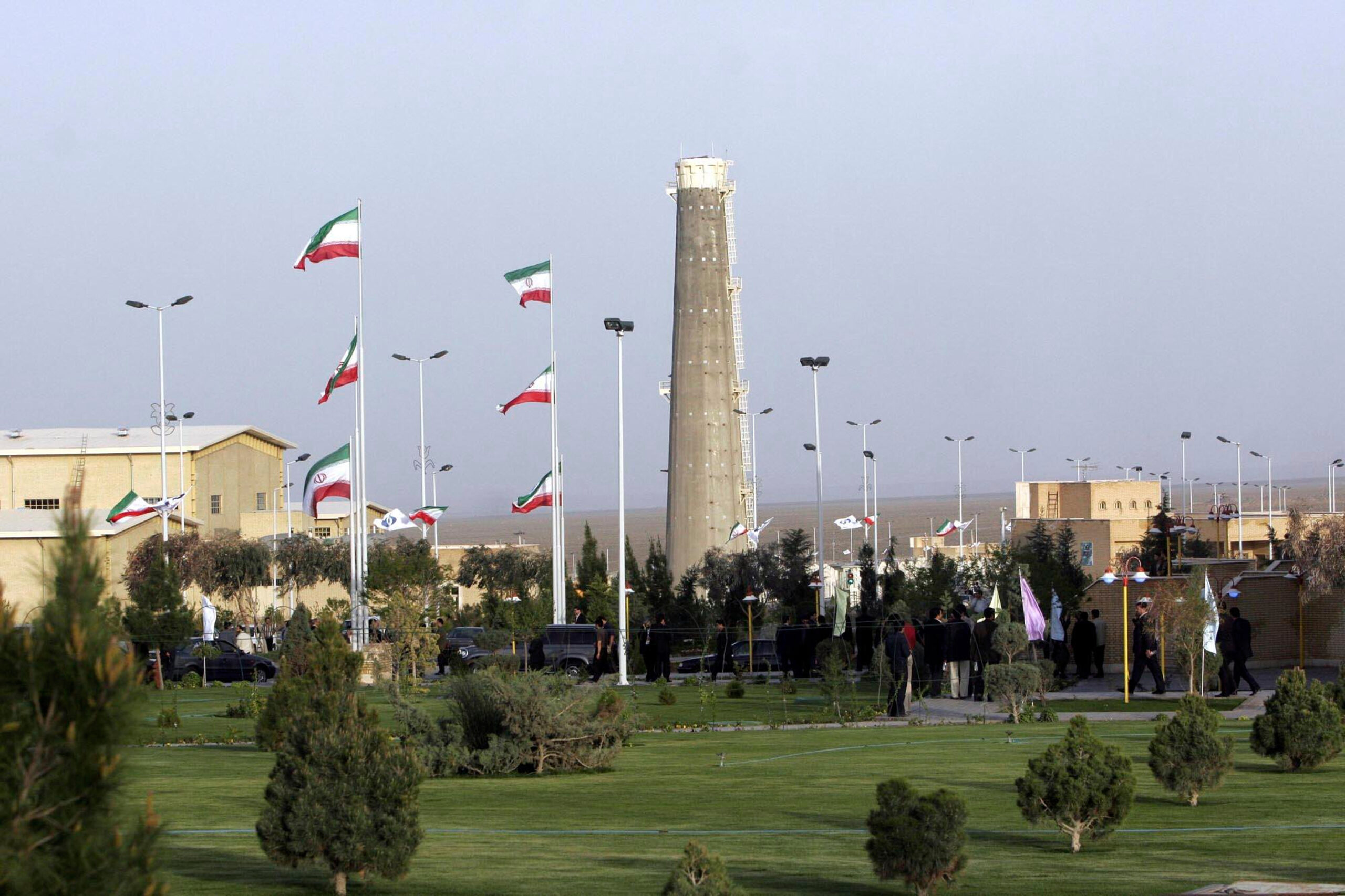
Book Talk: Iran and the Bomb: The United States, Iran and the Nuclear Question
On June 16, AGSI hosted a discussion on the evolution of Iran's nuclear program.
Speakers


Apr 21, 2026
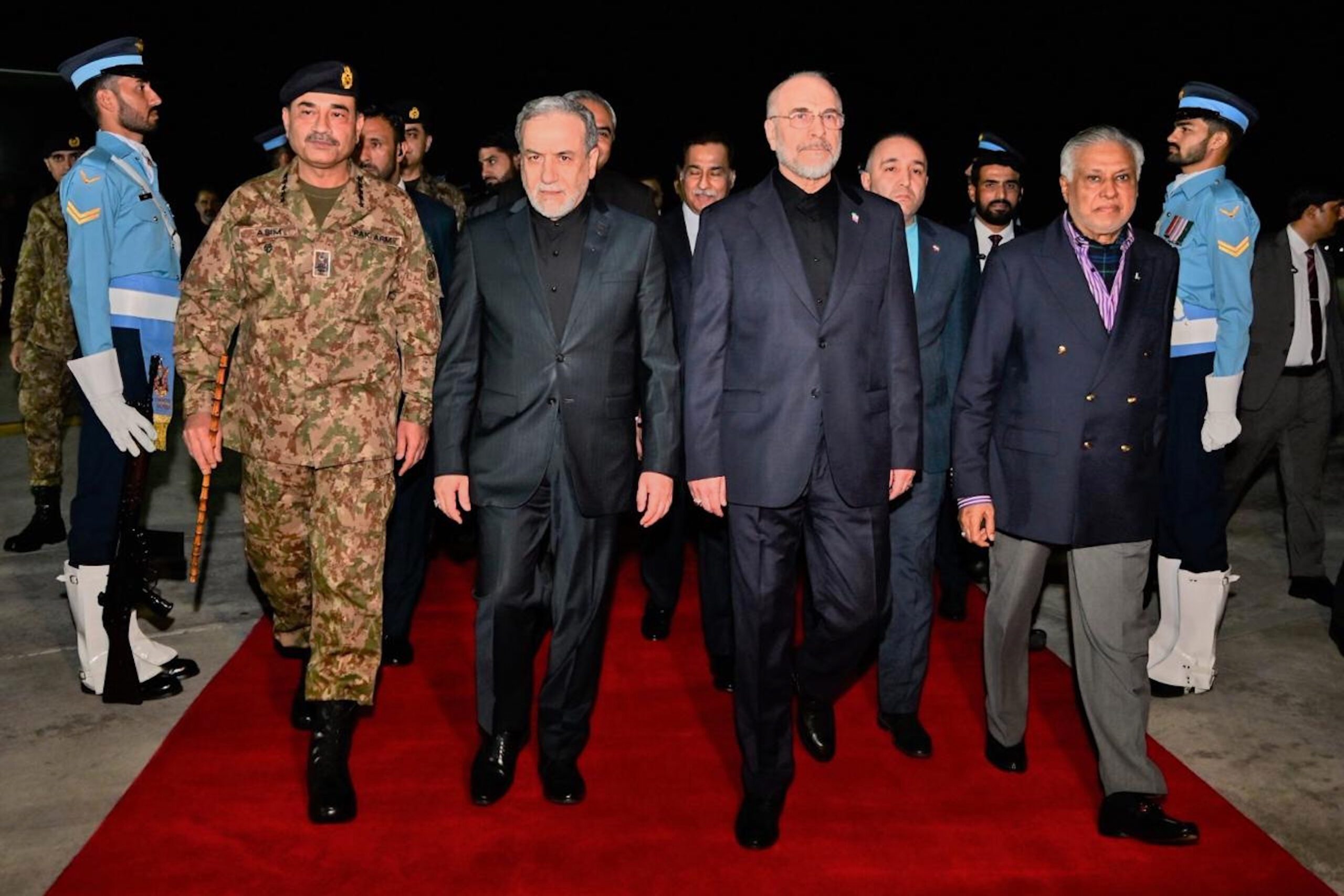
Inside Iran’s Wartime Leadership: Power, Succession, and Regime Stability
On April 21, AGSI hosted a discussion on the evolution of Iran's leadership during the war.
Speakers

Mar 18, 2026
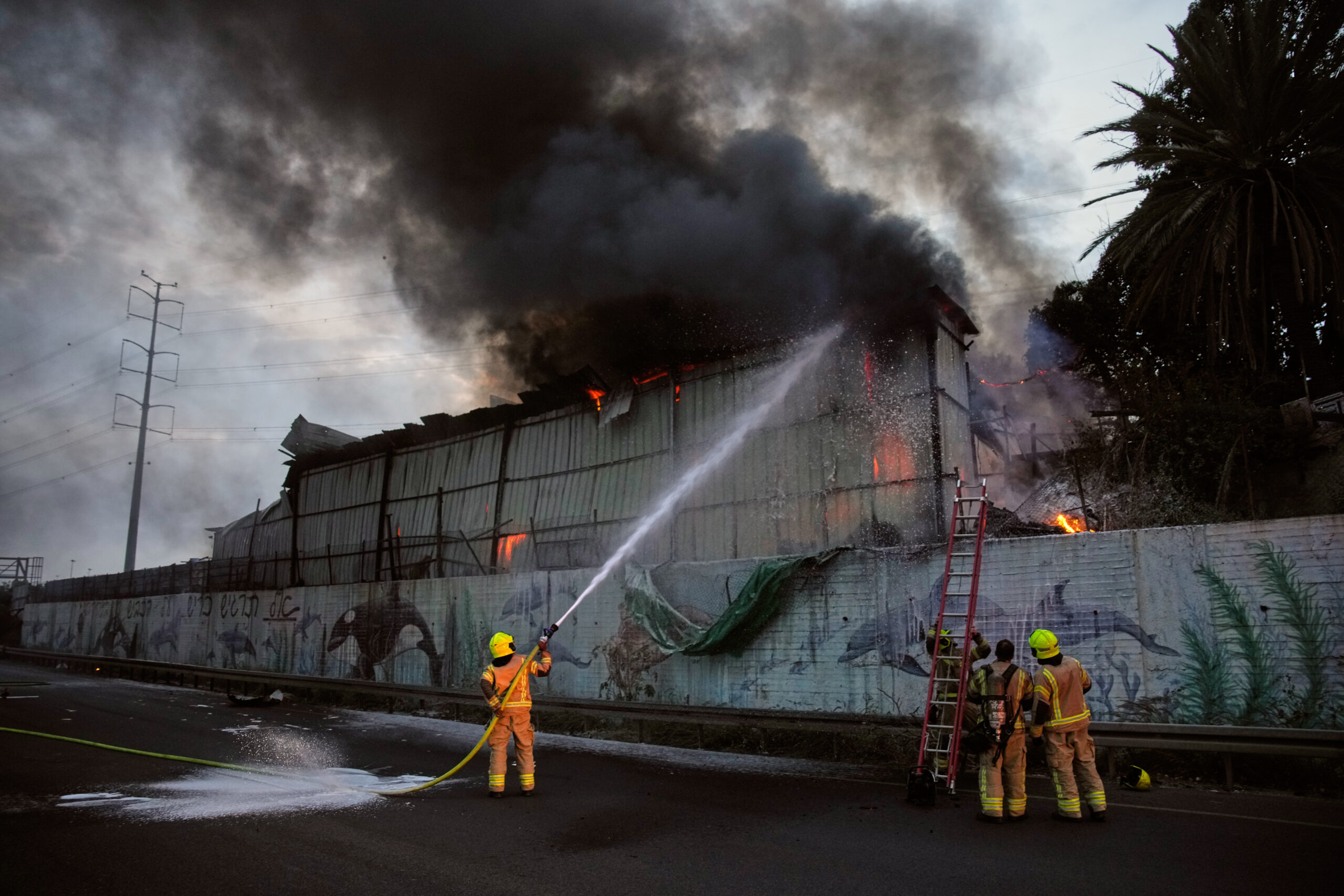
In Its Conflict With the United States and Israel, Does Escalation Favor Iran?
On March 18, AGSI hosted a discussion on the escalation of the Iran war.
Speakers


Mar 2, 2026
After the Shock: Implications of the U.S.–Israeli Strikes and Iran’s Leadership Transition
On March 2, AGSI hosted a discussion on the U.S.-Israeli strikes on Iran.
Speakers