The honeymoon between the Trump administration and the Gulf Arab countries is a welcome respite after years of mutual doubts and recriminations. However, it’s important to keep things in perspective. Unfortunate and avoidable disappointment can follow on quickly, once the glow of initial infatuation wears off. There have been many signs of this improvement. The...
The honeymoon between the Trump administration and the Gulf Arab countries is a welcome respite after years of mutual doubts and recriminations. However, it’s important to keep things in perspective. Unfortunate and avoidable disappointment can follow on quickly, once the glow of initial infatuation wears off.
There have been many signs of this improvement. The Gulf countries expected as much from the likes of secretary of defence James Mattis, secretary of state Rex Tillerson and national security adviser HR McMaster. Yet, thus far, things seem to be going even better than many had hoped.
New levels of cooperation are particularly striking in Yemen. In March, the Trump administration launched more than 49 military strikes across that country, most of them over five days. That alone is more US attacks than in any full year in total. The US government is also seriously considering expanding the range of authorised military targets and applying new rules of engagement that allow for greater levels of anticipated civilian losses in several parts of Yemen.
On March 27, The Wall Street Journal reported: “In coming weeks, the US-UAE partnership [in Yemen] is likely to grow deeper as the US pledges more support and as defence officials learn more about how to target militants with AQAP (Al Qaeda in the Arabian Peninsula).”
Indeed, the controversial raid on an AQAP compound on January 28, in which several civilians and an American Navy SEAL were killed, was carried out by a combined unit of US and UAE special forces. This kind of joint operation appears to come much more naturally now.
Mr Mattis has also requested White House approval for American support for a planned Saudi-led operation to push the Houthi rebels and their allies out of the strategic port of Hodeida, among other potential areas of cooperation.
And on March 29, the head of Centcom, Gen Joseph Votel told Congress that “there are vital US interests at stake” in Yemen — an unprecedented statement of US commitment to the effort there.
Moreover, the state department has signalled its intention to release almost $400 million (Dh1.5tn) worth of precision guided munitions to Saudi Arabia and an additional batch of F-16 fighters to Bahrain, overriding domestic American political objections.
But beyond these outward signs of greater cooperation is the bubbly mood prevalent on both sides since the meeting between president Donald Trump and Saudi Arabia’s deputy crown prince Mohammed bin Salman in an unseasonably snowy Washington on March 14.
The meeting had been scheduled to be relatively brief, but between a weather-related delay of the arrival of German chancellor Angela Merkel and a general and growing warm feeling between the parties, it was extended into a much longer and more formal affair.
According to the official readouts, Saudi Arabia discussed $200 billion in direct and indirect investments in the United States, perhaps adding 1-2 million American jobs, and other mutual commitments.
Much more striking, and amazingly sustained, are the universally glowing, even ebullient, accounts of the state of the relationship in the aftermath of the meeting. Privately, officials on both sides speak of “a new era” in bilateral relations; a “restoration” and beyond, to previous levels of trust and harmony; and of being “on the same page” on a wide range of issues.
Some of this total agreement seems implausible, for example on Yemen. There is no question that the new administration is more sympathetic to the Saudi and Gulf perspective on Yemen than its predecessor, which wasn’t hostile. But it’s also hard to imagine that there are suddenly no meaningful differences in perspectives either.
It’s no doubt welcome that previous reticence to fulfil weapons contracts is being dropped, but that doesn’t mean Washington’s previous concerns are completely or forever banished. They can re-emerge at any moment, especially in Congress.
And it’s good to see closer cooperation on matters related to Iran. But unless there’s been a shift in thinking on one, or both, of these sides, regarding Syria, then it’s just not true that Washington and its Gulf Arab partners don’t have significant differences regarding some of the most far-reaching practical manifestations of Tehran’s regional agenda.
Given that I spent a good deal of 2016 arguing to Gulf Arab audiences that their sense of “abandonment” by Washington was exaggerated, I’m obviously gratified and relieved by this overdue and fully justified restoration of trust.
But just as I warned then that things weren’t really that bad, I need to warn now that they may not be all that great. Much better, to be sure. And that is to be enthusiastically applauded and seriously encouraged.
But, because the pendulum always swings in both directions, irrational exuberance can be as ill-advised as groundless despair. Every moment of intoxication carries with it an inbuilt hangover. Moderation in all things is therefore recommended.
This article was originally published by The National.
The views represented herein are the author's or speaker's own and do not necessarily reflect the views of AGSI, its staff, or its board of directors.
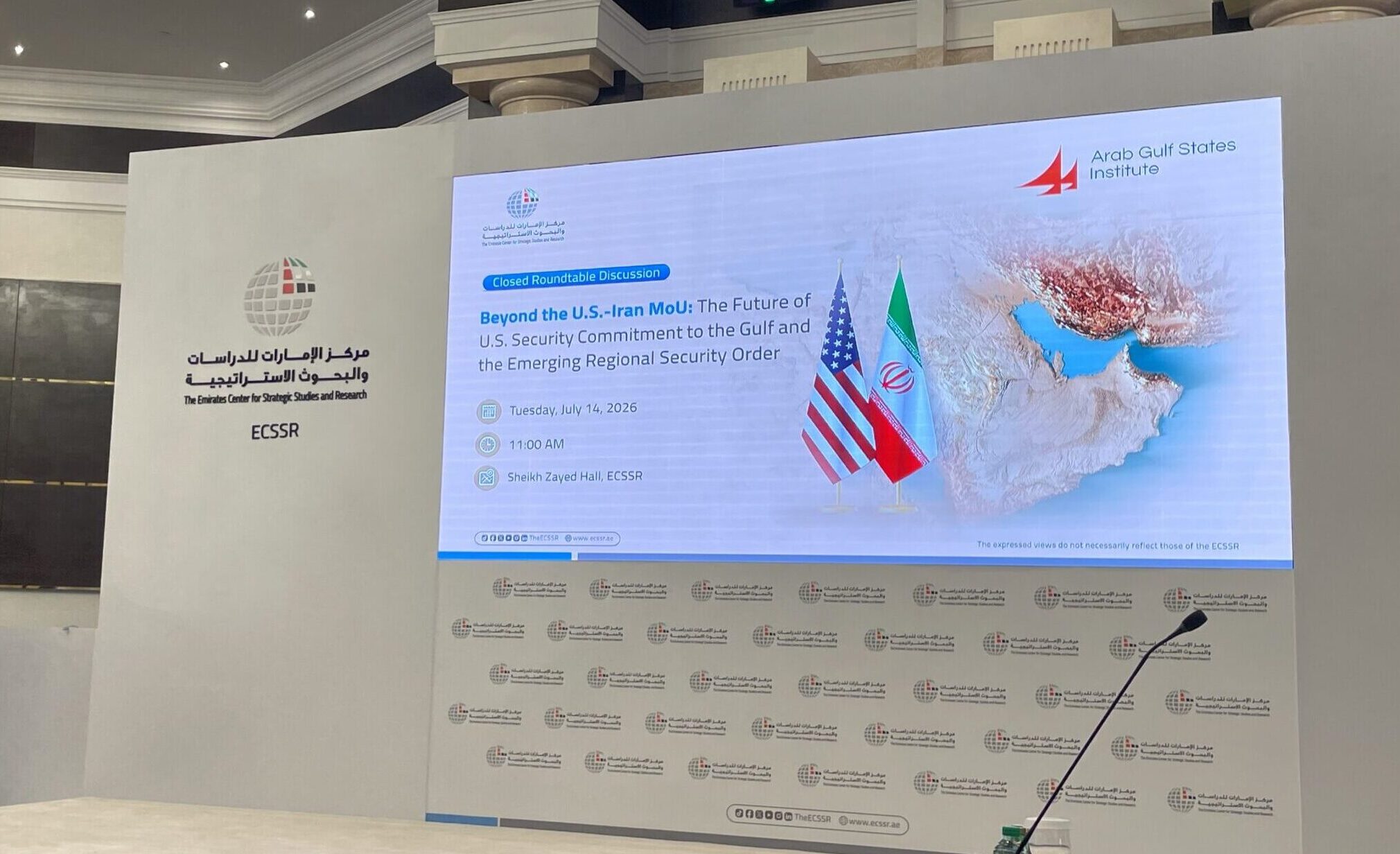
On July 14, an AGSI delegation participated in a joint roundtable hosted by the Emirates Center for Strategic Studies and Research in Abu Dhabi, United Arab Emirates.
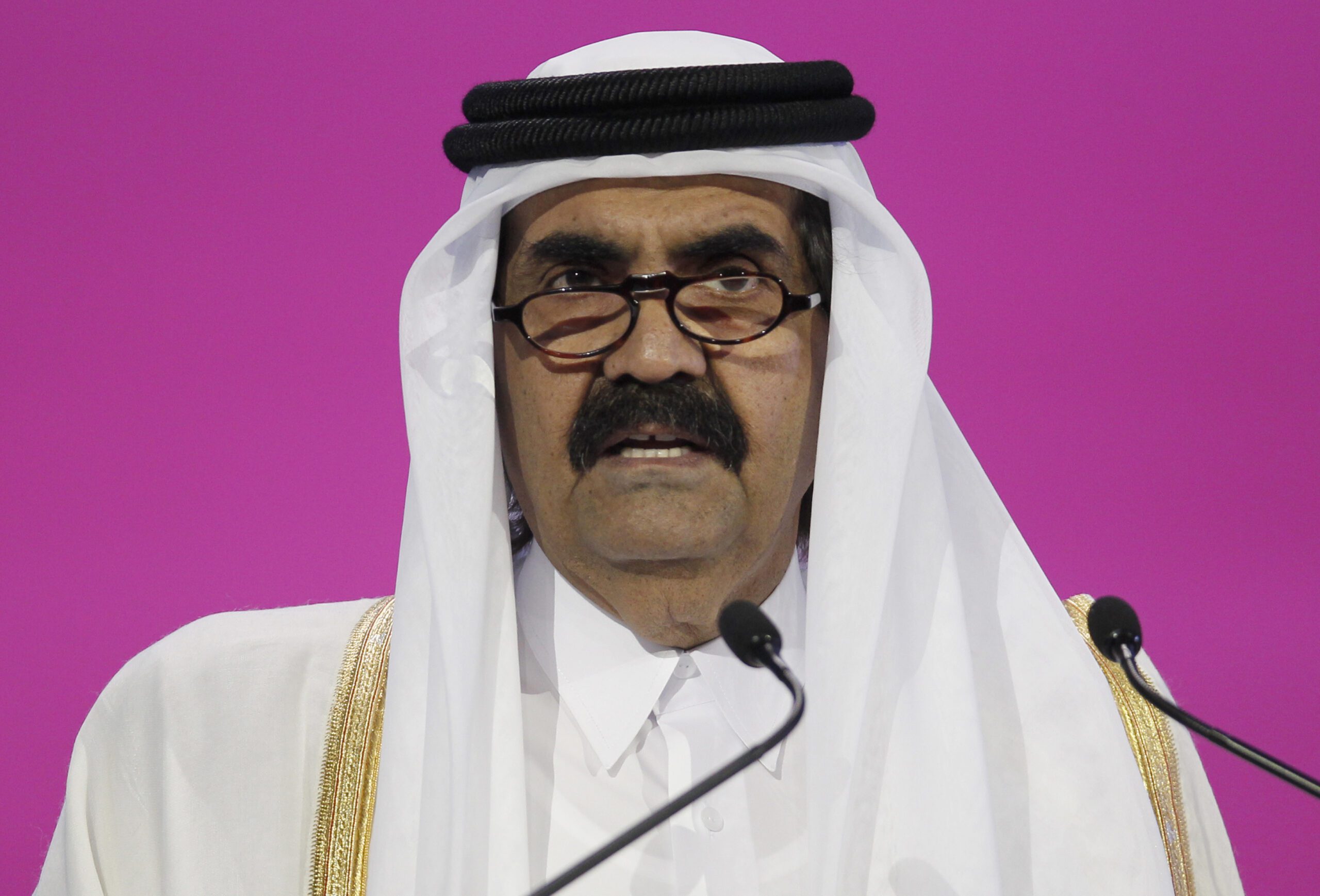
Under Emir Hamad bin Khalifa al-Thani, Qatar would be known – as a mediator, a broadcaster, a host of mega sports events, and an investor – and that notoriety would itself become a form of security: deterrence by relevance.
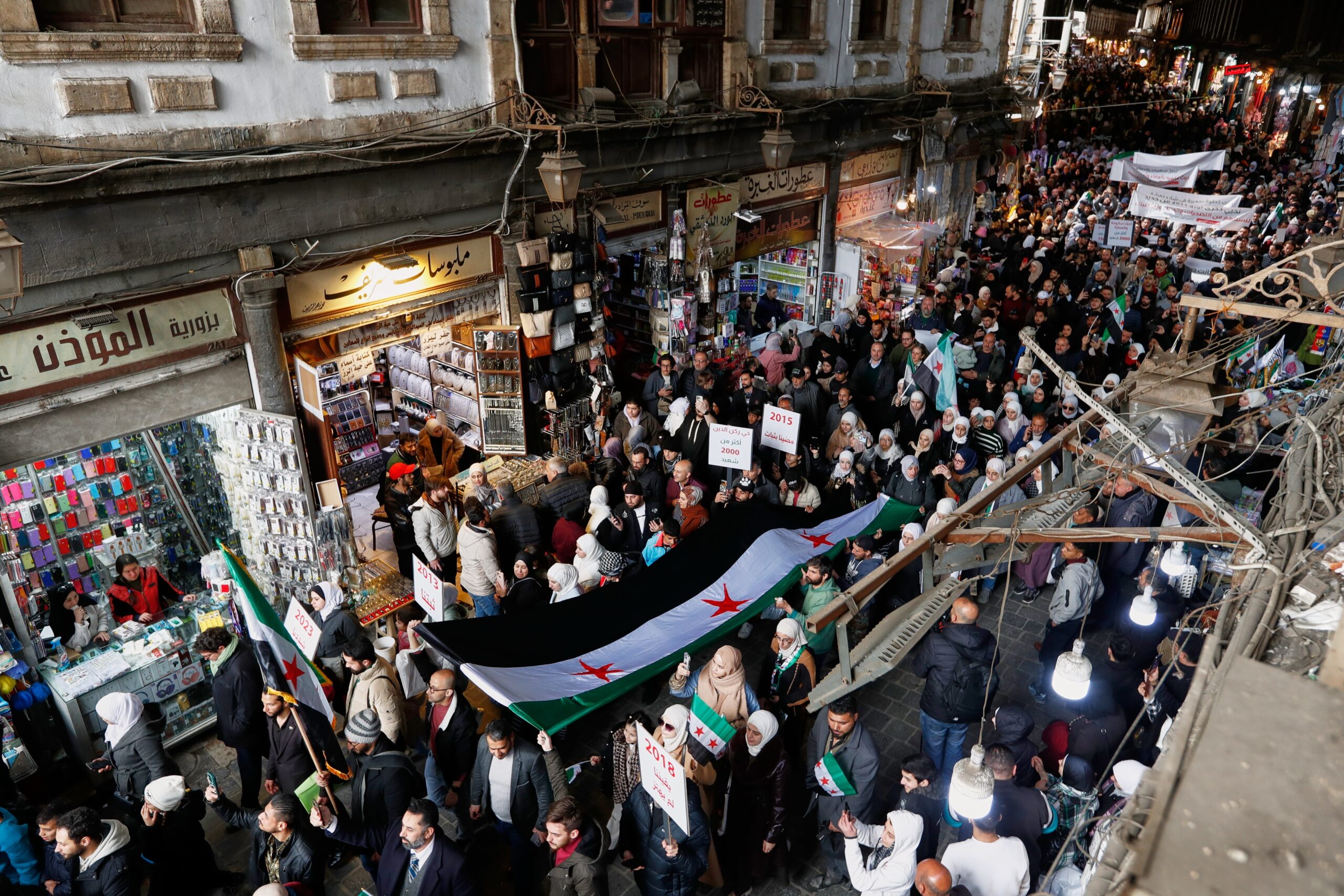
When regional actors or great powers ask these days what determines the success or failure of their strategies in the region, they are increasingly discovering that developments in Syria heavily shape the outcome.
The Trump administration has positioned the United States at a crossroads between a new regime of containment against Iran or a historic drawdown of U.S. influence in the Gulf and broader Middle East.
Riyadh and Abu Dhabi urged President Trump not to attack Iran, but now that the war is into its second month, leaving the current situation in place would be an unthinkable fiasco for them.
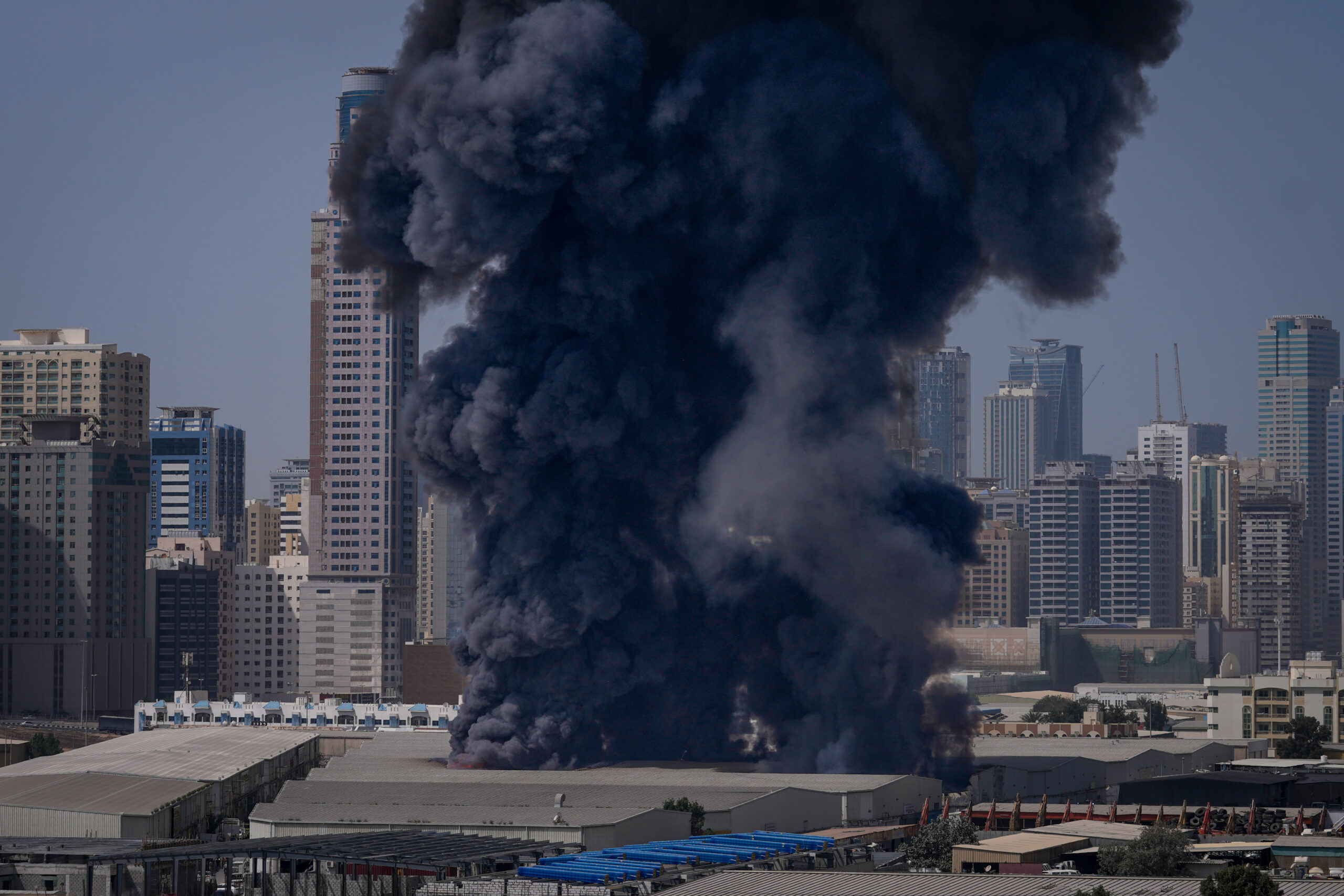
Though they were unsuccessful in preventing the current conflict, and, as expected, have been dragged into the U.S.-Israeli confrontation with Iran, Gulf Arab countries remain crucial to hopes for limiting the war and bringing it to a quick resolution.
After decades of tolerating Hezbollah’s warmaking independence, the current crisis has compelled Lebanese leaders to ban its military activities; this project will do much to determine the reach Iran can maintain in the Arab world.













Apr 3, 2017
Our Relationship with America is Back on Track
The honeymoon between the Trump administration and the Gulf Arab countries is a welcome respite after years of mutual doubts and recriminations. However, it’s important to keep things in perspective. Unfortunate and avoidable disappointment can follow on quickly, once the glow of initial infatuation wears off. There have been many signs of this improvement. The...
4 min read