Jul 31, 2026
Javan Daily: “Iran’s War and Negotiation Plan”
The July 31 edition of the Iran Media Review analyzes an Iranian article arguing that Iran is following its own timetable and agenda on negotiations and escalation.

Iran’s attack on U.S. bases in Jordan reflects the regime’s growing willingness to accept – and even invite – greater risk. Islamic Revolutionary Guard Corps-affiliated Javan portrayed the strikes as evidence that Tehran no longer intends merely to mirror Washington’s escalation or restraint but will instead act according to its own timetable. The same risk-prone approach appears to guide diplomacy: Iran is negotiating through Oman while rejecting U.S. terms and insisting on its own proposal. Whether this represents a coherent strategy or dangerous overconfidence remains unclear, but Tehran appears determined to regain the initiative by making both war and diplomacy less predictable for Washington.
- July 30: An article on Islamic Revolutionary Guard Corps-affiliated Javan’s front page argued:
- “By attacking U.S. bases in Jordan despite the tacit cease-fire, Iran demonstrated that it has changed two things. First, Iran will no longer observe a cease-fire simply because the United States does. The party that once took others by surprise must now experience surprise itself. Second, Iran will no longer enter negotiations merely because the United States proposes talks. In other words, Iran is now following its own timetable and agenda. The attack in Jordan, coming after several days of tacit cease-fire, means that one can no longer expect Iran to begin attacking whenever the United States attacks and to stop whenever the United States stops. The game plan has changed – and become more complicated. A similar strategy is evident in the negotiations. Iran is currently negotiating amid war, despite the closure of the Strait of Hormuz and Bab el-Mandeb – but not with the United States. Iran has negotiated with the Omanis, rejected several of their proposals, and placed its own nonnegotiable proposal on the table. This, too, represents a new Iranian strategy and game plan. All of this constitutes ‘Iran’s strategy for war and negotiations.’”
The views represented herein are the author's or speaker's own and do not necessarily reflect the views of AGSI, its staff, or its board of directors.
Related
Iran Media Review
Jul 28, 2026
A Weakened Hezbollah Remains Central to Iran’s Security Strategy
The July 28 edition of the Iran Media Review considers an open letter from Iran’s supreme leader to Hezbollah in Lebanon pledging continued support.
Iran Media Review
Jul 24, 2026
Iran Vows Retaliatory Attacks Across the Region and Beyond
The July 24 edition of the Iran Media Review highlights messages from Iran’s armed forces threatening to attack regional infrastructure and U.K. military bases.
Iran Media Review
Jul 21, 2026
Fight, Negotiate – or Both?
The July 21 edition of the Iran Media Review analyzes Iranian media messaging about whether Iran should escalate or negotiate with the United States.
Jul 28, 2026
A Weakened Hezbollah Remains Central to Iran’s Security Strategy
The July 28 edition of the Iran Media Review considers an open letter from Iran’s supreme leader to Hezbollah in Lebanon pledging continued support.
Jul 24, 2026
Iran Vows Retaliatory Attacks Across the Region and Beyond
The July 24 edition of the Iran Media Review highlights messages from Iran’s armed forces threatening to attack regional infrastructure and U.K. military bases.
Jul 21, 2026
Fight, Negotiate – or Both?
The July 21 edition of the Iran Media Review analyzes Iranian media messaging about whether Iran should escalate or negotiate with the United States.
Analysis
The Islamic Republic Returns to Offense
After U.S.-Israeli strikes killed Supreme Leader Ayatollah Ali Khamenei on February 28, Iran’s collective leadership has concluded that the best defense is a good offense.
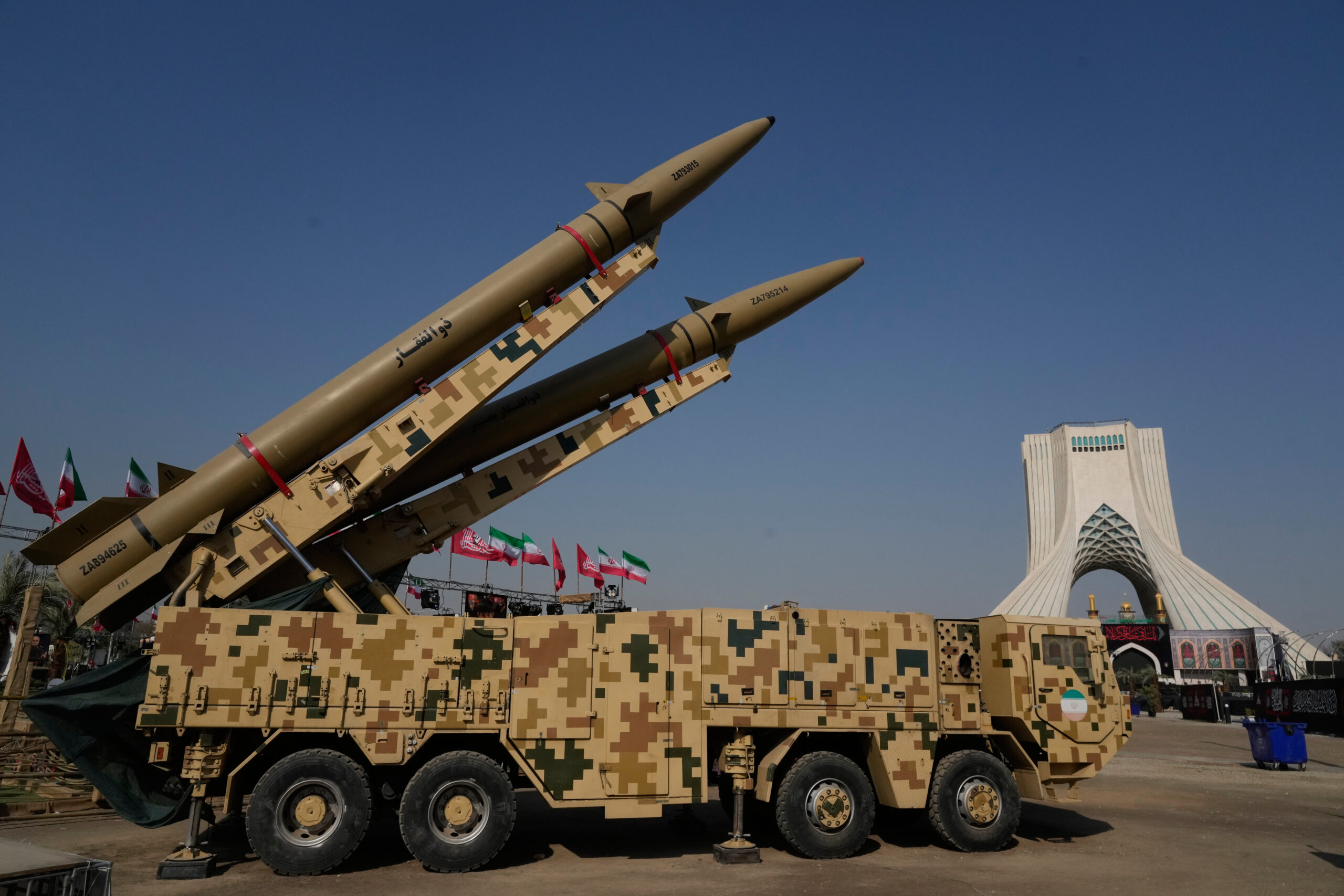
Iran’s Collective Strategic Decision Making
Wartime pressure has temporarily aligned the leadership’s overriding interest in regime survival, even as its members continue to differ over the costs, methods, and ultimate objectives of the war.
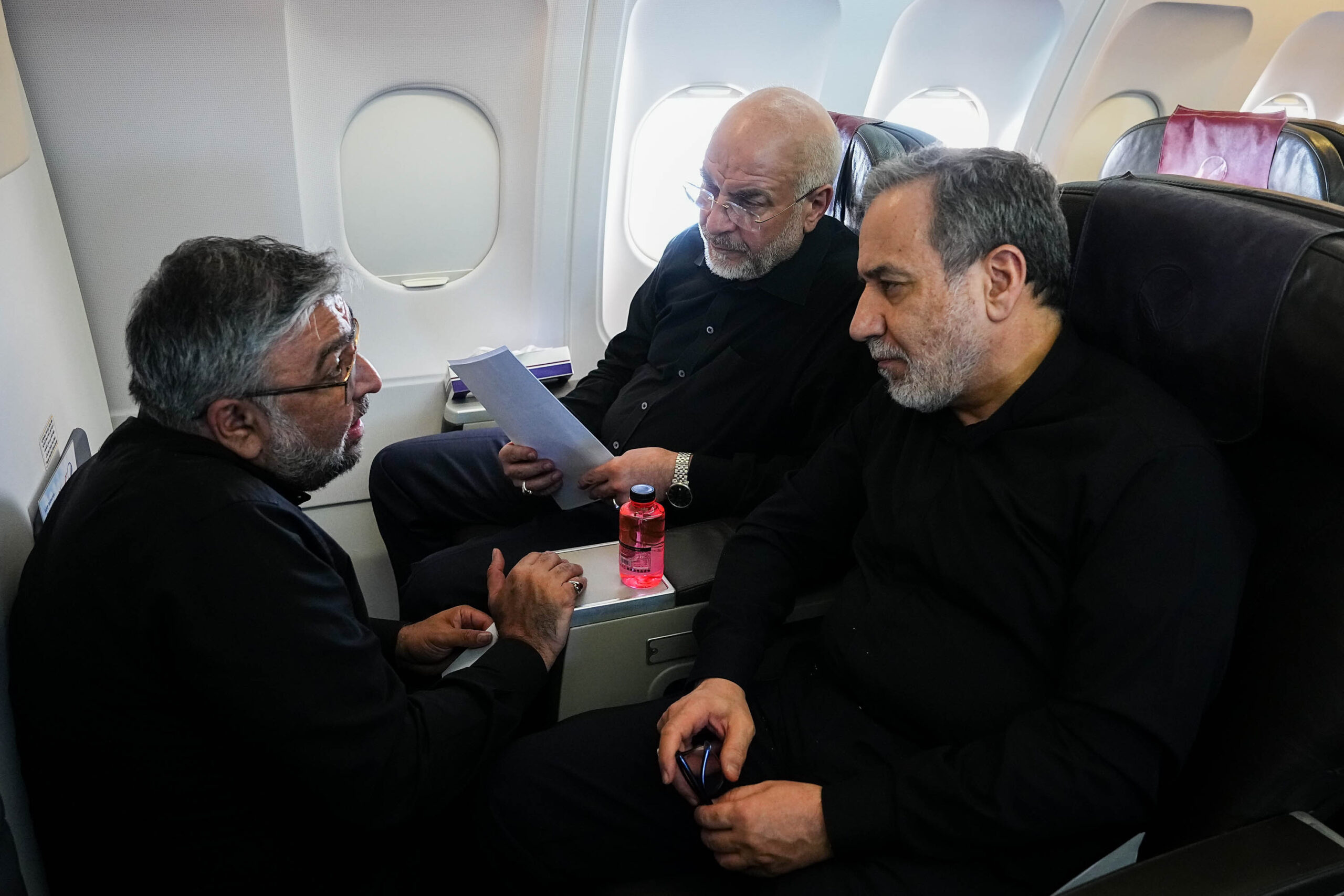
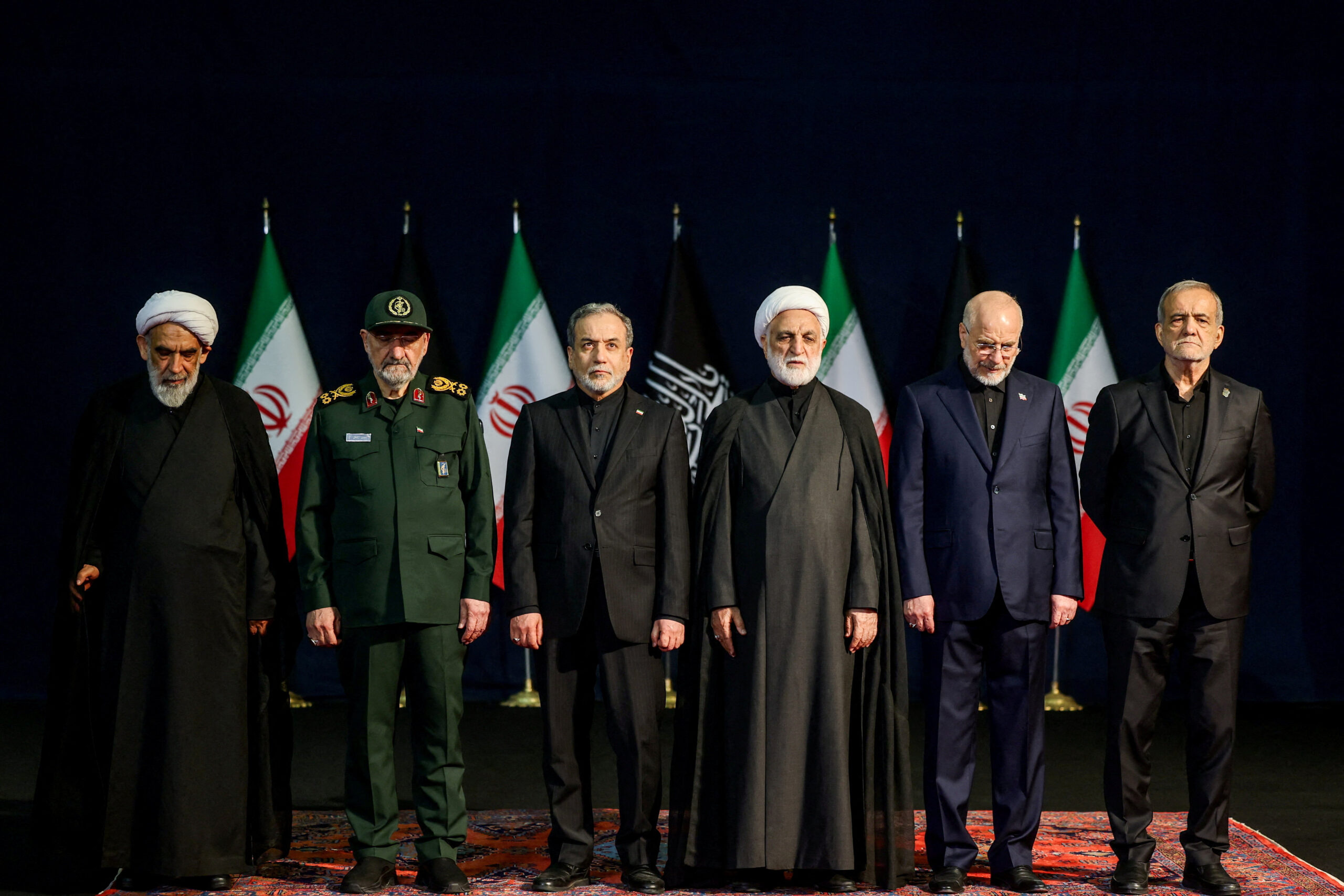
The Islamic Republic’s Collective Leadership
While there is historical precedent for collective leadership in Iran, today’s leadership includes representatives of the IRGC and regular military – a reflection of the IRGC’s expanding role and the necessities of governing under wartime conditions.
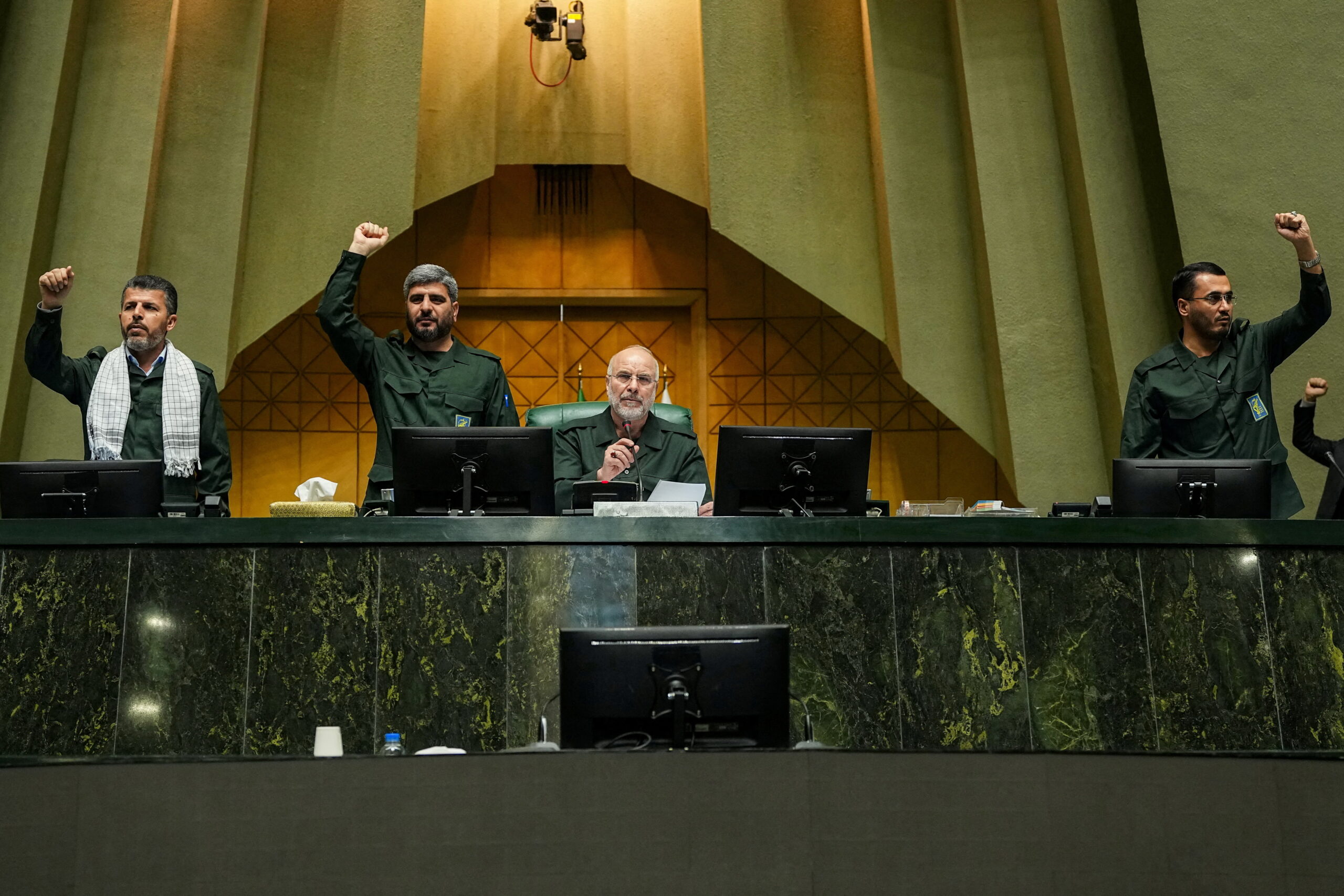
How Did the IRGC Seize Power in Iran?
The IRGC did not seize power in a single stroke. It accumulated it – patiently, methodically – until no counterweight remained.
Events
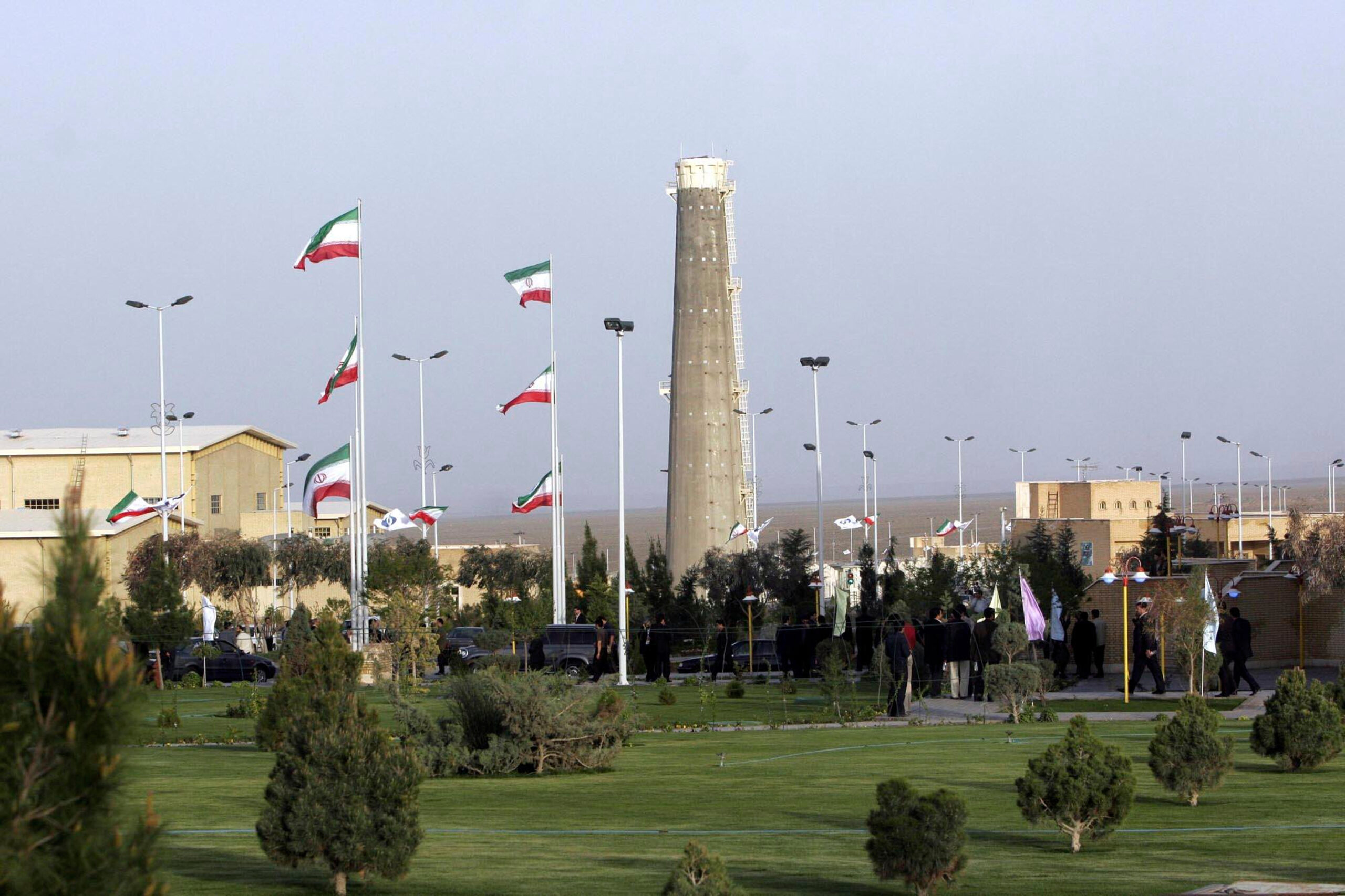
Book Talk: Iran and the Bomb: The United States, Iran and the Nuclear Question
On June 16, AGSI hosted a discussion on the evolution of Iran's nuclear program.
Speakers


Apr 21, 2026
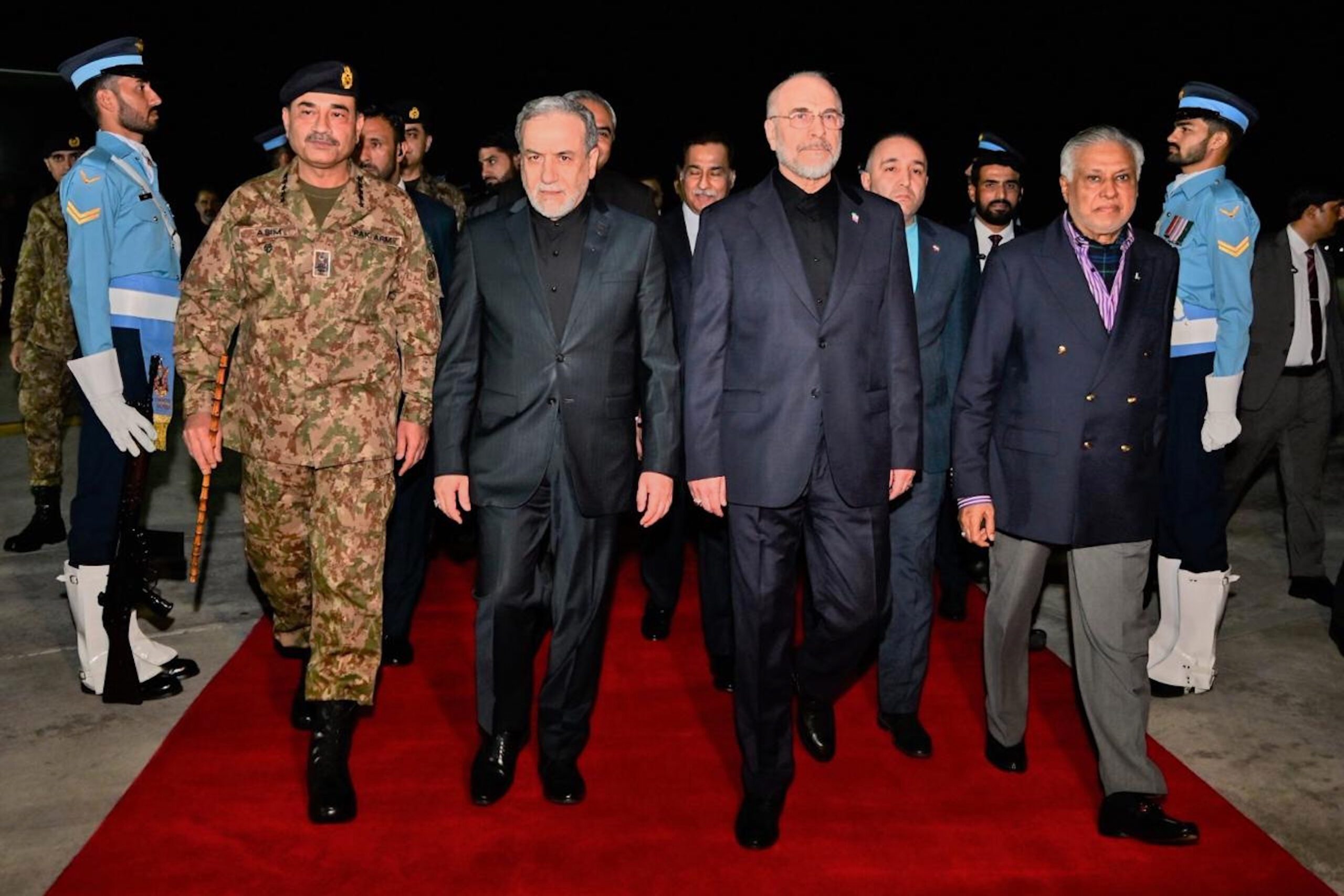
Inside Iran’s Wartime Leadership: Power, Succession, and Regime Stability
On April 21, AGSI hosted a discussion on the evolution of Iran's leadership during the war.
Speakers

Mar 18, 2026
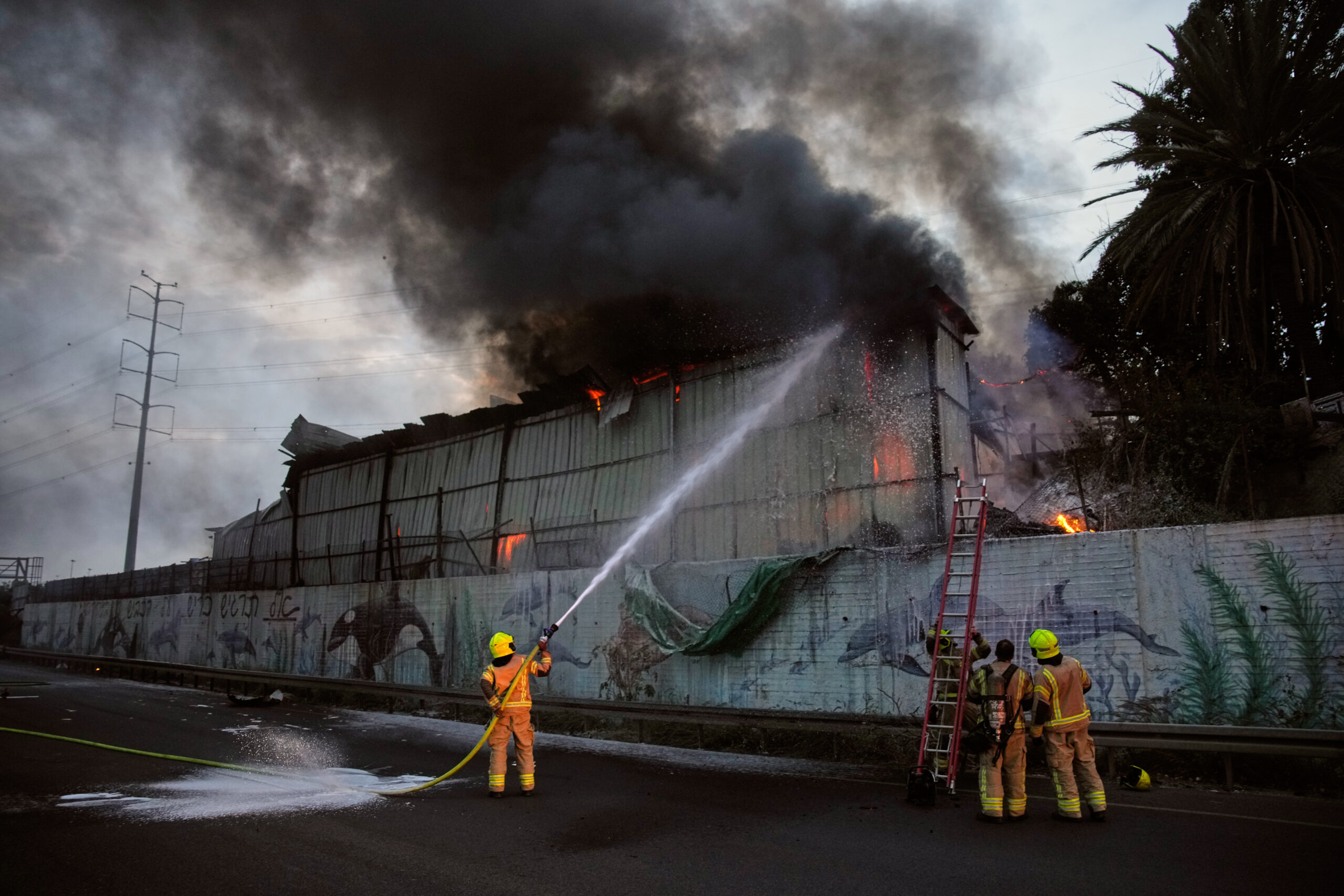
In Its Conflict With the United States and Israel, Does Escalation Favor Iran?
On March 18, AGSI hosted a discussion on the escalation of the Iran war.
Speakers



Mar 2, 2026
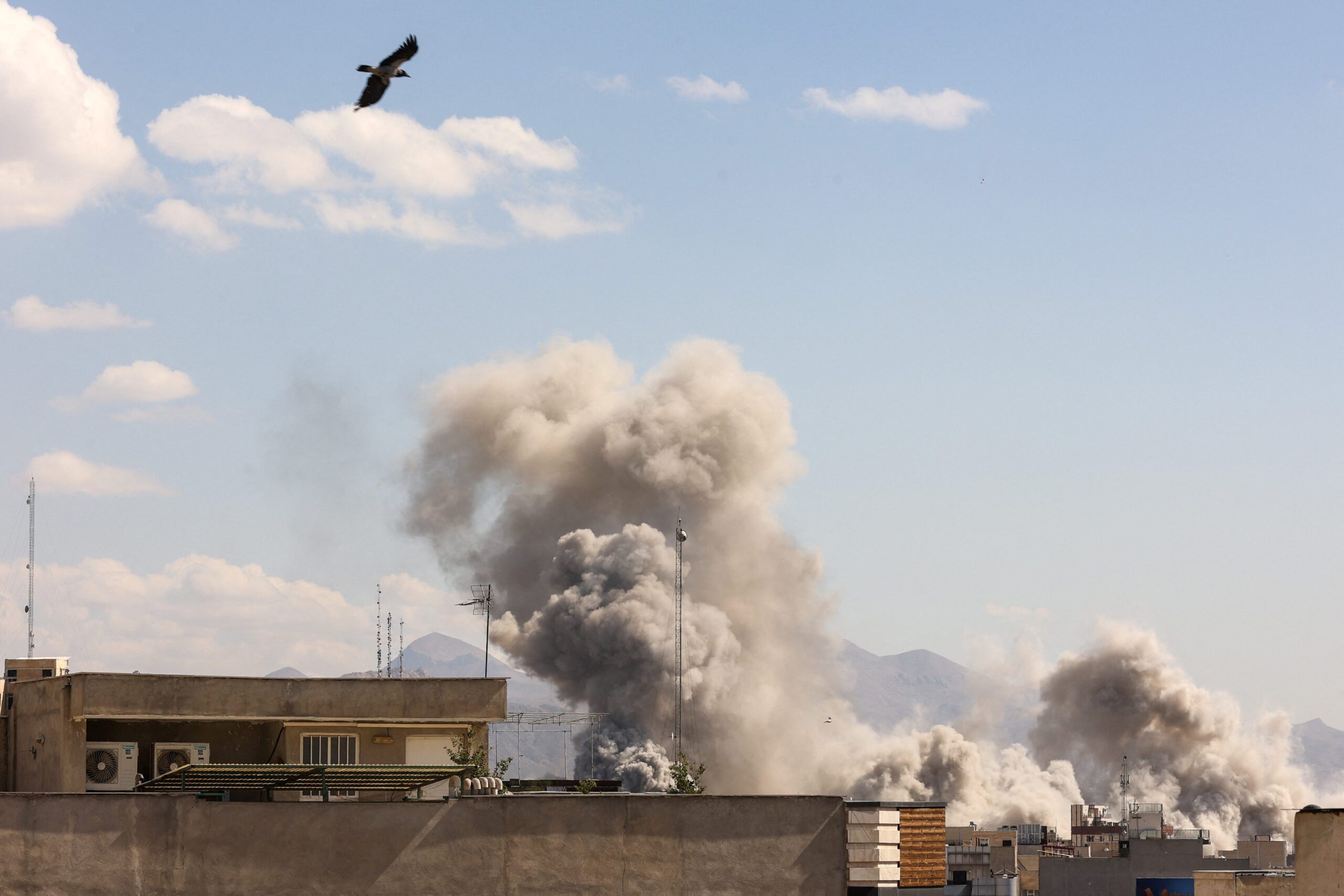
After the Shock: Implications of the U.S.–Israeli Strikes and Iran’s Leadership Transition
On March 2, AGSI hosted a discussion on the U.S.-Israeli strikes on Iran.
Speakers