Jul 24, 2026
Iran Vows Retaliatory Attacks Across the Region and Beyond
The July 24 edition of the Iran Media Review highlights messages from Iran’s armed forces threatening to attack regional infrastructure and U.K. military bases.

Following President Donald J. Trump’s July 23 interview with Axios, in which he said he was “seriously considering restarting major combat operations in Iran,” Iran’s armed forces threatened retaliatory strikes across the region – and even against Royal Air Force Fairford in Gloucestershire, United Kingdom. The Iranian statements may be intended to deter Trump from resuming major combat operations, but they also signal the Iranian leadership’s determination to continue fighting for its survival.
- July 24: Major General Mohsen Rezaei, senior military advisor to the supreme leader, posted on X:
- “The delusional U.S. president, through his fatal miscalculations, has moved from playing the ‘madman’ to playing the ‘desperate man.’ The attack on pilgrims in Shalamcheh and the threat of strikes against infrastructure are nothing but signs of desperation and helplessness. Iran’s response to attacks on its infrastructure will be escalating and severe.”
- July 24: Khatam al-Anbia Central Headquarters, the operational headquarters of Iran’s armed forces, wrote in a statement released by Tabnak News Agency, which is affiliated with Rezaei:
- “The Strait of Hormuz remains closed. If any vessel is permitted to pass through the strait, it must travel exclusively along the designated route and in accordance with the previously announced procedures. Should the United States carry out its threats, the armed forces of the Islamic Republic of Iran will not permit even a single drop of oil to be exported, and the region’s oil, gas, electricity, and economic infrastructure will be targeted. The repeated threats by the criminal United States and the terrorist military of that rogue country will have no result other than the expansion of the war across the region – and even beyond it.”
- July 24: In a statement released by the official Islamic Republic News Agency, the Islamic Revolutionary Guard Corps warned the United Kingdom against assisting the U.S. bombing campaign against Iran:
- “The invading U.S. military, which had used its vessels in the Indian Ocean to launch cruise missiles following the official resumption of the war, resorted yesterday to deploying B-1 bombers from RAF Fairford in the United Kingdom after those vessels exhausted their missile stocks. As Foreign Ministry officials have also made clear, any base used to attack Iranian territory is a legitimate target for us.”
The views represented herein are the author's or speaker's own and do not necessarily reflect the views of AGSI, its staff, or its board of directors.
Related
Iran Media Review
Jul 21, 2026
Fight, Negotiate – or Both?
The July 21 edition of the Iran Media Review analyzes Iranian media messaging about whether Iran should escalate or negotiate with the United States.
Iran Media Review
Jul 17, 2026
Qalibaf Emerges as Iran’s De Facto Wartime Leader
The July 17 edition of the Iran Media Review examines a written statement by Iran’s parliamentary speaker laying out Iran’s strategy for the future of the conflict.
Iran Media Review
Jul 15, 2026
Iranian Parliament Presses for Escalation
The July 15 edition of the Iran Media Review examines remarks by an Iranian hard-liner advocating for Iran to escalate against the United States without abandoning the U.S.-Iran cease-fire.
Jul 21, 2026
Fight, Negotiate – or Both?
The July 21 edition of the Iran Media Review analyzes Iranian media messaging about whether Iran should escalate or negotiate with the United States.
Jul 17, 2026
Qalibaf Emerges as Iran’s De Facto Wartime Leader
The July 17 edition of the Iran Media Review examines a written statement by Iran’s parliamentary speaker laying out Iran’s strategy for the future of the conflict.
Jul 15, 2026
Iranian Parliament Presses for Escalation
The July 15 edition of the Iran Media Review examines remarks by an Iranian hard-liner advocating for Iran to escalate against the United States without abandoning the U.S.-Iran cease-fire.
Analysis
The Islamic Republic Returns to Offense
After U.S.-Israeli strikes killed Supreme Leader Ayatollah Ali Khamenei on February 28, Iran’s collective leadership has concluded that the best defense is a good offense.
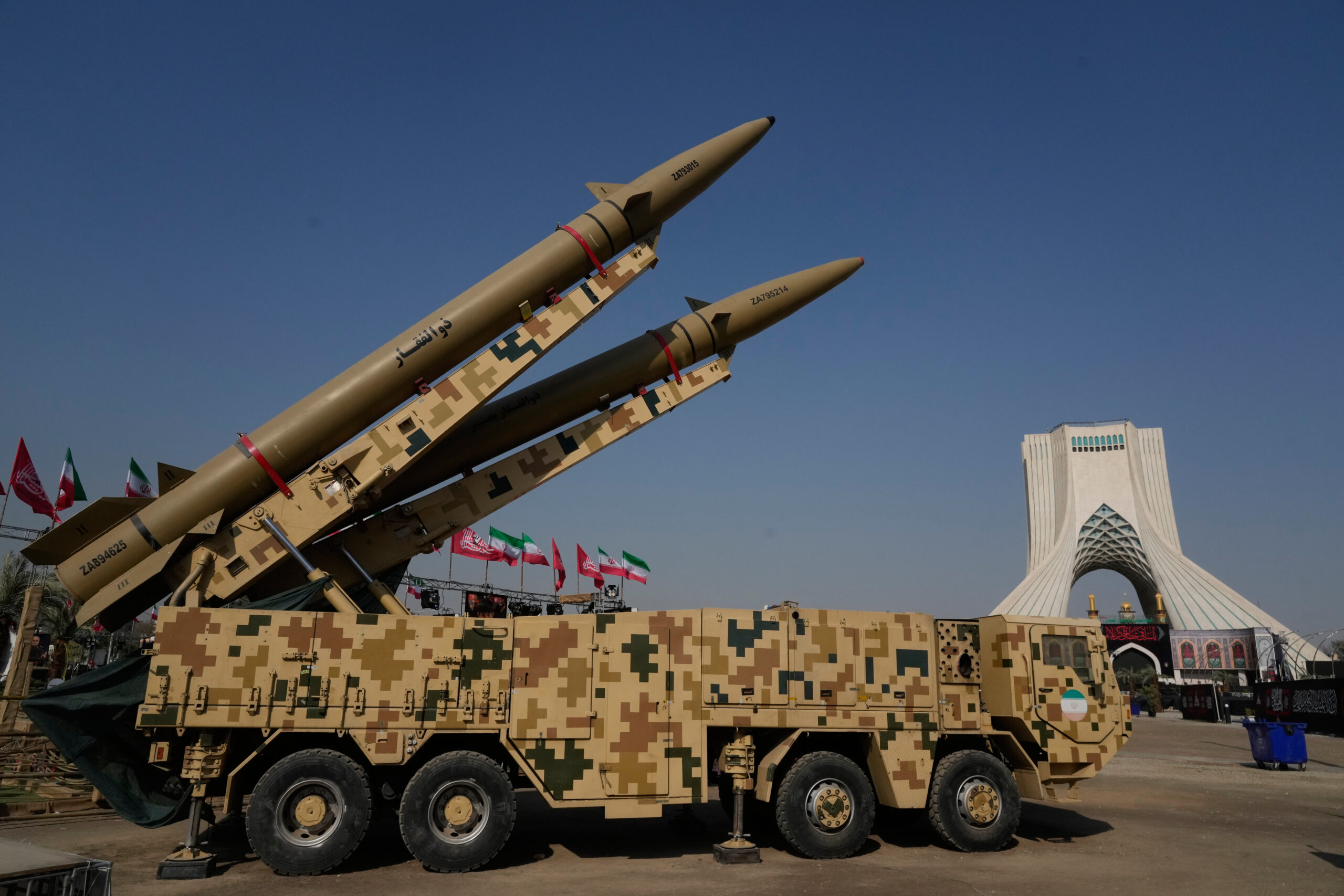
Iran’s Collective Strategic Decision Making
Wartime pressure has temporarily aligned the leadership’s overriding interest in regime survival, even as its members continue to differ over the costs, methods, and ultimate objectives of the war.
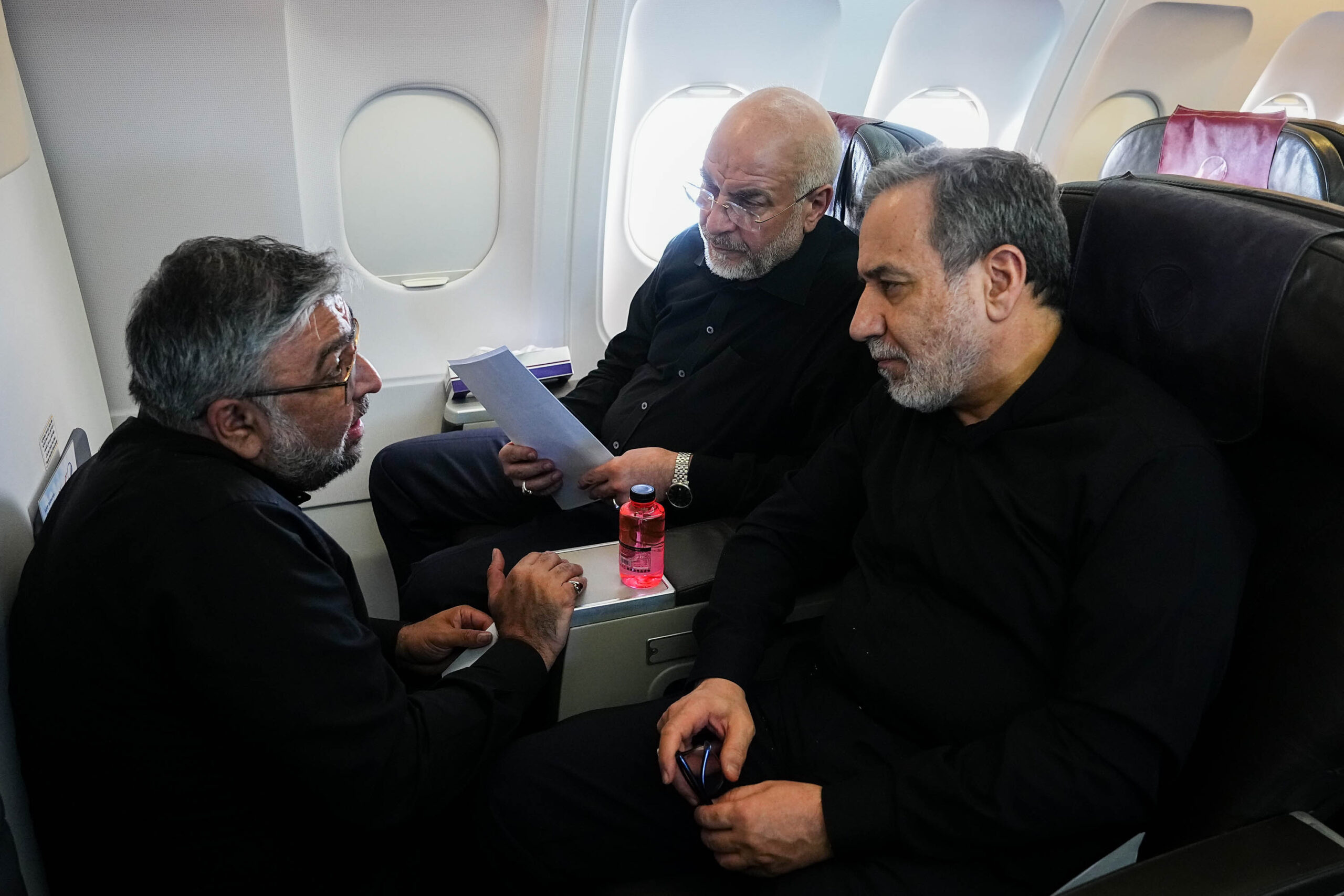
The Islamic Republic’s Collective Leadership
While there is historical precedent for collective leadership in Iran, today’s leadership includes representatives of the IRGC and regular military – a reflection of the IRGC’s expanding role and the necessities of governing under wartime conditions.
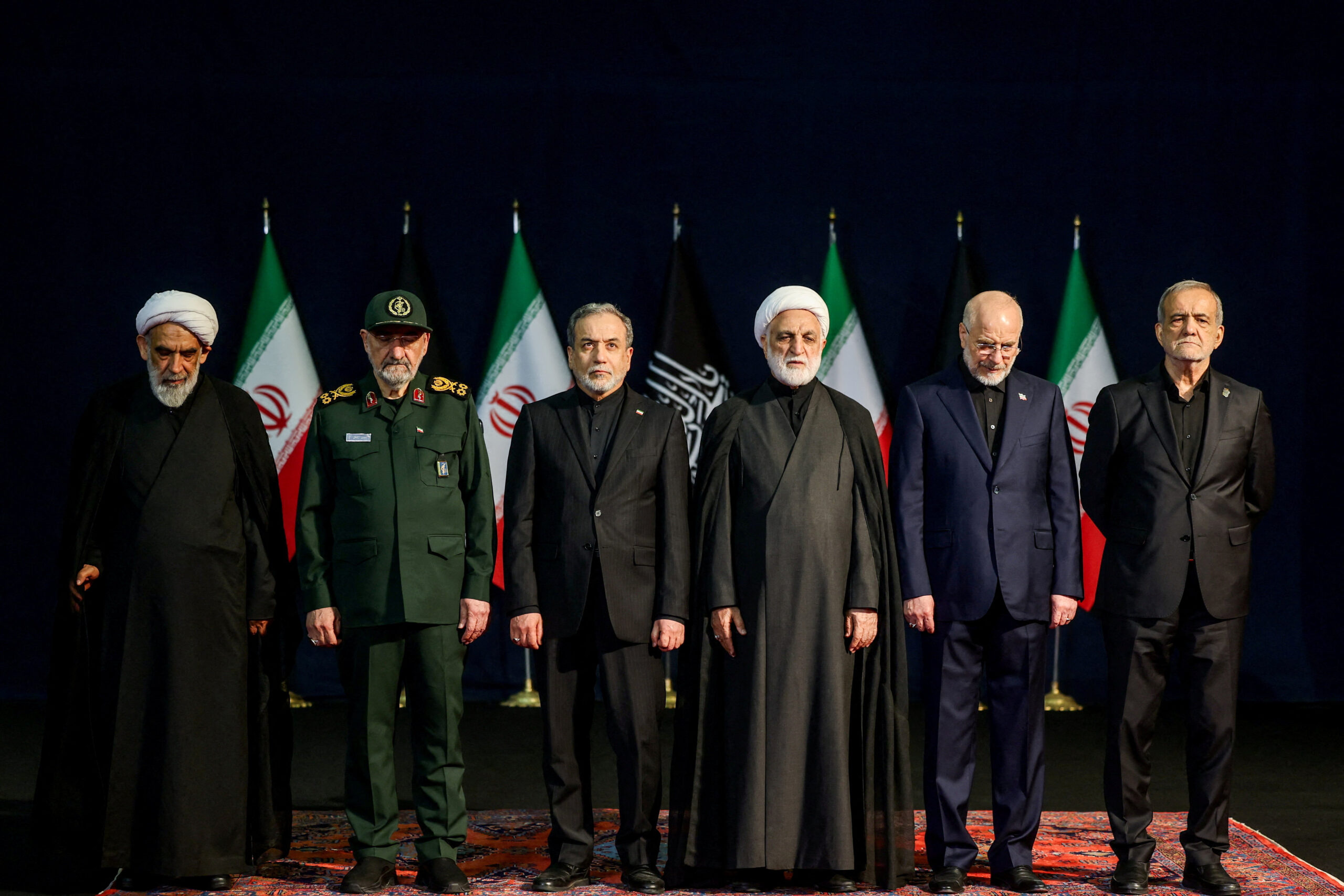
How Did the IRGC Seize Power in Iran?
The IRGC did not seize power in a single stroke. It accumulated it – patiently, methodically – until no counterweight remained.
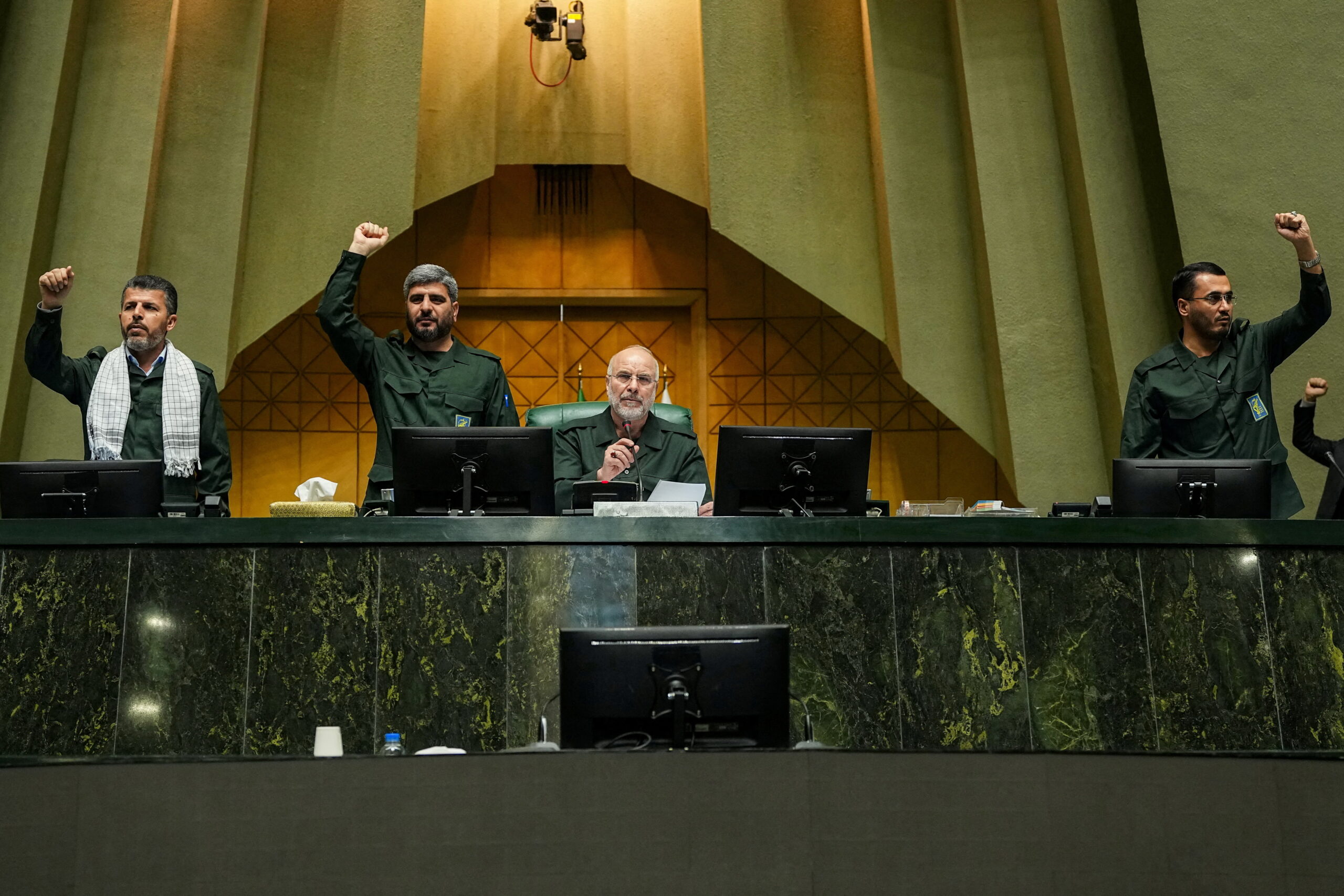
Events
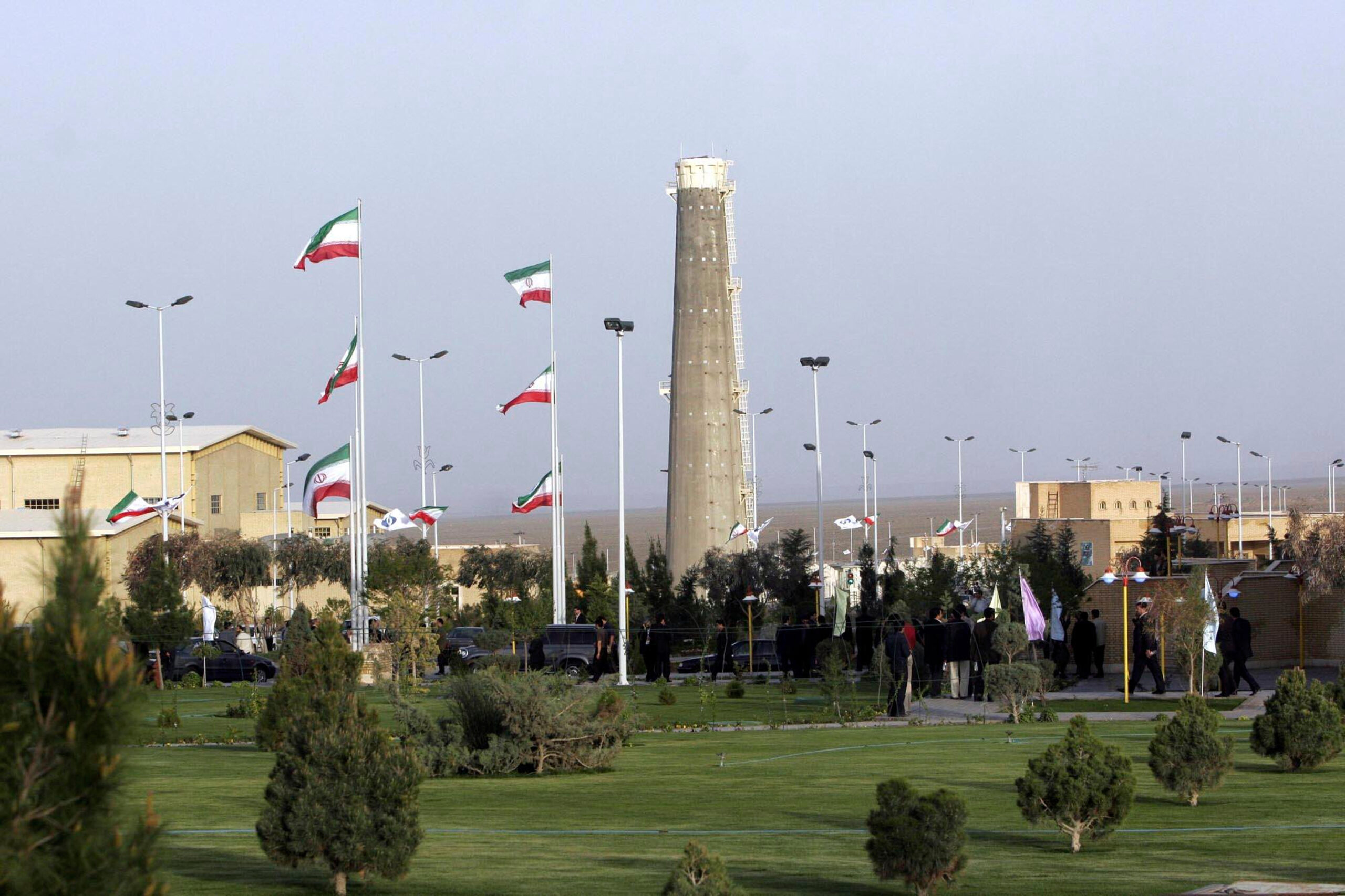
Book Talk: Iran and the Bomb: The United States, Iran and the Nuclear Question
On June 16, AGSI hosted a discussion on the evolution of Iran's nuclear program.
Speakers


Apr 21, 2026
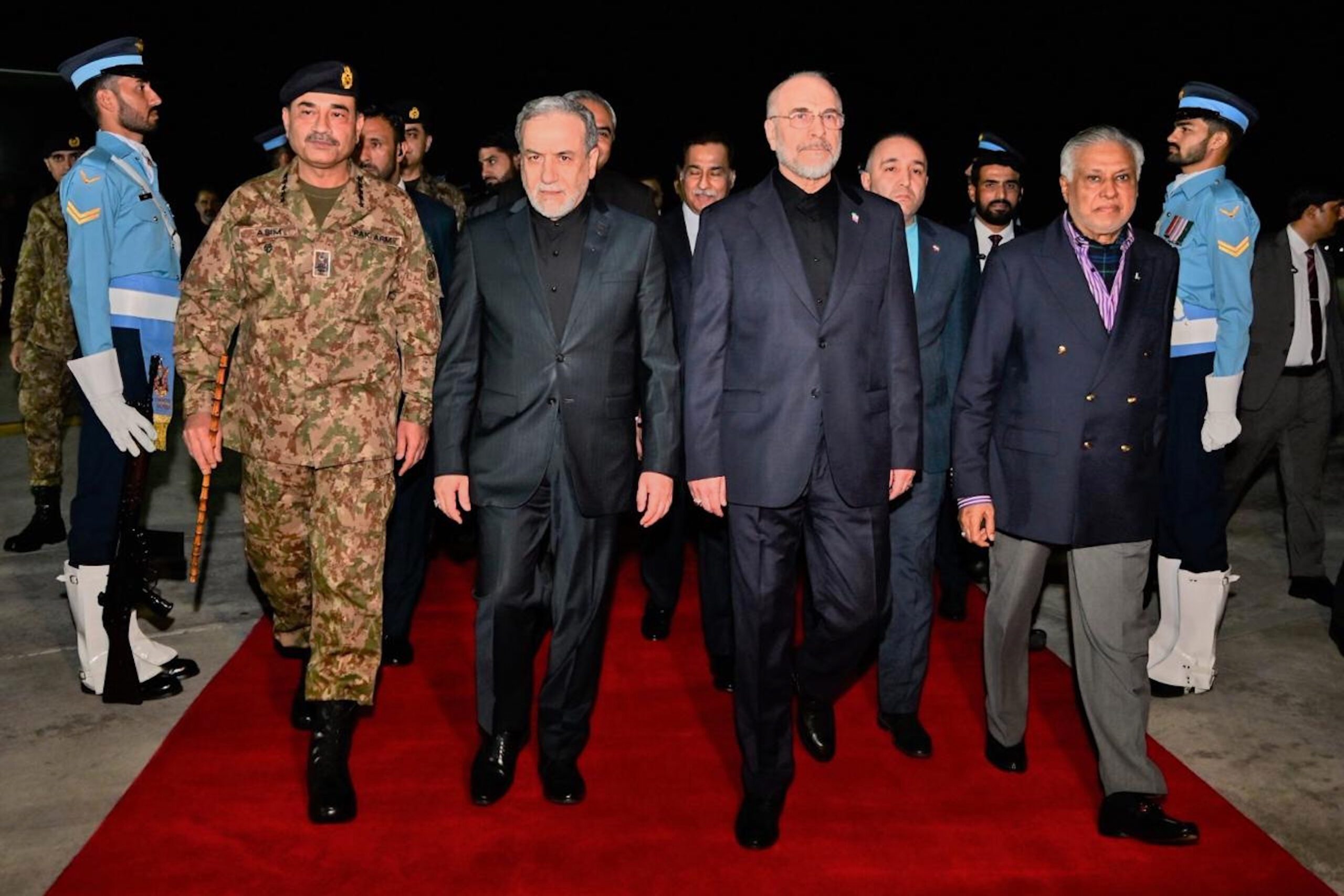
Inside Iran’s Wartime Leadership: Power, Succession, and Regime Stability
On April 21, AGSI hosted a discussion on the evolution of Iran's leadership during the war.
Speakers

Mar 18, 2026
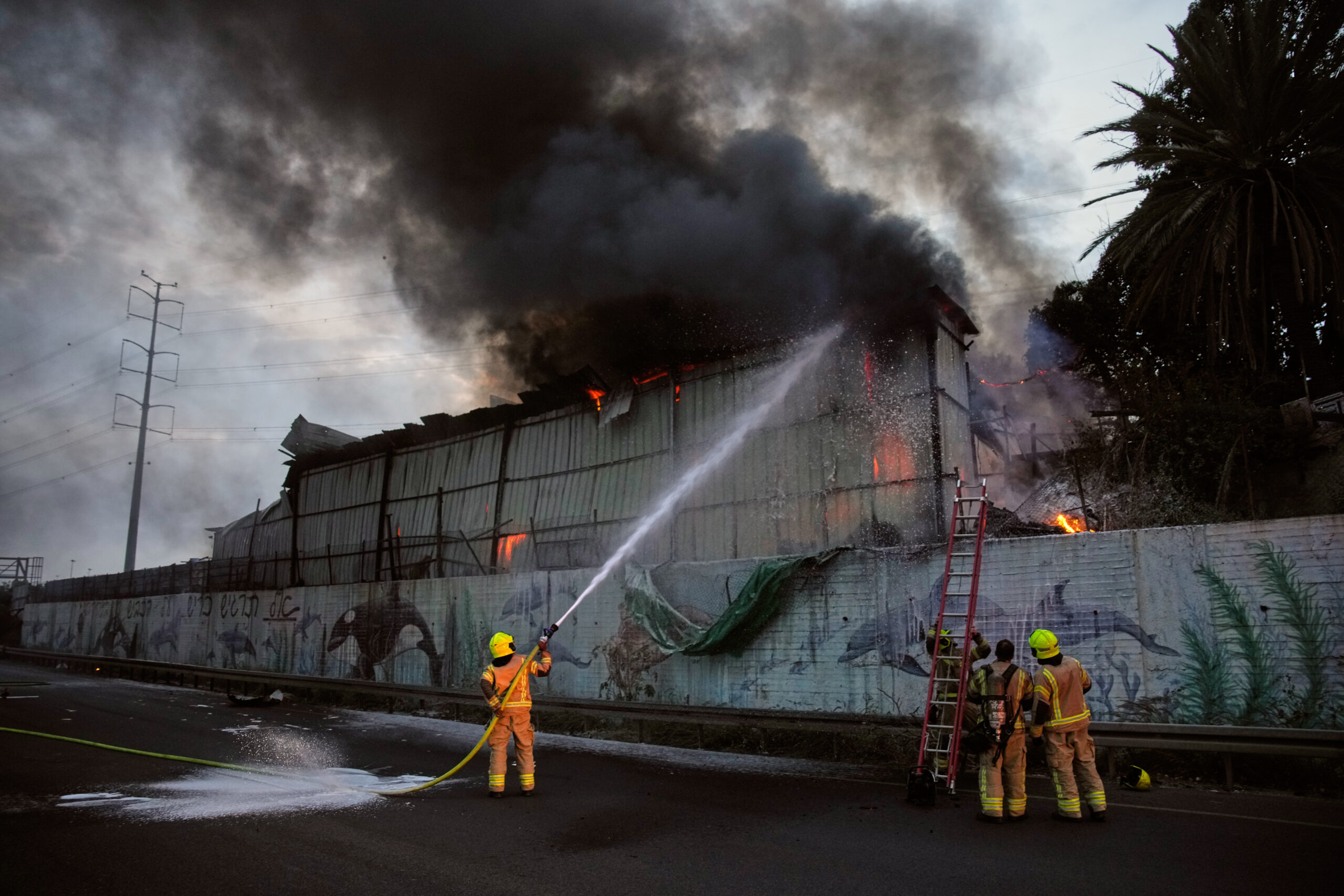
In Its Conflict With the United States and Israel, Does Escalation Favor Iran?
On March 18, AGSI hosted a discussion on the escalation of the Iran war.
Speakers



Mar 2, 2026
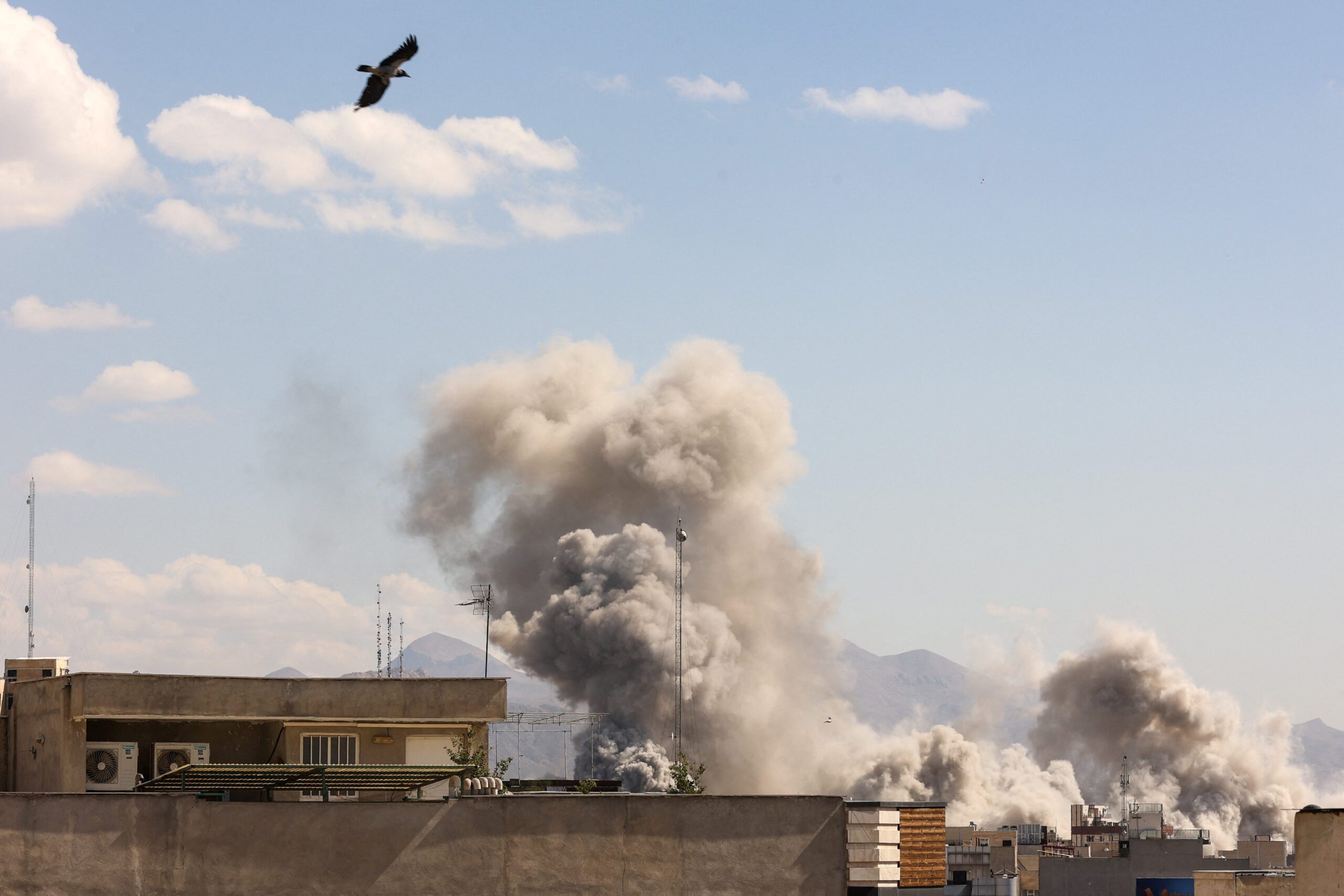
After the Shock: Implications of the U.S.–Israeli Strikes and Iran’s Leadership Transition
On March 2, AGSI hosted a discussion on the U.S.-Israeli strikes on Iran.
Speakers