Jul 17, 2026
Qalibaf Emerges as Iran’s De Facto Wartime Leader
The July 17 edition of the Iran Media Review examines a written statement by Iran’s parliamentary speaker laying out Iran’s strategy for the future of the conflict.

With Supreme Leader Ayatollah Mojtaba Khamenei remaining in occultation, Parliamentary Speaker Mohammad-Bagher Qalibaf has emerged as the regime’s de facto wartime leader. A recent statement by Qalibaf lays out Iran’s political, military, diplomatic, and economic strategy, underscoring his central role in articulating and coordinating Tehran’s conduct of the conflict and its aftermath while signaling the regime’s readiness to pursue both war and negotiations in defense of its national interests.
- July 15: In a written statement quoted by Islamic Republic News Agency, Parliamentary Speaker Mohammad-Bagher Qalibaf declared:
- “As I have repeatedly said before, the United States will seize every opportunity to strike at Iran and advance its own interests. This is not limited to war or negotiations, nor is it confined to the current U.S. president. Therefore, whether in war or in negotiations, our approach must be guided by national interests and national security, and it must be realistic and long term. We have no choice but to rely on our own capabilities and become stronger.”
- “The unified resistance of the Iranian people and our armed forces thwarted the enemy’s sinister plans during the 40-day war, forcing them to seek a cease-fire and enter negotiations. However, this certainly does not mean they have changed their fundamentally flawed strategy. The United States has always been driven by an arrogant and hegemonic mindset, and it will never accept a strong Iran.”
- “We have never welcomed war, nor do we ever intend to, but we must always be prepared for battle and stand ready to defend our national security and national interests to the very end. At the same time, we must also make use of diplomacy and negotiations as instruments to advance and consolidate our national interests.”
- “The memorandum of understanding has meaning only if its provisions remain valid and are being implemented. Otherwise, if the Islamic Republic of Iran derives no benefit from this document, then, in accordance with the ‘eye for an eye’ policy I have previously described, we have no reason to remain committed to such an understanding. As we are witnessing these days, our armed forces, as always, have complete freedom of action to confront enemy aggression.”
- “Unlike during the 12-day war, we rightly closed the Strait of Hormuz during the 40-day war, because the conflict had created insecurity and endangered our national security. Today, our national security likewise depends on preserving ‘Iranian arrangements’ in the Strait of Hormuz and ensuring the maximum safe and unhindered passage of commercial vessels through this waterway so that the strait serves as a source of security for Iran. What process did we follow to realize this position? With the outbreak of the third imposed war in March, our armed forces asserted control over the strait. During the negotiations, we also stood firm and enshrined the Iranian arrangements governing the Strait of Hormuz in Article 5 of the memorandum of understanding. We then made this an instrument for securing implementation of the other four provisions representing our gains under the memorandum. Now that we have reached the implementation stage, the United States, having no legal or diplomatic leverage, is seeking to weaken the Iranian arrangements through force. However, based on the achievement we secured in the memorandum, we must stand firm until the rights of the Iranian nation are realized. The enemy is exerting pressure to compensate for its defeat, but Iran, relying on its own strength, will not allow the enemy to impose its will.”
- “We should fear neither war nor negotiations; both are means of safeguarding our national interests. At this juncture, negotiations, as I have repeatedly stated, are not synonymous with compromise. Rather, alongside war, they constitute part of the broader strategy of resistance and the protection of our national interests. Coordinating and making full use of both diplomatic and military instruments to safeguard our beloved Iran is not merely a duty – it is an unavoidable necessity. Separating these two approaches or treating either one as the sole solution is a strategic mistake. We are engaged in a complex conflict with the world’s greatest material power, and we have achieved significant successes in this war. Therefore, our thinking and actions must be equally ambitious, sophisticated, and resilient.”
- “The same logic applies to Lebanon, the lifting of sanctions, the future of U.S. military bases in the region, and avenging the martyrdom of the revolution’s imam and the other martyrs of these two imposed wars.”
- “Accordingly, I call upon all the people of Iran, regardless of their political views or personal preferences, to preserve their unity by following the directives of the supreme leader, remain steadfast, and demonstrate that unity to our enemies. We all know that a difficult path lies ahead. They have threatened us before with naval forces, airstrikes, ground attacks, and more – and they have seen the outcome. Therefore, we must not be intimidated by the enemy’s threats.”
The views represented herein are the author's or speaker's own and do not necessarily reflect the views of AGSI, its staff, or its board of directors.
Related
Iran Media Review
Jul 15, 2026
Iranian Parliament Presses for Escalation
The July 15 edition of the Iran Media Review examines remarks by an Iranian hard-liner advocating for Iran to escalate against the United States without abandoning the U.S.-Iran cease-fire.
Iran Media Review
Jul 10, 2026
Iranian Media Prepares the Public for a “War of Attrition”
The July 10 edition of the Iran Media Review highlights an Iranian article arguing that Iran and the United States are in a “protracted regional war of attrition.”
Iran Media Review
Jun 30, 2026
Iran’s New Doctrine: A Forever War in the Strait of Hormuz
The June 30 edition of the Iran Media Review considers an Iranian argument that only deterrence, not diplomacy, can influence U.S. behavior.
Jul 15, 2026
Iranian Parliament Presses for Escalation
The July 15 edition of the Iran Media Review examines remarks by an Iranian hard-liner advocating for Iran to escalate against the United States without abandoning the U.S.-Iran cease-fire.
Jul 10, 2026
Iranian Media Prepares the Public for a “War of Attrition”
The July 10 edition of the Iran Media Review highlights an Iranian article arguing that Iran and the United States are in a “protracted regional war of attrition.”
Jun 30, 2026
Iran’s New Doctrine: A Forever War in the Strait of Hormuz
The June 30 edition of the Iran Media Review considers an Iranian argument that only deterrence, not diplomacy, can influence U.S. behavior.
Analysis
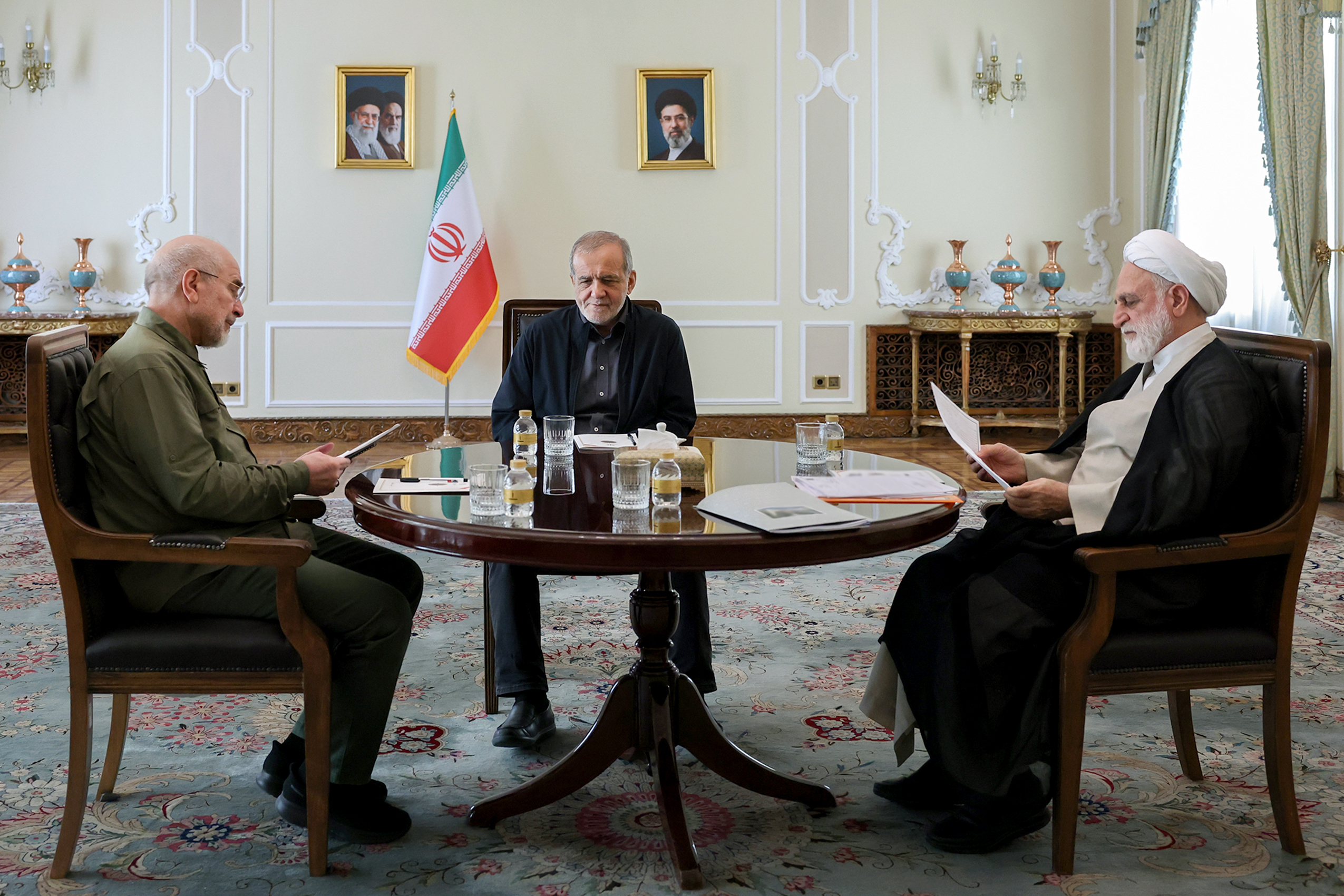
The Committee of Six and Strategic Decision Making in Iran
Remarks by Iran’s president offer a rare glimpse of how the Islamic Republic has adapted its decision making to the absence of its supreme leader.
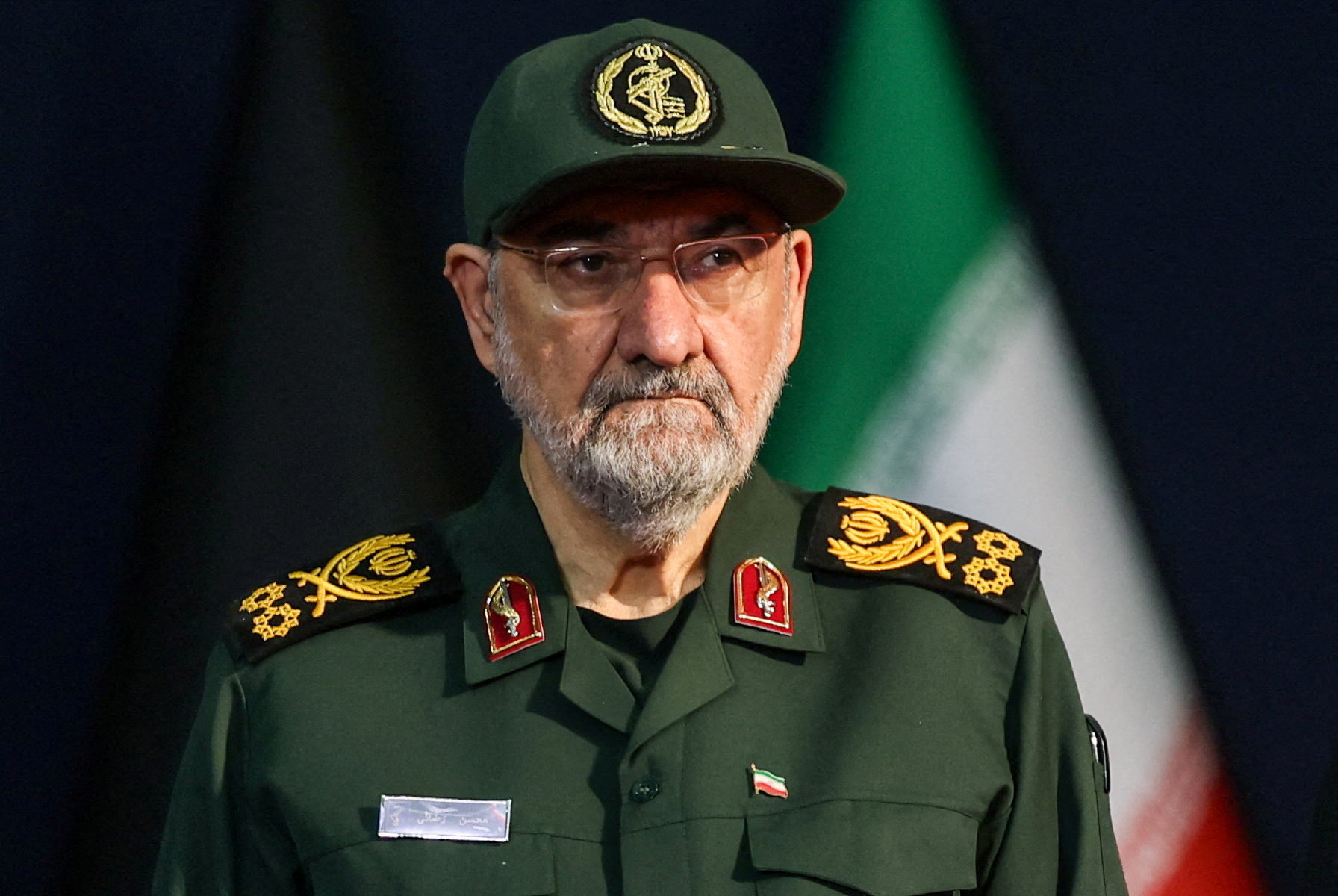
Mohsen Rezaei at the Helm of Iran’s Supreme National Security Council
Under Rezaei, the SNSC could prove constructive or paralyze strategic decision making.
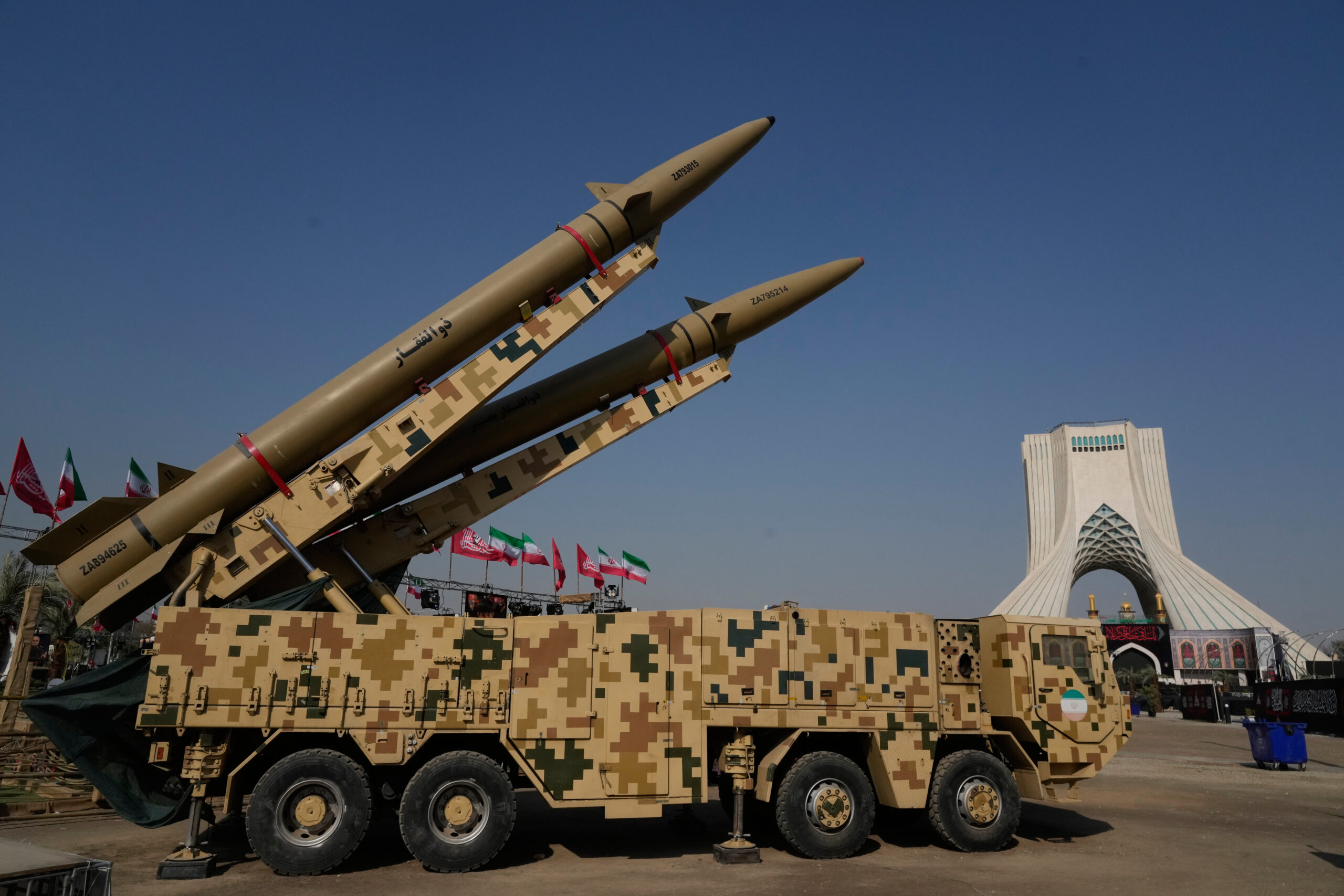
The Islamic Republic Returns to Offense
After U.S.-Israeli strikes killed Supreme Leader Ayatollah Ali Khamenei on February 28, Iran’s collective leadership has concluded that the best defense is a good offense.
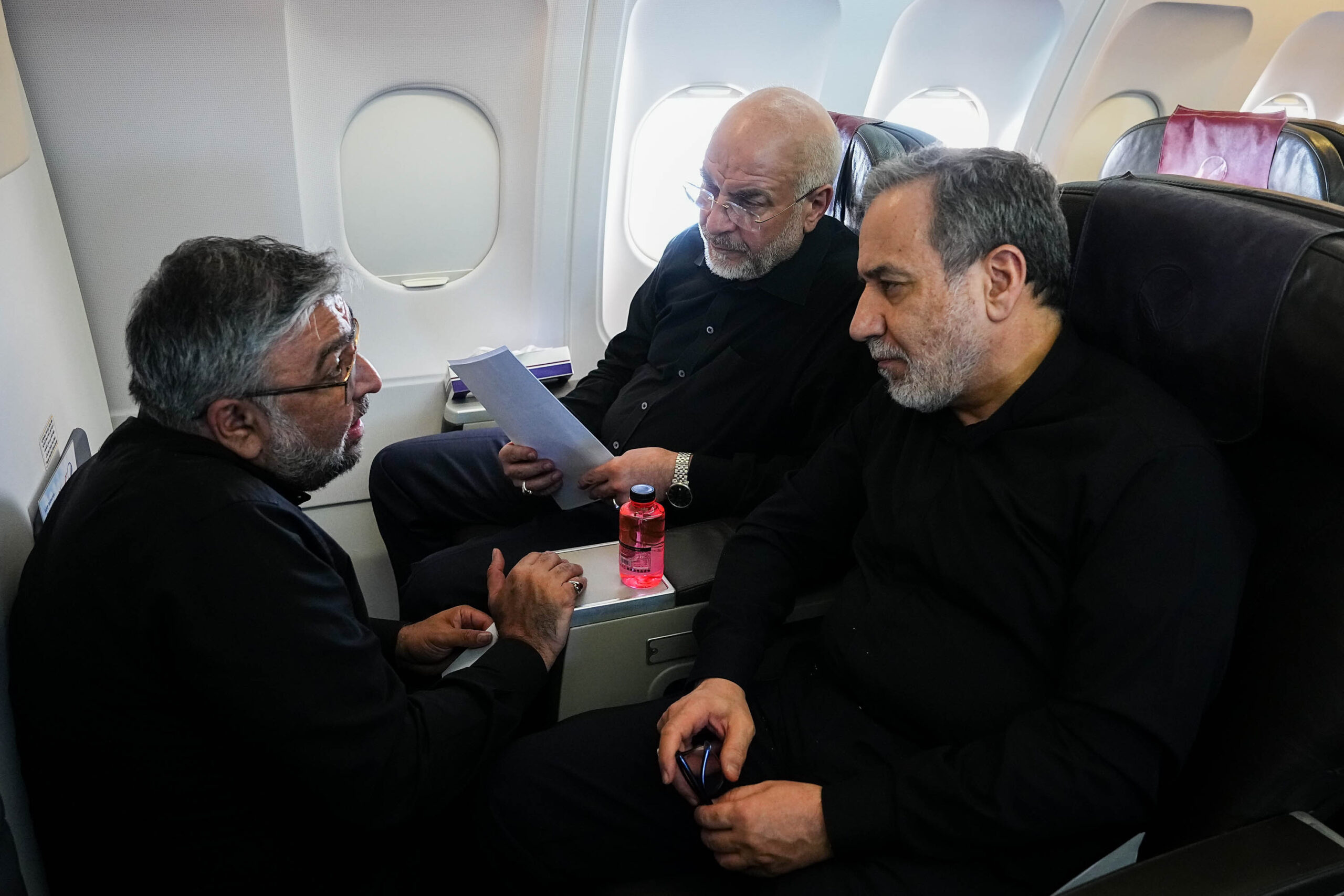
Iran’s Collective Strategic Decision Making
Wartime pressure has temporarily aligned the leadership’s overriding interest in regime survival, even as its members continue to differ over the costs, methods, and ultimate objectives of the war.
Events
Oct 6, 2026
Is the U.S.-Iran Stalemate a “New Normal” or the Prelude to Another Explosion?
On October 6, AGSI hosted a discussion on the U.S.-Iran stalemate and the prospects for a cease-fire.
Speakers



Book Talk: Iran and the Bomb: The United States, Iran and the Nuclear Question
On June 16, AGSI hosted a discussion on the evolution of Iran's nuclear program.
Speakers

Apr 21, 2026
Inside Iran’s Wartime Leadership: Power, Succession, and Regime Stability
On April 21, AGSI hosted a discussion on the evolution of Iran's leadership during the war.
Speakers

Mar 18, 2026
In Its Conflict With the United States and Israel, Does Escalation Favor Iran?
On March 18, AGSI hosted a discussion on the escalation of the Iran war.
Speakers