Jul 10, 2026
Iranian Media Prepares the Public for a “War of Attrition”
The July 10 edition of the Iran Media Review highlights an Iranian article arguing that Iran and the United States are in a “protracted regional war of attrition.”

Iranian media has increasingly portrayed negotiations as part of the U.S.-Iran conflict rather than an alternative to it. Accordingly, the confrontation has been framed as one that will be measured by endurance, economic pressure, and strategic persistence rather than decisive battlefield victories. The central question, however, is how long the regime in Tehran can sustain what increasingly appears to be an open-ended war of attrition.
- July 10: In an analysis of the trajectory of the war, Tabnak News Agency, which is affiliated with Major General Mohsen Rezaei, the supreme leader’s senior military advisor, wrote:
- “If we are to sum it up bluntly, the available evidence points less to the end of the conflict than to the consolidation of a protracted regional war of attrition. The Strait of Hormuz is no longer merely a waterway; it has become a theater of economic and military pressure. U.S. bases and those of its allies are no longer simply deployment sites but targets intended to wear down readiness levels and exhaust air and missile defense systems. Doha and other mediation channels are no longer merely venues for negotiation; they have become part of the mechanism for managing the conflict itself. The oil market no longer responds solely to supply and demand but prices the intensity of the war on a daily basis. And the war itself is no longer measured simply by the number of missiles fired but by the persistence of anxiety, cost of maintaining military readiness, recurring disruptions, and prolongation of strategic uncertainty.”
- “For that reason, if we ask today whether the conflict between Iran and the United States has entered a phase of protracted regional attrition, the cautious – but straightforward – answer is yes, at least the available indicators point clearly in that direction. Perhaps neither side is yet willing to call it a long-term war. Perhaps each side still hopes that another round of negotiations or a carefully calibrated military strike will turn the tide. But the reality on the ground is that the conflict has moved beyond the Persian Gulf and is now unfolding on much deeper levels: in insurance premiums and oil tanker operations, radar systems and military bases, negotiating rooms and oil price charts, maritime security warnings, and the daily calculations of military commanders and political leaders. This is no longer merely a series of isolated exchanges of blows. More than anything, it resembles the beginning of a prolonged war of attrition – a phase in which the flames of conflict may burn less intensely on some days but have by no means been extinguished.”
The views represented herein are the author's or speaker's own and do not necessarily reflect the views of AGSI, its staff, or its board of directors.
Related
Iran Media Review
Jun 30, 2026
Iran’s New Doctrine: A Forever War in the Strait of Hormuz
The June 30 edition of the Iran Media Review considers an Iranian argument that only deterrence, not diplomacy, can influence U.S. behavior.
Iran Media Review
Jun 26, 2026
IRGC Seeks to Institutionalize Control Over the Strait of Hormuz
The June 26 edition of the Iran Media Review examines IRGC messaging about travel through the Strait of Hormuz.
Iran Media Review
Jun 24, 2026
A Consensus Emerges in Tehran on U.S.-Iran Negotiations
The June 24 edition of the Iran Media Review considers Iranian media responses to ongoing U.S.-Iranian negotiations.
Jun 30, 2026
Iran’s New Doctrine: A Forever War in the Strait of Hormuz
The June 30 edition of the Iran Media Review considers an Iranian argument that only deterrence, not diplomacy, can influence U.S. behavior.
Jun 26, 2026
IRGC Seeks to Institutionalize Control Over the Strait of Hormuz
The June 26 edition of the Iran Media Review examines IRGC messaging about travel through the Strait of Hormuz.
Jun 24, 2026
A Consensus Emerges in Tehran on U.S.-Iran Negotiations
The June 24 edition of the Iran Media Review considers Iranian media responses to ongoing U.S.-Iranian negotiations.
Analysis
Debating Policy in Public: Iranian Elites Turn to YouTube
Rival camps within the Islamic Republic are increasingly turning to YouTube for policy debate, but there is a limit to the regime’s tolerance for that debate.

The Committee of Six and Strategic Decision Making in Iran
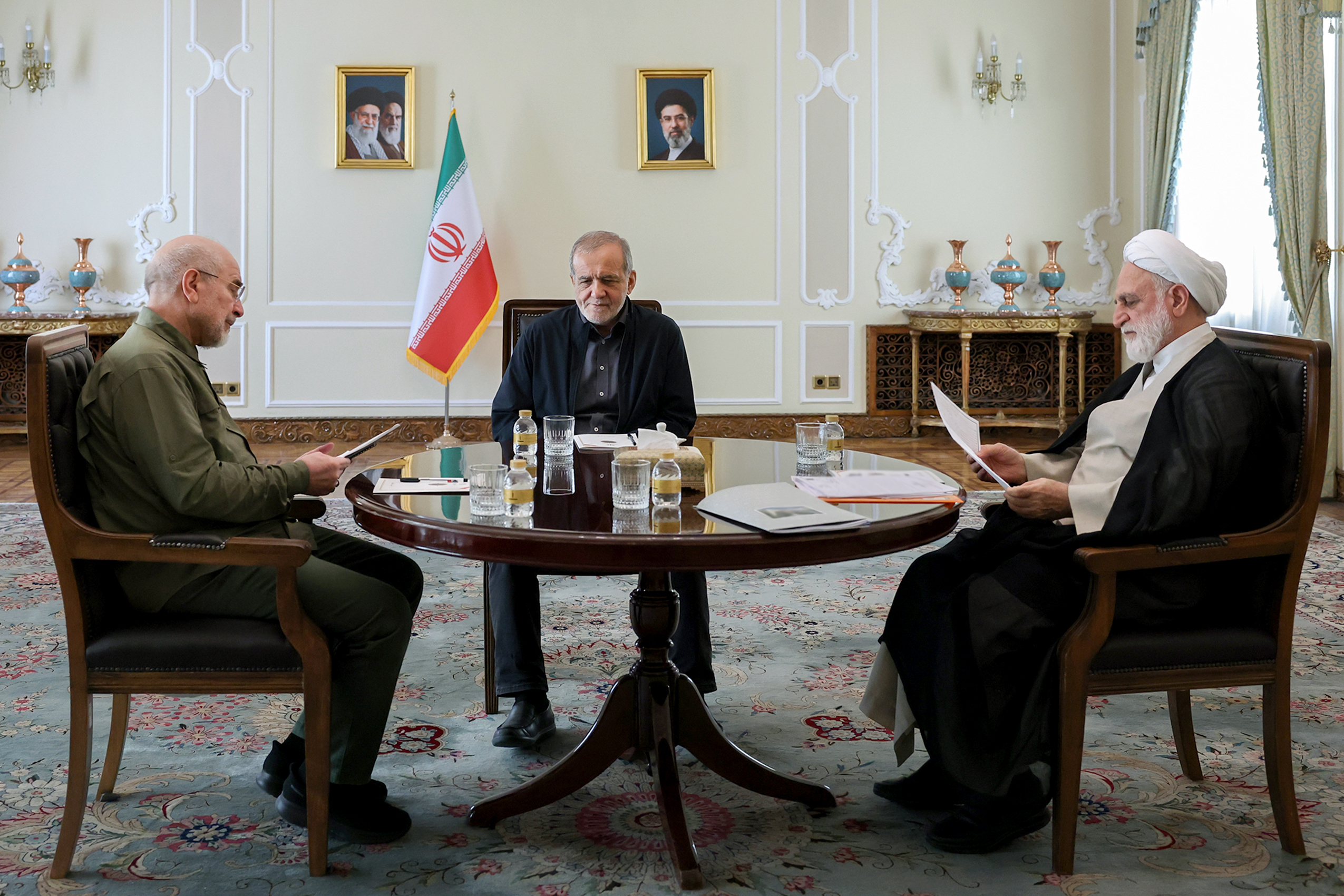
Remarks by Iran’s president offer a rare glimpse of how the Islamic Republic has adapted its decision making to the absence of its supreme leader.
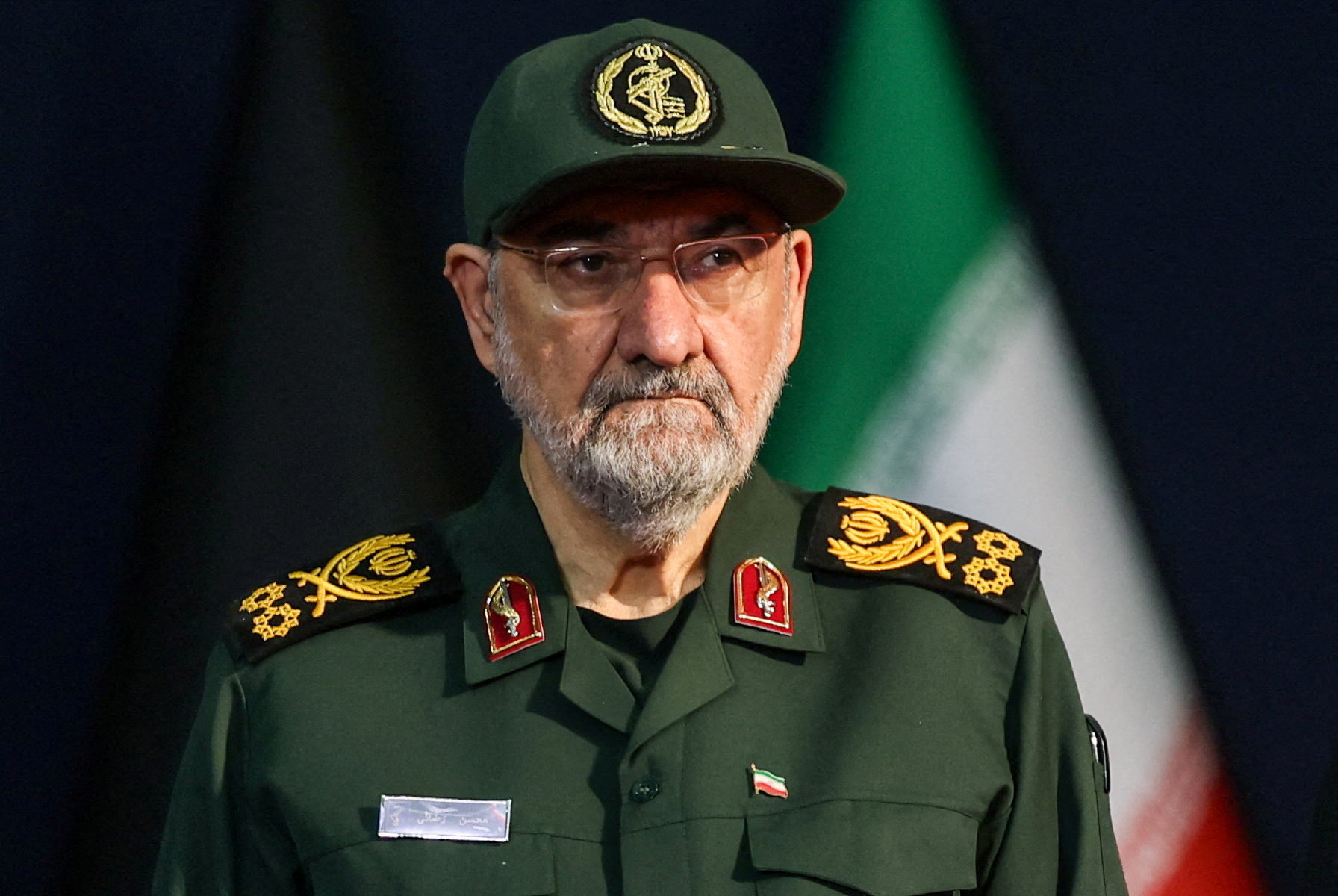
Mohsen Rezaei at the Helm of Iran’s Supreme National Security Council
Under Rezaei, the SNSC could prove constructive or paralyze strategic decision making.
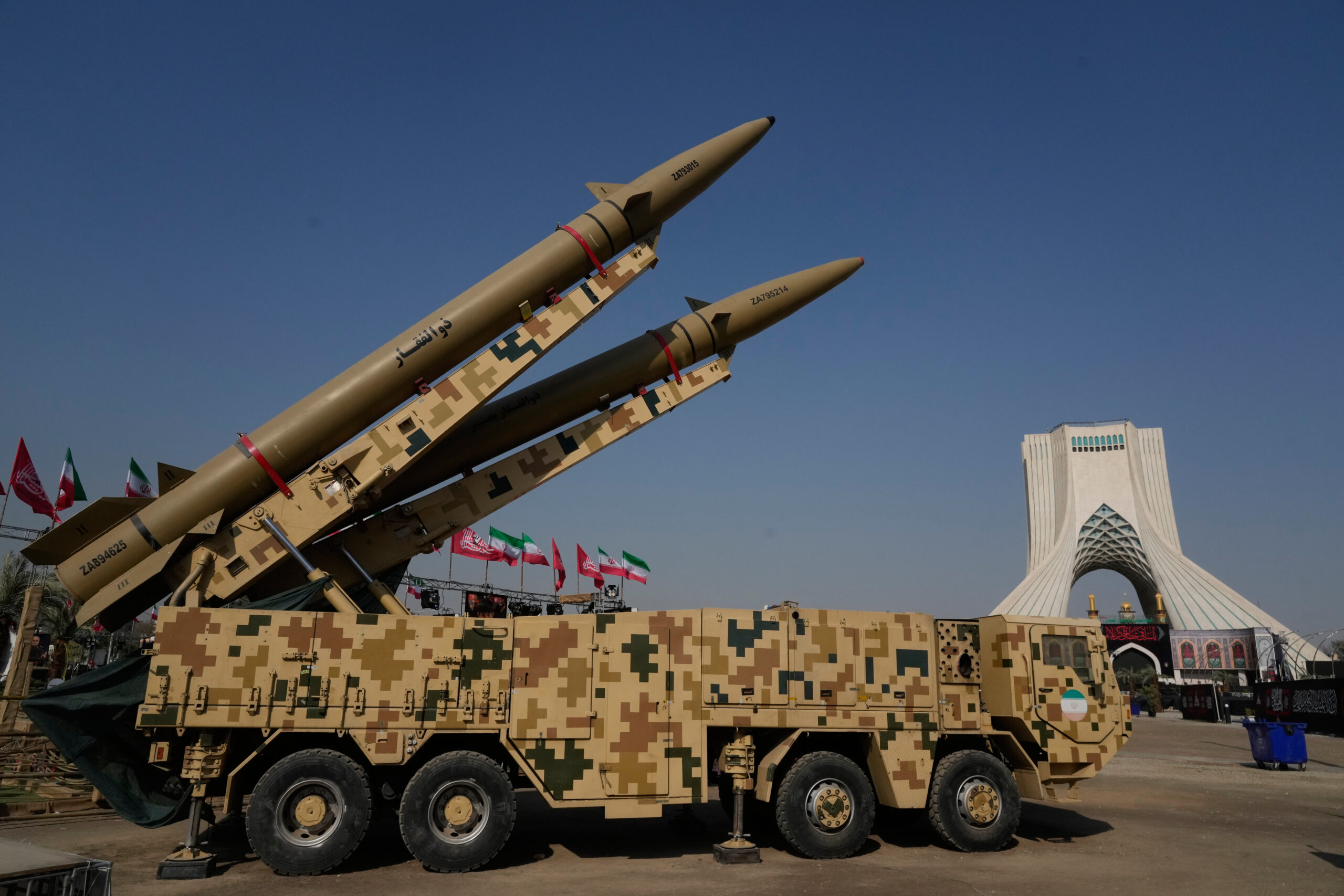
The Islamic Republic Returns to Offense
After U.S.-Israeli strikes killed Supreme Leader Ayatollah Ali Khamenei on February 28, Iran’s collective leadership has concluded that the best defense is a good offense.
Events
Oct 6, 2026
Is the U.S.-Iran Stalemate a “New Normal” or the Prelude to Another Explosion?
On October 6, AGSI hosted a discussion on the U.S.-Iran stalemate and the prospects for a cease-fire.
Speakers



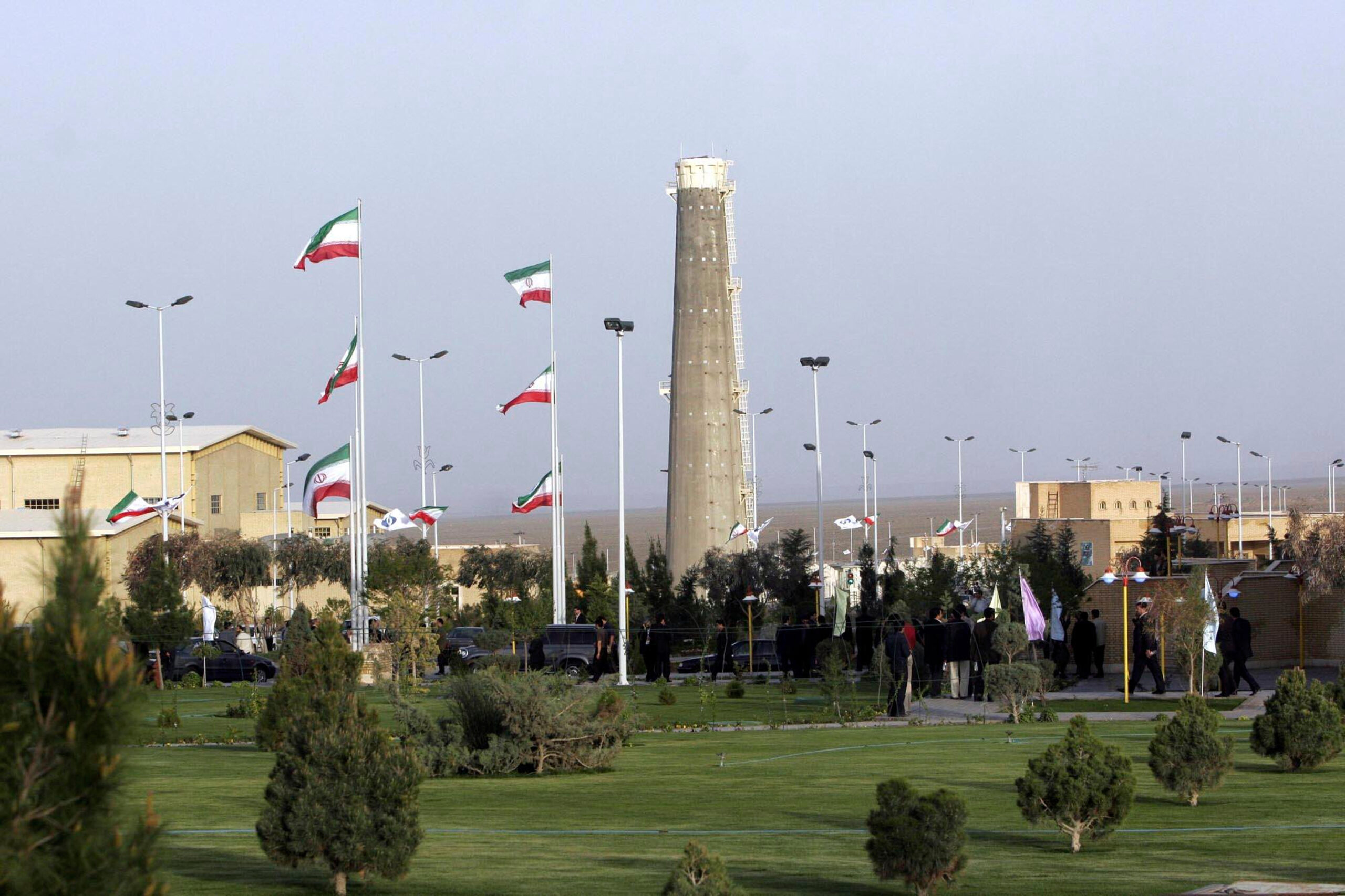
Book Talk: Iran and the Bomb: The United States, Iran and the Nuclear Question
On June 16, AGSI hosted a discussion on the evolution of Iran's nuclear program.
Speakers

Apr 21, 2026
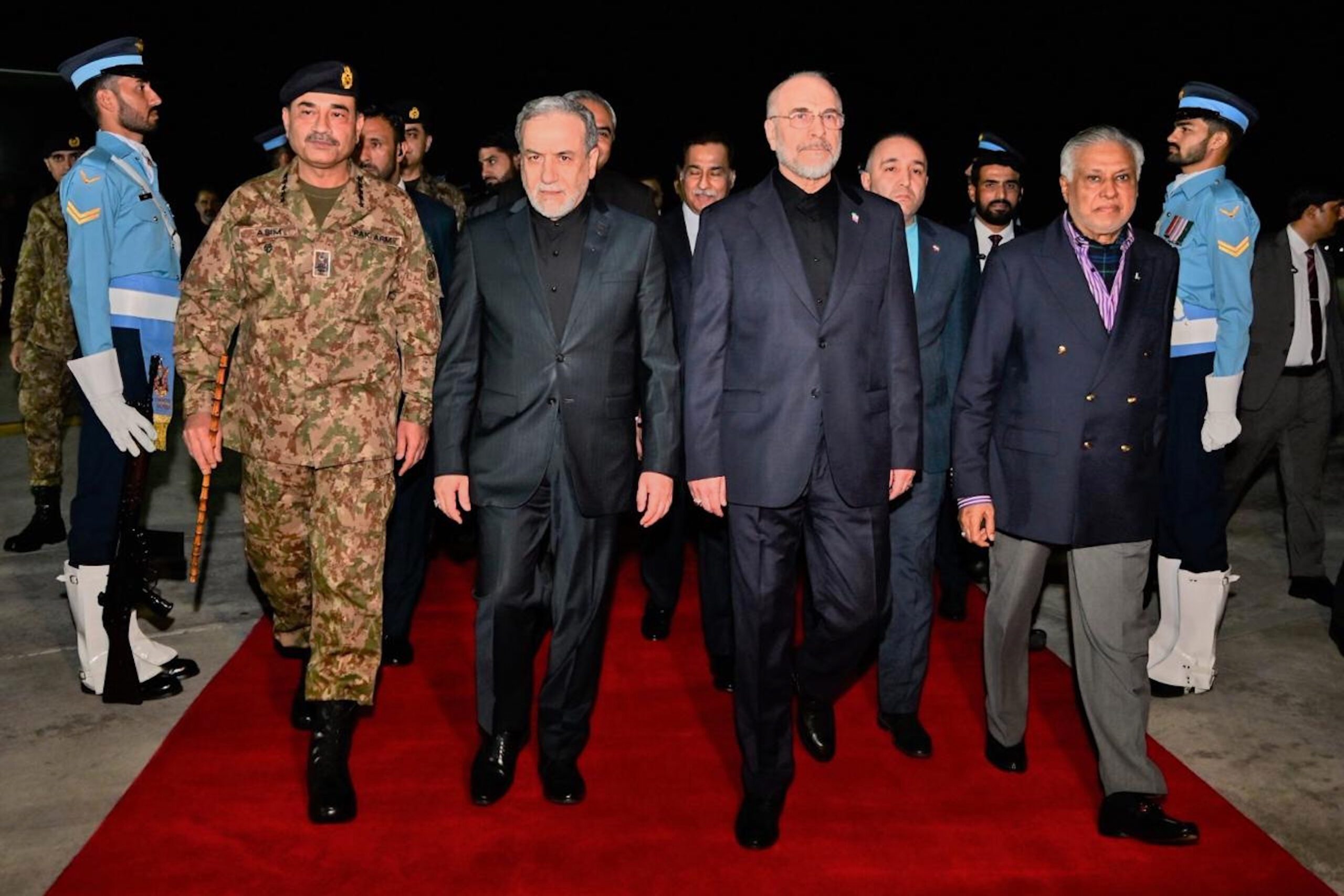
Inside Iran’s Wartime Leadership: Power, Succession, and Regime Stability
On April 21, AGSI hosted a discussion on the evolution of Iran's leadership during the war.
Speakers

Mar 18, 2026
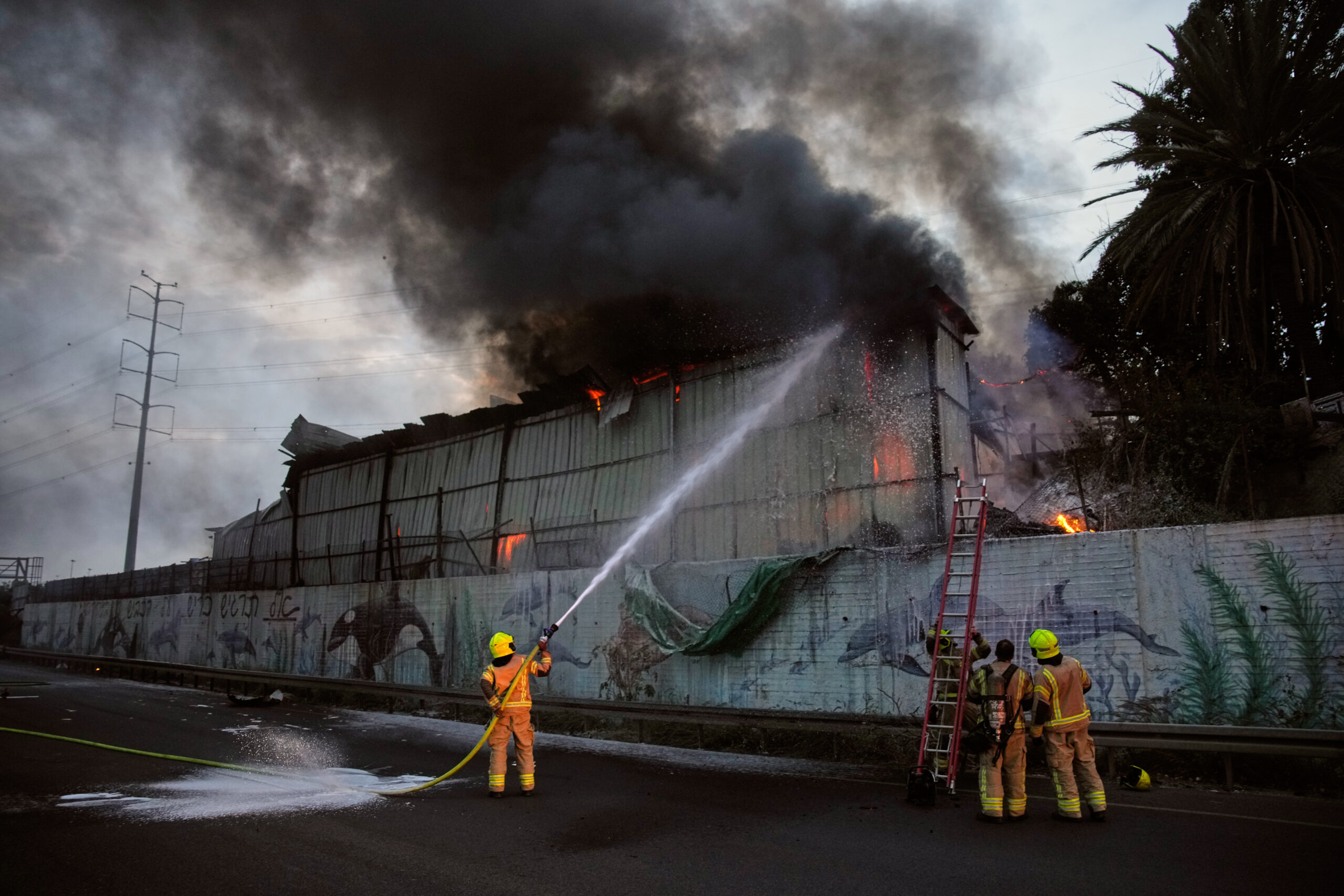
In Its Conflict With the United States and Israel, Does Escalation Favor Iran?
On March 18, AGSI hosted a discussion on the escalation of the Iran war.
Speakers