Jun 24, 2026
A Consensus Emerges in Tehran on U.S.-Iran Negotiations
The June 24 edition of the Iran Media Review considers Iranian media responses to ongoing U.S.-Iranian negotiations.

After several days of public debate in Iran over Supreme Leader Ayatollah Mojtaba Khamenei’s statement on the U.S.-Iran memorandum of understanding, the Islamic Revolutionary Guard Corps, the economic press, and reformist media have largely rallied behind Iran’s negotiators and their accomplishments. As a result, hard-line Kayhan is now the only significant voice of opposition.
- June 22: Hard-line Kayhan criticized Foreign Minister Abbas Araghchi’s negotiation approach:
- “The main question for the diplomatic establishment and the honorable government is this: When America’s prestige has been so thoroughly humiliated on the battlefield, its bases paralyzed, and it admits to trillions of dollars in losses, why should we act passively in diplomacy?”
- “Our achievements on the battlefield are glorious, tangible, powerful, and historic. The balance of power has shifted in favor of the Islamic Republic of Iran, and the United States is in a position of desperation. Under such circumstances, we must be careful not to squander these great achievements and the hard-won gains of the battlefield in exchange for deferred, false, and insulting promises, such as 60-day waivers, imports of corn and soybeans, and conditions imposed by the U.S. Treasury. Diplomacy must be the articulate voice of battlefield strength, not a tool for reviving a defeated America.”
- June 23: Islamic Revolutionary Guard Corps-affiliated Javan’s lead article quoted IRGC Political Directorate Chief Brigadier General Yadollah Javani’s interpretation of Supreme Leader Ayatollah Mojtaba Khamenei’s public statement concerning U.S.-Iran negotiations:
- “Some people have interpreted the supreme leader’s remark, ‘I, as a matter of principle, held a different view,’ as meaning that he is opposed to negotiations. In reality, however, such an interpretation is not accurate and is not consistent with the available evidence.”
- “Even during the 12-day war, diplomatic channels were not suspended, and it was the opposing side that subsequently called for a cease-fire and negotiations. Iran’s experience has demonstrated that the adversary must bear the cost of its actions and come to the realization that it cannot impose its demands through pressure and threats. On this basis, the Islamic Republic of Iran has always pursued negotiations from a position of strength, with the objective of safeguarding the rights of the Iranian people and preventing the imposition of the other side’s demands.”
- “Any rhetoric or conduct that undermines national unity, attacks public officials, or creates divisions serves the objectives of the enemy … Today, instead of explaining to the public the greatness, resilience, and strength of the Iranian nation, some individuals are attempting to turn secondary issues into sources of discord and confrontation. Unfortunately, even figures who stood on the front lines in defense of the Islamic Republic have not been spared from media attacks. This stems from mistaken interpretations and flawed analyses.”
- June 23: In an interview in economic newspaper Donya-ye Eqtesad, foreign policy analyst Rahman Qahremanpour,answering the question why the United States chose the path of negotiations with Iran, said:
- “Democrats believed that Trump had fallen under Netanyahu’s influence and was being drawn into a war with Iran. When figures such as Barack Obama voiced their objections, the issue resonated widely across American society.”
- “The outlook of parts of the U.S. military establishment as well as reporting by media outlets … suggested that a prolonged conflict between the United States and Iran would benefit China more than anyone else and could lead to the United States becoming even more deeply entangled in the Middle East.”
- “It is said that major American companies had privately informed Trump that, because of the depletion of strategic oil reserves, reaching an agreement was urgent and vital.”
- “Given that one of the most difficult stages after the signing of a memorandum of understanding is the implementation of commitments, many uncertainties remain. For example, the manner in which the United States will commit to releasing Iranian assets, as well as the issue of lifting primary and secondary sanctions, remains unclear, and no answers have yet been provided.”
- June 23: A lead article in reformist Shargh claimed:
- “What took place in Switzerland represents a significant tactical breakthrough: agreement on oversight mechanisms for Lebanon and Hormuz, initial steps toward releasing financial resources, and the establishment of a 60-day roadmap. The fundamental question, however, is whether these achievements can evolve into a strategic transformation in relations between Tehran and Washington.”
- “Ultimately, what remains from this round of negotiations is a clear message: Diplomacy has regained momentum, but it is still in the testing phase. The technical experts who remain in Switzerland must now work out the details in a way that ensures the deconfliction cell functions effectively, the released funds are returned to Iran’s economy without conditions, and the Strait of Hormuz is safeguarded against any new incidents.”
The views represented herein are the author's or speaker's own and do not necessarily reflect the views of AGSI, its staff, or its board of directors.
Related
Iran Media Review
Jun 18, 2026
Regime Surveys Show Erosion of Social Capital
The June 18 edition of the Iran Media Review highlights Iranian messaging about Iran’s military strength and societal polarization.
Iran Media Review
Jun 16, 2026
Tehran’s Limited Expectations for U.S.-Iran Agreement
The June 16 edition of the Iran Media Review analyzes Iranian views on a prospective U.S.-Iranian memorandum of understanding to end the war.
Iran Media Review
Jun 11, 2026
Rafsanjani Jr. Urges Realism
The June 11 edition of the Iran Media Review considers an opinion piece written by a leading Iranian technocratic voice advocating for negotiation with the United States.
Jun 18, 2026
Regime Surveys Show Erosion of Social Capital
The June 18 edition of the Iran Media Review highlights Iranian messaging about Iran’s military strength and societal polarization.
Jun 16, 2026
Tehran’s Limited Expectations for U.S.-Iran Agreement
The June 16 edition of the Iran Media Review analyzes Iranian views on a prospective U.S.-Iranian memorandum of understanding to end the war.
Jun 11, 2026
Rafsanjani Jr. Urges Realism
The June 11 edition of the Iran Media Review considers an opinion piece written by a leading Iranian technocratic voice advocating for negotiation with the United States.
Analysis
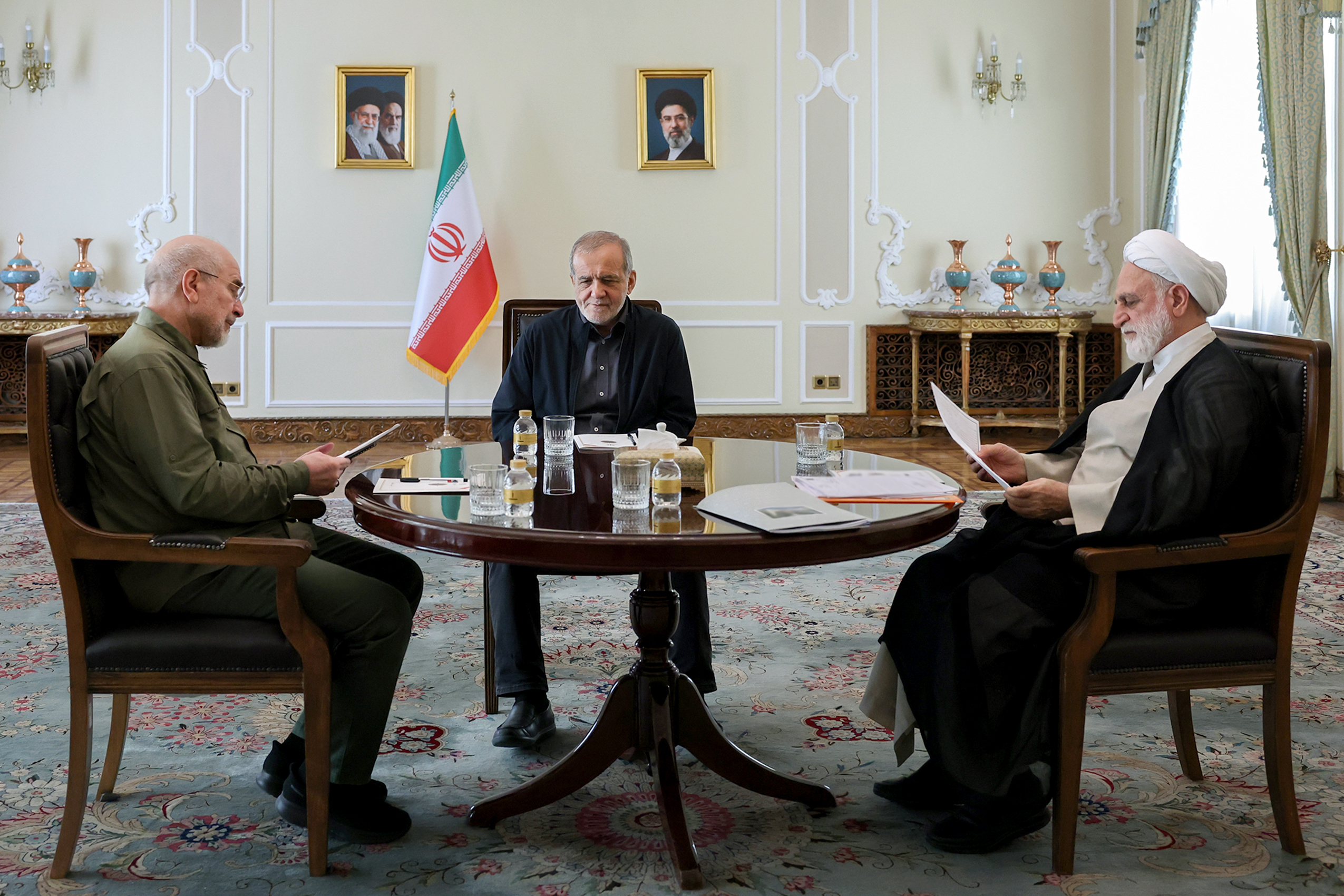
The Committee of Six and Strategic Decision Making in Iran
Remarks by Iran’s president offer a rare glimpse of how the Islamic Republic has adapted its decision making to the absence of its supreme leader.
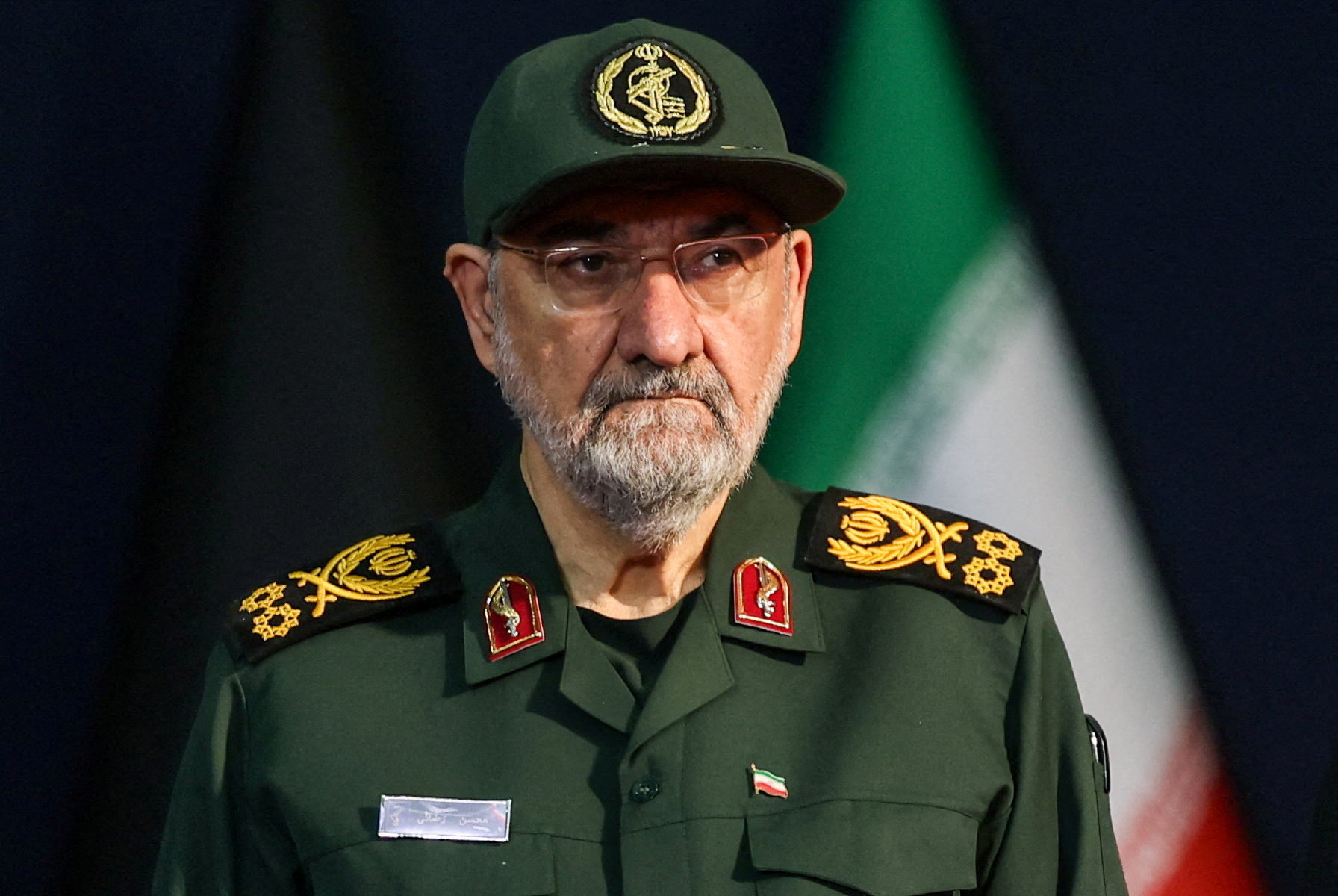
Mohsen Rezaei at the Helm of Iran’s Supreme National Security Council
Under Rezaei, the SNSC could prove constructive or paralyze strategic decision making.
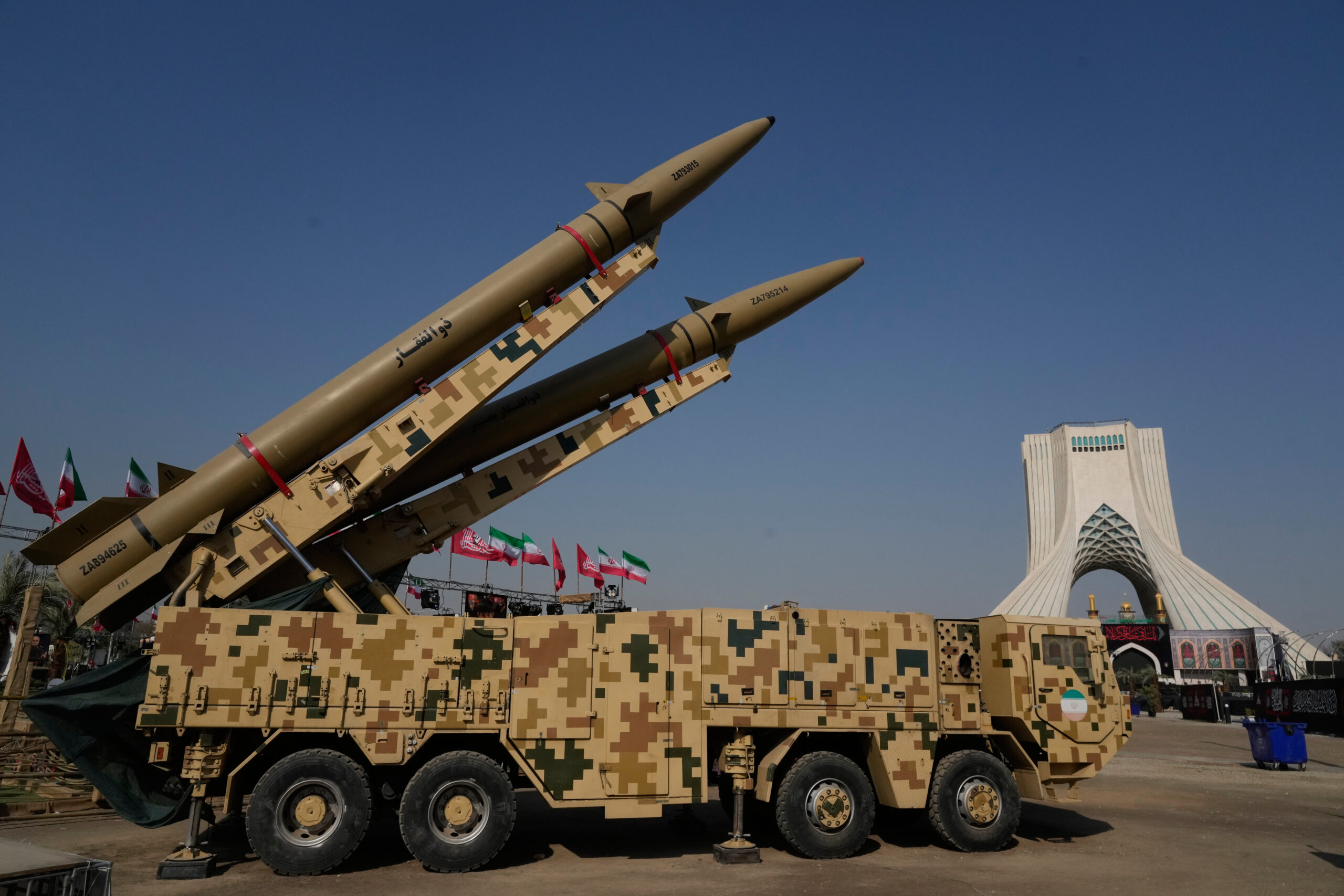
The Islamic Republic Returns to Offense
After U.S.-Israeli strikes killed Supreme Leader Ayatollah Ali Khamenei on February 28, Iran’s collective leadership has concluded that the best defense is a good offense.
Iran’s Collective Strategic Decision Making
Wartime pressure has temporarily aligned the leadership’s overriding interest in regime survival, even as its members continue to differ over the costs, methods, and ultimate objectives of the war.
Events
Oct 6, 2026
Is the U.S.-Iran Stalemate a “New Normal” or the Prelude to Another Explosion?
On October 6, AGSI hosted a discussion on the U.S.-Iran stalemate and the prospects for a cease-fire.
Speakers



Book Talk: Iran and the Bomb: The United States, Iran and the Nuclear Question
On June 16, AGSI hosted a discussion on the evolution of Iran's nuclear program.
Speakers
Apr 21, 2026
Inside Iran’s Wartime Leadership: Power, Succession, and Regime Stability
On April 21, AGSI hosted a discussion on the evolution of Iran's leadership during the war.
Speakers

Mar 18, 2026
In Its Conflict With the United States and Israel, Does Escalation Favor Iran?
On March 18, AGSI hosted a discussion on the escalation of the Iran war.
Speakers