Jul 15, 2026
Iranian Parliament Presses for Escalation
The July 15 edition of the Iran Media Review examines remarks by an Iranian hard-liner advocating for Iran to escalate against the United States without abandoning the U.S.-Iran cease-fire.

Recent statements by Esmaeil Kowsari, a veteran of the Islamic Revolutionary Guard Corps and member of Iran’s Parliamentary National Security and Foreign Policy Committee illustrate the emerging consensus among Iran’s hard-liner political establishment. He believes military confrontation with the United States should intensify, while Tehran avoids formally abandoning the U.S.-Iran memorandum of understanding. By portraying Washington as the cease-fire violator, Iranian leaders are seeking to justify continued escalation, preserve diplomatic legitimacy, and deter further U.S. military action.
- July 15: Esmaeil Kowsari, a veteran of the Islamic Revolutionary Guard Corps and member of Iran’s Parliamentary National Security and Foreign Policy Committee, in an interview with Tabnak News Agency, a mouthpiece of Major General Mohsen Rezaei, military advisor to the supreme leader, spoke about the United States and the conflict:
- “This conflict was initiated by them and has continued because they violated the cease-fire. It is not the case that the country’s officials are indifferent to this issue.”
- “The response that the Islamic Republic of Iran delivers to the United States is far more severe, but because the public does not see all dimensions of it, they assume that an appropriate response has not been given. The reports we receive indicate that Iran’s blows are far heavier than the actions carried out by the enemy. Most of the Islamic Republic’s missiles and drones target U.S. bases and military facilities in the Persian Gulf states and West Asia region.”
- Turning to Gulf Cooperation Council states, Kowsari said: “We have informed the countries of the southern Persian Gulf and the region that if the United States seeks to go beyond military installations and expand its operations, the Islamic Republic will likewise extend its operations into their geographical territory … In some cases, this has already occurred, and Iran’s response has gone beyond the enemy’s actions. This war is still ongoing, and we should not imagine that it has ended. We must act decisively both in managing the Strait of Hormuz and in maintaining readiness for reciprocal action so that the enemy comes to regret its actions.”
- Asked why Iran does not officially declare the U.S.-Iran memorandum of understanding terminated, despite the “U.S. violation of the cease-fire,” Kowsari said: “The Americans themselves violated the memorandum of understanding, and from a legal standpoint it is the United States that stands condemned before the international community … The Islamic Republic of Iran has not revoked the memorandum of understanding, and for that reason it remains the aggrieved party from a legal perspective … Just as it was the United States that violated the JCPOA, today it is again the United States that has violated the memorandum of understanding. This is entirely clear in the international arena.”
The views represented herein are the author's or speaker's own and do not necessarily reflect the views of AGSI, its staff, or its board of directors.
Related
Iran Media Review
Jul 10, 2026
Iranian Media Prepares the Public for a “War of Attrition”
The July 10 edition of the Iran Media Review highlights an Iranian article arguing that Iran and the United States are in a “protracted regional war of attrition.”
Iran Media Review
Jun 30, 2026
Iran’s New Doctrine: A Forever War in the Strait of Hormuz
The June 30 edition of the Iran Media Review considers an Iranian argument that only deterrence, not diplomacy, can influence U.S. behavior.
Iran Media Review
Jun 26, 2026
IRGC Seeks to Institutionalize Control Over the Strait of Hormuz
The June 26 edition of the Iran Media Review examines IRGC messaging about travel through the Strait of Hormuz.
Jul 10, 2026
Iranian Media Prepares the Public for a “War of Attrition”
The July 10 edition of the Iran Media Review highlights an Iranian article arguing that Iran and the United States are in a “protracted regional war of attrition.”
Jun 30, 2026
Iran’s New Doctrine: A Forever War in the Strait of Hormuz
The June 30 edition of the Iran Media Review considers an Iranian argument that only deterrence, not diplomacy, can influence U.S. behavior.
Jun 26, 2026
IRGC Seeks to Institutionalize Control Over the Strait of Hormuz
The June 26 edition of the Iran Media Review examines IRGC messaging about travel through the Strait of Hormuz.
Analysis
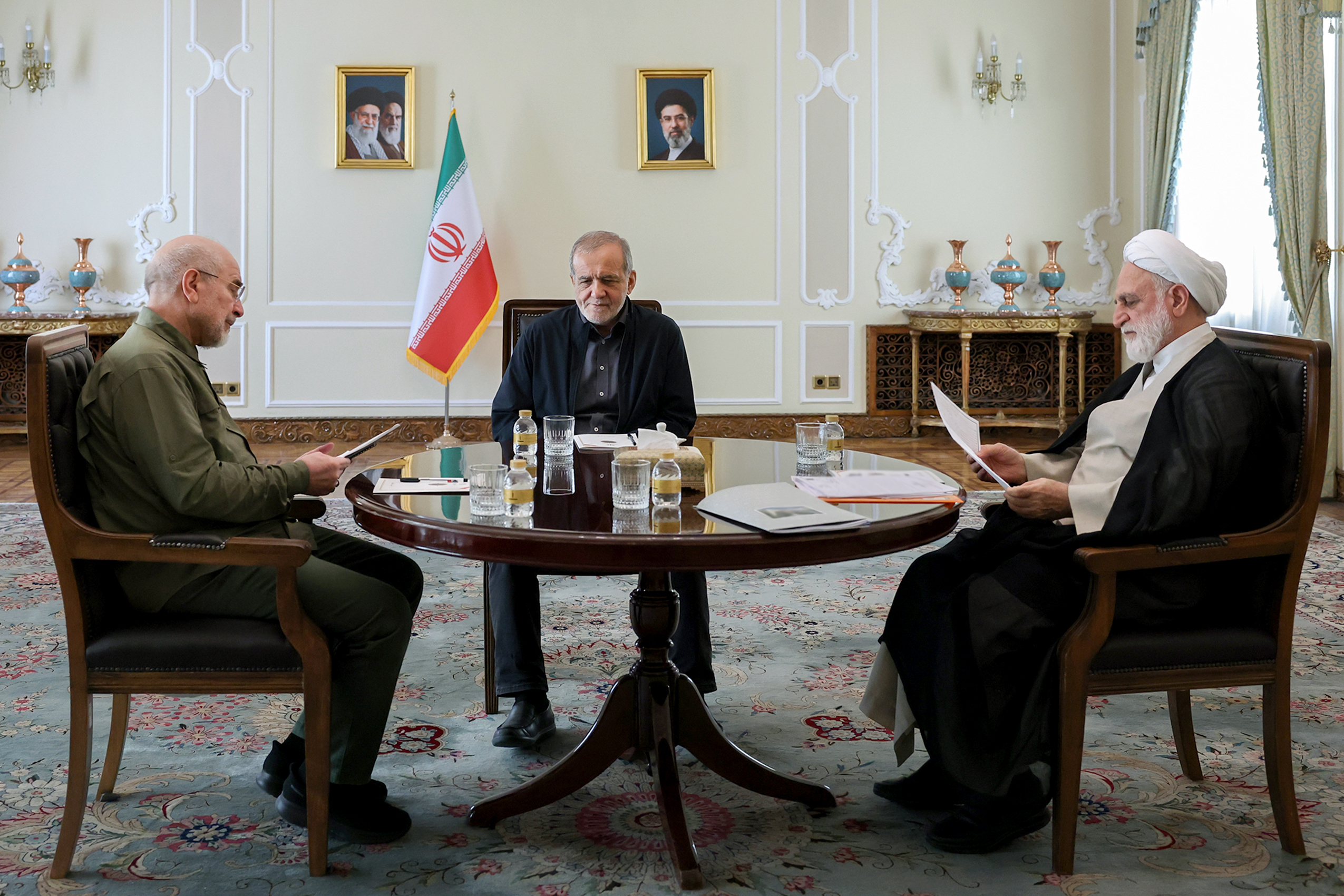
The Committee of Six and Strategic Decision Making in Iran
Remarks by Iran’s president offer a rare glimpse of how the Islamic Republic has adapted its decision making to the absence of its supreme leader.
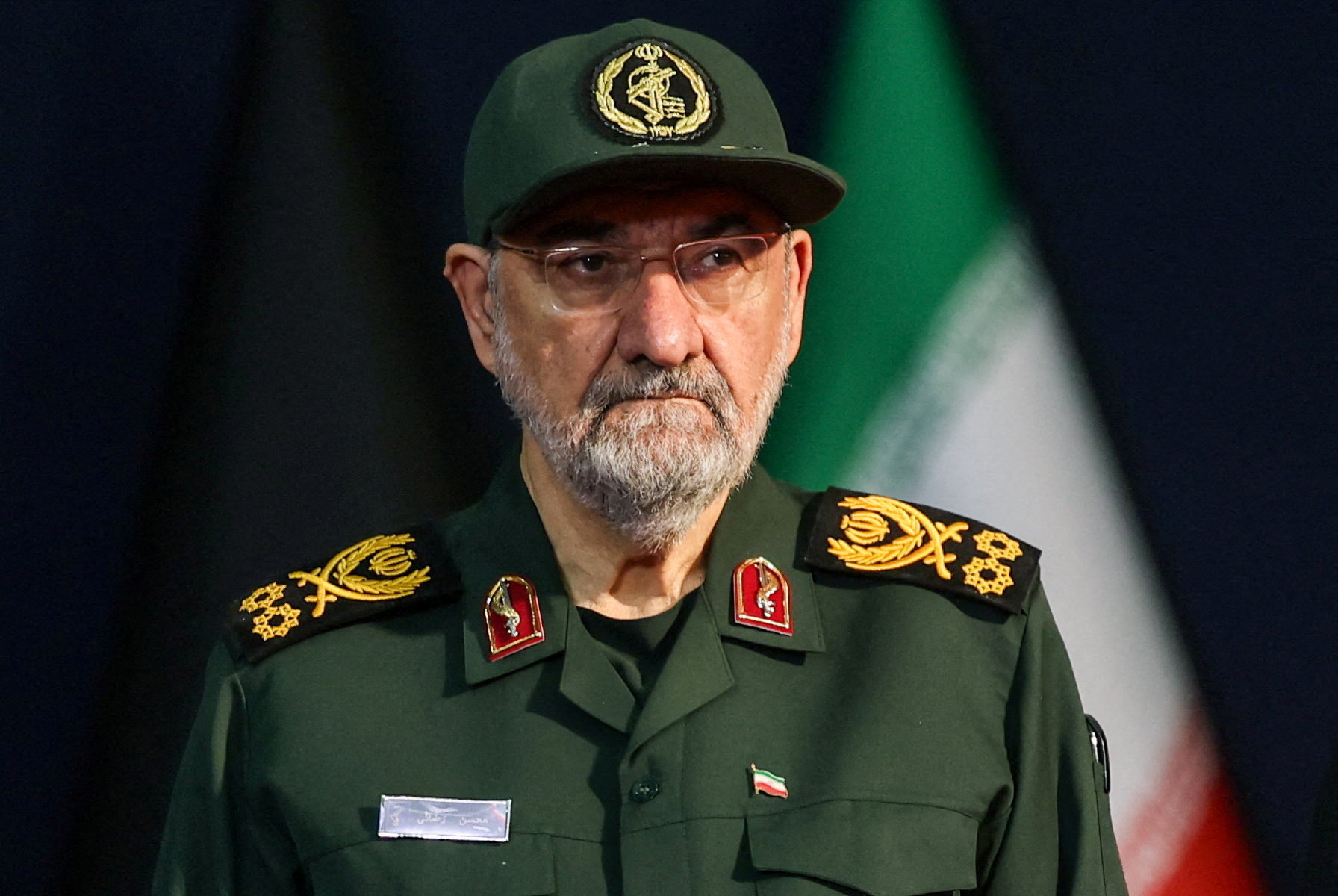
Mohsen Rezaei at the Helm of Iran’s Supreme National Security Council
Under Rezaei, the SNSC could prove constructive or paralyze strategic decision making.
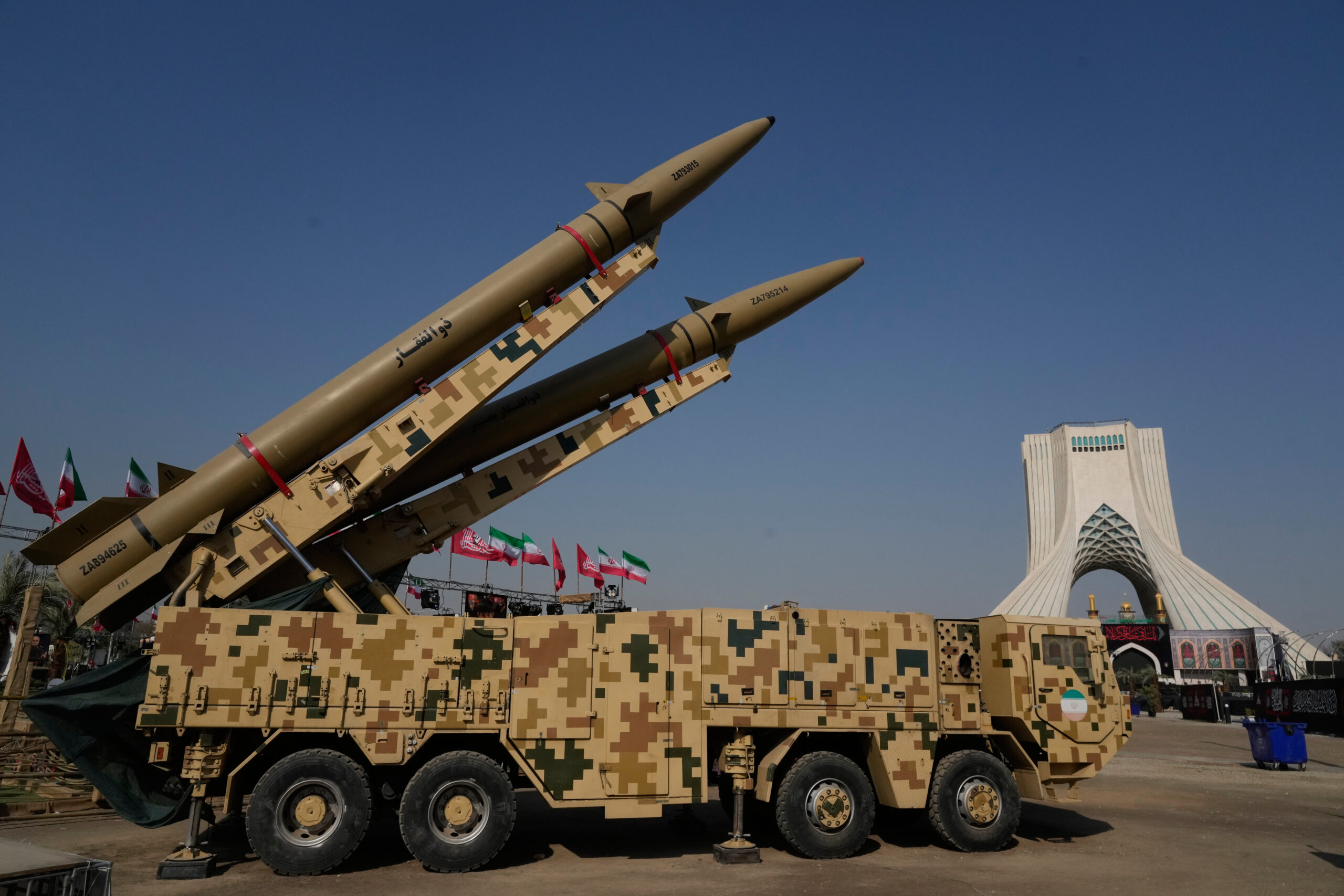
The Islamic Republic Returns to Offense
After U.S.-Israeli strikes killed Supreme Leader Ayatollah Ali Khamenei on February 28, Iran’s collective leadership has concluded that the best defense is a good offense.
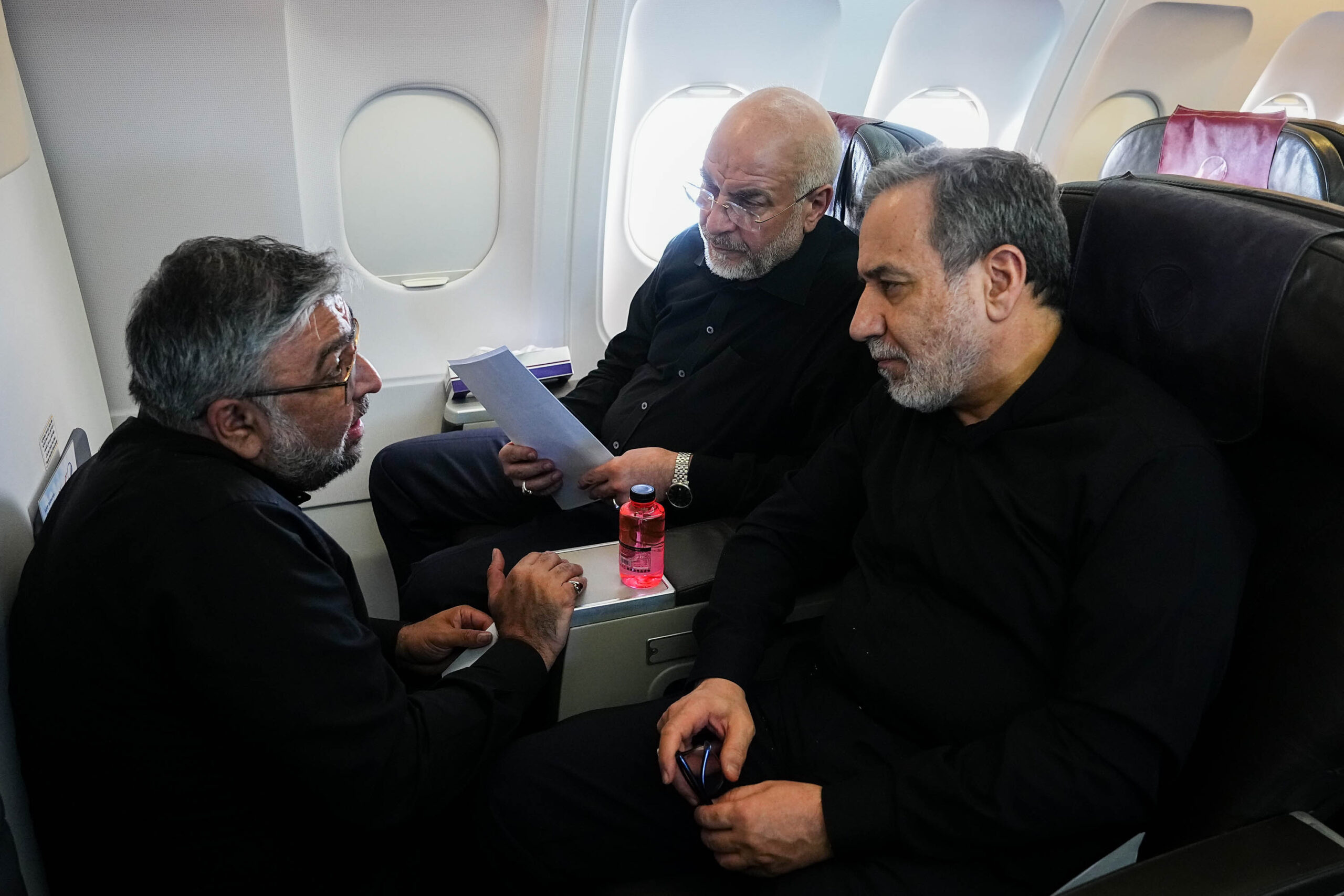
Iran’s Collective Strategic Decision Making
Wartime pressure has temporarily aligned the leadership’s overriding interest in regime survival, even as its members continue to differ over the costs, methods, and ultimate objectives of the war.
Events
Oct 6, 2026
Is the U.S.-Iran Stalemate a “New Normal” or the Prelude to Another Explosion?
On October 6, AGSI hosted a discussion on the U.S.-Iran stalemate and the prospects for a cease-fire.
Speakers



Book Talk: Iran and the Bomb: The United States, Iran and the Nuclear Question
On June 16, AGSI hosted a discussion on the evolution of Iran's nuclear program.
Speakers

Apr 21, 2026
Inside Iran’s Wartime Leadership: Power, Succession, and Regime Stability
On April 21, AGSI hosted a discussion on the evolution of Iran's leadership during the war.
Speakers

Mar 18, 2026
In Its Conflict With the United States and Israel, Does Escalation Favor Iran?
On March 18, AGSI hosted a discussion on the escalation of the Iran war.
Speakers