Jul 21, 2026
Fight, Negotiate – or Both?
The July 21 edition of the Iran Media Review analyzes Iranian media messaging about whether Iran should escalate or negotiate with the United States.

As hostilities between the United States and Iran continue, inflicting increasing damage on civilian infrastructure in southern Iran, some Iranian media outlets suggested that war and diplomacy are complementary, while others sharply disputed the legitimacy of negotiations. Security and reformist outlets portrayed negotiations as a prudent means of preserving wartime gains, while hard-line Kayhan called peace advocates a “fifth column.” Islamic Revolutionary Guard Corps-affiliated Javan offered a synthesis: Military resistance creates the leverage necessary for durable diplomacy.
- July 19: Nour News Agency, a mouthpiece of the Supreme National Security Council, published an article on the anniversary of Iran’s acceptance of United Nations Security Council Resolution 598 ending the war with Iraq in 1988:
- “Perhaps the most important message for Iran today, on the anniversary of the acceptance of UNSC Resolution 598, is that courage is not demonstrated only by firing missiles and taking to the battlefield. Courage also lies in a nation knowing when to fight and when to negotiate while in both circumstances refusing to retreat from one fundamental principle: preserving Iran, safeguarding its independence, and securing its national interests.”
- “Today, as in the past, Iran needs both forms of courage: the courage to wage war if war is imposed upon it and the courage to make peace if peace can consolidate the gains achieved on the battlefield. These are not two contradictory choices but two stages of a single strategy – a strategy that has always been the key to Iran’s survival, power, and continuity and will remain so in the future.”
- July 19: A columnist wrote about negotiations in reformist Etemad:
- “The art of statecraft lies in preventing the enemy from achieving its objectives even when it is incapable of prevailing militarily. Today, courage is not found only on the front line. Sometimes courage is found at the negotiating table, where one must choose between anger and wisdom, revenge and prudence, emotion and Iran’s future.”
- July 19: Hard-line Kayhan warned against the campaigns of those it accused of forming a “fifth column”:
- “Consider a few examples of the propaganda campaign launched by the fifth column following the failure of the United States and the Zionist regime in the Ramadan War. They argue: ‘To regard peace as treason and portray the pursuit of peace as contrary to the principles of Hussein ibn Ali bears no relation whatsoever to the essence of the Islam of Mohammad, peace be upon him.’”
- “While the United States has explicitly stated – and continues to state – that it launched the war with the aim of overthrowing the Islamic Republic of Iran, and if it fails to achieve ‘regime change,’ it will seek Iran’s surrender, members of the fifth column propagate the claim that they ‘wholeheartedly support an honorable peace.’ In other words, they call ‘dishonorable surrender’ an ‘honorable peace!’”
- “One of our principal and most effective levers of power against aggression by the United States and its allies is the exercise of sovereignty over the Strait of Hormuz and the closure of this strategic waterway – a chokepoint for global trade that has brought the United States to its knees. Now consider the dictated propaganda being advanced by the fifth column on this issue. It says: ‘Iran should not become involved in managing the strait, because this would only create problems for the country.’ In other words, it is promoting precisely what the United States wants.”
- “Identifying and countering the enemy’s fifth column is among the established duties of the intelligence services and the judiciary even under normal circumstances. It is self-evident that the importance and urgency of this mission increase many times over during wartime, because the fifth column is an integral part of the enemy’s forces. The intelligence and judicial authorities are therefore expected to deal firmly – and in a manner that leaves them regretting their actions – with this component of the enemy’s apparatus, especially in wartime.”
- July 20: Under the front-page headline “You Must Fight If You Want Peace,” an article in Javan argued:
- “The ‘war or negotiations’ debate, which dominates political activists and their supporters, is in fact hollow and futile … The reality is that, regardless of whether we in Iran favor negotiations or resistance and war against the enemy, the United States has only one strategy: war – or, more accurately, aggression and savagery, because war has rules that the United States does not observe.”
- “Therefore, whether or not we sign a memorandum of understanding, the United States’ plans toward us do not change. Why, then, does one group at home unfairly blame every act of aggression and outbreak of war on a domestic faction, while another portrays entering negotiations as the cause of war?”
- “In recent days, Iran has demonstrated that although it signed a memorandum of understanding, it was more prepared for war than ever before. It is now comprehensively and effectively striking the United States’ rear bases in the region, which Washington might conceivably use to launch a ground attack. Indeed, just yesterday, Aqaba airport in Jordan was added to Iran’s list of missile targets and struck.”
- “Negotiating to consolidate the gains of war and achieve lasting security – or fighting toward that same objective – should not create a pointless domestic dispute. Either course is acceptable within the approach Iran has adopted. Iran must fight while also remaining prepared to negotiate. Those who seek an agreement must understand that a lasting agreement can be achieved only by fighting and refusing to fear the enemy; and those who wish to fight must recognize that, at the end of every war, its gains must be secured and formally documented through negotiation.”
The views represented herein are the author's or speaker's own and do not necessarily reflect the views of AGSI, its staff, or its board of directors.
Related
Iran Media Review
Jul 17, 2026
Qalibaf Emerges as Iran’s De Facto Wartime Leader
The July 17 edition of the Iran Media Review examines a written statement by Iran’s parliamentary speaker laying out Iran’s strategy for the future of the conflict.
Iran Media Review
Jul 15, 2026
Iranian Parliament Presses for Escalation
The July 15 edition of the Iran Media Review examines remarks by an Iranian hard-liner advocating for Iran to escalate against the United States without abandoning the U.S.-Iran cease-fire.
Iran Media Review
Jul 10, 2026
Iranian Media Prepares the Public for a “War of Attrition”
The July 10 edition of the Iran Media Review highlights an Iranian article arguing that Iran and the United States are in a “protracted regional war of attrition.”
Jul 17, 2026
Qalibaf Emerges as Iran’s De Facto Wartime Leader
The July 17 edition of the Iran Media Review examines a written statement by Iran’s parliamentary speaker laying out Iran’s strategy for the future of the conflict.
Jul 15, 2026
Iranian Parliament Presses for Escalation
The July 15 edition of the Iran Media Review examines remarks by an Iranian hard-liner advocating for Iran to escalate against the United States without abandoning the U.S.-Iran cease-fire.
Jul 10, 2026
Iranian Media Prepares the Public for a “War of Attrition”
The July 10 edition of the Iran Media Review highlights an Iranian article arguing that Iran and the United States are in a “protracted regional war of attrition.”
Analysis
The Islamic Republic Returns to Offense
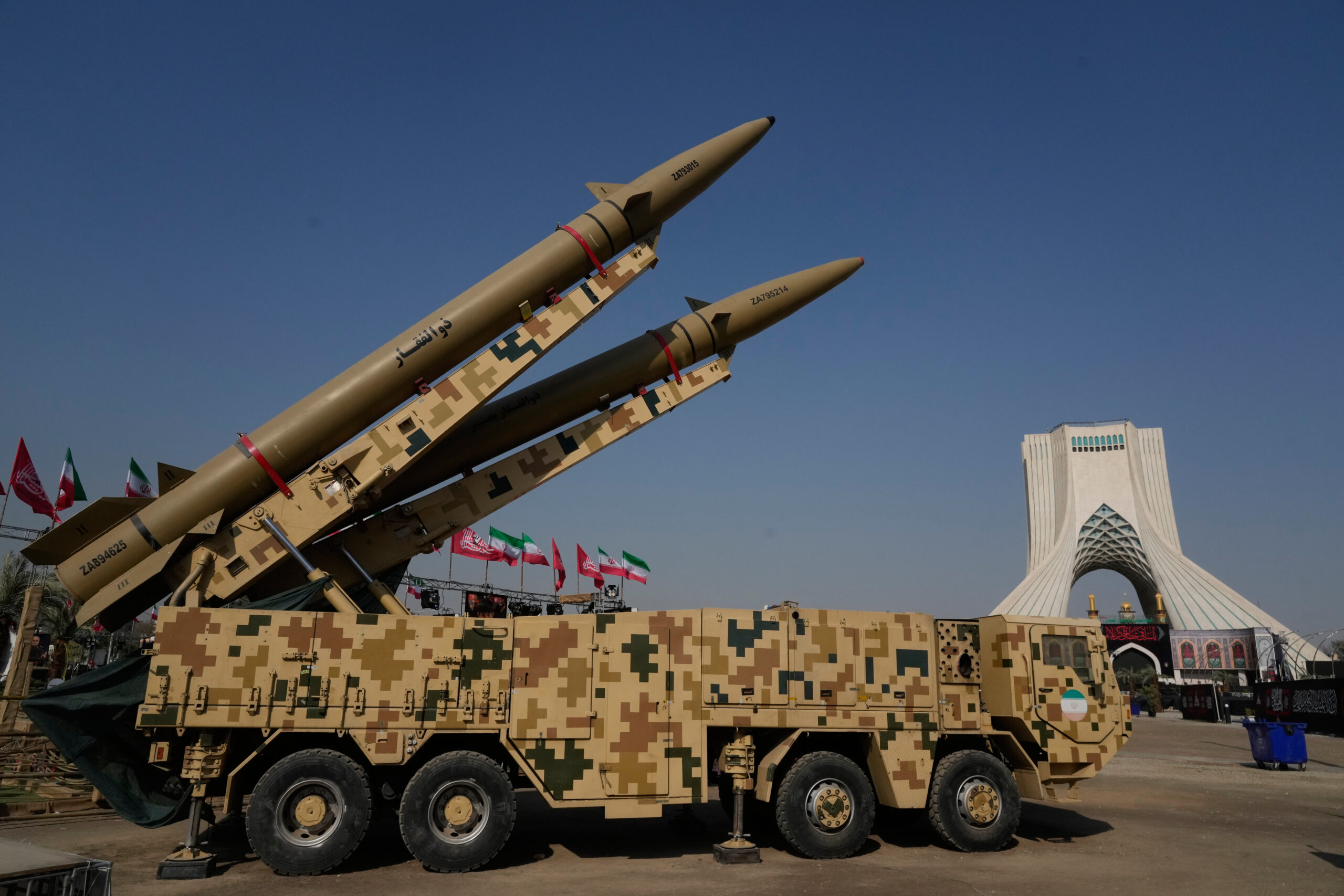
After U.S.-Israeli strikes killed Supreme Leader Ayatollah Ali Khamenei on February 28, Iran’s collective leadership has concluded that the best defense is a good offense.
Iran’s Collective Strategic Decision Making
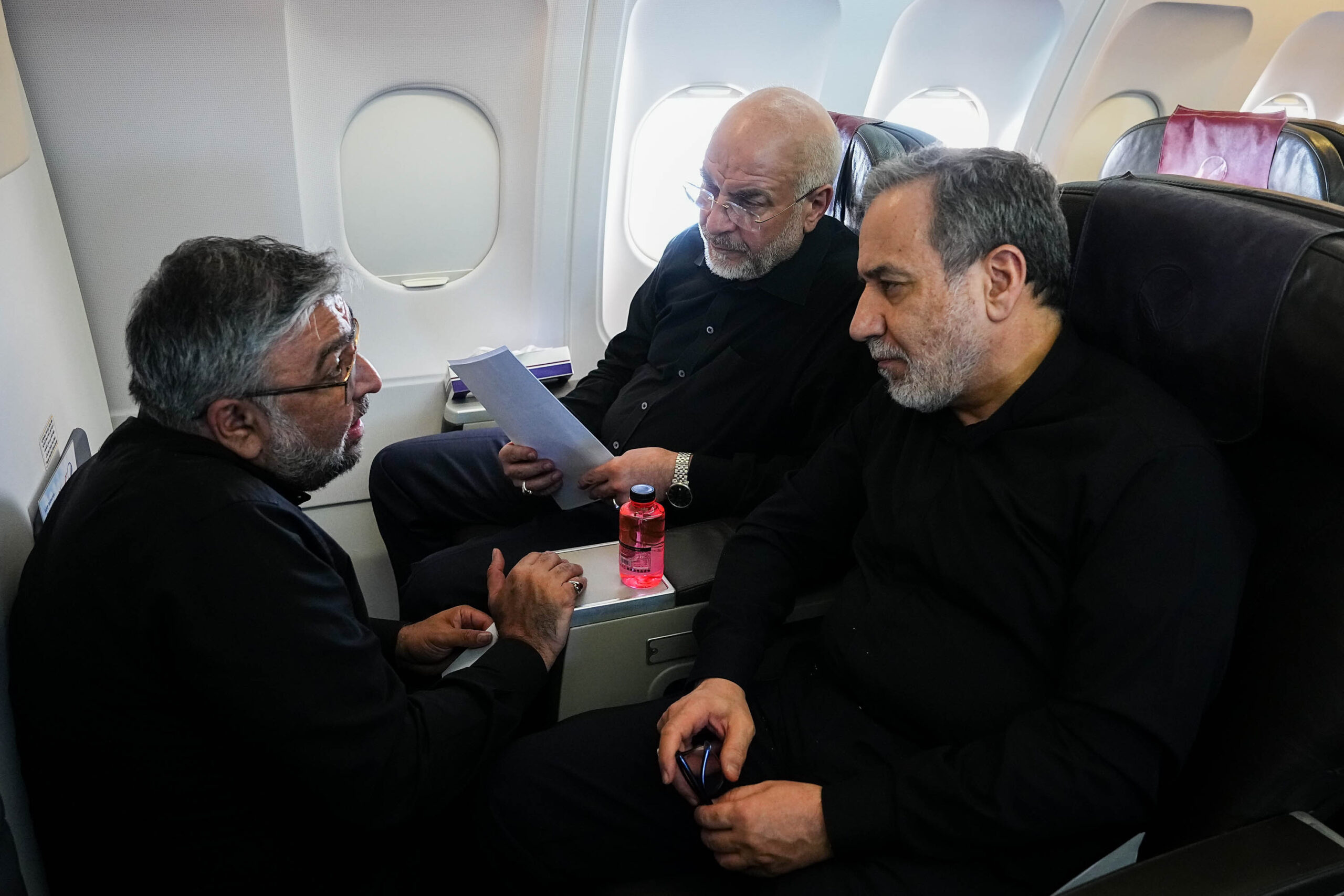
Wartime pressure has temporarily aligned the leadership’s overriding interest in regime survival, even as its members continue to differ over the costs, methods, and ultimate objectives of the war.
The Islamic Republic’s Collective Leadership
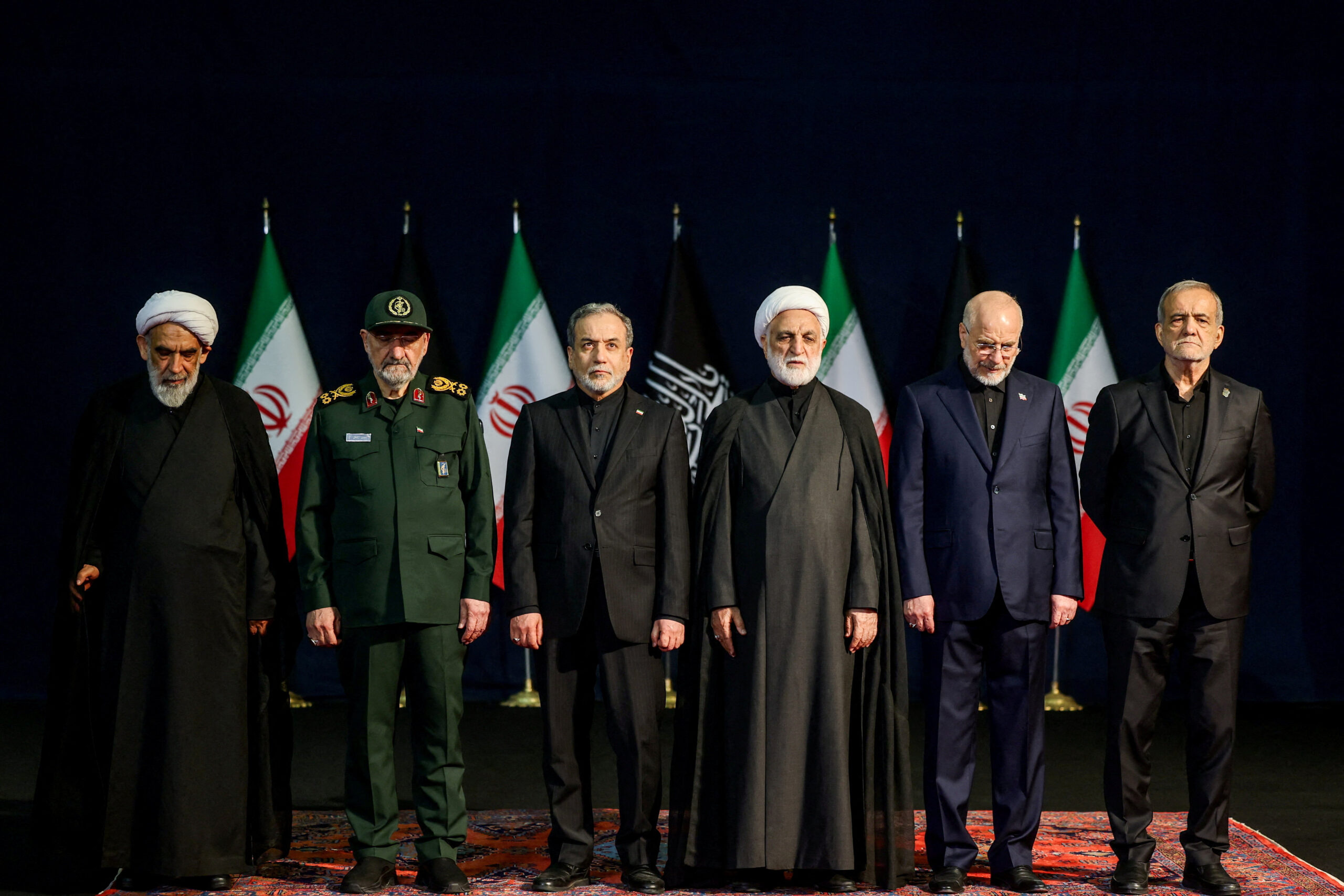
While there is historical precedent for collective leadership in Iran, today’s leadership includes representatives of the IRGC and regular military – a reflection of the IRGC’s expanding role and the necessities of governing under wartime conditions.
How Did the IRGC Seize Power in Iran?
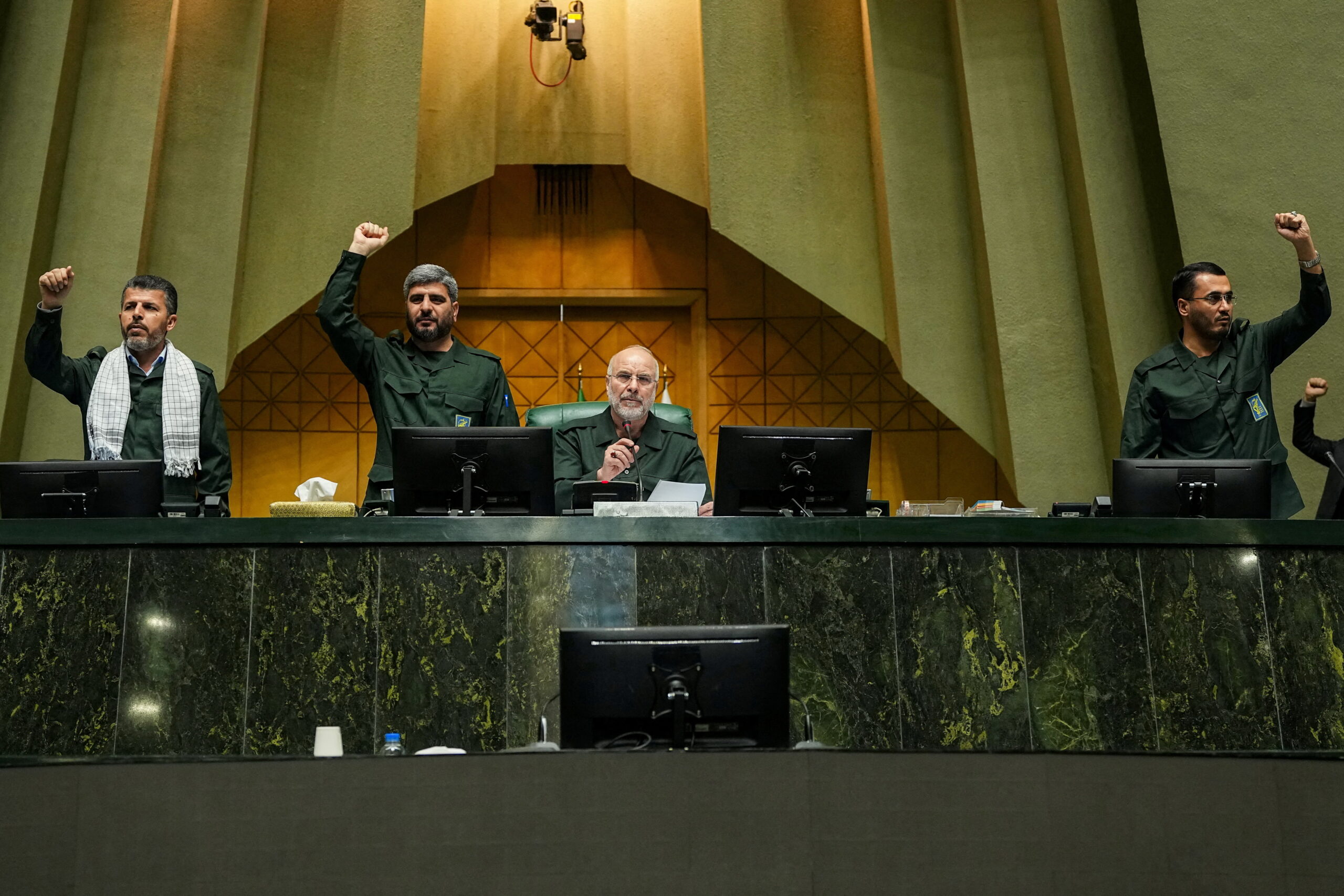
The IRGC did not seize power in a single stroke. It accumulated it – patiently, methodically – until no counterweight remained.
Events
Book Talk: Iran and the Bomb: The United States, Iran and the Nuclear Question
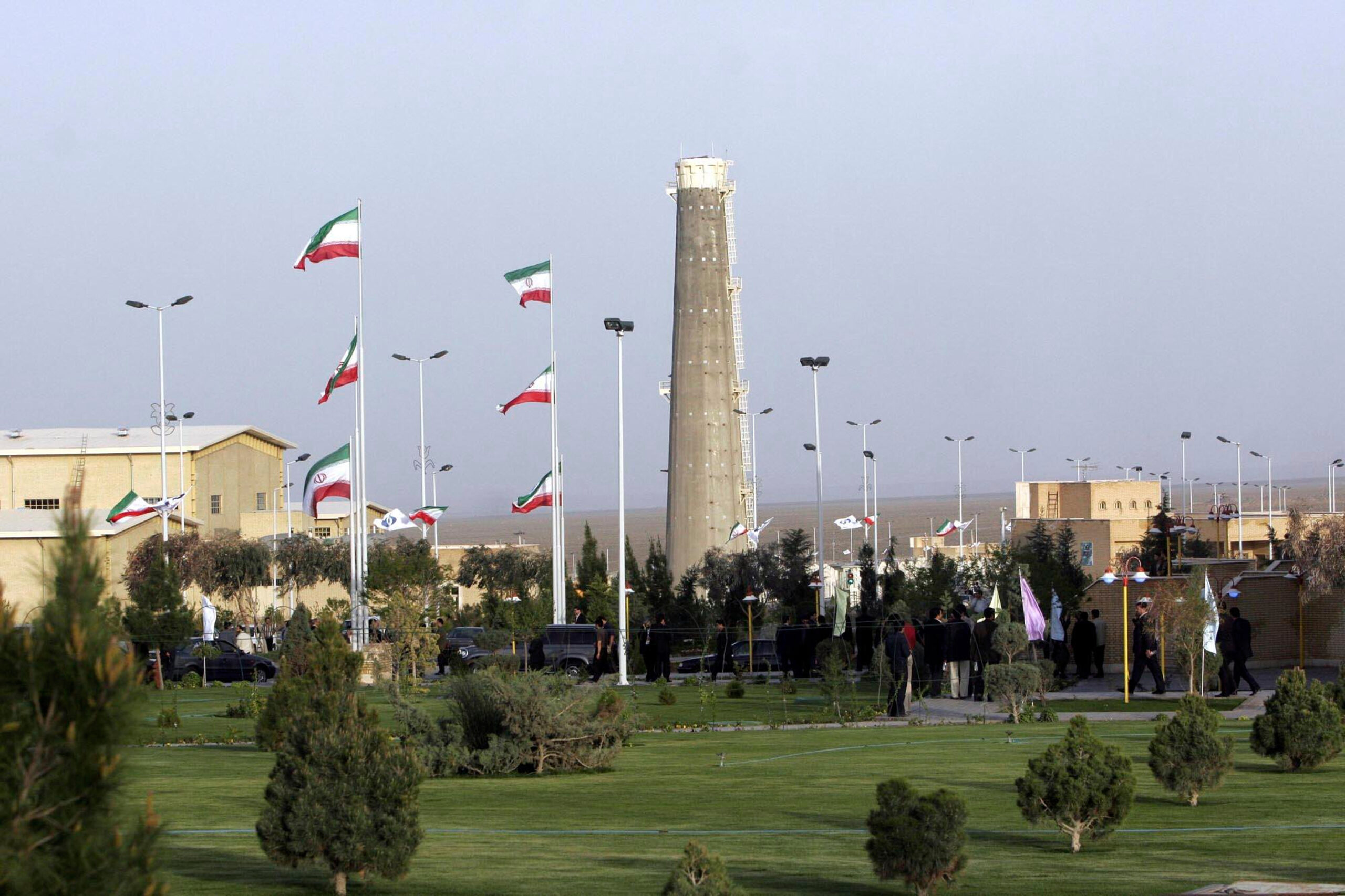
On June 16, AGSI hosted a discussion on the evolution of Iran's nuclear program.
Speakers


Apr 21, 2026
Inside Iran’s Wartime Leadership: Power, Succession, and Regime Stability
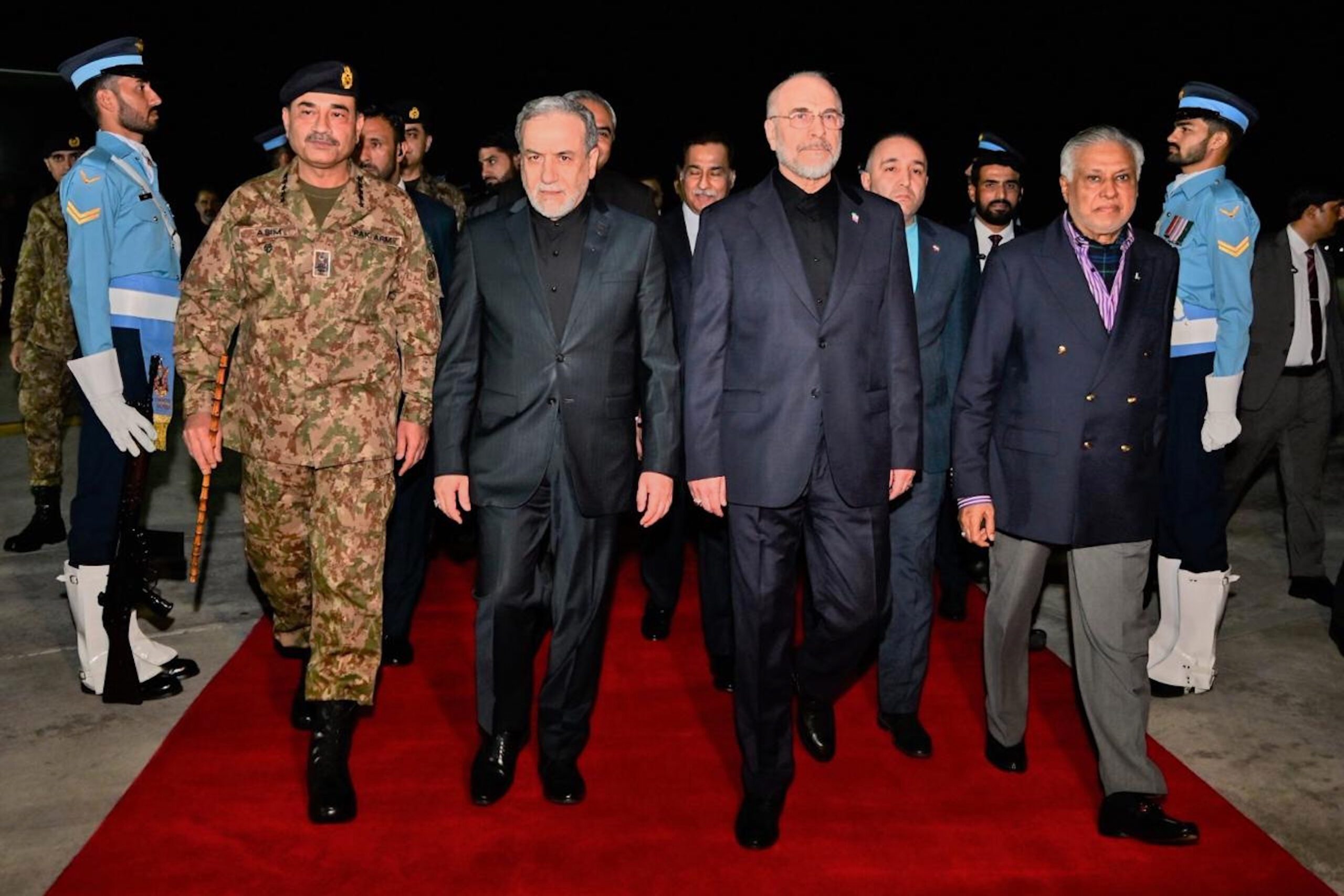
On April 21, AGSI hosted a discussion on the evolution of Iran's leadership during the war.
Speakers

Mar 18, 2026
In Its Conflict With the United States and Israel, Does Escalation Favor Iran?
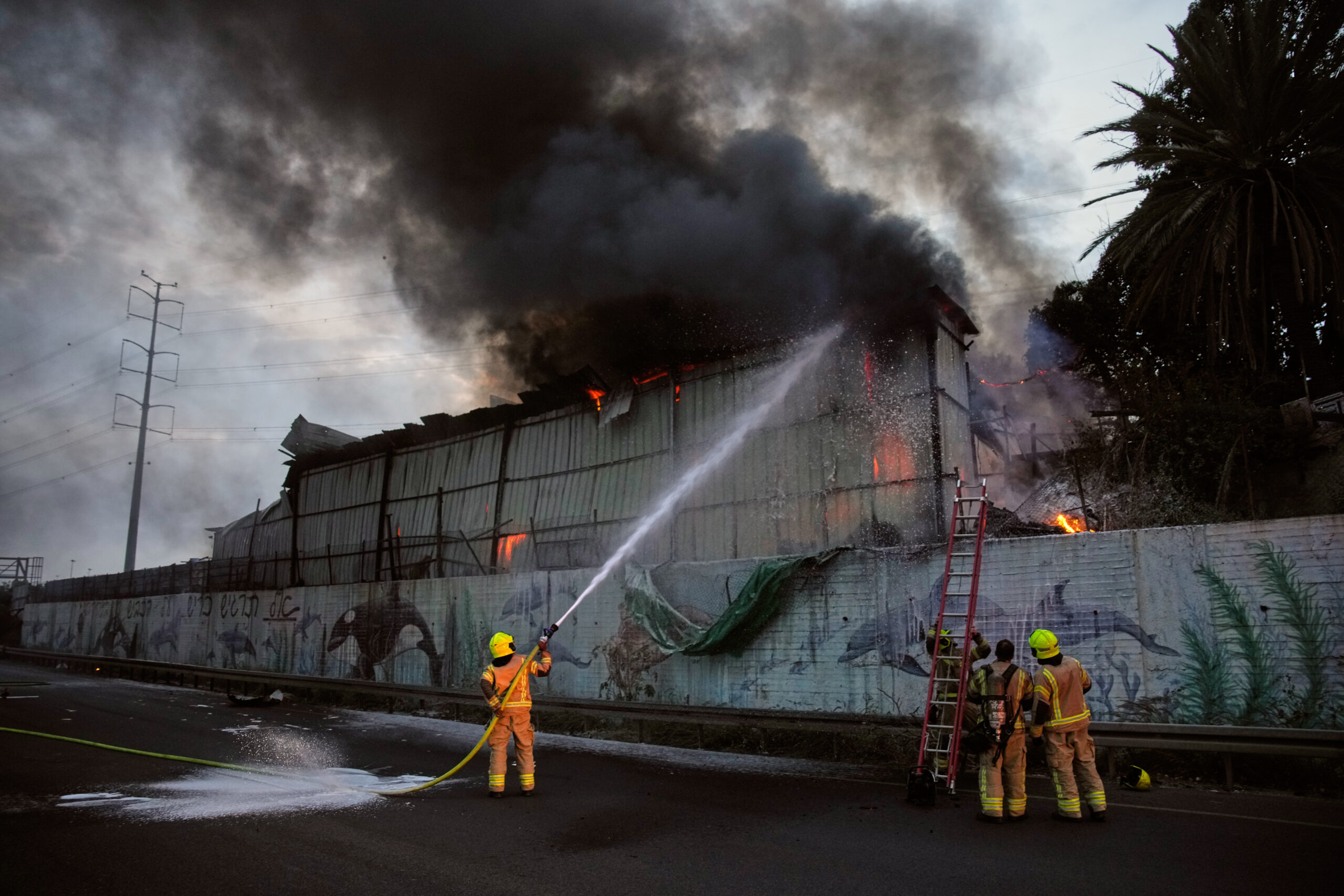
On March 18, AGSI hosted a discussion on the escalation of the Iran war.
Speakers



Mar 2, 2026
After the Shock: Implications of the U.S.–Israeli Strikes and Iran’s Leadership Transition
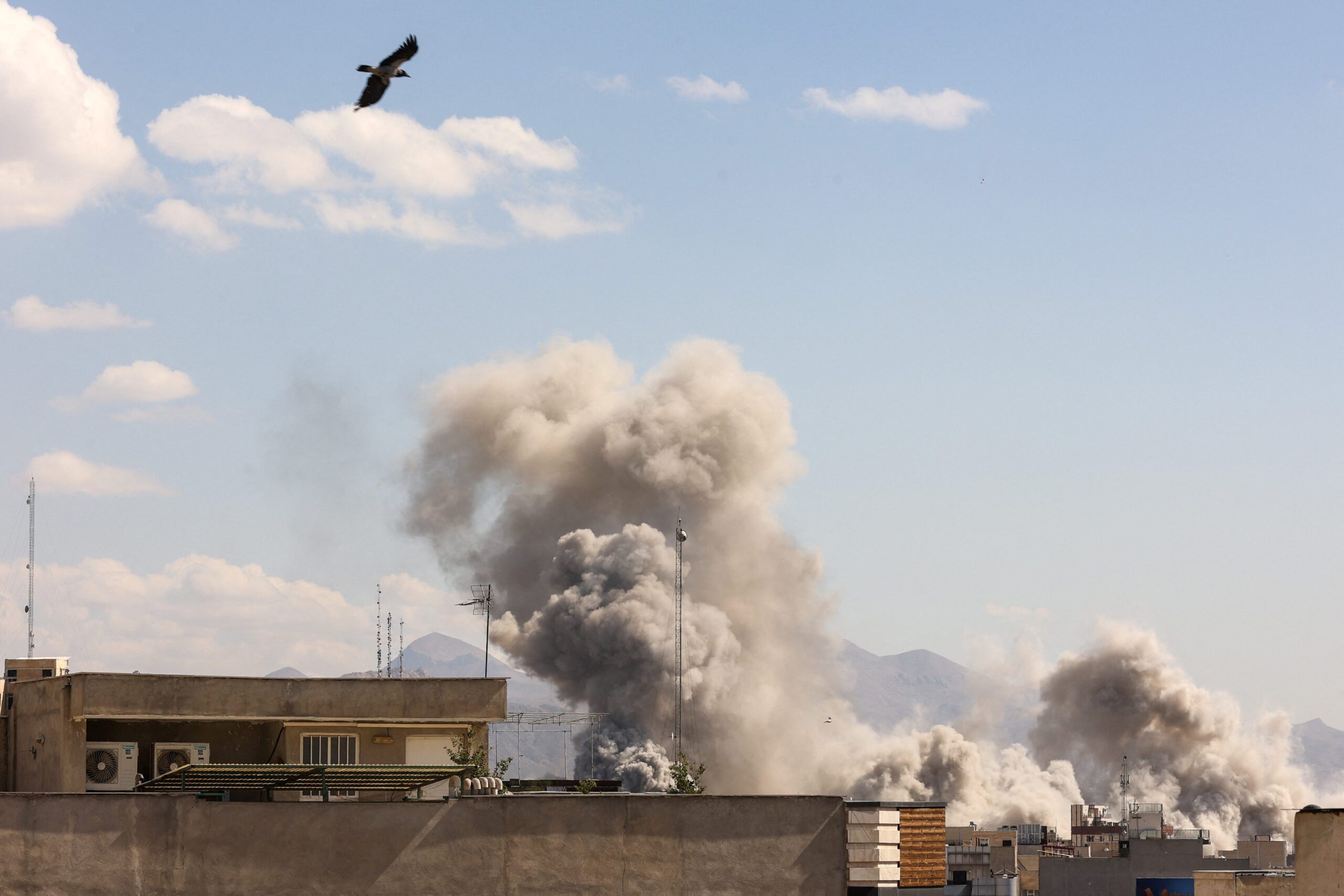
On March 2, AGSI hosted a discussion on the U.S.-Israeli strikes on Iran.
Speakers