“Islamism is dead!” announced Said Ferjani, a leader of the progressive wing of Ennahda, Tunisia’s main Islamist party, as we drank coffee in a hotel cafe here last month. Mr. Ferjani, a former hard-liner who once plotted a coup against the regime of President Zine el-Abidine Ben Ali, was upbeat as he described the historic transition his...
“Islamism is dead!” announced Said Ferjani, a leader of the progressive wing of Ennahda, Tunisia’s main Islamist party, as we drank coffee in a hotel cafe here last month. Mr. Ferjani, a former hard-liner who once plotted a coup against the regime of President Zine el-Abidine Ben Ali, was upbeat as he described the historic transition his party was about to make.
His wing had combined with the party leadership to push through a raft of resolutions that would not only rebrand Ennahda but also break with the tradition of political Islam that began with the Muslim Brotherhood, which was founded in Egypt in the late 1920s. According to Mr. Ferjani, Islamism had been useful under the Ben Ali dictatorship when “our identity and sense of purpose” was threatened by an authoritarian state. Now that Ennahda is engaged in open, legal party politics under a new Constitution, which it helped to write, and competes for national leadership, the Islamist label had become more a burden than a benefit.
The party’s co-founder and leader, Rachid Ghannouchi, was more circumspect when I interviewed him at his home. He shifted uneasily when I asked him whether he thought Islamism was dead.
“I wouldn’t put it that way,” he commented. But he did reject the label, saying, “We don’t see any reason to distinguish ourselves from other Muslims.” Both Mr. Ghannouchi and Mr. Ferjani prefer the term “Muslim Democrats” — which deliberately draws an analogy with the Christian Democratic parties of Western Europe — to describe their new, post-Islamist identity.
In particular, Mr. Ferjani’s explicit commitment to the principles of freedom and equality makes him perhaps the foremost post-Islamist political figure in the Sunni Arab world. While he calls himself a conservative and extols “family values,” Mr. Ferjani says he regards sexuality, sexual orientation and gender identity — including the transgender issues preoccupying the United States — as private and personal, and not matters for the state or legal authorities to prescribe.
Mr. Ferjani also adheres to the neutrality of the state on religious matters. He equates religious freedom with freedom of conscience, and believes agnostics and atheists should enjoy the same civil rights as monotheists.
Again, in our interview, Mr. Ghannouchi was predictably more cautious. He advocated equality among Muslims of all sects, somewhat more grudgingly extending it to Christians and Jews, and legalistically referring to “constitutional protections” for atheists and agnostics.
At last month’s Ennahda Congress, the 1,200 delegates approved most of the sweeping changes to the party’s platform that the Ferjani faction and the Ghannouchi leadership had called for. The most important measure drops the party’s commitment to “dawa,” proselytizing Islamic values. This makes the party a purely political organization, with no overt religious mission — a radical break from the Muslim Brotherhood tradition from which the Ennahda movement sprang.
In Tunisia and across the Arab world, liberals, secularists and critics of Islamism remain skeptical. On more than one occasion here in the capital, I witnessed the idea of Ennahda’s new stance evoking peals of laughter from prominent political opponents. They support dialogue, cooperation, even coalition partnership with Ennahda, but this “post-Islamist” declaration they found impossible to take seriously.
It is true that many of the movement’s leaders have not fully reconciled with the idea of moving beyond the Muslim Brotherhood vision. After the 2011 revolution, which helped bring Ennahda to power, the party seemed determined to cling on at all costs — until a critical moment in 2013 when the Brotherhood government of President Mohamed Morsi in Egypt was ousted by a military-backed uprising. After seeing the downfall of its Egyptian counterpart, Ennahda scrambled to protect itself by stepping down and agreeing to a series of compromises.
That experience, combined with a new realism about most Tunisians’ lack of sympathy for an avowedly Islamist government, gave rise to this project of rebranding. There’s no question that it’s all part of Ennahda’s long-term plan to return to power.
But the sincerity of its transformation is hardly relevant. Ennahda is no longer an underground movement or secret society. It is an aboveboard political party that is vying for power in Tunisia’s fledgling constitutional, democratic system.
This was always how Islamism was likely to evolve in practice. There would never be an epiphany in which old-school authoritarian Islamists were instantly converted in a moment of supreme insight into democratic social conservatives. It is necessarily a messy, contextual transition, primarily driven by the search for power in an Arab world where most people are devoutly Muslim but remain suspicious of the proponents of political Islam.
What Ennahda’s critics and supporters alike should understand is that the intentions of its leadership don’t matter — in a democracy, it is public words and deeds, not secret thoughts, that count. Even if the rebranding as “Muslim Democrats” is a cynical ploy, the party will have to follow through to gain power in a Tunisian society that won’t accept old-style Islamism. Muslim Democrats will be what Ennahda has to become.
The future of Islamism in Muslim countries everywhere is deeply linked to the progress of the new-look Ennahda. And its fate is therefore bound up with the survival of the new Tunisia.
Partly against its own inclinations, Ennahda has become the first post-Islamist political party in the Arab world. The stakes, for the region and for the world, in Tunisia’s fragile democratic experiment have just increased immeasurably.
This article was originally published by The New York Times.
The views represented herein are the author's or speaker's own and do not necessarily reflect the views of AGSI, its staff, or its board of directors.
A year after the signing of the Abraham Accords, Saudi Arabia remains poised between joining the accords or deciding it is not worth the many risks involved.
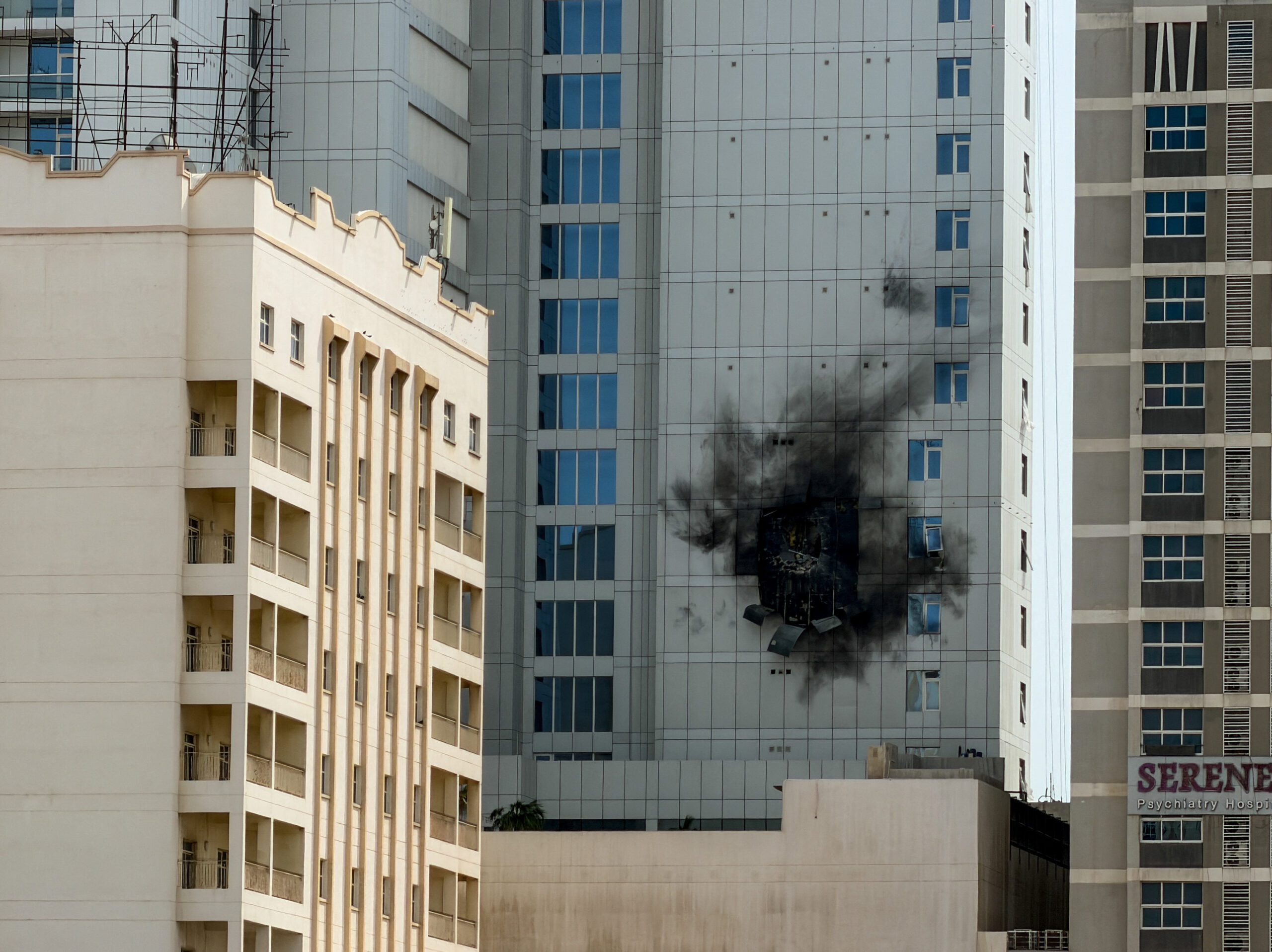
Though they were unsuccessful in preventing the current conflict, and, as expected, have been dragged into the U.S.-Israeli confrontation with Iran, Gulf Arab countries remain crucial to hopes for limiting the war and bringing it to a quick resolution.
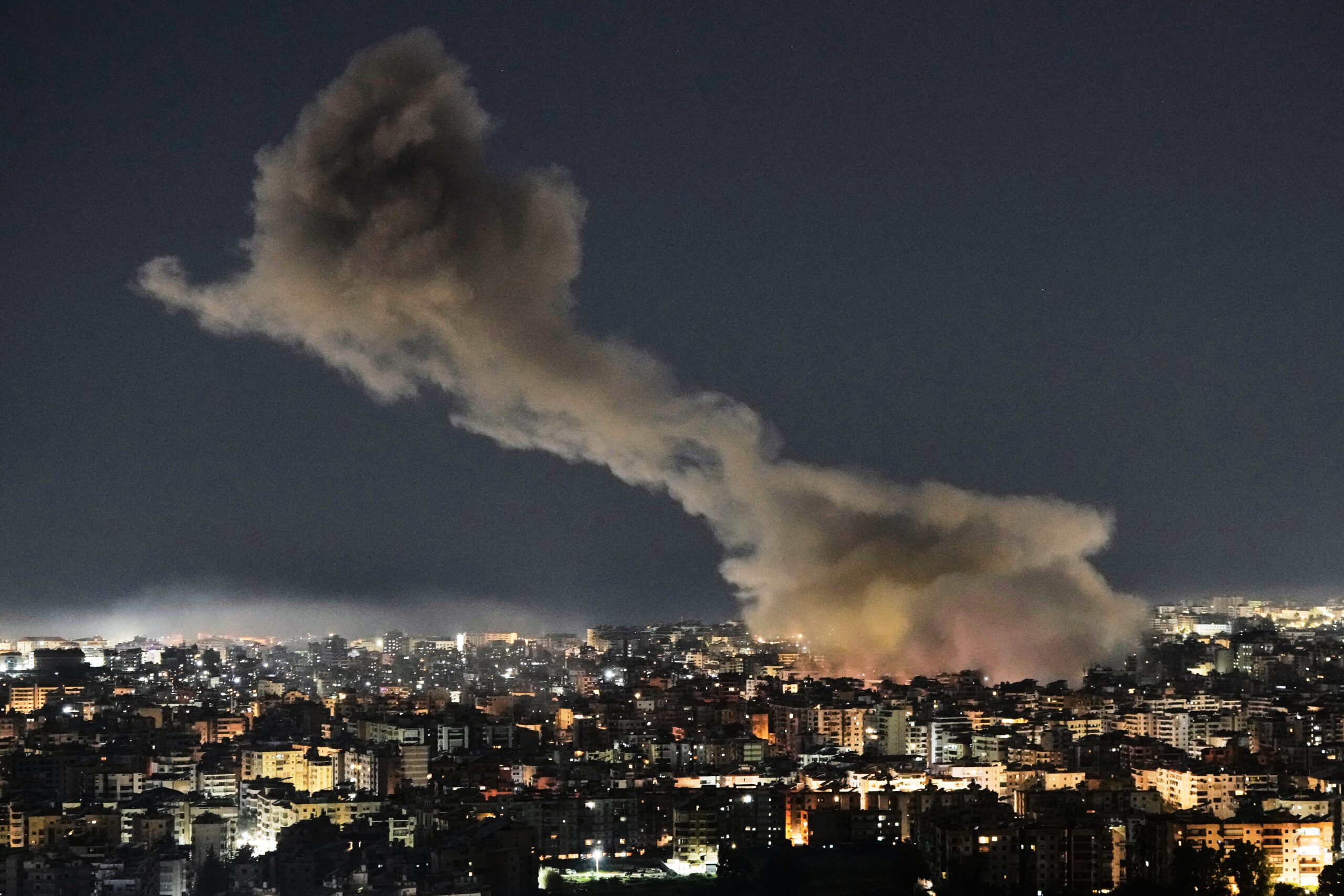
After decades of tolerating Hezbollah’s warmaking independence, the current crisis has compelled Lebanese leaders to ban its military activities; this project will do much to determine the reach Iran can maintain in the Arab world.
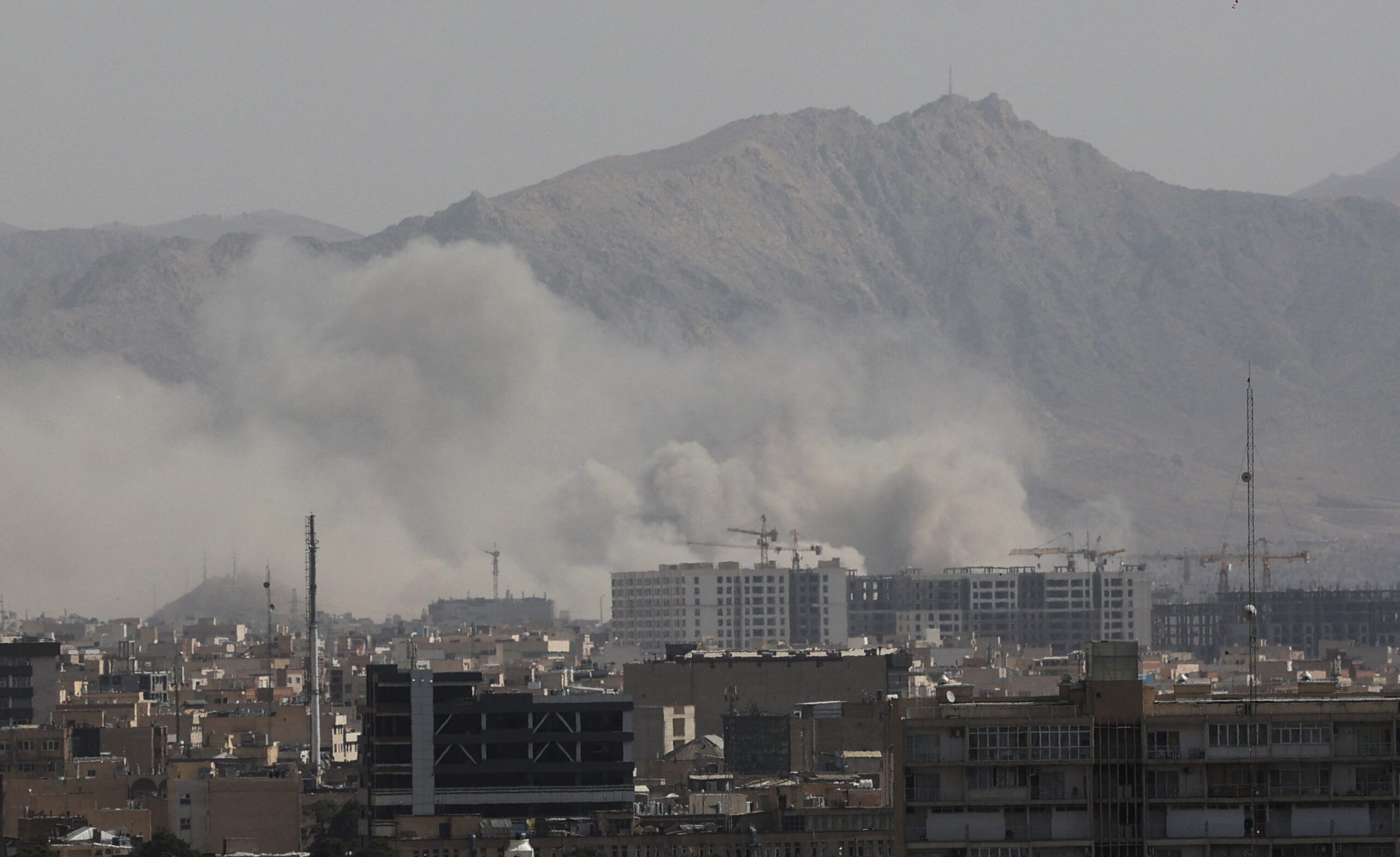
Gulf Arab countries urged the United States not to strike Iran, but now that is happening, they are in danger of being sucked into a conflict they cannot control but that will likely reshape their present and future realities.
When quickly debunked rumors in the Israeli media that the UAE was seeking to manage postconflict Gaza were widely welcomed in Israel, it demonstrated both the trust the UAE has built among Israelis but also their lack of understanding of Emirati policies and interests.
On January 8, AGSI hosted a virtual roundtable with its leadership and scholars as they look ahead and assess trends likely to shape the Gulf region and U.S. foreign policy during the coming year.





Jun 6, 2016
‘Islamism Is Dead!’ Long Live Muslim Democrats
“Islamism is dead!” announced Said Ferjani, a leader of the progressive wing of Ennahda, Tunisia’s main Islamist party, as we drank coffee in a hotel cafe here last month. Mr. Ferjani, a former hard-liner who once plotted a coup against the regime of President Zine el-Abidine Ben Ali, was upbeat as he described the historic transition his...
8 min read