The recent visit by the Saudi crown prince to Washington turbocharged prospects for U.S.-led mediation on Sudan, but the case for skepticism remains compelling.
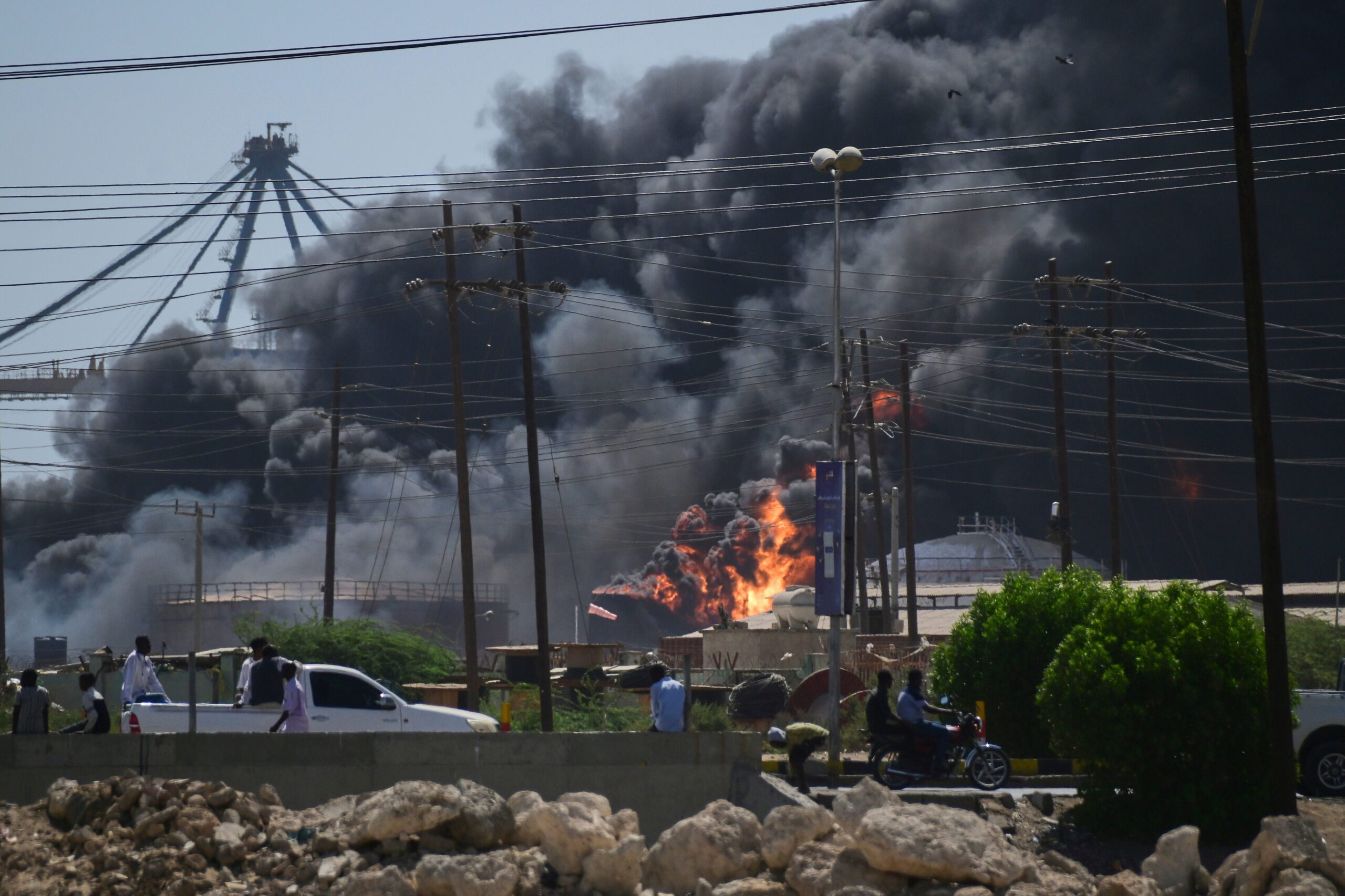
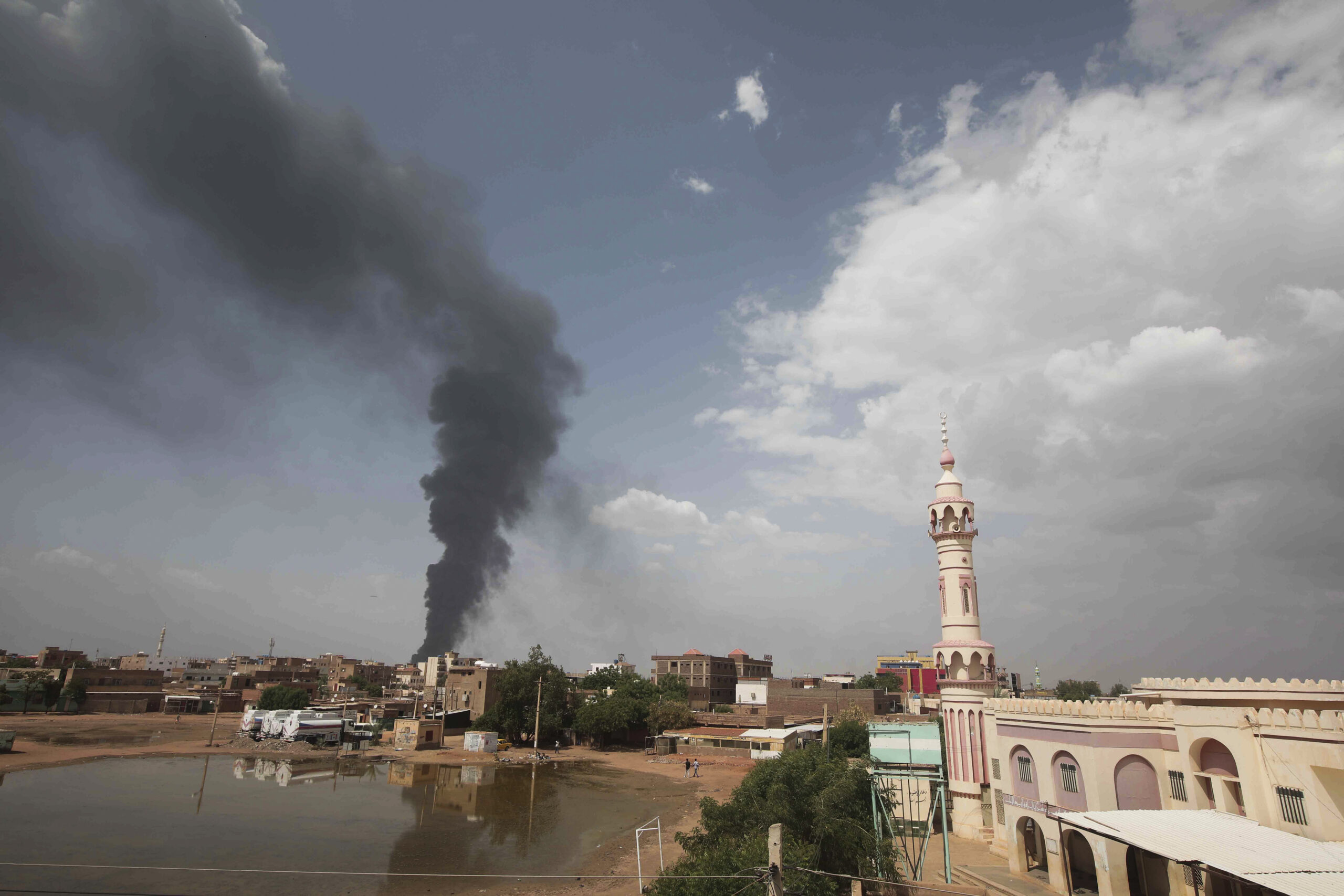
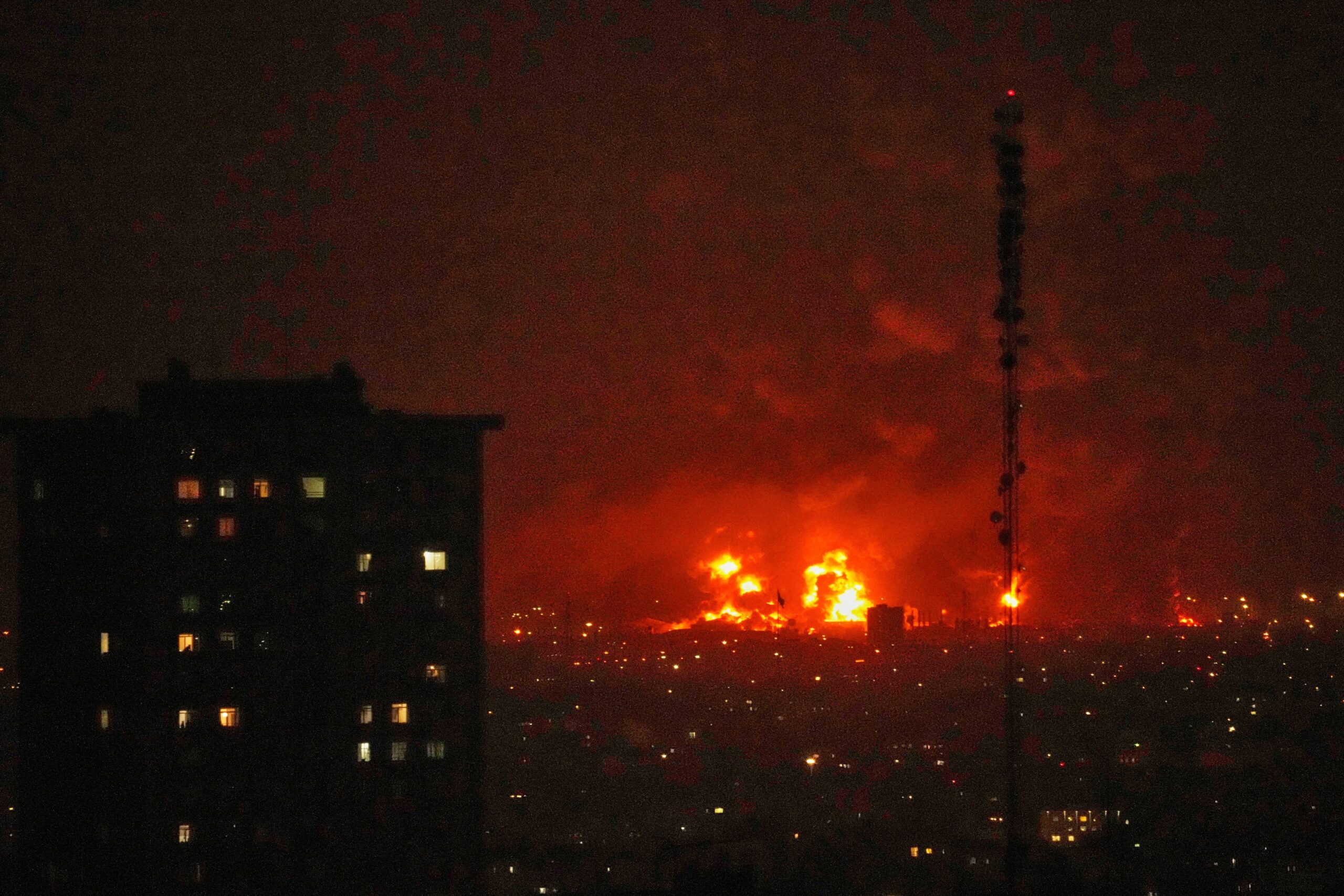
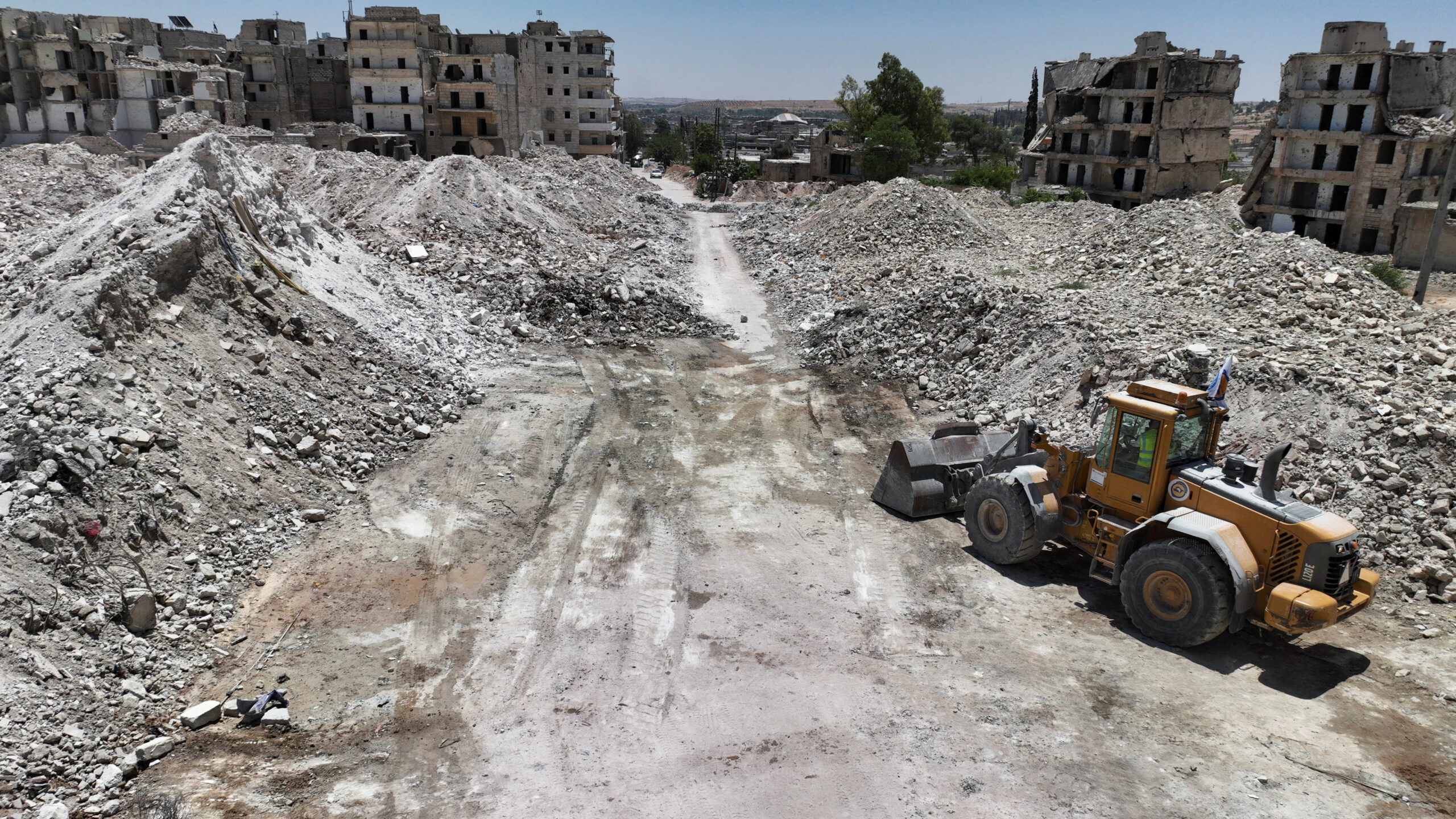
Smoke billows after drone strikes by the paramilitary Rapid Support Forces targeted the northern port in Port Sudan, Sudan, May 6. (AP Photo/File)
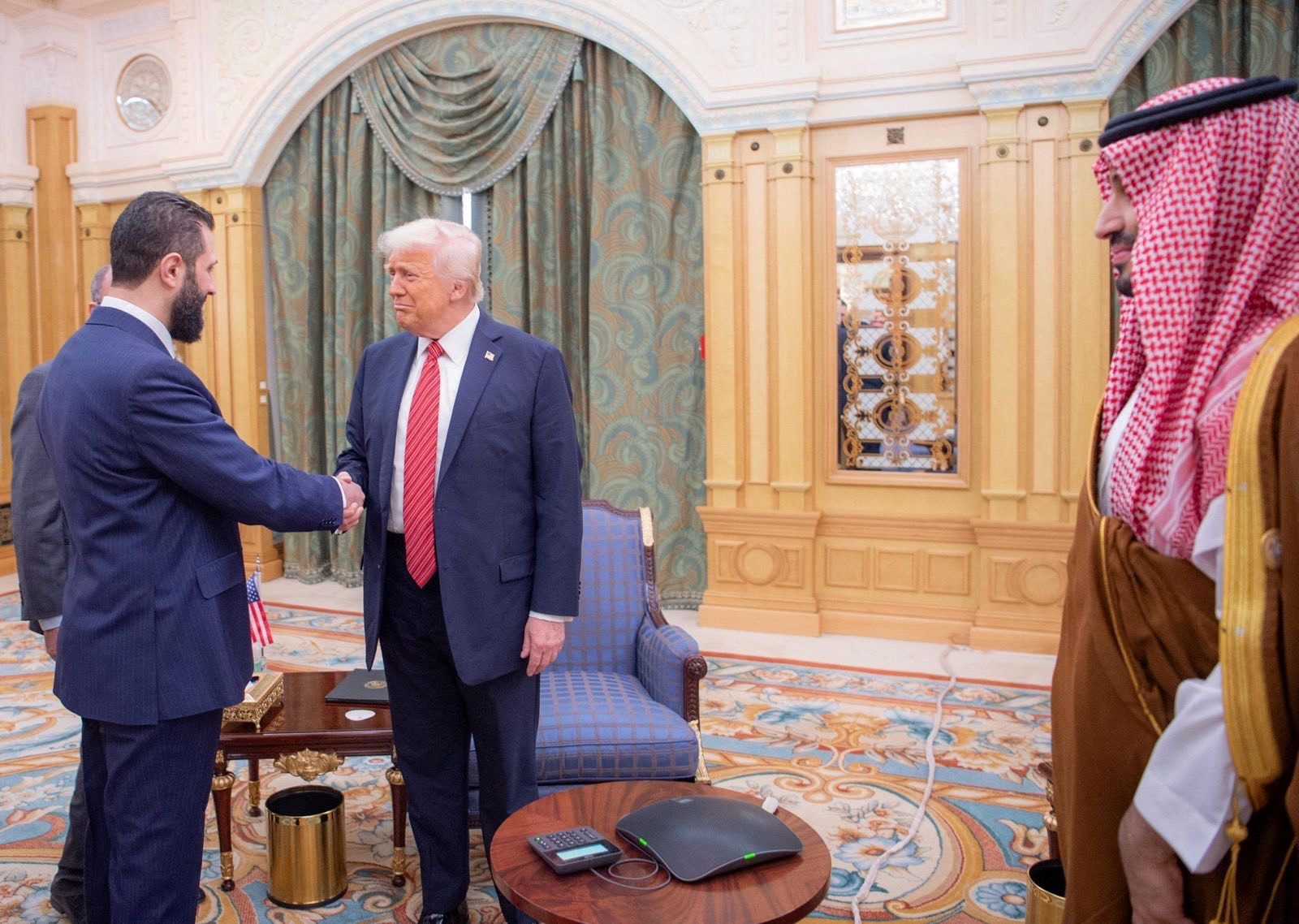
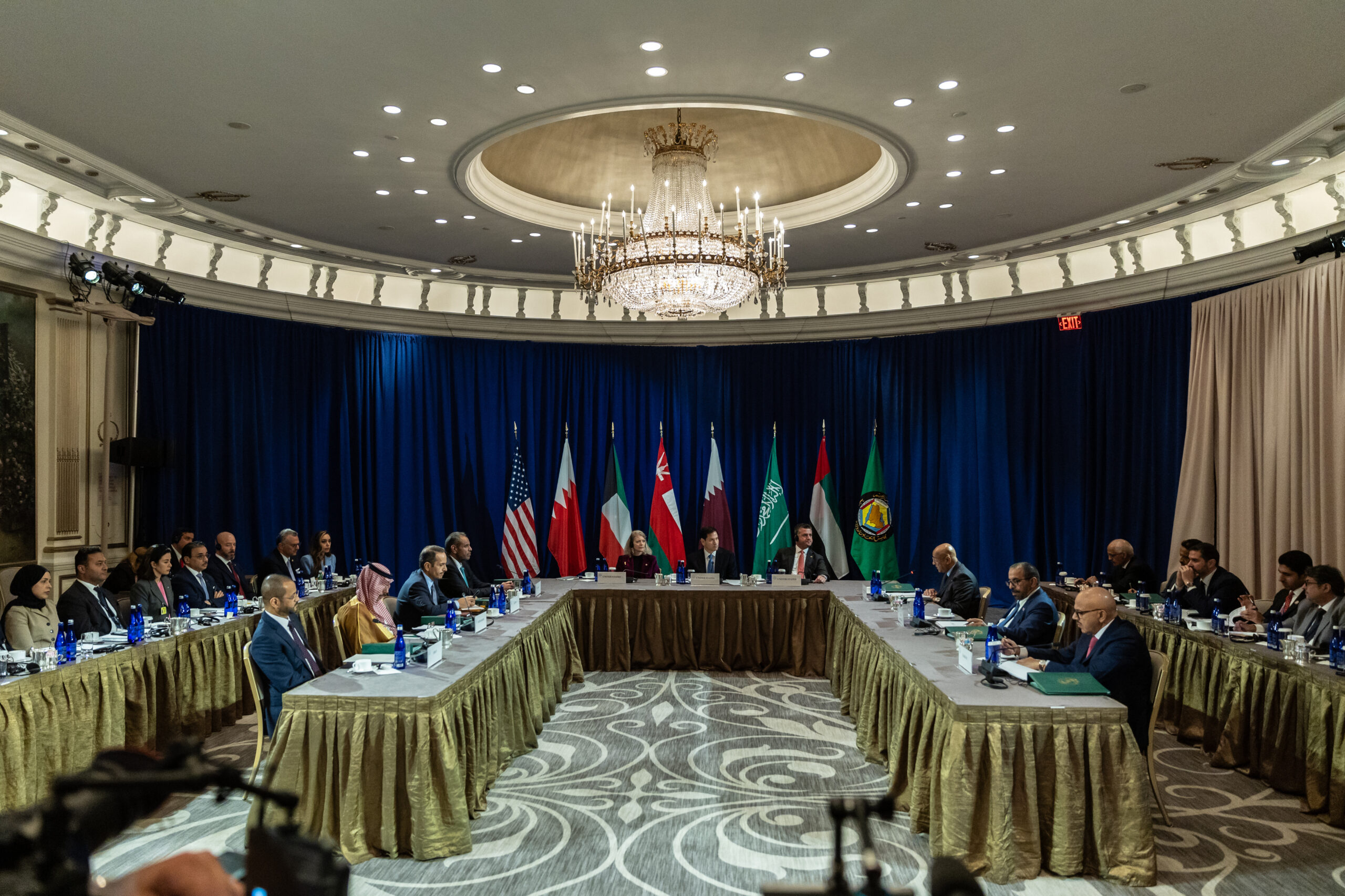
Saudi Crown Prince Mohammed bin Salman gave the issue of Sudan heightened prominence when he raised it with President Donald J. Trump during their November 18 White House meeting, requesting the president’s involvement in resolving the conflict. Trump cited the crown prince’s intervention twice the following day and insisted the United States would intensify its diplomatic involvement to resolve the bloody conflict. As follow-up U.S. diplomatic efforts by the senior Africa envoy, Massad Boulos, made clear in late November, the primary vehicle for those efforts remains the “Quad roadmap,” named for the four key countries – the United States, Saudi Arabia, the United Arab Emirates, and Egypt – that have come together since June to try to mediate the conflict. The roadmap text, the result of intense negotiations led by Boulos since June, was endorsed by the Quad September 12.
Boulos has been in communication with Sudan’s military leaders since the late summer to try to end the conflict, including a direct meeting with Sudan’s army chief and de facto head of state, Lt. Gen. Abdul Fattah al-Burhan, in Switzerland in mid-August. He has not met directly with the head of the paramilitary Rapid Support Forces, Lt. Gen. Mohammed Hamdan Dagalo, widely known as Hemedti. In spite of media accounts reporting the Rapid Support Forces’ acceptance of the Quad plan, neither side has formally accepted it, according to Boulos. Burhan has partially walked back initially harsh language rejecting the plan as unacceptable and biased.
Pivotal Gulf Influence
The involvement of both Saudi Arabia and the UAE in the ad hoc Quad grouping points to the pivotal involvement of the Gulf states in diplomacy focused on the conflict in Sudan. The UAE is alleged to be supporting the Rapid Support Forces militarily, accusations it has consistently denied. While Saudi Arabia and Egypt have offered consistent diplomatic support for Burhan and the Sudanese Armed Forces, Egypt has denied allegations of providing the Sudanese government military support. Media and U.S. government sources have raised questions about these denials.
Russia and Iran Intervene
The evidence of outside involvement in Sudan’s war is overwhelming. Russia for a sustained period was accused of playing both sides. It provided diplomatic support to the government and signed agreements for infrastructure, postwar reconstruction, and establishing a naval base at Port Sudan. At the same time, Russia has used elements of the former Wagner Group to provide weapons to the Rapid Support Forces and logistical support for the group’s gold smuggling through regional bases it controlled in Libya, west of Sudan. Iran has also intervened in the conflict, providing arms for the Sudanese government, including drones and other military equipment that helped turn the tide for the Sudanese Armed Forces to retake Khartoum early this year, helping the government consolidate control over eastern and central Sudan.
Recent Battlefield Dynamics
The more recent battlefield dynamics point to the Rapid Support Forces’ ascendancy, with its brutal November takeover of El Fasher, in the Darfur region. The Rapid Support Forces has moved on with a severe military offensive aimed at the town of Babanusa and other gateway nodes in the sprawling Kordofan region east of Darfur. The Sudanese Armed Forces has denied recent reports the town has fallen to the Rapid Support Forces. The battlefield dynamics, particularly in the takeover of El Fasher, have been accompanied by widespread reports of Rapid Support Forces atrocities, including mass killings, sexual violence, targeting of non-Arab ethnic groups, and grisly efforts to destroy or conceal human remains. In tandem with intensifying reports of widespread famine in the months preceding the El Fasher takeover, and reiterated findings of genocidal behavior by the Rapid Support Forces, the conflict in Sudan was thrust front and center into the focus of the international community in the weeks leading up to Mohammed bin Salman’s Washington visit and help explain how Sudan became a pivotal issue, prompting Trump’s pledge to the Saudi crown prince to try to end the conflict.
Prospects for a Settlement
The critical issue to address relates to prospects for ending the war. Is there a credible opportunity to tie off this raging conflict and stick the diplomatic landing with a civilian-led transitional government as called for in the Quad plan? Several factors point to the outside possibility of success. They include the heightened U.S. involvement, supported by Trump, to facilitate mediation efforts. The Quad resolution effort also points to a degree of increasing regional alignment – often a key factor in ending civil conflicts – reflecting broader international scrutiny of the conflict and growing pressure to coordinate an ending rather than perpetuate the competition that has fed the war. The latest wave of appalling violence, cresting at El Fasher, is also pushing the conflict to the apex of global humanitarian priorities requiring mediation and resolution and sharpening the international consensus that the war’s costs are unsustainable. Those unsustainable costs are a reality that increases pressure on the sides involved in prosecuting or supporting the war to consider a cease-fire and a political solution. Analysts who have examined how wars end believe such consensus and pressure on intervening states often serve as precursors for a credible effort to end the conflict with a settlement. Fears about regional spillover that could lead to an arc of instability linking the Sahel with the Horn of Africa and Red Sea commercial and security interests represent yet another reason to believe this conflict’s due date for settlement looms ominously as does analysis in conflict literature pointing to a “mutually hurting stalemate.” Egypt and Saudi Arabia, given their geographical proximity, view the conflict in Sudan as a national security threat.
A More Skeptical View
While the appalling humanitarian costs, devastation of infrastructure, military exhaustion on both sides, and increasing international pressure on external actors might seem to support the notion that the conflict in Sudan has ripened for forceful mediation and a political transition, the case for pessimism seems more compelling. The two sides do not seem that exhausted and exhibit significant recalcitrance – or evasive action – when confronted with the prospect of engaging in mediation to end the conflict. Sudan’s government has exhibited significant recalcitrance with its public response to the Quad plan; the Rapid Support Forces, while using more adroit rhetoric expressing support for Quad efforts and a self-imposed three-month cease-fire, has demonstrated battlefield recalcitrance and cynical use of public statements endorsing mediation, while it pushes forward with its Babanusa military offensive in the Kordofan region.
Other factors also support the view that fighting will continue, despite the Quad and Trump administration efforts to end it. Regional alignment to end the conflict does not seem all that cohesive and appears to be masking ongoing differences in approach and perceived interests, even among Quad members. Reports at the time of the visit cited Mohammed bin Salman’s efforts with Trump aimed not only at conflict resolution but at prompting U.S. pressure on the UAE. The UAE for its part has contented itself with welcoming Trump’s efforts to end the conflict and expressing support for an immediate cease-fire while accusing Burhan and the Sudanese Armed Forces of “consistently obstructive behavior.”
Military leaders on both sides of the conflict in Sudan seem unwilling to accept that military victory is unattainable, often a key motivator in prolonging conflict. Leaders in such conflicts often prefer to gamble for victory rather than negotiate a compromise. This is true in circumstances where, as in Sudan, sustained atrocities create issues of mistrust and incentives for continuing the fighting, where one or both sides fear post-settlement reneging by the other side and retribution. Analysts of the Sudan conflict also point to now entrenched territorial divisions and rival state-building efforts in territories under each side’s control that also raise the bar quite high for reaching a settlement. Some analysts have pointed to language in the Quad plan referencing the Muslim Brotherhood and hinted or been explicit that such language, aimed at key constituent elements in Burhan’s political and military alliances, would make it difficult to persuade the Sudanese government to participate sincerely in any Quad mediation effort. Anwar Gargash, Emirati presidential diplomatic advisor, pointing toward a red line in the opposite direction, insisted that Sudan’s future “could not be dictated by the Muslim Brotherhood.” In separate comments, Gargash highlighted what the UAE views as a troubling organic link between the Sudanese Armed Forces and the Muslim Brotherhood.
The scramble for resource riches (agricultural land, gold and other valuable and rare earth minerals) in Sudan also seems to be prolonging the conflict, creating incentives that are undermining prospects for a settlement. Resource wealth can fund armed groups, helping sustain long-term fighting. It also creates leadership incentives for continuing to fight. Internally, Hemedti and his family are thought to control much of the lucrative gold trade. Figures in 2021 indicated that nearly 50% of Sudanese gold – valued at more than $4 billion – was smuggled out of the country illegally, much of it controlled by the Rapid Support Forces leader and his family. External players’ picking sides in the conflict are also motivated to a significant degree by this scramble for resources, as analysts on the conflict in Sudan have made clear. External players focused on mineral wealth or rich agricultural lands also view the possibility of port access and naval bases on the Red Sea as a critical way to exercise maritime, commercial, and security influence and control access to a critical gateway to Africa. Conditions of war facilitate this effort to plunder the country for resources and influence, creating perverse disincentives for ending a conflict, according to conflict analysts.
As the Quad mediation efforts ramp up, under newly energized U.S. leadership, it will become clearer whether there is cause for optimism that a settlement of Sudan’s bloody civil war – or even an extended humanitarian cease-fire – is possible at this stage. A review of the dynamics on the ground among the warring parties and among external players vying for influence and resources in the country, when considered in light of key lessons drawn in relevant conflict literature, points to the huge challenges ahead for getting a temporary cease-fire in place and extending it into a longer-term, peaceful transition. There is a persuasive case to be made that the war is likely to grind on.
The views represented herein are the author's or speaker's own and do not necessarily reflect the views of AGSI, its staff, or its board of directors.
The risks of all-out civil war and state collapse are likely to sharpen the now swirling debates over risky external intervention, floundering democracy efforts, and confounding Russian influence.
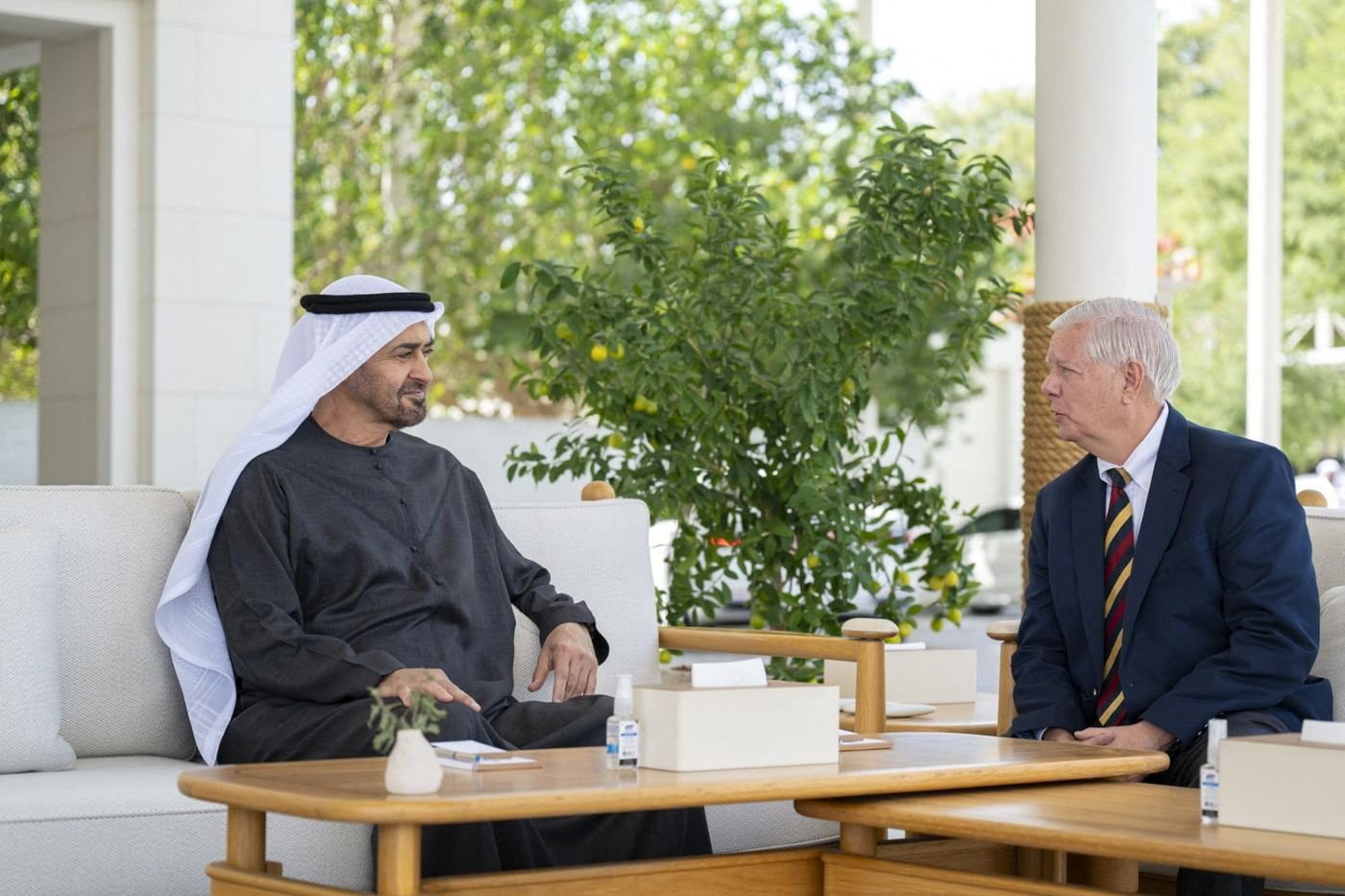
To respond to harsh Saudi criticisms, the Emiratis have sought to reframe, deflect, and calibrate, avoiding escalation while also benefitting from powerful advocates, including Senator Lindsey Graham.
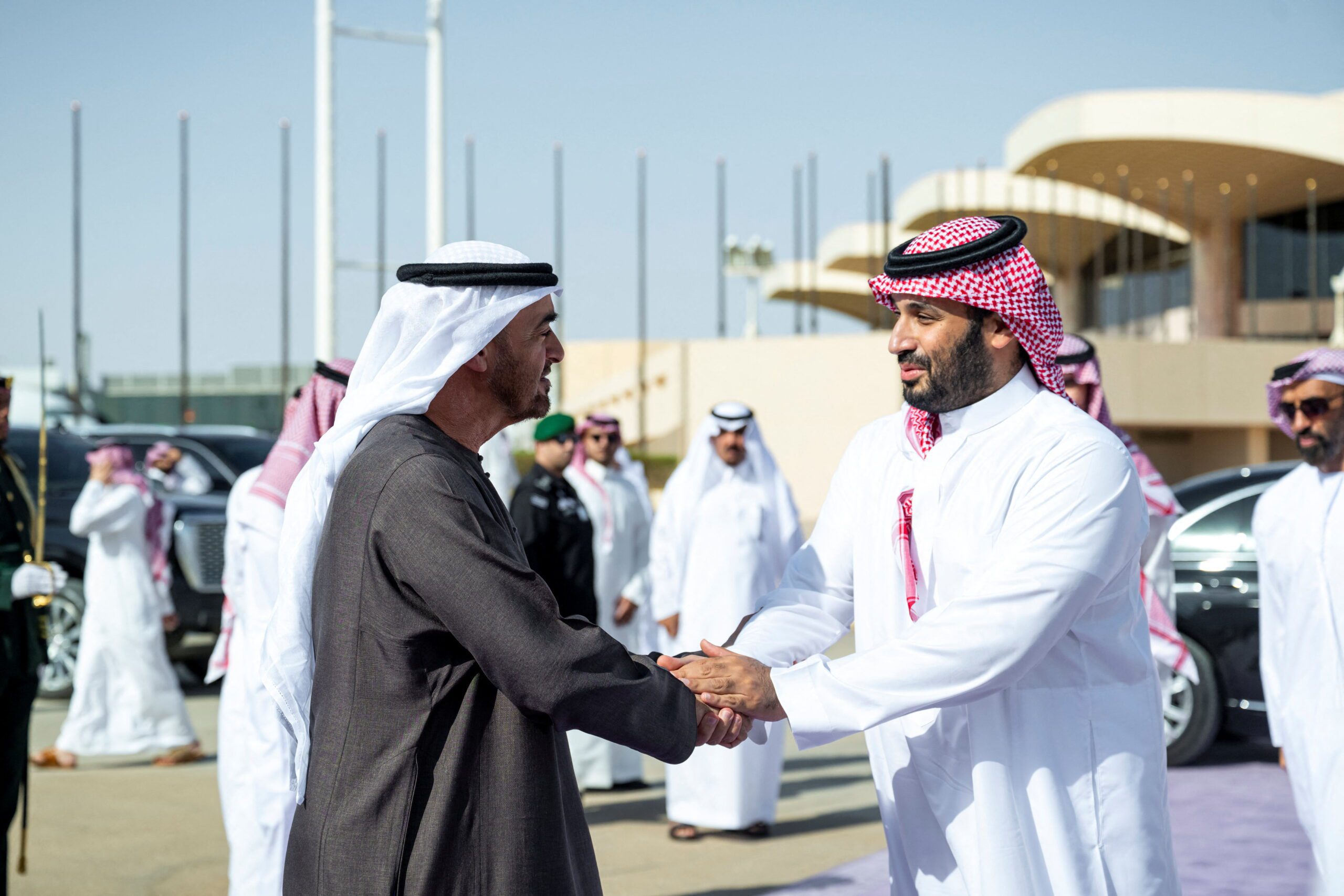
Disputes in the Gulf tend to be structurally constrained by dense interdependence, established patterns of dispute management, and various shades of elite empathy among leaderships.
Syria’s challenge moving ahead will be the difficult effort to develop a political system that will empower Syria’s people to embrace the more pedestrian but necessary political compromises upon which inclusion and representative government are based.
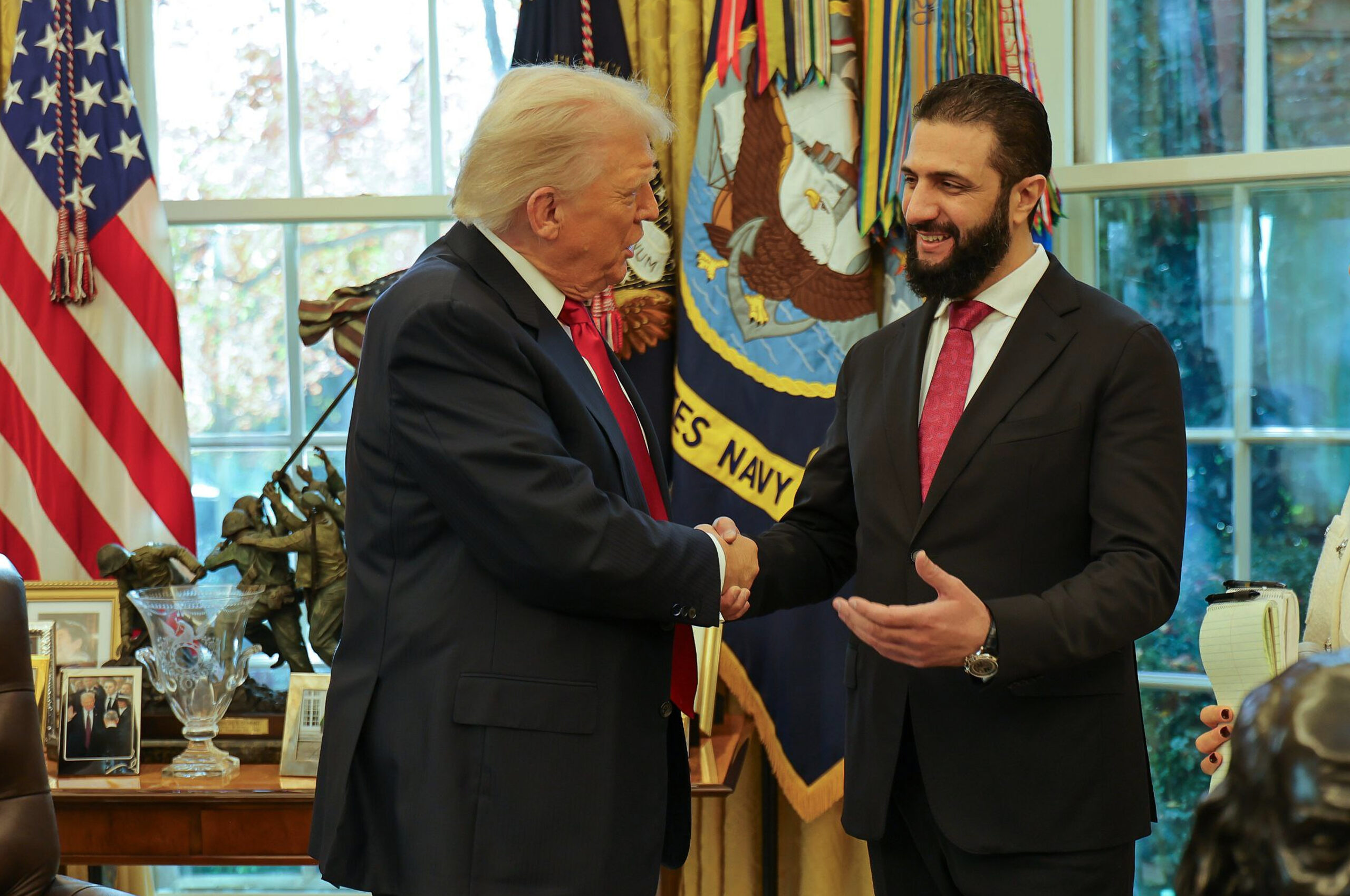
While the Syrian president is the one coming to Washington, he and President Trump each have flipped the script, surprising skeptics with bold action and fresh approaches, opening a desperately needed conversation on Syria.
On January 8, AGSI hosted a virtual roundtable with its leadership and scholars as they look ahead and assess trends likely to shape the Gulf region and U.S. foreign policy during the coming year.