Nov 4, 2022
IRGC Chief to Saudi Arabia: “We Shall Bereave You of Your Calm”
The November 4 edition of the Iran Media Review considers hostile statements made toward Saudi Arabia.

Increasingly hostile statements against Saudi Arabia by Islamic Revolutionary Guard Corps commanders and their allies and affiliates reflect the efficacy of the London-based, and allegedly Saudi-financed, Iran International TV, which has emerged as the voice of the anti-regime protests in Iran. Hostile statements, however, may be followed by hostile deeds.
- October 29: Addressing mourners in Shiraz, which was hit by an attack claimed by the Islamic State in Iraq and the Levant, IRGC Chief Commander Major General Hossein Salami, said, as quoted by Javan: “I’m telling you once again: We will be coming after you with these young people to avenge us … Mr. Biden, we expelled you from Iran and from the region. We shall bury your hopes alive in this land. To the House of Saud and media under its control we say this: We will come after you. You, who incite and sow the seeds of sedition. Think about what may happen to you, but don’t be too calm. We shall bereave you of your calm.”
- October 30: Saad-Allah Zarei, a regional affairs expert close to the IRGC, said in an interview with Farhikhtegan, released by the Akharin Khabar website: “The Saudi regime has accepted to be the headquarters for the riots in Iran and must be held responsible for the riots … But Saudi Arabia did not voluntarily choose or even plan the project. The project was outsourced to the Saudis, who are involved in a war by proxy against Iran … It is not Iran’s policy to destabilize Saudi Arabia. If we want to destabilize Saudi Arabia, it is not such a difficult job. As you know, 7.5 million, or 38% of the population of Saudi Arabia is Shia … who are inspired by Iran. Had we desired to pursue a similar policy toward Saudi, we could have done it, but our policy is not one of destabilizing the region … They are involved in the riots because of their defeat in Yemen. But we must remind that they were not defeated by Iran but by the Yemenis, and that another country should not pay the price for it. Naturally, the Yemenis, and those who support the Yemenis, may pose greater threats to Saudi security and economic centers of Saudi Arabia. But until now, our policy has not been one of destabilizing neighboring countries … If we want to do something, we shall do such a thing that the Saudis repent their deeds.”
- October 30: Ali-Akbar Assadi, an academic interviewed by Donya-ye Eqtesad, speaking about prospects for Iran-Saudi Arabia relations, said: “As there is a belief in Iran that Saudi Arabia’s media has prepared the ground for continuation and acceleration of unrest in Iran, and based on warnings issued to Saudi leaders, conditions are no longer ripe for continued dialogue.” Assadi also said uncertainty concerning the future of the Iran nuclear deal has “reduced” Saudi Arabia’s “inclination to continue the dialogue with Iran.”
The views represented herein are the author's or speaker's own and do not necessarily reflect the views of AGSI, its staff, or its board of directors.
Related
Iran Media Review
Nov 1, 2022
“Bad Company”: Iranian Commentators on Putin
The November 1 edition of the Iran Media Review explores criticism of the Iranian regime’s close cooperation with Russia.
Iran Media Review
Oct 28, 2022
Attack in Shiraz May Herald Fierce Regime Suppression of Protests
The October 28 edition of the Iran Media Review demonstrates how the Iranian regime is taking advantage of an attack claimed by ISIL to fiercely suppress protesters.
Nov 1, 2022
“Bad Company”: Iranian Commentators on Putin
The November 1 edition of the Iran Media Review explores criticism of the Iranian regime’s close cooperation with Russia.
Oct 28, 2022
Attack in Shiraz May Herald Fierce Regime Suppression of Protests
The October 28 edition of the Iran Media Review demonstrates how the Iranian regime is taking advantage of an attack claimed by ISIL to fiercely suppress protesters.
Analysis
The Islamic Republic Returns to Offense
After U.S.-Israeli strikes killed Supreme Leader Ayatollah Ali Khamenei on February 28, Iran’s collective leadership has concluded that the best defense is a good offense.
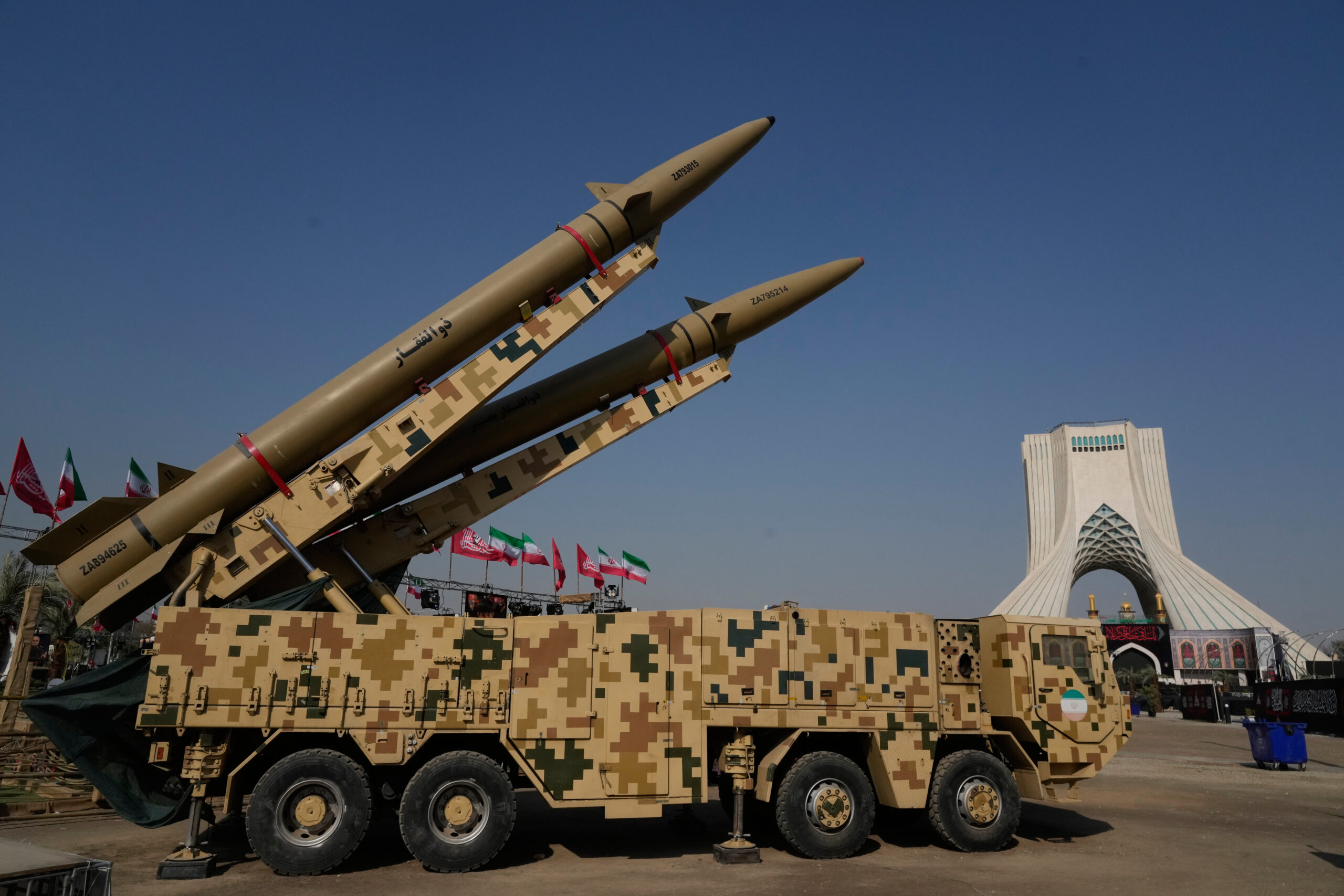
Iran’s Collective Strategic Decision Making
Wartime pressure has temporarily aligned the leadership’s overriding interest in regime survival, even as its members continue to differ over the costs, methods, and ultimate objectives of the war.
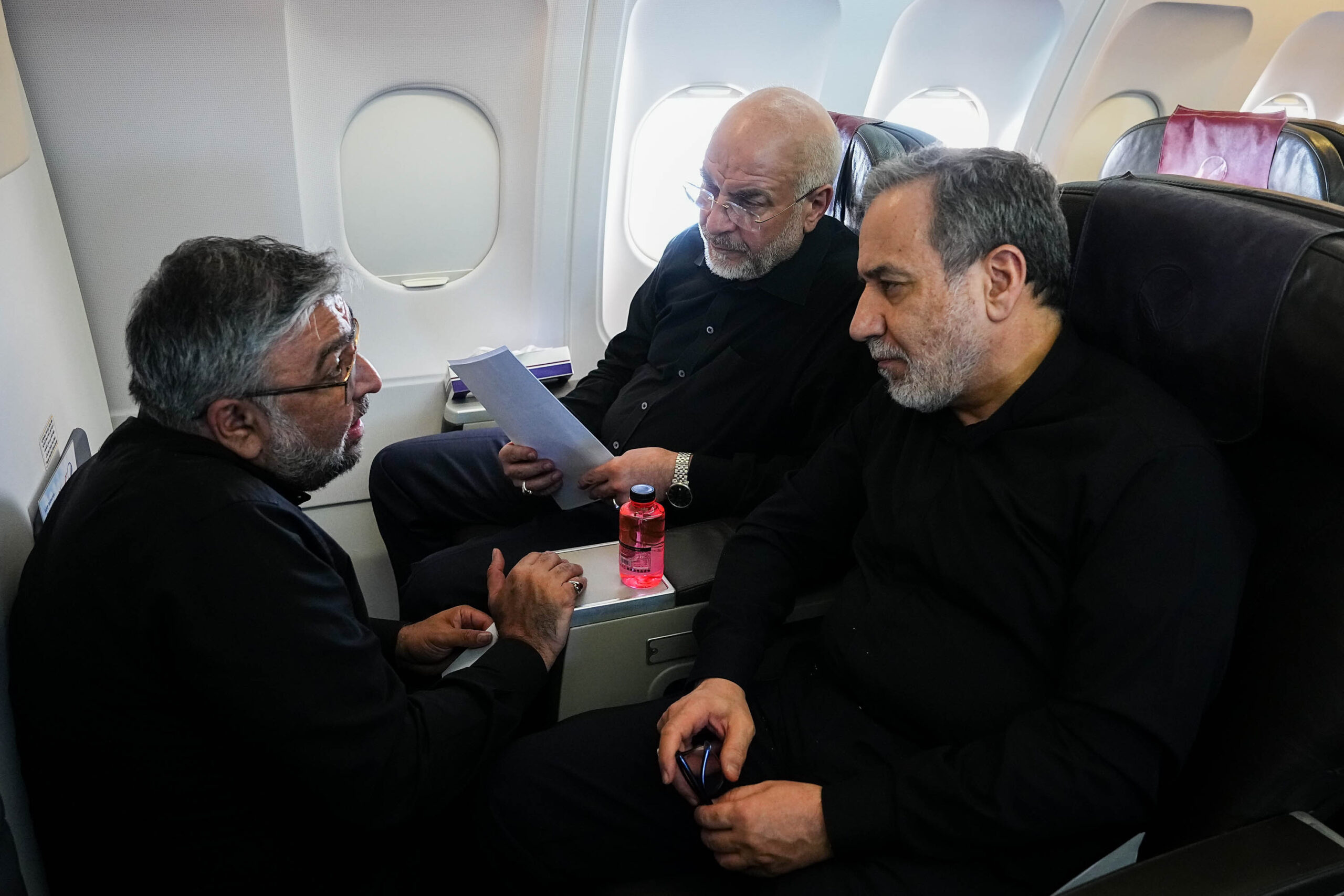
The Islamic Republic’s Collective Leadership
While there is historical precedent for collective leadership in Iran, today’s leadership includes representatives of the IRGC and regular military – a reflection of the IRGC’s expanding role and the necessities of governing under wartime conditions.
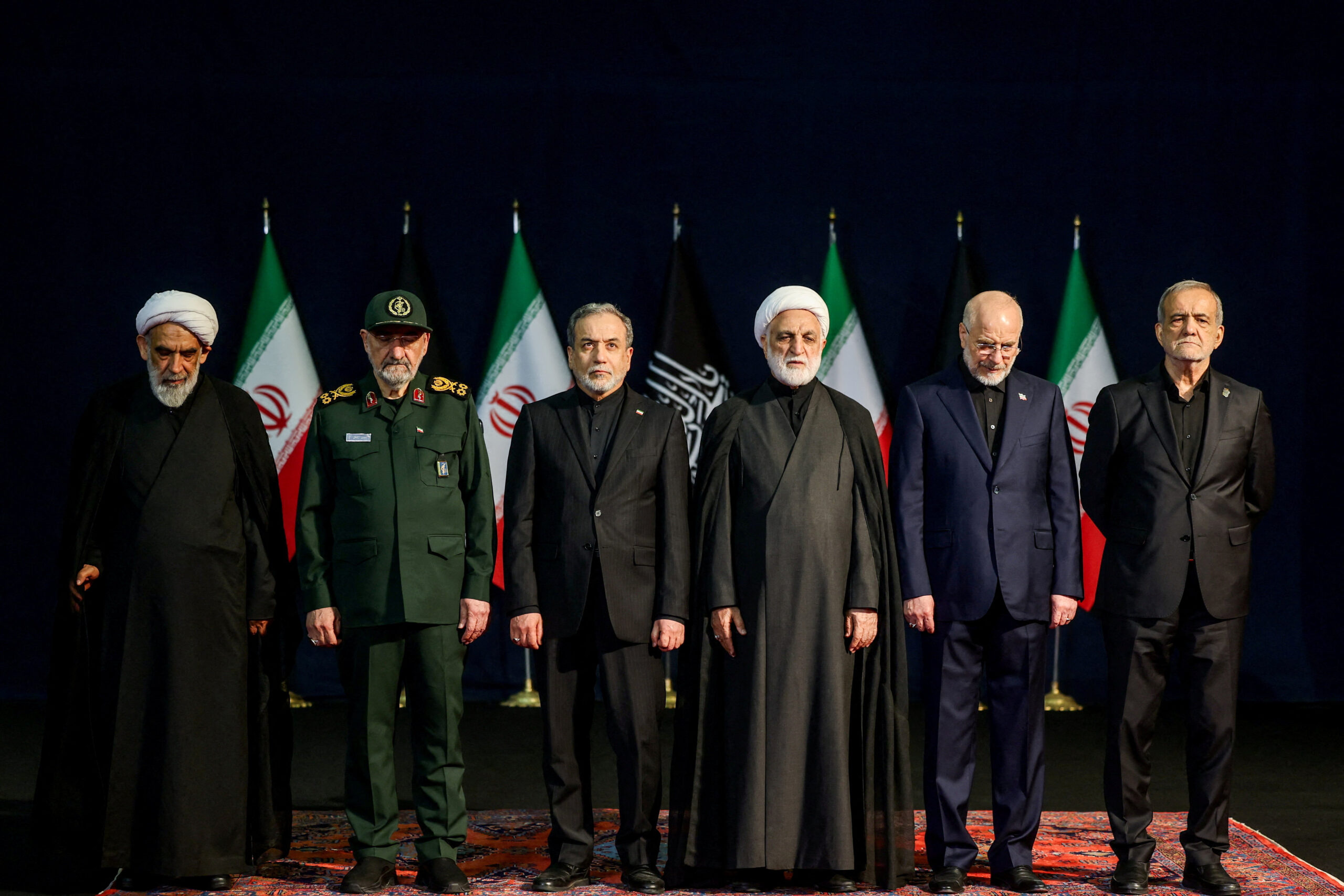
How Did the IRGC Seize Power in Iran?
The IRGC did not seize power in a single stroke. It accumulated it – patiently, methodically – until no counterweight remained.
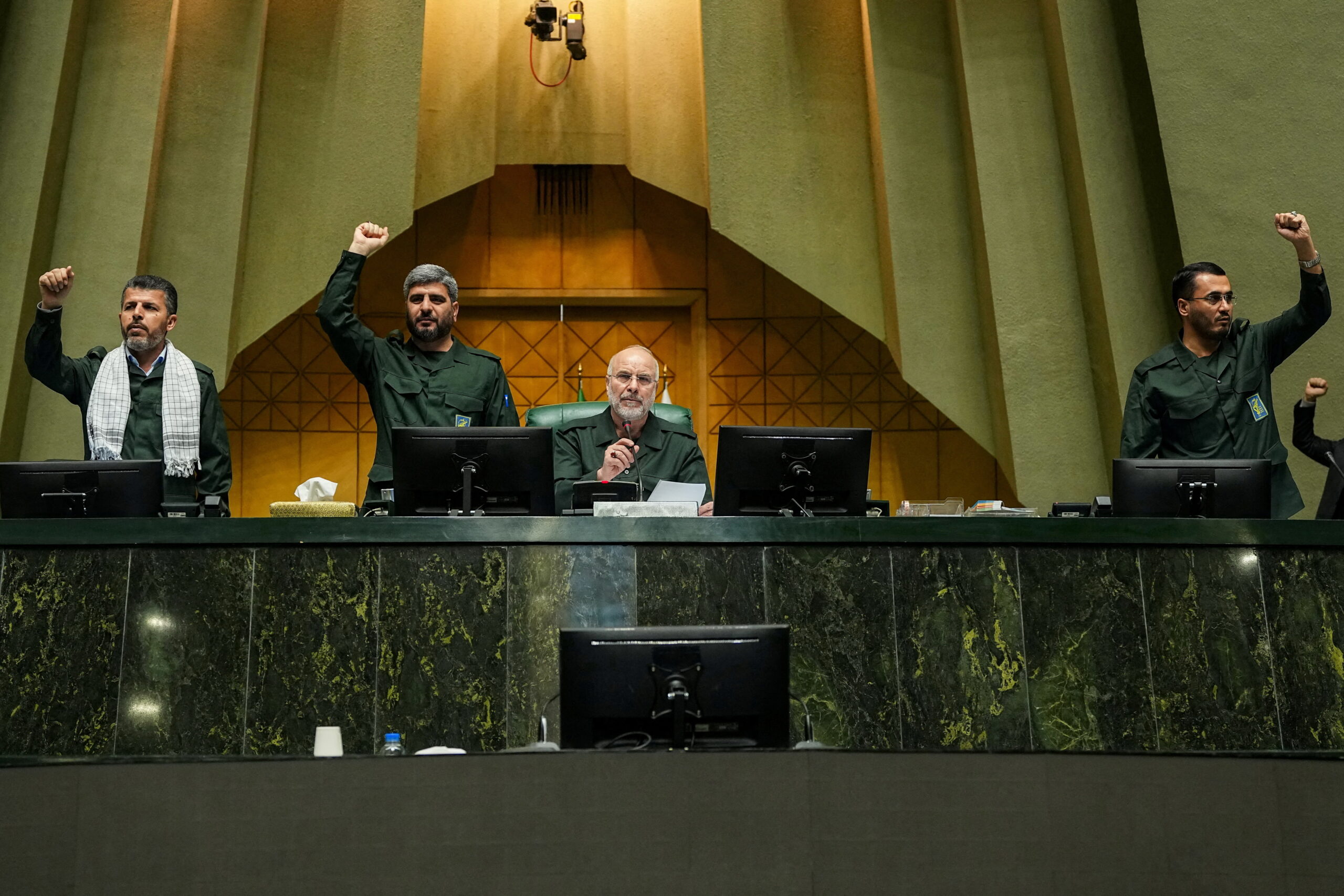
Events
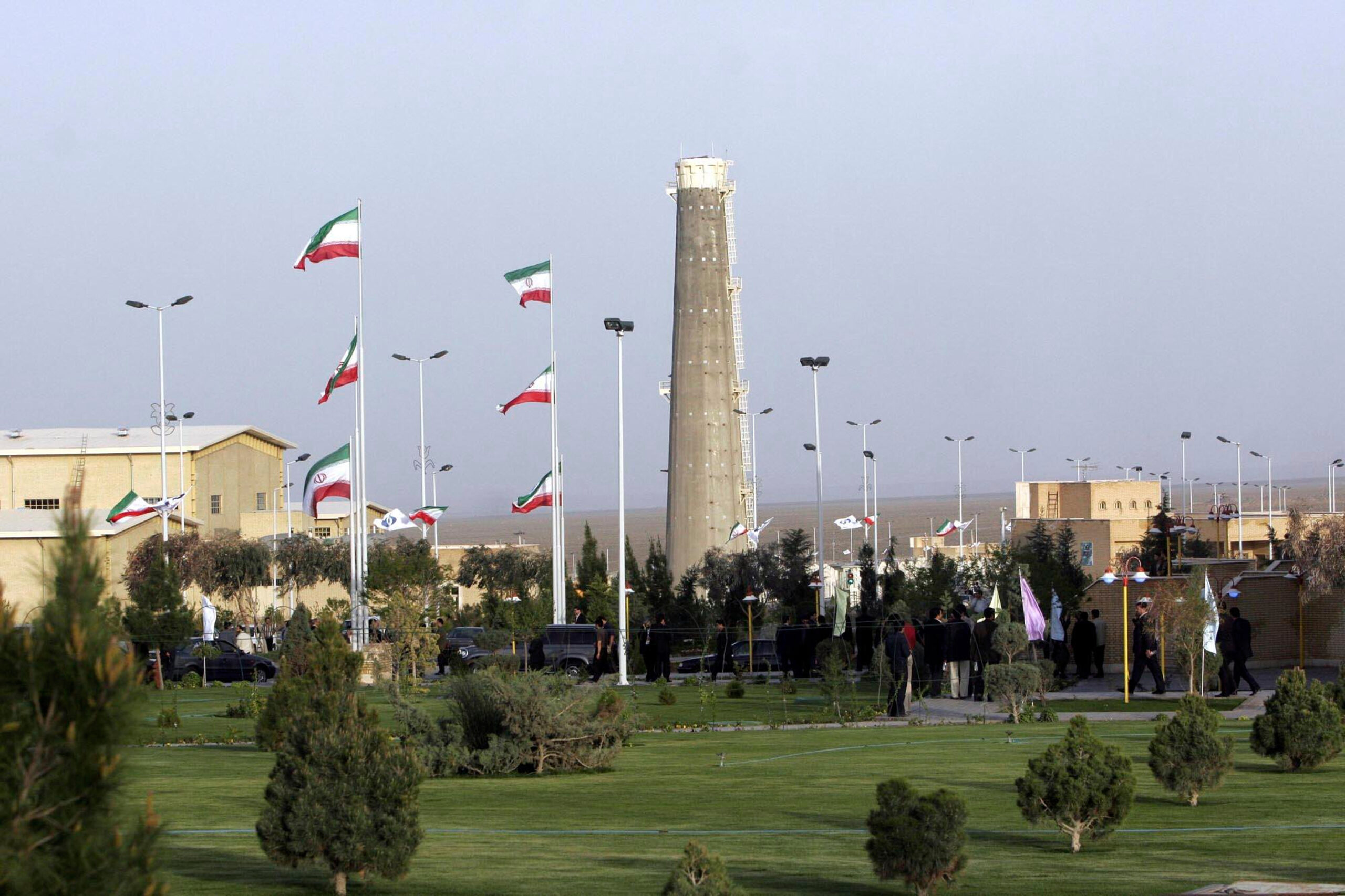
Book Talk: Iran and the Bomb: The United States, Iran and the Nuclear Question
On June 16, AGSI hosted a discussion on the evolution of Iran's nuclear program.
Speakers

Apr 21, 2026
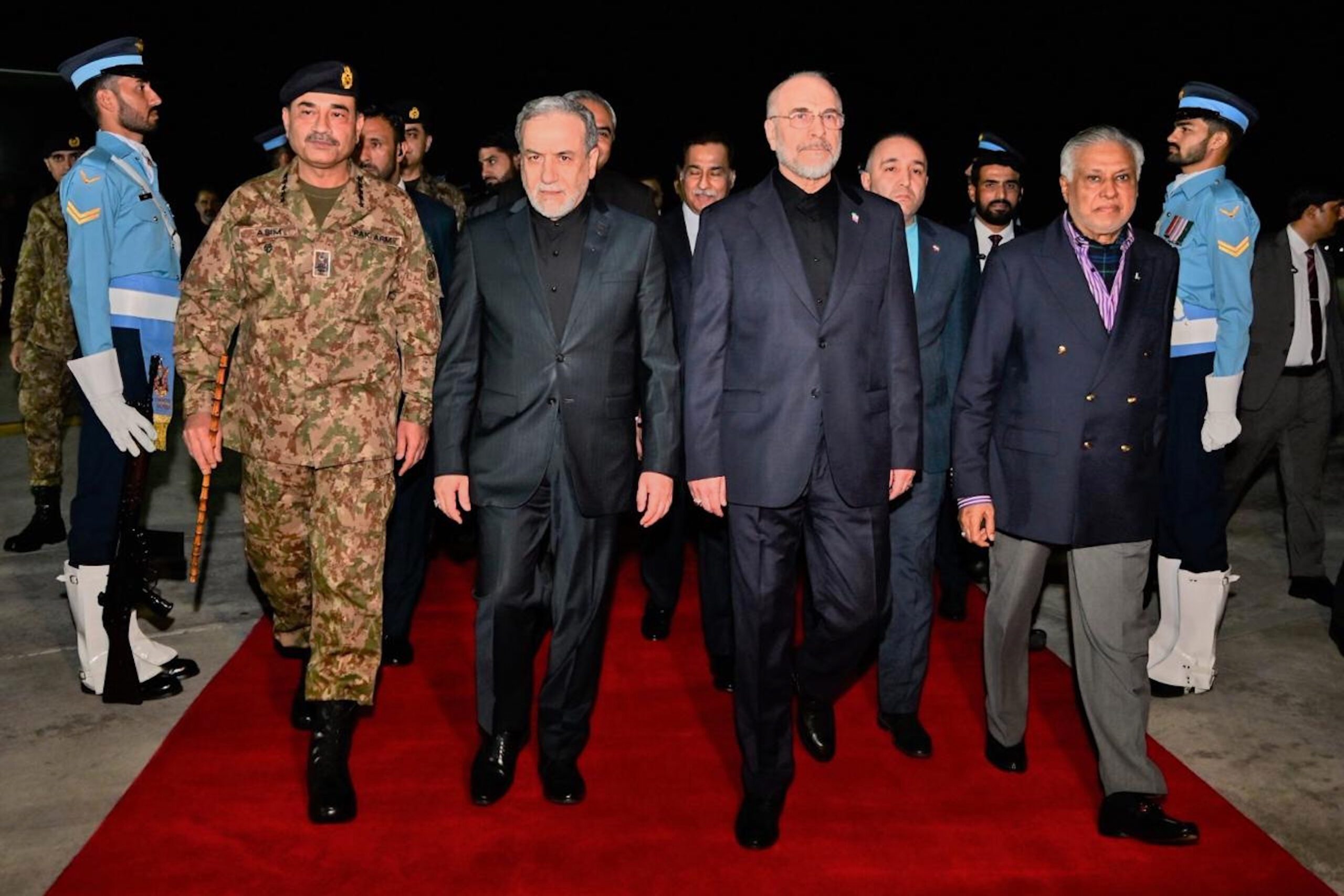
Inside Iran’s Wartime Leadership: Power, Succession, and Regime Stability
On April 21, AGSI hosted a discussion on the evolution of Iran's leadership during the war.
Speakers

Mar 18, 2026
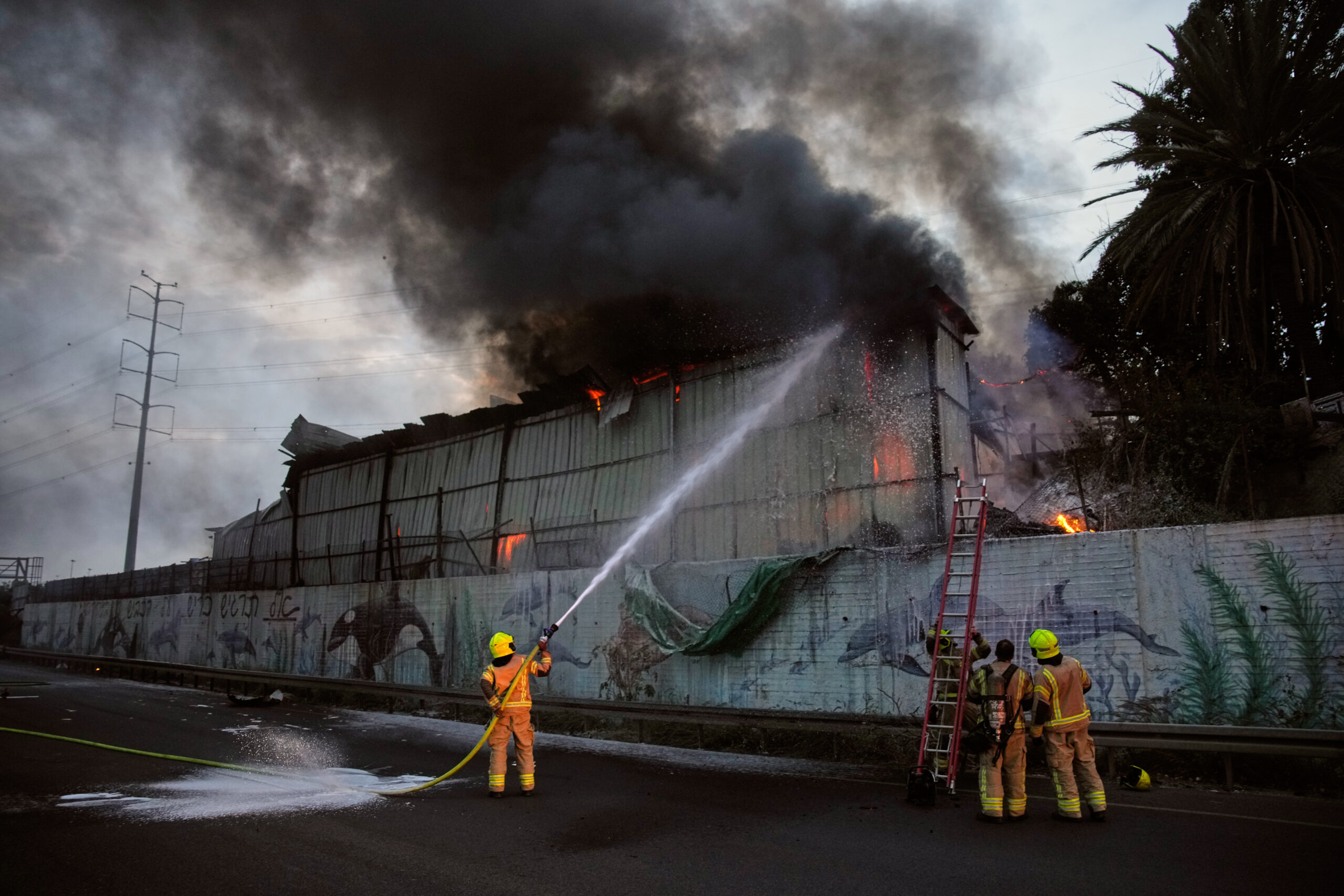
In Its Conflict With the United States and Israel, Does Escalation Favor Iran?
On March 18, AGSI hosted a discussion on the escalation of the Iran war.
Speakers


Mar 2, 2026
After the Shock: Implications of the U.S.–Israeli Strikes and Iran’s Leadership Transition
On March 2, AGSI hosted a discussion on the U.S.-Israeli strikes on Iran.
Speakers