Nov 1, 2022
“Bad Company”: Iranian Commentators on Putin
The November 1 edition of the Iran Media Review explores criticism of the Iranian regime’s close cooperation with Russia.

The Iranian Foreign Ministry’s main building is adorned with a mosaic mural with the text: “Neither East, Nor West, Islamic Republic.” The slogan is a reminder of the bipolar world order of the Cold War, when the revolutionary regime defined itself as independent of the Soviet Union and the United States. In recent years, however, the Islamic Republic appears to have abandoned its traditional nonalignment policy and has increasingly oriented itself toward the East, in particular China and Russia. The wisdom of Iran’s reorientation has long been questioned by some members of the ruling elites, who call for a more balanced approach. Russia’s war against Ukraine and Tehran’s close cooperation with Moscow are provoking more vocal criticism of the regime’s Russophilia.
- October 23: Nemat-Allah Izadi, a former ambassador to Moscow, quoted by Shargh newspaper, said: “On the one hand, Foreign Minister Hossein Amir-Abdollahian, in a phone conversation with Mr. Kuleba, his Ukrainian counterpart, said Iran has not delivered any drones or other arms to Russia. On the other hand, other officials inside of Iran not only said the opposite but also provided photos of Iranian drones in action in Ukraine, and in doing so undermined Mr. Amir-Abdollahian’s statements … Also, the Russians are playing diplomatic games … It was the Russians who first released the news of a Russian delegation visiting a factory in Kashan to procure Iranian-made drones … The Russians managed the game in such a way that everyone became certain that Iranian-made drones were used by it. Russia is politically and diplomatically isolated and is trying to find an accomplice to escape isolation.”
- October 25: On the frontpage of Sazandegi, mouthpiece of technocratic elites of the regimes of former Presidents Ali Akbar Hashemi Rafsanjani and Hassan Rouhani, was the headline “Bad Company” with a large caricature of Russian President Vladimir Putin.
- October 25: The founder of the Islamic Revolutionary Guard Corps navy, retired Brigadier General Hossein Alaei, quoted in Shafaqna, said: “From the very beginning of the invasion of Ukraine, Russia was trying to implicate Iran in the war. In doing so, it would avoid isolation but also increase sanctions against Iran and make a resolution to Iran’s nuclear issue impossible. Russia would take Iran’s foreign policy hostage … This may explain why Russia trumpeted its procurement of drones from Iran and constantly reported it at a time the official position of the Islamic Republic Foreign Ministry is neutrality in the war,” and support for the “effort to end the war … Iran’s national interests dictate the Islamic Republic’s neutrality in the war. It should take advantage of this opportunity to solve the country’s problems with Europe and the United States to the benefit of the people. Iran’s main problem right now is the sanctions regime … solve the conflict with the United States and Europe, and start exporting energy to other countries, in particular to Western countries.”
The views represented herein are the author's or speaker's own and do not necessarily reflect the views of AGSI, its staff, or its board of directors.
Related
Iran Media Review
Oct 28, 2022
Attack in Shiraz May Herald Fierce Regime Suppression of Protests
The October 28 edition of the Iran Media Review demonstrates how the Iranian regime is taking advantage of an attack claimed by ISIL to fiercely suppress protesters.
Iran Media Review
Oct 25, 2022
IRGC War University Professor: “Pursue Nuclear Deterrence Instead of a Nuclear Deal”
The October 25 edition of the Iran Media Review considers calls from an assistant professor at Imam Hossein University for Iran to abandon nuclear negotiations with the United States and pursue nuclear deterrence.
Oct 28, 2022
Attack in Shiraz May Herald Fierce Regime Suppression of Protests
The October 28 edition of the Iran Media Review demonstrates how the Iranian regime is taking advantage of an attack claimed by ISIL to fiercely suppress protesters.
Oct 25, 2022
IRGC War University Professor: “Pursue Nuclear Deterrence Instead of a Nuclear Deal”
The October 25 edition of the Iran Media Review considers calls from an assistant professor at Imam Hossein University for Iran to abandon nuclear negotiations with the United States and pursue nuclear deterrence.
Analysis
The Committee of Six and Strategic Decision Making in Iran
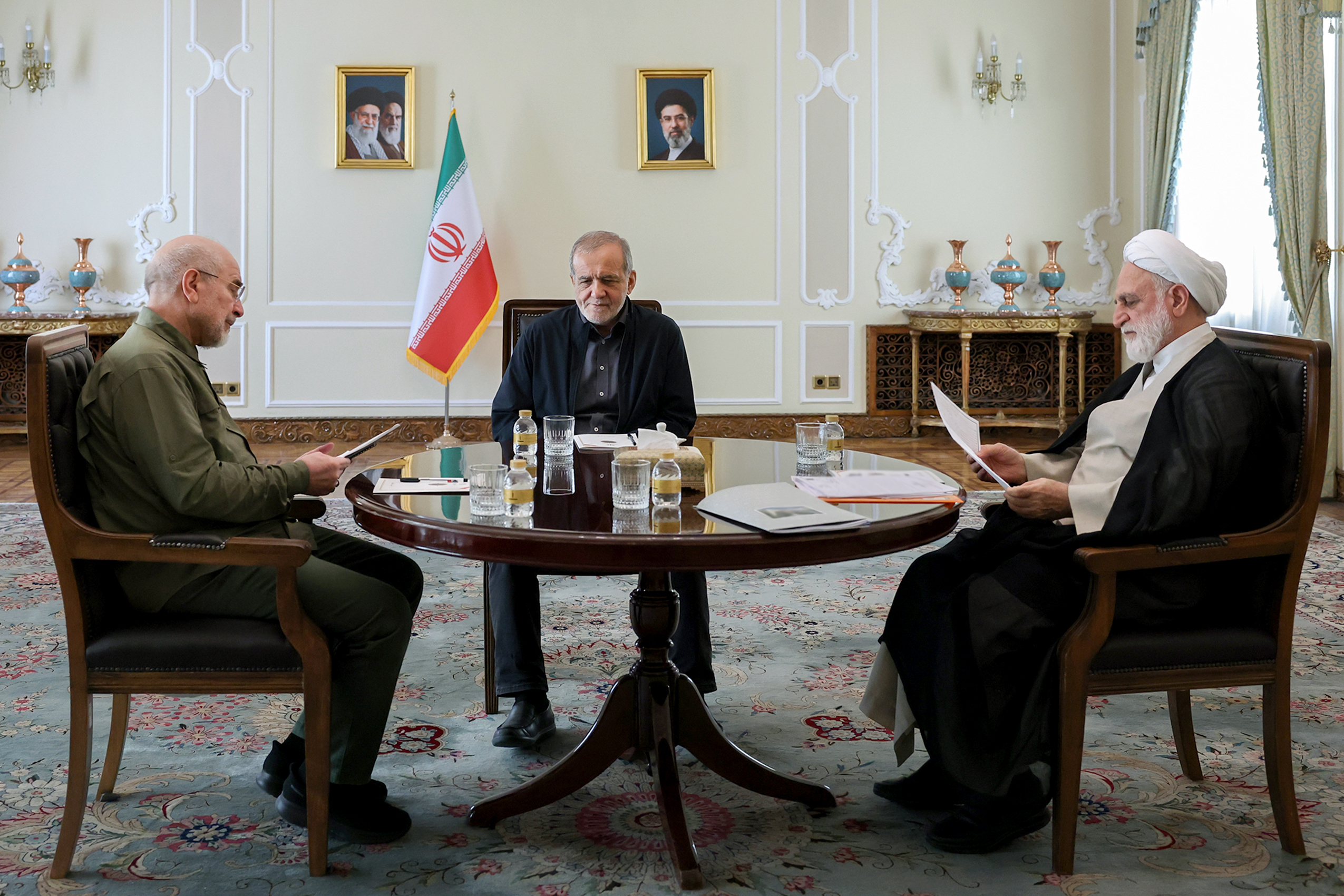
Remarks by Iran’s president offer a rare glimpse of how the Islamic Republic has adapted its decision making to the absence of its supreme leader.
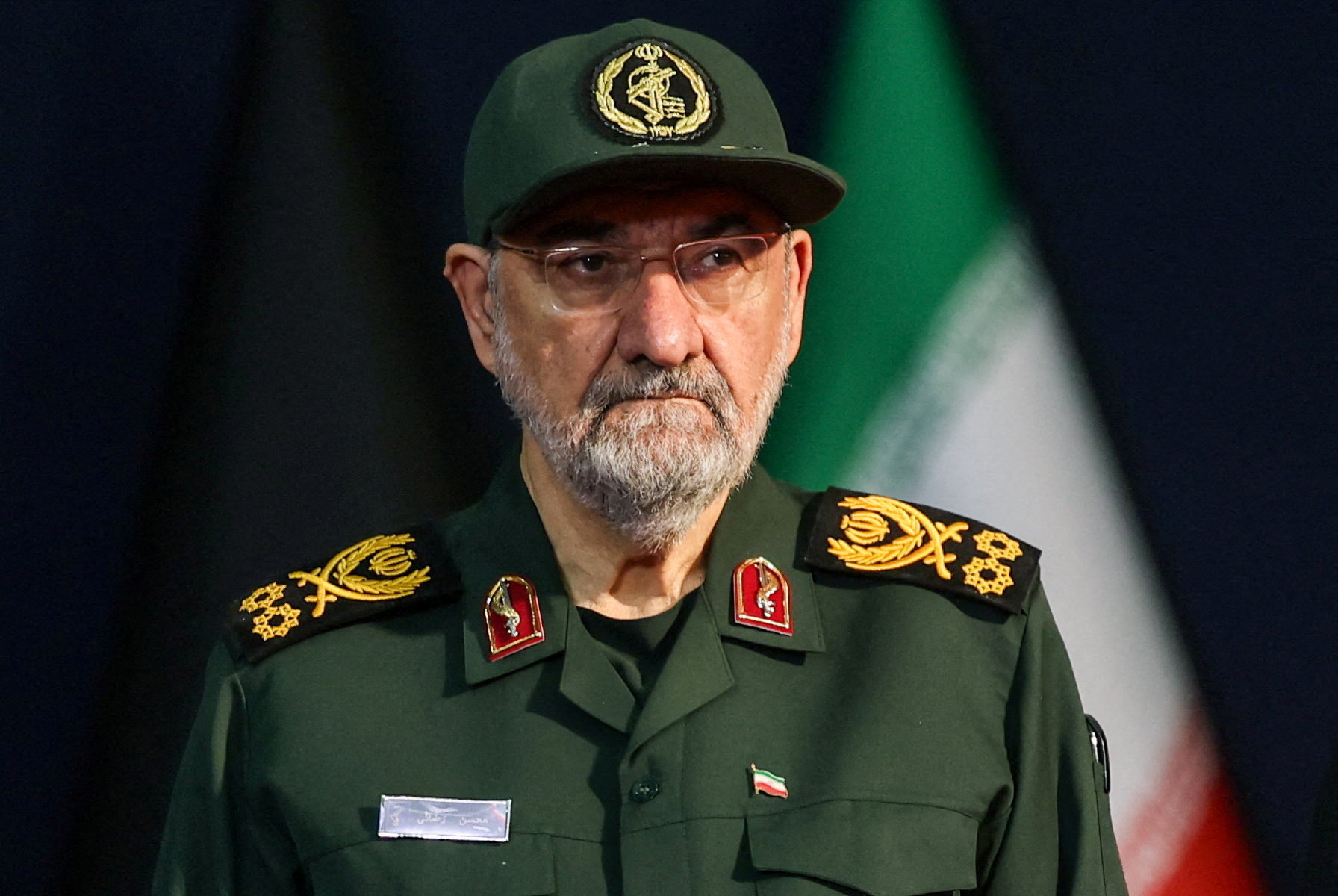
Mohsen Rezaei at the Helm of Iran’s Supreme National Security Council
Under Rezaei, the SNSC could prove constructive or paralyze strategic decision making.
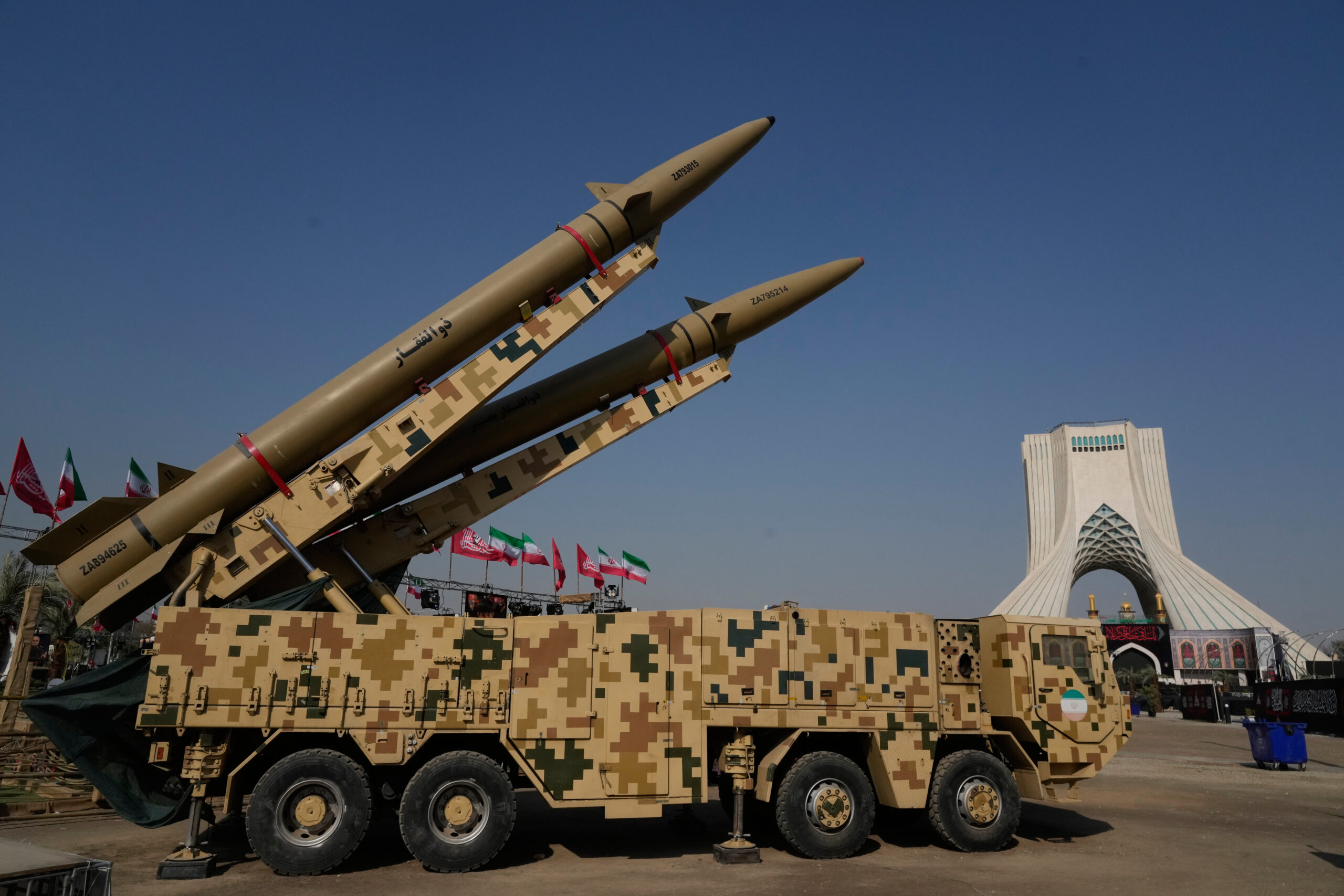
The Islamic Republic Returns to Offense
After U.S.-Israeli strikes killed Supreme Leader Ayatollah Ali Khamenei on February 28, Iran’s collective leadership has concluded that the best defense is a good offense.
Iran’s Collective Strategic Decision Making
Wartime pressure has temporarily aligned the leadership’s overriding interest in regime survival, even as its members continue to differ over the costs, methods, and ultimate objectives of the war.
Events
Oct 6, 2026
Is the U.S.-Iran Stalemate a “New Normal” or the Prelude to Another Explosion?
On October 6, AGSI hosted a discussion on the U.S.-Iran stalemate and the prospects for a cease-fire.
Speakers



Book Talk: Iran and the Bomb: The United States, Iran and the Nuclear Question
On June 16, AGSI hosted a discussion on the evolution of Iran's nuclear program.
Speakers
Apr 21, 2026
Inside Iran’s Wartime Leadership: Power, Succession, and Regime Stability
On April 21, AGSI hosted a discussion on the evolution of Iran's leadership during the war.
Speakers

Mar 18, 2026
In Its Conflict With the United States and Israel, Does Escalation Favor Iran?
On March 18, AGSI hosted a discussion on the escalation of the Iran war.
Speakers