Jan 13, 2023
Iran International TV at the Center of Iran-Saudi Arabia Talks
Since its launch in May 2017, the London-based (but reportedly Saudi owned), Persian-language Iran International TV has served as a media platform for all individuals and groups opposing the Islamic Republic, playing a role in Iran not dissimilar to that of Al Jazeera during the Arab Spring uprisings. The Islamic Republic designated Iran International a...

Since its launch in May 2017, the London-based (but reportedly Saudi owned), Persian-language Iran International TV has served as a media platform for all individuals and groups opposing the Islamic Republic, playing a role in Iran not dissimilar to that of Al Jazeera during the Arab Spring uprisings. The Islamic Republic designated Iran International a “terrorist organization,” on charges of inciting anti-government riots, and there are constant reports of harassment of family members of the network’s journalists within Iran. It is therefore hardly surprising that Iranian officials condition normalization of relations between Tehran and Riyadh, hopes for which were recently revived as Iranian and Saudi officials met in Brazil, on the closure or, at the very least, change of behavior of Iran International TV.
- January 5: Mohammad Hosseini, Iran’s vice president for parliamentary affairs, commenting on his meeting with Saudi Foreign Minister Faisal bin Farhan, was quoted by Jamaran News as saying: “Iran and Saudi Arabia are prepared for continued negotiations. Our emphasis is continuation of the Baghdad talks … The Saudi party insists the talks must continue and address matters of mutual concern before restoration of relations between the two countries … We too insist the Baghdad talks must continue. In the wake of the recent unrest, certain countries stopped negotiating but have now understood they must continue the dialogue with the Islamic Republic.” Hosseini also said: “Iran International Television Network played an important role in the recent unrest, which must be investigated. It must be discussed in these talks. If the Saudis have certain concerns, which they bring forward, it is also apparent to this side as well that the media warfare was supported by Saudi Arabia. At any rate, both parties are ready for continued negotiations. For the time being, the political relations are severed, but the two countries can maintain political relations, in spite of having conflicts in a certain field.”
- January 7: A large number of Iranian media outlets, including the centrist daily Ettelaat, reported Russian Sputnik News’ commentary on the alleged “expected positive outcome of Iran-Saudi Arabia negotiations,” in the wake of the January 2 meeting between the Saudi foreign minister and Iranian vice president in Brazil. Quoting Sputnik News’ analysis, the Ettelaat report stated: “Statements by Tehran officials show that Saudi Arabia is interested in continued negotiations, even though the previous five rounds of negotiations did not show significant progress” and stressed the Iraqi prime minister too is interested in continuing the role of his predecessor as mediator between Iran and Saudi Arabia, in particular concerning the conflict in Yemen. The Ettelaat report ended with the concluding words of the Sputnik News analysis, claiming Saudi Arabia is “inclined to improve relations with Iran due to the poor state of Saudi-American relations.”
- January 7: In a very different take, reformist daily Etemad printed a Persian translation of a Wall Street Journal piece arguing the “threat of Iran has reduced tensions between Riyadh and Washington.”
- January 7: Majid Nouri, a Middle East analyst, in analysis in centrist Afkar News asked whether “Iran-Saudi reconciliation is nigh,” and concluded the result is conditioned on an end to “vast financial support to the terrorist Iran International Television network during the recent unrest.”
The views represented herein are the author's or speaker's own and do not necessarily reflect the views of AGSI, its staff, or its board of directors.
Related
Iran Media Review
Oct 13, 2026
From Neighbor to Target: Iranian Analysts on the UAE
The October 13 edition of the Iran Media Review explores calls by senior Iranian strategists for Iran to target the United Arab Emirates and Dubai’s airport.
Iran Media Review
Oct 9, 2026
Food Baskets for the Faithful Servants
The October 9 edition of the Iran Media Review considers Iranian media questions regarding aid distribution to government employees and the resentment building among Iranians left outside the circle.
Iran Media Review
Oct 6, 2026
Is Iran’s Economy in Free Fall or Will It Prove Resilient?
The October 6 edition of the Iran Media Review examines contrasting assessments of Iran’s economy.
Oct 13, 2026
From Neighbor to Target: Iranian Analysts on the UAE
The October 13 edition of the Iran Media Review explores calls by senior Iranian strategists for Iran to target the United Arab Emirates and Dubai’s airport.
Oct 9, 2026
Food Baskets for the Faithful Servants
The October 9 edition of the Iran Media Review considers Iranian media questions regarding aid distribution to government employees and the resentment building among Iranians left outside the circle.
Oct 6, 2026
Is Iran’s Economy in Free Fall or Will It Prove Resilient?
The October 6 edition of the Iran Media Review examines contrasting assessments of Iran’s economy.
Analysis
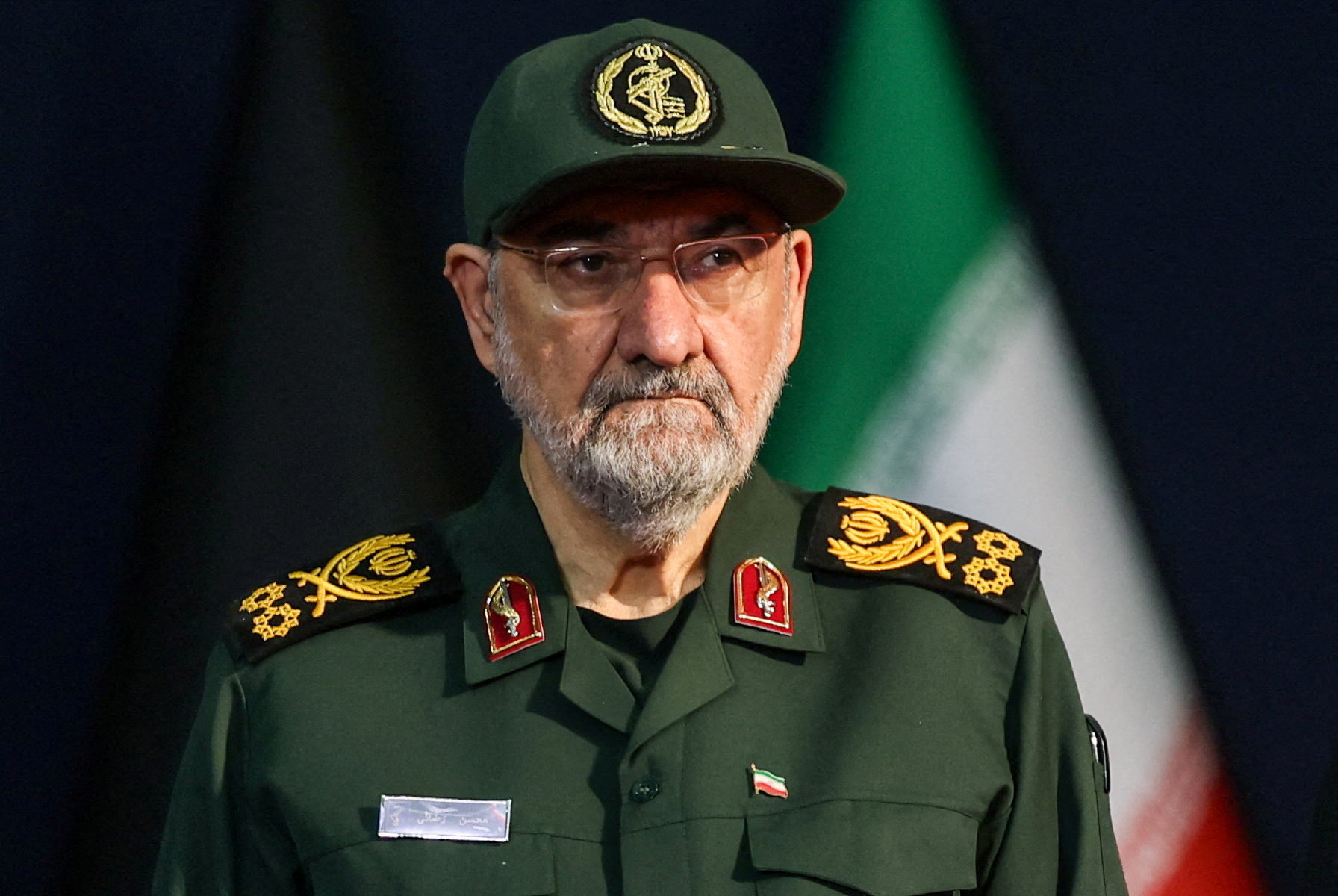
Mohsen Rezaei at the Helm of Iran’s Supreme National Security Council
Under Rezaei, the SNSC could prove constructive or paralyze strategic decision making.
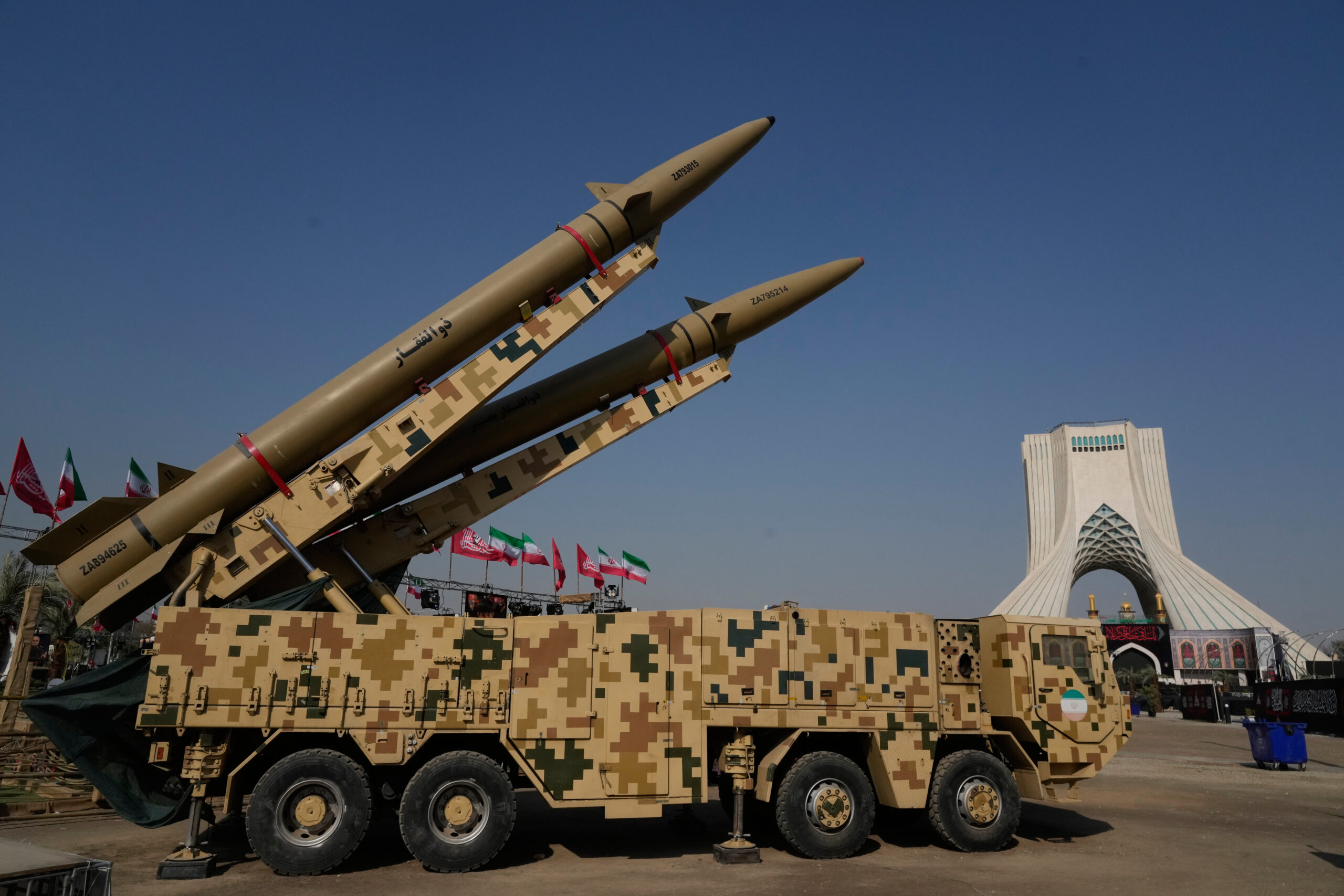
The Islamic Republic Returns to Offense
After U.S.-Israeli strikes killed Supreme Leader Ayatollah Ali Khamenei on February 28, Iran’s collective leadership has concluded that the best defense is a good offense.
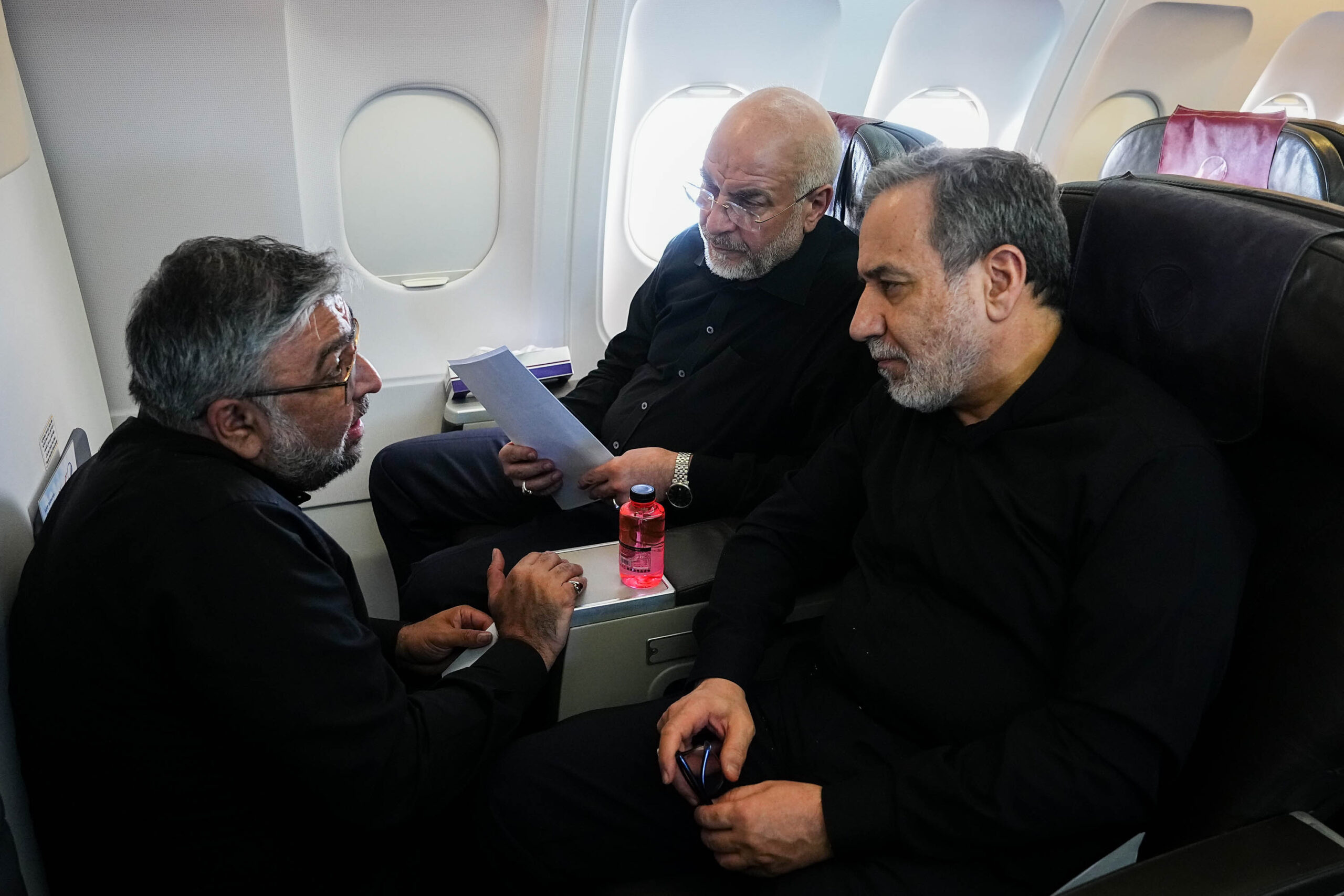
Iran’s Collective Strategic Decision Making
Wartime pressure has temporarily aligned the leadership’s overriding interest in regime survival, even as its members continue to differ over the costs, methods, and ultimate objectives of the war.
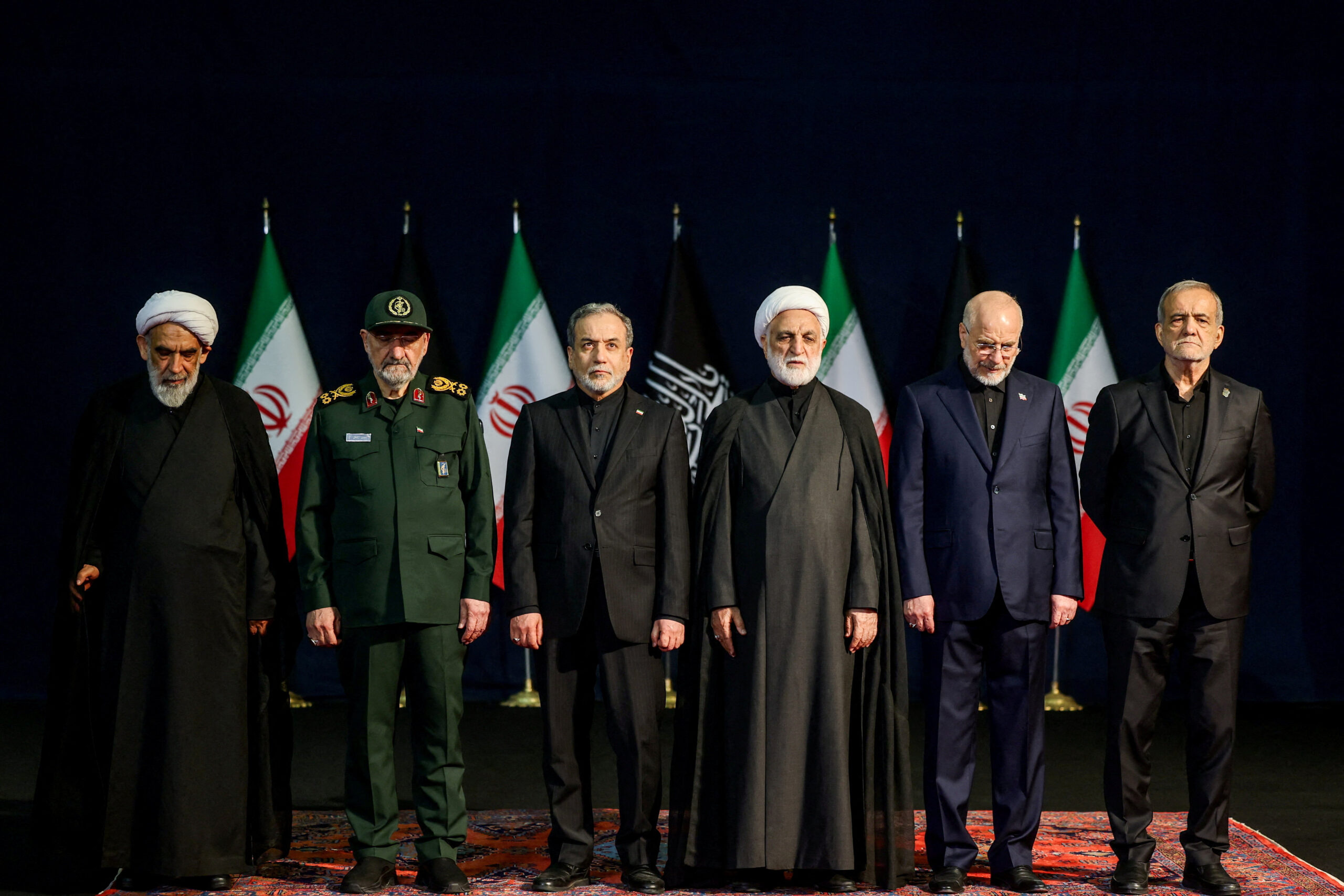
The Islamic Republic’s Collective Leadership
While there is historical precedent for collective leadership in Iran, today’s leadership includes representatives of the IRGC and regular military – a reflection of the IRGC’s expanding role and the necessities of governing under wartime conditions.
Events
Oct 6, 2026
Is the U.S.-Iran Stalemate a “New Normal” or the Prelude to Another Explosion?
On October 6, AGSI hosted a discussion on the U.S.-Iran stalemate and the prospects for a cease-fire.
Speakers



Book Talk: Iran and the Bomb: The United States, Iran and the Nuclear Question
On June 16, AGSI hosted a discussion on the evolution of Iran's nuclear program.

Speakers

Apr 21, 2026
Inside Iran’s Wartime Leadership: Power, Succession, and Regime Stability
On April 21, AGSI hosted a discussion on the evolution of Iran's leadership during the war.
Speakers

Mar 18, 2026
In Its Conflict With the United States and Israel, Does Escalation Favor Iran?
On March 18, AGSI hosted a discussion on the escalation of the Iran war.
Speakers