Oct 31, 2025
Iran: Bleak Economic “Future” Prospects
The October 31 edition of the Iran Media Review considers a report addressing the fragility of Iran’s state-linked financial sector.

On October 25, privately owned Ayandeh (Future) bank was dissolved and merged into Bank-e Melli Iran. Customers were assured that their accounts and deposits remain safe. However, the bank’s $4.67 billion debt to the Central Bank of Iran – of which $1.2 billion appears to have been extended as loans to a small circle of politically connected individuals and firms either unable or unwilling to repay – will now burden Bank-e Melli’s balance sheet. According to reformist Etemad, more troubling developments may follow. The Social Security Investment Company – a conglomerate that provides financial coverage for roughly half of Iran’s population – may soon face similar scrutiny, raising broader concerns about the structural fragility of Iran’s state-linked financial sector.
- October 29: Reformist Etemad published an article about Iran’s Social Security Investment Company, SHASTA, written by Amir-Reza Etasi:
- “SHASTA … once a symbol of economic power and a source of hope for millions of insured Iranians, now stands at a historic crossroads. This vast holding company, which owns strategic stakes in Iran’s petrochemical, cement, pharmaceutical, and mining sectors, might at first glance appear to be an attractive investment opportunity. Yet a deeper look into its structure and performance reveals a troubling picture of managerial and structural dysfunction.”
- “Consolidated operating revenue for the fiscal year ending June 20 grew by 35%, reaching 2,770 trillion rials. However, this growth reflects inflation and currency depreciation, not higher production or efficiency … net profit attributable to the parent company’s shareholders rose only 4%, to 335 trillion rials. This mismatch signals severe margin compression.”
- “Total group assets climbed 24% to 3,541 trillion rials, mainly due to higher inventories and receivables. Yet the slow conversion of receivables into cash suggests weak demand or growing credit risk among customers. On the liabilities side, total debt grew 26%, with short-term loans up 27%, revealing increasing dependence on debt to cover operating expenses.”
- “Sustainable growth will remain impossible unless Iran resolves its energy crisis or SHASTA undergoes a radical governance and strategic overhaul.”
The views represented herein are the author's or speaker's own and do not necessarily reflect the views of AGSI, its staff, or its board of directors.
Related
Iran Media Review
Oct 28, 2025
Former IRGC Chief Weighs In on Potential for Renewed Conflict With Israel
The October 28 edition of the Iran Media Review highlights an interview with former IRGC Commander Major General Mohammad Ali Jafari about the possibility of a new war with Israel.
Iran Media Review
Oct 24, 2025
Iranian “Businessman” Reports Record-High Oil Exports Despite Sanctions
The October 24 edition of the Iran Media Review examines a report by an Iranian “businessman” claiming that Iran’s oil exports are at a record high and rising.
Iran Media Review
Oct 21, 2025
Khamenei Rules Out “Deal” Involving Iran’s Missile Program
The October 21 edition of the Iran Media Review highlights comments by Ayatollah Khamenei rejecting a deal with the United States that would limit Iran’s missile program.
Oct 28, 2025
Former IRGC Chief Weighs In on Potential for Renewed Conflict With Israel
The October 28 edition of the Iran Media Review highlights an interview with former IRGC Commander Major General Mohammad Ali Jafari about the possibility of a new war with Israel.
Oct 24, 2025
Iranian “Businessman” Reports Record-High Oil Exports Despite Sanctions
The October 24 edition of the Iran Media Review examines a report by an Iranian “businessman” claiming that Iran’s oil exports are at a record high and rising.
Oct 21, 2025
Khamenei Rules Out “Deal” Involving Iran’s Missile Program
The October 21 edition of the Iran Media Review highlights comments by Ayatollah Khamenei rejecting a deal with the United States that would limit Iran’s missile program.
Analysis
The Islamic Republic Returns to Offense
After U.S.-Israeli strikes killed Supreme Leader Ayatollah Ali Khamenei on February 28, Iran’s collective leadership has concluded that the best defense is a good offense.
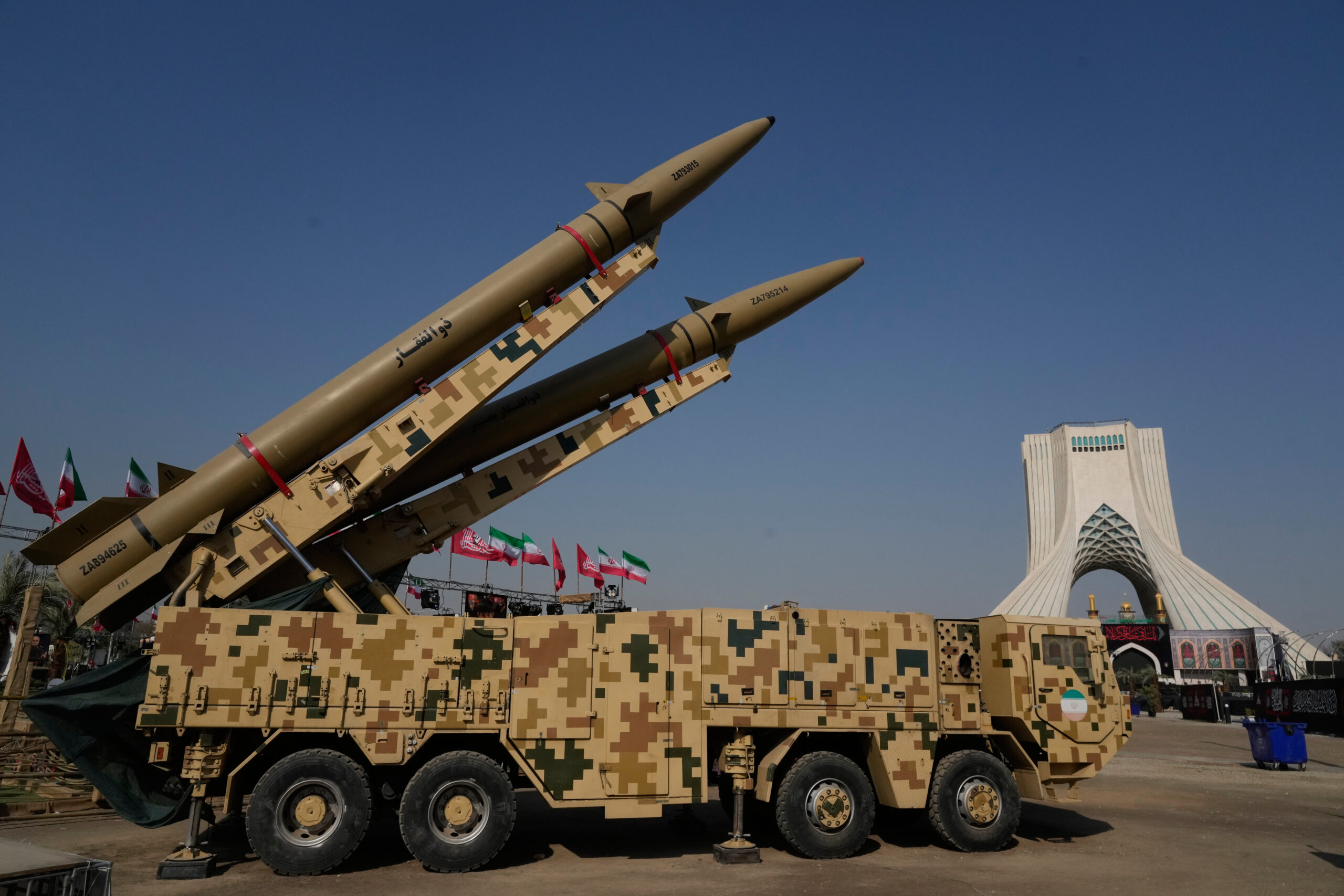
Iran’s Collective Strategic Decision Making
Wartime pressure has temporarily aligned the leadership’s overriding interest in regime survival, even as its members continue to differ over the costs, methods, and ultimate objectives of the war.
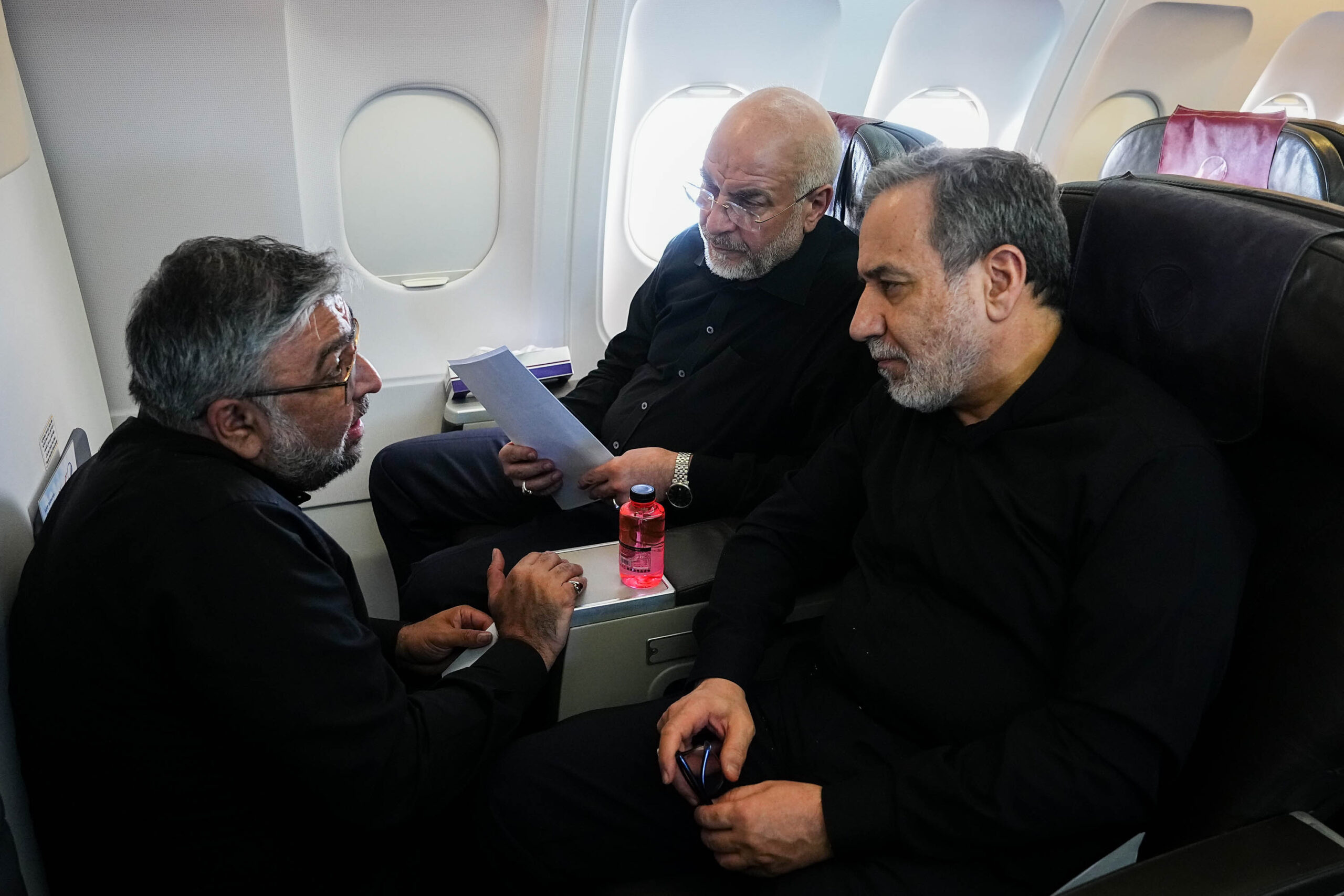
The Islamic Republic’s Collective Leadership
While there is historical precedent for collective leadership in Iran, today’s leadership includes representatives of the IRGC and regular military – a reflection of the IRGC’s expanding role and the necessities of governing under wartime conditions.
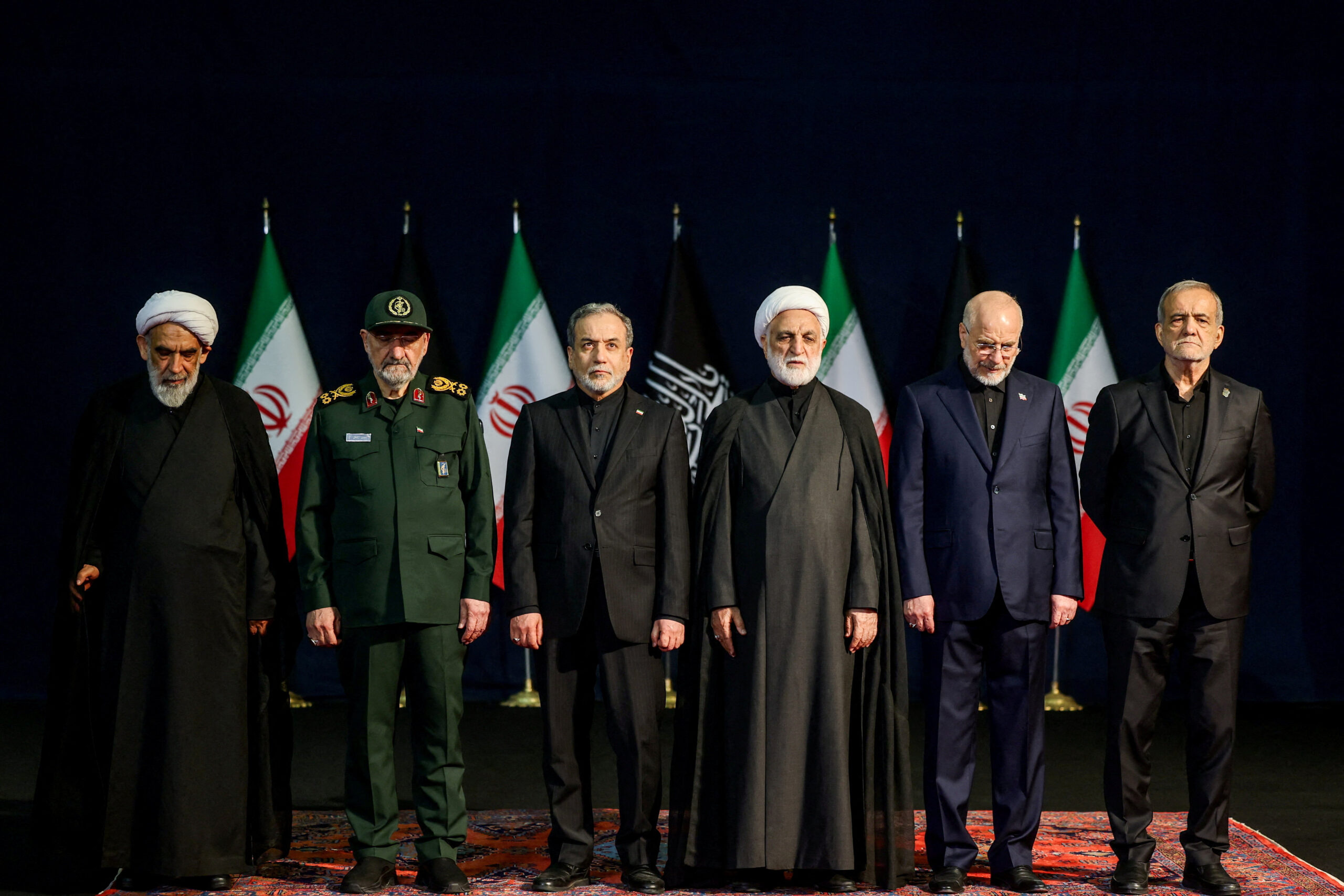
How Did the IRGC Seize Power in Iran?
The IRGC did not seize power in a single stroke. It accumulated it – patiently, methodically – until no counterweight remained.
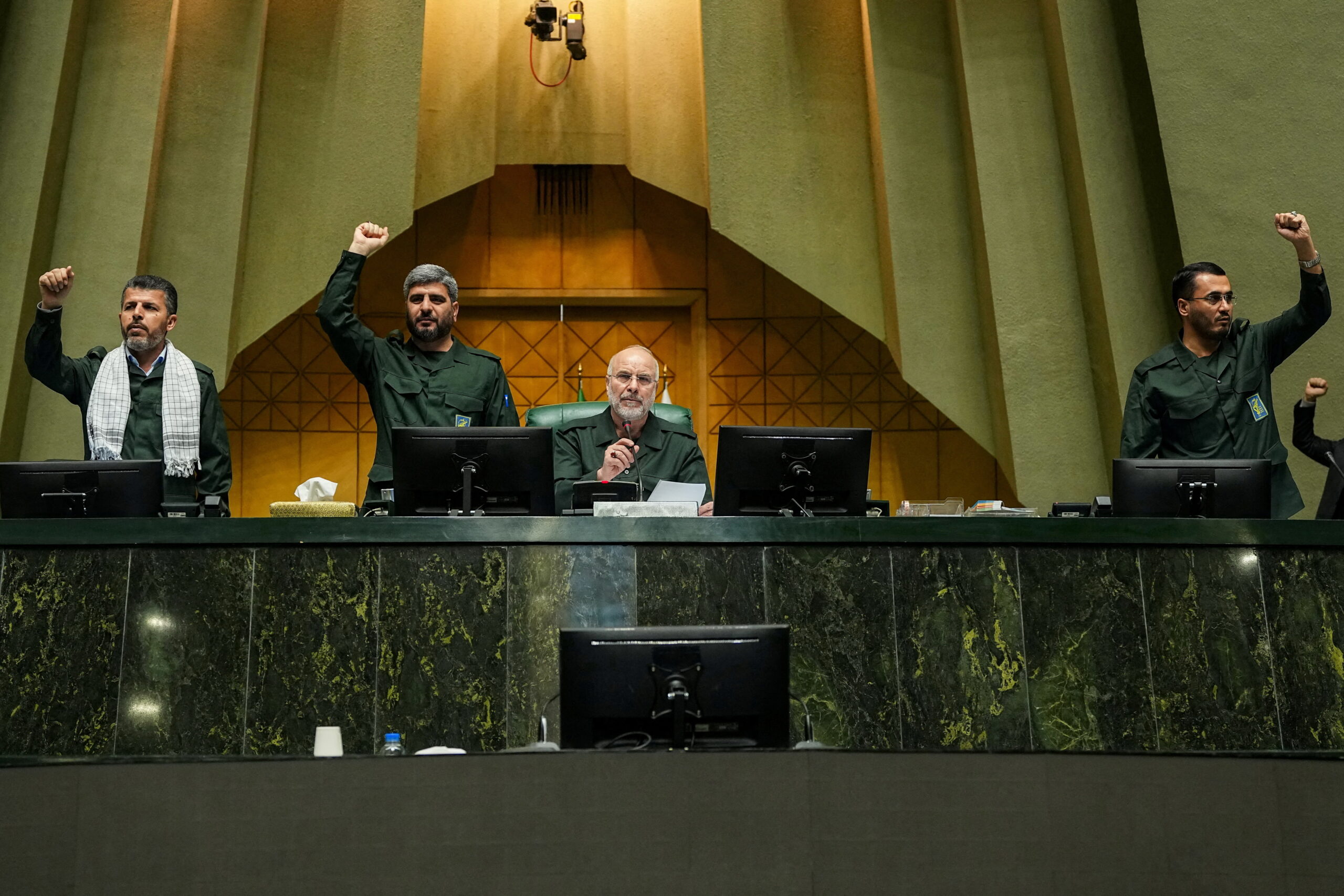
Events
Book Talk: Iran and the Bomb: The United States, Iran and the Nuclear Question
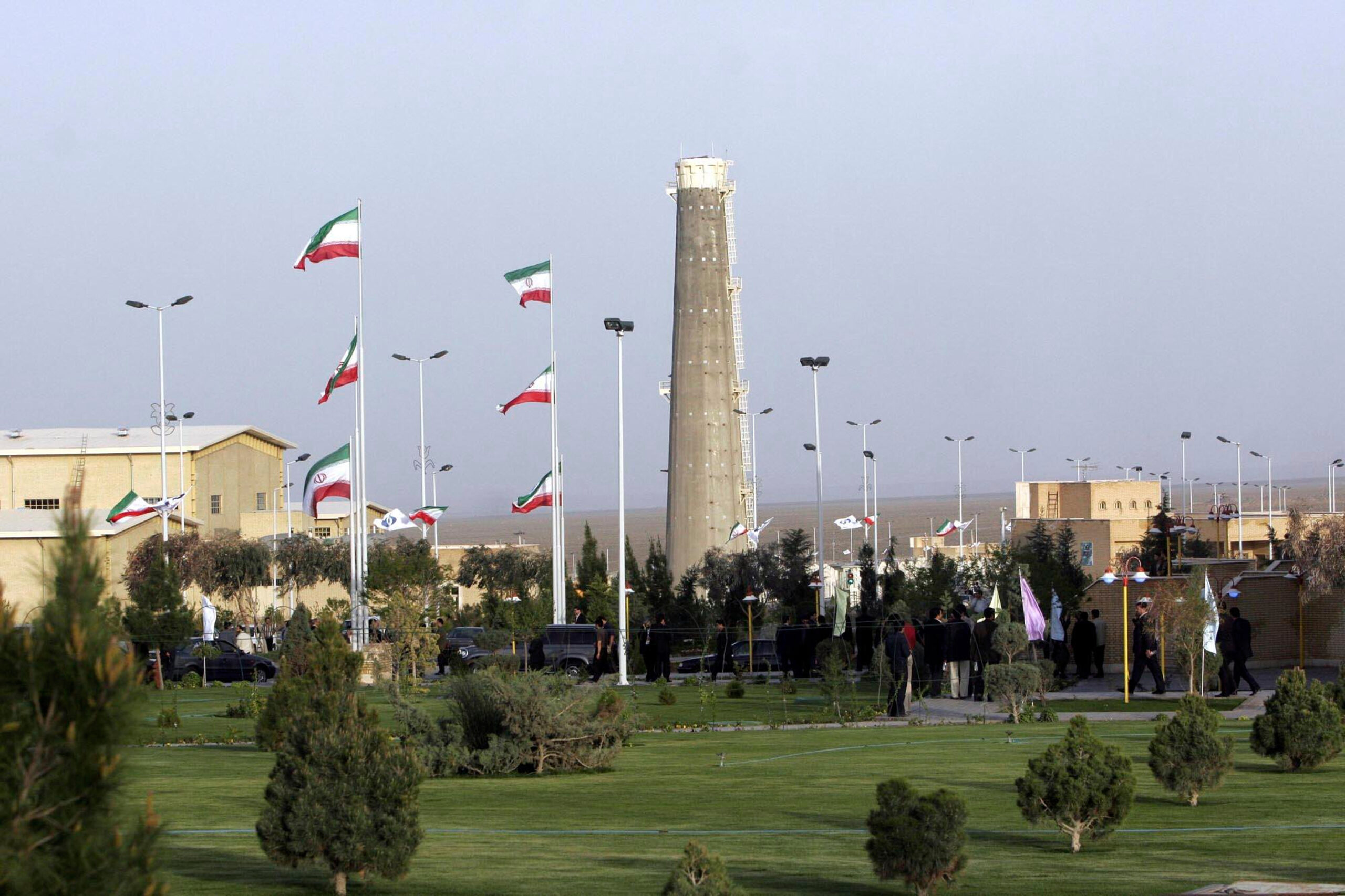
On June 16, AGSI hosted a discussion on the evolution of Iran's nuclear program.
Speakers

Apr 21, 2026
Inside Iran’s Wartime Leadership: Power, Succession, and Regime Stability
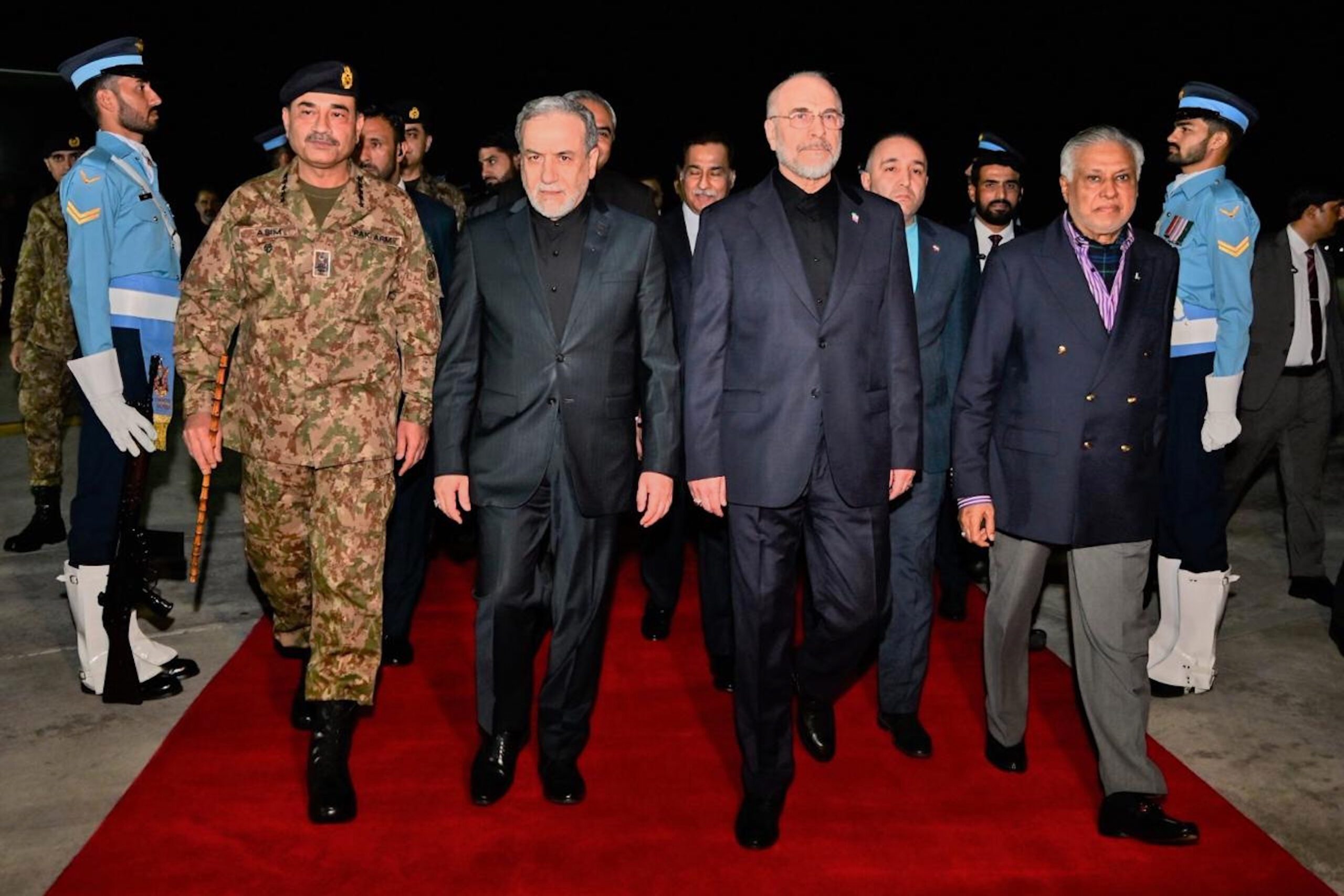
On April 21, AGSI hosted a discussion on the evolution of Iran's leadership during the war.
Speakers

Mar 18, 2026
In Its Conflict With the United States and Israel, Does Escalation Favor Iran?
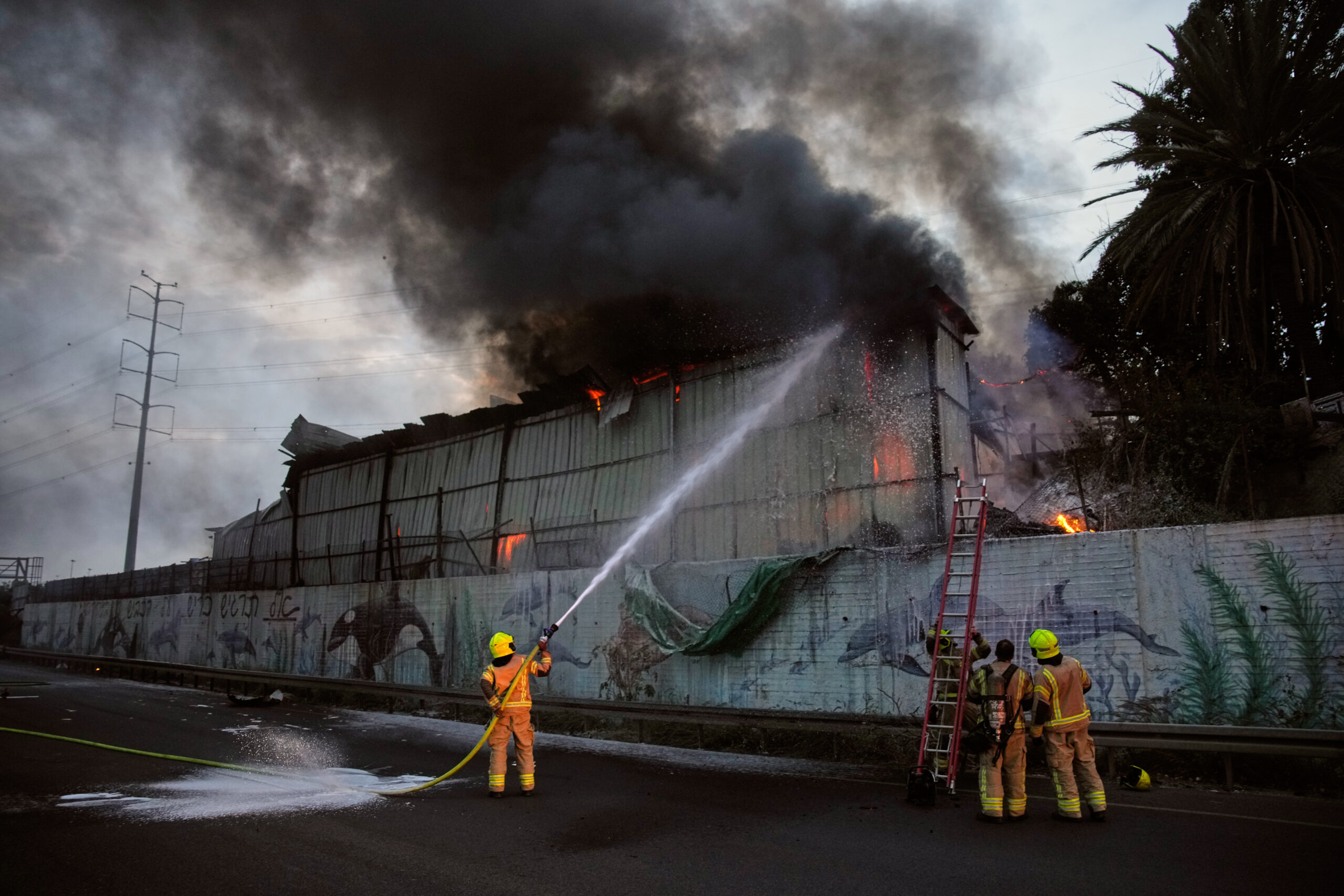
On March 18, AGSI hosted a discussion on the escalation of the Iran war.
Speakers


Mar 2, 2026
After the Shock: Implications of the U.S.–Israeli Strikes and Iran’s Leadership Transition
On March 2, AGSI hosted a discussion on the U.S.-Israeli strikes on Iran.
Speakers